How a melted candy bar changed the way we cook
Published on August 21, 2026
What if I told you some of the most recognizable, everyday things we use, like the microwave oven or Post-it notes, and other revolutionary inventions like penicillin or Velcro, came about by accident? That’s right; they weren’t necessarily the result of careful planning, but the byproduct of other experiments that unintentionally led to their findings. Keep reading to learn about 10 fascinating discoveries that occurred by accident.
Penicillin
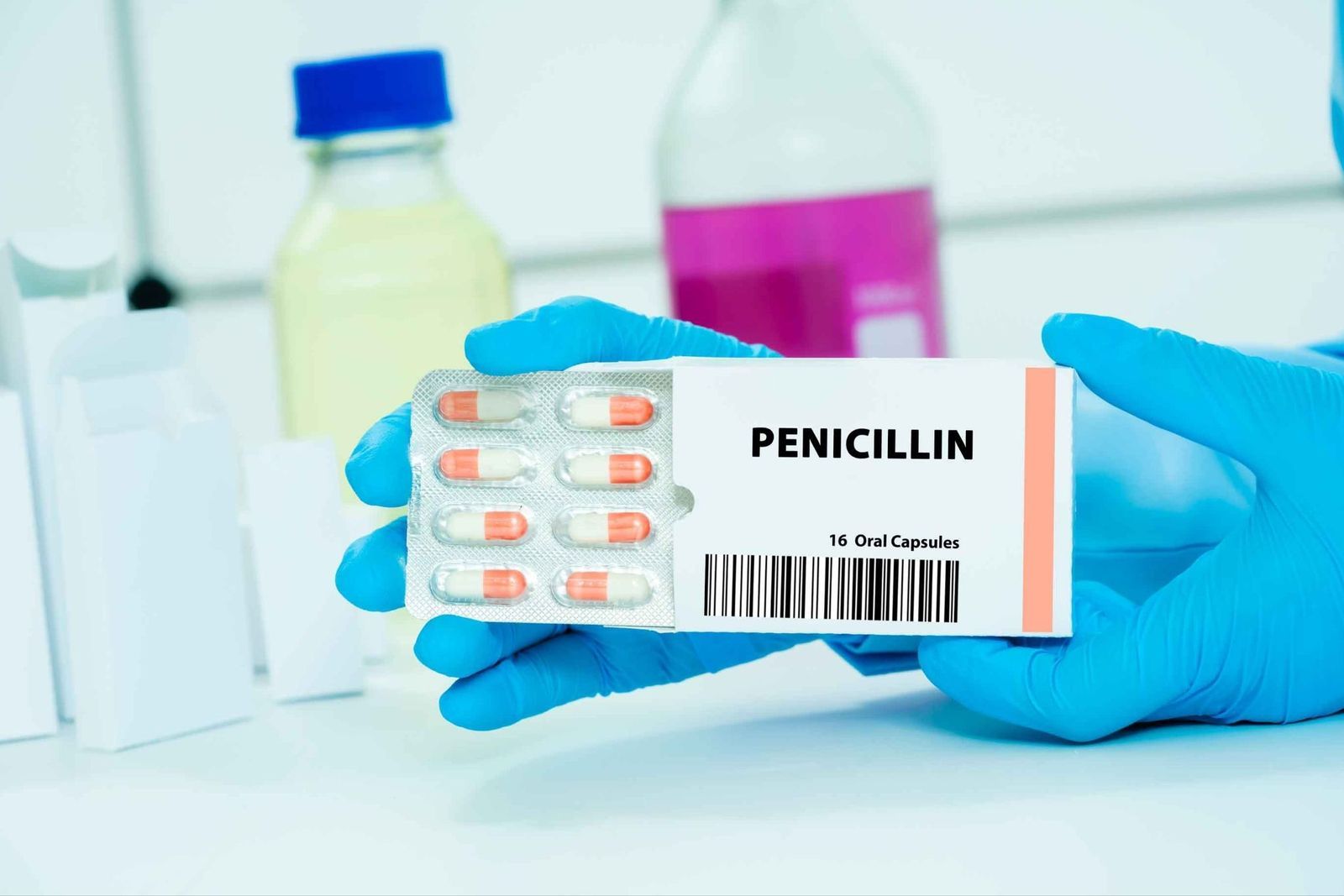
Penicillin became the first widely used antibiotic and went on to save millions of people from deadly bacterial infections. But this wasn’t what its creator, Scottish bacteriologist Alexander Fleming, was trying to do in the first place.
In 1928, he went to his laboratory and noticed that in one of his bacterial culture dishes, a mold had grown accidentally and killed the surrounding bacteria. This small accident sent him down a path to figure out what happened and eventually led him to discover what we know as penicillin.
Microwave oven
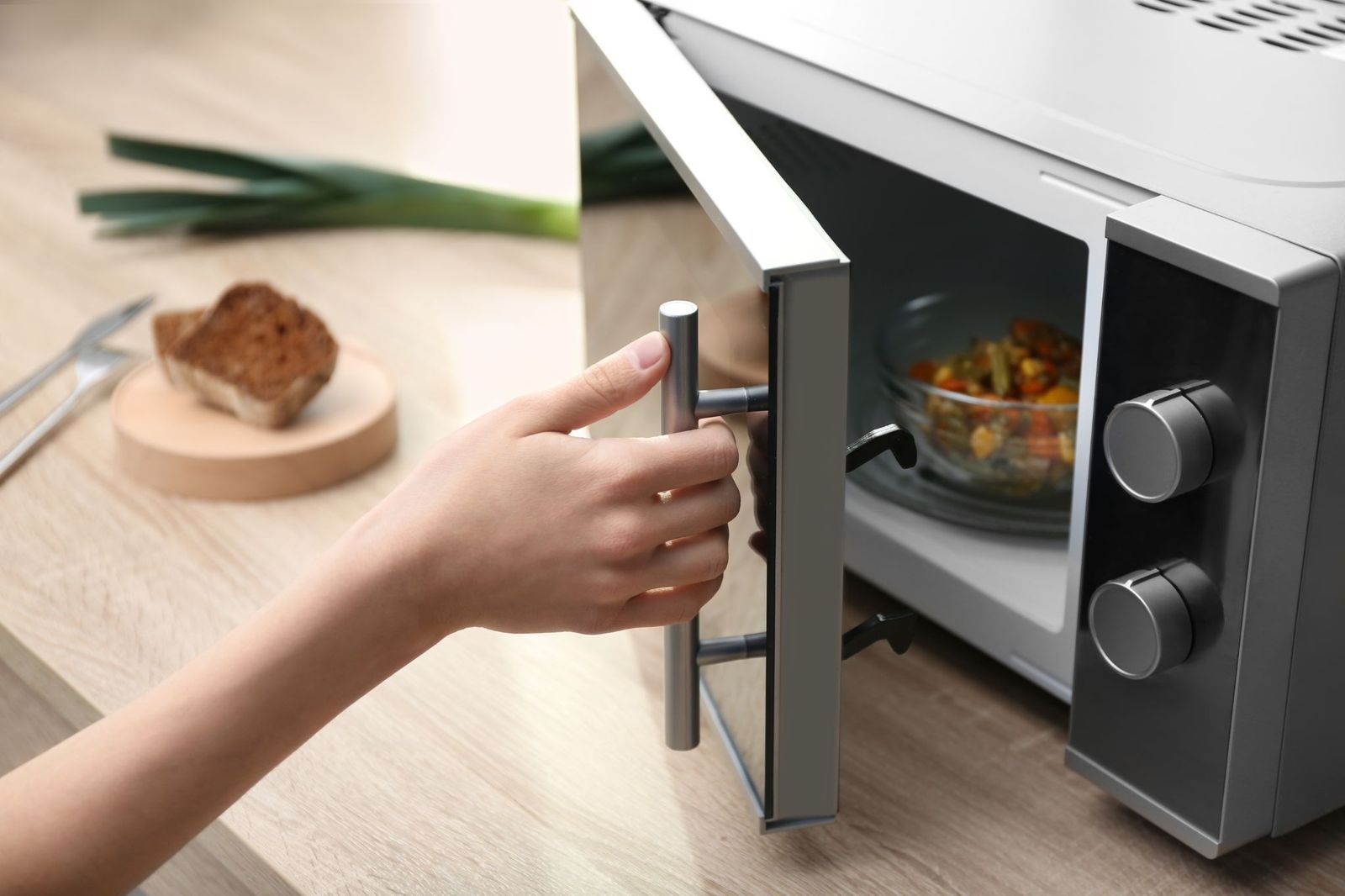
One day, a scientist was working with a magnetron as always when he suddenly realized that the candy bar in his pocket had melted. Surprised by this, he brought popcorn kernels close to the magnetron and watched them pop; finally, he tried an egg, which heated up and burst.
The scientist was Percy Spencer, and he had just laid the foundations for creating the first commercial microwave oven, called the Radarange, which was introduced in 1947, opening the door to a whole new way of cooking.
Post-it notes

How did a fake glue become a billion-dollar idea? Scientist Spencer Silver was trying to create a powerful glue in 1968, but instead, he ended up with an adhesive that was strong enough to stick to surfaces but incredibly easy to peel off without leaving much residue.
Instead of regarding this as a failure, he thought it might have some practical use, though his idea was dismissed multiple times by others. Finally, in 1974, another scientist called Art Fry realized Silver’s glue could hold a bookmark in place, which, after years of experimenting, led to the invention of a single piece of paper that could stick and be removed without damaging the surface: the Post-it notes.
Potato chips
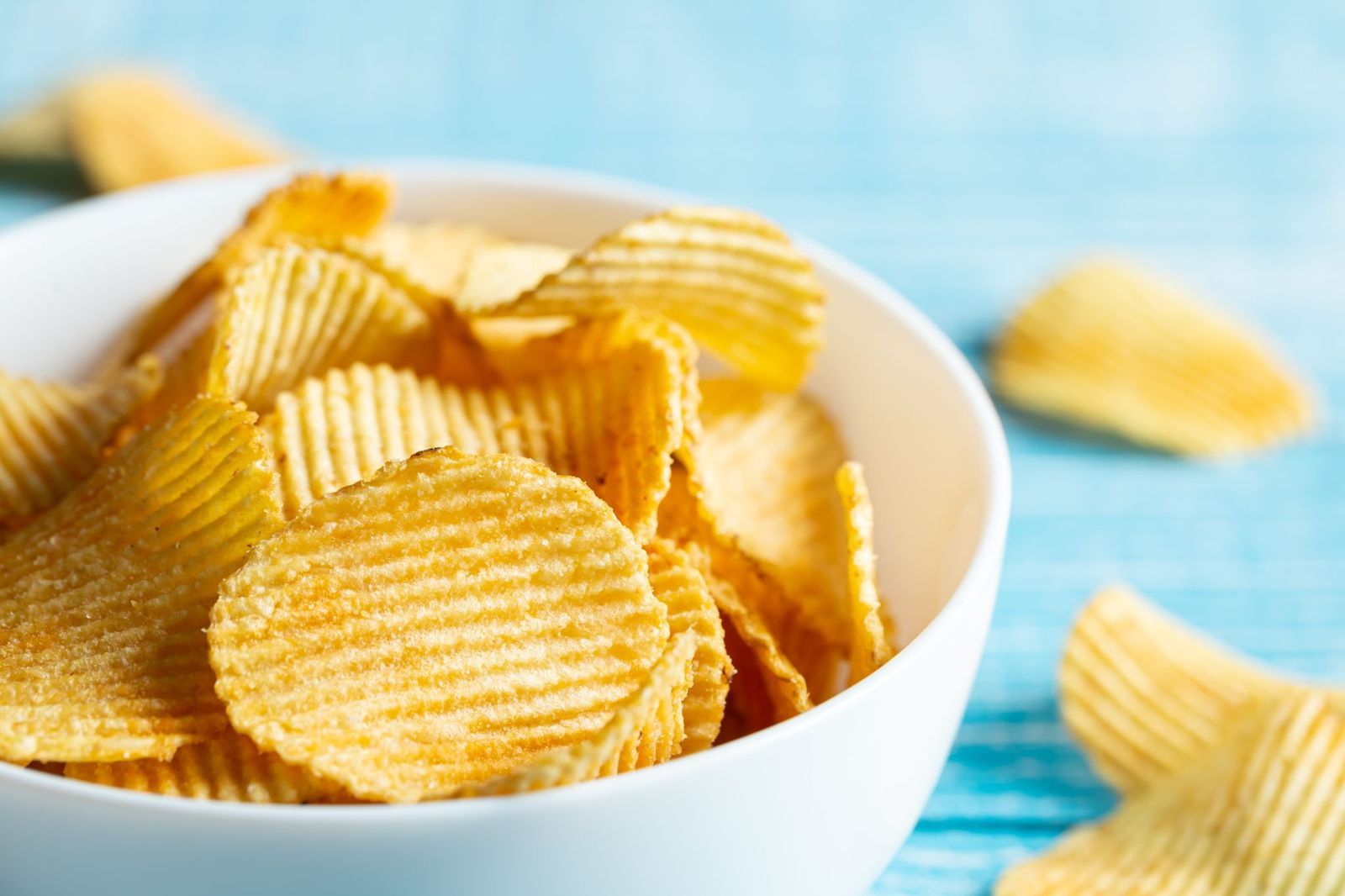
An upset chef in Saratoga Springs, New York, in 1853, after a fussy customer complained his potatoes were too thick, served him extremely thin potatoes fried in oil as a joke. Turns out, the customer loved it, and the dish became known as "Saratoga chips."
It’s fair to mention that this popular snack wasn’t 100% invented there, as there are records of a similar recipe in an 1817 English cookbook, though the Saratoga chef certainly helped popularize it.
Velcro
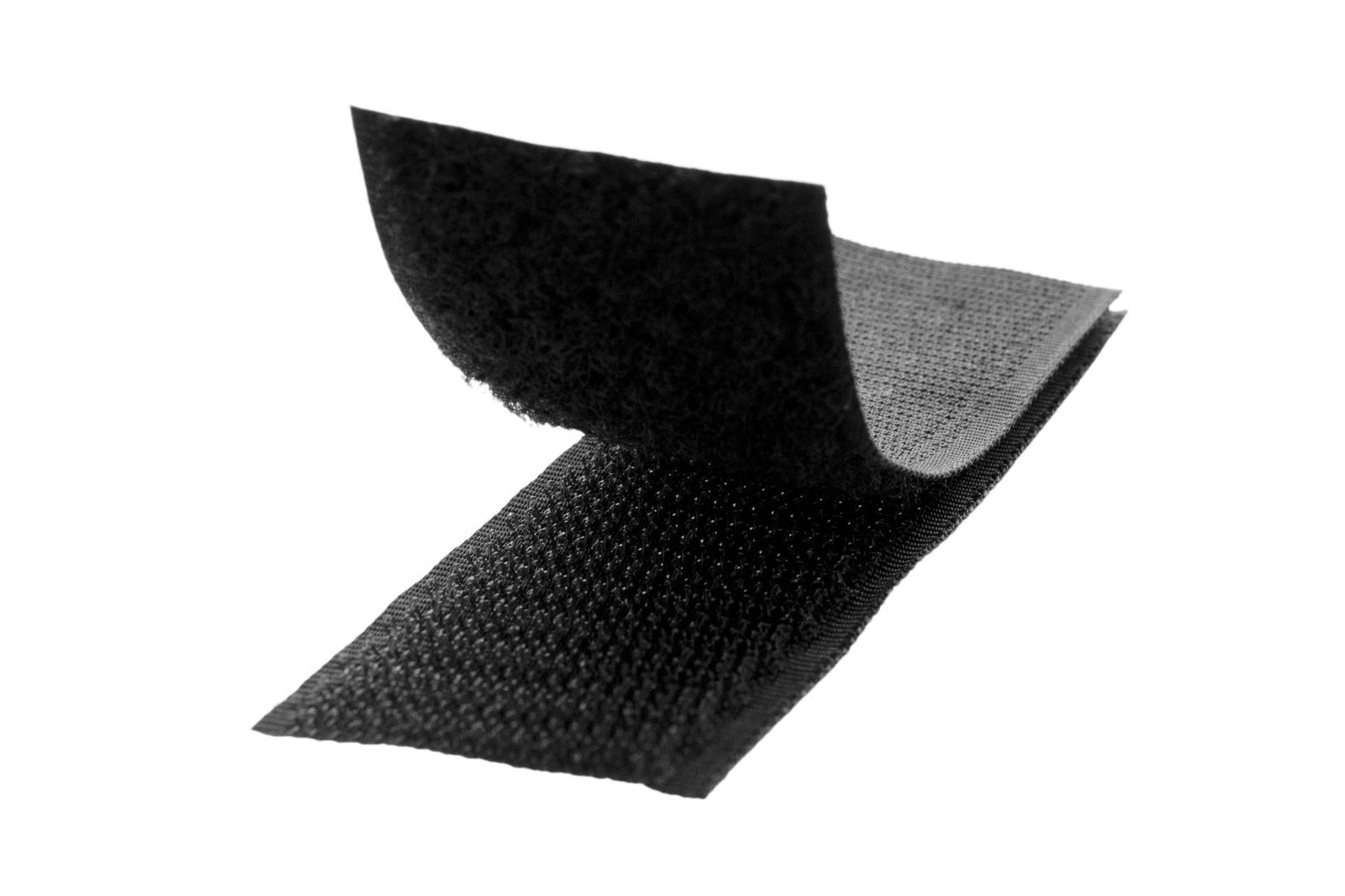
While Velcro was indeed created and patented by the Swiss engineer George de Mestral in 1955, the reality is that nature had invented it first. What triggered Mestral's "eureka" moment was seeing some burrs stuck to his clothing and his dog’s fur when returning from a hunting trip.
He was curious about how the burr could stick so firmly, and after studying it with a microscope, he saw that the burr had some tiny hooks that attached to the fabric and the animal fur, so he decided to replicate the same principle to create Velcro.
Teflon
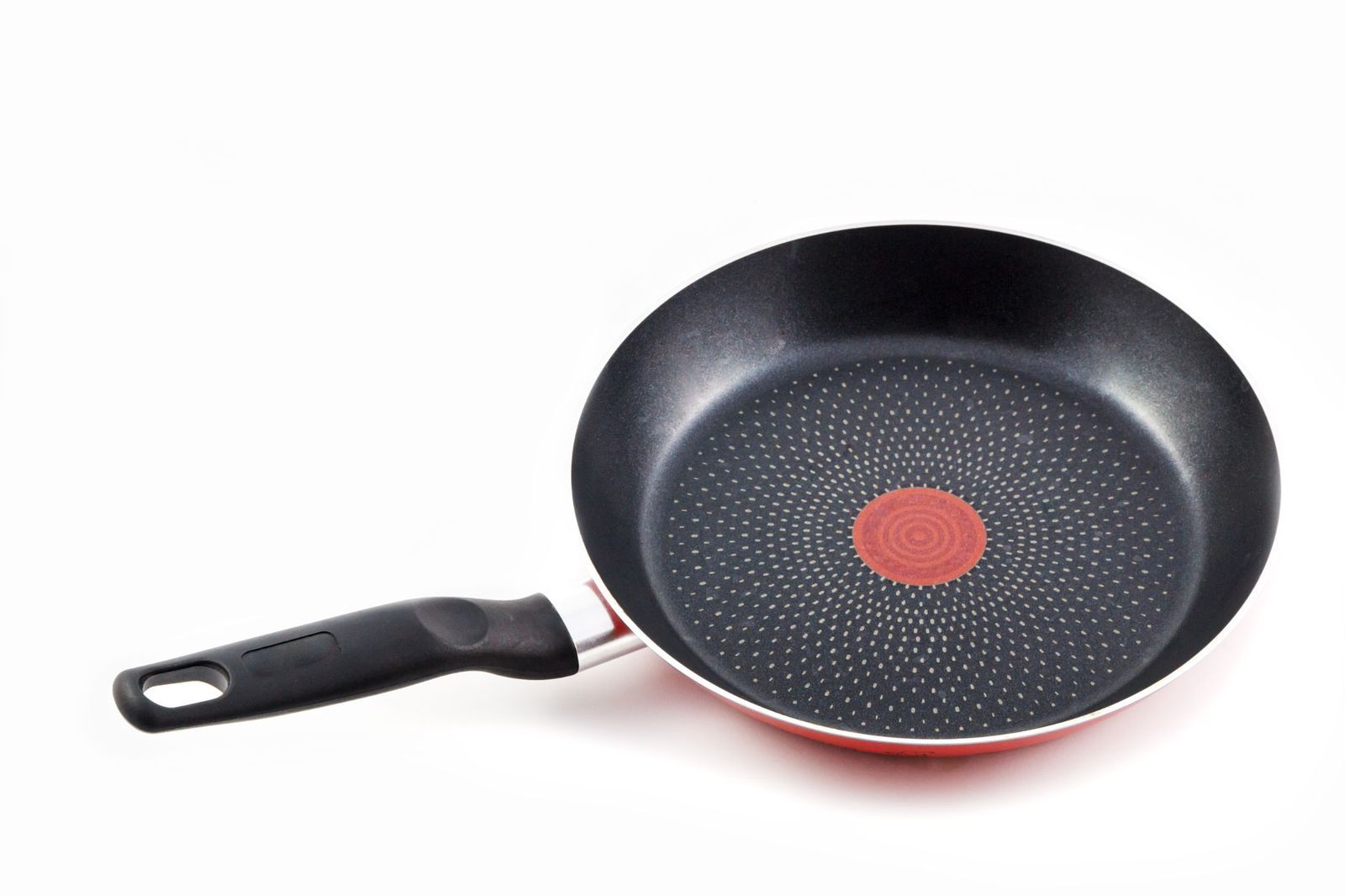
In 1938, a chemist and DuPont worker called Roy Plunkett was working with tetrafluoroethylene gas, trying to come up with new refrigerants, though he ended up creating a completely new material. At some point while doing his experiments, he noticed the gas had turned into a waxy solid "thing" that was extremely resistant to heat and chemicals and was highly nonstick.
The material was first used in industrial and military applications and later became associated with the brand name Teflon, mainly used as a coating for cookware.
Super Glue
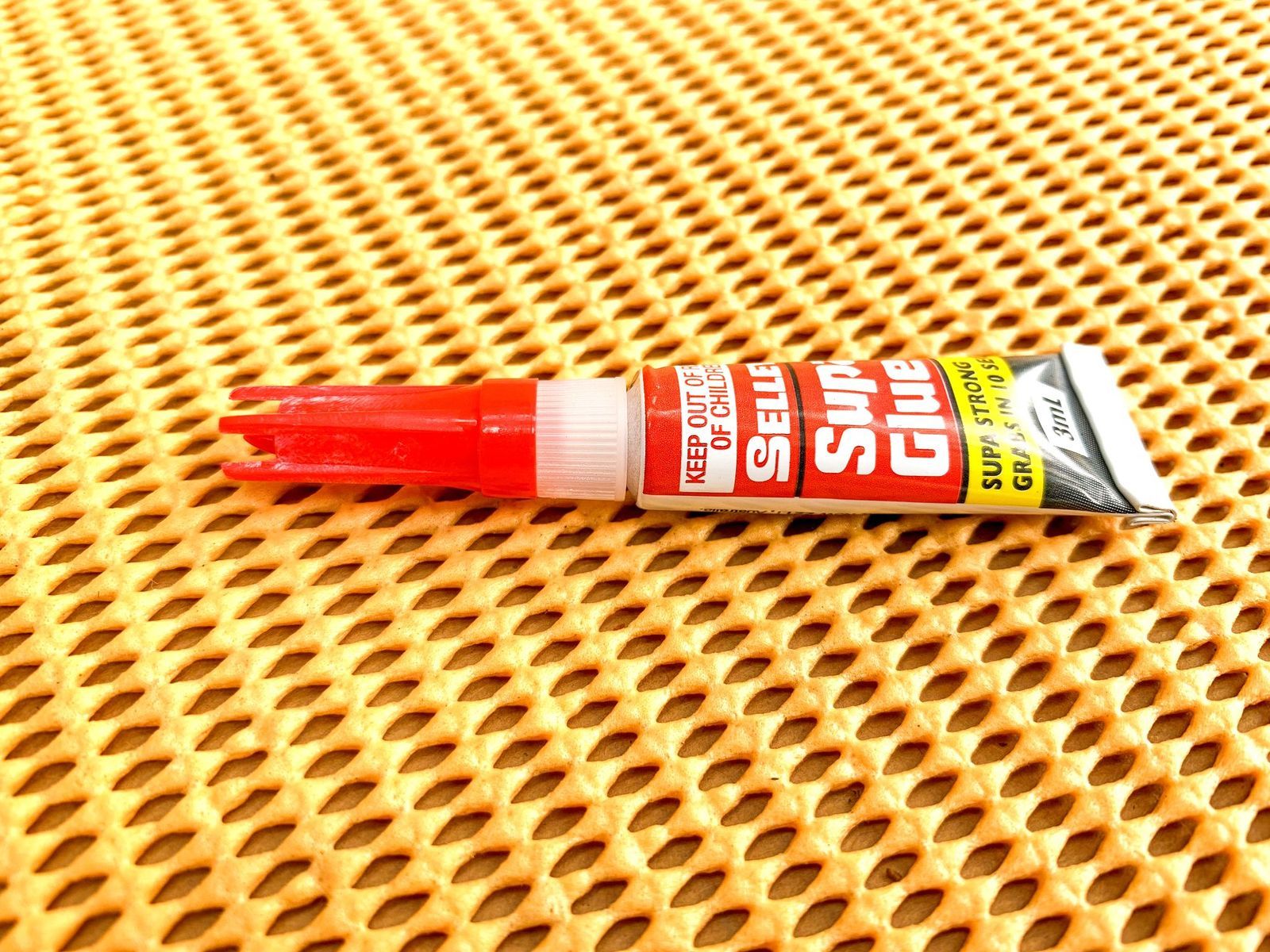
Scientists first rejected Super Glue because it was too sticky — ironic, isn’t it? The story makes more sense when you learn that the initial goal of Harry Coover Jr. and his team in 1942 was to find a material to make clear plastic gun sights during World War II.
The material they were experimenting with was too sticky and difficult to work with, so the team moved away from it, though Coover Jr. realized he had discovered a substance that could easily bond two surfaces together without the need to use heat or pressure. Later, this product went on to become what we all know now as Super Glue.
Popsicles
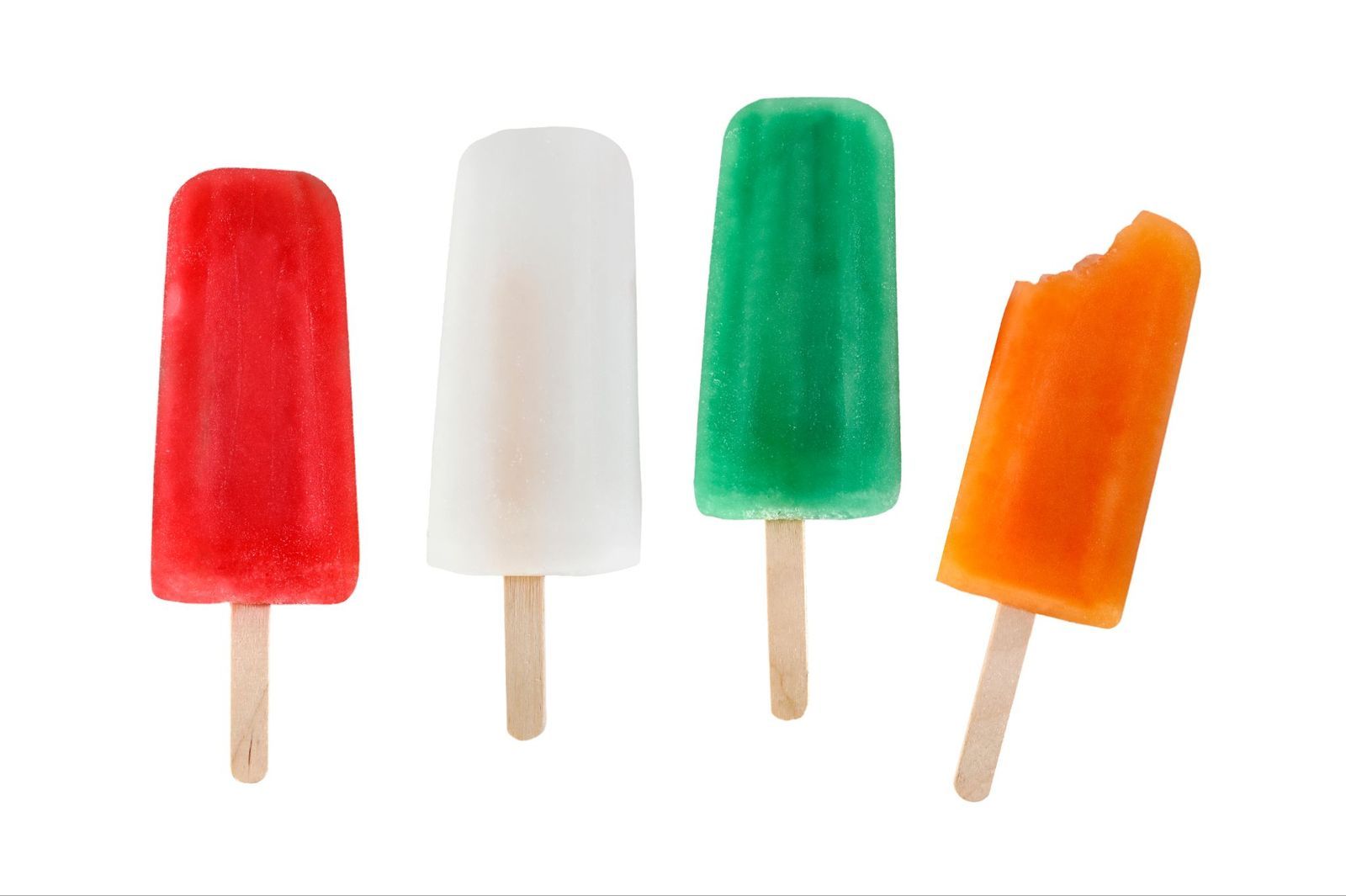
Kids love popsicles, but did you know it was also a kid who invented them? In 1905, Frank Epperson, an 11-year-old boy from San Francisco, forgot his soda with a wooden stirring stick outside overnight on his porch. The next morning, the thing was frozen, and he noticed he could hold it by the stick and eat it like a frozen treat.
At first he made them for his family and friends, but later he started selling his invention. The popsicle became a sensation, particularly during the Great Depression, as it was an affordable treat for the family.
Slinky

Imagine being a serious naval engineer working on a serious engineering problem and accidentally creating one of the most fun and iconic toys ever. That’s exactly what happened to Richard James, who in 1943 was trying to make springs to help stabilize sensitive equipment aboard ships when one of them accidentally fell and "walked" away.
James saw the opportunity to make a toy out of that and showed it to his wife, who named it "Slinky." The naval engineer sold the toy to Gimbels department store in Philadelphia in 1945, and Slinky was an immediate success.
Laminated safety glass

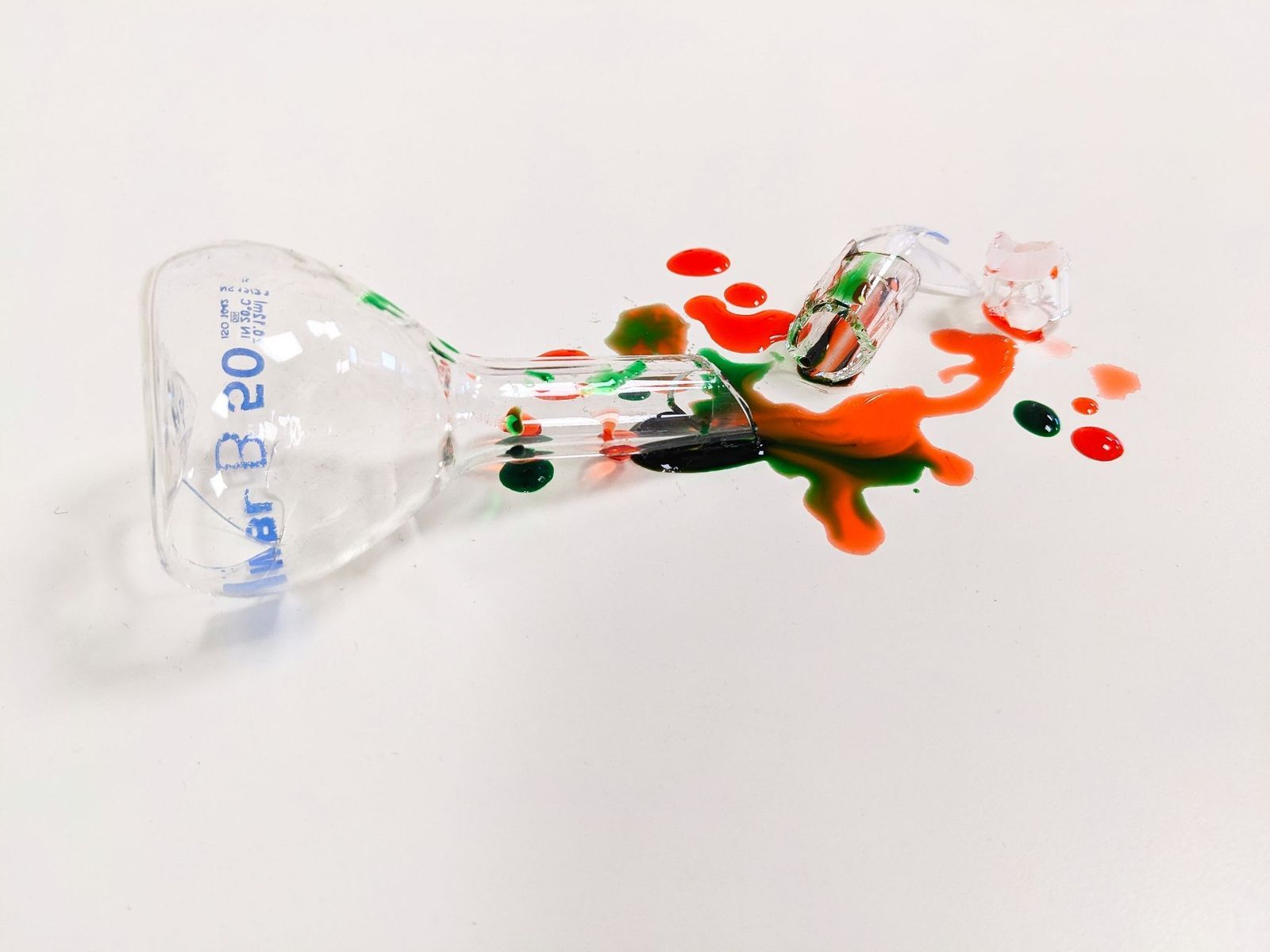
The whole point of laminated safety glass is that its pieces won’t fly apart when it breaks. The discovery was made by chemist Édouard Bénédictus in the 1900s, when one of his laboratory flasks fell and did not completely shatter because it had a thick coating of a type of plastic that helped hold the pieces together.
This accident made him realize that putting a flexible material between layers of glass prevents broken glass from flying apart. His discovery is still used today in vehicles and buildings.