Life inspires fiction

The surprising real-life anecdotes behind 10 classic novels


Published on July 19, 2026
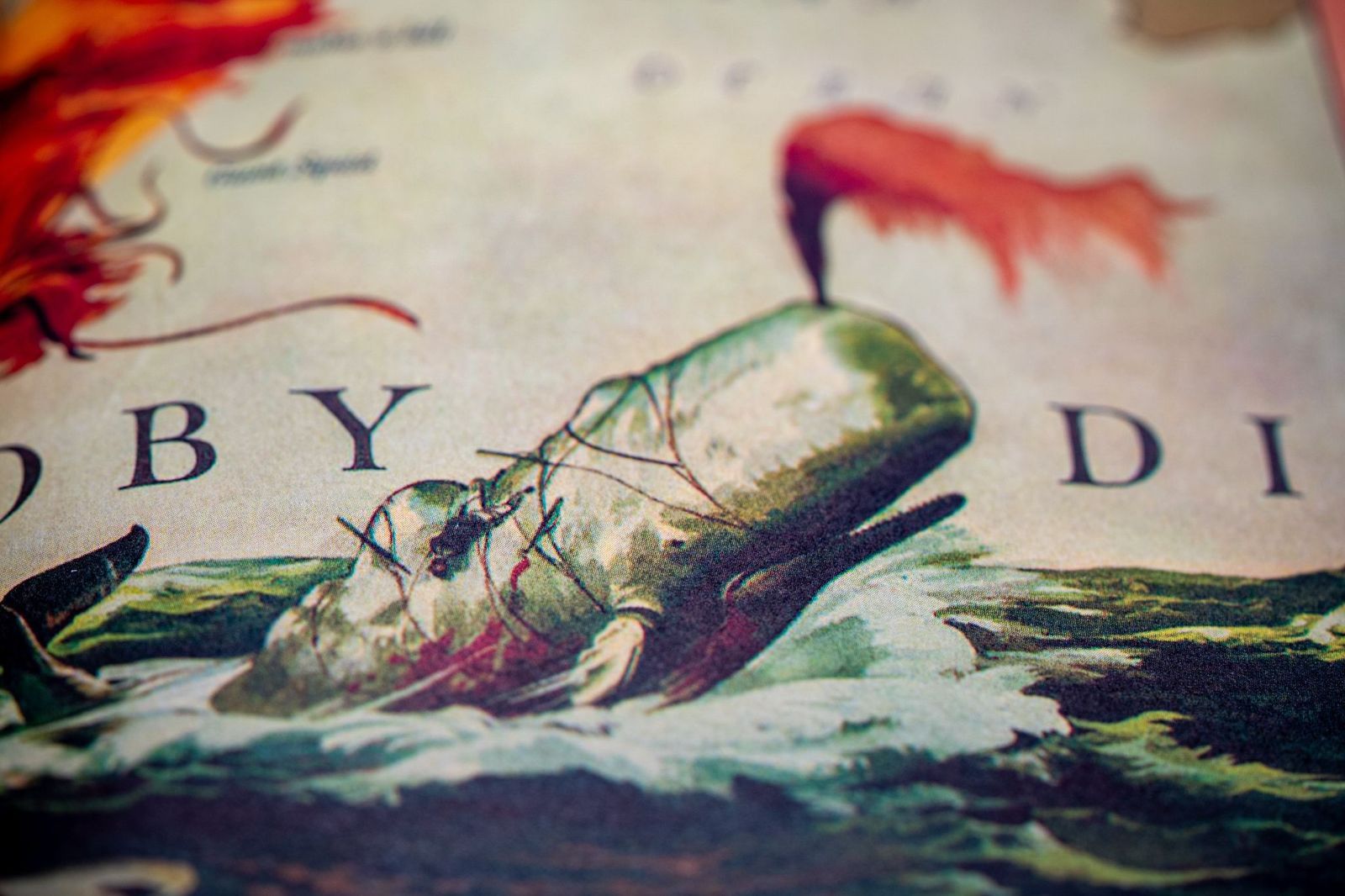

Image: Erman Gunes

Many great books stem from real-life stories, but we often ignore to what degree. Few people know that, before Moby-Dick, there was a real whale that sank a ship and left its crew adrift for 90 days. Or that it was the four Alcott sisters living in Massachusetts who inspired the four March sisters from Little Women. The ten novels in this article have collectively sold hundreds of millions of copies; here are the true stories behind 10 of the most famous books ever written.

1

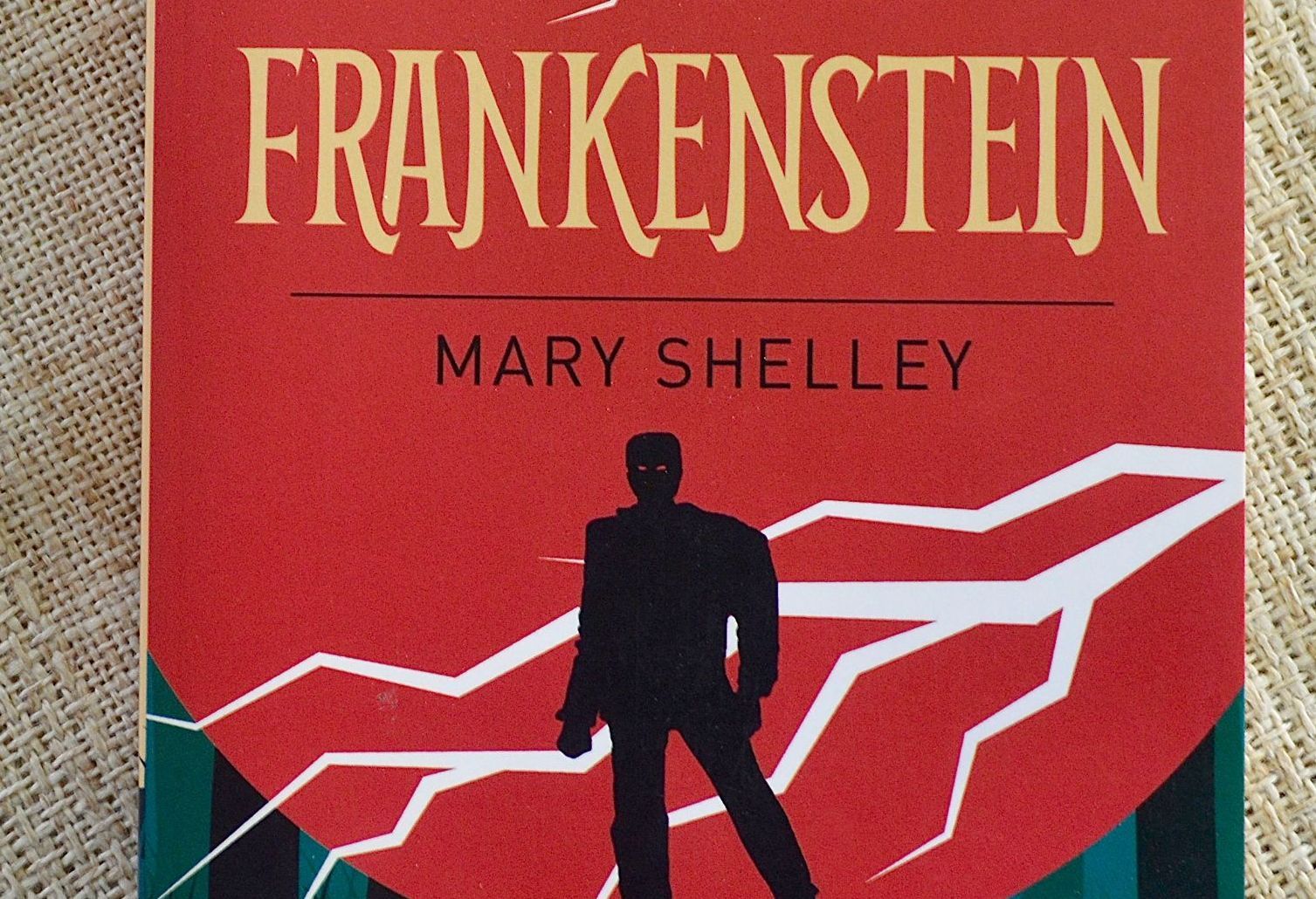
Frankenstein, by Mary Shelley (1818)

Image: Slow Walker

In the summer of 1816, the famous British poet Lord Byron was hosting a remarkable group in his rented home in Switzerland. Byron, Percy Shelley, and 18-year-old Mary Godwin found themselves one night having a conversation about galvanism and the possibility of reanimating corpses. Mary immediately conceived the idea for the ghost story that Byron had dared all of his guests to write.

It took her two years, and by age 20, Mary Godwin had become Mary Shelley and had published the novel about "the pale student of unhallowed arts kneeling beside the thing he had put together." The Gothic novel was published anonymously until 1831, when a revised edition recognized her as its author.

Another of Byron's guests that summer, John Polidori, wrote The Vampyre (1818) following the same dare. This book became a direct inspiration for Bram Stoker's Dracula.

2

Sherlock Holmes, by Arthur Conan Doyle (1887)
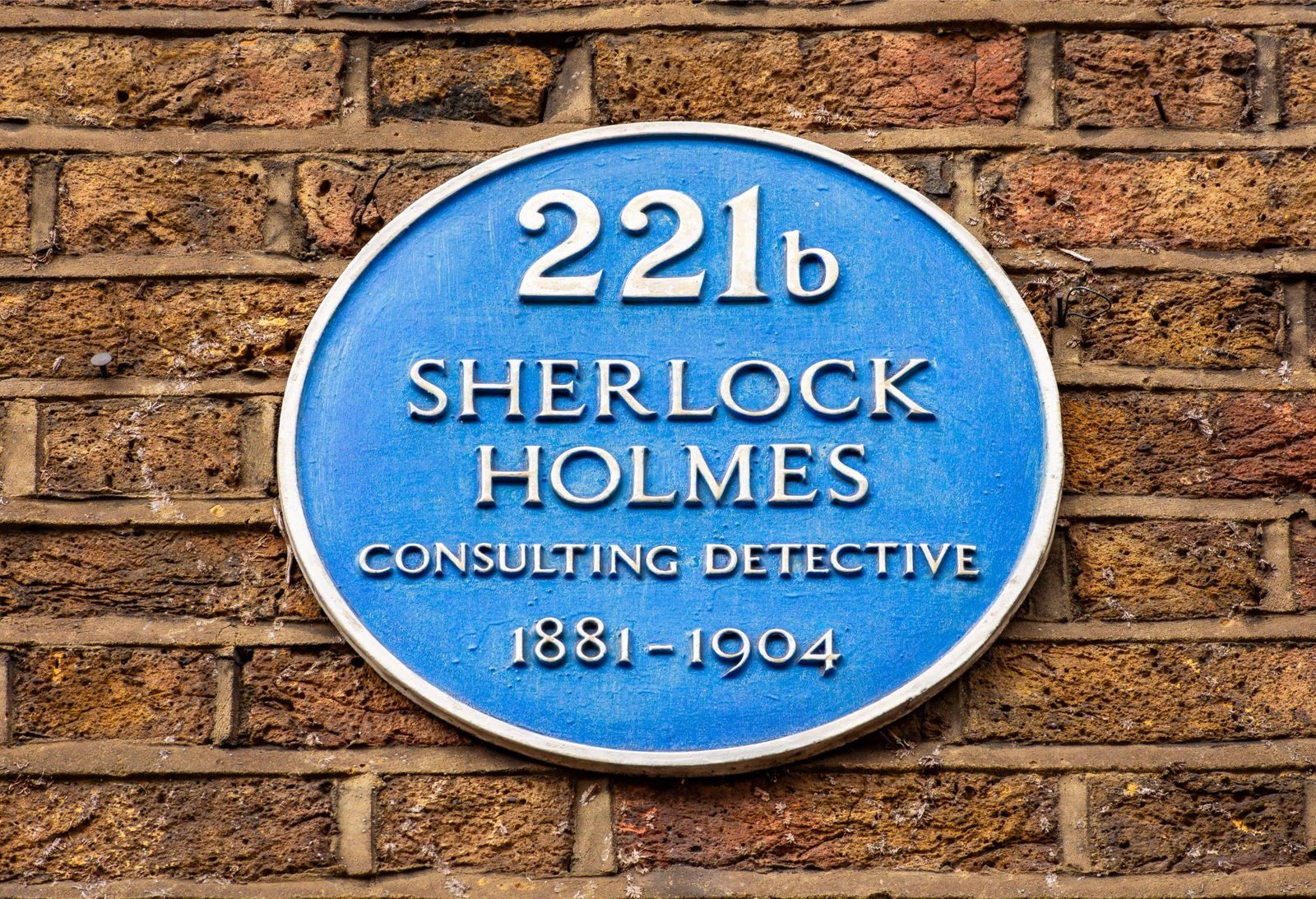
Image: Mistervlad

The world's most famous fictional detective was a real person, and we know it because his creator said so in writing. Conan Doyle met Dr. Joseph Bell when he was studying to be a doctor at the University of Edinburgh in 1877. Bell's powers of diagnosis were extraordinary, and he often used to demonstrate the importance of close observation by selecting strangers and deducing their recent activities simply by observing them.

In a letter from Conan Doyle to Bell dated 1892, Conan Doyle wrote that Holmes’s analytical work was "not in the least an exaggeration of some effects which I have seen you produce in the out-patient ward." Bell had such renown that he also served as a personal surgeon to Queen Victoria during her visits to Edinburgh.

3

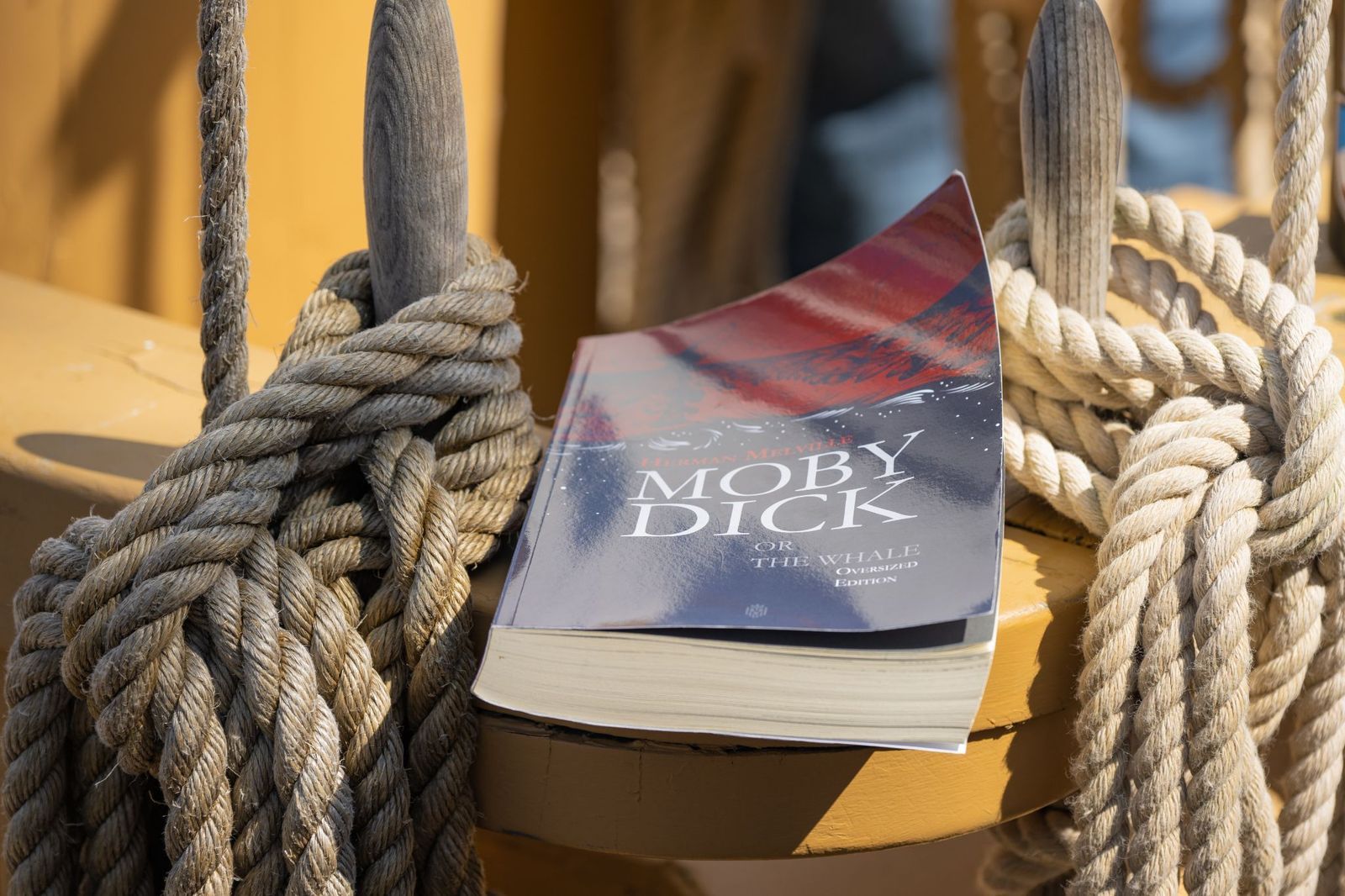
Moby-Dick, by Herman Melville (1851)

Image: Actium

In 1820, an 80-ton sperm whale rammed and sank the Essex, an American whaling ship, in the Pacific Ocean off the coast of South America. The crew of 21 men escaped in small boats.

They spent 90 days adrift in the Pacific with dwindling supplies and were forced to make desperate choices. The remaining crew members needed to resort to cannibalism, and only 8 of the 21 survived. The ship's captain was George Pollard Jr., who returned to Nantucket and went to sea again on another ship, only to be shipwrecked a second time.

Author Herman Melville encountered Pollard once, briefly, on Nantucket. He wrote: "To the islanders, he was a nobody. To me, the most impressive man, tho' wholly unassuming, even humble, that I ever encountered." Melville turned this concept into a novel that became a quintessential American classic.

4

Little Women, by Louisa May Alcott (1868)
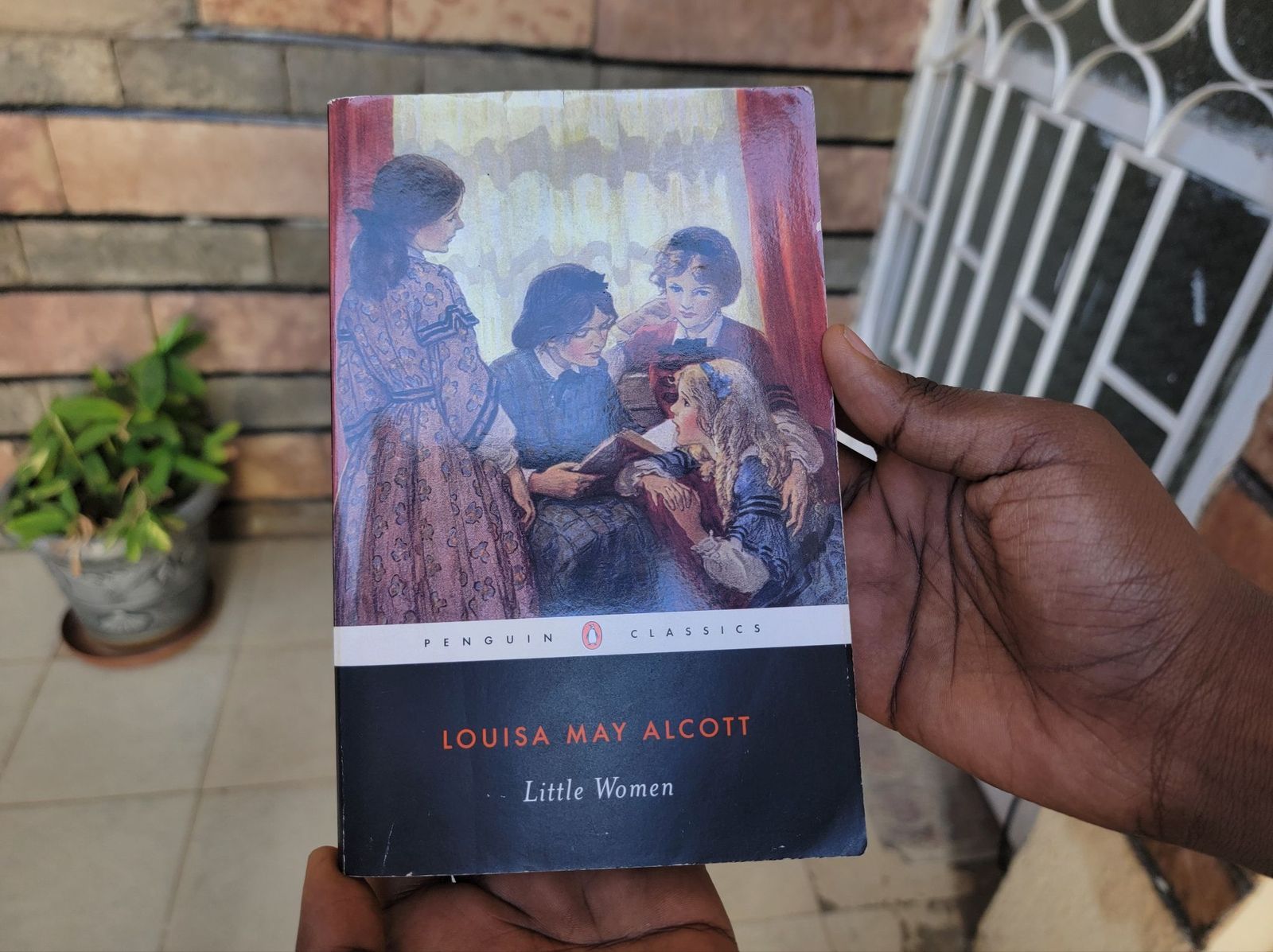
Image: Yohannes Ezra

Louisa May Alcott didn’t want to write this book. In 1868, her publisher asked her to write "a book for girls." She protested, but it was her need for money that drove her to comply.

In her journal, she wrote: "Never liked girls or knew many, except my sisters, but our queer plays and experiences may prove interesting, though I doubt it." Fortunately for literature, she was wrong. She wrote the entire first volume in just ten weeks. In it, Meg, Jo, Beth, and Amy March were in real life Anna, Louy, Lizzy, and May Alcott.

She modeled the characters of the mother and the father on her own. The Alcott family had known Ralph Waldo Emerson, Henry David Thoreau, and Nathaniel Hawthorne as personal friends and neighbors in Concord, Massachusetts. Alcott later attributed the book's success to its simplicity and truth. Her novel has never been out of print since 1868.

5

The Great Gatsby, by F. Scott Fitzgerald (1925)
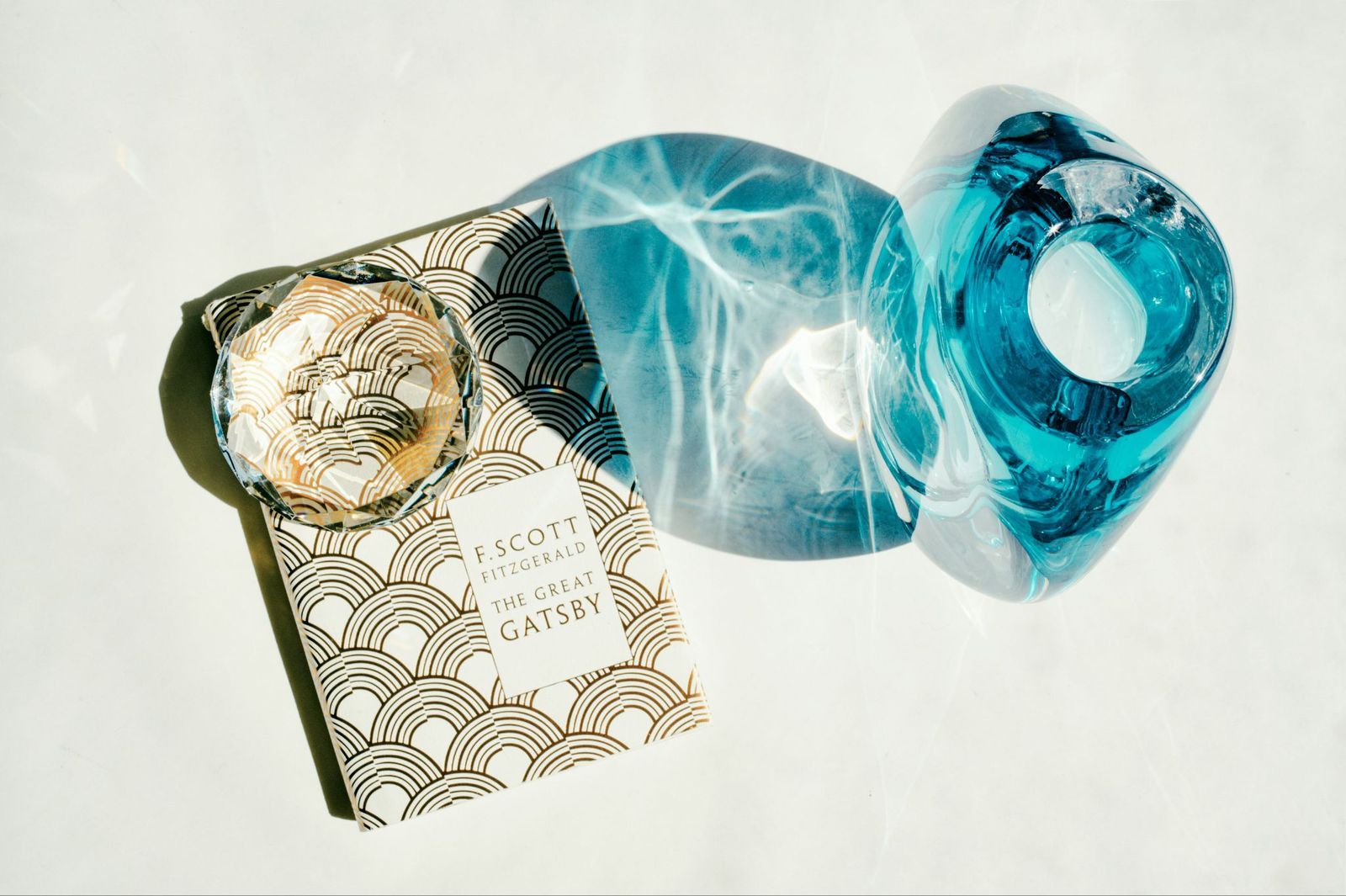
Image: Girl with red hat

F. Scott Fitzgerald was a young student at Princeton in 1915 when he met Ginevra King at a party. She was a socialite: popular, pretty, and very rich. Fitzgerald idealized her and tried to court her through letters, to no avail. Later, Fitzgerald overheard a comment he recorded in his own journal: "Poor boys shouldn't think of marrying rich girls."

Fitzgerald would always remember the role Ginevra's wealth seemed to play in the breakup. This inspired him to write about the corrupting power of money over love in American life.

The novel was also inspired by the parties he attended in Long Island in 1922 with his wife, Zelda. Their glamorous, wealthy neighbors on one side of the bay contrasted sharply with the old-money families across the water, giving Fitzgerald the idea for West Egg and East Egg.

6

Alice in Wonderland, by Lewis Carroll (1865)
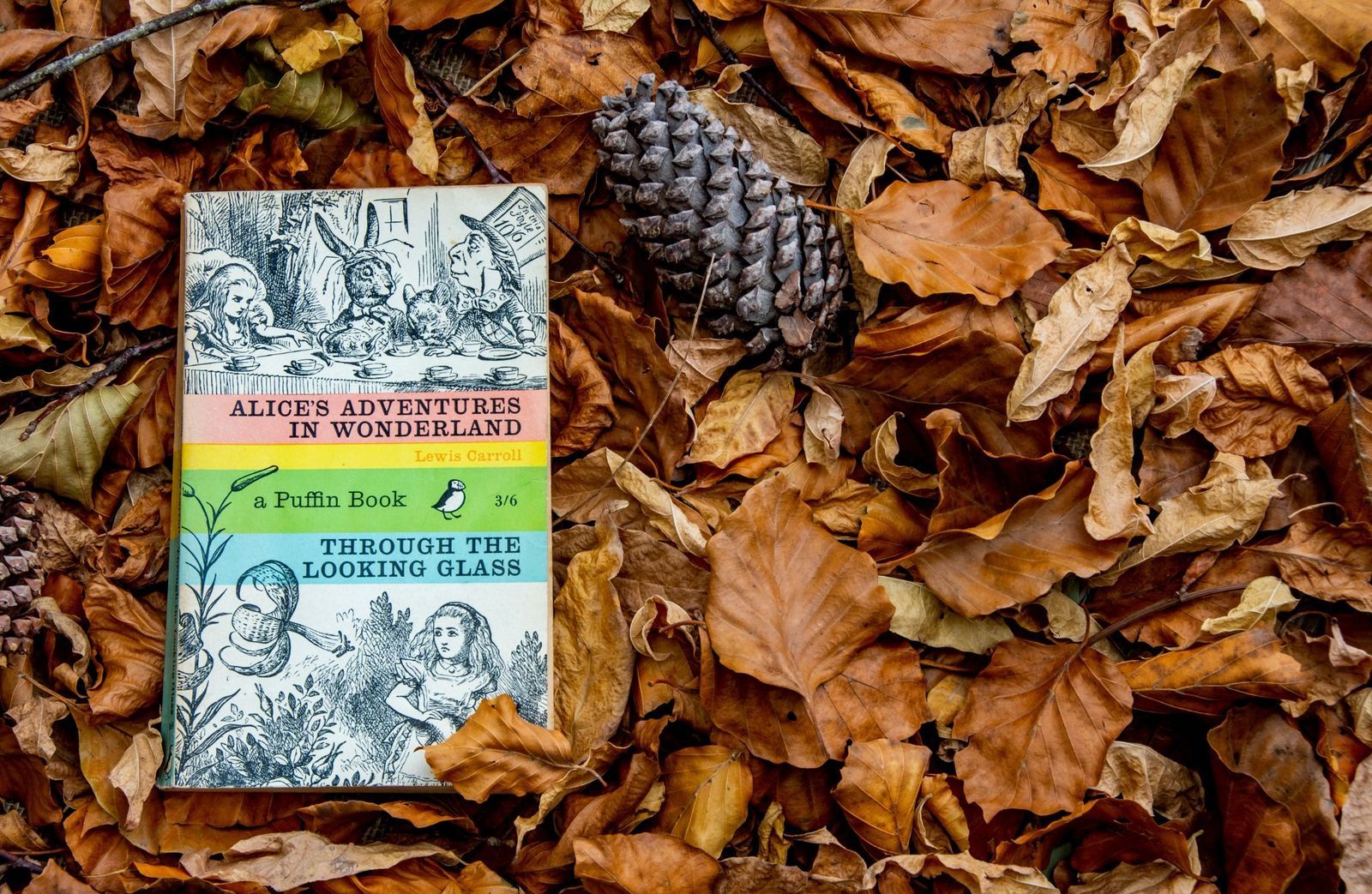
Image: Doodeez

One day in 1862, Lewis Carroll took ten-year-old Alice Liddell and her two sisters on a boat trip from near Oxford, where they had a picnic. Alice begged him to tell a story, so he invented tales on the spot about a girl who fell down a rabbit hole and had fantastical adventures.

Alice Liddell asked him to write it down. So he did: he spent the next two years expanding and illustrating the story by hand, presenting the completed manuscript to Alice in 1864, as a Christmas gift.

He titled it Alice's Adventures Under Ground. A friend persuaded him to publish it, and he did so in 1865 under a pen name: Lewis Carroll, concealing his real name, Charles Lutwidge Dodgson.

7

Treasure Island, by Robert Louis Stevenson (1883)
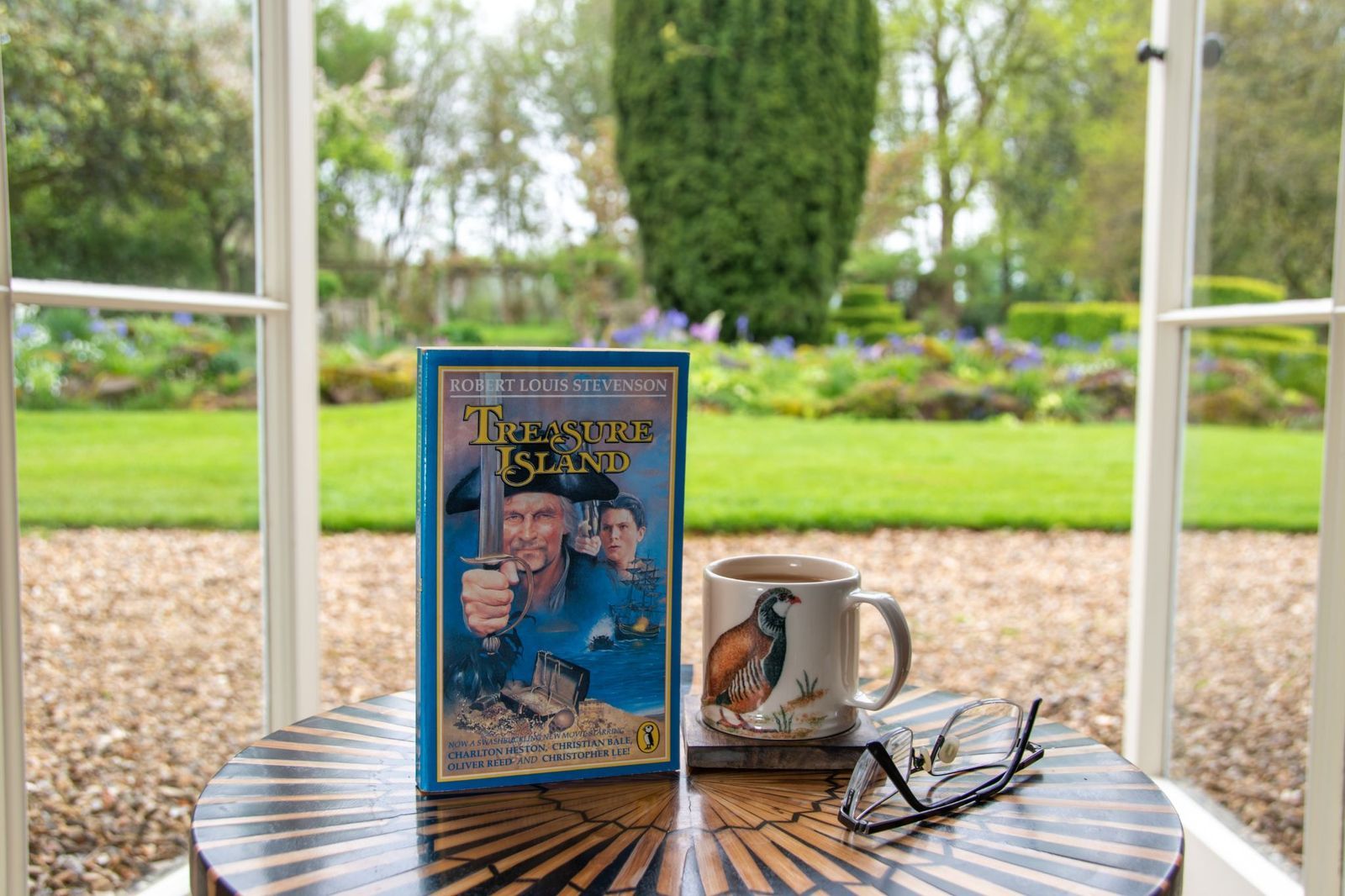
Image: TTL Deez

In the summer of 1881, Stevenson settled with his wife, Fanny, and his 12-year-old stepson, Lloyd Osbourne, in a cottage in Braemar, Scotland. Lloyd was confined inside because of the rain and amused himself by drawing a map of an imaginary island.

Stevenson joined him and began adding names to the map: Spyglass Hill, Skeleton Island, a stockade, and a cross marking buried treasure. Stevenson recalled that, before he knew it, he was scribbling down character names and even a list of chapters. He completed the first draft of chapter one the following morning.

Unfortunately, the original map was later lost in the mail when the manuscript was sent to the publisher. Stevenson had to redraw it entirely from memory. The character of Long John Silver was partly inspired by Stevenson's friend W.E. Henley, the poet who wrote Invictus and who, like Silver, had one leg.

8

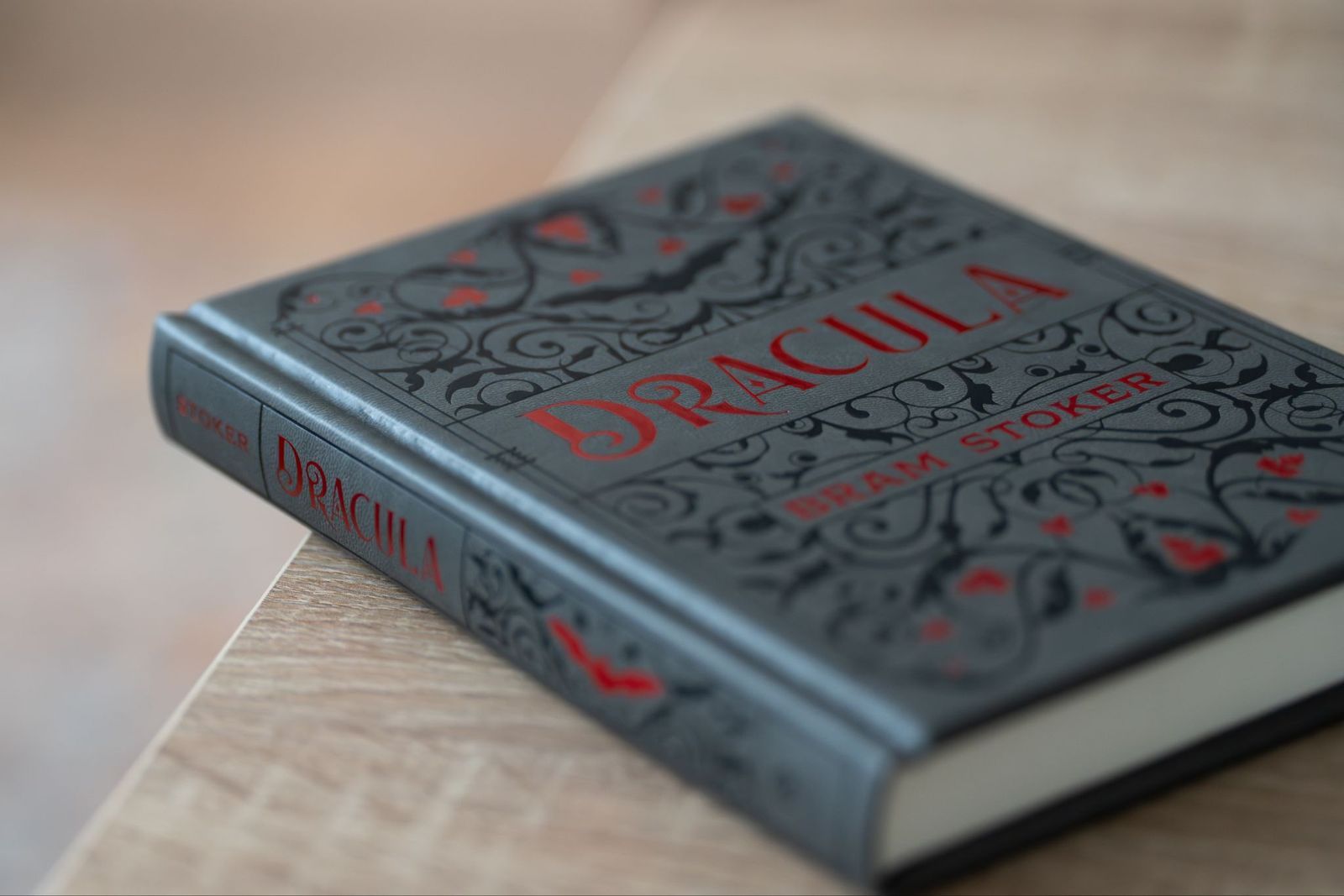
Dracula, by Bram Stoker (1897)

Image: Cristi Dangeorge

Vlad the Impaler was born in 1431 in Transylvania, the second son of Vlad II Dracul. His surname "Dracula" meant "son of Dracul," which derived from the Latin draco, meaning "dragon," after his father's induction into a Christian military order called the Order of the Dragon.

Vlad earned his nickname for impaling more than 20,000 people during his Medieval reign and killing as many as 60,000 others. He was said to dine among his impaled enemies. Bram Stoker never visited Romania, but he came across a book about Wallachia in 1890, afterward writing in his research notes: "Dracula in Wallachian language means DEVIL". Stoker borrowed the name and the Transylvanian setting. His vampire novel was published in 1897 to immediate success.

9

Robinson Crusoe, by Daniel Defoe (1719)
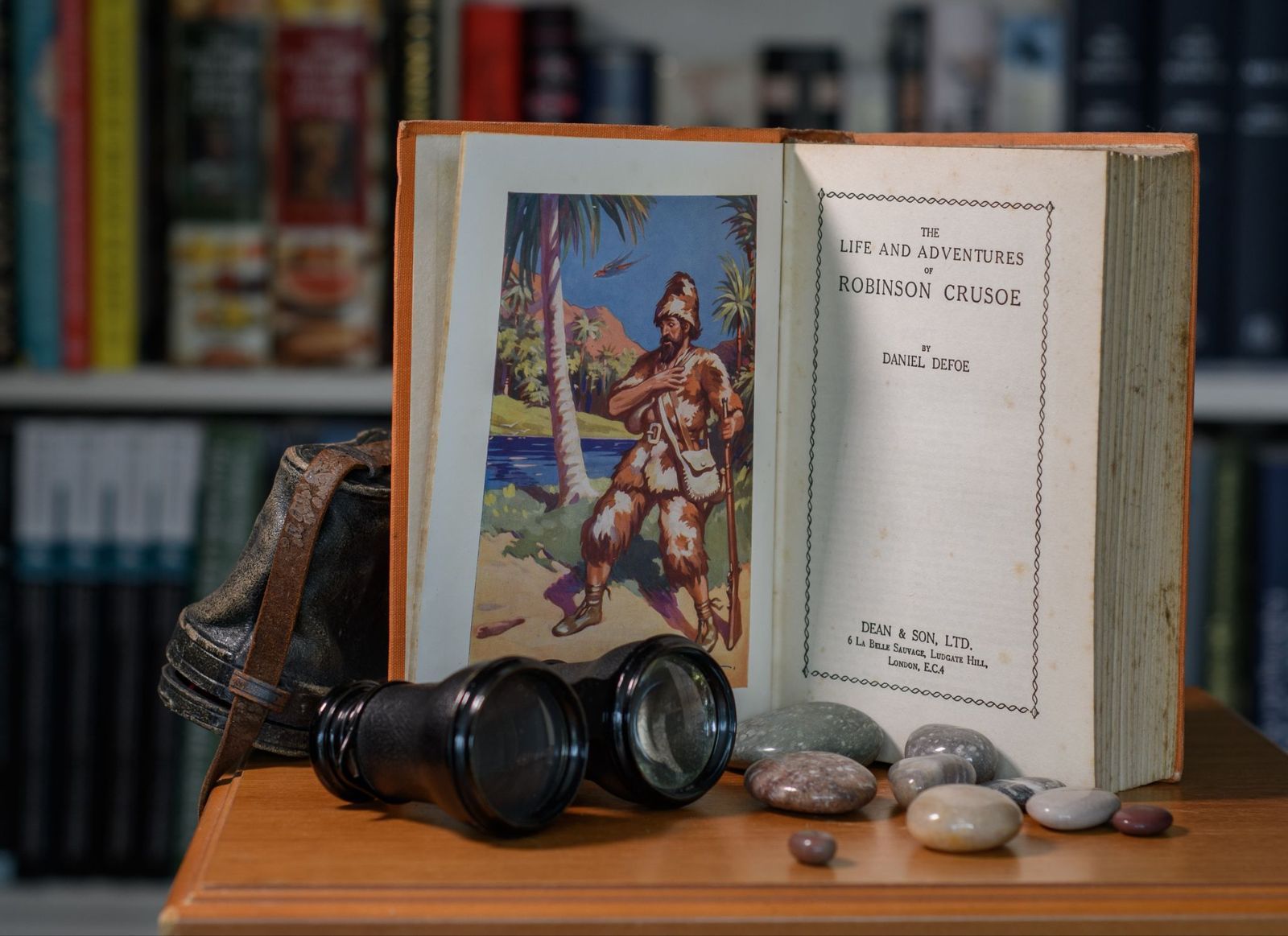
Image: Doodeez

In 1704, a 27-year-old Scottish sailor named Alexander Selkirk made a desperate decision: he demanded to be put ashore on an uninhabited island in the Pacific Ocean, after quarreling with the captain of his ship.

The captain agreed. Selkirk lived alone on the rugged 29-square-mile island for more than four years, subsisting on fish, lobster, goats, and seals, until he was rescued by a passing ship in 1709.

Writer Daniel Defoe, in England, read the published accounts about Selkirk's ordeal. He drew on them for his 1719 novel Robinson Crusoe, though scholars note that Defoe wove in details from many other castaway narratives. The Selkirk connection became so embedded in history that the Chilean government renamed the island from "Más a Tierra" to "Robinson Crusoe Island" in 1966 to attract tourists.

10

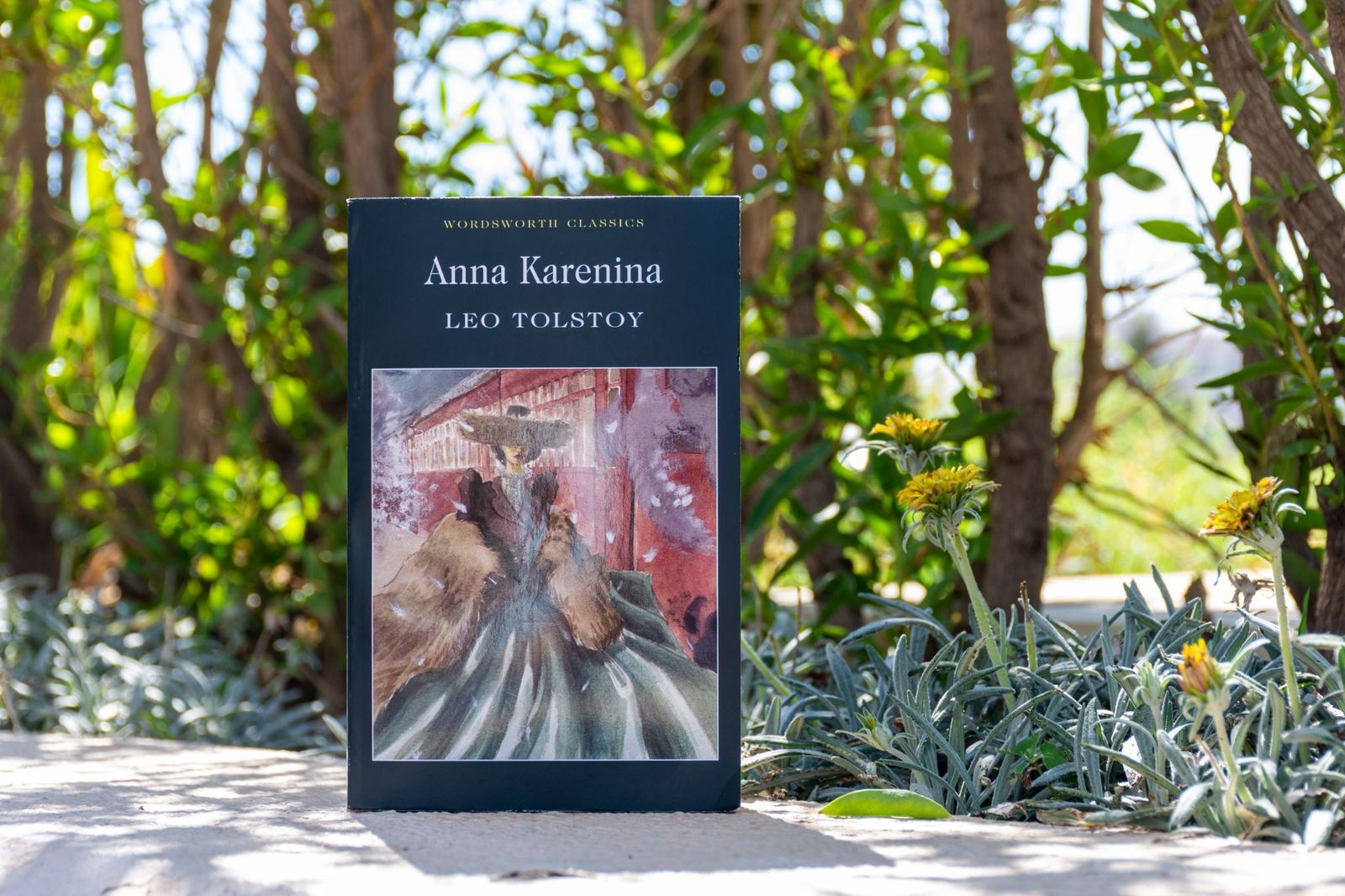
Anna Karenina, by Leo Tolstoy (1878)

Image: hamdi bendali

In 1872, Leo Tolstoy read about a well-dressed woman jumping in front of a train at a railway station near his estate outside Moscow. Tolstoy and his wife, Sofia, knew the woman: she was Anna Stepanovna Pirogova, the 35-year-old mistress of one of the Tolstoys' closest neighbors. It was a landowner named Bibikov, who had abandoned her for the family's German governess.

Tolstoy became haunted by the circumstances surrounding Anna’s death. He put aside his ambitious project on Peter the Great and wrote a new story about a respected noblewoman who has an adulterous affair with an aristocrat. Anna Karenina was first serialized between 1875 and 1877 and published as a complete book in 1878. Writer Vladimir Nabokov called it "the greatest novel ever written."

Translation and interpretation

Was the forbidden fruit really an apple? 10 Bible surprises


Published on July 19, 2026


Image: Mariordo, CC BY-SA 4.0, via Wikimedia Commons

What if some of the Bible stories you grew up with aren't exactly what the Bible says? Was the forbidden fruit really an apple? Were there actually three Wise Men? Did "God helps those who help themselves" really come from the Bible? Over centuries, translations, traditions, and famous works of art have added details that became so familiar, we stopped questioning them. But go back to the texts, and some of these stories look surprisingly different. From Eve's "apple" to the date of Jesus' birth, here are 10 familiar parts of the Bible that may not be quite what we remember.

1

The forbidden fruit was an apple

Image: Albrecht Dürer, Public domain, via Wikimedia Commons

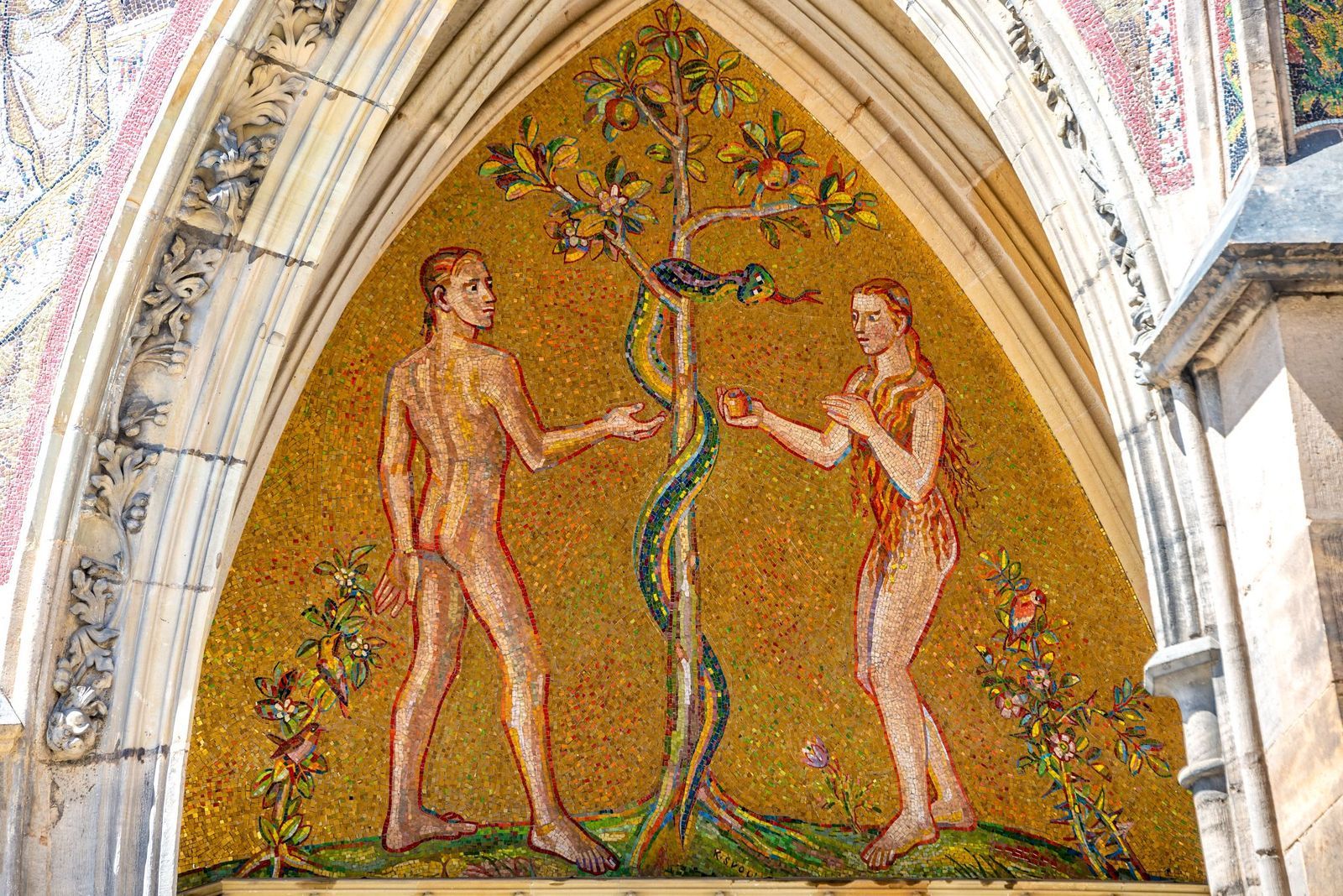
When you picture the Garden of Eden, what fruit comes to mind? Most people imagine an apple, but there's just one problem: the Bible never says it was an apple.

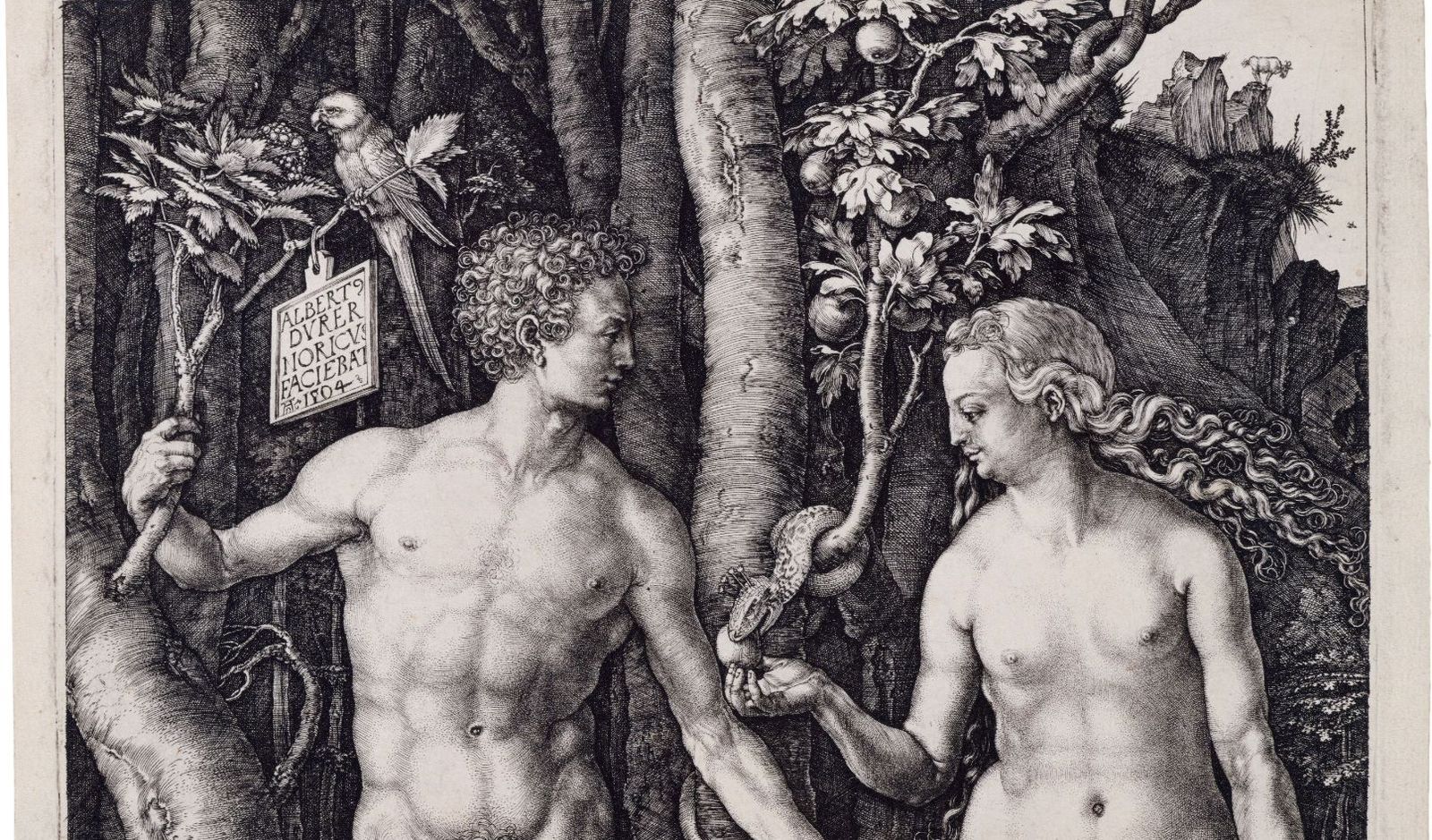
In the Book of Genesis, the fruit is simply called "the fruit of the tree of the knowledge of good and evil." The original Hebrew text uses the word peri, which simply means "fruit." The apple connection came centuries later, largely through the Latin translation. The Latin word malum can mean both "apple" and "evil," making it an especially fitting symbol for the story. Over time, that association spread through Christian art and literature. Famous works such as Albrecht Dürer’s 1504 engraving Adam and Eve (also known as The Fall of Man) helped cement the image of Eve holding an apple. Today, it's one of the most famous scenes in history, even though the original biblical text doesn’t identify the fruit as an apple at all.

2

There were three wise men/kings

Image: Rawpixel.com

The story of Jesus' birth is so famous that most of us picture the Three Wise Men, sometimes called the Three Kings, standing beside the manger. But the thing is, over the centuries, the story picked up a few details that aren't actually in the Bible.

In the Gospel of Matthew, the only Gospel that mentions these visitors, they are described simply as Magi from the East. The original Greek word, magoi, referred to learned scholars, astrologers, or priests from Persia or Babylon, not kings. But where did the number three come from? Matthew lists three gifts: gold, frankincense, and myrrh, but never says how many visitors brought them. Over the centuries, people naturally assumed there must have been three Magi, one for each gift. Even their familiar names, Melchior, Caspar, and Balthasar, were added later by Christian tradition. So, neither the number of visitors nor their names appears anywhere in the biblical text.

3

"God helps those who help themselves"

Image: Adam Nir

Whether it's used to motivate a friend, encourage a family member, or push yourself to finally make a difficult decision, "God helps those who help themselves" is one of the most familiar religious sayings in America. But here's the surprise: those words never appear in the Bible.

The idea can be traced to ancient Greek sources, including Aesop’s Fables, where the saying appears in an earlier form: "The gods help them that help themselves." The exact modern wording was written by English politician Algernon Sidney in 1698, but it was Benjamin Franklin who helped make it part of American culture when he included it in his 1736 edition of Poor Richard’s Almanack.

4

"Cleanliness is next to godliness"

Image: John Jackson, CC BY 4.0, via Wikimedia Commons

Many teenagers have heard "Cleanliness is next to godliness" when it was time to clean their rooms. But despite sounding like a Bible verse, the phrase never appears in Scripture.

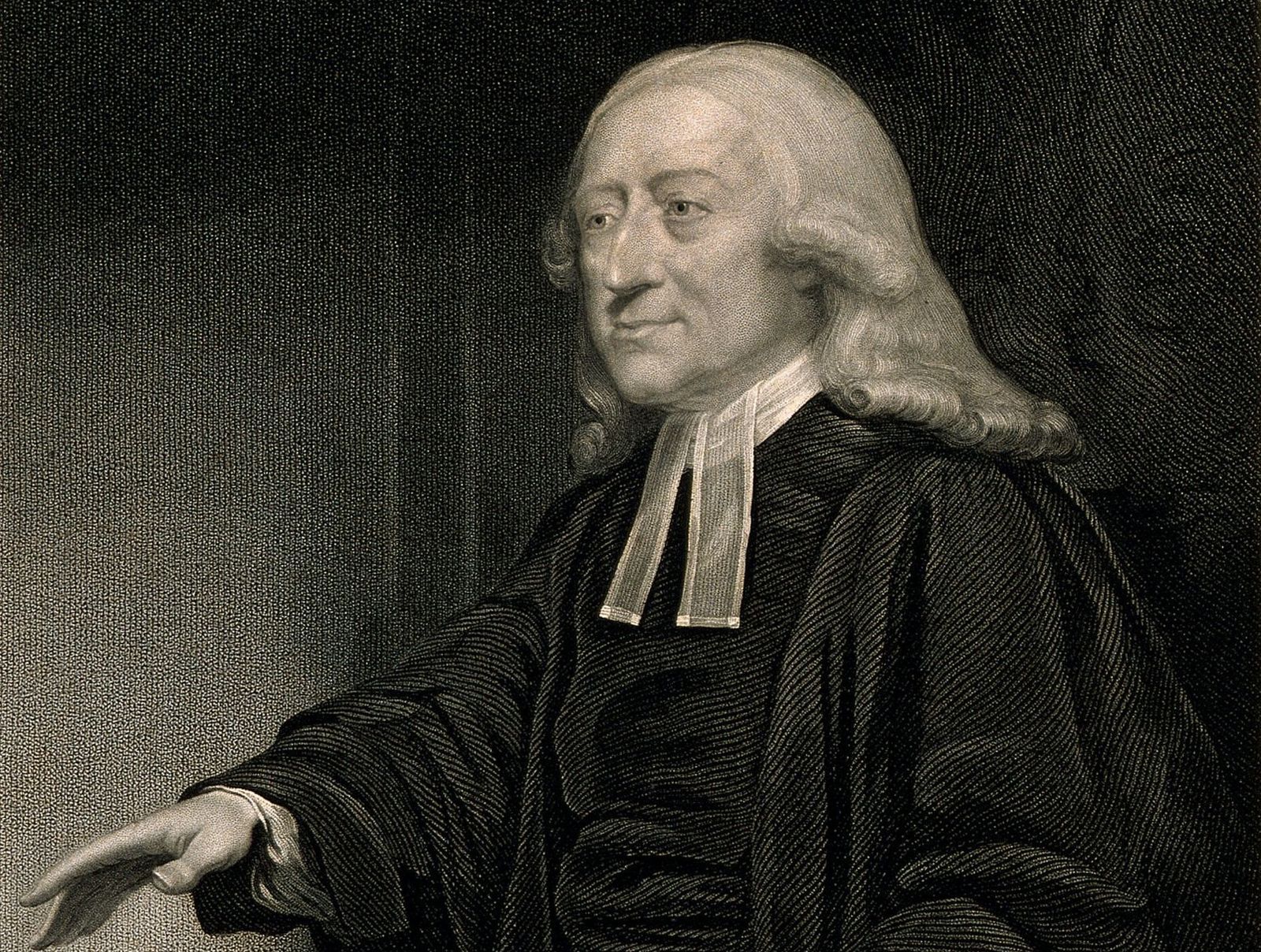
The Bible, particularly Leviticus, does contain extensive laws requiring people to wash their bodies and clothes in certain circumstances, especially before religious rituals. But the famous saying itself came much later. In 1605, Francis Bacon wrote in The Advancement of Learning that "cleanness of body" was connected to reverence for God. Then, in 1786, it was Methodist leader John Wesley who used the wording we recognize today in a sermon: "Cleanliness is indeed next to Godliness." Over time, the phrase became a familiar saying that many people simply assumed came from the Bible.

5

The date of Jesus' birth

Image: http://www.parrocchiasantagata.org, CC0, via Wikimedia Commons

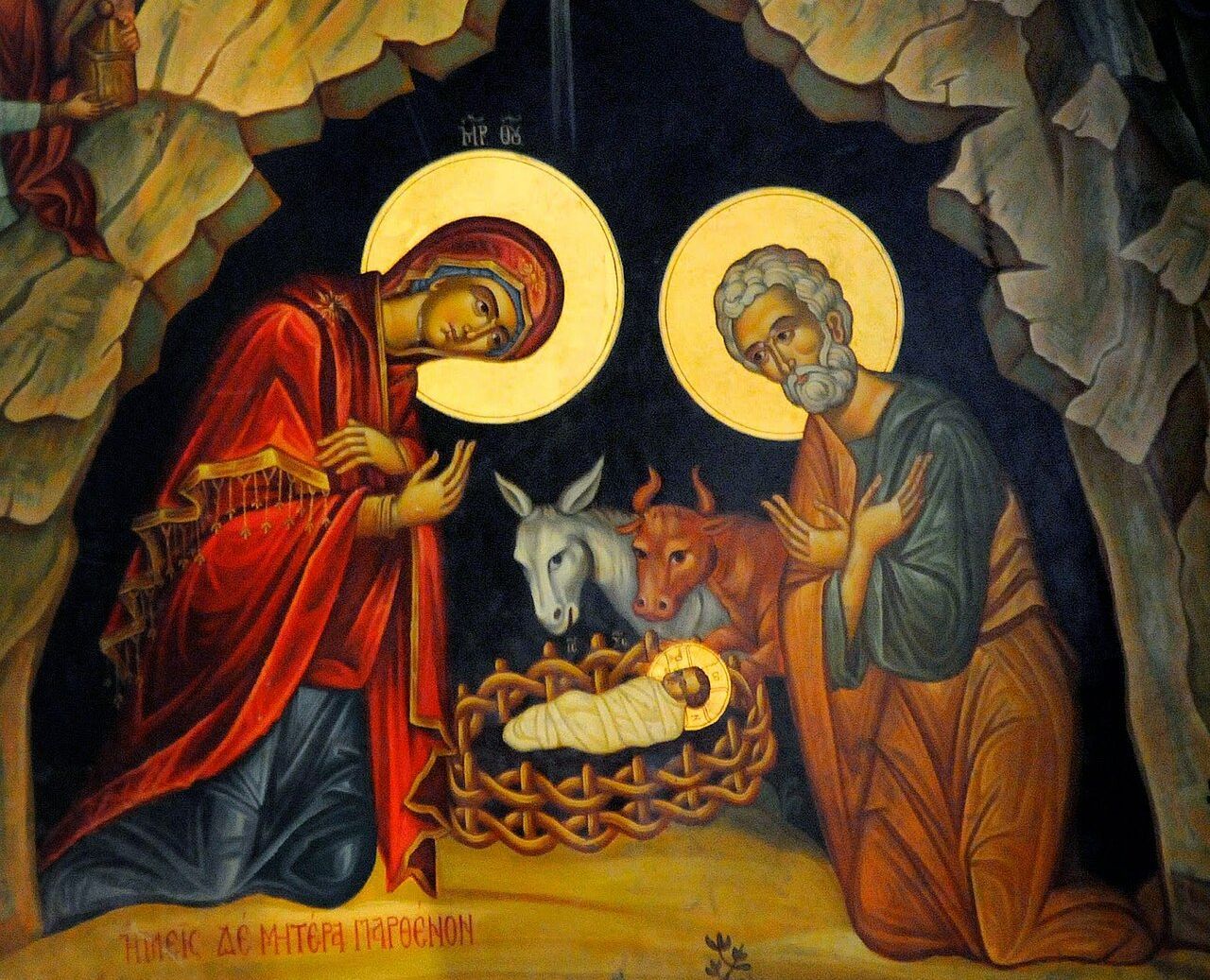
When it comes to famous dates, December 25 may be the most recognizable of all, universally associated with Christmas. But here's the surprising part: the Bible never gives any specific date for Jesus' birth.

The Gospels of Matthew and Luke describe the Nativity but never provide a calendar date, so how did December 25 become Christmas? There are two leading theories. The first is that the Roman Church was celebrating Christmas on December 25 by 336 AD, during Constantine's reign, possibly choosing the date to coincide with existing Roman winter festivals and make it easier to convert the empire to Christianity. The second points to an early Christian tradition that calculated Jesus' birth date from the supposed date of his crucifixion, eventually arriving at December 25.

6

Jonah and the Whale

Image: Pieter Lastman, Public domain, via Wikimedia Commons

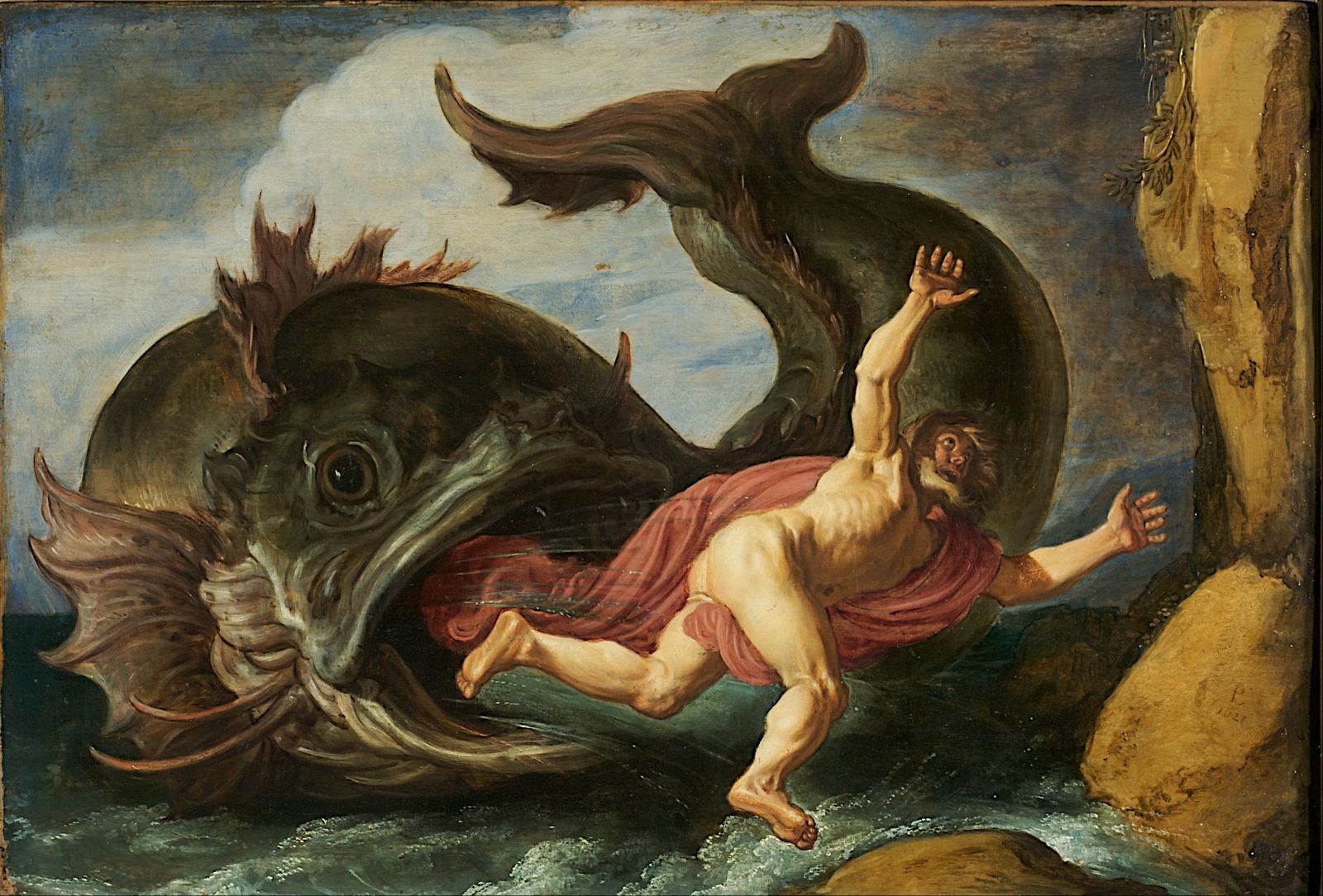
The story of Jonah and the Whale is so famous that it has appeared literally or symbolically in innumerable works of art and literature, from Michelangelo's Sistine Chapel ceiling (1508-1512) to Herman Melville's 1851 novel Moby-Dick. But there's a small problem with the title we've given it: the Bible doesn’t actually say it was a whale.

In the Old Testament, the original Hebrew text of Jonah 1:17 uses the words dag gadol, meaning "great fish" or "large fish"; it doesn't identify the creature as a whale, or even specify what kind of fish it was. Most modern English translations therefore stick with "great fish," but the familiar "whale" interpretation developed through older translations and later European tradition, eventually becoming so widespread that "Jonah and the Whale" became the name almost everyone recognizes.

7

The serpent in Eden was Satan

Image: neurobit

Just as we've always pictured the forbidden fruit as an apple, many of us also assume the serpent in the Garden of Eden is the devil himself. But the original story is a little more complicated.

A plain reading of Genesis depicts the creature simply as a serpent or snake, using the Hebrew word nachash. It describes the serpent as clever and crafty, but it never calls it Satan or explicitly identifies it as the devil. So where did the connection come from? The answer comes from later parts of the Bible, particularly the New Testament. In Revelation 12:9 and 20:2, Satan is called "the ancient serpent" (ho ophis ho archaios in Greek), connecting him to the snake of Eden. Over time, Christian tradition applied that later connection back to Genesis, leading to the familiar belief that the serpent was Satan himself.

8

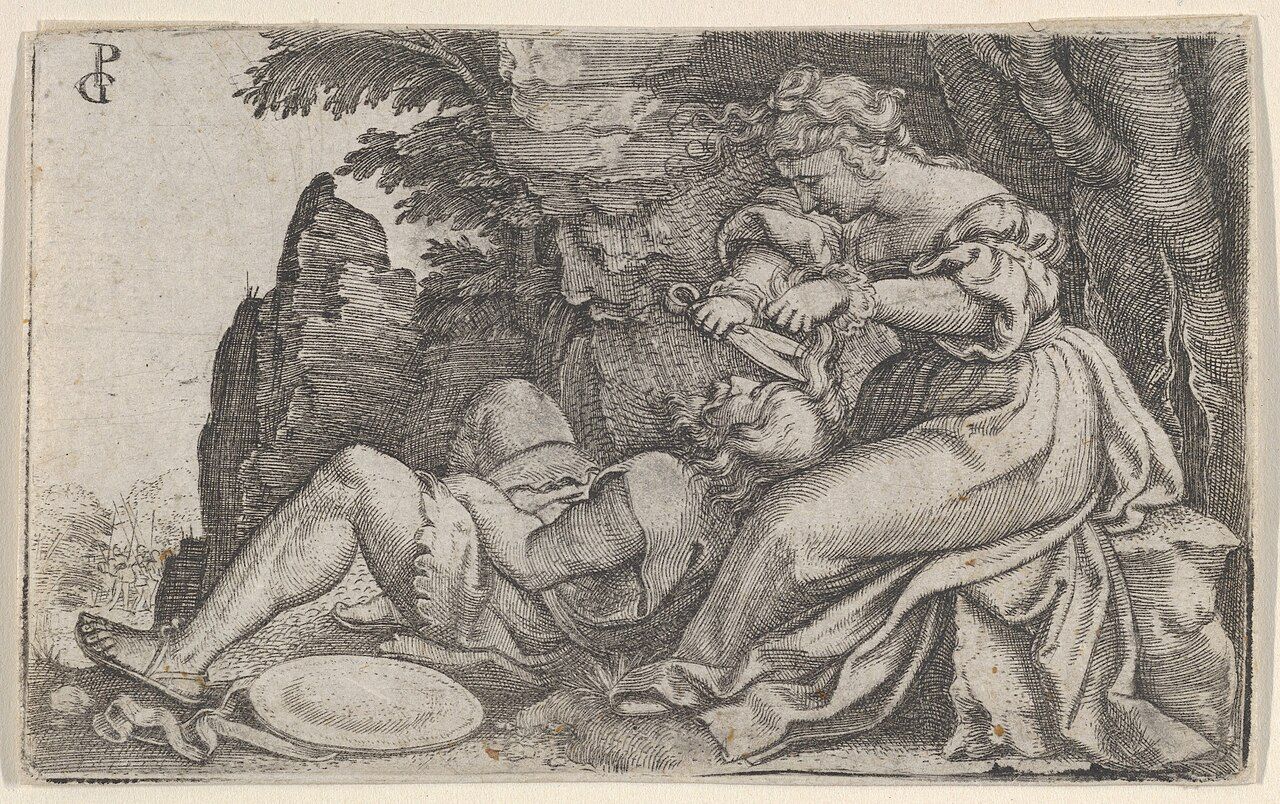
Delilah Cut Samson’s Hair

Image: Georg Pencz, CC0, via Wikimedia Commons

Many of us remember Samson for his legendary strength and the long hair that was said to be the source of his power. His story with Delilah is one of the Bible's most famous tales of betrayal, but there's one detail some people may have gotten wrong: Delilah didn't actually cut his long hair.

In Judges 16:19, Delilah has Samson's hair shaved while he sleeps on her lap. The text says she called for a man to do the shaving; it never says she did it herself. Yet paintings, films, and other retellings have often shown Delilah wielding the scissors herself, cementing that image in popular culture. It can be considered a small detail, but it’s a great example of how easily familiar Bible stories can pick up elements that aren't actually in the original text.

9

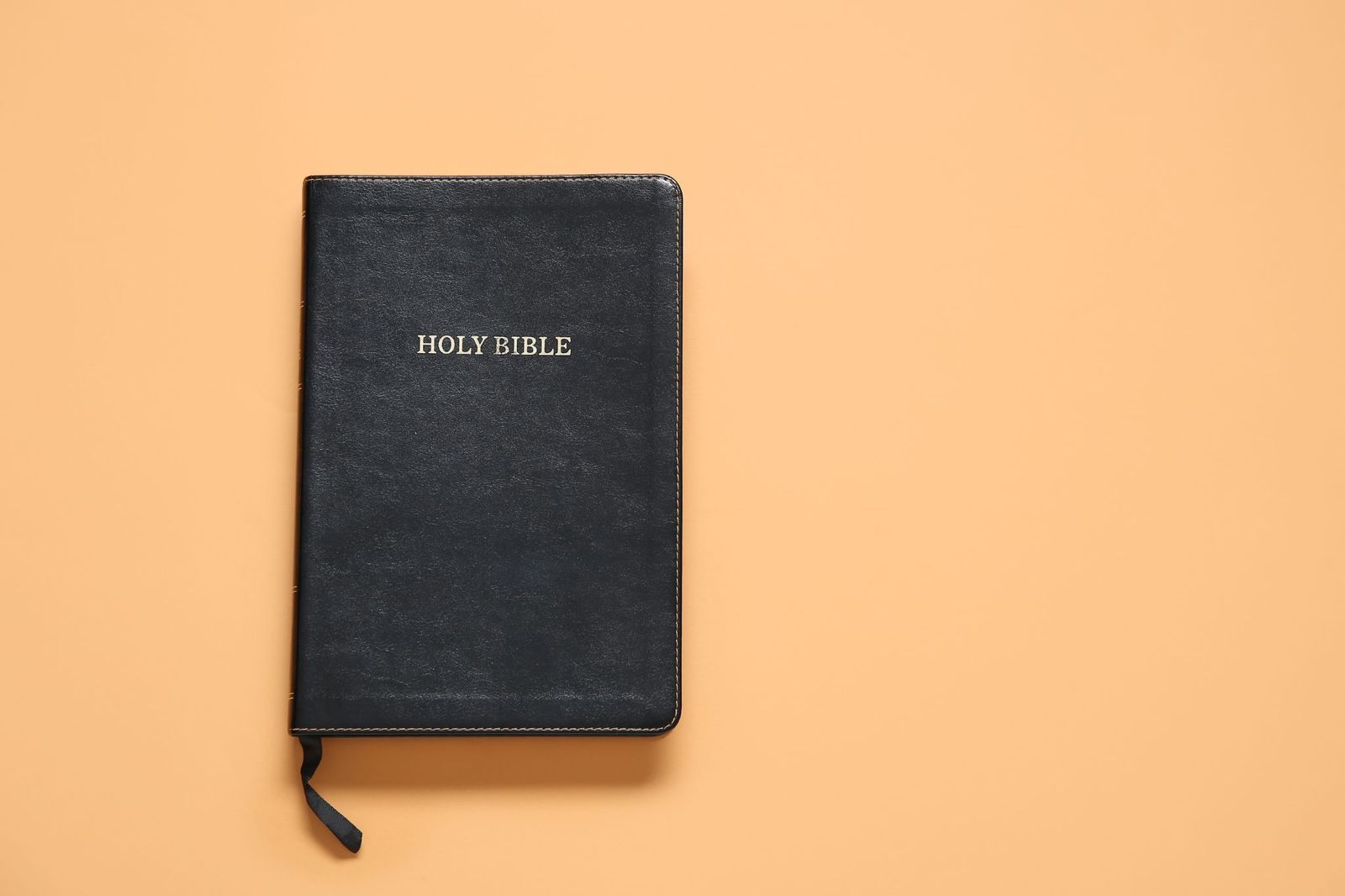
The Bible is a single-voice book

Image: Pixel-Shot

Many of us think of the Bible as a single book, written at one particular time by one author, or perhaps a handful of them. After all, that's how it looks when you pick one up in a hotel room, but its history is far more complicated.

The Bible is actually a collection of books written by over 40 authors over roughly 1,500 years, from about 1400 BC to AD 100. The exact number of books varies by religious tradition: Protestant Bibles contain 66 books, while Catholic and Orthodox traditions include additional books. Across these different traditions, the writings were produced by kings, prophets, fishermen, and scholars in Hebrew, Aramaic, and Greek. They also span a tremendous range of literary styles, including history, poetry, songs, laws, letters, and prophecy. So while we hold it as one book today, the Bible is actually a collection of many different writings produced across centuries.

10

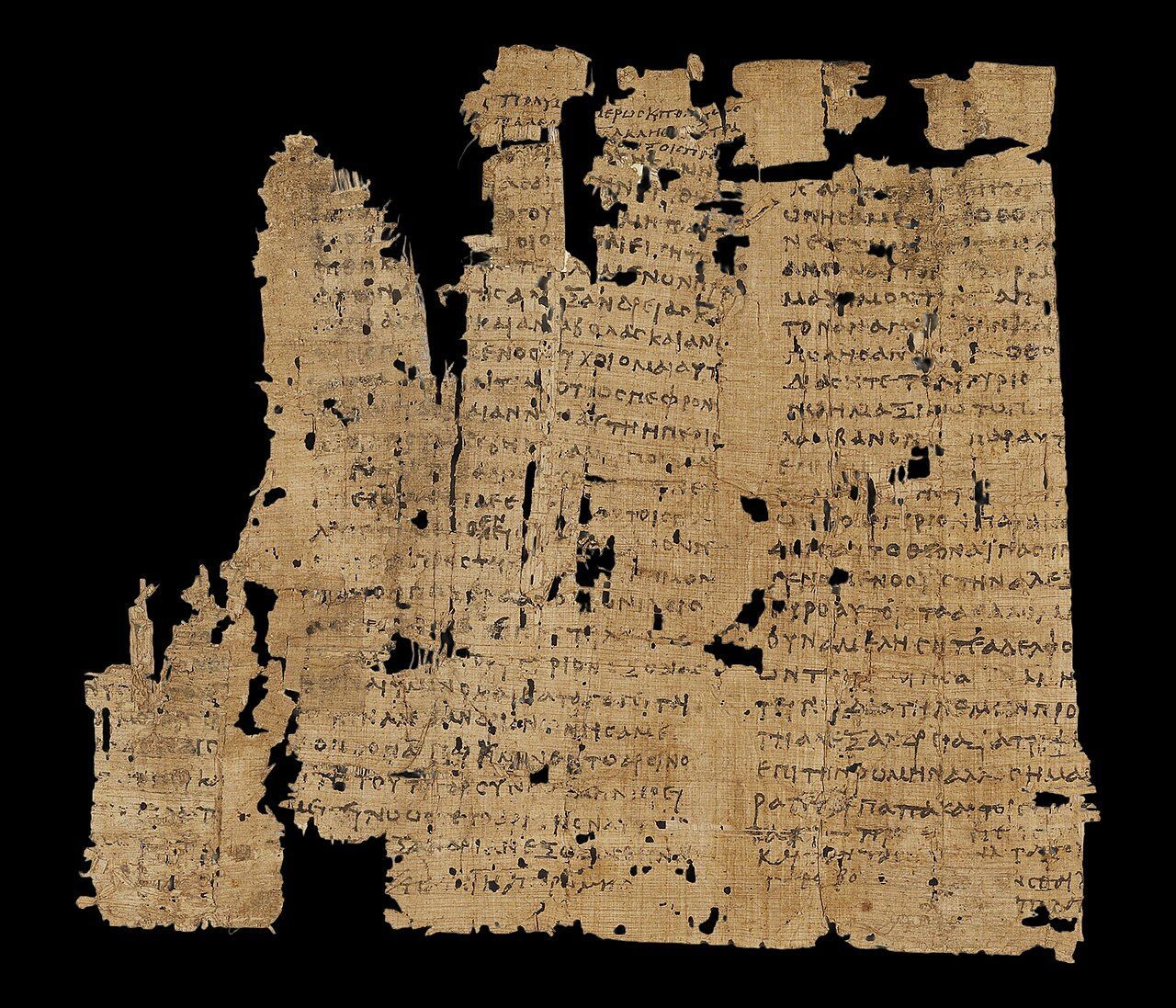
Original manuscripts still exist

Image: https://www.themorgan.org/manuscript/350198, Public domain, via Wikimedia Commons

Many people assume that at least a few original fragments of the Bible must still exist somewhere. It would be incredible if they did, but none of the original manuscripts, known as autographs, have survived.

The earliest biblical texts were written on fragile materials such as papyrus and animal skins, which could deteriorate through humidity, heat, handling, and simple age. Wars, fires, and other destruction also contributed to their disappearance. So how do we know what the originals said? Through a technique called textual criticism: expert scholars compare thousands of handwritten copies, ancient translations, and quotations from early Christian writers. When they find passages that match across different sources, or differences that reveal how a text changed over time, they can work backward to determine what the original most likely said, even though the original manuscripts themselves are gone.

Looking for an extra scoop of literary fun?

Learn more with our Word of the day

infamy

/ˈɪnfəmi/