Dust to dust…

Discover 12 of the strangest Last Will requests ever


Published on July 26, 2025


Image: Melinda Gimpel

Thinking about one’s own demise is not a pleasant task for most of us. Still, it’s wise to make preparations in case the worst happens, to ensure your material possessions are handled according to your wishes. The same goes for any plans you might have for your funeral. Last wills are fairly common, but as it happens, in some cases, people go beyond the usual, leading to the 12 extraordinary examples that follow.

1

Code for the afterlife

Image: Vitaliy Shevchenko

The first name on the list belongs to one of the greatest magicians of all time—Harry Houdini, who died in 1926 from a ruptured appendix.

Houdini’s library of books on magic and the occult was offered to the American Society for Psychical Research on the condition that J. Malcolm Bird, the society’s research officer and editor of its journal, resign. Bird refused, and the collection instead went to the Library of Congress.

Houdini also left his wife a secret code—ten random words they had agreed upon—that he would use to contact her from the afterlife.

2

One dollar

Image: Kenny Eliason

When news billionaire William Randolph Hearst died in 1951, he included a clause in his will addressing rumors that he had children out of wedlock. Anyone claiming to be his illegitimate child, the will stated, would receive "the sum of one dollar." He added, "I hereby declare that any such asserted claim... would be utterly false."

No one ever came forward.

3

Drumskin

Image: Paweł Bulwan

When hatmaker S. Sanborn died in 1871, he stipulated in his will that two drums be made from his skin and given to a friend, on the condition that every June 17 at dawn, the friend would play "Yankee Doodle" at Bunker Hill to commemorate the anniversary of the famous Revolutionary War battle.

The rest of his body was to be composted into fertilizer to nourish an American elm tree, to be planted along a rural roadside.

4

Ghost dinner

Image: Libby Penner

John Bowman, a wealthy tanner from Vermont, believed he would be reincarnated along with his deceased wife and two daughters. To prepare for their return, his will established a $50,000 trust fund to maintain his mansion and mausoleum.

The will required that dinner be served every night, just in case the Bowmans were hungry upon returning from the dead. This ritual continued from his death in 1891 until 1950, when the trust fund was finally depleted.

5

150 rich dogs

Image: Chewy

Eleanor E. Ritchey, heiress to the Quaker State Refining Corporation, left her $4.5 million fortune to her 150 dogs when she died in Florida in 1968. The will was contested, and by 1973, the dogs were awarded $9 million.

By the time the estate was finally settled, its value had grown to $14 million—but only 73 of the original 150 dogs were still alive. When the last dog died in 1984, the remaining estate passed to the Auburn University Research Foundation to fund research into animal diseases.

6

A final round of drinks

Image: Sérgio Alves Santos

Janis Joplin, the legendary singer known for her soulful voice and hard-living lifestyle, died of a drug overdose in 1970. Her will included a $2,500 provision to fund an all-night, posthumous party for 200 guests at her favorite pub in San Anselmo, California—"so my friends can get blasted after I'm gone."

7

Phone directory will

Image: Quino Al

Portuguese aristocrat Luis Carlos de Noronha Cabral da Camara made headlines when he randomly selected 70 names from the Lisbon phone directory and named them as beneficiaries in his will.

Understandably, many of the recipients initially thought it was a scam—most had never even heard of him before learning they had inherited part of his estate.

8

One more lucky dog

Image: Sophie Shankey

Billionaire hotelier Leona Helmsley left the majority of her estimated $8 billion estate in charitable trusts for "purposes related to the care of dogs." She specifically set aside a $12 million trust fund for her Maltese dog, Trouble, and disinherited two of her grandchildren "for reasons known to them."

The disinherited grandchildren contested the will, claiming that Helmsley lacked mental capacity when she made it. The dispute was settled with half of Trouble’s trust—$6 million—being awarded to the grandchildren.

9

The spite clause

Image: Jay Kettle-Williams

Billionaire Wellington Burt ensured that his fortune would remain inaccessible to his heirs for nearly a century. He died in 1919 and included a "spite clause" in his will, which stipulated that his wealth would be distributed only 21 years after the death of his last surviving grandchild. That grandchild died in 1989, meaning the 21-year countdown ended in 2010.

10

A rose every day

Image: Carlos Quintero

Comedian Jack Benny’s widow, Mary Livingstone, wrote in a magazine shortly after his death in 1974: "Every day since Jack died, the florist has delivered one long-stemmed red rose to my home. I learned Jack had actually included a provision in his will for the flowers—one red rose to be delivered to me every day for the rest of my life."

11

A birthday

Image: Nick Stephenson

People leave all kinds of things in their wills, and dates are no exception. In 1891, about three years before his death, novelist Robert Louis Stevenson learned that the 12-year-old daughter of the U.S. Commissioner to Samoa, where he was living at the time, was unhappy because her birthday fell on Christmas Day.

Stevenson left his birthday, November 13th, to little Annie to adopt as her own, provided she took care of it with "moderation and humanity… the said birthday not being so young as it once was."

12

Ashes to ink

Image: Totte Annerbrink

Mark Gruenwald, a comic book writer best known for his work on Captain America, requested that when he died in 1996, his ashes be mixed into the ink used to print the first trade paperback anthology of Squadron Supreme, another of his landmark creations.
Translation and interpretation

Was the forbidden fruit really an apple? 10 Bible surprises


Published on July 26, 2025


Image: Mariordo, CC BY-SA 4.0, via Wikimedia Commons

What if some of the Bible stories you grew up with aren't exactly what the Bible says? Was the forbidden fruit really an apple? Were there actually three Wise Men? Did "God helps those who help themselves" really come from the Bible? Over centuries, translations, traditions, and famous works of art have added details that became so familiar, we stopped questioning them. But go back to the texts, and some of these stories look surprisingly different. From Eve's "apple" to the date of Jesus' birth, here are 10 familiar parts of the Bible that may not be quite what we remember.

1

The forbidden fruit was an apple

Image: Albrecht Dürer, Public domain, via Wikimedia Commons

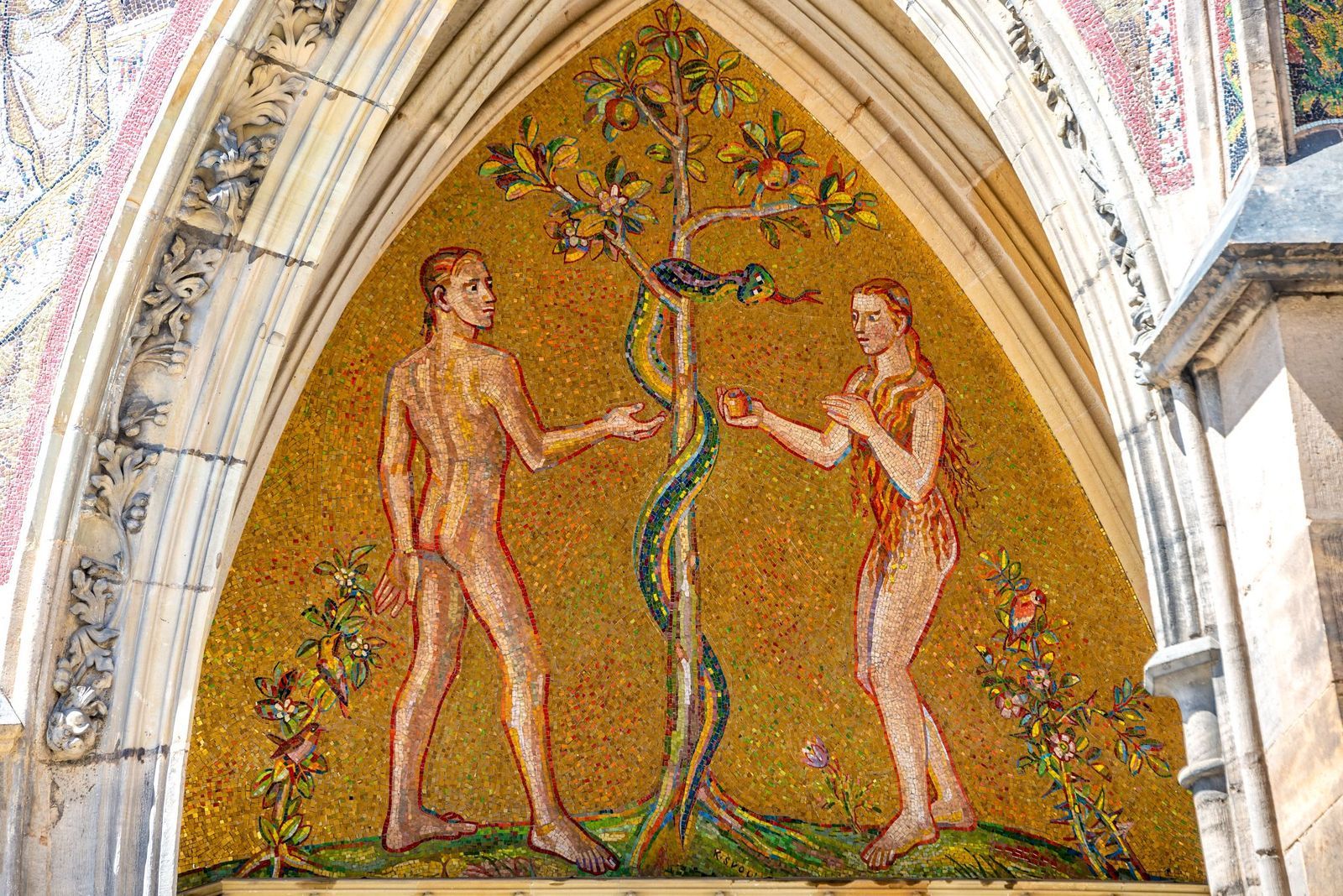
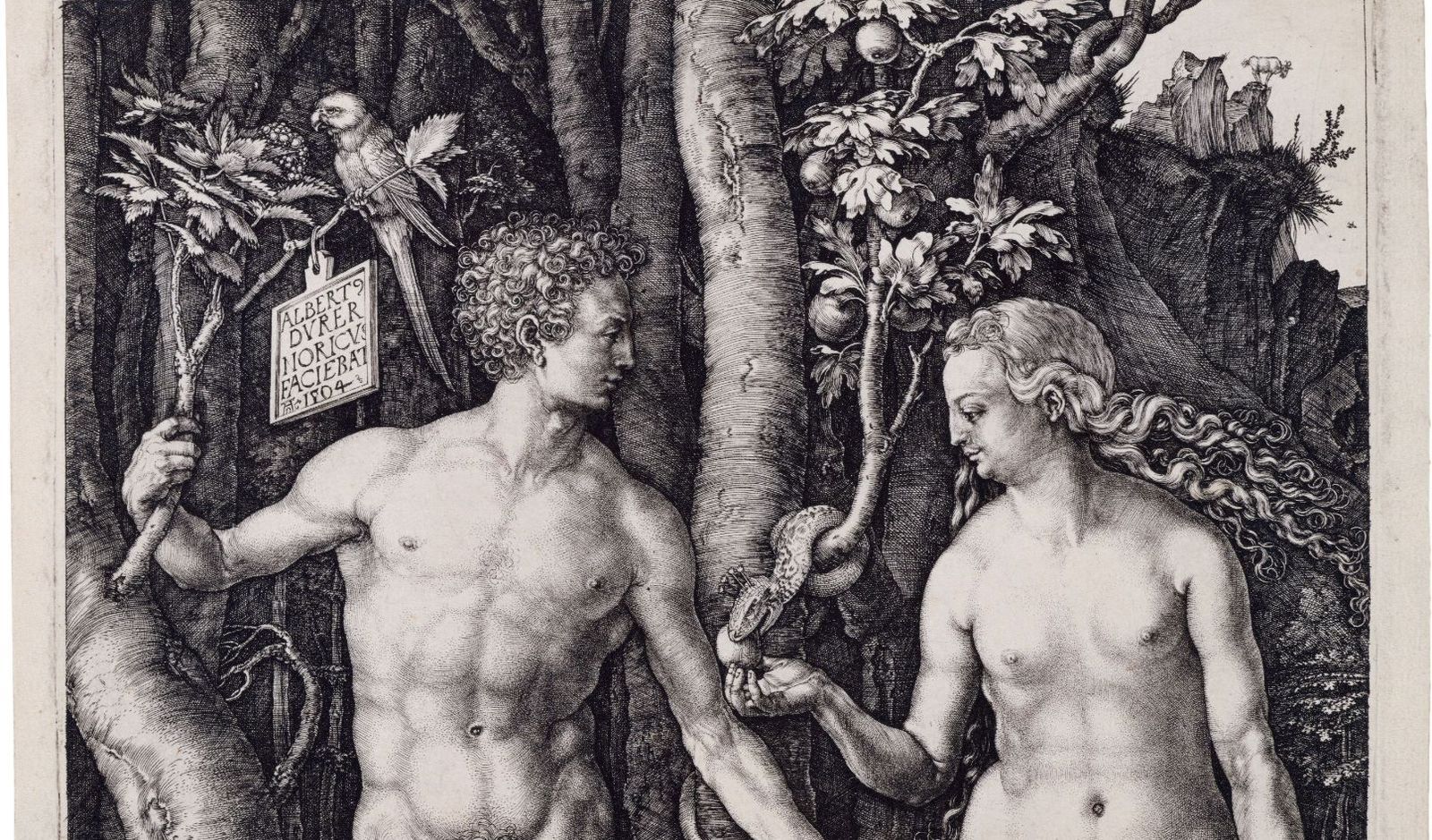
When you picture the Garden of Eden, what fruit comes to mind? Most people imagine an apple, but there's just one problem: the Bible never says it was an apple.

In the Book of Genesis, the fruit is simply called "the fruit of the tree of the knowledge of good and evil." The original Hebrew text uses the word peri, which simply means "fruit." The apple connection came centuries later, largely through the Latin translation. The Latin word malum can mean both "apple" and "evil," making it an especially fitting symbol for the story. Over time, that association spread through Christian art and literature. Famous works such as Albrecht Dürer’s 1504 engraving Adam and Eve (also known as The Fall of Man) helped cement the image of Eve holding an apple. Today, it's one of the most famous scenes in history, even though the original biblical text doesn’t identify the fruit as an apple at all.

2

There were three wise men/kings

Image: Rawpixel.com

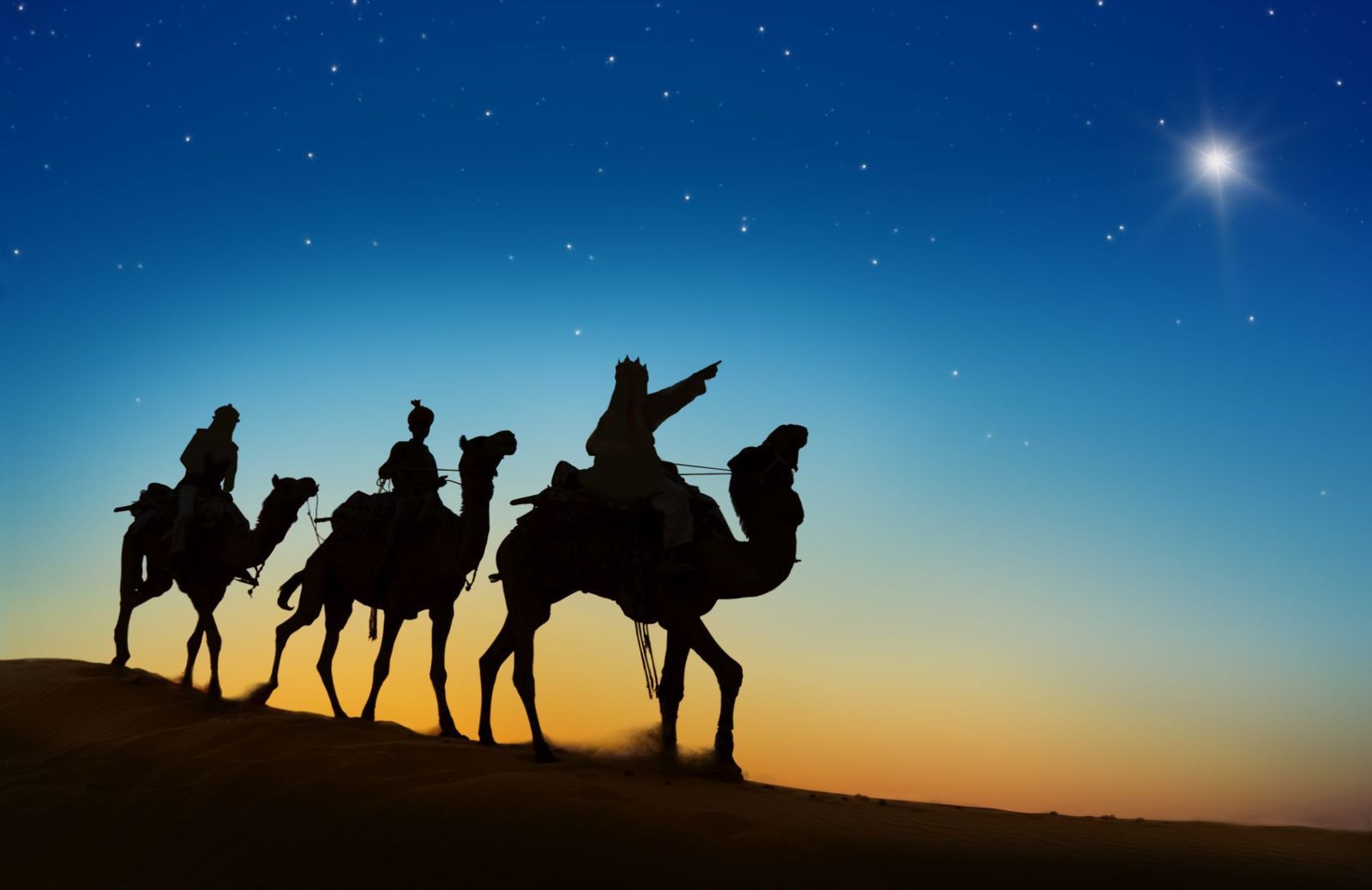
The story of Jesus' birth is so famous that most of us picture the Three Wise Men, sometimes called the Three Kings, standing beside the manger. But the thing is, over the centuries, the story picked up a few details that aren't actually in the Bible.

In the Gospel of Matthew, the only Gospel that mentions these visitors, they are described simply as Magi from the East. The original Greek word, magoi, referred to learned scholars, astrologers, or priests from Persia or Babylon, not kings. But where did the number three come from? Matthew lists three gifts: gold, frankincense, and myrrh, but never says how many visitors brought them. Over the centuries, people naturally assumed there must have been three Magi, one for each gift. Even their familiar names, Melchior, Caspar, and Balthasar, were added later by Christian tradition. So, neither the number of visitors nor their names appears anywhere in the biblical text.

3

"God helps those who help themselves"

Image: Adam Nir

Whether it's used to motivate a friend, encourage a family member, or push yourself to finally make a difficult decision, "God helps those who help themselves" is one of the most familiar religious sayings in America. But here's the surprise: those words never appear in the Bible.

The idea can be traced to ancient Greek sources, including Aesop’s Fables, where the saying appears in an earlier form: "The gods help them that help themselves." The exact modern wording was written by English politician Algernon Sidney in 1698, but it was Benjamin Franklin who helped make it part of American culture when he included it in his 1736 edition of Poor Richard’s Almanack.

4

"Cleanliness is next to godliness"

Image: John Jackson, CC BY 4.0, via Wikimedia Commons

Many teenagers have heard "Cleanliness is next to godliness" when it was time to clean their rooms. But despite sounding like a Bible verse, the phrase never appears in Scripture.

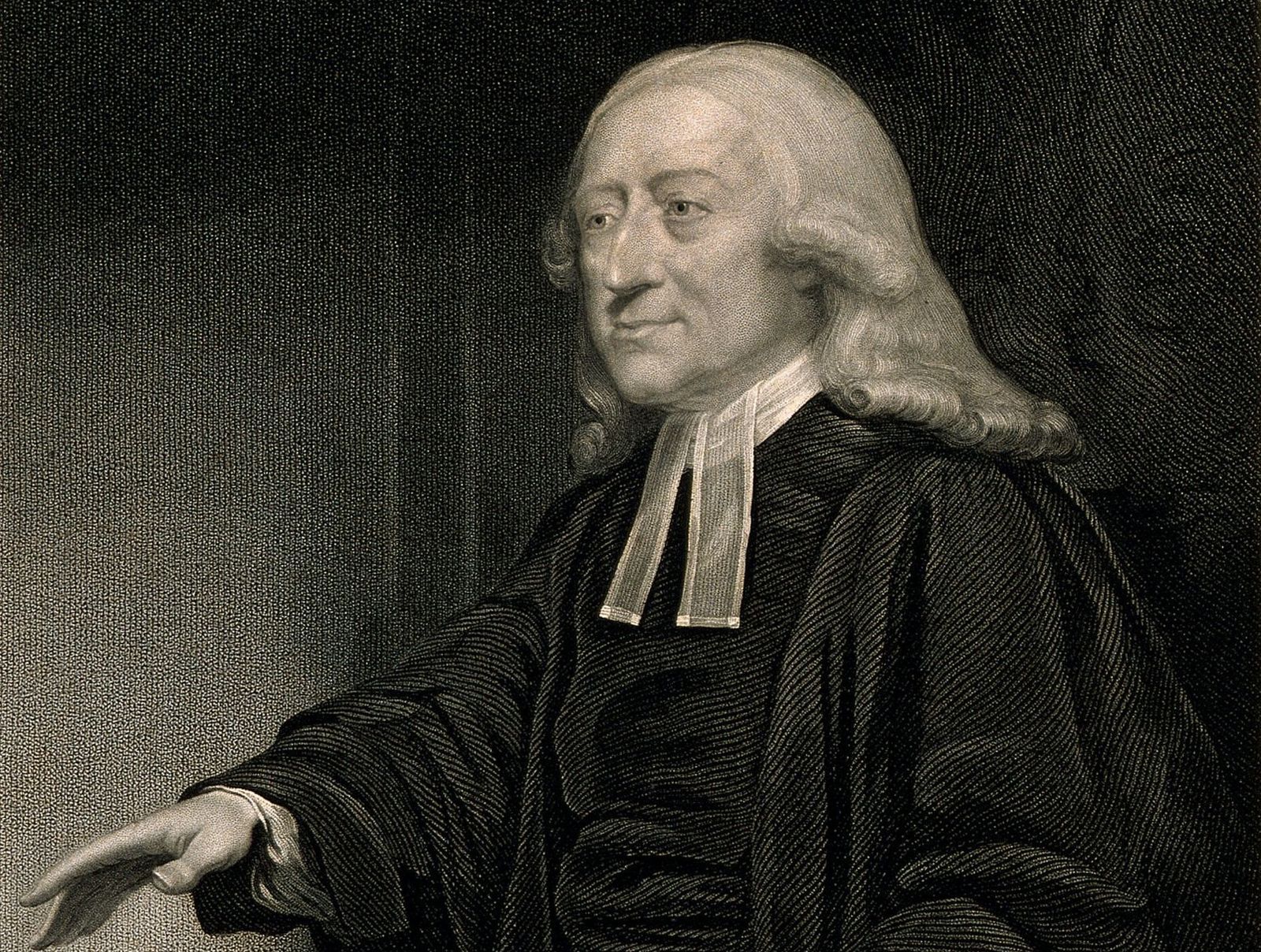
The Bible, particularly Leviticus, does contain extensive laws requiring people to wash their bodies and clothes in certain circumstances, especially before religious rituals. But the famous saying itself came much later. In 1605, Francis Bacon wrote in The Advancement of Learning that "cleanness of body" was connected to reverence for God. Then, in 1786, it was Methodist leader John Wesley who used the wording we recognize today in a sermon: "Cleanliness is indeed next to Godliness." Over time, the phrase became a familiar saying that many people simply assumed came from the Bible.

5

The date of Jesus' birth

Image: http://www.parrocchiasantagata.org, CC0, via Wikimedia Commons

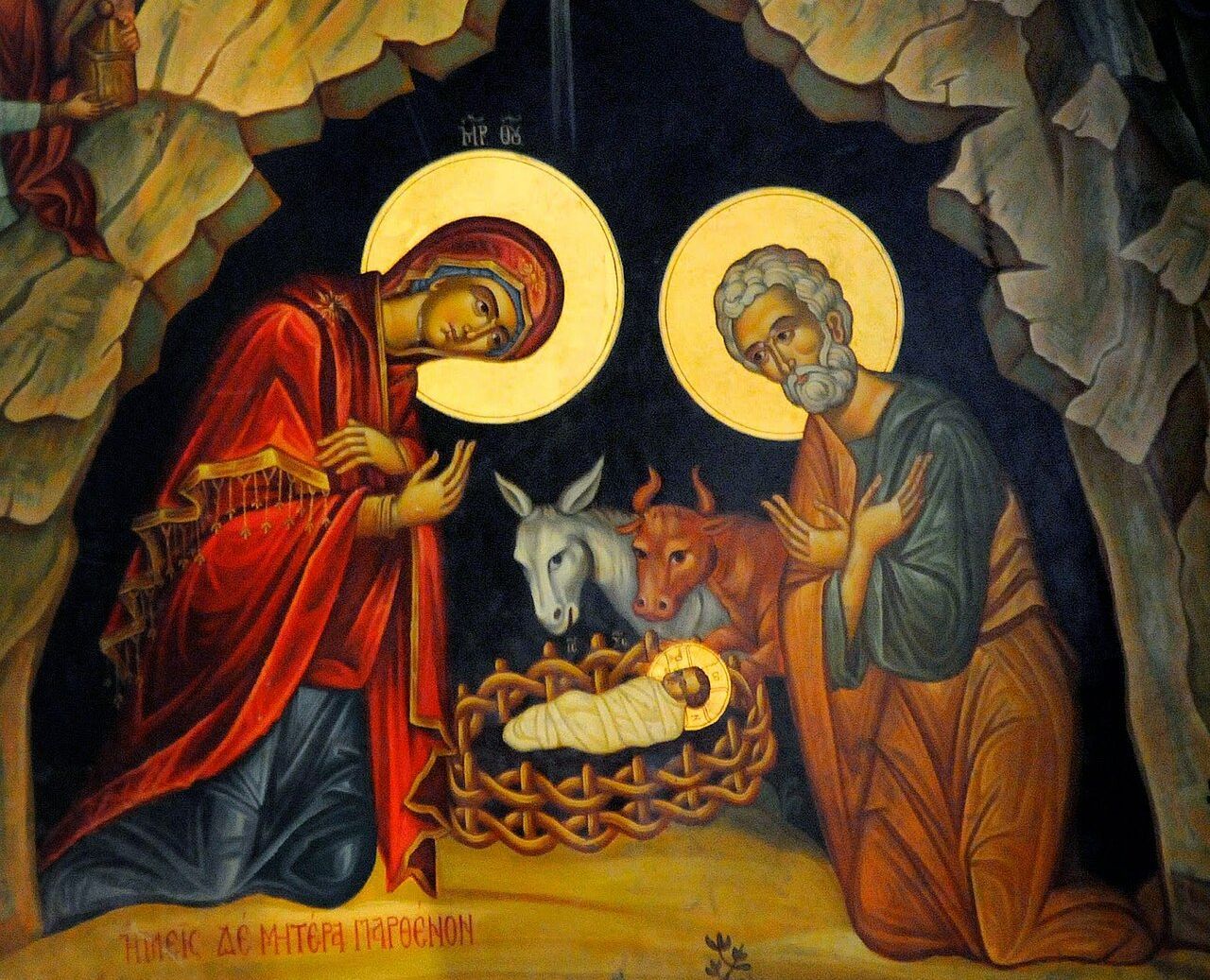
When it comes to famous dates, December 25 may be the most recognizable of all, universally associated with Christmas. But here's the surprising part: the Bible never gives any specific date for Jesus' birth.

The Gospels of Matthew and Luke describe the Nativity but never provide a calendar date, so how did December 25 become Christmas? There are two leading theories. The first is that the Roman Church was celebrating Christmas on December 25 by 336 AD, during Constantine's reign, possibly choosing the date to coincide with existing Roman winter festivals and make it easier to convert the empire to Christianity. The second points to an early Christian tradition that calculated Jesus' birth date from the supposed date of his crucifixion, eventually arriving at December 25.

6

Jonah and the Whale

Image: Pieter Lastman, Public domain, via Wikimedia Commons

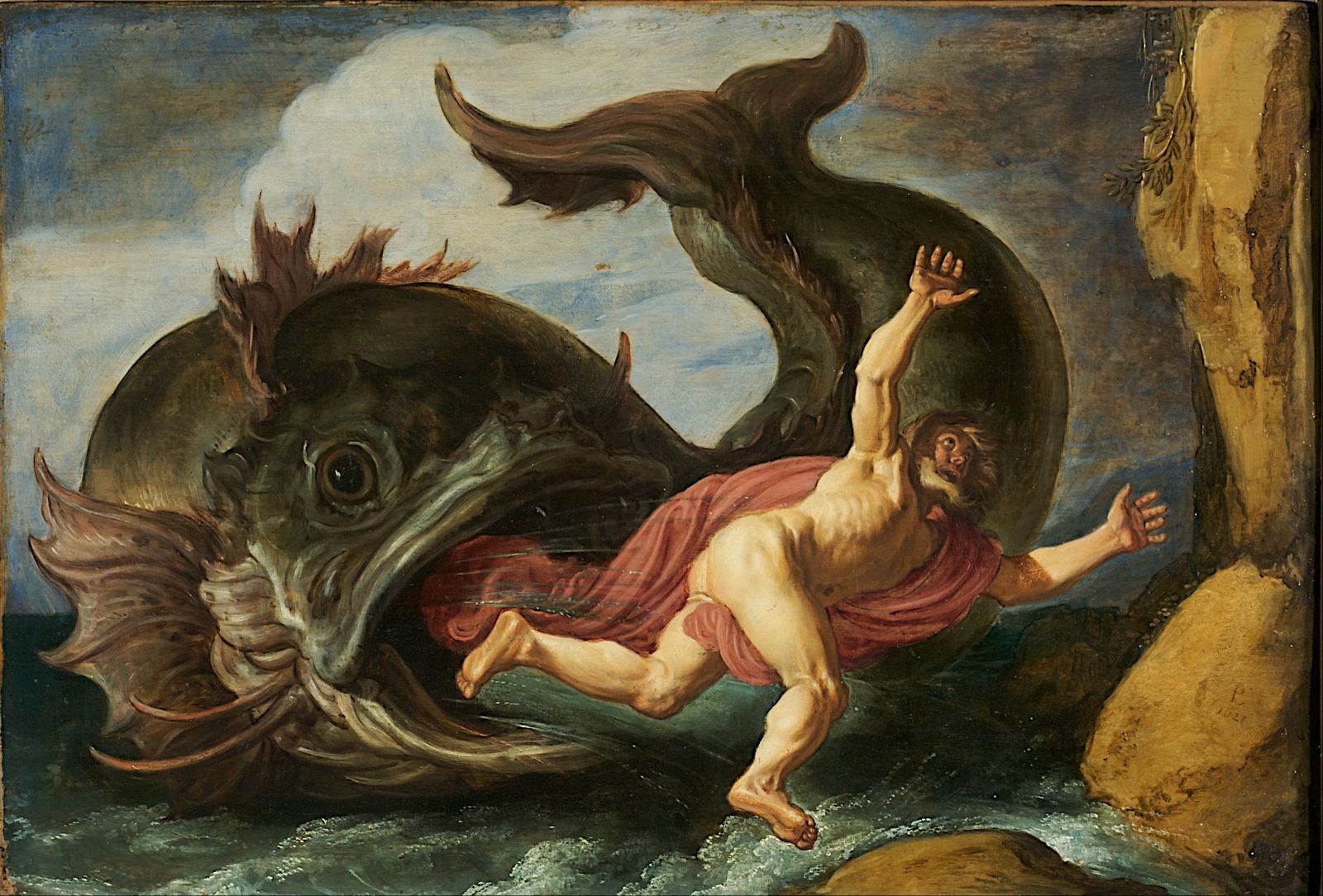
The story of Jonah and the Whale is so famous that it has appeared literally or symbolically in innumerable works of art and literature, from Michelangelo's Sistine Chapel ceiling (1508-1512) to Herman Melville's 1851 novel Moby-Dick. But there's a small problem with the title we've given it: the Bible doesn’t actually say it was a whale.

In the Old Testament, the original Hebrew text of Jonah 1:17 uses the words dag gadol, meaning "great fish" or "large fish"; it doesn't identify the creature as a whale, or even specify what kind of fish it was. Most modern English translations therefore stick with "great fish," but the familiar "whale" interpretation developed through older translations and later European tradition, eventually becoming so widespread that "Jonah and the Whale" became the name almost everyone recognizes.

7

The serpent in Eden was Satan

Image: neurobit

Just as we've always pictured the forbidden fruit as an apple, many of us also assume the serpent in the Garden of Eden is the devil himself. But the original story is a little more complicated.

A plain reading of Genesis depicts the creature simply as a serpent or snake, using the Hebrew word nachash. It describes the serpent as clever and crafty, but it never calls it Satan or explicitly identifies it as the devil. So where did the connection come from? The answer comes from later parts of the Bible, particularly the New Testament. In Revelation 12:9 and 20:2, Satan is called "the ancient serpent" (ho ophis ho archaios in Greek), connecting him to the snake of Eden. Over time, Christian tradition applied that later connection back to Genesis, leading to the familiar belief that the serpent was Satan himself.

8

Delilah Cut Samson’s Hair

Image: Georg Pencz, CC0, via Wikimedia Commons

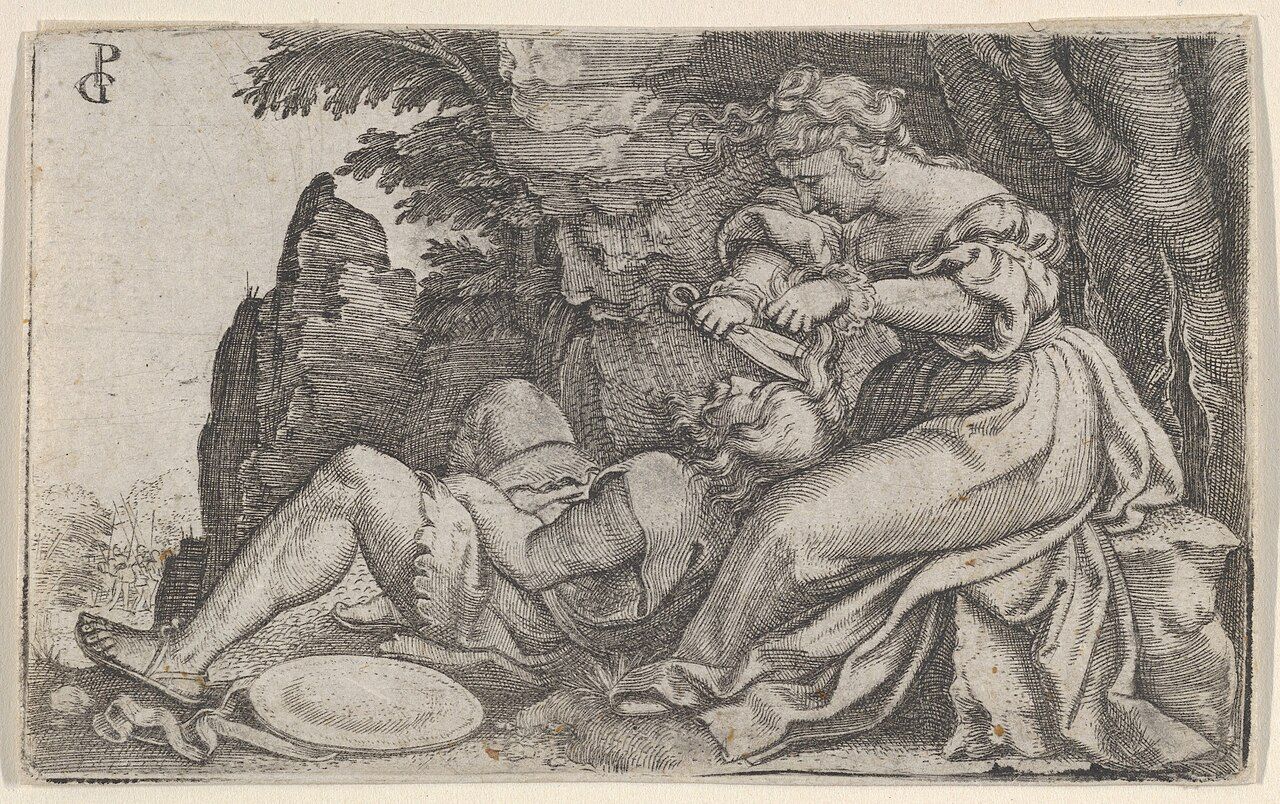
Many of us remember Samson for his legendary strength and the long hair that was said to be the source of his power. His story with Delilah is one of the Bible's most famous tales of betrayal, but there's one detail some people may have gotten wrong: Delilah didn't actually cut his long hair.

In Judges 16:19, Delilah has Samson's hair shaved while he sleeps on her lap. The text says she called for a man to do the shaving; it never says she did it herself. Yet paintings, films, and other retellings have often shown Delilah wielding the scissors herself, cementing that image in popular culture. It can be considered a small detail, but it’s a great example of how easily familiar Bible stories can pick up elements that aren't actually in the original text.

9

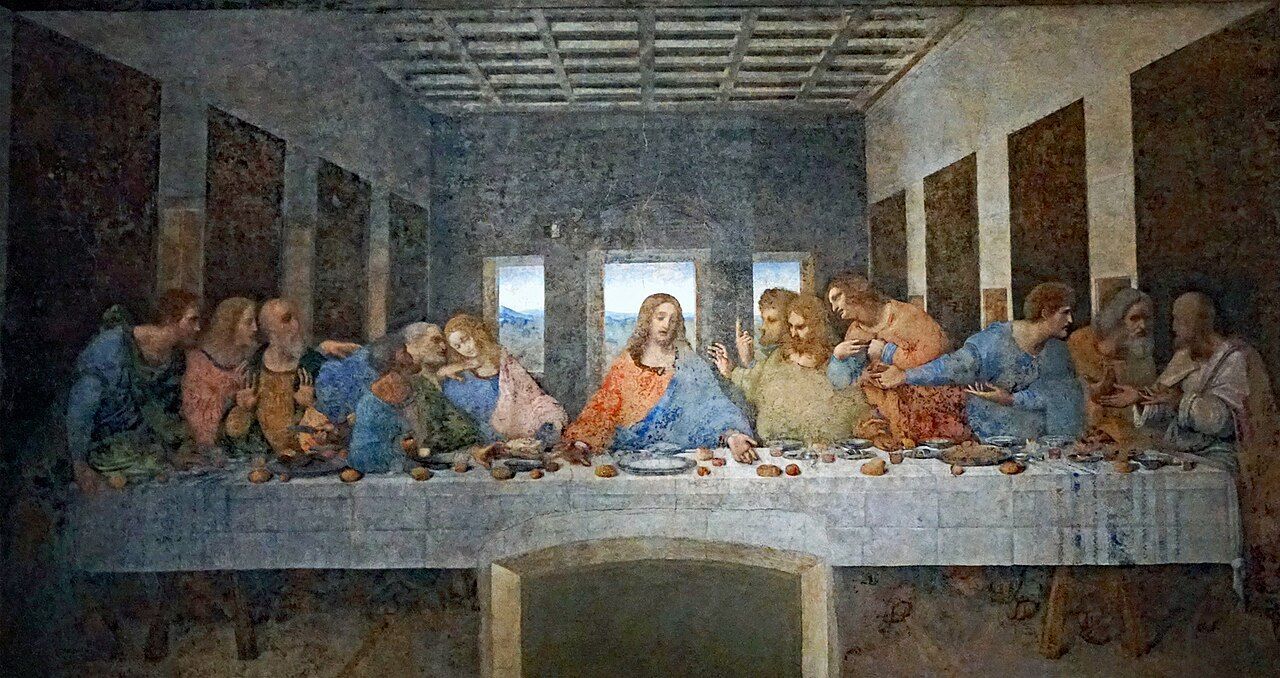
The Bible is a single-voice book

Image: Pixel-Shot

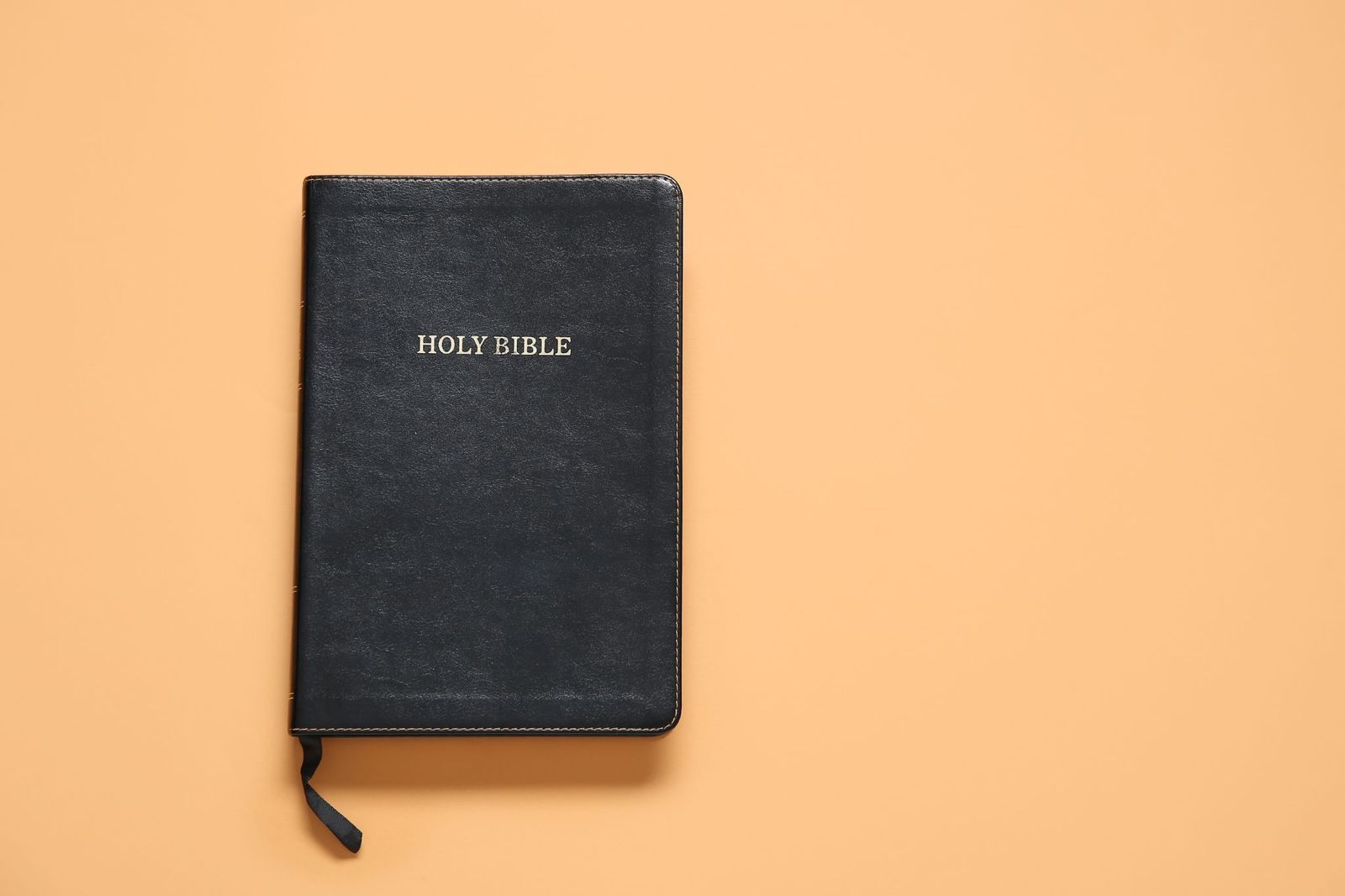
Many of us think of the Bible as a single book, written at one particular time by one author, or perhaps a handful of them. After all, that's how it looks when you pick one up in a hotel room, but its history is far more complicated.

The Bible is actually a collection of books written by over 40 authors over roughly 1,500 years, from about 1400 BC to AD 100. The exact number of books varies by religious tradition: Protestant Bibles contain 66 books, while Catholic and Orthodox traditions include additional books. Across these different traditions, the writings were produced by kings, prophets, fishermen, and scholars in Hebrew, Aramaic, and Greek. They also span a tremendous range of literary styles, including history, poetry, songs, laws, letters, and prophecy. So while we hold it as one book today, the Bible is actually a collection of many different writings produced across centuries.

10

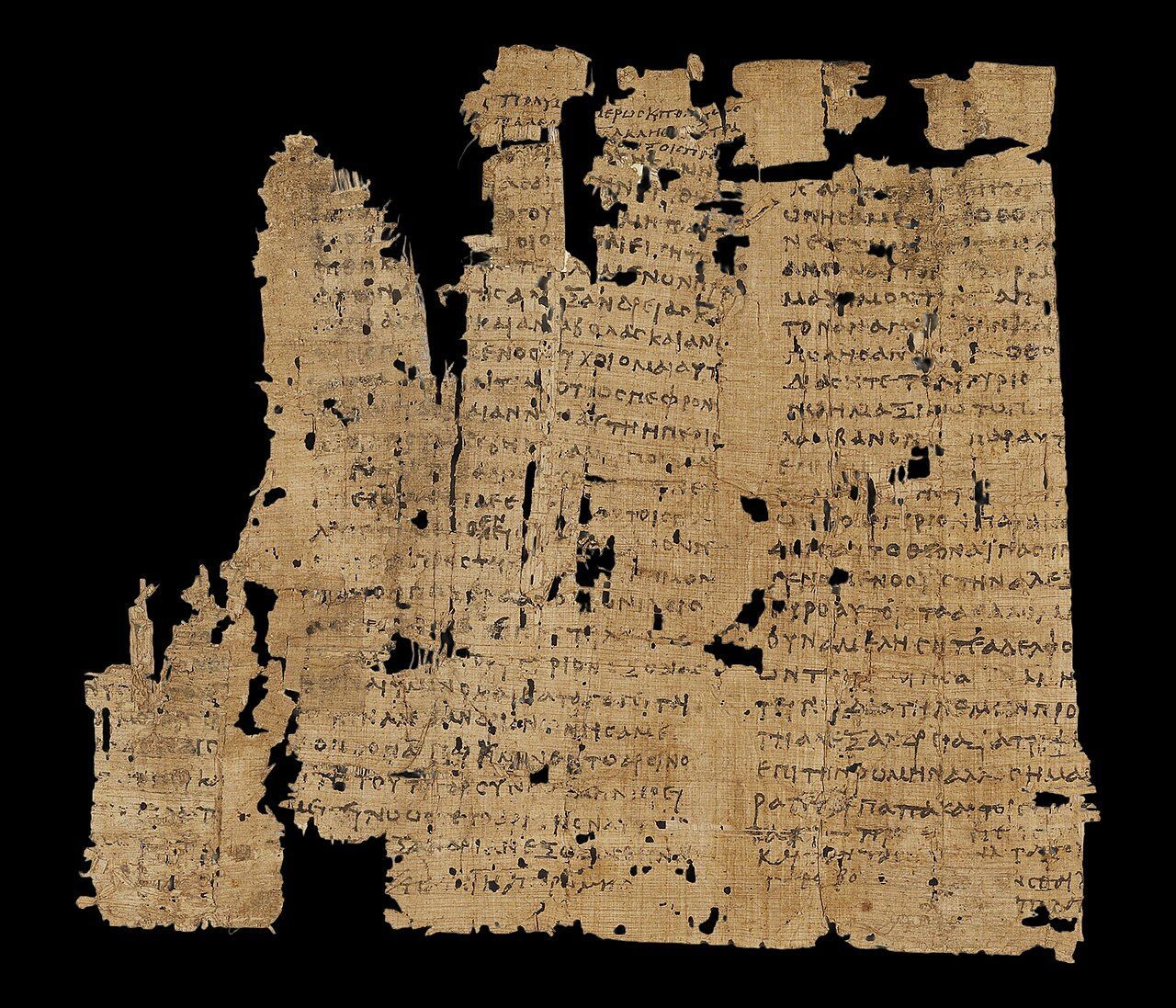
Original manuscripts still exist

Image: https://www.themorgan.org/manuscript/350198, Public domain, via Wikimedia Commons

Many people assume that at least a few original fragments of the Bible must still exist somewhere. It would be incredible if they did, but none of the original manuscripts, known as autographs, have survived.

The earliest biblical texts were written on fragile materials such as papyrus and animal skins, which could deteriorate through humidity, heat, handling, and simple age. Wars, fires, and other destruction also contributed to their disappearance. So how do we know what the originals said? Through a technique called textual criticism: expert scholars compare thousands of handwritten copies, ancient translations, and quotations from early Christian writers. When they find passages that match across different sources, or differences that reveal how a text changed over time, they can work backward to determine what the original most likely said, even though the original manuscripts themselves are gone.

Looking for an extra scoop of literary fun?

Learn more with our Word of the day

sweltering

/ˈswɛlt(ə)rɪŋ/