You’ve felt these 14 emotions, you just didn’t know what to call them!
Published on July 31, 2025
 Image: Claudio Schwarz
Ever felt something so oddly specific that you couldn't quite put it into words? Turns out, there are words for those hard-to-describe emotions—you just haven’t heard them yet. Some come from other languages, some are made up but still meaningful, and all of them might just make you say, "So that’s what I’ve been feeling!" Here are a few you might recognize from your own inner world.
Mal de Coucou: Friends everywhere, but no real connection
 Image: Considerate Agency
You might have a packed calendar, a buzzing phone, and a social life that looks great from the outside. But deep down, it can still feel like no one truly knows you. That’s Mal de Coucou: when you’re surrounded by people but missing a genuine connection. Has this ever happened to you?
Liberosis: Wanting just not to give a darn
 Image: Toa Heftiba
Ever wish you could let things roll off your back instead of stressing over every little detail? That’s liberosis—and most of us have felt it. It’s the urge to stop sweating the small stuff and care a whole lot less. Not because you don’t care, but because life might feel a little lighter if you didn’t carry it all.
Kairosclerosis: When you catch yourself being happy
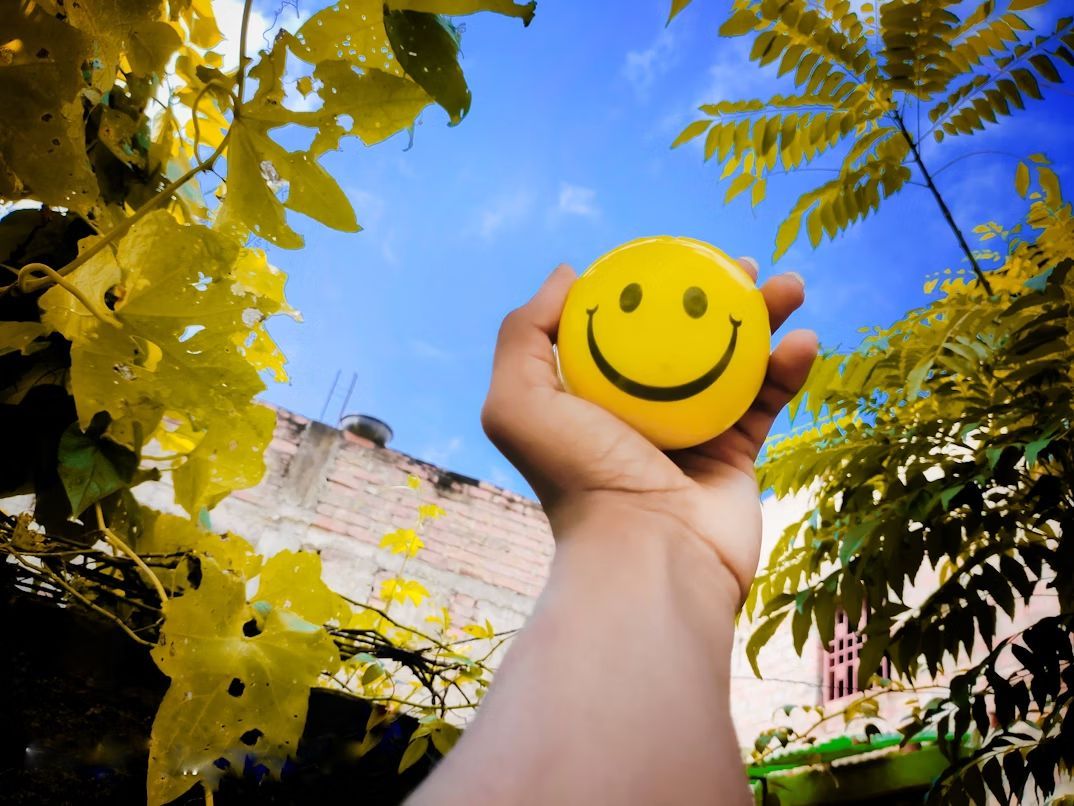 Image: Shaurya Sagar
You’re sitting on the porch, sipping coffee, and suddenly realize, "Hey... I’m actually really happy right now." It’s a beautiful moment—and it has a name: kairosclerosis. Sure, it might sound like a backache, but it's the moment you notice your own joy… And maybe mess it up a little by overthinking it.
Nighthawk: That one thought that won’t quit at 2 a.m.
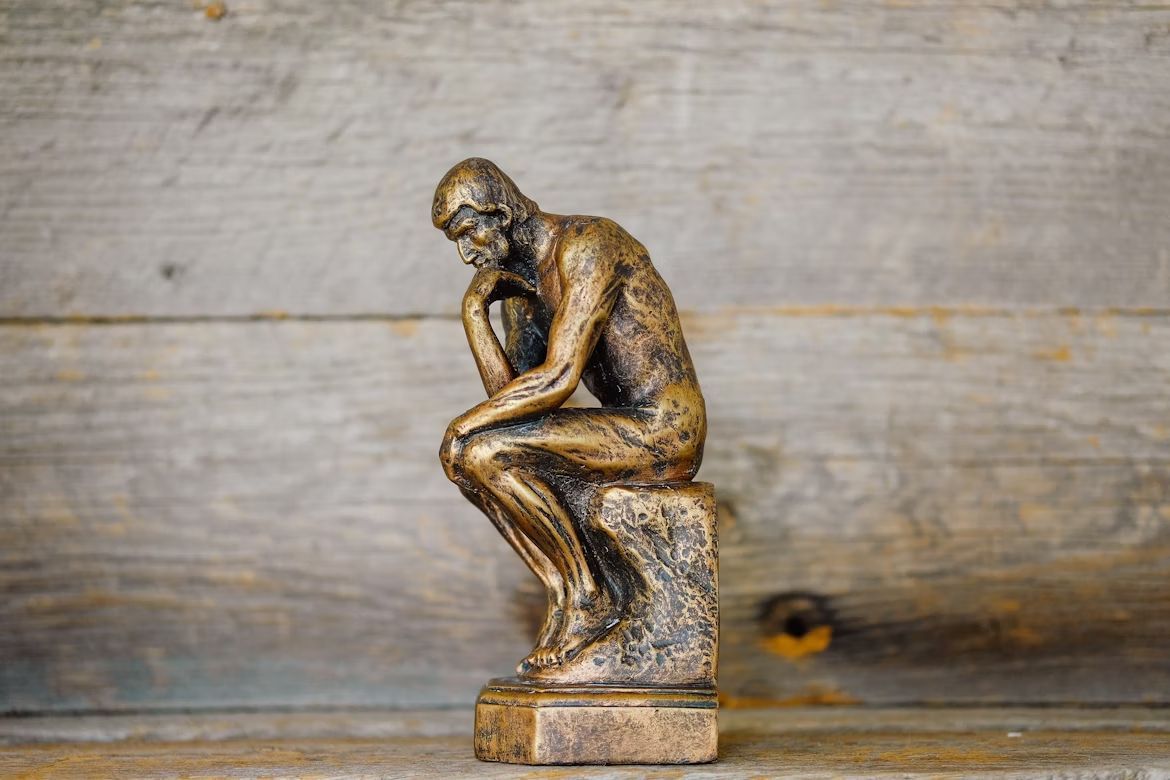 Image: Kenny Eliason
You’re finally tucked in, lights out, ready to sleep... and boom. Your brain brings up something awkward from 1993. That’s a nighthawk—a sneaky late-night thought that only seems to visit during the dark hours. Wanna go back to sleep? Put some relaxing music on!
Pâro: When it always feels like you’re doing it wrong
 Image: Chris Riggs
Sometimes, no matter how hard you try, it still feels like you can’t quite get things right, as if you’re always a step off. That low-grade self-doubt, that nagging sense you’re not measuring up? That’s pâro. So fight it off—and in case nobody told you today: you’re doing great!
Gnossienne: Realizing people are deeper than you thought
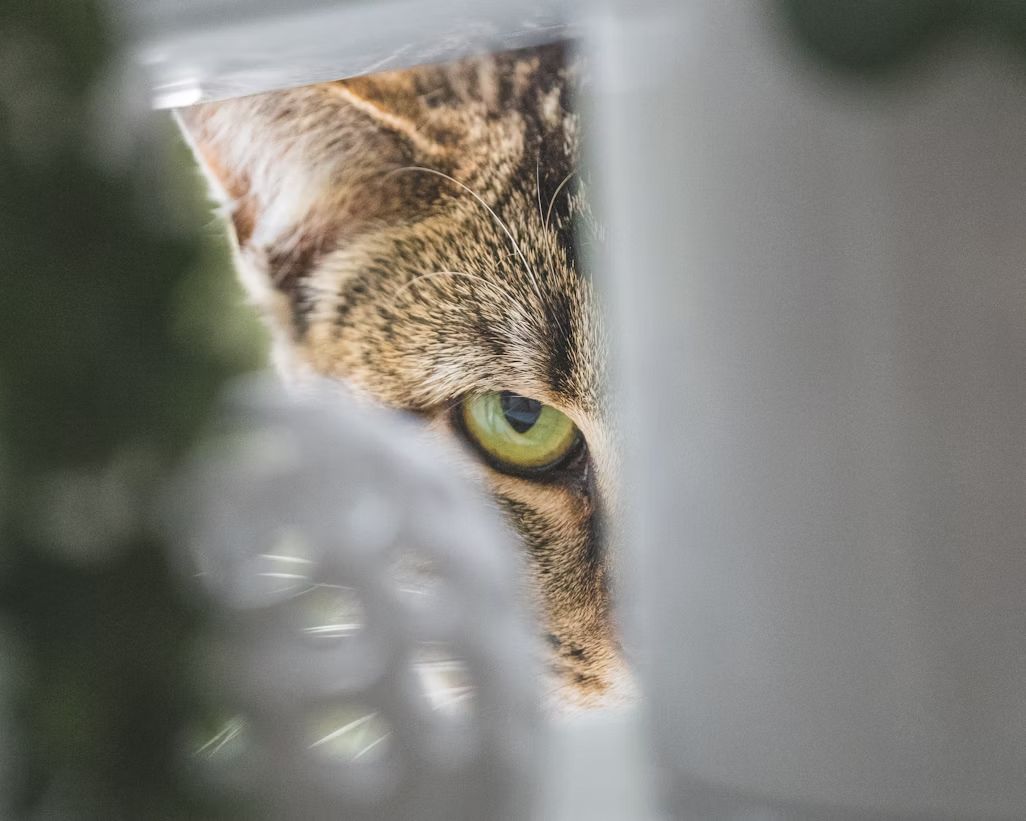 Image: Y S
You can know someone for decades—a sibling, a spouse, a lifelong friend… but suddenly, you realize there are parts of them you’ll never fully understand. That strange, humbling moment of awareness? There’s a word for it: gnossienne.
Catoptric tristesse: You’ll never know what they really think
 Image: Timon Studler
You know that little ache you feel when you wonder what people truly think of you? Not just in passing—but deep down? That feeling is called catoptric tristesse. It’s the quiet sadness of knowing you’ll never get to see yourself from the outside.
Anemoia: Missing a time you never lived through
 Image: Jon Tyson
Do you ever go, "Oh… the 1910s," or find yourself thinking about the summers of your grandparents' youth? That warm ache for a past you didn’t personally experience is called anemoia. It’s like flipping through old black-and-white photos and feeling homesick for a place you’ve never been.
Kenopsia: That strange silence in once-busy places
 Image: kyo azuma
Picture your favorite diner—now closed and empty. Or a quiet school hallway in July. Chills, right? That eerie stillness where life used to be—that’s kenopsia. It’s a little heartbreaking… and maybe a little spooky too.
Jouska: Playing out pretend conversations
 Image: George Bakos
Have you ever rehearsed a conversation with someone in your head? Maybe it’s what you should have said in an old argument, or how you hope your next talk will go. That internal back-and-forth is called jouska. Sometimes it helps; sometimes it just makes you spiral out of control.
Ecstatic shock: When a glance makes your heart race
 Image: charles escat
You lock eyes with someone, even just for a second, and boom—a jolt of energy straight to your core. That zing? That’s ecstatic shock: a mix of butterflies, surprise, and the hope that they also noticed. Wonderful, isn’t it?
Rubatosis: Suddenly feeling your heartbeat
 Image: Nik
You’re sitting still, and out of nowhere, you notice your own heartbeat. Doesn’t it feel loud? Intrusive? Maybe even unsettling. That odd awareness is rubatosis. And once you notice it, good luck un-noticing.
Lachesism: Wondering what it’d be like to live through a disaster
 Image: Yosep Surahman
It’s weird, but real. Sometimes we imagine what it’d be like to survive a crash or a catastrophe of that sort. That pull toward chaos is called lachesism. It’s not self-destructive; it’s more about wanting to feel alive and tested.
Adronitis: Frustrated that it takes time to know people
 Image: Priscilla Du Preez 🇨🇦
You meet someone new and click instantly, but you still don’t really know them. That impatience to fast-forward through small talk and get to the good stuff? That’s adronitis. Friendship takes time, and waiting can be the hardest part.