Language check

You're saying it wrong! 10 words most people mispronounce


Published on April 13, 2025


Image: Kenny Eliason

English is full of words that don’t sound the way they look. Some borrow foreign pronunciations, while others have silent letters or unexpected stresses. These tricky words can trip up even native speakers and language experts. From colonel to victuals, here are 10 common words that most people mispronounce.

1

Colonel

Image: Gallen-Kallelan Museon

Correct pronunciation: KUR-nuhl

Despite the absence of an "r" in its spelling, colonel is pronounced KUR-nuhl. This is because the word comes from the French coronel. While English eventually adopted the Italian spelling, it retained the French pronunciation.

2

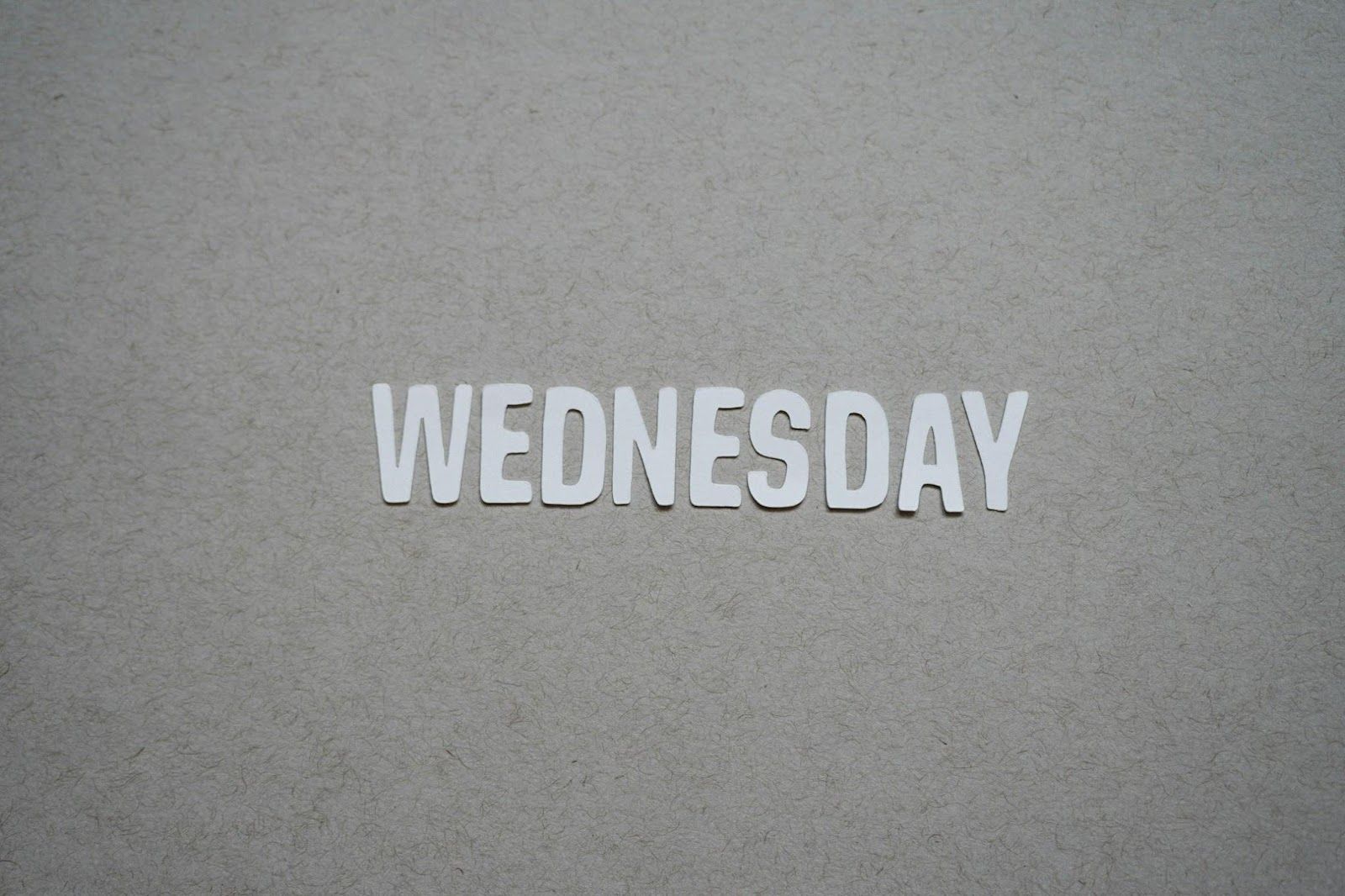
Wednesday

Image: Kelly Sikkema

Correct pronunciation: WENZ-day

In American English, the middle d in Wednesday is silent, making it WENZ-day. The word comes from Old English Wodnesdæg, meaning "Woden’s day," a reference to the Norse god Odin. As the word evolved into Modern English, its pronunciation and spelling drifted apart.

3

Gnocchi

Image: Max Nayman

Correct pronunciation: NYAW-kee

This Italian pasta name isn’t pronounced GAH-noh-chee but NYAW-kee. In Italian, the gn sound is similar to the ñ in Spanish, while the ch makes a k sound, following standard Italian pronunciation rules.

4

Debris

Image: Jordy Meow

Correct pronunciation: duh-BREE

The s in debris is silent because it’s a French loanword. In French, final consonants are often silent unless followed by a vowel, which explains why we pronounce it duh-BREE.

5

Faux

Image: Sander Sammy

Correct pronunciation: FOH

Faux, meaning "false" in French, is pronounced FOH, with a silent x. It follows French pronunciation rules, where eaux typically sounds like a long o.

6

Receipt

Image: Towfiqu barbhuiya

Correct pronunciation: ri-SEET

The silent p in receipt comes from the Latin recepta. While Middle English speakers once pronounced it, the sound disappeared over time, though the spelling remained unchanged.

7

Segue

Image: A n v e s h

Correct pronunciation: SEG-way

Though it looks like seg-you, it’s pronounced _SEG-way_—yes, just like the Segway vehicle. The word originally comes from the Italian segue, meaning "to follow."

8

Cache

Image: Michael Dziedzic

Correct pronunciation: KASH

Cache, meaning a hidden store of items, is pronounced KASH. It comes from the French cacher ("to hide"), where the e is silent. Many mistakenly say cash-ay, confusing it with cachet.

9

Mauve

Image: Fiona Smallwood

Correct pronunciation: MOHV or MAWV

Many pronounce mawv like the aw in straw, but in British English, it’s often closer to mohv. The word comes from French, where au makes an oh sound, though English speakers have regional variations.

10

Victuals

Image: Jacob McGowin

Correct pronunciation: VIT-uhlz

Victuals (meaning food supplies) is pronounced VIT-uhlz, not VIK-choo-alls. It derives from the Latin victualia, but while the spelling was preserved, the pronunciation evolved.


Your words can date you

From woofits to cap: 12 slang words that define each generation


Published on April 13, 2025


Image: Glen Carrie

Slang has always been a fun way to express ourselves and reflect the vibe of a particular time. Over the years, different phrases have come and gone, often capturing the era's spirit. Some words may have seemed normal back in the day, but now sound totally out of place. Take a look at 12 of these idioms. Do you remember your grandparents using any of these?

1

1910s: Woofits

Image: Damir Samatkulov

The 1910s are filled with evocative terms for describing feelings of depression, and one such term is woofits. This term was used to describe a low or uneasy feeling. The term was popularized by pilots during WWI to describe the "dread disease" of depression or physical sickness after excessive partying.

It could be triggered by a variety of causes, from overindulging in alcohol to simply not getting enough rest. The term continued to be used into the 1920s and beyond to describe feelings of melancholy or physical discomfort.

2

1920s: Carry a torch

Image: Aziz Acharki

This expression was used to describe the pain of unrequited love or a one-sided crush. It is a phrase that could easily make a comeback among modern-day romantics. The association of torches with love dates back to Greek and Roman wedding traditions, where a torch lit at the bride's family chimney was used to light the fire in her new home.

The expression exploded in popularity during the 1920s alongside the rise of "torch songs". These were sentimental ballads, often performed by female jazz singers known as "torch singers", that lamented lost or unreturned love.

3

1930s: Boondoggle

Image: Magnet.me

If you find yourself stuck with tedious or meaningless work, try calling it a "boondoggle." It’s a slang term that describes a frivolous waste of time.

The word boondoggle may have originated from American scoutmaster Robert H. Link, who used it to describe the braided leather tassels worn by Boy Scouts. This meaning gained popularity in the 1920s, and by the mid-1930s, it had evolved into its current usage.

4

1940s: Eager beaver

Image: Miguel Teirlinck

If you've ever encountered someone who works tirelessly, you might call them an "eager beaver." While the phrase references the industrious beaver, known for constructing watertight dams and elaborate lodges with multiple underwater entrances, it gained popularity not by the river, but during World War II.

According to a 1942 dispatch, the term referred to a soldier "imbued with the desire to please his superiors" by tackling unpleasant tasks that his peers would rather avoid.

5

1950s: Cruisin’ for a bruisin’

Image: Attentie Attentie

This phrase has evolved and can be understood in different ways. But, in the 1950s, if someone was "cruisin' for a bruisin'," they were essentially looking for trouble or an excuse to start a fight.

The term describes someone who was cruising around in search of a violent altercation with potential bruises as a result.

6

1960s: Far out

Image: Josh Rakower

This adjective, originating from jazz, is used to describe something amazing or downright strange that is situated far away from the normal range.

It gained significant popularity in the 1950s and ’60s, especially among hippies and beatniks who were into jazz music, and embraced it as part of their cultural lexicon.

7

1970s: Jive turkey

Image: Jametlene Reskp

A jive turkey refers to someone who is insincere, deceitful, or dishonest, essentially, a person who can't be trusted. The term carries strong connotations of untrustworthiness and duplicity.

Interestingly, the word jive on its own, used as an adjective, has been around since the 1940s with the same negative meaning, long before it was paired with "turkey" to form the full expression.

8

1980s: Bad

Image: Mathew Browne

During the 1980s, when someone said "bad," they might have meant something good. It’s similar to how people use "sick" to describe something impressive or cool.

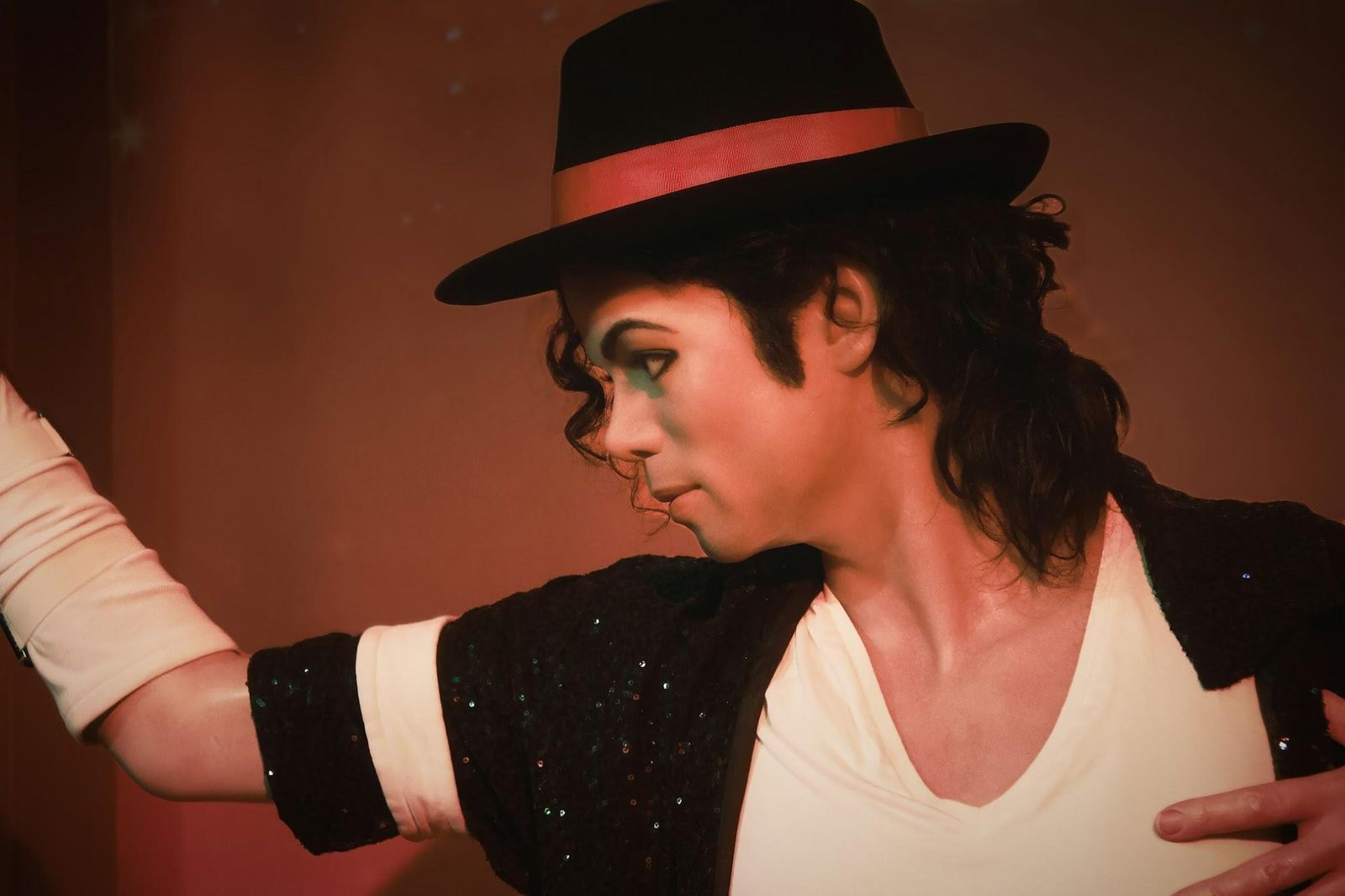
The term gained popularity in such form thanks in large part to Michael Jackson’s hit song "Bad", but it had been used for over a century in Black American culture. Linguists suggest the inversion might stem from West African languages like Mandingo or Hausa, where negative terms are often used emphatically to describe positive extremes (e.g., "it is good badly" meaning "it is very good").

9

1990s: Fly

Image: Chris Curry

During the 1990s, the term "fly" was used to describe someone stylish, attractive, or just generally impressive. For example, someone might have said, "Check out my new sunglasses, they’re so fly."

10

2000s: Sketchy

Image: Natasha Brazil

Back in the 2000s, the word "sketchy" started being used to describe someone or something that seemed suspicious or untrustworthy. It quickly became a go-to term for calling out shady behavior or situations.

11

2010s: First-World problem

Image: Artem R.

The phrase "first-world problem" became popular in the 2010s as a humorous way to highlight minor frustrations or complaints that come with a life of relative comfort, especially when compared to more serious issues faced in less privileged situations.

12

2020s: Cap

Image: Pawel Czerwinski

The term "to cap" basically means to lie. It’s often used when someone is being dishonest ("he’s capping") or, on the flip side, to emphasize honesty by saying "no cap," meaning you’re telling the truth.

Looking for an extra scoop of literary fun?

Learn more with our Word of the day

ascribe

/əˈskraɪb/