People remember stories

Your knuckles know more than you think: Here’s what they can tell you


Published on April 22, 2026
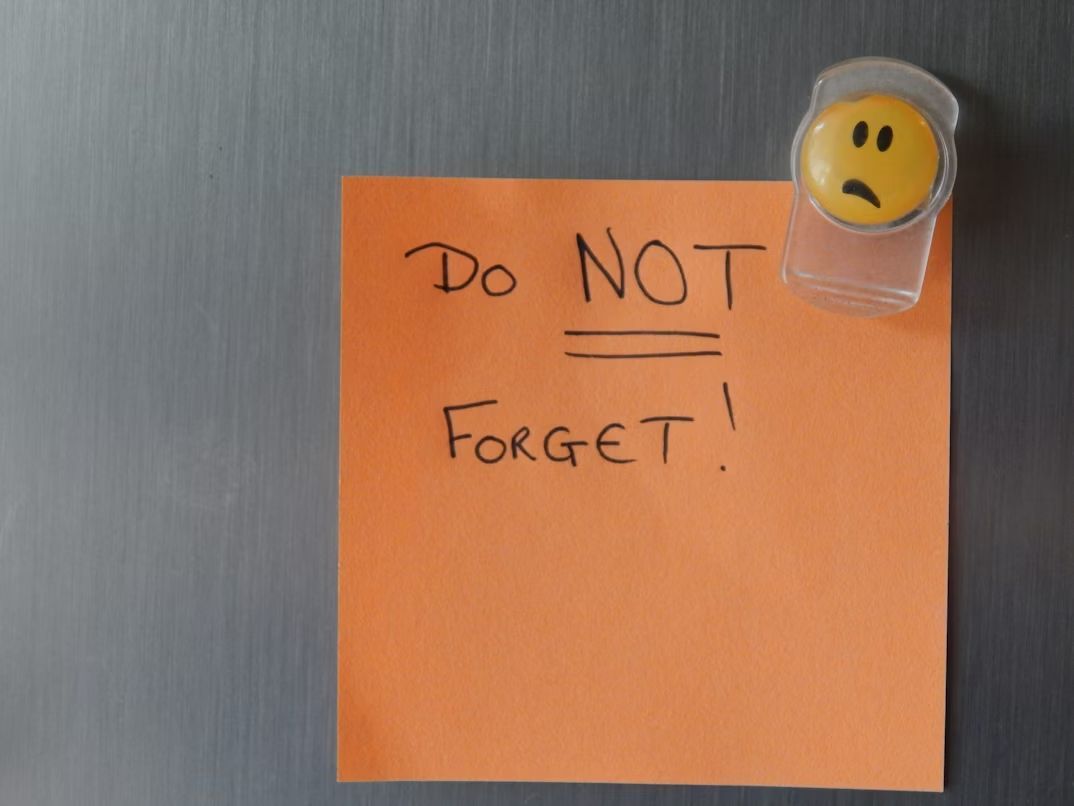

Image: dianne clifford

You might forget where you left your keys or your glasses, but some things are forever imprinted in your memory one way or another. And for those things you simply can’t seem to remember, some useful mnemonic devices can help you. For example, how can you remember the presidents on our bills? And what about all the spelling rules our language has? Is it "gray" or "grey"? Don’t worry, we’ve got you covered. Keep reading and learn a few tricks.

1

The faces on US bills

Image: Lewis Meyers

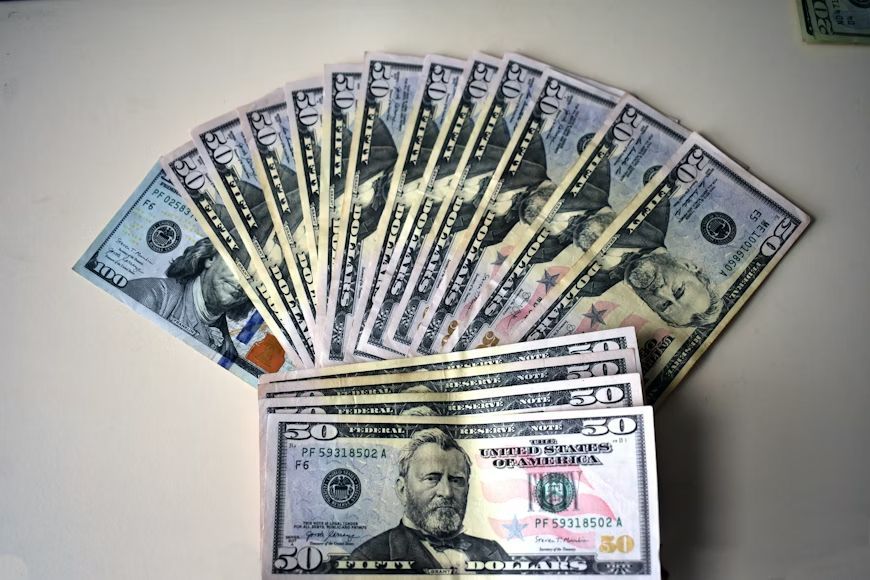
You may handle bills every single day, but can you answer whose face is on each one? You don’t need to remember; this mnemonic device will do it for you: The phrase "When Jeff Left Home, Jack Got Fat" gives you the answer. As you can notice, the first letter of each word stands for the last name of the president or founding father: Washington, Jefferson, Lincoln, Hamilton, Jackson, Grant, and Franklin.

2

Knuckle months

Image: Dan Burton

Yes, we keep lots of calendars, but sometimes we have to double-check if a month has 30 or 31 days. Has this happened to you? If it has, next time you’ll want to use your knuckles. The rule is simple: Make two fists and count across your knuckles and the dips between them. Months that land on knuckles have 31 days. The dips are the shorter months, February being the shortest, naturally.

3

"Righty tighty, lefty losey"

Image: Hikmet

Have you ever had to try a few times before knowing whether you were loosening or tightening that screw? Well, with this rhythmic phrase, you won’t need to do that anymore. If you turn right, you’ll be making it tight. On the other hand, if you turn left, you’ll loosen it.

4

Gray or Grey?

Image: Tyler Lastovich

English spelling keeps everyone on their toes, and certain words have regional rules that make everything worse. Nobody can remember them all, so this device comes in handy. When you don’t know whether it is "gray" or "grey," think of it this way: Gray, with an A as in America. Grey, with an E, as in England.

5

How to spell "necessary"

Image: Mediamodifier

"Necessary": This is another word with a spelling that can create a few problems. And the mnemonic device for this one is picturing a T-shirt. You know how a T-shirt has one "Collar" (that’s one C) and two Sleeves (that’s two S)? That’s it, spelling solved.

6

"HOMES" of the lakes

Image: Condor Wei

Back in school, memorizing the Great Lakes could feel like a geography pop quiz. Simply the word "HOMES" is a trick that many teachers share with their students. Why HOMES? Because each letter represents a lake: Huron, Ontario, Michigan, Erie, and of course, Superior.

7

"My Very Educated Mother Just Served Us Nachos"

Image: NASA Hubble Space Telescope

Just as with any other long list, remembering the order of the planets in our solar system is no piece of cake. But this fun phrase has the answer to your prayers, it’s not bout nachos, but about the names of the planets in order: Mercury, Venus, Earth, Mars, Jupiter, Saturn, Uranus, and Neptune.

8

"Never eat soggy waffles"

Image: Mae Mu

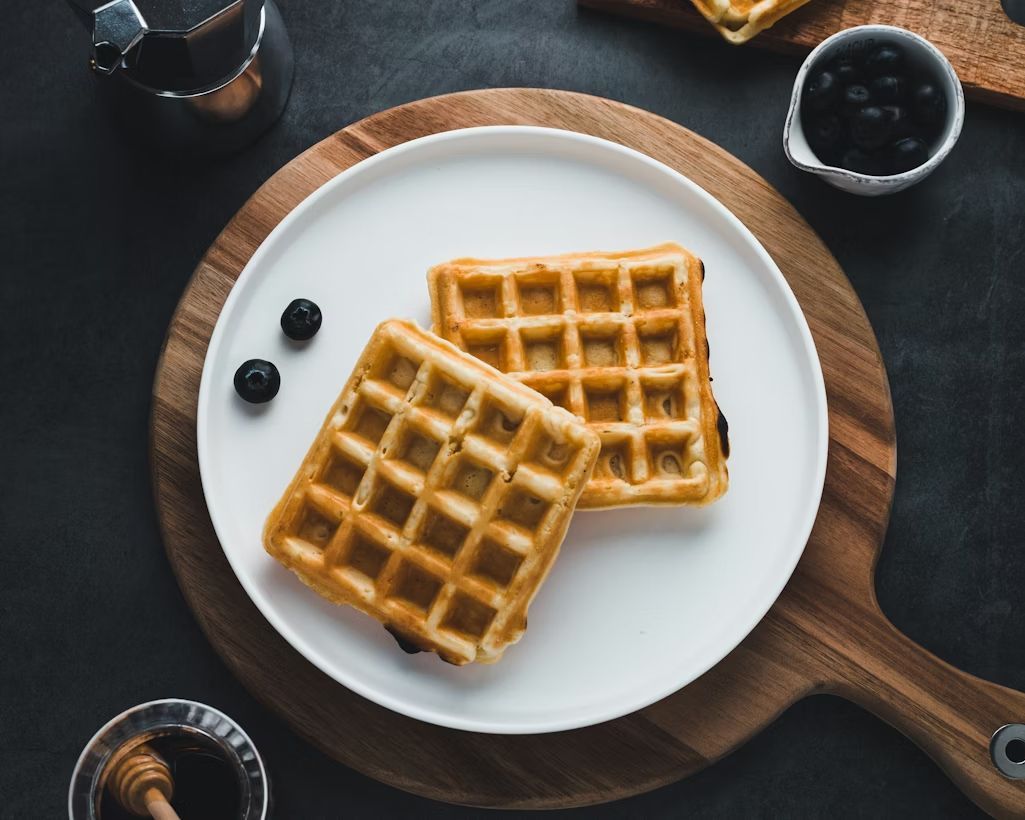
This one sounds like breakfast advice, but it’s actually a compass lesson. The first letters match the four cardinal directions in clockwise order: North, East, South, West. Many kids learned this one in school, and plenty of adults still repeat it quietly when trying to picture a map in their heads.

9

Left or right?

Image: Jametlene Reskp

This may sound silly, but many people struggle to point left; most need more than just a second to figure out which one is actually left. But many have discovered something quite useful: hold up both your hands and use your thumb and index finger to do an "L." Can you see which one forms a clear letter? That’s left, of course.

10

"Large Elephants Jump Slowly And Sink Rapidly"
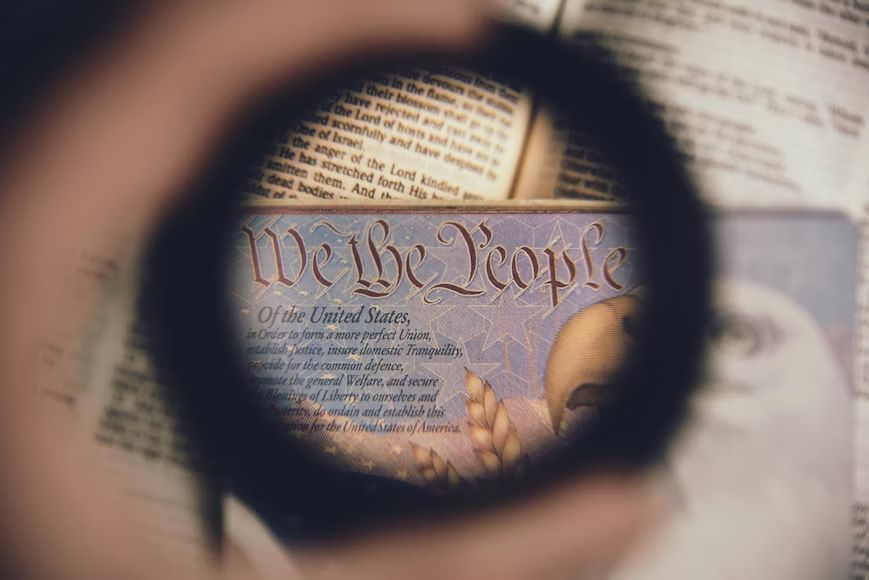
Image: Anthony Garand

Is this connected to the Constitution? Yes, it is. Civics teachers sometimes lean on this unusual sentence to remember the seven articles of the US Constitution. Each word stands for one: Legislative, Executive, Judicial, States, Amendment, Supremacy, and Ratification. Now you just have to remember this funny phrase.


ANIMAL FEVER

Are You A Wolf In Sheep’s Clothing?


Published on April 22, 2026


Image: Unsplash+

Have you ever felt like you're "holding your horses" or wondered why someone would "let the cat out of the bag"? Animal idioms infuse our language with vivid imagery and humor. Their origin and the meaning behind them can be quite obscure at times, so they leave us thinking.

But you have nothing to worry about, we’ve got you covered. We’re ready to uncover the meaning behind ten idioms that include animals. Are you prime as a panther? Read on and find out!

1

Straight from the Horse's Mouth

Image: Silje Midtgård

Picture this: You're at the bustling racetrack, eagerly listening for insider tips on the next winning horse. Suddenly, a grizzled old gambler leans in and whispers, "I heard it straight from the horse's mouth." Confused? Don't worry; this idiom simply means receiving information directly from the most reliable or authoritative source.

Its origin dates back to horse trading, where buyers would inspect a horse's teeth to determine its age and health. Thus, hearing something "straight from the horse's mouth" became synonymous with obtaining trustworthy information.

If you want to use it in a sentence, you can say: "I don't need to second-guess; I heard it straight from the horse's mouth that the project deadline has been extended."

2

Kill Two Birds with One Stone

Image: Sreenivas

Now, imagine yourself as a skilled stone thrower, aiming at two birds perched on a fence. With a single, well-aimed toss, you manage to strike both birds simultaneously. You've "killed two birds with one stone." That’s for the literal meaning. Its origins trace back to ancient hunting practices, where hunters would aim to maximize their success by downing multiple targets with one stone.

Thus, this idiom represents efficiency, describing the accomplishment of two tasks with a single action. For example, "By scheduling our meeting during lunch, we can kill two birds with one stone, discuss the project and enjoy a meal together."

3

Let the Cat Out of the Bag

Image: Mikhail Vasilyev

Ever been in a situation where a friend accidentally spills a well-guarded secret? In that case, you might say, "You've let the cat out of the bag!" This idiom refers to mistakenly revealing confidential information.

Its origins lie in medieval marketplaces, where merchants would often deceive unsuspecting buyers by substituting valuable items with less desirable ones, like a cat in place of a piglet, hidden inside a bag. When the cat was exposed, the deception was revealed.

In a sentence, you might use it like this: "I was planning a surprise party for Sarah, but someone let the cat out of the bag, and now she knows."

4

A Fish Out of Water

Image: Kyaw Tun

Imagine a fish flopping helplessly on dry land, desperately gasping for water. This image perfectly captures the essence of feeling out of place or uncomfortable in a particular situation, akin to being "a fish out of water."

The idiom originated from the literal struggle of fish removed from their natural habitat, highlighting the discomfort experienced when someone is in an unfamiliar environment.

Take this as an example: "As an introvert attending a loud party, I felt like a fish out of water; I just wanted to be home alone."

5

Hold Your Horses

Image: Florin Beudean

These animals get more than one idiom because that’s how complex they are. In this case, you might picture them revving up to race your trusty steed, but before you can even shout "giddy-up," someone yells, "Hold your horses!" Yes, that’s what the classic phrase means.

Whether you are itching to jump the gun or charging ahead full steam, sometimes you just need to hold your horses. It’s all about taking a moment to pause, catch your breath, and maybe even rethink your game plan. When you’re raging to go, remember to rein it in and hold your horses; it might just save you from a wild outburst!

6

The Early Bird Catches the Worm

Image: Bryan Hanson

Are you the kind of person who is up at the crack of dawn while the rest of the world is still snoozing away? You’re probably out there, seizing the day like a champ, and you snag yourself a juicy worm before anyone else even rolls out of bed. That’s an early bird catching the worm in action.

This idiom means being proactive, jumping on opportunities before they slip away and before everyone else does. So, next time you’re debating hitting that snooze button, remember that the early bird gets the worms. Try and see; maybe you score more than just breakfast!

7

Like a Bull in a China Shop

Image: Hilde Demeester

So, you are strolling through a quaint little china shop, marveling at delicate teacups and ornate figurines displayed on fragile shelves. Suddenly, a hulking bull bursts through the door, horns scraping against delicate porcelain, and chaos begins.

That’s the essence of the idiom "like a bull in a china shop." It is about someone who is as graceful as, well, a bull in a china shop: clumsy, reckless, and totally lacking finesse.

Think of it as trying to solve a Rubik’s Cube with a sledgehammer; you’ll get the job done, but the collateral damage can be hefty. Here’s an example: "John barged into the meeting like a bull in a china shop, completely disrupting the delicate negotiations."

8

Busy as a Bee

Image: Roberto Lopez

Have you ever noticed bees at work? The buzzing hive, bees zipping around like they’ve got places to be and honey to make. That is exactly what it means to be "busy as a bee." These little guys are the ultimate multitaskers, flitting from flower to flower, collecting nectar, and building honeycombs like experts.

Being "busy as a bee" means you are hustling, juggling a bunch of tasks like a pro. So, next time you’ve got a million things on your plate, channel your inner bee and get buzzing. Who knows? You might just make some sweet honey along the way.

9

A Wolf in Sheep's Clothing

Image: Milo Weiler

Imagine you’re out in the pasture, chilling with your fluffy sheep pals when, suddenly, you spot a sneaky wolf among them. Yep, you read that right, a wolf in sheep’s clothing. This idiom is all about folks who pretend to be something they are not, like Mr. Wolf here trying to blend in with the wooly crew.

It’s like finding out your friendly neighbor is actually a secret agent -totally unexpected. So, next time you spot someone acting all sweet and innocent, keep an eye out for those hidden fangs. You never know when you’ll spot a wolf in sheep’s clothing.

10

A Leopard Can't Change Its Spots

Image: CHUTTERSNAP

Let’s talk about leopards now. Majestic creatures, right? Picture one prowling through the jungle, its sleek coat dotted with distinctive spots. Now, despite what those motivational posters might tell you, that leopard isn’t changing its spots anytime soon.

This idiom is all about the idea that people can’t fundamentally change who they are, no matter how hard they try. It’s like expecting a goldfish to do calculus; it ain’t gonna happen!

So, next time your buddy promises they have turned over a new leaf, take it with a grain of salt. After all, a leopard can’t change its spots, and your friend probably can’t either.

Looking for an extra scoop of literary fun?

Learn more with our Word of the day

omit

/oʊˈmɪt/