The wonders of human language

Your family has its own dialect, but you might not have noticed


Published on September 7, 2026

Image: zhendong wang

If languages and grammar are not your thing, linguistics might seem complex and boring, but nothing could be further from the truth. While some areas of linguistics require prior knowledge, many linguistic concepts and ideas relate to everyday life and can be understood by anyone. Here are some simple linguistic facts that might surprise you!

1

The "most difficult language" doesn’t exist
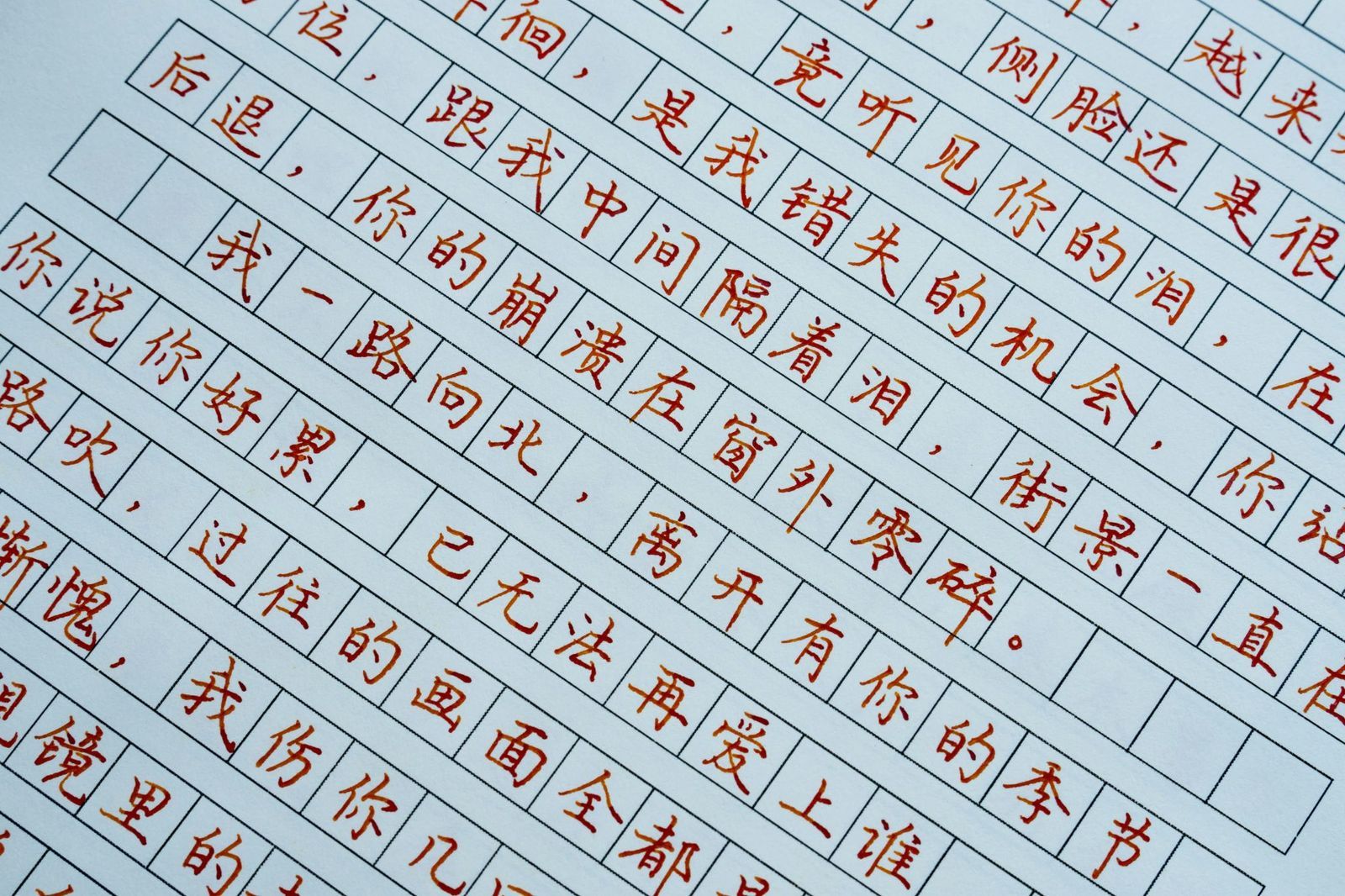
Image: jason hu

People like to list languages such as Mandarin, Japanese, or Hungarian as "the most difficult languages in the world", but this is not true. Think about the ease with which babies pick up a language, becoming fluent at a similar rate, no matter the place. The difficulty of a language lies not in its structure, but in its similarities or differences with your own language. Mandarin might be extremely difficult for an English speaker, but quite manageable for someone who speaks Cantonese. So, there isn’t a "most difficult language", but a "most difficult language for you".

2

You can’t really learn new things about your native language

Image: Unseen Studio

This might come as a shock, but you already know everything about your native language. Native speakers learn by imitation, not through methodical study, so they don’t rationalise their language; they simply speak. They might later approach the language from an academic perspective and put a name to different structures and concepts, but they will not learn anything that is actually new.

3

Each language is a new worldview

Image: Song_about_summer

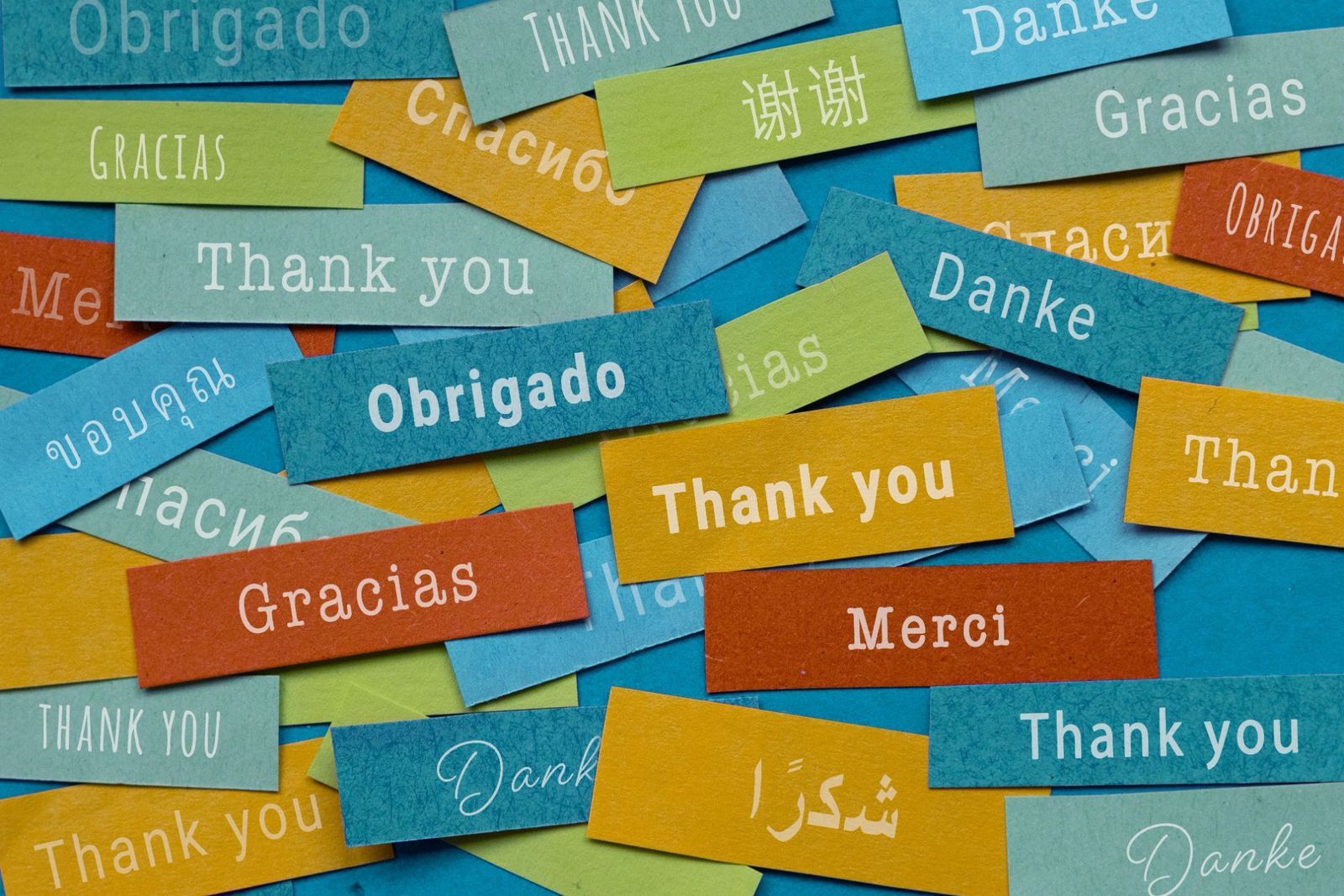
This might seem obvious, but most people don’t think about it. While differences in grammar and structures are evident, it is common for language learners to approach vocabulary as a set of labels: If I’m learning Spanish, I take an apple and label it "manzana". But languages are not labels, but a way of seeing the world, such as cultures near the North Pole having dozens of words for snow or languages in hierarchical societies changing according to the people speaking. While at a basic level we can often find one-to-one translations, the more we learn about a new language, the more we adopt a new worldview.

4

Your family has a unique dialect

Image: Ekaterina Shakharova

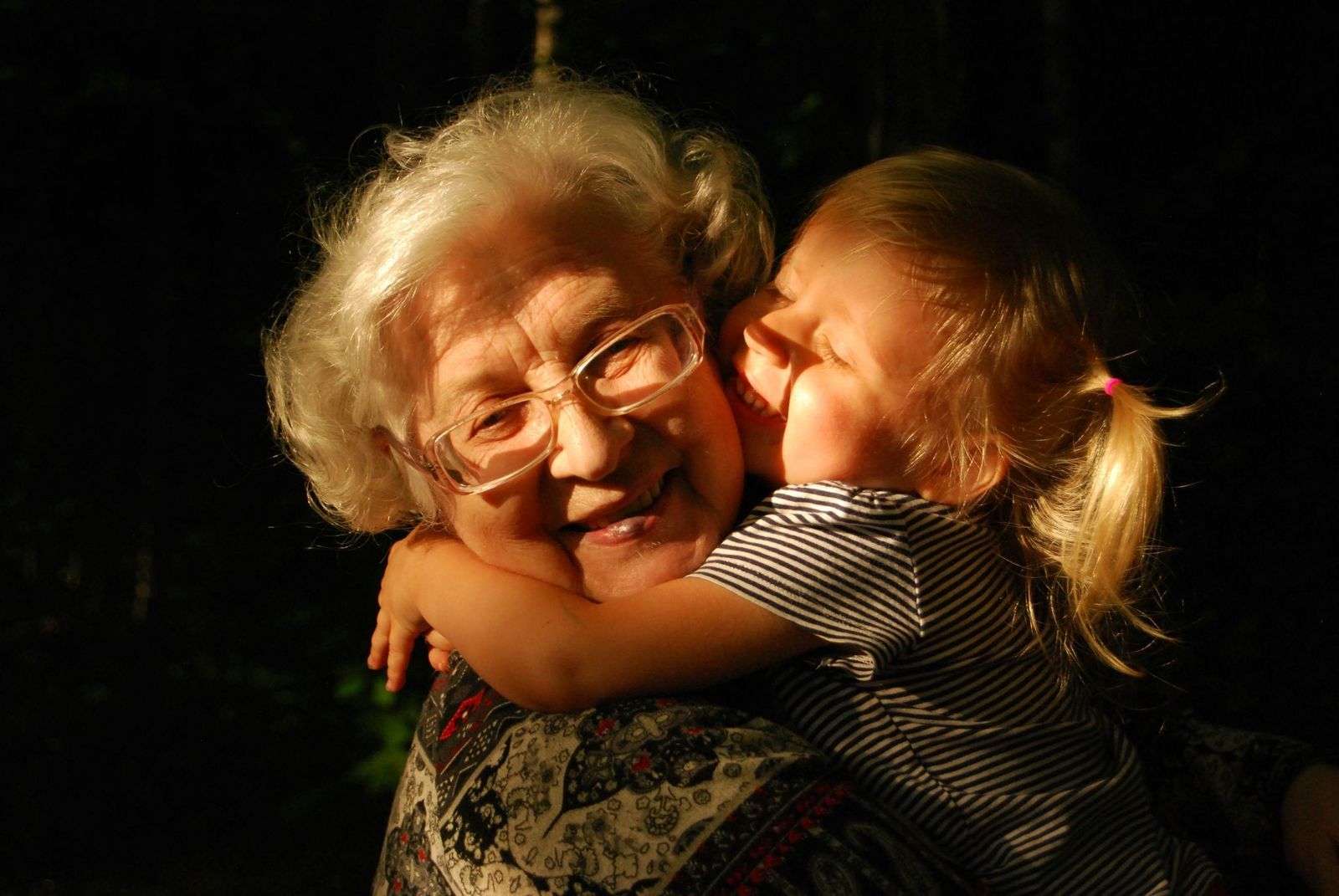
Does your family have certain words or phrases that mean something unique to you? It might be a funny mispronunciation that stuck, or a phrase that you use in a specific circumstance, sometimes passed down for a few generations. This is called a "familect", and it happens in most families, but also in tight-knit friend groups. The repetition and preservation of this private code reinforces familial bonds and identity, functions as an emotional anchor, and provides a sense of belonging.

5

Polyglots have multiple personalities

Image: Prostock-studio

Each language carries a worldview, so it is not surprising that our personality changes slightly when we change languages. We don’t become someone different, but we adapt to the cultural norms and values attached to that language. People who speak more than one language also tend to link specific interests, knowledge, and memories to each language, and specialists have noted that not only do our tone and volume change with each new language, but that we are most likely to swear or discuss sensitive or taboo subjects in a second or third language, as they provide an emotional distance impossible to avoid in our native tongue.

6

There is a right and a wrong way when it comes to English adjectives
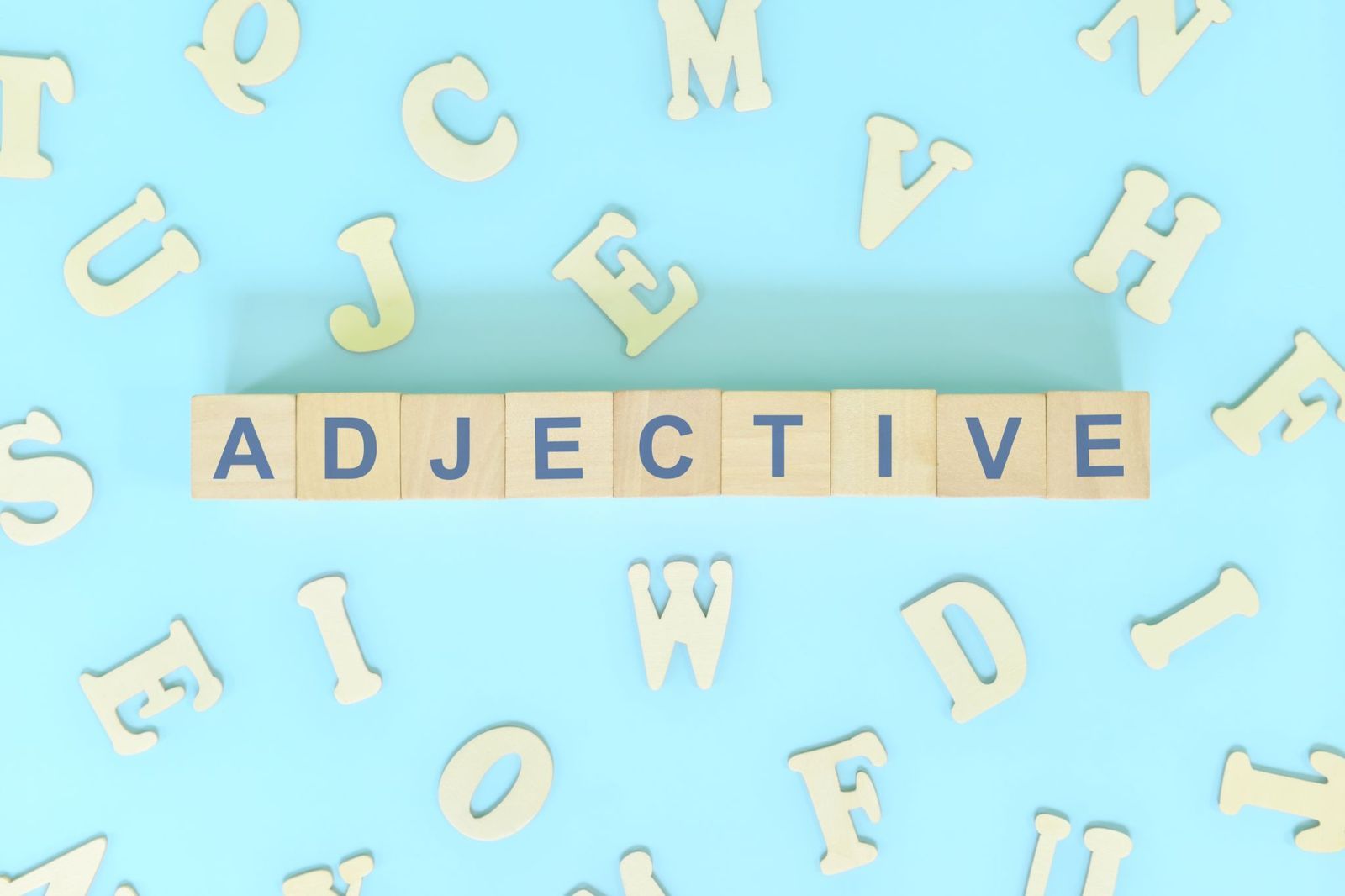
Image: sulit.photos

English is a fairly flexible language, meaning that many of its components can be placed in a different order without the sentence becoming unnatural or impossible to understand. But this flexibility does not apply to adjectives, at least when we have to use many of them in a row. English speakers naturally place adjectives in a specific sequence: opinion, size, age, shape, color, origin, material, and purpose. While this is done subconsciously, changing this order results in unnatural-sounding phrases, such as "a red new nice car".

7

Sign languages are unique

Image: LightField Studios

Have you ever wondered why people refer to sign language as ASL or "American Sign Language"? Not only are there multiple sign languages, classified in families in the same way spoken languages are, but each one is a language of its own, with unique grammar, rules, and vocabulary. This way, American Sign Language (belonging to the French Sign Language family alongside its Russian, Brazilian, or Italian counterparts) is not a signed version of American English, but a distinct, unique language with more than half a million native speakers.

8

The sad reality of feminine words

Image: Casimiro PT

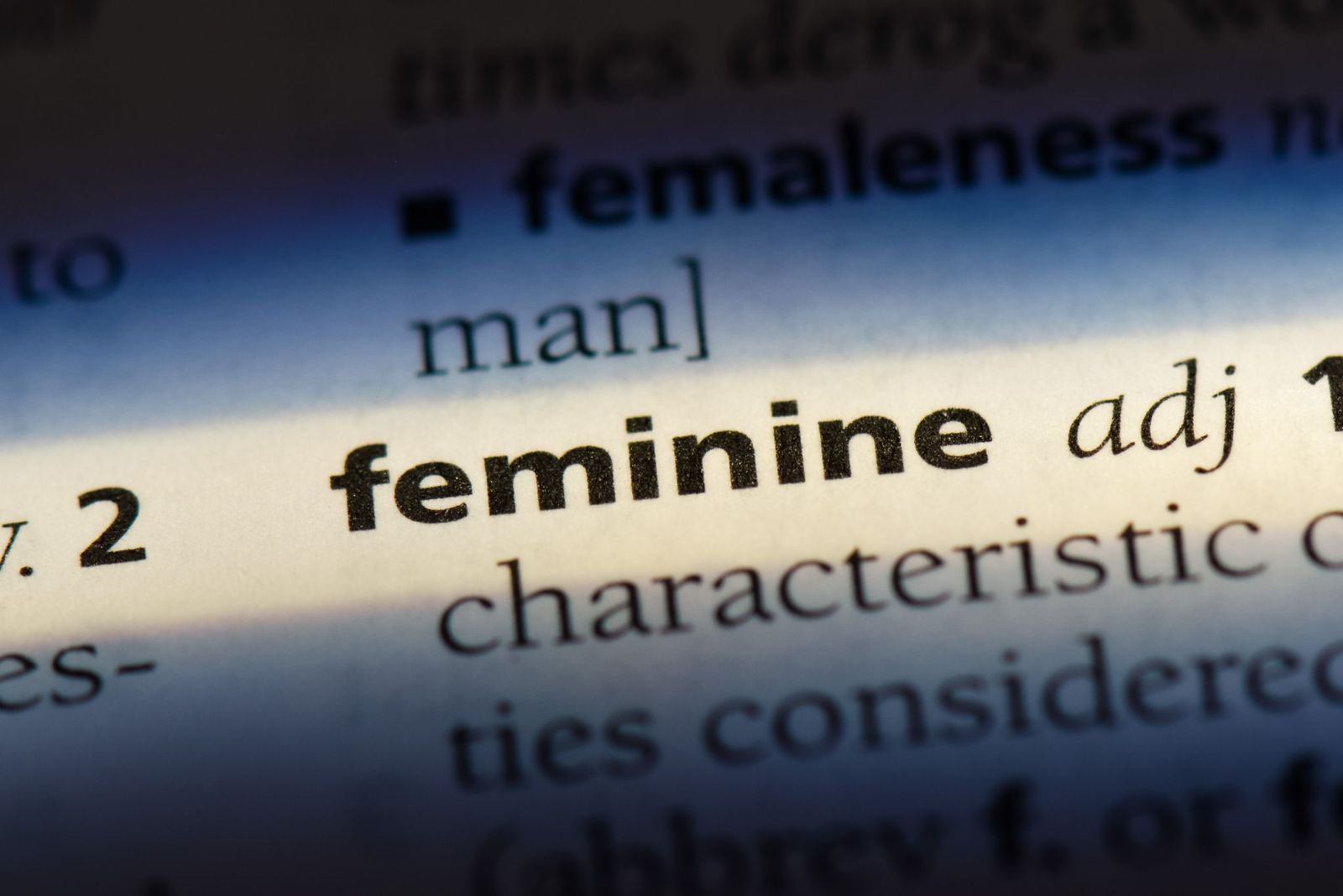
Languages change and shift with use and time, which causes some words to gain positive meanings, but also others to become negative. This downgrading of a word’s meaning is called "pejoration" and is connected to many factors, one of them being whether the term is considered masculine or feminine. English is not a gendered language, but it has gender-specific pairs, such as "master/mistress", "fox/vixen", "bachelor/spinster", or "governor/governess". While initially mistress, vixen, spinster, and governess were merely counterparts to the male-specific term, over time they developed a negative connotation, while the masculine term remained positive or neutral.

9

Babies have accents

Image: Colin Maynard

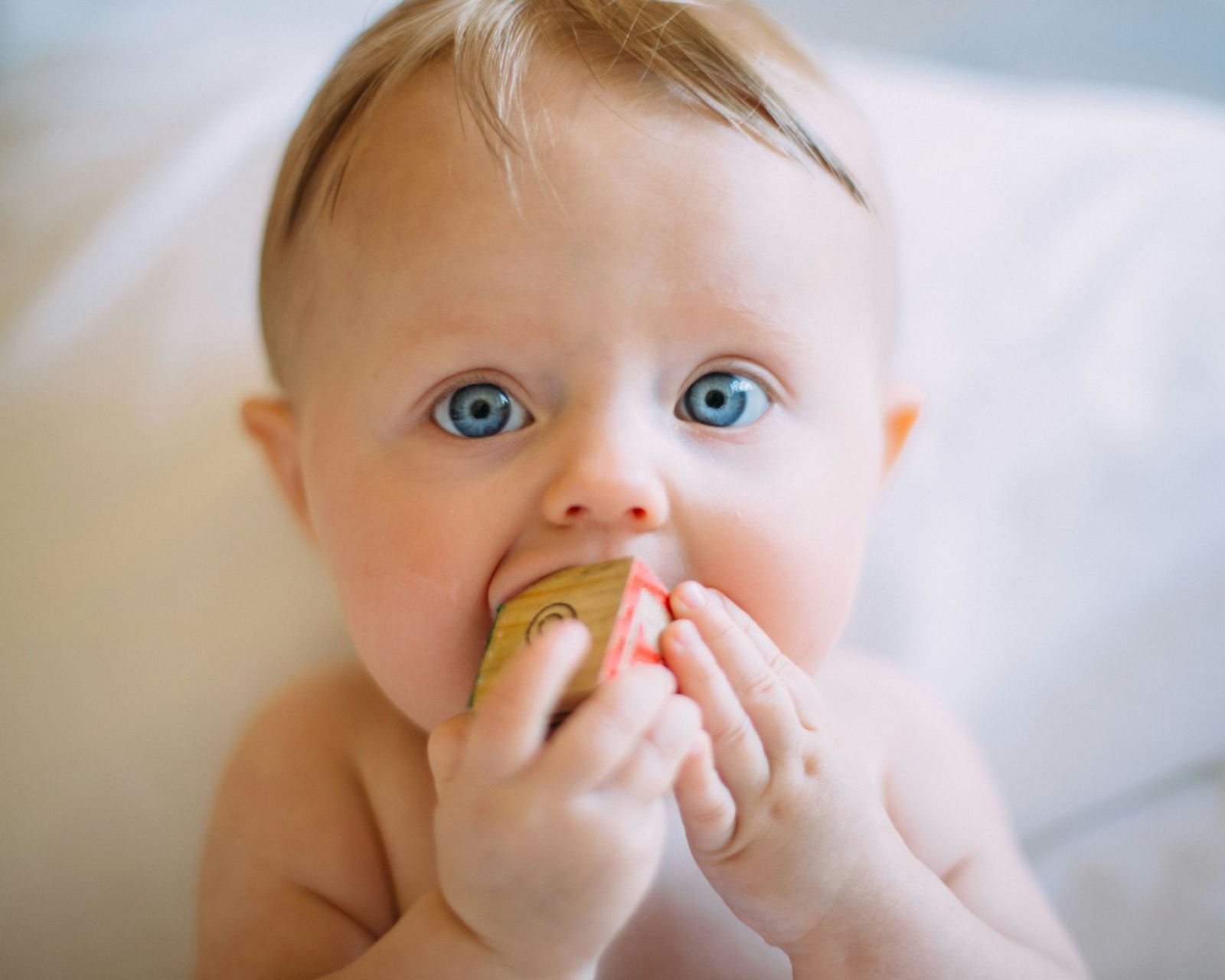
Babies typically start using meaningful words around the 12-month mark, so it is natural to think that, before that, babies "don’t speak". While they don’t use meaningful spoken language, they communicate from birth with cries, sounds, and gestures, and these communications have an accent. How is this possible? Third-trimester babies in utero have fully functional hearing and recognize sound patterns, pitch, and intonation. Once they are born, their cries, and later their babbles, mimic the intonation, pitch, and rhythmic patterns of the language of their environment.

10

Animal sounds change from one language to another
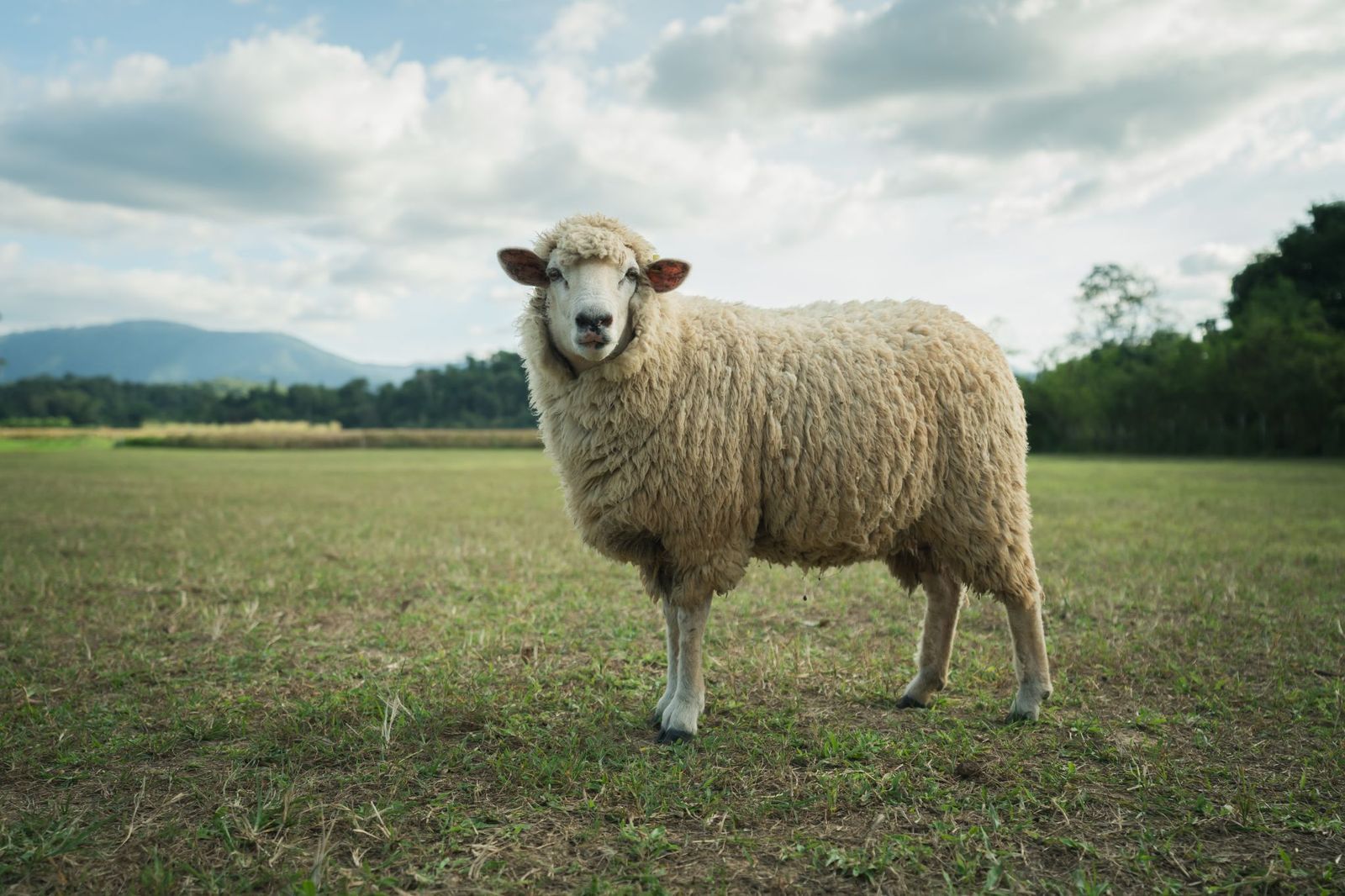
Image: BaLL LunLa

What sound does a sheep make? Well, a sheep from where? English-speaking sheep go "baa", but Korean-speaking sheep go "me-e". While sheep don’t care about linguistic differences, humans adapt animal sounds to the available sounds and phonetic rules of their language. This happens not only with animals, but with all kinds of sounds, such as machines, strikes and collisions, physical and natural phenomena, human sounds, and more.

Words filled with meaning

The meaning behind 11 popular acronyms and initialisms


Published on September 7, 2026


Image: Jason Leung

Compared to other languages, English employs a relatively high number of acronyms and initialisms. According to linguists, this happens because English words tend to be short, and the word order is quite strict. While initialisms are easy to distinguish because they are not pronounced as a word, we don’t always recognize acronyms, especially when they refer to everyday things. Here are 11 popular acronyms and initialisms and their meaning.

1

SCUBA

Image: Jesse van Vliet

When the scuba was invented in 1952 by Christian J. Lambertsen, it had a different name that, coincidentally, was also an acronym. Lambertsen had named his invention LARU, or ‘Lambertsen Amphibious Respiratory Unit’, but he changed it when it was time to apply for a patent. The name in the patent application was SCUBA, after ‘Self-Contained Underwater Breathing Apparatus’. Nowadays, scuba is a word of its own and has developed into words like scuba-diving.

2

LASER

Image: Artem Bryzgalov

In 1955, scientists who had developed a microwave radiation technology patented it as MASER or ‘Microwave Amplification by Stimulated Emission of Radiation’. A few years later, American physicist Gordon Gould developed a similar technology, this time using light instead of microwaves. Following the pattern of MASER, he registered it as LASER or ‘Light Amplification by Stimulated Emission of Radiation’. While the scientific community initially referred to this technology as the "optical maser", Gould’s acronym quickly became the preferred term.

3

ATM

Image: Ali Mkumbwa

If you’ve ever used the phrase "ATM machine", you need to know that you’re saying ‘machine’ twice. But don’t worry, this is a common error stemming from the fact that many people don’t know that ATM stands for ‘Automated Teller Machine’, a name that creates a parallelism between ATMs and bank tellers. Although the ATM was installed in 1967 in a London bank, no one really knows who was the first to call it ‘ATM’ instead of ‘cash-dispensing machine’.

4

RADAR

Image: Stephan Widua

The use of radio waves as a detection mechanism dates back to the late 19th century, but it was not properly developed until the 1920s, when the U.S. Navy started creating the first modern radars. By the Second World War, most military powers were using radio wave detection, but the technology did not have a name. In 1940, Lieutenant-Commanders Samuel M. Tucker and F. R. Furth of the U.S. Navy decided to come up with a code name and, after trying several phrases, landed on ‘Radio Detection And Ranging’, or RADAR.

5

CAPTCHA

Image: shofiphoto

If you are not familiar with the term CAPTCHA, you might recognize it as the test used by websites to make sure that you are human and not a robot. While clicking a box or selecting a picture is simple for a human, it’s extremely hard for a machine. What does the term CAPTCHA stand for? ‘Completely Automated Public Turing test to tell Computers and Humans Apart’. The name contains a reference to the Turing test —a method used to check if machines can behave like humans— and the acronym also functions as a portmanteau of ‘capture’ and ‘gotcha’.

6

NATO

Image: Alexandros Michailidis

If you follow international politics, you might have heard about NATO, a military alliance between several countries, the U.S. included. But have you ever wondered what NATO stands for? This alliance was established with the signing of the 1949 North Atlantic Treaty by several European and North American nations, and its name stands for ‘North Atlantic Treaty Organization’.

7

GIF

Image: monticello

The discussions around GIF tend to focus on whether it’s pronounced "gif" or "jif", and one would think that the meaning of the acronym would shed some light on the matter, but it doesn’t. GIF stands for ‘Graphics Interchange Format’, a reference to its development to transfer compressed images across computers. While the ‘g’ in ‘graphic’ would suggest that the correct pronunciation is "gif", creator Steve Wilhite has stated that the acronym was modelled after the peanut butter brand Jif, and should be pronounced in the same way.

8

BBC

Image: K. Mitch Hodge

The BBC is one of the most famous broadcasters in the world, and its name is so iconic that it has evolved from an initialism to the official name for the company. Established in 1923 as the British Broadcasting Company, initialized as BBC, it became officially known as the BBC when the company transitioned from private to public. The BBC has become so connected with standard British culture that "BBC English" has been historically promoted as the standard speech for newscasters and network announcers.

9

CEO

Image: Hunters Race

Nowadays, we use the term CEO in corporate settings, but did you know that its origins are military and political? The first records of CEO as ‘Chief Executive Officer’ date back to legal and government texts from the 1780s, and the term is used in reference to leaders and state governors. However, the term would not become popular until the 1970s, when it was adopted by the corporate world for the highest-ranking person in a company.

10

TASER

Image: Maximumm

When acronyms for an invention include a name, it’s often the name of its inventor. But sometimes, as it happened with the TASER, they include a name that has nothing to do with the person behind the invention. The TASER was developed by Jack Cover, but its acronym stands for ‘Tom A. Swift's Electric Rifle’. Who is Tom Swift? The protagonist of the 1911 science fiction novel_._ Cover added the ‘A’ initial to the name to make the acronym easier to pronounce.

11

ZIP

Image: Karolis Kavolelis

When the U.S. Postal Service created its postal code system, also known as a ZIP code, they used an acronym for the name, but the meaning of the acronym was not really important. ZIP stands for ‘Zone Improvement Plan’, but this phrase doesn’t make complete sense. This is because the USPS was more interested in using the name ZIP to convey the idea that using postal codes would make deliveries faster and more efficient than what these letters stood for.

Looking for an extra scoop of literary fun?

Learn more with our Word of the day

resilience

/rəˈzɪliən(t)s/