Let’s get candy!

You'll never guess which iconic chocolate bar honors a horse


Published on September 21, 2026
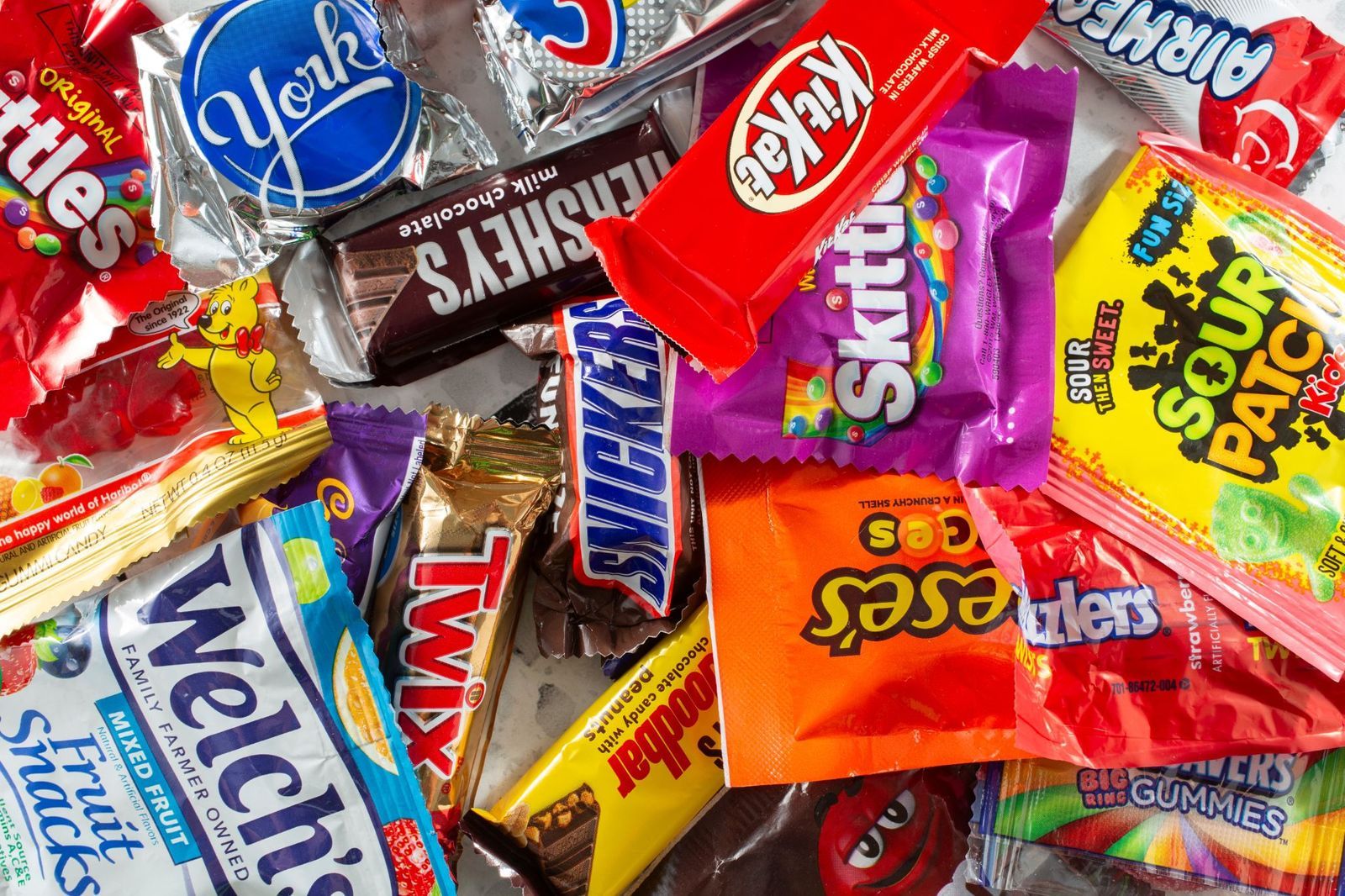

Image: The Image Party

You may bite into a Milky Way bar and think of stars, when it’s really about an old-fashioned milkshake. Maybe it’s Life Savers you like but don’t know that their name refers exactly to the object they resemble. Candy names have some intriguing stories behind them: a beloved horse, a president's daughter, a boy who charmed the girls at the corner shop. Grab your favorite treat, and read about 10 confectionery brands and why they are called that.

1

Baby Ruth

Image: PJ McDonnell

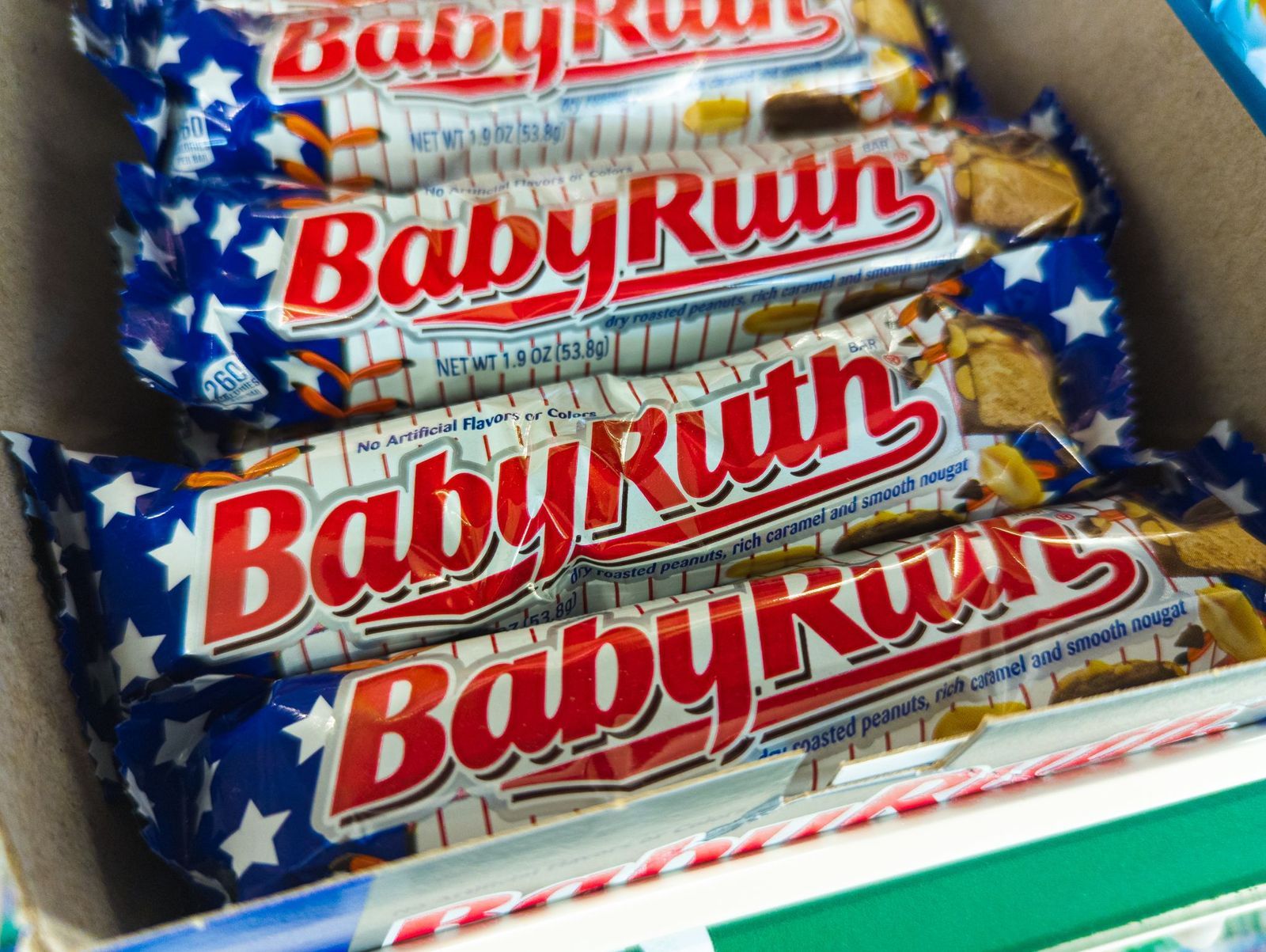
Few candy names have sparked as much debate as Baby Ruth. When the Curtiss Candy Company relaunched its Kandy Kake as Baby Ruth in 1921, baseball legend Babe Ruth was in the middle of a record-setting season, having just hit 54 home runs the year before.

Naturally, everyone assumed the candy was cashing in on his fame. But Curtiss always insisted otherwise, claiming the bar honored Ruth Cleveland, the daughter of former President Grover Cleveland, who had died of diphtheria back in 1904 at just 12 years old. Skeptics point out the timing seemed suspicious, especially since Curtiss's factory sat on the very same Chicago street as Wrigley Field. When the real Babe Ruth tried to sell his own candy bar in 1926, Curtiss took him to court over the name and won. To this day, the company has never had to pay him a cent.

2

3 Musketeers

Image: tastyfood

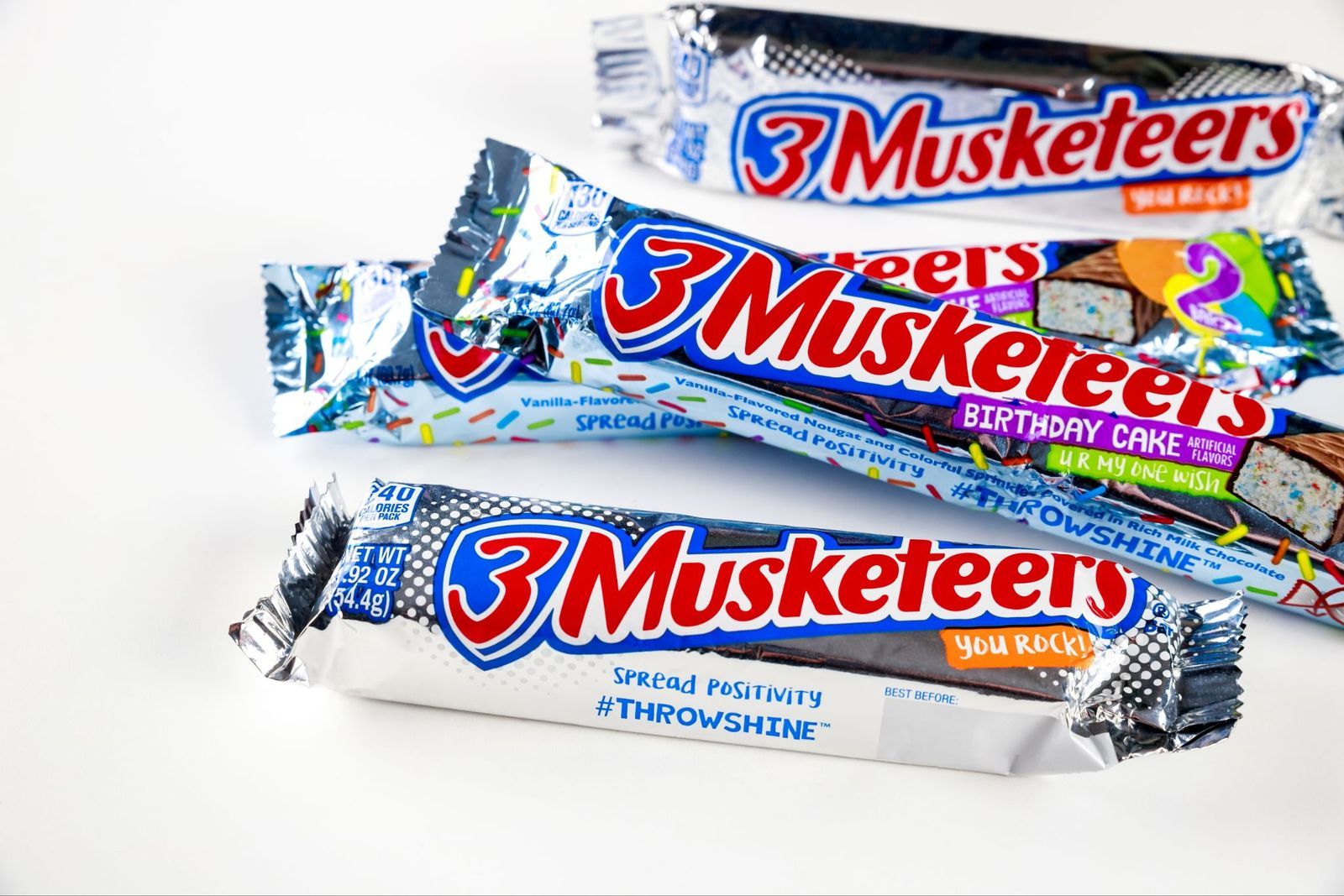
When Mars, Incorporated launched the 3 Musketeers bar in 1932, right in the middle of the Great Depression, it wasn't one candy bar at all. It was three separate mini bars in a single wrapper, one flavored chocolate, one strawberry, and one vanilla, a nod to Alexandre Dumas's classic novel, The Three Musketeers.

At just five cents, families could split the three flavors between them, which made the bar an instant hit during hard economic times. Everything changed a decade later. When the United States government rationed sugar during World War II, Mars could no longer justify producing three separate nougat flavors. The company kept only the most popular one, chocolate, and reshaped it into the single, larger bar recognized today. The name stuck around even after two of its three namesakes disappeared from the wrapper.

3

Snickers

Image: Mehaniq

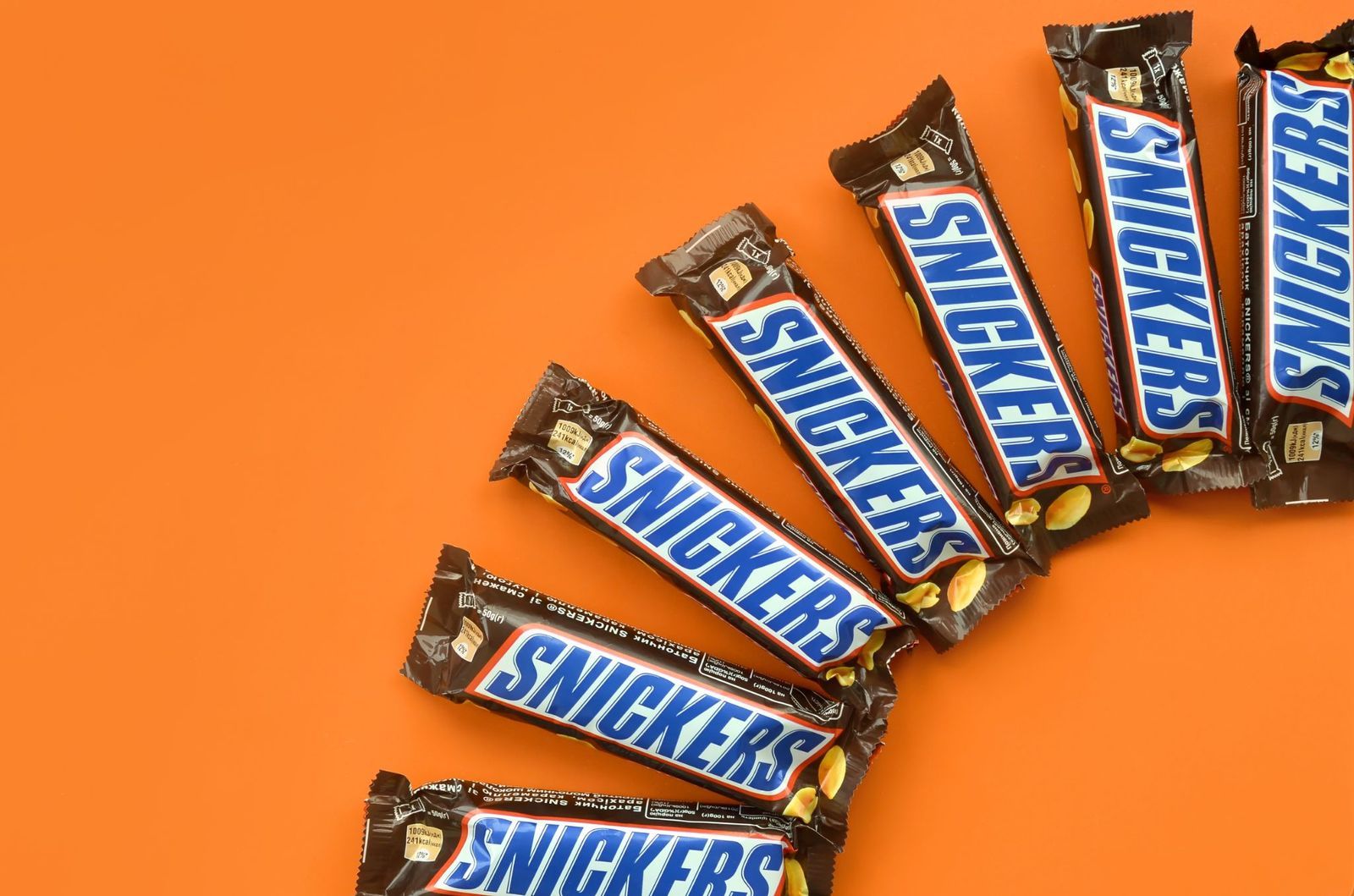
The story behind Snickers begins not with chocolate, but with a horse. In 1930, Frank and Ethel Mars owned Milky Way Farm, a sprawling 2,800-acre property in Pulaski, Tennessee, where they raised prize Thoroughbred racehorses. One of their favorites was a horse named Snickers.

Around the same time, the Mars candy company was preparing to launch a new bar combining nougat, caramel, peanuts, and milk chocolate, and it still needed a name. According to family accounts, Snickers the horse died shortly before the bar's debut, and the Mars family decided to honor their beloved animal by naming their new candy after him. The bar has kept that name in the United States ever since, though in the United Kingdom it was oddly sold as Marathon until 1990, when Mars finally unified the branding for most countries.

4

Milky Way

Image: Mehaniq

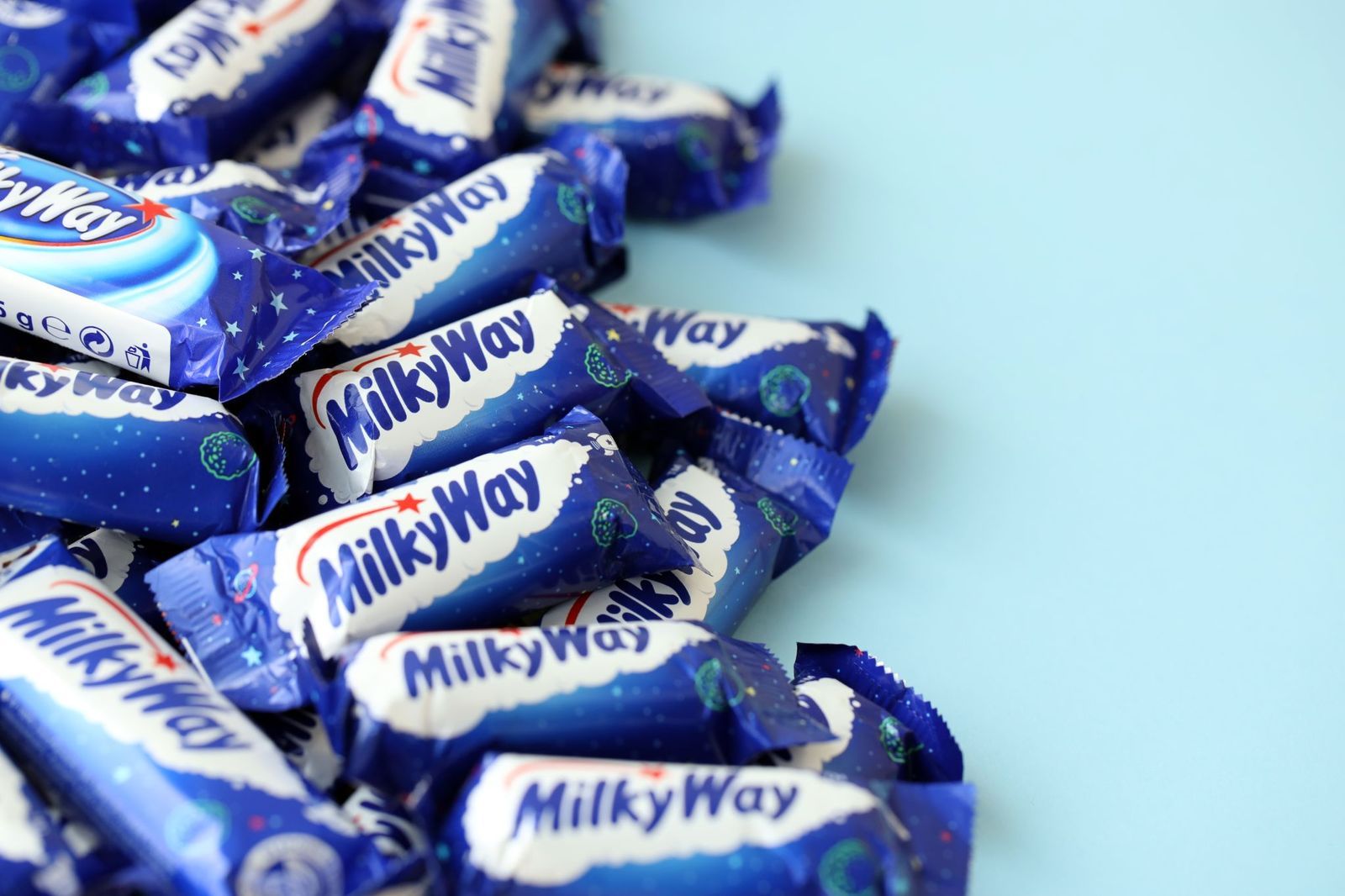
Back in 1923, Frank C. Mars ran a modest candy operation out of Minneapolis, Minnesota. His son Forrest, reunited with his father after years of a strained relationship due to his parents’ divorce, suggested turning a popular soda fountain treat, the malted milkshake, into something you could carry in your pocket. Frank combined whipped nougat with malt flavoring, and the Milky Way bar was born.

Many assume the name pays tribute to the galaxy, especially given the family surname, Mars. But the real inspiration was far closer to home: the taste and name came straight from those creamy malted shakes soda jerks were slinging across America at the time. The bar was such a hit that it grossed roughly $800,000 in its very first year, which equals roughly $15.6 million today. The chocolate remains the oldest candy bar still made by Mars, Incorporated.

5

Butterfinger

Image: Wendy van Overstreet

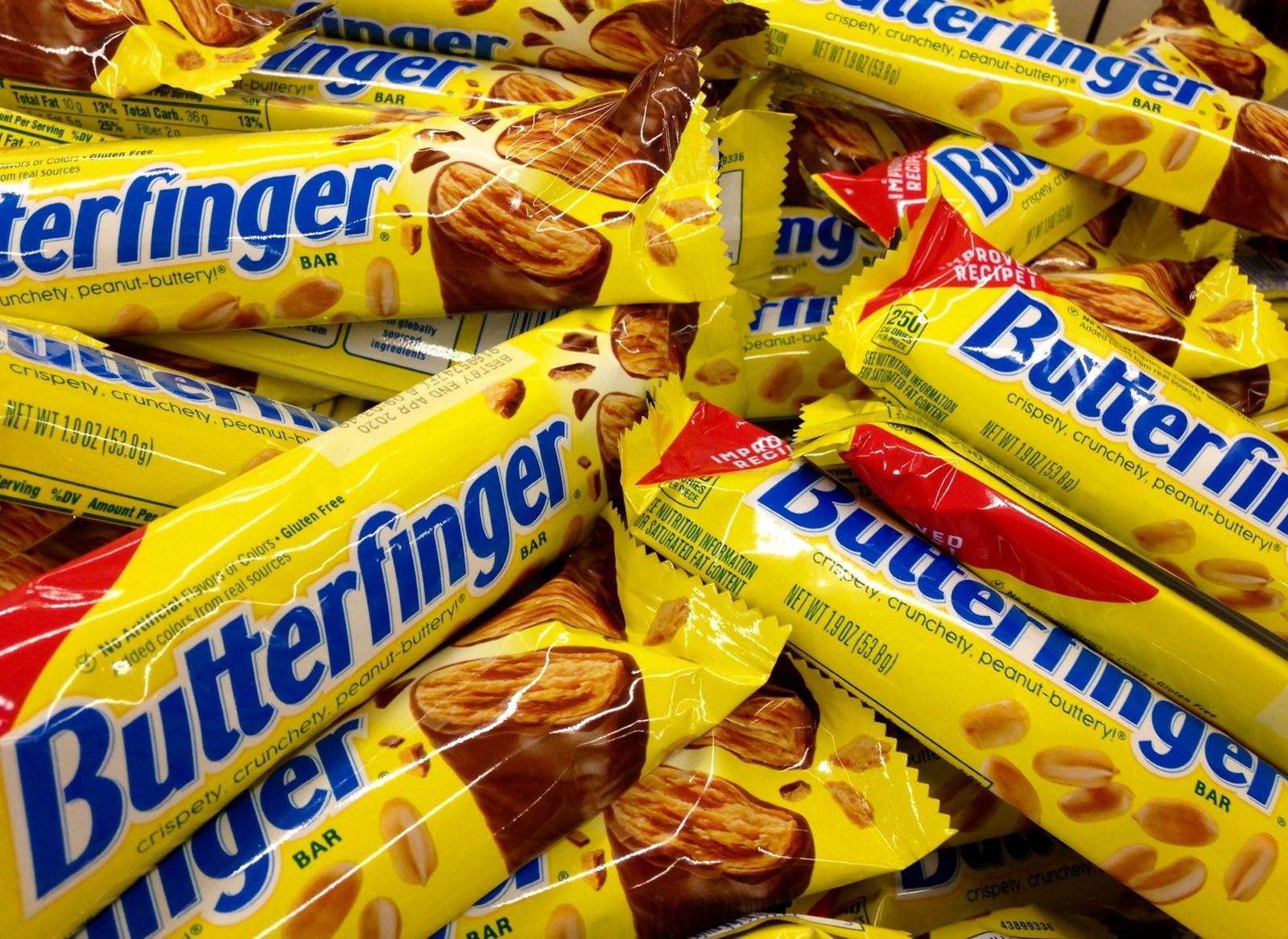
In 1923, the Curtiss Candy Company of Chicago, Illinois, needed a name for its new chocolate-covered peanut butter bar, so founder Otto Schnering did something unusual: he asked the public.

The company launched a naming contest through mail-in entries, and a participant from Chicago suggested Butterfinger, borrowing a term sportscasters used for baseball players who couldn't hold onto the ball. The name stuck immediately. Schnering, who had already scored a hit with the Baby Ruth bar, leaned into showmanship to promote his new candy. He famously had airplanes drop thousands of Butterfinger bars, each rigged with a tiny parachute, over American cities like New York and Atlanta. Nearly a century later, the bar's crispy, flaky center is still instantly recognizable, even if most people eating one today have no idea it's named after a baseball insult.

6

Junior Mints

Image: melissamn

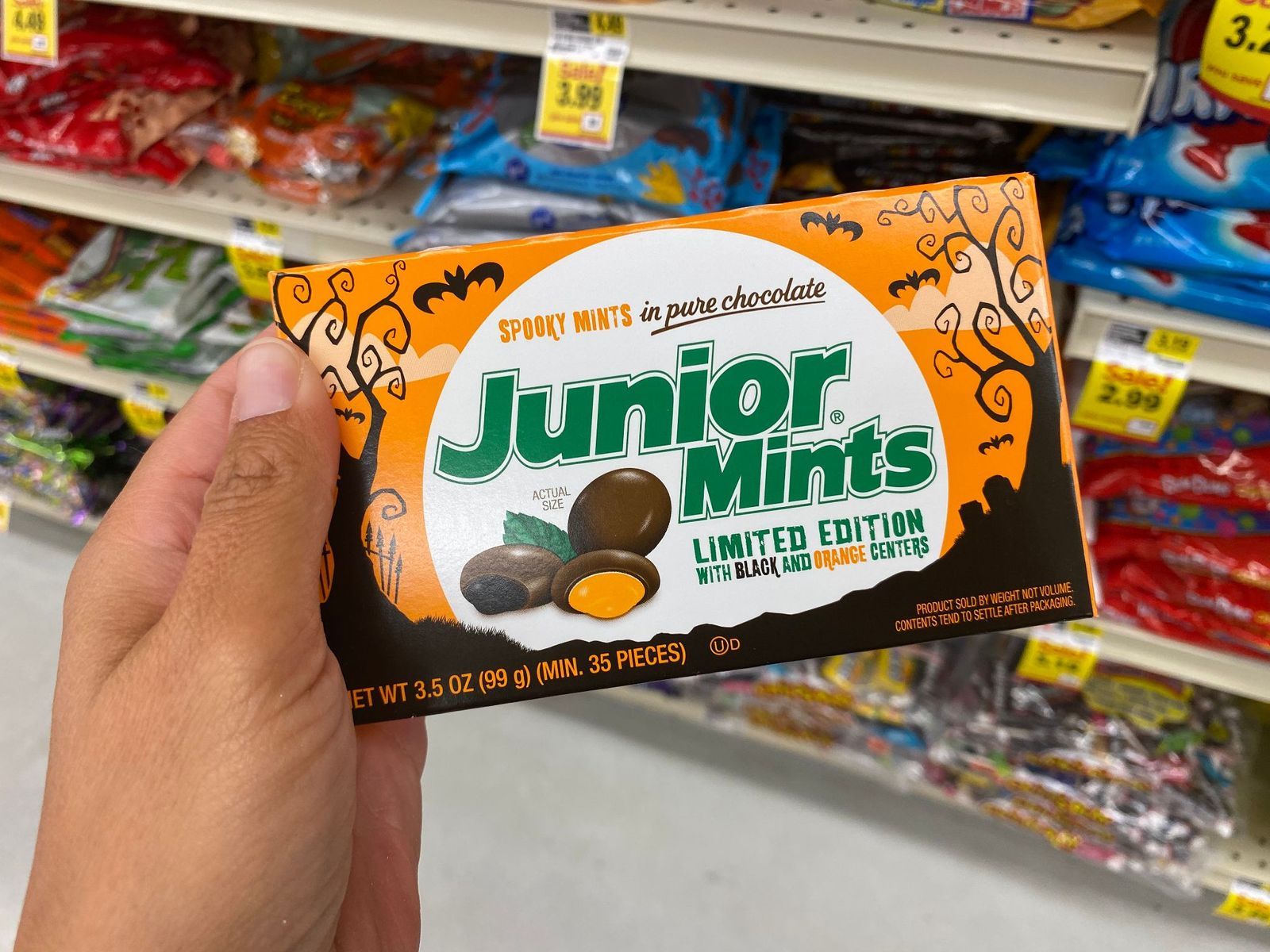
In 1949, candy maker James O. Welch was ready to launch a new chocolate-covered peppermint from his company in Cambridge, Massachusetts.

For the name, he reached back to a personal favorite: Junior Miss, a Broadway play based on Sally Benson's New Yorker stories, which had run from 1941 to 1943 and even inspired a radio show starring Shirley Temple. Even though the play had already closed six years earlier, this was his way to honor it. Food chemist Charles Vaughan, who also created Sugar Babies for the same company, was the one who actually developed the chocolate-covered mint.

7

KitKat

Image: Mehaniq

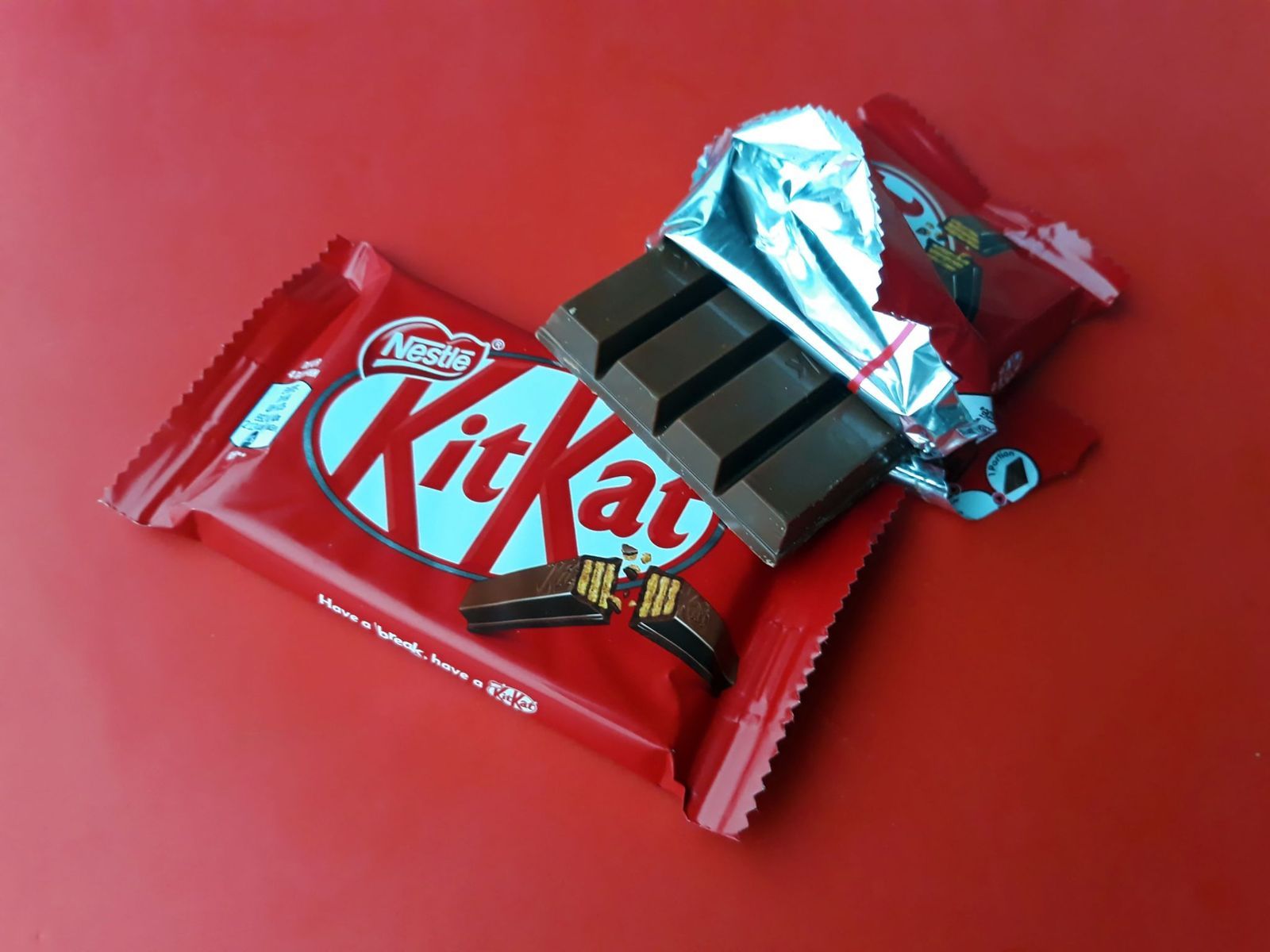
Long before it was a chocolate bar, Kit Kat was a mutton pie. In early 1700s London, a pastry cook named Christopher Catling ran a pie house on Shire Lane near Temple Bar, where his savory pies, nicknamed Kit-Kats after his own nickname (a nod to his own name), became so popular that a gathering of politicians from the Whig party and writers started meeting there regularly. They eventually became known as the Kit-Cat Club.

Two centuries later, in 1911, the English candy company Rowntree's trademarked the names Kit Kat and Kit Cat, likely as a nod to that historic club. The chocolate wafer bar itself, originally called Rowntree's Chocolate Crisp, didn't take on the Kit Kat name until 1937. It was a clever way to tie a new treat to old British tradition.

8

Hershey’s Kisses

Image: Longfin Media

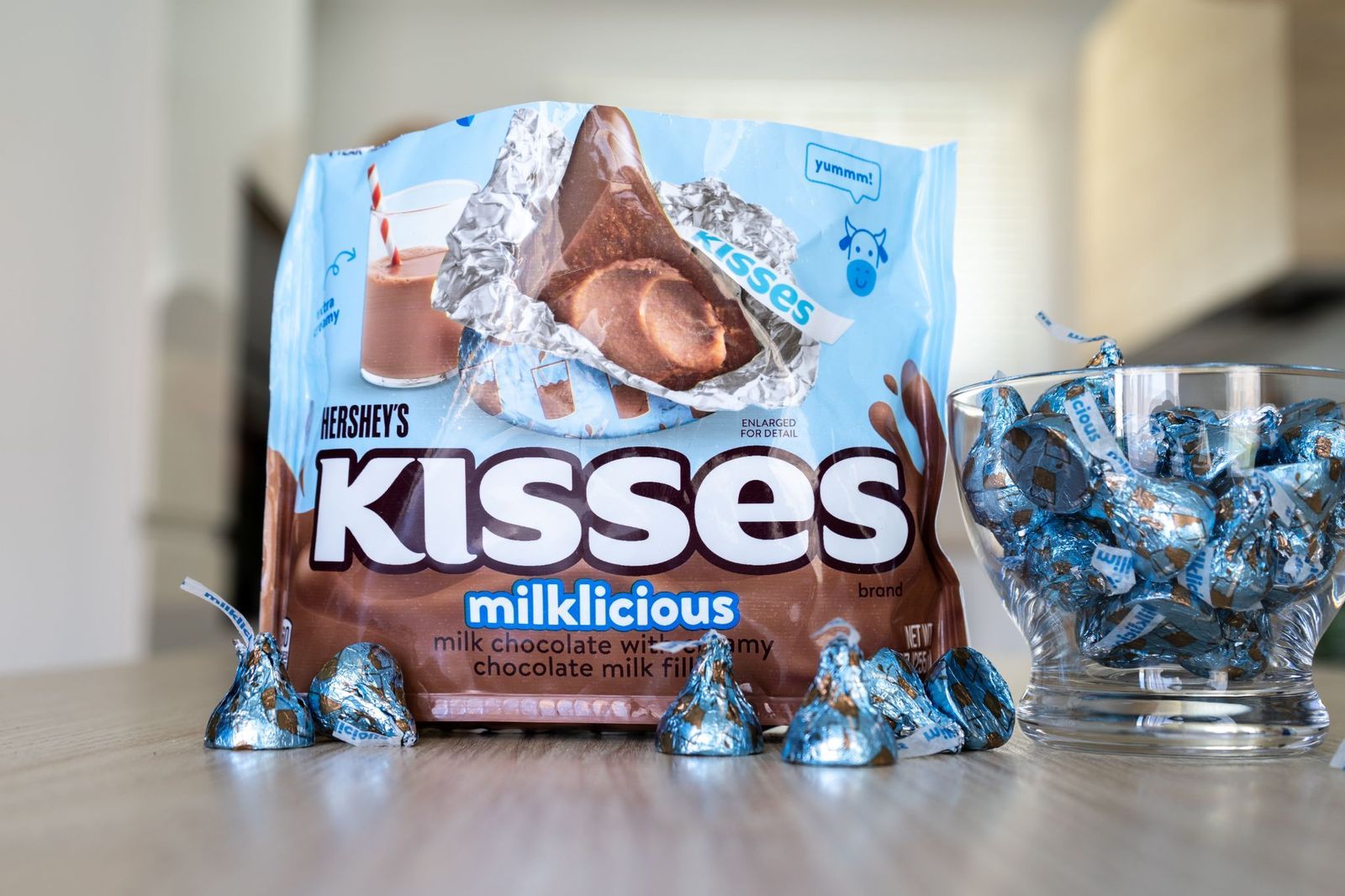
When Hershey's introduced its little chocolate drops in 1907, the candy needed a name that matched its size and shape. The most repeated explanation involves the factory machines themselves: as they dropped dollops of chocolate onto a moving conveyor belt, the motion and sound reportedly resembled a smacking kiss, and the name Hershey's Kisses was born.

However, the word "kiss" was simply common candy-making slang at the time for a small, bite-sized treat, so the truth may be a little less romantic than the story suggests. What's certain is that the Kisses were originally wrapped by hand until 1921, when a new machine automated the process and added the paper plume, that little strip peeking out of the foil, so shoppers could tell a genuine Hershey's Kiss from a copycat. Milton Hershey trademarked the shape in 1924, and the candy has barely changed since.

9

Oh Henry!

Image: The Image Party

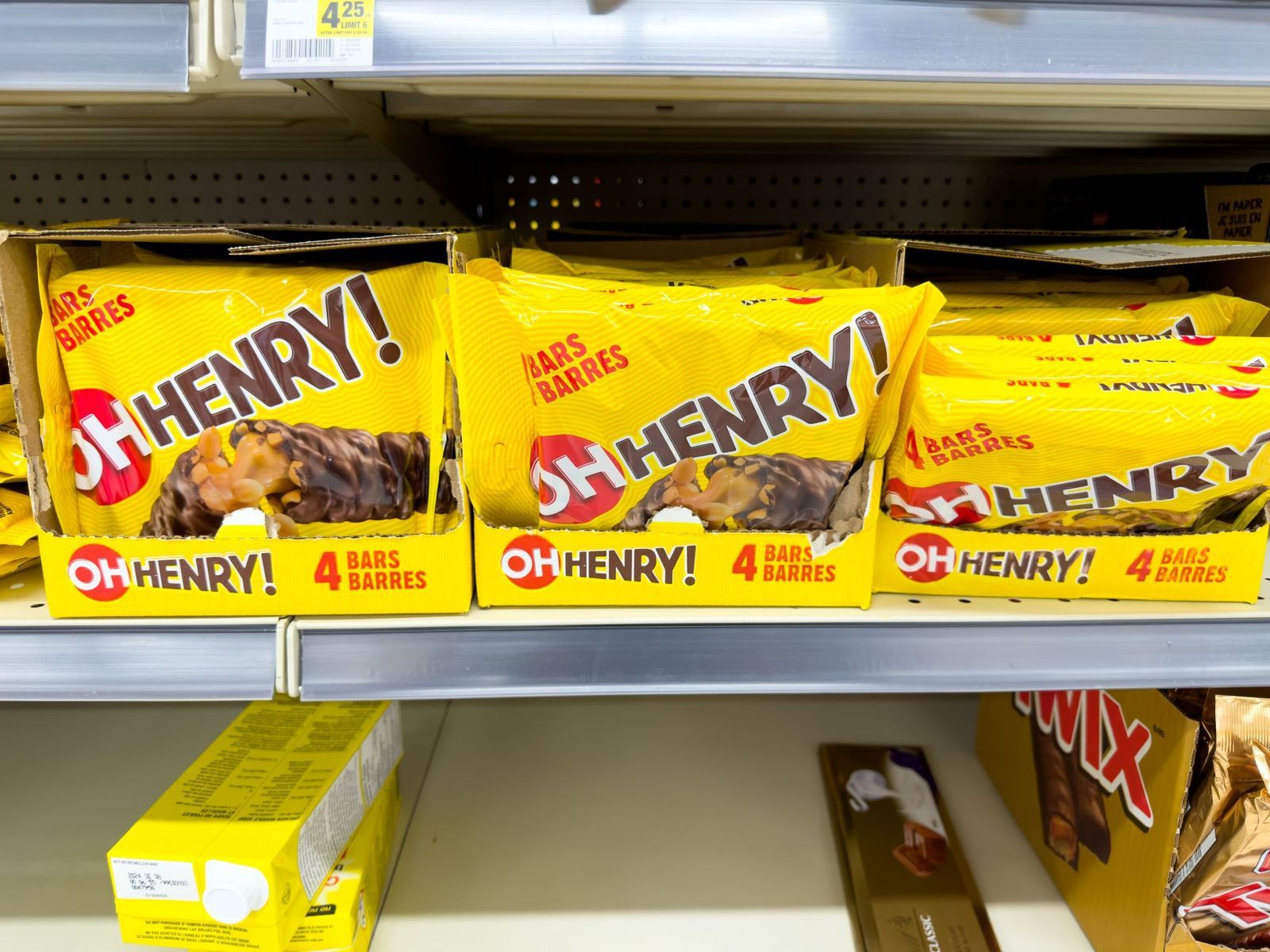
According to company legend, the Oh Henry! bar owes its name to a charming young man named Henry who used to stop by George Williamson's candy shop in Chicago sometime around 1920.

Henry became a favorite of the young women working behind the counter, who often sent him on errands, calling out "Oh, Henry!" whenever they needed his help. Williamson supposedly overheard the phrase so often that he decided to name his new peanut, caramel, and fudge bar after it. Not everyone buys the story, though. Some chocolate buffs believe the bar actually started as the Tom Henry Bar, invented by a candy maker in Kansas and later sold to Williamson, who simply renamed it. Whichever version is true, the Williamson Candy Company trademarked Oh Henry! in 1922, and the catchy exclamation has stuck around for more than a century.

10

Life Savers

Image: PJ McDonnell

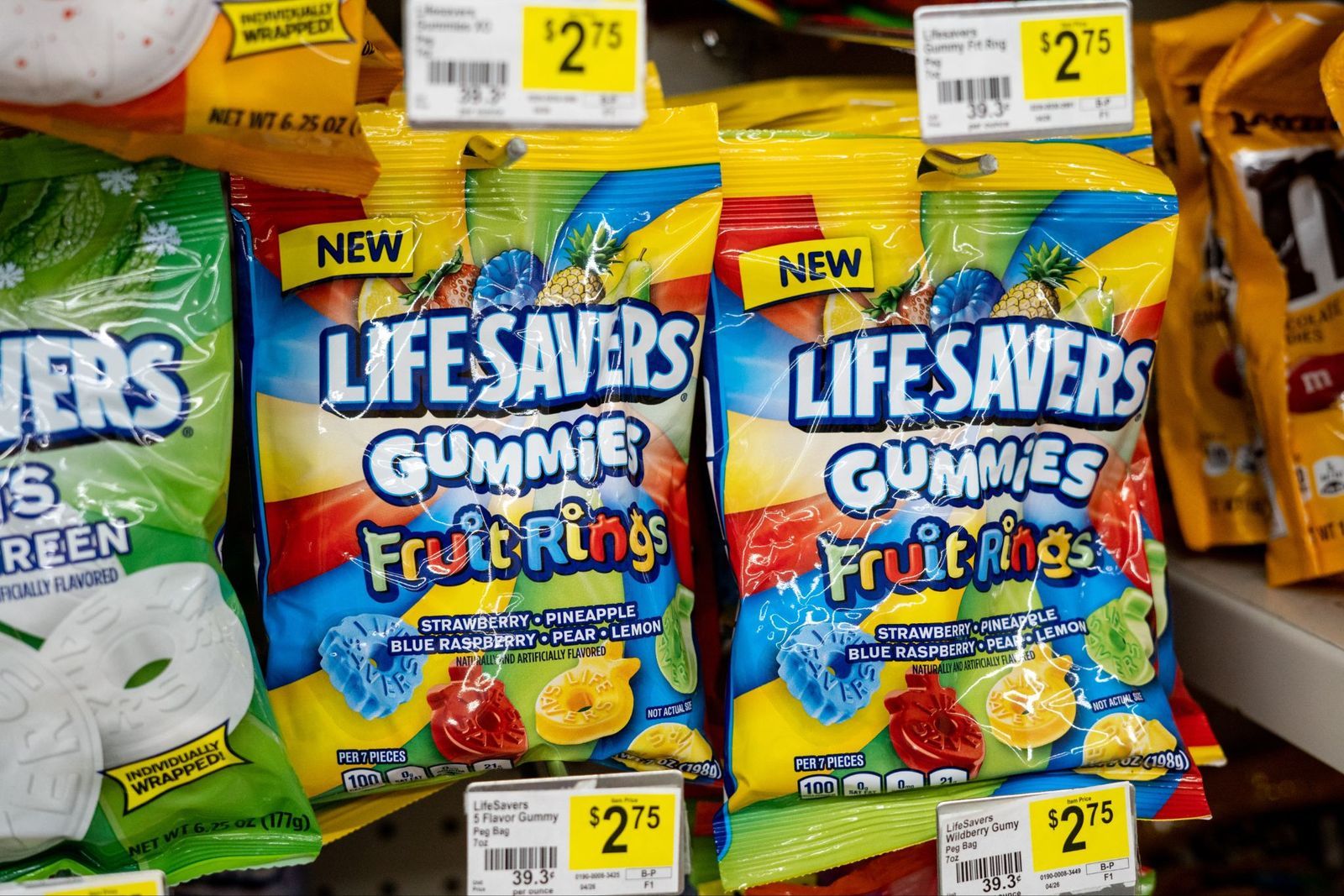
In the summer of 1912, Cleveland chocolate maker Clarence Crane had a problem: his chocolates kept melting in the heat, and sales always dropped once summer arrived.

Looking for a candy that could survive warm weather, Crane borrowed an idea from an unlikely source, a pharmacist's pill-making machine, which pressed round, flat tablets instead of the square mints then popular in Europe. The machine happened to punch a small hole through the center of each mint. Rather than see it as a flaw, Crane noticed the shape resembled a ring-style life preserver used on ships, and he named his new peppermint candy Life Savers. He sold the rights just a year later, in 1913, to businessman Edward Noble for $2,900 —something close to $100,000 today— who switched the packaging to tinfoil and turned it into one of the best-selling candies in American history.
Decoding

Being a "treasured guest" is not a compliment. This is the hidden meaning


Published on September 21, 2026


Image: Hitesh Choudhary

Have you ever heard "Code Adam" while shopping for groceries at Walmart? Or maybe you’ve heard how "Dr. Firestone" was being paged during a routine hospital visit. They sound like harmless announcements. But behind these ordinary words are secret codes staff use to signal emergencies without causing panic. From hospitals and supermarkets to airports and Disney Parks, these phrases quietly warn employees that something is happening. You hope you never hear them, but if you do, it helps to know exactly what they mean.

1

Treasured guest

Image: Helena Lopes

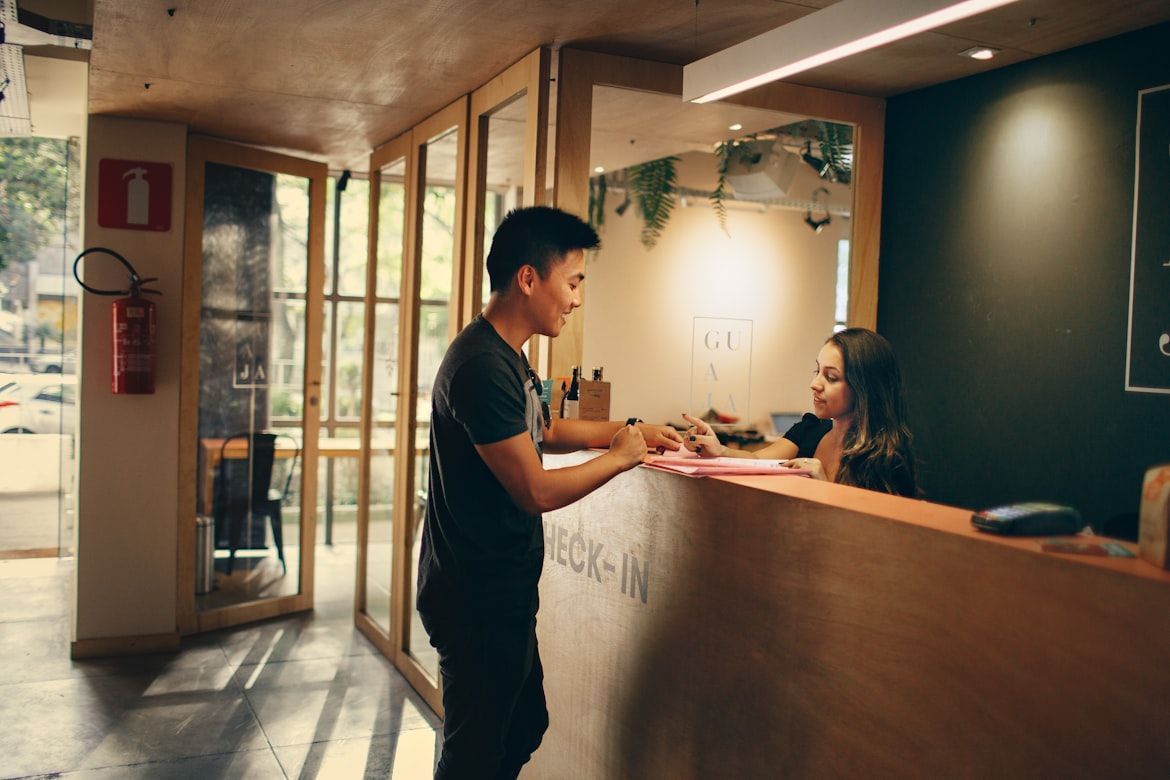
We all love getting special attention at airports or hotel desks, but if you hear the clerk call you a "treasured guest," don’t feel so flattered. You may not be as VIP as one could think.

In the hospitality industry, "treasured guest" has become a humorous bit of industry folklore to describe someone causing trouble. Maybe a customer yelling at staff over expired coupons, demanding impossible accommodations, or throwing a full-blown tantrum at the front desk. Whatever it is, the phrase has become the staff’s secret way to warn co-workers without escalating the situation in front of the customers. Most guests don’t realize the meaning, but once you know it, you may start hearing it more often. We just hope it’s not about you.

2

Code Adam

Image: Karsten Winegeart

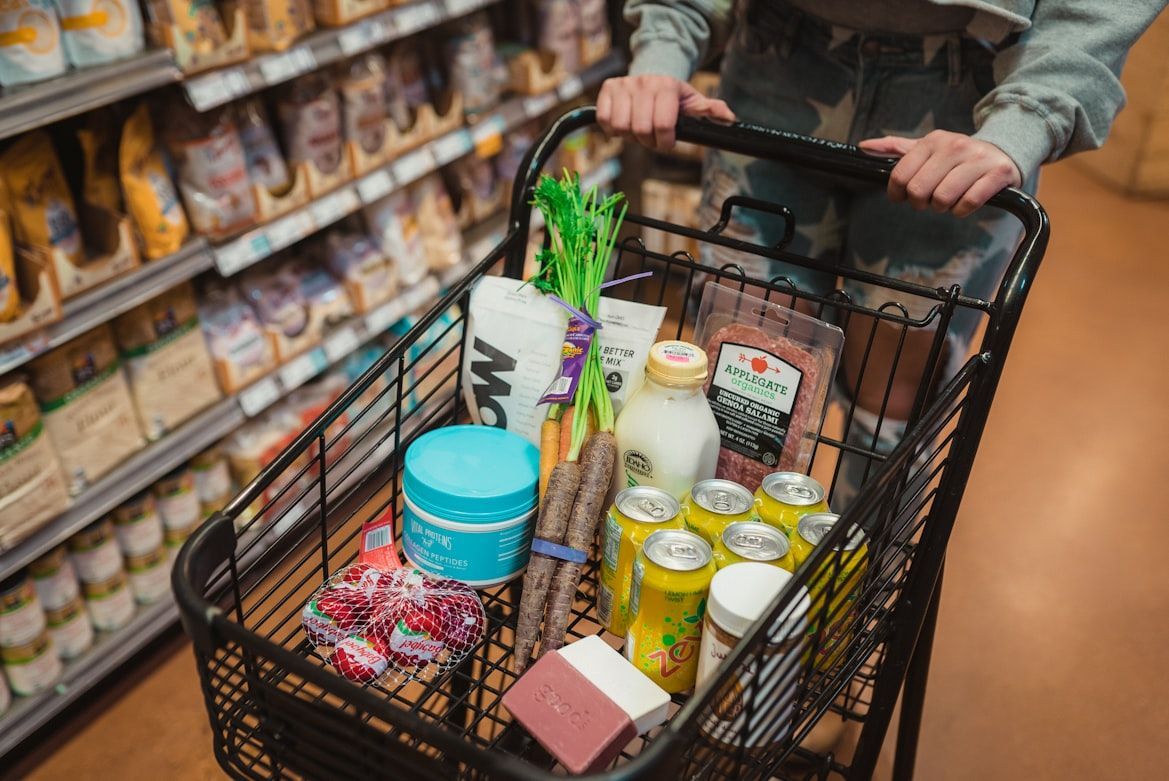
Imagine you’re pushing a shopping cart through Walmart when suddenly the overhead speaker announces, "Code Adam." You can easily assume it’s some kind of employee meeting or cleanup request. But when you see them start locking the exits and moving around, you know something’s wrong.

This code was created in 1994 by Walmart in collaboration with the National Center for Missing & Exploited Children (NCMEC), in memory of the tragic case of 6-year-old Adam Walsh. Adam was abducted from a Sears department store in 1981 while shopping with his mother. His father, John Walsh, later became famous for hosting the TV program America’s Most Wanted and advocating for missing children. Even if Adam’s story ended in tragedy, Walmart created the emergency system in Adam’s memory, and other retailers soon adopted it nationwide, intending to have a quick response to missing or abducted children.

3

Code Blue

Image: Günter Valda

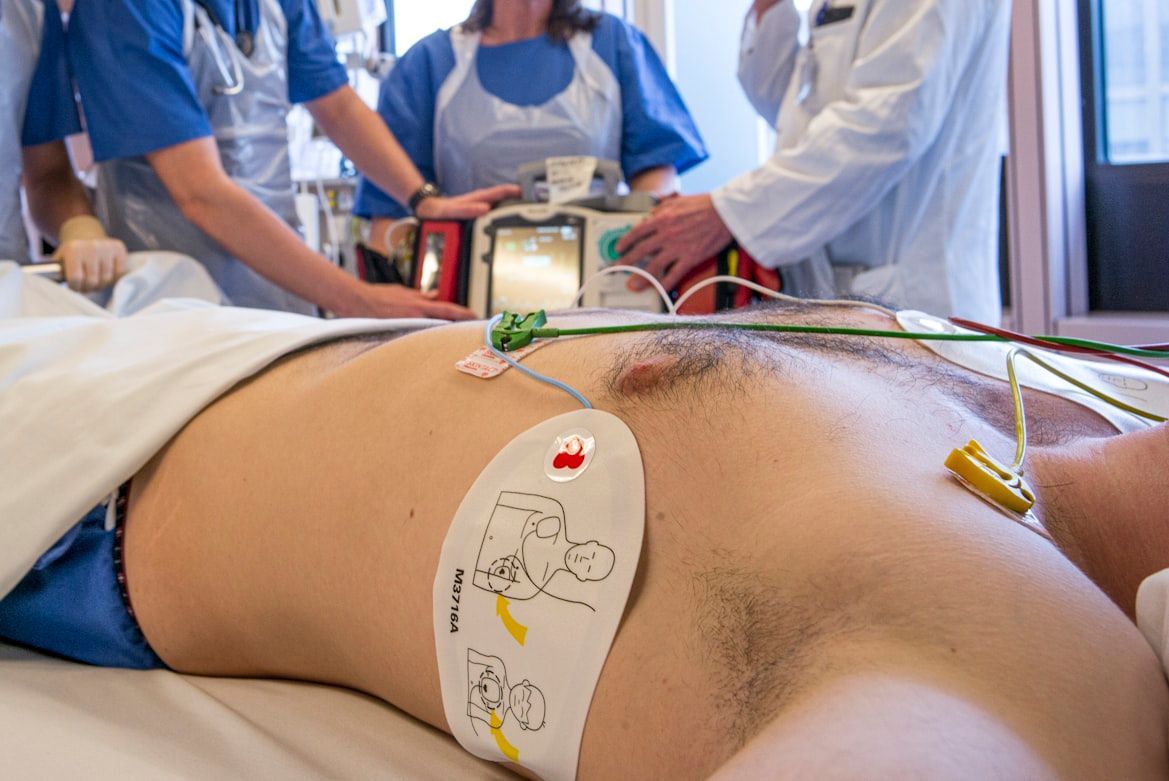
You’re sitting in a hospital waiting room during a routine check-up when you suddenly hear "Code Blue, Room 214." Most people immediately know it sounds serious, even if they are not entirely sure why.

The phrase "Code Blue" is used at hospitals to draw the necessary staff and equipment to perform a resuscitation. It was created in the early 1960s at Beathany Medical Center by Dr. Hughes Day. Before then, hospital resuscitations were often chaotic and poorly coordinated. In 1961, Dr. Day received a grant to build one of America’s first cardiac care centers, and he developed both the Code Blue alert system and the modern crash cart to improve survival rates during cardiac emergencies. Today, the system is used in hospitals across the country, sometimes with specialized versions like "Code Blue Pediatric" or "Code Blue Neonate."

4

Dr. Firestone

Image: Cdn Pages

Imagine visiting a loved one in the hospital when the intercom calmly announces, "Paging Dr. Firectone to the third floor." Your head surely goes, "Dr. Firestone’s probably having a busy day up there." He is, but it’s not what you think.

The phrase is actually a discreet fire alert used to warn staff about smoke, flames, or overheating equipment without frightening patients and visitors. Hospitals adopted these coded announcements after realizing that openly yelling "fire" over loudspeakers could create panic, especially among patients who aren’t able to move quickly. "Code Red" is an alternative used by many health centers today, but it also hints at the situation while keeping hallways calm.

5

Code 10

Image: Blake Wisz

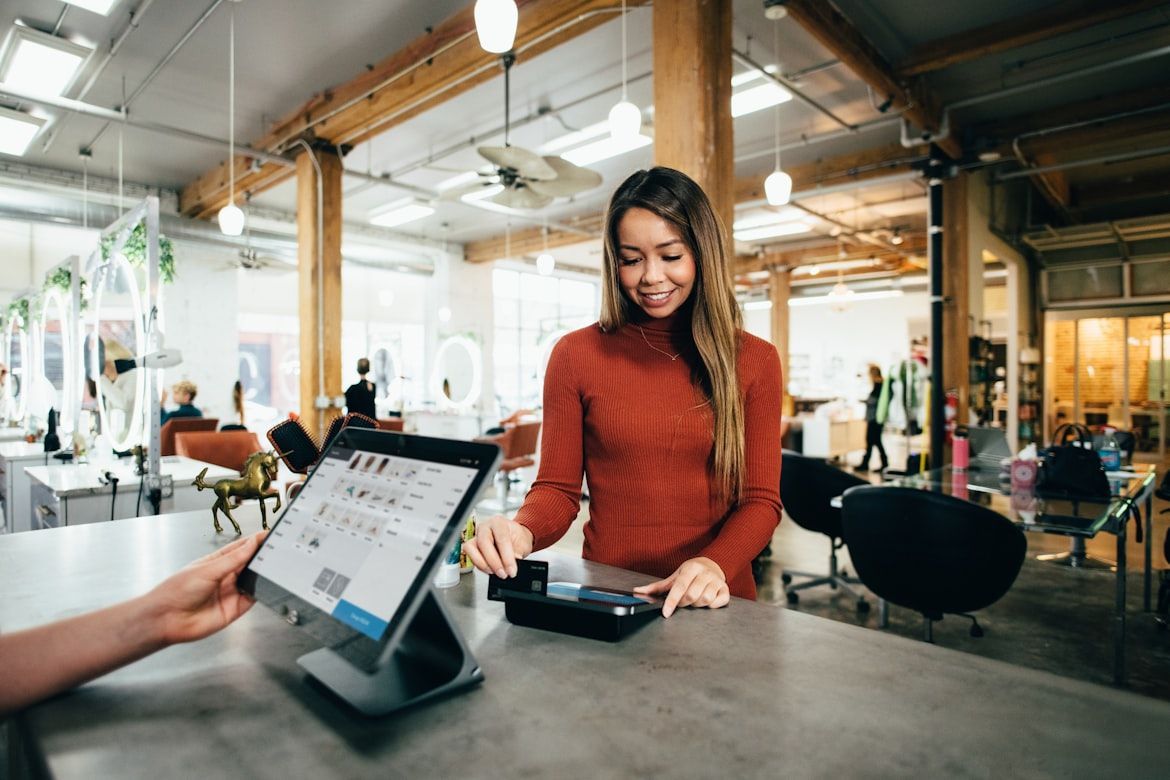
You’re standing at a checkout counter when the cashier picks up the phone and quietly says, "I need a Code 10 authorization." If you think that’s just another way to get a supervisor’s approval or technical issue, think again. In reality, the cashier may suspect the credit card is stolen or fraudulent.

Code 10 was developed through a cooperative effort between major credit card companies like Visa and Mastercard, along with international standard organizations. As credit cards became more common in the 1960s and 1970s, stores needed a discreet way to alert banks about suspicious activity without directly accusing customers and potentially putting employees at danger. When a cashier requests a Code 10, the bank’s operator begins asking yes-or-no questions to assess the situation and guide the employee on what to do next.

6

Code Bravo

Image: CDC

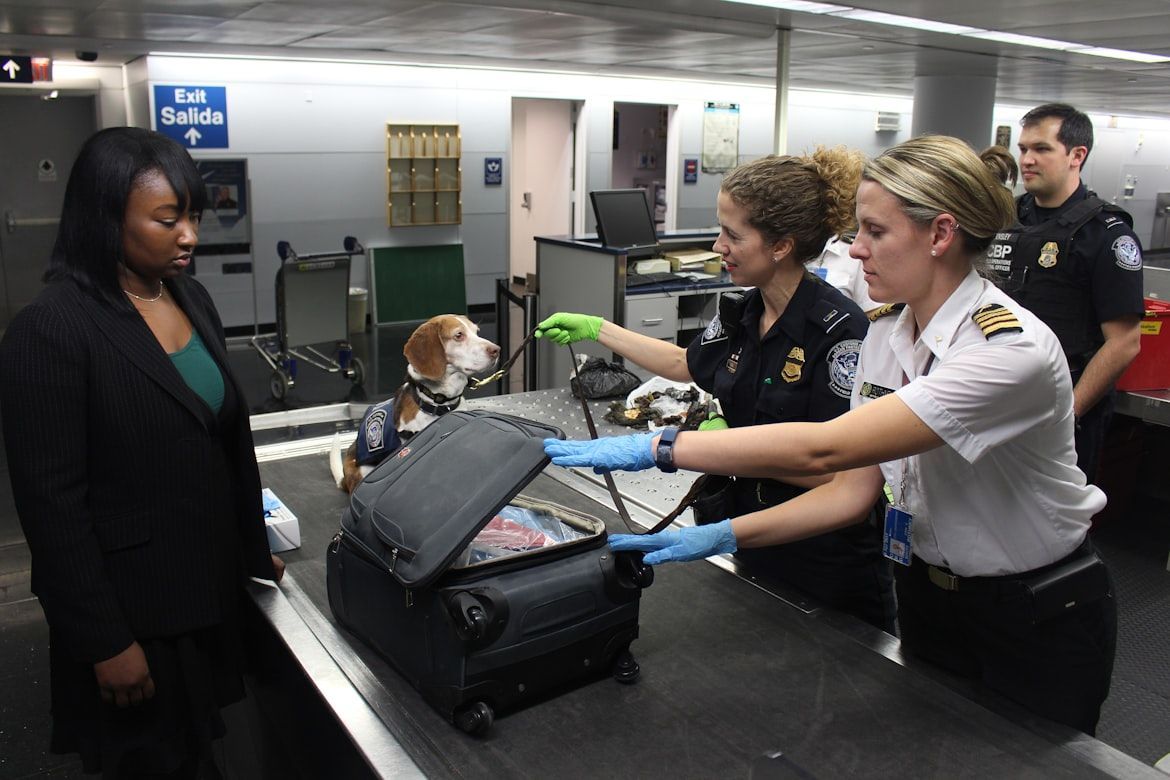
You’ve probably experienced those long airport security lines. The wait is usually uneventful. But sometimes, you can hear "Code Bravo" over the speakers. Maybe it’s a delay, or maybe it’s an issue with luggage. Within seconds, people stop moving, the security line freezes, and exits may even close. It’s something bigger.

Code Bravo is the emergency phrase used by airport security and the Transportation Security Administration to signal a serious security threat, such as an unattended bag, a breach at a checkpoint, or someone slipping into a restricted area. The term comes from the international phonetic alphabet used in aviation and military communications, where "Bravo" represents the letter B. When this is called, security staff immediately lock down affected areas, stop screening lines, and search for the source of the threat. To passengers, it’s sudden and confusing, but to security, it’s a carefully rehearsed response.

7

Code Alpha

Image: Navy Medicine

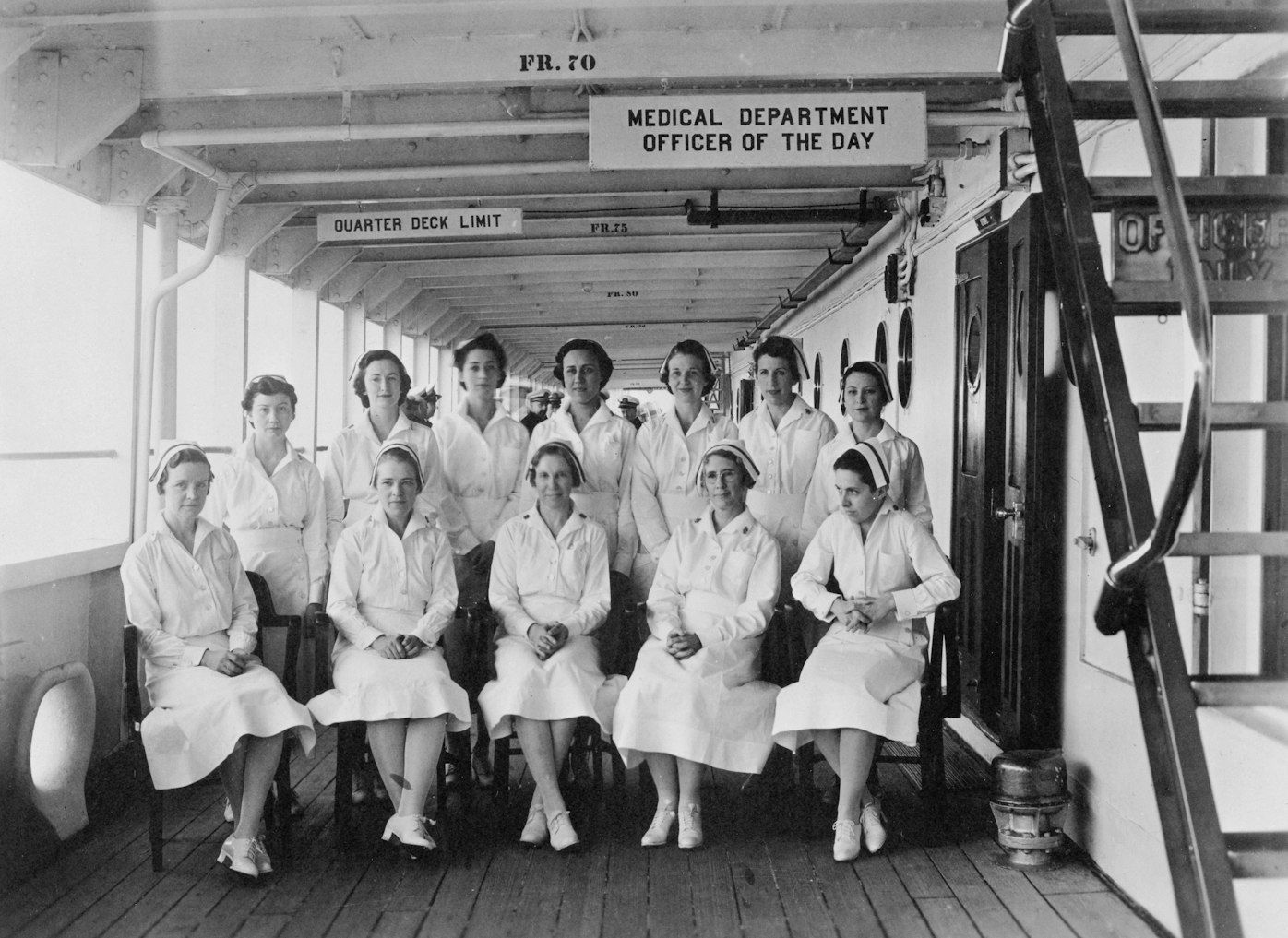
You are heading back to your cabin on a cruise ship when the speakers announce, "Code Alpha, Deck 7." You may think Alpha is related to the captain, but that’s not the case. It means someone on board is suffering a medical emergency.

The phrase comes from the NATO phonetic alphabet, where "Alpha" represents the letter A. In maritime emergency jargon, it became shorthand for a Priority A medical situation requiring immediate response. Cruise lines such as Royal Caribbean and Disney Cruise Line commonly use the term, though some ships use variations like repeating "Alpha" three times. Once the code is announced, onboard medical teams rush toward the specified deck or cabin. If necessary, stretcher crews are mobilized, and in severe cases, the ship may even divert course toward the nearest port for emergency evacuation. Passengers are enjoying the views, but the staff is running to save a life.

8

10-33

Image: chris robert

Anyone who remembers the CB radio craze of the 1970s probably smiles when they hear "10-4." Movies, truckers, and radio fans turned those number codes into a part of American culture. So if you overhear "10-33" on a police scanner, you might assume it’s just another routine message. But it’s not as simple as it sounds.

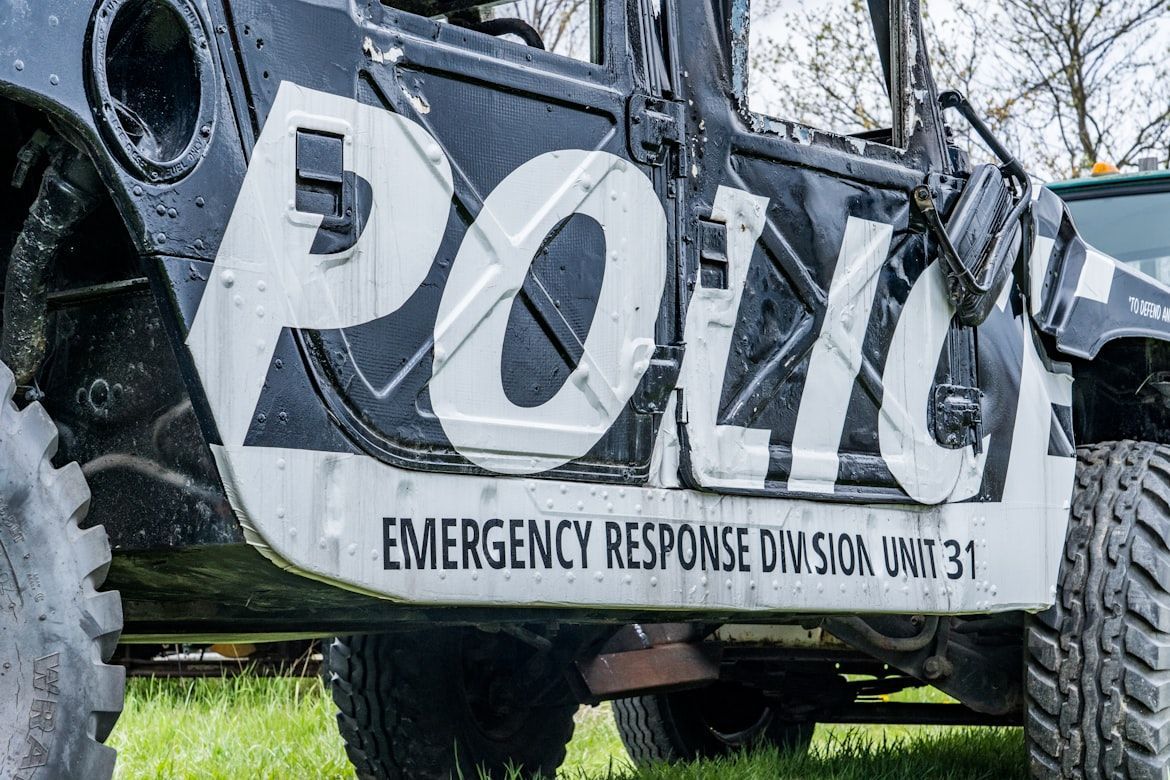
The 10-code system was first created in 1937 by Illinois State Police communications director Charles Hopper and later standardized by the Association of Public Safety Communications Officials, better known as APCO. Officers needed short phrases they could understand clearly over crackling radio signals. The 10-33 code commonly means an officer needs emergency assistance. In some departments, it also signals radio silence so dispatchers can focus on the crisis unfolding in real time.

9

Signal 70

Image: Samuel Lopez Cruz

Disney World is amazing, the parks offer something for everyone, and there are things to see wherever you look. But that’s exactly the kind of place where a child can easily disappear into a sea of strollers, balloons, characters, and crowds. For that reason, Disney has developed the "Signal 70," which alerts cast members and security that a child has become separated from their family.

The number comes from older police and emergency radio systems, where "70" was commonly associated with missing persons. Disney adopted the phrase because it allows employees to communicate discreetly without frightening or alarming nearby guests. If a member finds the child, they gently -and magically- escort them to Baby Care Center, where they coordinate the reunion.

10

Echo, Echo, Echo

Image: Alonso Reyes

Cruises are great to relax, enjoying a good book under the sun with a nice drink by the side. Until you hear "Echo, echo, echo" on the speakers. If you do, something is happening somewhere else on the ship.

The code is used among cruise employees to signal that dangerous winds or a navigational hazard are affecting the ship. It comes from the international maritime phonetic alphabet, where "Echo" stands for the letter E. In maritime signalling, the letter traditionally means "I am altering my course to starboard." And, in time, the phrase became associated with urgent ship maneuvers and weather-related warnings. However urgent, the repetition of the word by three doesn’t represent life-threatening situations. It alerts the crew of a certain hazard to prepare while avoiding panic among passengers.

Looking for an extra scoop of literary fun?

Learn more with our Word of the day

kibosh

/ˈkaɪˌbɑʃ/