Big words

You use these words daily, but do you know their scientific meaning?


Published on March 7, 2026


Image: Julia Koblitz

Science isn’t just for labs and textbooks; it’s all over our everyday language. Some of these words retain a hint of their scientific roots, such as virus or magnetic, while others have drifted into radically different meanings, like gravity or flow. Which of these 12 do you use?

1

Virus

Image: Fusion Medical Animation

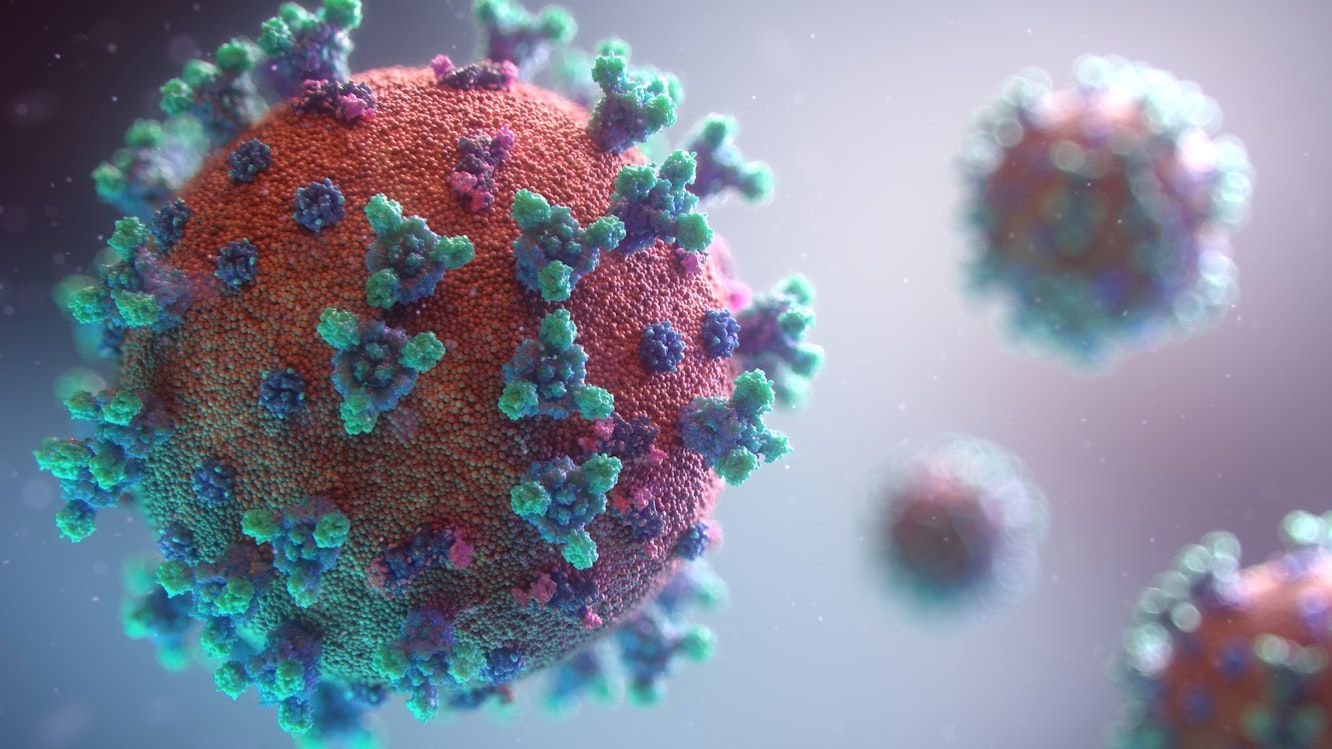
According to science, a virus is any of a large group of submicroscopic infectious agents that are usually regarded as nonliving, extremely complex molecules. However, the word has made its way into the daily vernacular.

A computer virus is malicious software that spreads through a system, much like a biological virus. A viral video spreads across the internet in a similar way, echoing the behavior of a real virus.

2

Pressure

Image: Evan Brorby

In science, pressure is the force applied over a surface area, measured in units such as Pascals or psi. However, that is not the sense in which the word is used in everyday language.

In daily conversation, pressure refers to stress or urgency, often caused by expectations or challenges. It captures the feeling of being pushed to act, usually under strain.

3

Gravity

Image: Norbert Kowalczyk

In the realm of science, gravity is the force of attraction between objects with mass or energy. It keeps us on Earth and holds planets and galaxies together.

But, in everyday use, gravity often refers to seriousness or importance, as in "the gravity of the situation."

4

Reaction

Image: israel palacio

When a scientist speaks about a reaction, it refers to a process in which substances interact and change, producing new materials through chemical transformation.

In everyday language, however, reaction means a response to something, like an event, comment, or situation, whether emotional, verbal, or physical.

5

Energy

Image: Matthew Henry

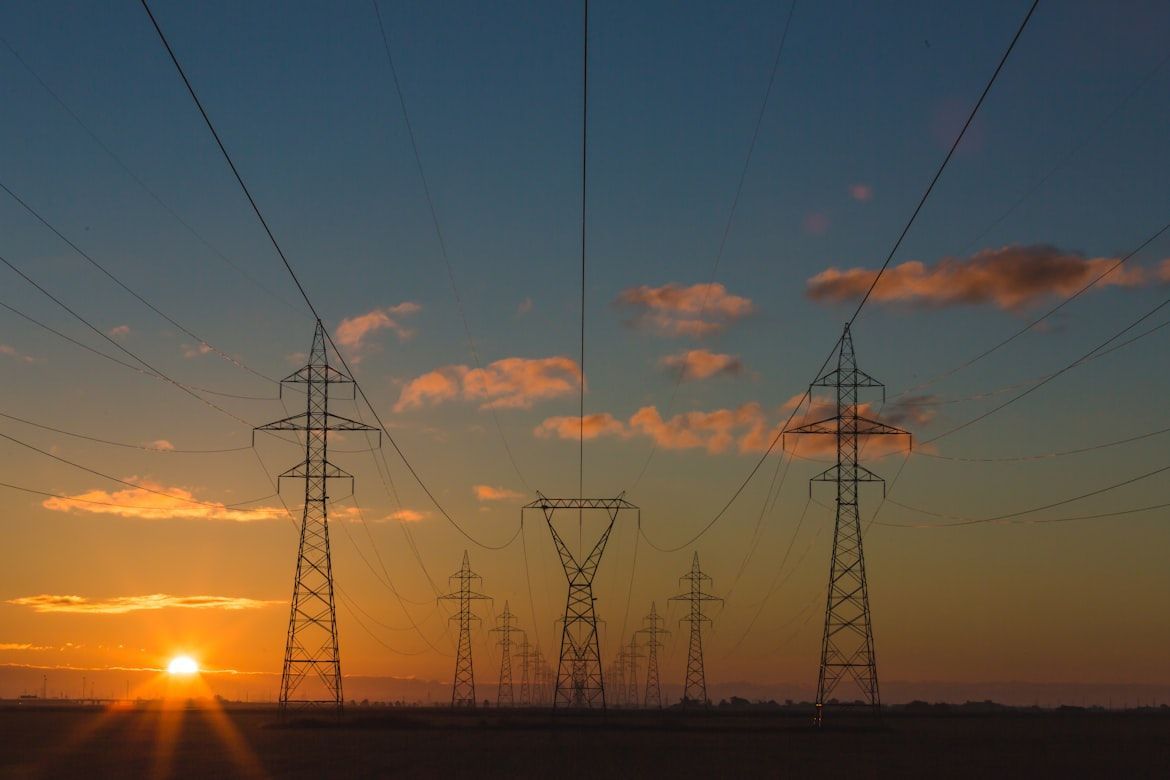
In the world of science, energy is the capacity to do work or cause change. It exists in many forms, such as kinetic, potential, thermal, and electrical.

In everyday use, energy often means liveliness or strength: the feeling of being active, alert, or full of life.

6

Toxic

Image: Dan Meyers

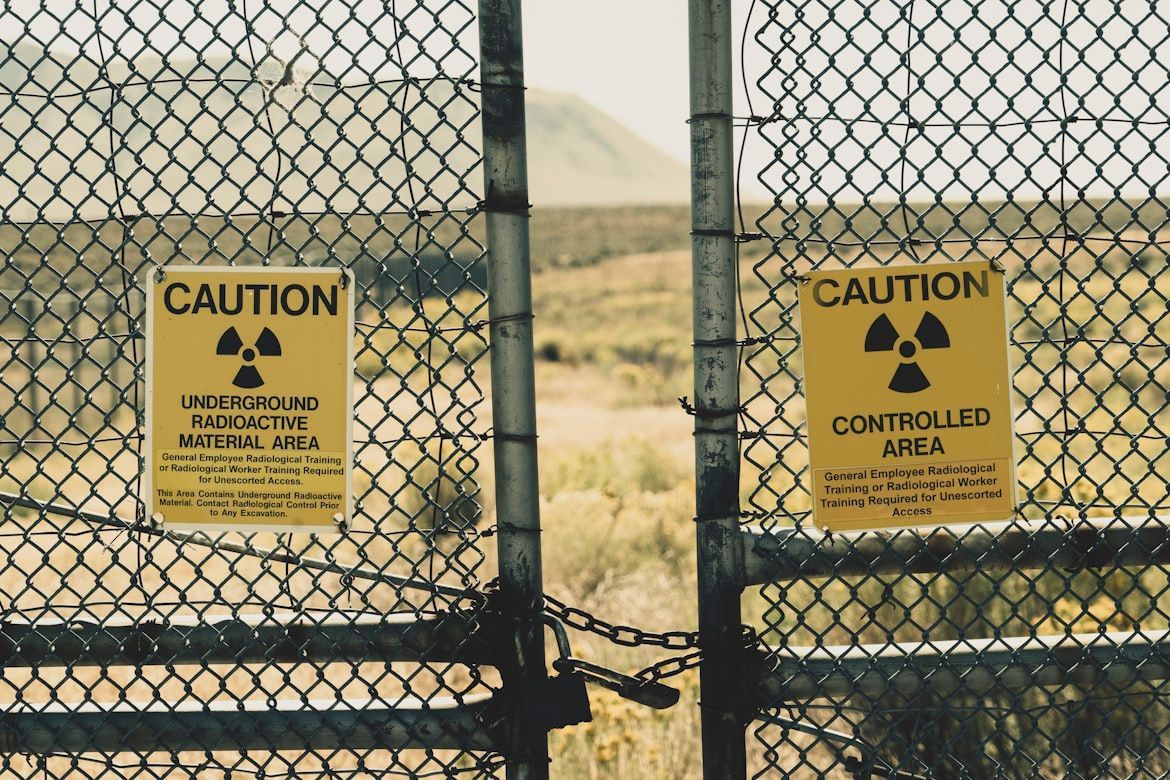
In science, the word toxic is used to describe substances that are poisonous or hazardous to health. In a metaphorical context, however, toxic takes on a slightly different meaning.

In everyday talk, the word toxic refers to a person, relationship, or behavior that is harmful or unhealthy to others, rather than being used in the literal sense of poison.

7

Magnetic

Image: Dan Cristian Pădureț

In the scientific sense of the term, the word magnetic describes a property that causes certain materials, such as iron or steel, to attract or repel due to a magnetic field.

In everyday language, it refers to something or someone with a strong, captivating charm or influence, someone who naturally draws attention.

8

Organic

Image: 🇸🇮 Janko Ferlič

The scientific meaning of the word organic refers to carbon-based compounds that form the foundation of all living things.

In everyday use, it describes food or products made naturally, without synthetic chemicals or additives.

9

Meltdown

Image: Frédéric Paulussen

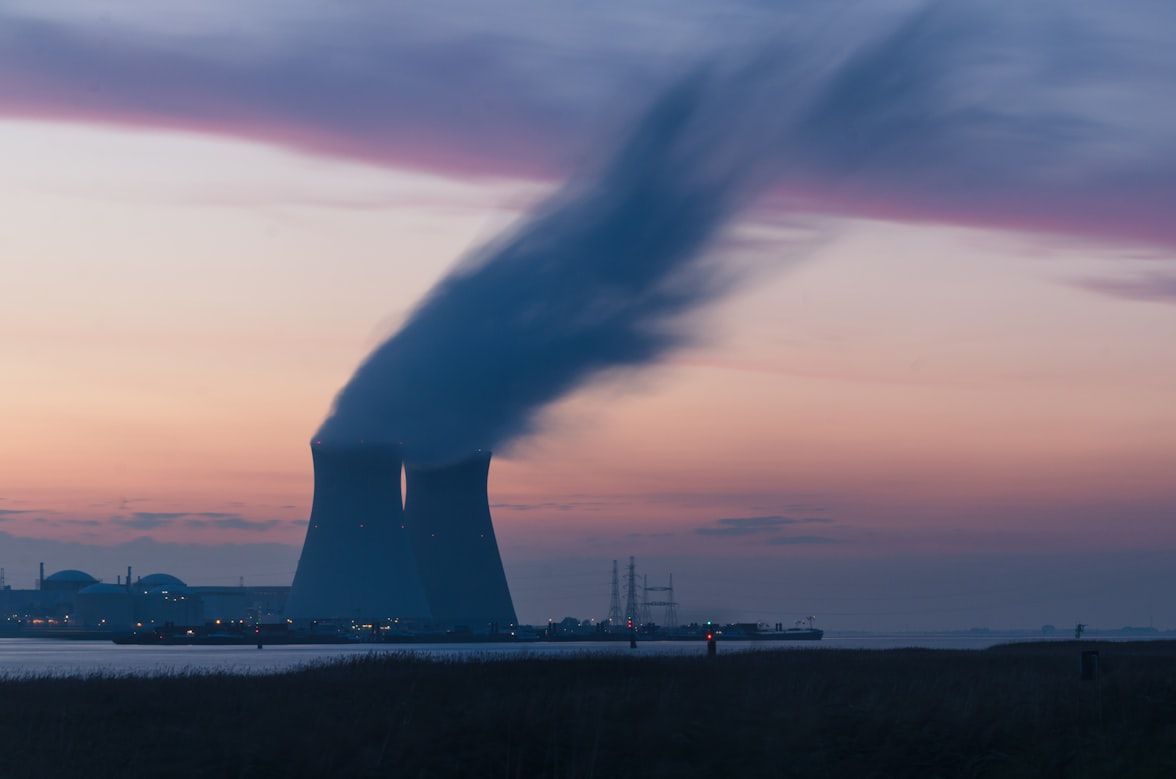
While in science, a meltdown is a serious nuclear accident where a reactor's core overheats and melts, risking radiation release; in everyday talk, it is something else.

In everyday language, it describes a sudden collapse or loss of control, like a system failure or an emotional breakdown.

10

Feedback

Image: charlesdeluvio

According to science, feedback occurs when a system's output loops back as input, affecting how it functions going forward.

In everyday use, it means giving someone helpful information about their actions or performance to support improvement.

11

Spectrum

Image: Sonika Agarwal

The scientific definition of a spectrum is a range that shows how light or radiation is distributed across different wavelengths or frequencies.

In everyday language, it refers to a broad range or continuous variety of things, like opinions or emotions. Somewhat similar to the scientific meaning, but not exactly the same.

12

Flow

Image: kazuend

The word flow refers, in the scientific sense, to the steady movement of substances like liquids, gases, or electricity.

In everyday use, it describes a state of deep focus and ease during an activity, often called "being in the zone," where actions feel smooth and natural.


TAKE A TRIP DOWN FOODIE MEMORY LANE

Do You Remember These 10 Vanished Restaurant Chains?


Published on March 7, 2026


Image: Tim Mossholder

As the writer J.L. Borges said, "It is not the places that we miss, but the moments spent in them." We all have memories of family dinners and friend gatherings in places that no longer exist. Often located in mall food courts, but also in the middle of the city, in highway stops, or many other locations, these once popular places faded into obscurity, devoured by the competition or simply fell out of pace with the modern tastes.

From big celebrity-backed restaurants like Planet Hollywood to the more humble family-oriented Chi-Chi’s, many of these chains went quietly and without much notice but were once beloved meeting points. Read on and try to remember if you ever attended any one of these.

1

Kenny Rogers Roasters

Image: Bindydad123 CC BY-SA 4.0, via Wikimedia Commons

Even if you’ve never been there, you probably have heard of this one: a wood-fired rotisserie chicken restaurant chain fronted by The Gambler himself, Mr. Kenny Rogers. That was the idea and, for several years, it worked quite well. The brand advocated healthy eating, by claiming that roasted chicken has less fat, salt, and calories than fried chicken.

The brand was a 90s creature, as it was born and saw its heyday in that decade, with locations all over the United States and even many abroad. But, as it happens, it filed for bankruptcy in 1998 and the last Kenny Rogers Roasters in America shut its doors in 2011.

Surprisingly, the brand is still very much alive and thriving in Asia, where it's still going strong.

2

Bennigans

Image: Phillip Pessa, via Wikimedia Commons

A staple of the so-called "fern bars" scene (upscale bars that featured plants, wooden bars, and fake Tiffany lamps in their decoration), Bennigan’s was born in the 1970s and it quickly grew with locations all over the country.

While the concept was not new or special,Bennigan’s restaurants were popular hangouts in their respective locations, catering to families, after-office workers, and local clientele. To this day, there are still a few Benningan’s left in the United States and abroad, with plans to make a comeback sometime in the future.

3

Steak and Ale

Image: natasha t

As the name implies, the premise was simple: a steak dinner experience at affordable prices. Steak and Ale restaurants featured an unlimited salad bar or a choice of soup with most of its entrees on the dinner menu. It also featured free drink refills, honey wheat bread, a lunch menu with many items for $6.99, and even wine samples for only 25 cents.

Despite all these amenities, the Tudor-styled chain’s market presence was eaten up by the competition and most of its restaurants closed its doors by the late 2000s.

4

Howard Johnson’s Restaurants

Image: Pub. by Howard Johnson Publishing Department, Bedford, PA. Tichnor Quality View, Reg. U. S. Pat. Off. Made Only by Tichnor Bros., Inc., Boston, Mass., Public domain, via Wikimedia Commons

Howard Johnson’s might be a familiar name in the current hotel industry but, believe it or not, there was a time when the brand was known as a restaurant chain. Howard Johnson’s restaurants were as popular as McDonald’s and Starbucks are today. With more than 1000 locations in the 1970s, it was once the biggest food chain in America.

The first restaurant opened in the late 1920s and a few years later, franchises started opening all over the country. In 1954 the first Howard Johnson’s Motor Lodge was opened in Georgia next to the restaurant and history was made. But, a few decades later, the restaurant business was separated from the hotel business and the eateries started losing its public until the final HoJo’s restaurant closed its doors in 2022.

5

Red Barn

Image: Hien Nguyen

A restaurant chain famous for its barn-shaped locations, Red Barn was born in Ohio in 1961 and featured items like the "The Big Barney" and "Barnbuster" hamburgers and the first self-service salad bar.

After passing hands a few times, the food chain ended up being sold for the land and the franchises were allowed to expire but, to this day, many Facebook groups plead for a comeback of the Red Barn brand.

6

Burger Chef

Image: amirali mirhashemian

With a very straightforward name, Burger Chef opened business in Indianapolis, in 1954, and expanded throughout the country until peaking in 1973 with 1050 locations. The restaurant offered a double burger, called the Big Shef, the quarter-pound hamburger, Super Shef, and the Works Bar, where customers added their own toppings to hamburgers.

In 1973 the chain introduced "Funmeal," a kids’ menu meal that included a small toy. A few years later, in 1979, McDonald’s introduced its own Happy Meal. Burger Chef sued the big M but ultimately lost the case. The brand was sold to Hardee’s and the name phased out in favor of the latter.

7

Chi-Chi’s

Image: Sarah Stierch via Wikimedia Commons

If you went out for Mexican food in the Midwest in the 80s and 90s, there was a big chance you were going to a Chi-Chi’s. While the food might not have been the most authentic Tex-Mex you could find, it provided an introduction to Mexican flavors for many families.

By the early 2000s, the brand filed for bankruptcy but the final blow came the year after that, when a major hepatitis epidemic in the Pittsburgh area was traced back to a batch of green onions in one of the chain’s restaurants.

8

Showbiz Pizza Place

Image: Ray or Jane Schumin, CC BY-SA 3.0, via Wikimedia Commons

Did anyone call for weird animatronic stage shows? Showbiz Pizza Place was a family restaurant pizza chain that entertained its guests with a large selection of arcade games, coin-operated rides, and stage shows featuring singing and dancing robots disguised as animals.

The chain saw its heyday during the 80s thanks to the rising popularity of arcades but, a decade after that, it rebranded all its locations to the Chuck E. Cheese we know today.

9

Planet Hollywood

Image: Yarkob, Public domain, via Wikimedia Commons

Maybe you even owned a hat or a T-shirt with this logo. Few restaurant chains started as big as Planet Hollywood. Backed by heavy hitters like Arnold Schwarzenegger, Sylvester Stallone, and Bruce Willis, among many others, each location was decorated with memorabilia from movies, famous actors and actresses, music stars, and more.

The first location opened its doors in New York City in 1991 and it continued an aggressive expansion and diversification into other themed restaurants including the All-Star Cafe, a sports-themed restaurant, superstores, and even television game shows. But, a mere 8 years later, in 1999, the company filed for bankruptcy. As of today, only a handful of Planet Hollywood Restaurants remain open.

10

ESPN Zone

Image: Public domain, via Wikimedia Commons

Keeping on with the big themed restaurant chains, ESPN Zone was a major operation, also including arcades, TV and radio studios. It started with a modest sports bar in Disney World, but quickly developed into a full chain of sports-themed restaurants all over the United States.

One might be forgiven to think that a sports-themed restaurant backed by such a prestigious brand as ESPN would have been a huge hit in such a sports-loving country but, alas, by June 2010, all but two locations were closed -the parent company citing the financial crisis as the cause.

Looking for an extra scoop of literary fun?

Learn more with our Word of the day

attached

/əˈtætʃt/