Motor + Hotel = Motel
You use at least one of these portmanteaus without knowing their origin
Published on February 17, 2026
 Image: Joshua Hoehne
Despite the sophisticated name, a portmanteau is nothing but two words mashed together into a single entity that combines both concepts. Many of these terms have become part of our everyday vocabulary. Let’s take a look at 12 everyday examples, where their origins come from, and how we use them today.
Mockumentary
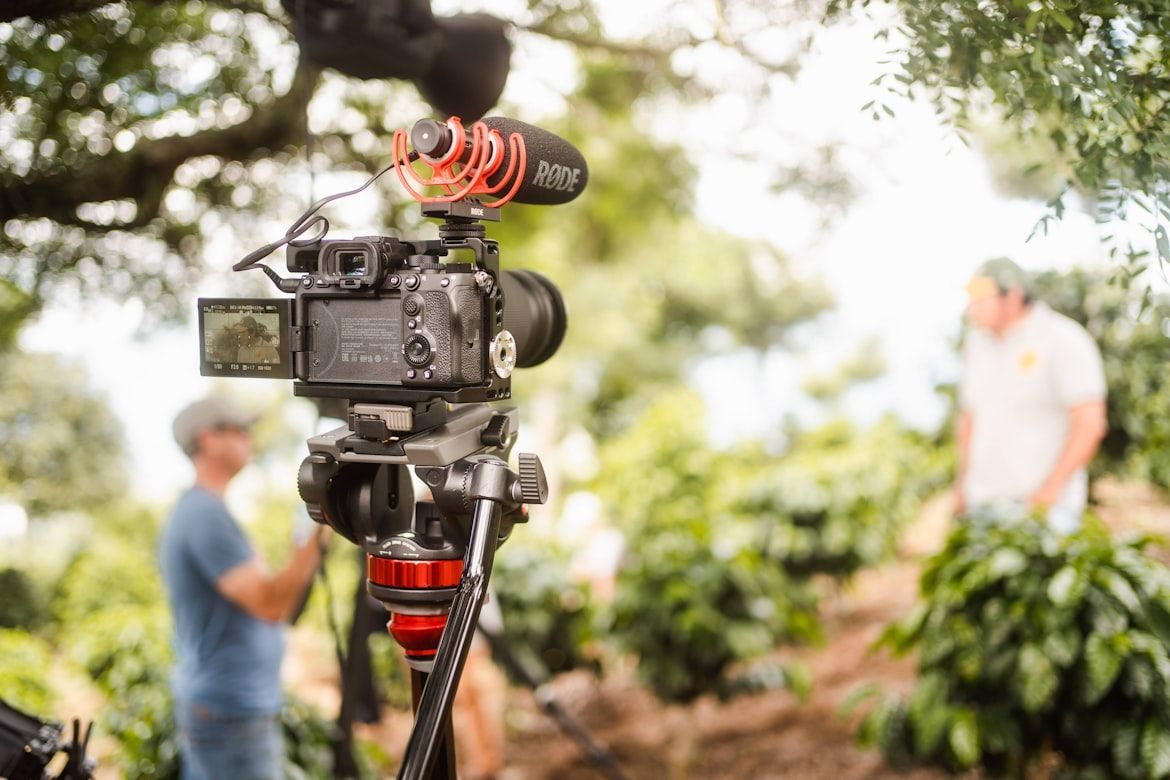 Image: Esteban Benites
If you have seen The Office, Parks and Recreation, or Spinal Tap, then you know what a mockumentary is: a movie or TV show filmed in the style of a documentary, but with fictional or humorous content. It combines "mock" and "documentary."
The term took off in the 1980s with examples of the genre, like the aforementioned Spinal Tap, and became more common in the 1990s, with some famous television shows.
Blog
 Image: Arnel Hasanovic
"Blog" is short for "web log," coined in the 1990s to describe online journals. Early bloggers shared personal thoughts and links in simple posts.
Since then, blogging has exploded into professional media, with blogs covering news, travel, fashion, and more. They remain a key form of online expression and influence.
Netiquette
 Image: Glenn Carstens-Peters
Netiquette is the blend of "internet" and "etiquette." It refers to the rules of polite and respectful online communication.
The word dates back to the early days of the internet, when online forums and emails were taking shape. It’s still relevant today as people navigate social media and digital spaces in a respectful manner.
Sitcom
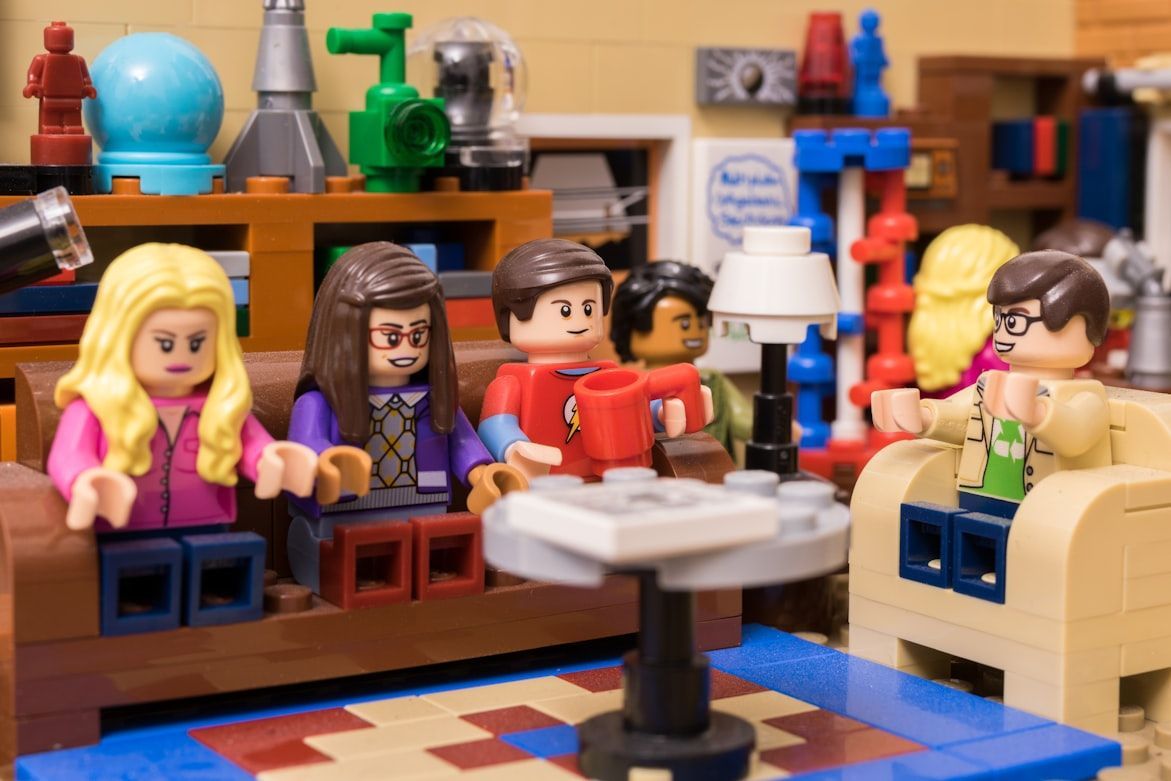 Image: Ben Griffiths
Sitcom stands for "situational comedy," a scripted TV format built around recurring characters in humorous scenarios.
Popularized in the 1950s, sitcoms like I Love Lucy and Cheers shaped American television. The style remains alive today in shows like Friends, The Big Bang Theory, and other current examples.
Glamping
 Image: A. C.
Glamping, a portmanteau of "glamorous" and "camping," describes outdoor stays with luxury comforts. Think tents with beds, electricity, or even Wi-Fi.
The word gained popularity in the 2000s as travelers sought unique, Instagram-worthy experiences. It bridges rustic adventure with modern convenience.
Podcast
 Image: Will Francis
Podcast merges "iPod" and "broadcast." Coined in the early 2000s, it referred to digital audio shows that were often downloaded to portable players.
Now, podcasts are a mainstream medium, covering every topic from true crime to education. Accessible via apps, they’ve become the radio of the internet age.
Cosplay
 Image: Kashawn Hernandez
The word cosplay is a portmanteau of "costume" and "play," originating in Japan in the 1980s. It refers to dressing as characters from comics, anime, or films.
The practice spread worldwide and is now a big part of fan conventions everywhere.
Mansplain
 Image: Vitaly Gariev
The term mansplain blends "man" and "explain." It refers to when a man explains something condescendingly, often to a woman.
The word gained traction in the late 2000s through blogs and social commentary. It’s widely used today in discussions about gender and communication.
Murse
 Image: Humble Lamb
Another man-themed portmanteau, murse comes from "man" and "purse." It playfully describes a handbag or satchel carried by men.
Though sometimes used jokingly, the term reflects shifting fashion norms. Today, stylish bags for men can be seen in many places.
Fanzine
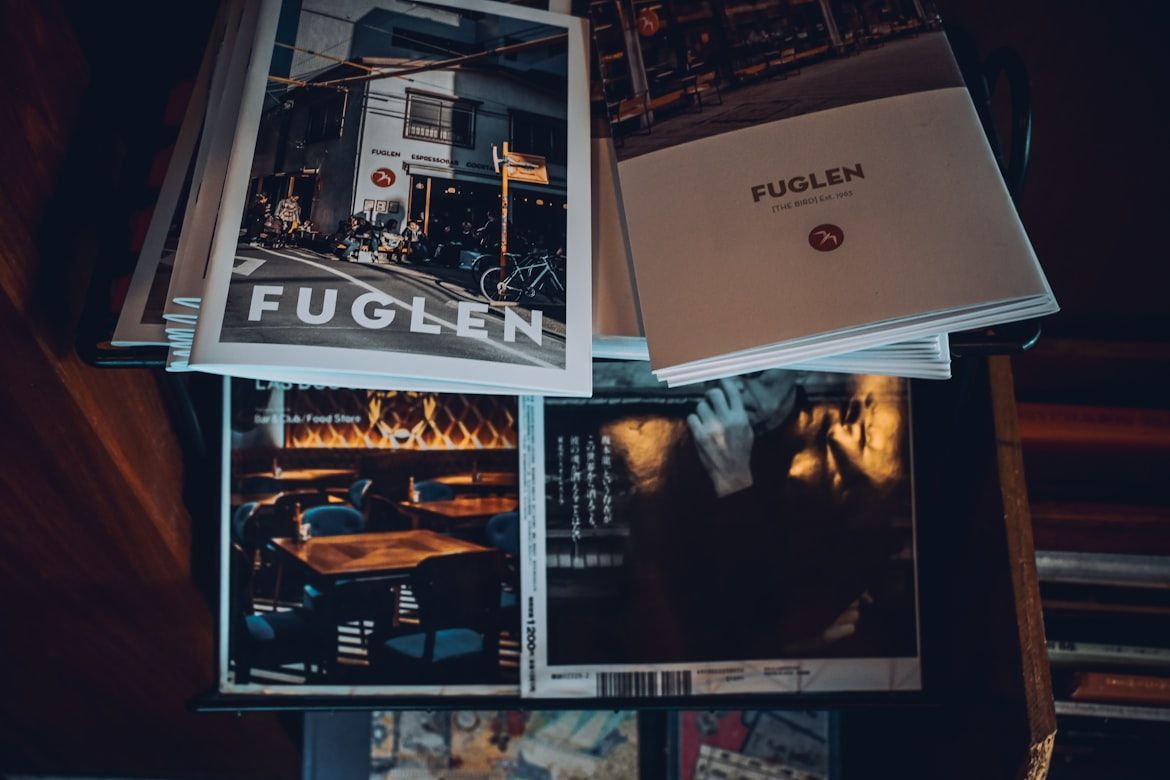 Image: wayne shang
A term that became popular during the 1980s, a fanzine combines "fan" and "magazine." It describes DIY publications created by enthusiasts, often about music, comics, or niche hobbies.
First appearing in the mid-20th century, fanzines let fans share ideas before the internet. They’ve since evolved online but still hold a cult appeal in print.
Chortle
 Image: Jamie Brown
Chortle, a blend of "chuckle" and "snort," was coined by the writer Lewis Carroll in his 1871 poem Jabberwocky. It means a joyful, snorting laugh.
The word caught on, entering dictionaries and everyday use. Today, "chortle" can still be read in many different environments as a description of the same action.
Frappuccino
 Image: Paul Einerhand
Frappuccino merges "frappé" and "cappuccino." Starbucks trademarked it in the 1990s for its blended coffee drinks.
The word now instantly conjures images of iced, creamy concoctions. It’s a marketing success story that made its way from a single company to virtually every coffee shop in the world.