Slang that changed with the times
You probably use at least one of these slang words. Which one is it?
Published on December 4, 2025
 Image: Nick Fewings
Every decade had its own way of talking. From flappers sipping "giggle water" to Gen Z spilling the "tea," slang has always captured the mood of the moment. Some phrases faded, others stuck around, and a few might just make a comeback. So let’s take a stroll through time and revisit the lingo that defined each generation. Who knows? You might find yourself saying "cowabunga" again by the end!
The 1920s: Giggle water and the heebie-jeebies
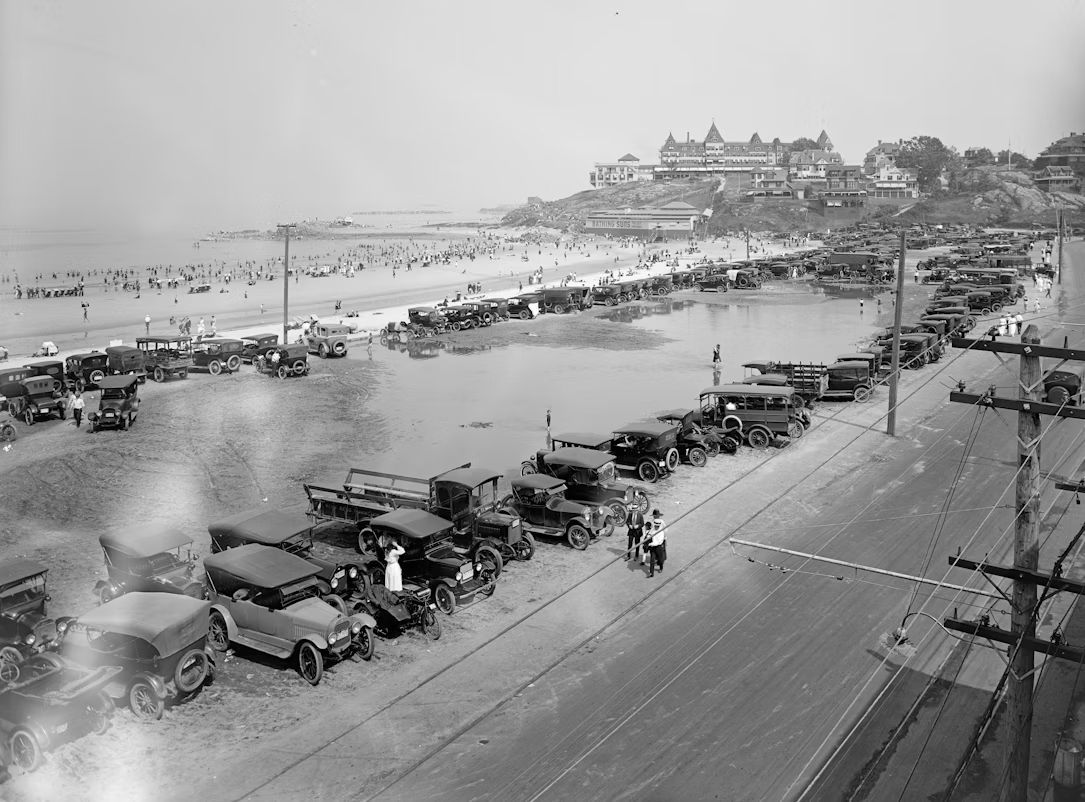 Image: Boston Public Library
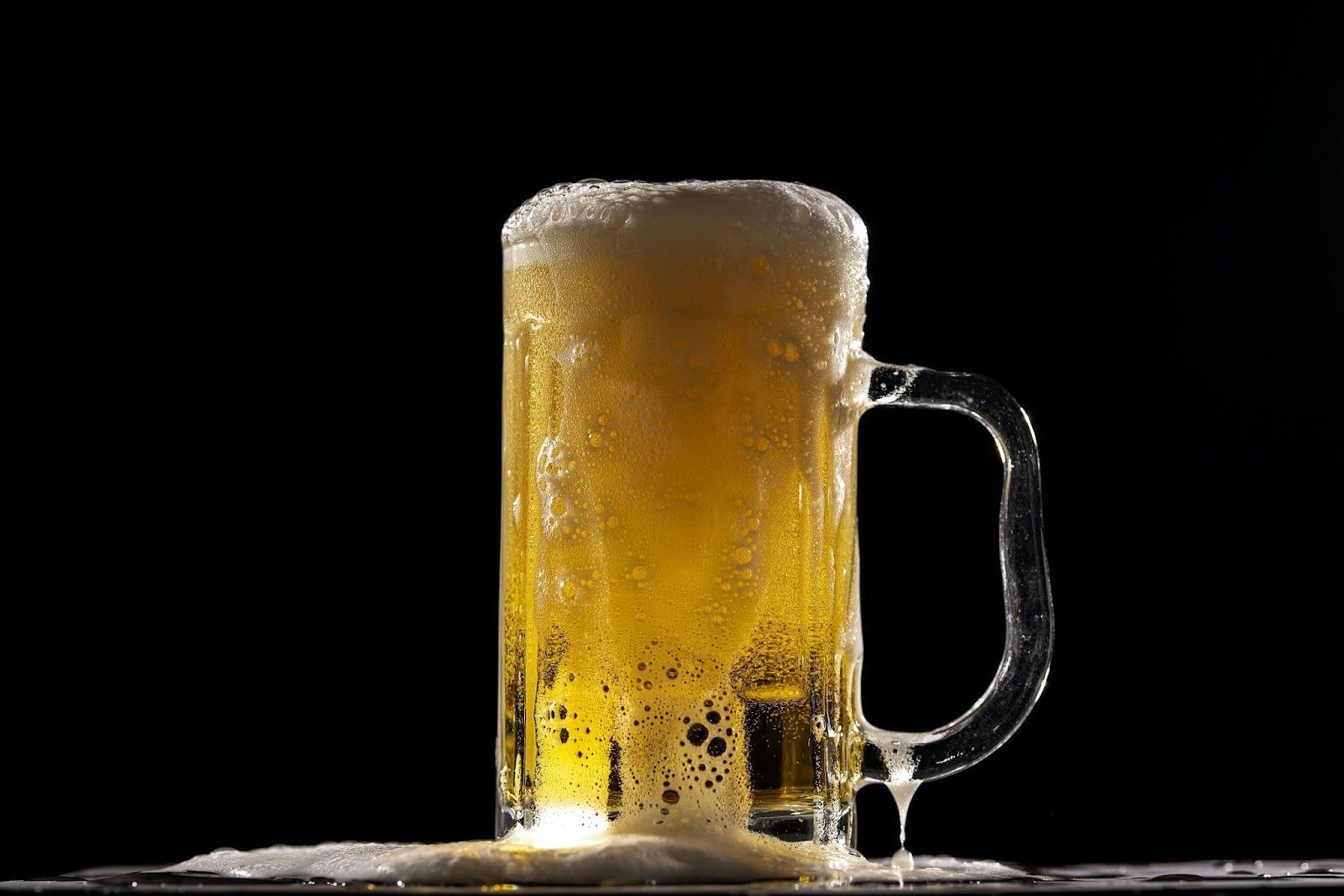
The Roaring Twenties weren’t just about jazz and flappers, they were a goldmine for slang. With the prohibition, people needed new ways to call the everyday things.
For example, when someone needed a drink, they'd grab some "giggle water" (aka booze). And if something gave them the creeps? That was the "heebie-jeebies." With Prohibition in full swing, nightlife went underground and the language got wildly creative..
The 1930s: Ritzy cats and radio sass
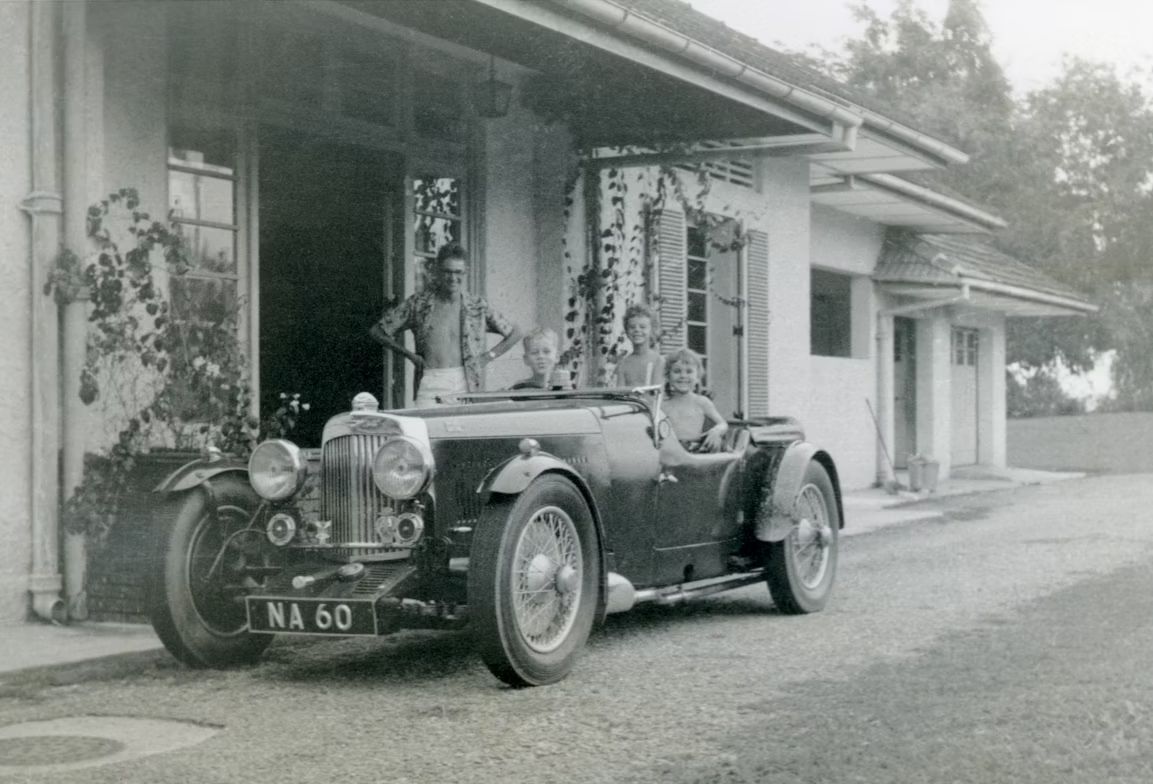 Image: Brett Jordan
The Great Depression may have hit hard, but Americans still found ways to have their fun and talk the talk.
Back then, a "cat" wasn’t your house pet; it was a cool, swing-loving person. Something elegant or flashy? That was "ritzy." Despite the tough times, slang added a touch of glamour to everyday life.
The 1940s: Bombshells and slick moves
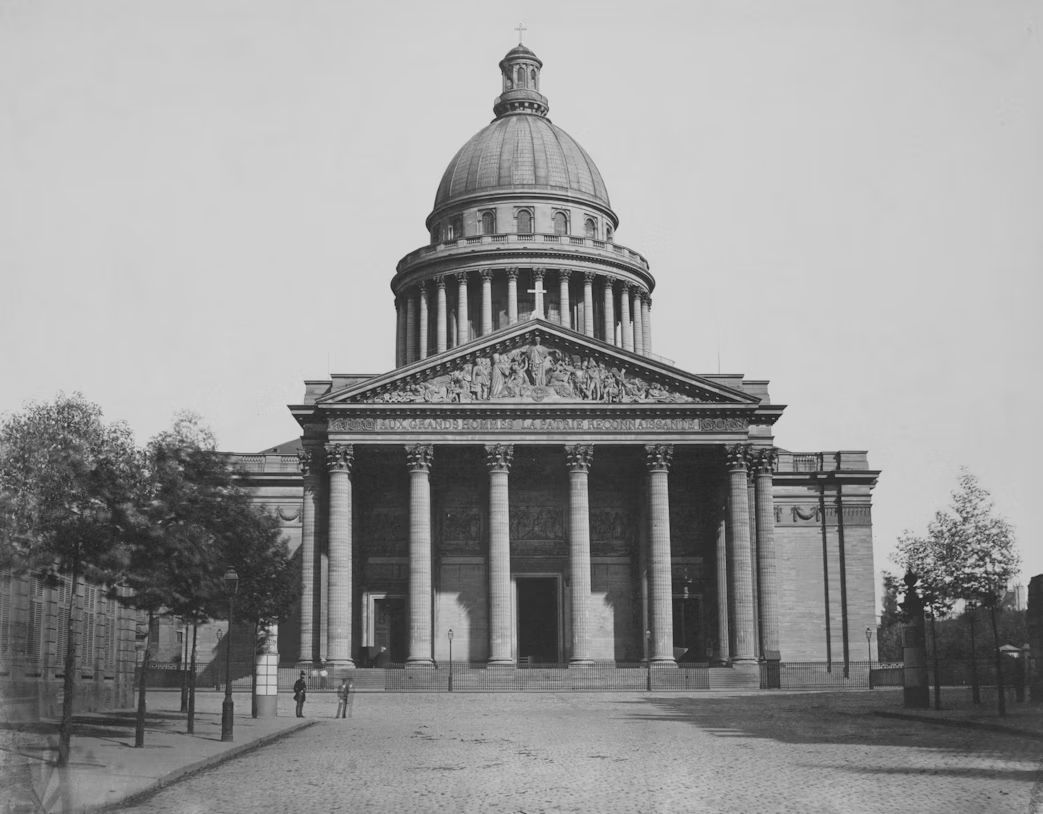 Image: The New York Public Library
World War II shaped everything in the ’40s, from fashion to film and yes, slang too. For example, a stunning woman was a "bombshell" (remember pin-up posters?), and if someone had charm or finesse, they were "slick."
This was a decade of heroes, hustle, and Hollywood glamour, where talk was tough but stylish. Slang from this time still turns heads, and honestly? Some of these words are still in use today.
The 1950s: Ankle-biters in Dullsville
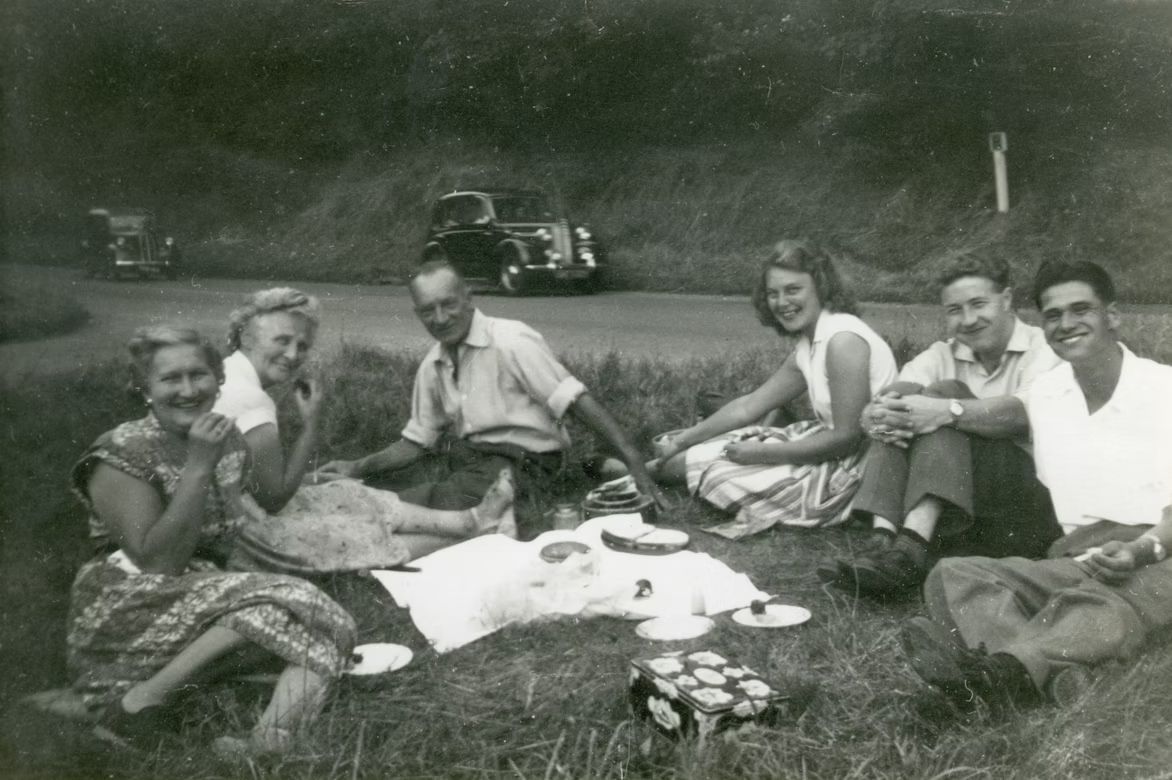 Image: Brett Jordan
The postwar boom brought shiny cars, drive-ins, and a new breed of teenager. If the kids were underfoot, you might call them "ankle-biters." And if the party was a snooze? Total "Dullsville."
The 1950s language reflected the optimism and suburban sprawl of the era, with just enough rebellion to keep things interesting. It was all milkshakes, jukeboxes, and just a little teen angst.
The 1960s: Hang loose and lay it on me
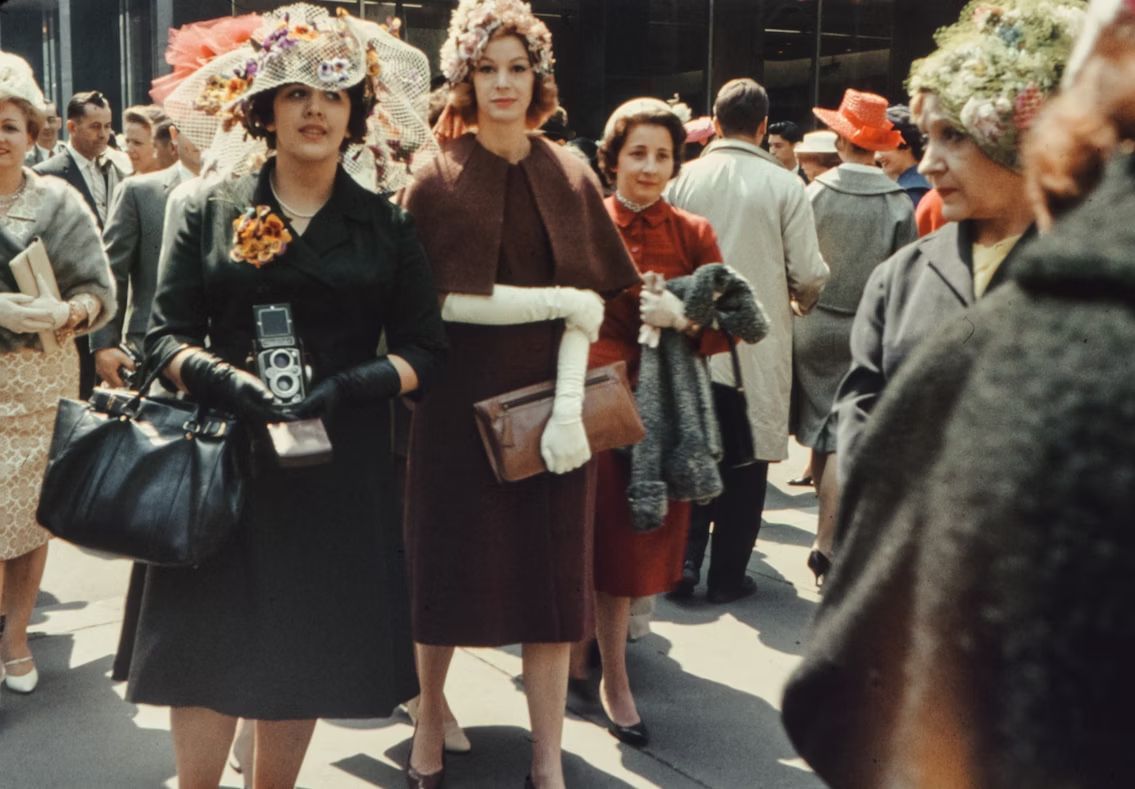 Image: Annie Spratt
The '60s were a whirlwind of change, civil rights, Vietnam, Woodstock… And the language was just as bold. If you wanted someone to relax, you could tell them to "hang loose." If you wanted to hear all about the juicy gossip, you said, "lay it on me."
Slang became a badge of youth culture and counterculture. Whether you were protesting or partying, the right phrase could say it all without saying too much.
The 1970s: Decked out and flipping sides
 Image: Eric Ward
Welcome to the land of disco balls and bell-bottoms. In the ’70s, if you looked sharp, you were "decked out." And if you were saying goodbye? "Catch you on the flip side."
This was a groovy era with laid-back vibes and just enough glitter to keep it funky. These are just a few examples!
The 1980s: Chill pills and cowabunga
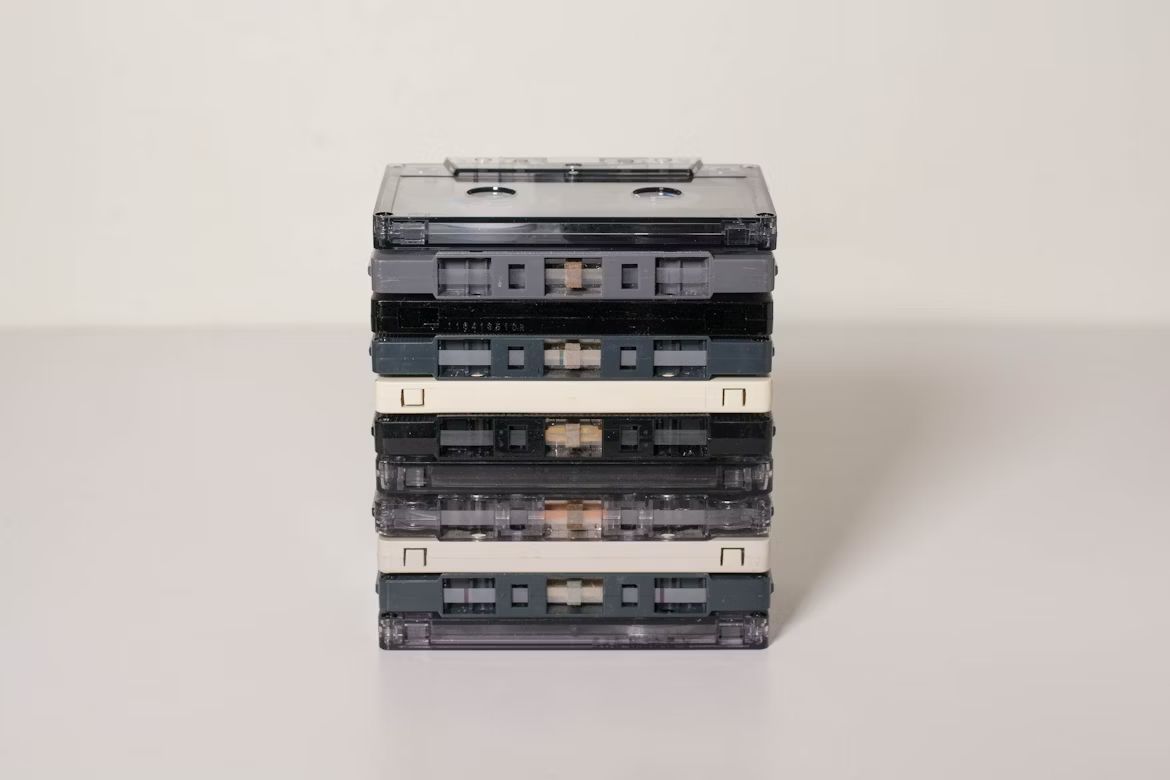 Image: Brian Kostiuk
Neon colors, arcade games, and Valley Girls? Yep, we’ve made it to the ’80s. If someone was getting too worked up, you told them to "take a chill pill." And if things were awesome? "Cowabunga!" (Ninja Turtles vibes, right?)
Slang from this era was so fun… The wave of pop culture, MTV, and outrageous fashion. Admit it: You still hear "like, totally" in your head sometimes.
The 1990s: My bad and da bomb
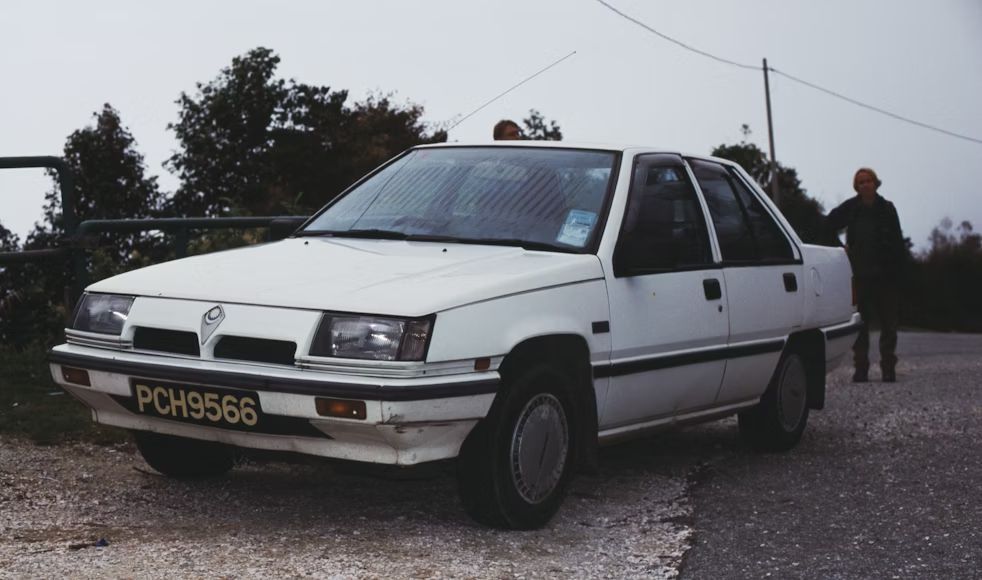 Image: Bernd 📷 Dittrich
The ’90s were a mix of dial-up tones and grunge rock, and the slang was laid-back with attitude. Messed up? Just say "my bad." Found something great? It was "da bomb."
This was the golden age of sitcoms, slap bracelets, and the first steps onto the internet. The lingo was casual, a little goofy, and perfect for a generation that loved irony with their flannel.
The 2000s: BFFs and chillaxing
 Image: Nik
Ah, the early 2000s… Back when phones flipped and everyone was choosing their "Top 8" on MySpace. Your "BFF" (best friend forever) was a must, and to wind down, you’d "chillax" (a combination of "chill" and "relax"). It was a mash-up era, and the slang followed suit. Y2K didn’t end the world, but it definitely changed how we talked.
The 2010s: Throwing shade and catching moods
 Image: freebie
With the rise of social media, everyone became fluent in internet speak. "Throw shade" meant giving someone a subtle (or not-so-subtle) dig, and "mood" was shorthand for anything you could relate to.
Emojis weren’t just extras, they were also part of the language. The 2010s gave us the meme culture, and with it, a whole new way of expressing ourselves in fewer words than ever.
The 2020s: Spilling tea and going extra
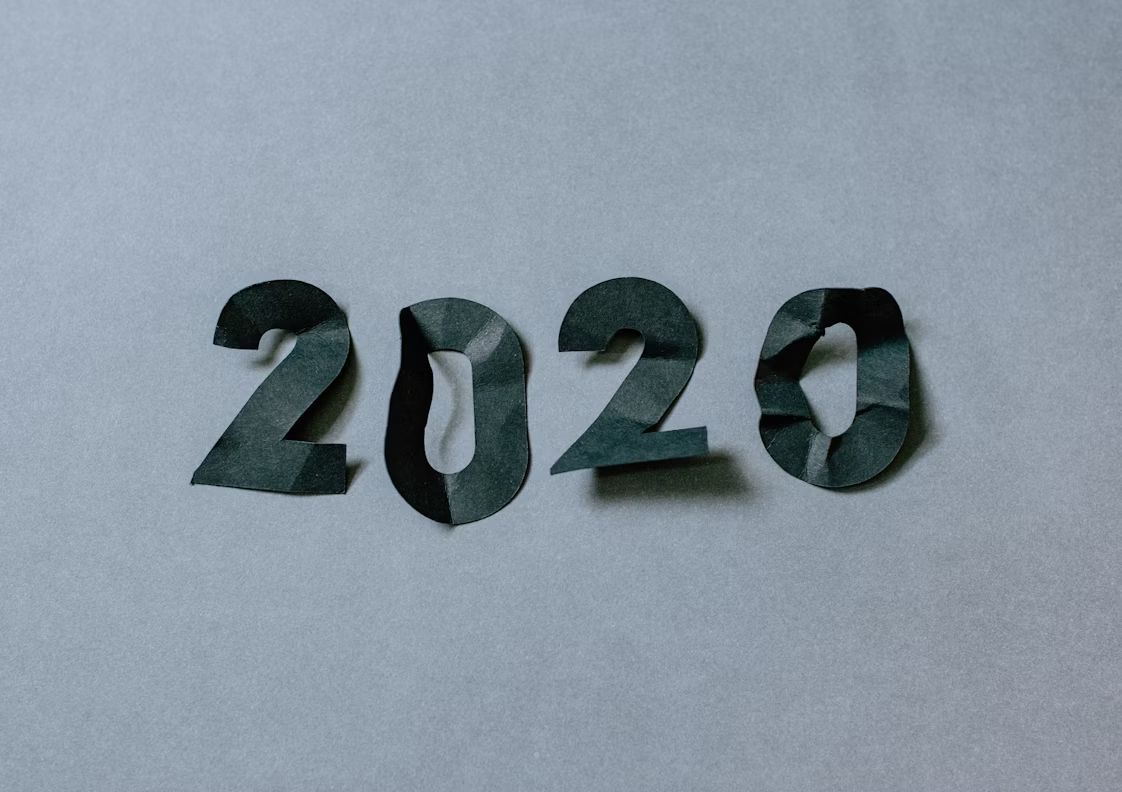 Image: Kelly Sikkema
We may only be partway through the 2020s, but Gen Z has already left its linguistic mark. If someone’s being dramatic, they’re "extra." And if there’s gossip to share? Time to "spill the tea."
The lingo is fast-moving, TikTok-powered, and always evolving. You don’t have to use it, but understanding it earns serious cool points with the grandkids.