You probably didn't know these 10 fruits and veggies are human inventions


Published on March 6, 2026
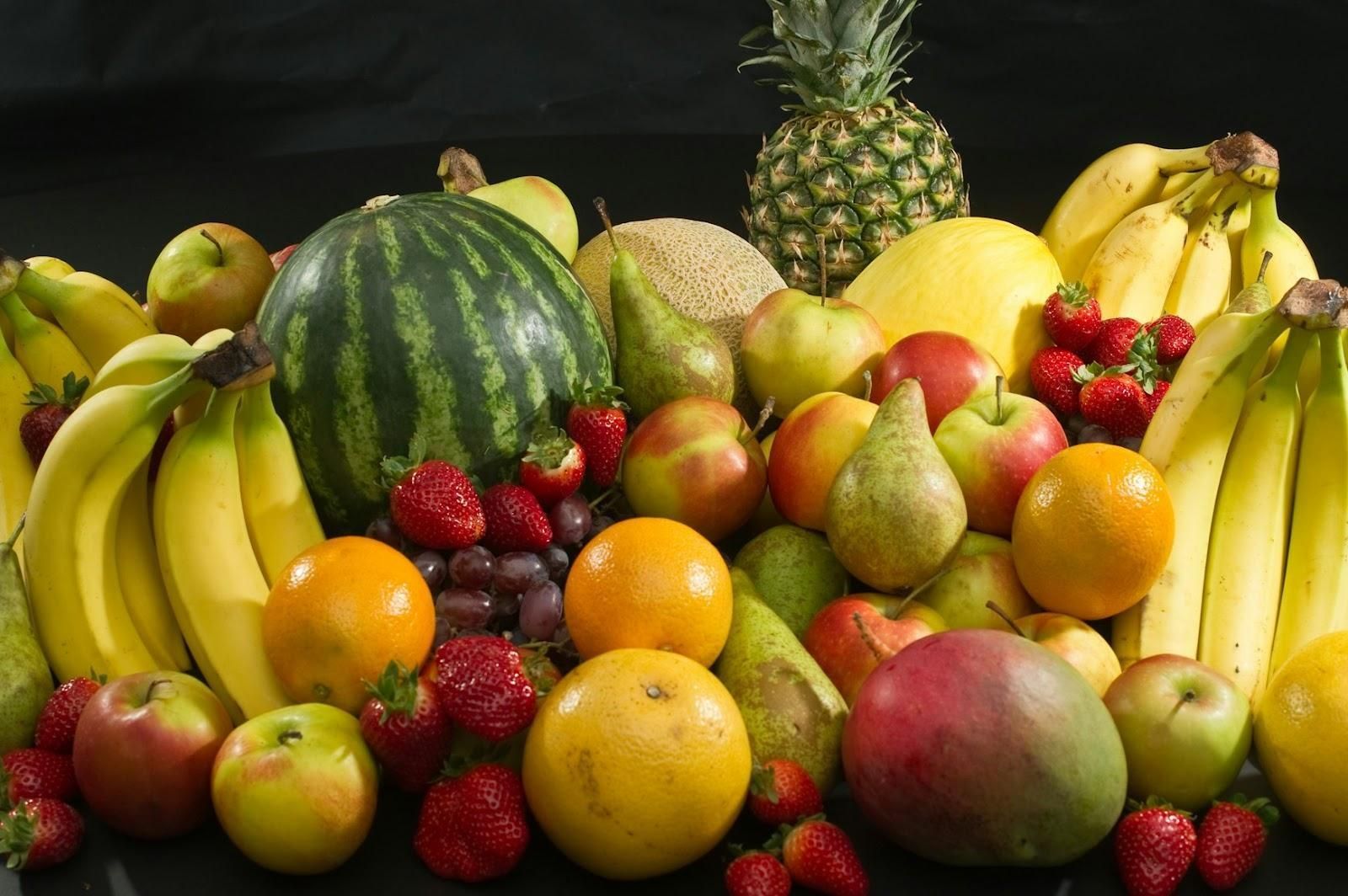

Image: Powell Rasull

Have you ever seen a wild tomato plant? Or, for example, have you ever found a watermelon lying around while hiking in nature? Probably not, and that's because many of the fruits and vegetables we eat every day are actually the result of human intervention. Long before microscopes or modern labs, early farmers patiently cultivated and domesticated wild plants, transforming them into the tasty, colorful, and juicy produce we are fortunate to enjoy today. If you would like to learn about the ancestors of your favorite fruits and vegetables, keep reading!

1

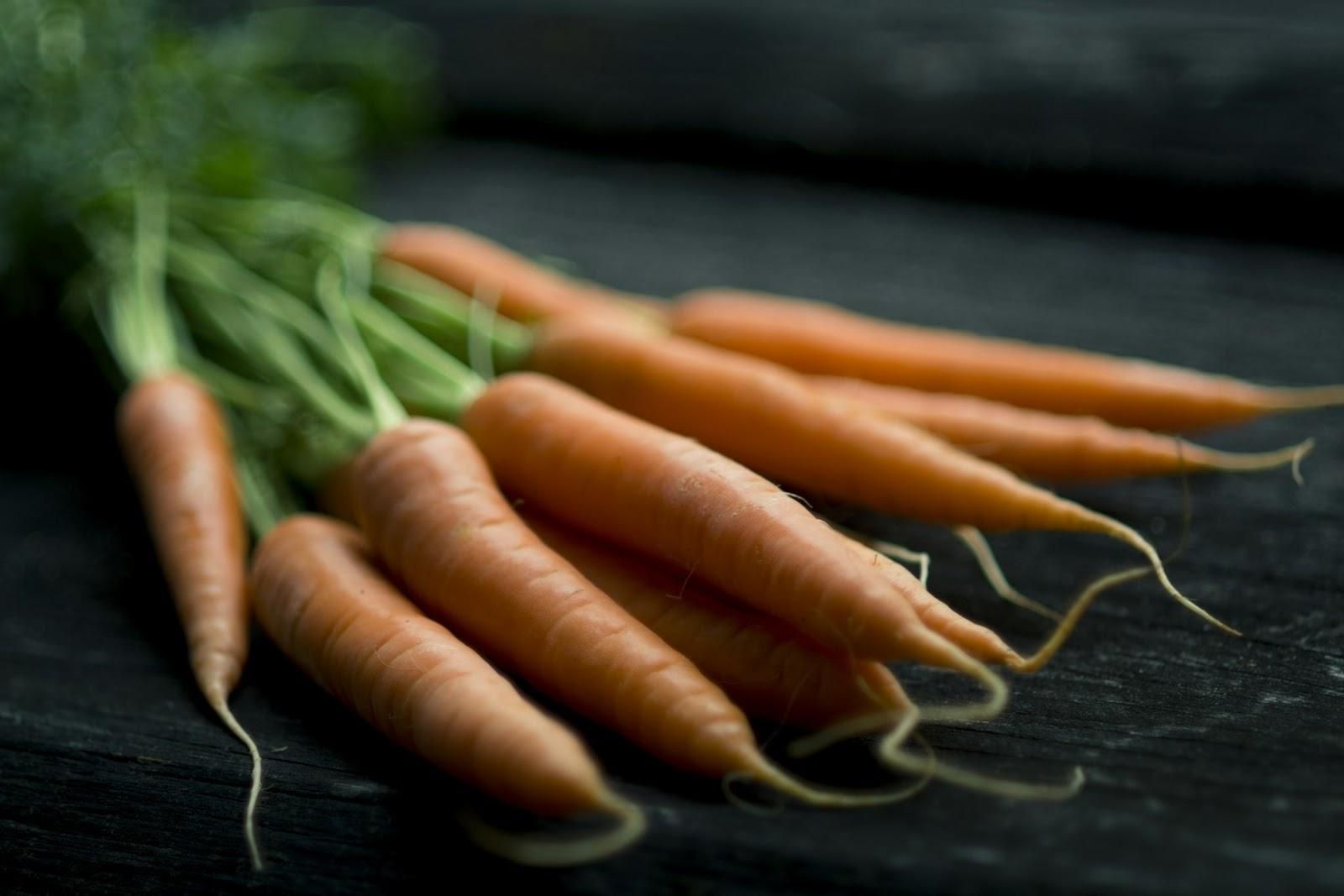
Carrot

Image: Jonathan Pielmayer

The carrot’s journey is less about sudden leaps and more about quiet persistence. Long ago, what grew underground was pale and stringy, closer to a wild weed than a vegetable. Farmers began to notice small differences—one root with a hint of sweetness, another with a faint wash of color—and held on to the seeds for the next season. After countless rounds of planting and patience, the root slowly changed shape and character. From those fragile beginnings came the crisp, orange carrots that now symbolize healthy eating around the world.

2

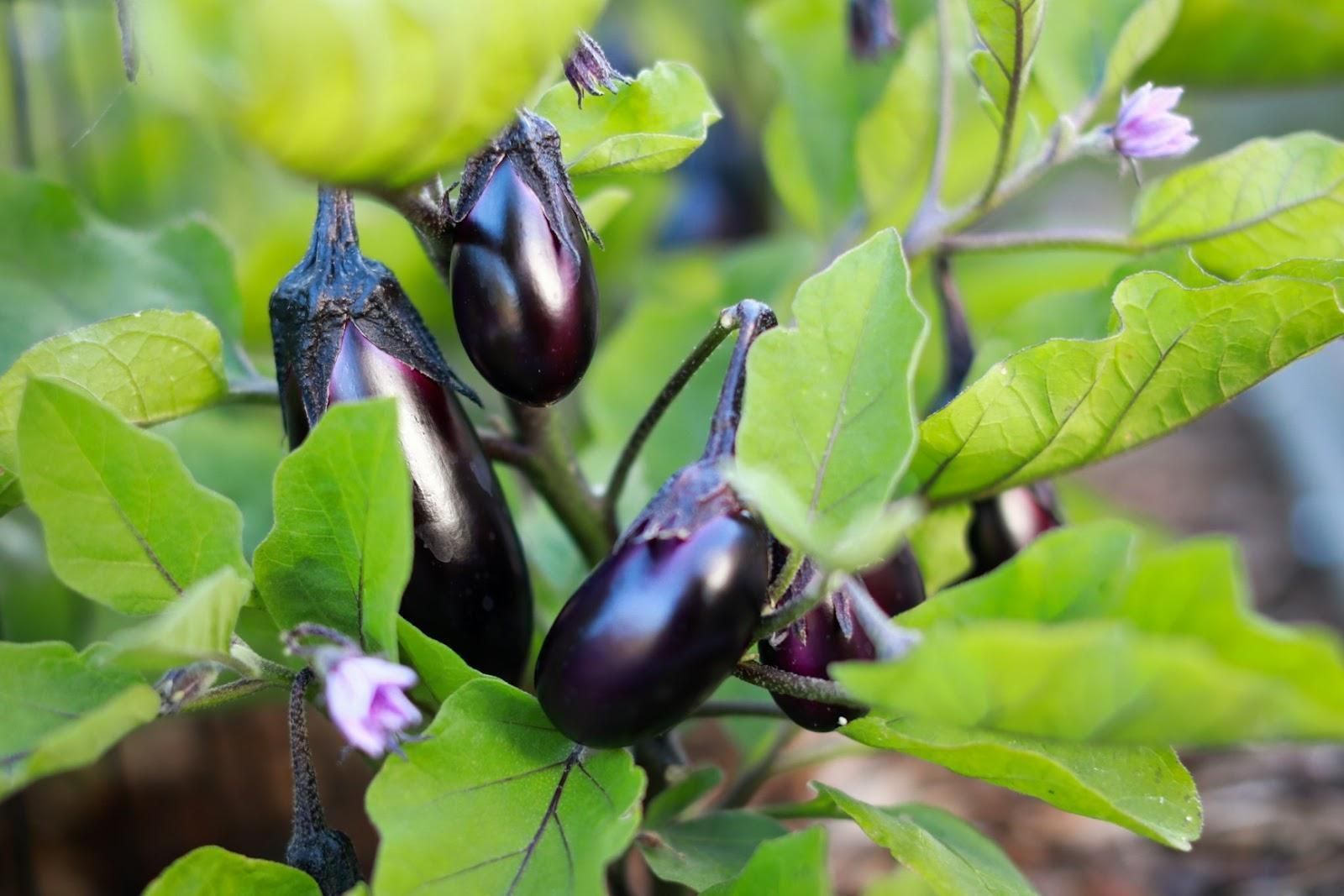
Eggplant

Image: Nina Luong

The name gives away its past. Early varieties of eggplant often looked like eggs—round, white, and sometimes speckled yellow. Others were squat and thorny, hardly inviting to harvest. As the plant traveled from India across Asia and into Europe, it evolved. Farmers in each region favored different traits, nudging its size, flavor, and color in new directions. Centuries later, the odd little fruits had been reinvented as the glossy purple globes that now fill market shelves, a far cry from their humble, egg-like beginnings.

3

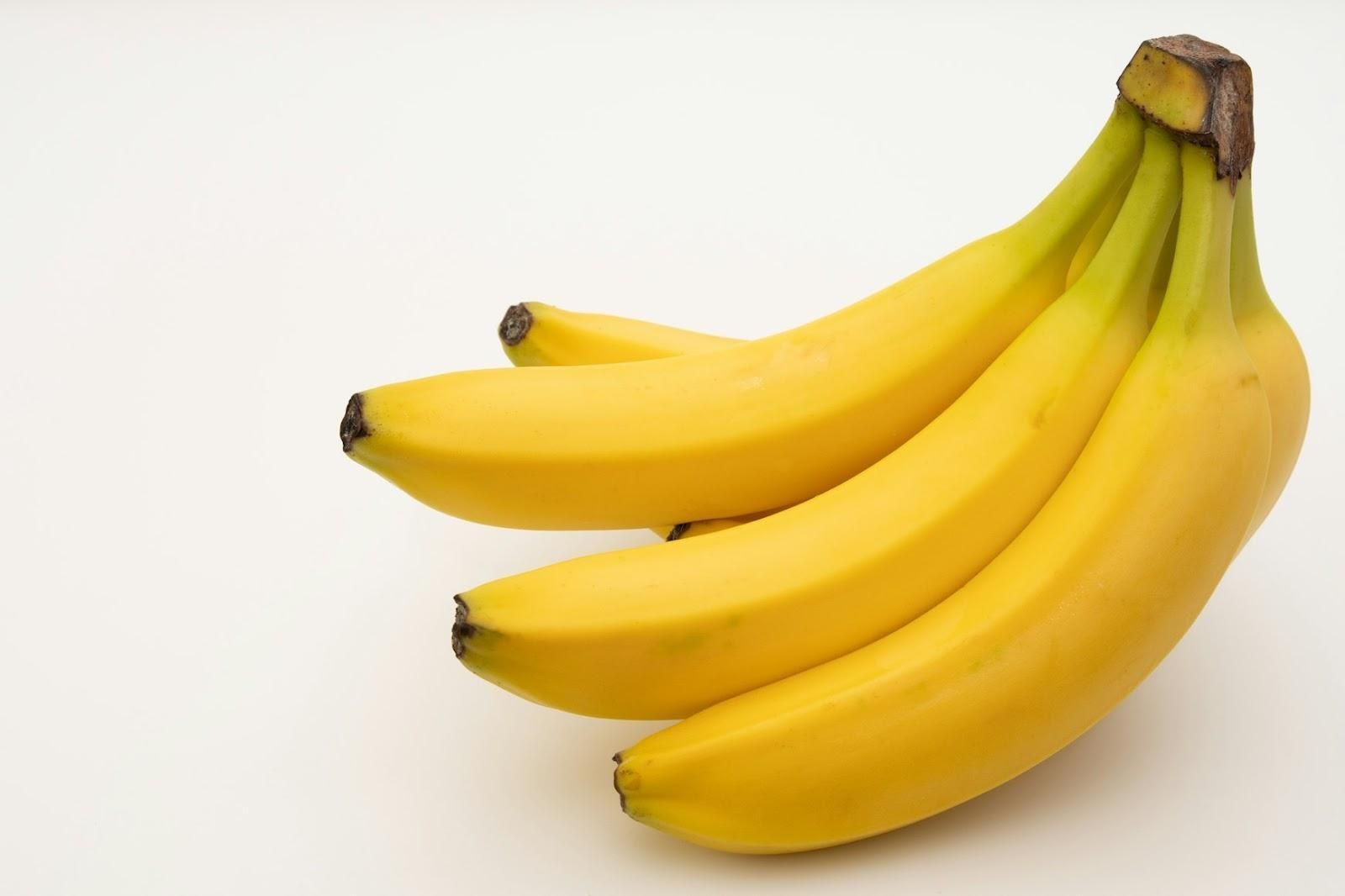
Banana

Image: Gabriel Mihalcea

Few crops show human intervention as clearly as the banana. Its wild ancestors were filled with large, stony seeds, making them far from snack-friendly. At some point, farmers stumbled upon rare hybrids that produced softer, sweeter fruit with fewer seeds. Instead of letting chance decide, they took control—propagating the plant by cuttings so its desirable traits could be preserved. That decision reshaped the banana forever. Today’s Cavendish, cloned endlessly from those early discoveries, feels less like an accident of nature and more like a fruit designed for our hands.

4

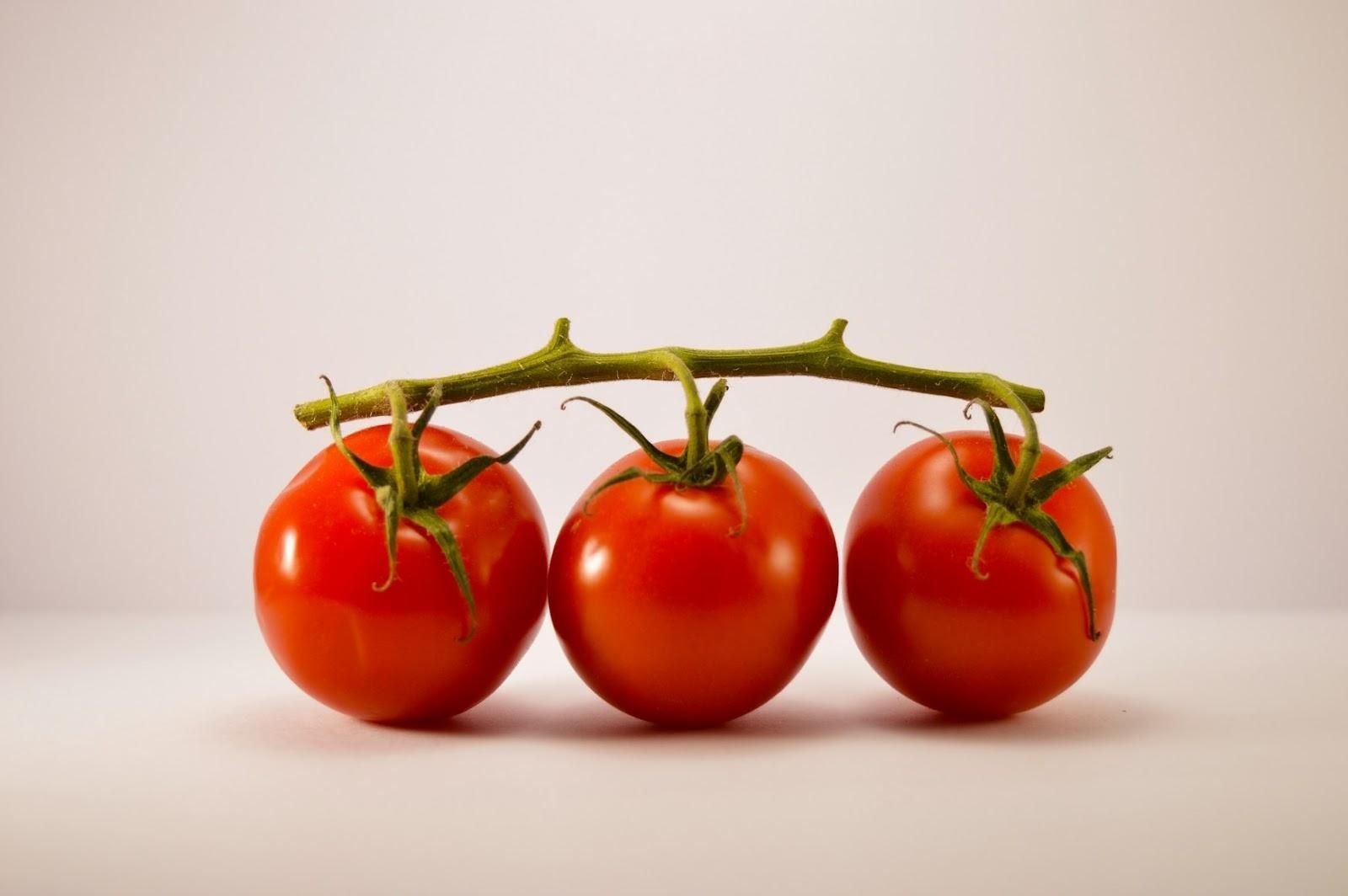
Tomato

Image: Alex Ghizila

Long before they became the stars of spaghetti sauce or the perfect partner for mozzarella, tomatoes were tiny things no larger than peas. In their wild state, they grew in South America as small, hard, sour fruits, usually yellow or green in color. Hardly resembling the juicy red fruits we pile onto burgers today. But farmers saw potential in those little berries. By saving and replanting the plumpest and tastiest ones, they gradually transformed the tomato into a whole family of varieties: from sweet little cherry tomatoes to the hefty beefsteaks that can fill an entire sandwich. Every slice we eat traces back to that humble, pea-sized ancestor.

5

Watermelon

Image: Daniel Dan

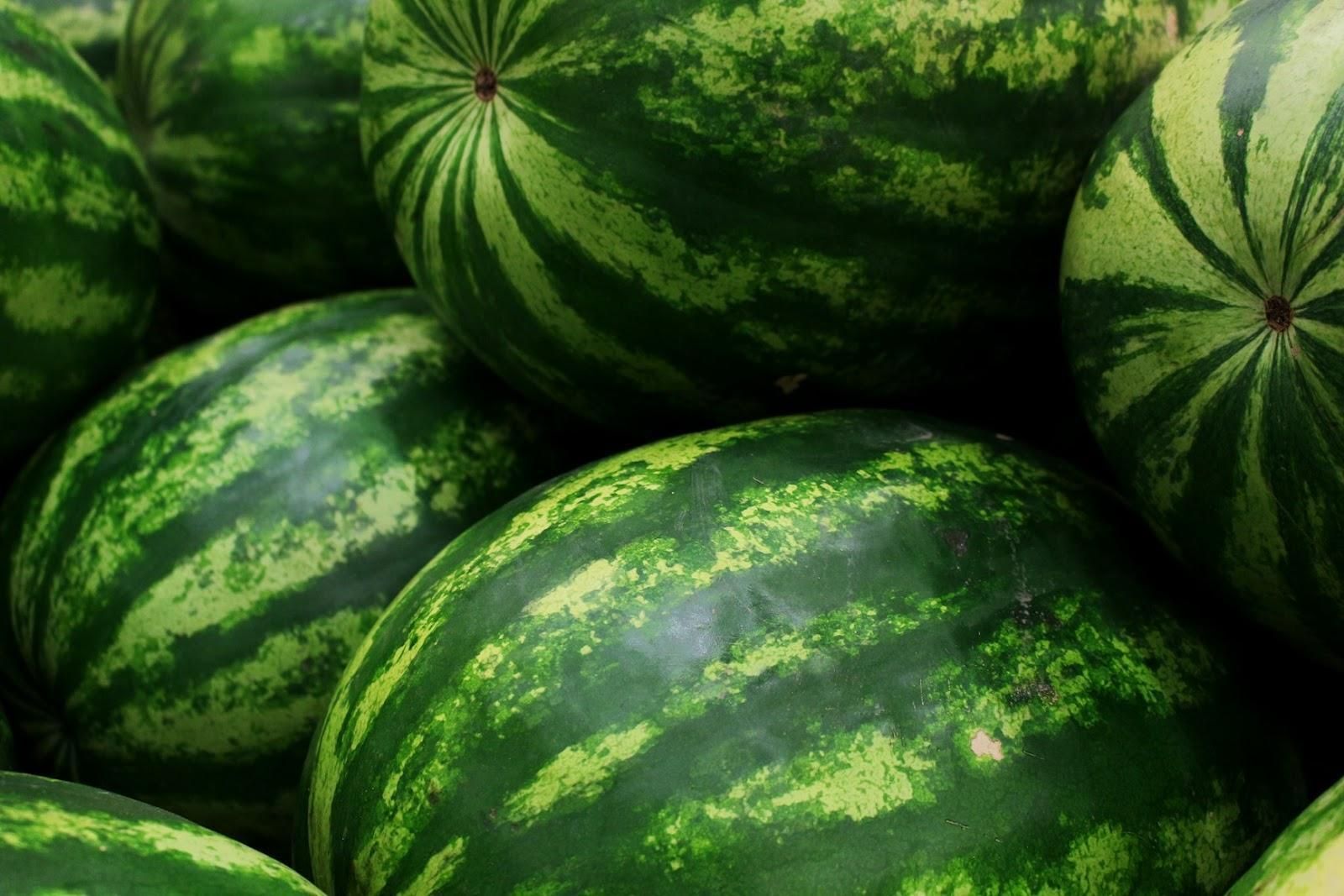
The first watermelons weren’t sweet at all. In the deserts of ancient Egypt, they were valued as natural canteens—hard, pale-green shells holding bitter but lifesaving water. For centuries, that was enough. Then farmers noticed that some fruits had a hint of sweetness. By saving those seeds, harvest after harvest, they slowly achieved a juicier, brighter flesh. Bitterness faded, red pulp emerged, and the survival fruit became a symbol of summer pleasure, shared in chilled slices at family tables and picnics.

6

Papaya

Image: Happy Surani

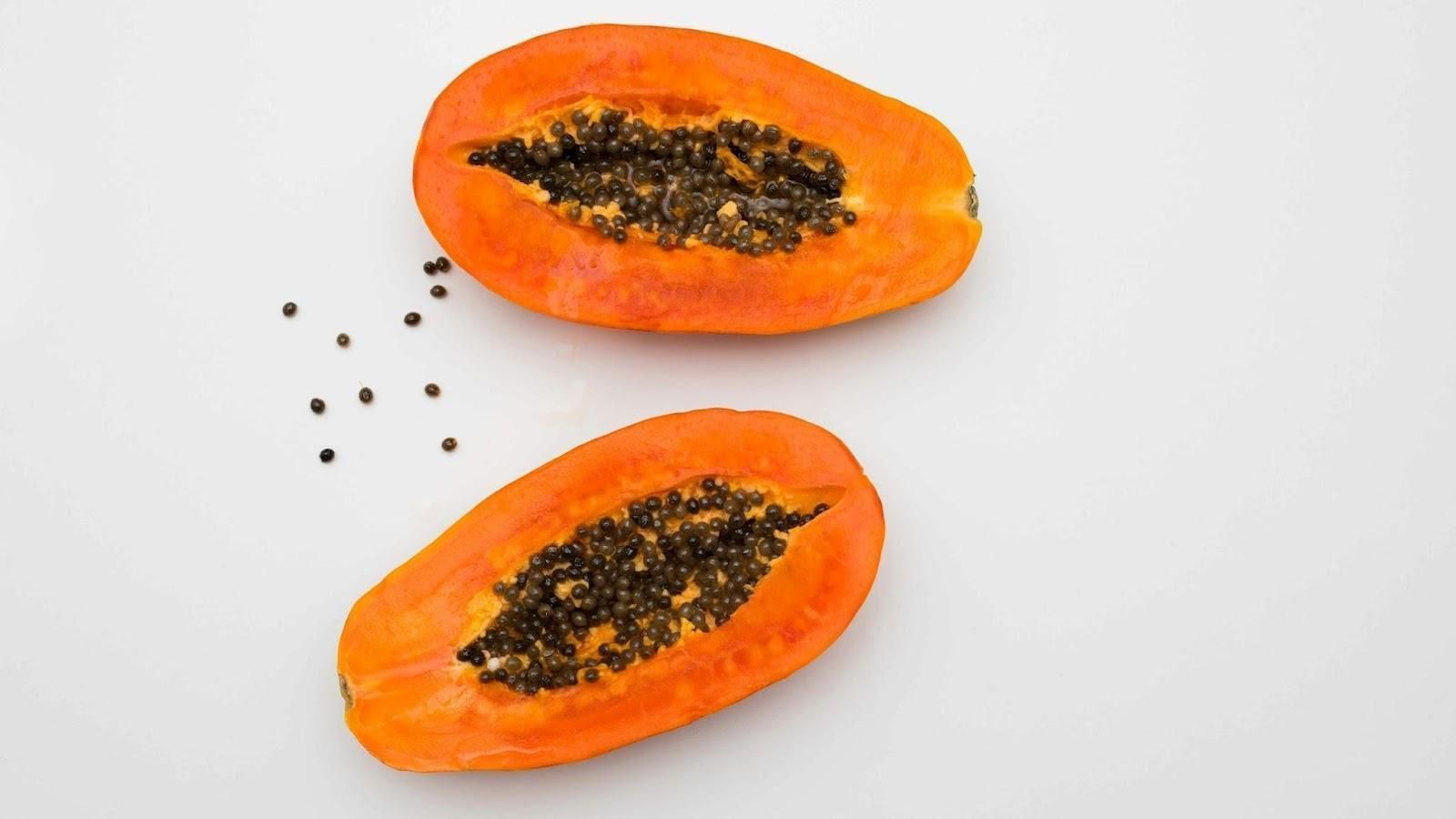
Papayas are great: big, hearty, sweet. But you might not believe what they were like centuries ago. Their story begins humbly, with berries no bigger than plums growing wild in the tropics. Around 4,000 years ago, the Maya civilization recognized their promise. Season after season, they saved seeds from plants that offered sweeter flesh and sturdier growth. Gently but surely, the fruit started to stretch beyond its original possibilities. What was once small and unremarkable became the luscious, generous, and golden-orange fruit we all love today.

7

Corn

Image: charlesdeluvio

The story of corn begins not with golden fields but with teosinte, a scraggly grass with finger-sized ears and just a few rock-hard kernels. By no means a feast, more like survival food. Yet early farmers in Central America saw promise. They saved seeds from plants with plumper grains, season after season. Over time, the ears lengthened, kernels softened, and the wild grass transformed. What began as meager and tough became modern corn: sweet, versatile, and so abundant that it now sustains people, animals, and industries worldwide.

8

Peach

Image: LuAnn Hunt

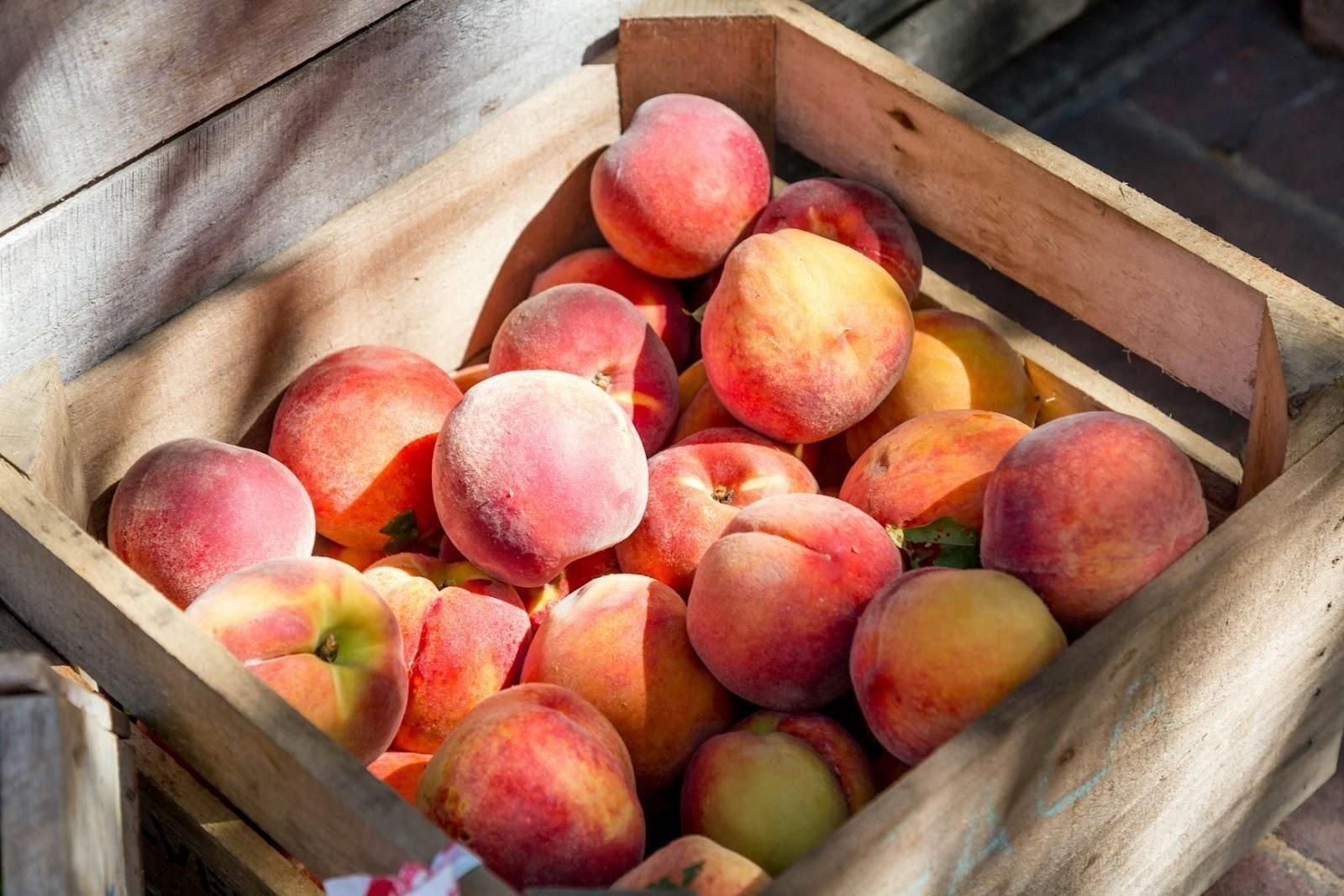
Peaches weren’t always the lush, blushing fruits we sink our teeth into today. In their earliest form, they were tiny—no bigger than cherries—with thick pits and only a whisper of edible flesh. But in ancient China, patient farmers looked past their modest size. They saved the trees that bore slightly sweeter, fuller fruit, slowly bending nature toward abundance. What emerged over centuries was a transformation so complete that peaches became almost unrecognizable: velvety skins, golden flesh, and juice that drips down your chin.

9

Avocado

Image: Thought Catalog

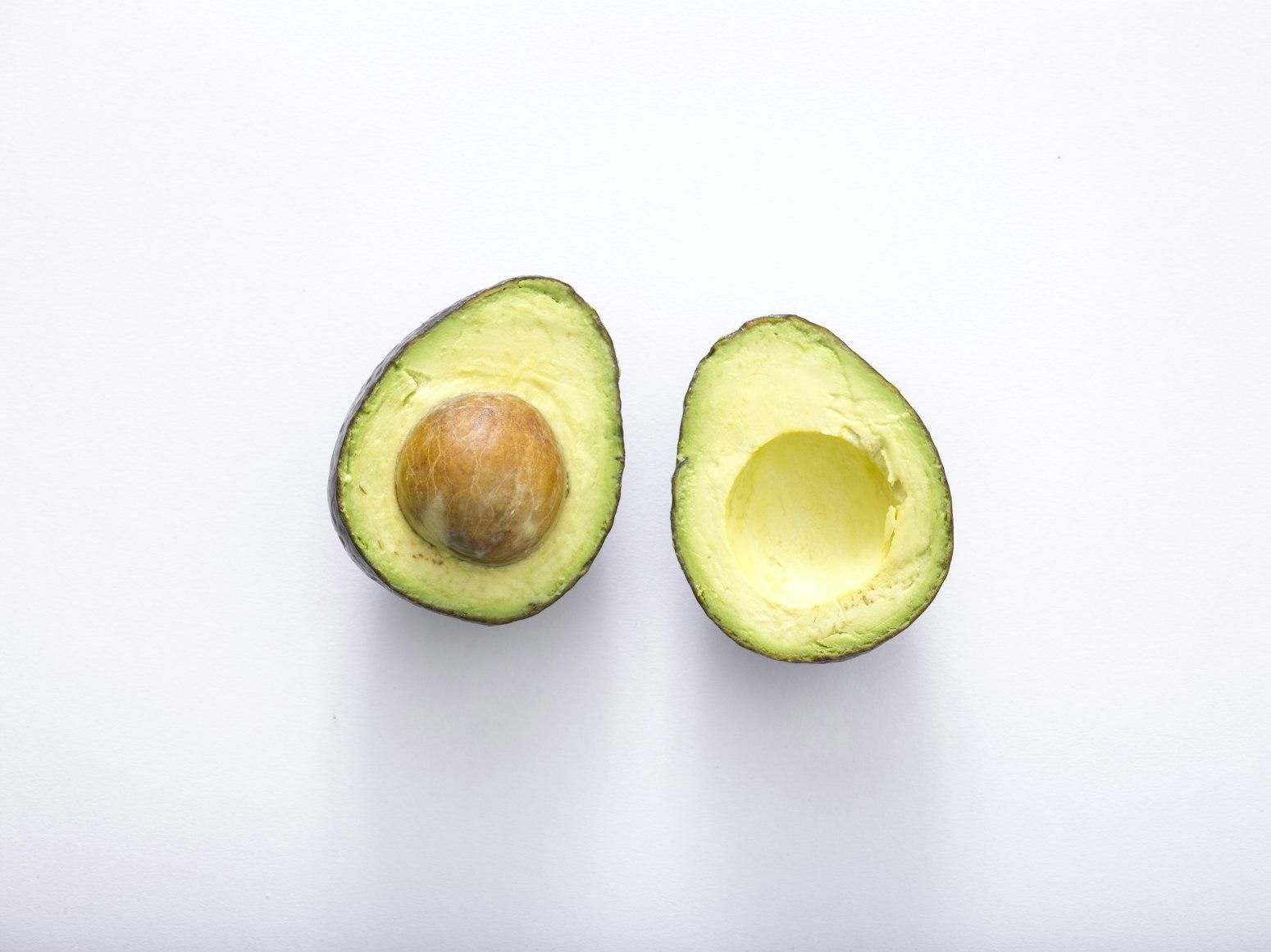
Avocados weren’t always bound to our kitchens and brunch plates. In fact, their very survival once depended on creatures that no longer walk the Earth. Millions of years ago, giant sloths and other prehistoric beasts gulped them down whole, massive seed and all, scattering future trees in their wake. When those colossal gardeners went extinct, the avocado seemed doomed. Yet humans noticed the fruit’s potential. By planting, tending, and selectively nurturing trees, they carried the species forward. Over time, those efforts smoothed out the avocado’s rough edges, turning a wild, fibrous oddity into the buttery green treasure we now mash, slice, and spread with delight.

10

Pumpkin

Image: Gabby Orcutt

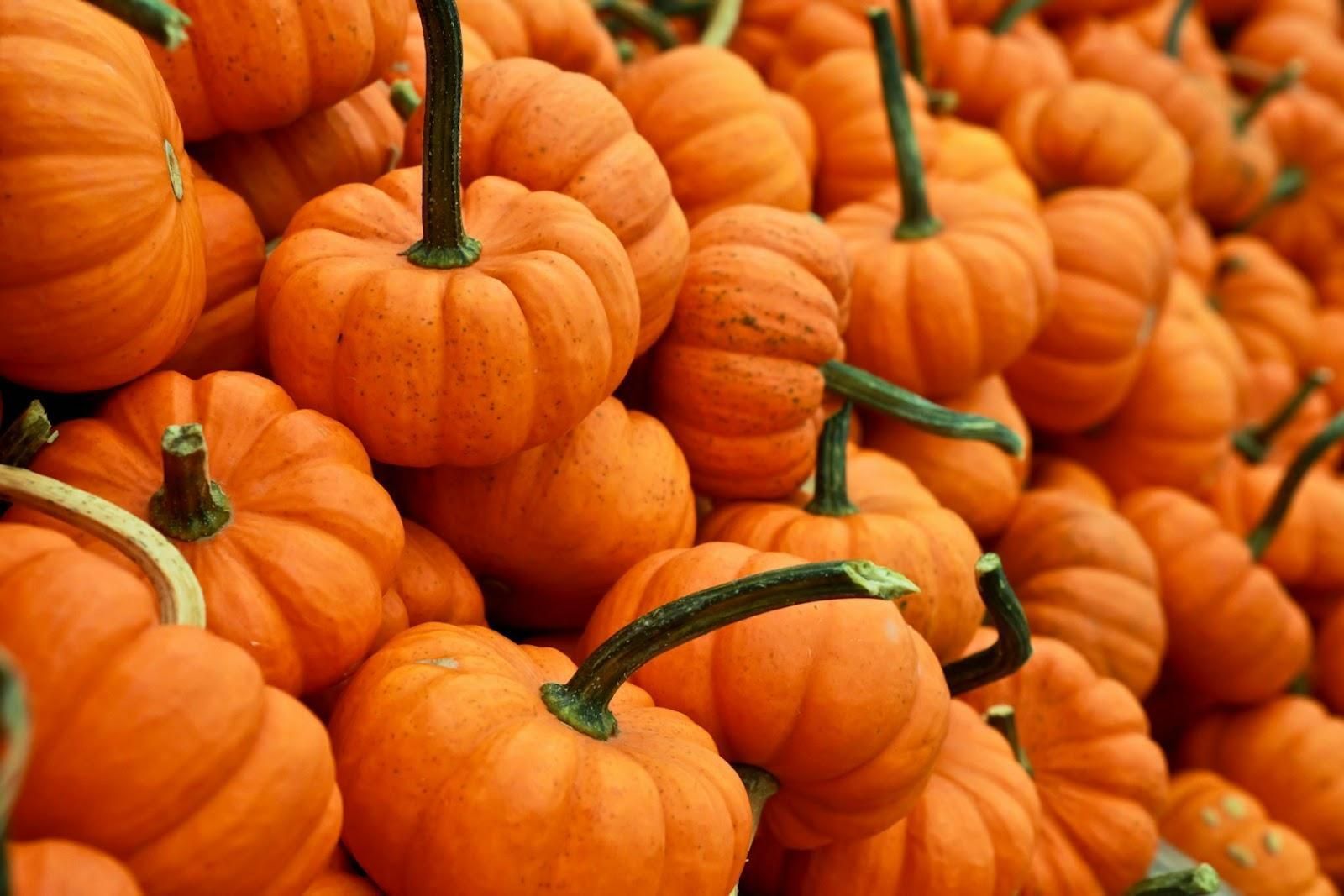
The first pumpkins were far from festive. Early farmers had to look beyond those small, bitter berries with thick skins to find something worth growing. Over generations of careful selection, they transformed green, largely inedible gourds into the versatile and tasty produce we enjoy today. And that’s not all! Pumpkins also became icons of harvest and tradition—carved, baked, and piled high as bright emblems of autumn.


Exploring unusual toponyms

Enjoy a ha-ha moment with the 10 funniest town names around the world


Published on March 6, 2026


Image: Pixabay

Do you see yourself visiting Accident or spending a few days skiing in Drama? How about a long weekend in Boring, or a nice vacation in Hell? Check out these 10 towns and cities with the most curious names in the world, including one impossible to pronounce and another, well, let's just say non-existent.

1

Accident, Maryland

Image: US government, Public domain, via Wikimedia Commons

Accident is a small town located in the plateau region of the Appalachian Mountains in Maryland. Two different accounts explain the curious name of this Garrett County town of less than 350 inhabitants. Both versions involve a man named Deakins and date back to the mid-18th century when the lands of the United States were open for settlement.

The more widespread story indicates that, after King George II of England granted Deakins 600 acres of his choice, he commissioned two groups of engineers to determine the best site. To his surprise, and "by accident", both selected the same plot of land. Accident was officially incorporated in 1916 and if you ever visit, you should know that any person from this town is called an "Accidental."

2

Saint-Louis-du-Ha! Ha!, Canada

Image: MTI

It may sound funny, but it's no joke. Saint-Louis-du-Ha! Ha!, a parish municipality of the Bas-Saint-Laurent region of Quebec, Canada, sits on a hill in the Appalachian Plateau, 400 meters above sea level. It was named in 1874 and in 2017 was granted the Guinness World Record for being the only city in the world with more than two exclamation points in its name.

The origin of the Ha! Ha! has been the subject of various interpretations. However, the Quebec Toponymy Commission solved the mystery. In reality, ha-ha is a French archaism that designates a dead end or an unexpected obstacle. In this case, the obstacle in question was Lake Témiscouata, which had to be crossed to reach the village. Time took care of distorting the word and granting us this peculiar toponym.

3

Frankenstein, Missouri

Image: Kenny Eliason

Contrary to what you might think, this town in northwestern Osage County, Missouri was not named after the famous monster created by Mary Shelley. It is believed that the origin of the name of this unincorporated community located just 12 miles from Jefferson City is a tribute to a pioneer citizen named Gottfried Franken who donated land in 1890 for the construction of a church.

At the time, the donated area was popularly known as Franken Hill, although a post office called Frankenstein was established in 1893. So, how did it end up being called that? One possible explanation may be related to the fact that many of the early settlers of Frankenstein came from the Westphalen area of Germany. The full toponym probably derives from the German stein, which in English means "rock."

4

Llanfairpwllgwyngyllgogerychwyrndrobwllllantysiliogogogoch, Wales

Image: manuzoli

No, it's not a computer error and you're not having a vision problem. Llanfairpwllgwyngyllgogerychwyrndrobwllllantysiliogogogoch is the full name of a village located on the island of Anglesey in Wales and is probably the weirdest name on this list. With 58 characters, this charming destination has the longest name in Europe and the second-longest one-word place name in the world.

It was given this name in 1869 for the sole purpose of attracting tourists. However, unless you are fluent in Welsh, it is unlikely that you’ll be able to pronounce it correctly; it is a real tongue twister! Translated to English, it means: "St Mary's Church in the Hollow of the White Hazel Near to the Rapid Whirlpool of Llantysilio of the Red Cave." But don't worry, you don't have to memorize it all, to make things easier the locals call it Llanfairpwll or Llanfair PG for short.

5

Nameless, Tennessee

Image: Yannik Mika

There is no consensus regarding the origin of the unusual name of this unincorporated community in Jackson County, Tennessee. As is always the case in these situations, there are a few rumors going around. One theory suggests that when residents applied for a post office they forgot to fill in the name field. The U.S. Post Office Department didn't give it a second thought and in 1866 just returned the application with "Nameless" stamped on the form.

In his book Blue Highways: A Journey Into America, travel writer William Least Heat-Moon offers another version. He recounts that the locals finally decided to call their town Nameless because they couldn't agree on a name: some suggested patriotic themes, others preferred something related to nature. Apparently, a fellow who was fed up with the discussion said: "This here's a nameless place if I ever seen one, so leave it be." And that's just what they did.

6

Hell, Norway

Image: Tollef Salemann, CC0, via Wikimedia Commons

"Welcome to hell," writes someone in the caption of their Instagram post of a selfie next to a blue sign. Although the name of this Norwegian village probably finds its origin in the word hellir, which means "cave" in Old Norse, travelers from all over the world love to take pictures of themselves at the Hell train station and make jokes like "See you in Hell," or "I have been to Hell and back."

The town of Hell is located in the province of Trøndelag, in the central part of the country, very close to the Trondheim Fjord and the Norwegian Sea coast. However, instead of fire and sulfur, this quiet town is home to cold temperatures and ice-covered streets. Yes, there's a place on Earth where hell freezes over!

7

Drama, Greece

Image: Panos Deligiannidis

Unlike the ancient Greek tragedies, in which Prometheus rebels against the gods and Oedipus kills his own father, the peaceful city of Drama surprisingly does not live up to its name. In fact, it was named after Hydrama —meaning "rich in water"—, a city with excellent water resources believed to have been in the same place in classical times.

Located in the Macedonian region of northeastern Greece, Drama is surrounded by green hills, breathtaking waterfalls, and miles of pristine nature to explore. The area is known for having the lowest temperatures in the country, which offers the unusual opportunity to ski on Mount Falakro, just an hour's drive away.

8

Kissing, Germany

Image: Dark Avenger at German Wikipedia, Public domain, via Wikimedia Commons

With a name like Kissing, you might expect this town to be full of loving couples walking hand in hand in the sunset. Located just outside of Augsburg, one of Germany's oldest cities, Kissing is home to beautiful small churches and large green spaces, perfect for romance and courtship. However, while it is true that it has a lot of charm, you don't have to be a romantic to enjoy this bucolic Bavarian village.

In fact, the first certain mention of this municipality goes back to the year 935 when it was called Chissingun. This toponym probably derives from the Old High German male name Kiso/Cisso. Fun fact: the surname Kissinger —as in Henry Kissinger— means inhabitant of Kissing. Did you know?

9

Boring, Oregon

Image: everett mcintire

Boring is anything but boring. This town in the state of Oregon does its best to get rid of that negative connotation and invites visitors to take funny pictures at the entrance sign. Not only that, in 2012 it was paired with the village of Dull, Scotland. Along with Bland, Australia, the three towns are informally —and humorously— called the "Trinity of Tedium."

The town of Boring, located in the foothills of the Cascade mountain range, is named after a former Civil War soldier named William Boring who donated land for the first school. But, as you might imagine, few pay attention to this little detail. As with the Norwegian town of Hell, all sorts of witty phrases come up. "I had fun in Boring, OR" is one of our favorites.

10

Batman, Turkey

Image: Clément Falize

Nameless places, accidents, monsters, the longest name: this list has it all. That's why we couldn't say goodbye without adding a superhero to the mix. In southeastern Turkey, there is a large city called Batman, home to almost 500,000 people. Although there is no link between the fictional character and this urbanization, the history of its name is full of curiosities.

Turkey's third-largest city actually got its current name a few years after artist Bob Kane and writer Bill Finger created the Dark Knight. This place, formerly called Iluh, changed its name in 1957, in homage to an eponymous river called Batman since the 19th century. And why is the river called that? There is a simple explanation: In Turkey and Persia, a batman is an ancient unit of measure.

Looking for an extra scoop of literary fun?

Learn more with our Word of the day

alter

/ˈɔltər/