Oops! Let’s keep it that way
You only say "OK" because of a joke from the 1800s
Published on December 23, 2025
 Image: Lucian Alexe
Some words we use daily weren’t born from deliberate invention—they were flukes and accidents. All kinds of typos, mishearings, and bungled translations gave rise to many terms that stuck until today. Find out which 10 words exist only because someone made a mistake—and didn’t fix it.
Quiz
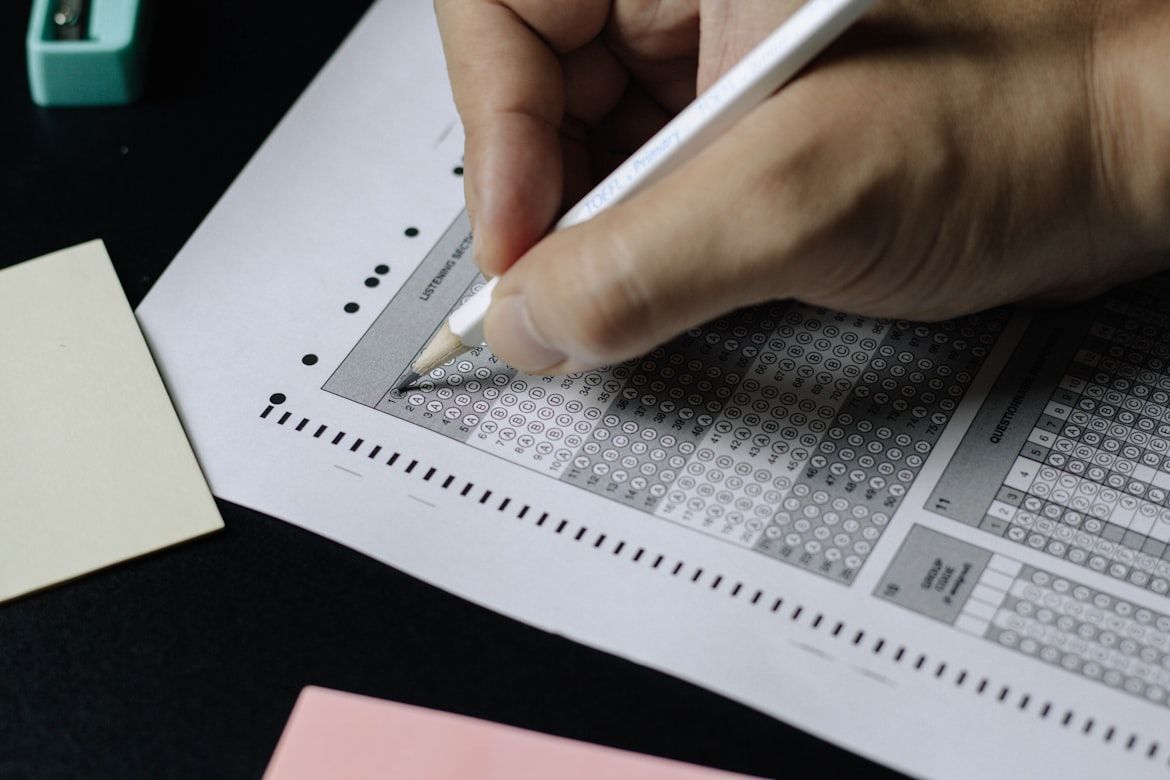 Image: Nguyen Dang Hoang Nhu
In 1791, Richard Daly made a bet that he could create a word in 48 hours. He spread "quiz" through graffiti across town, and soon everyone was talking about the mysterious word.
Initially, it meant an odd fellow or joker before evolving into its modern meaning. Not all etymologists agree with this origin story, but there aren’t many contenders either.
Nylon
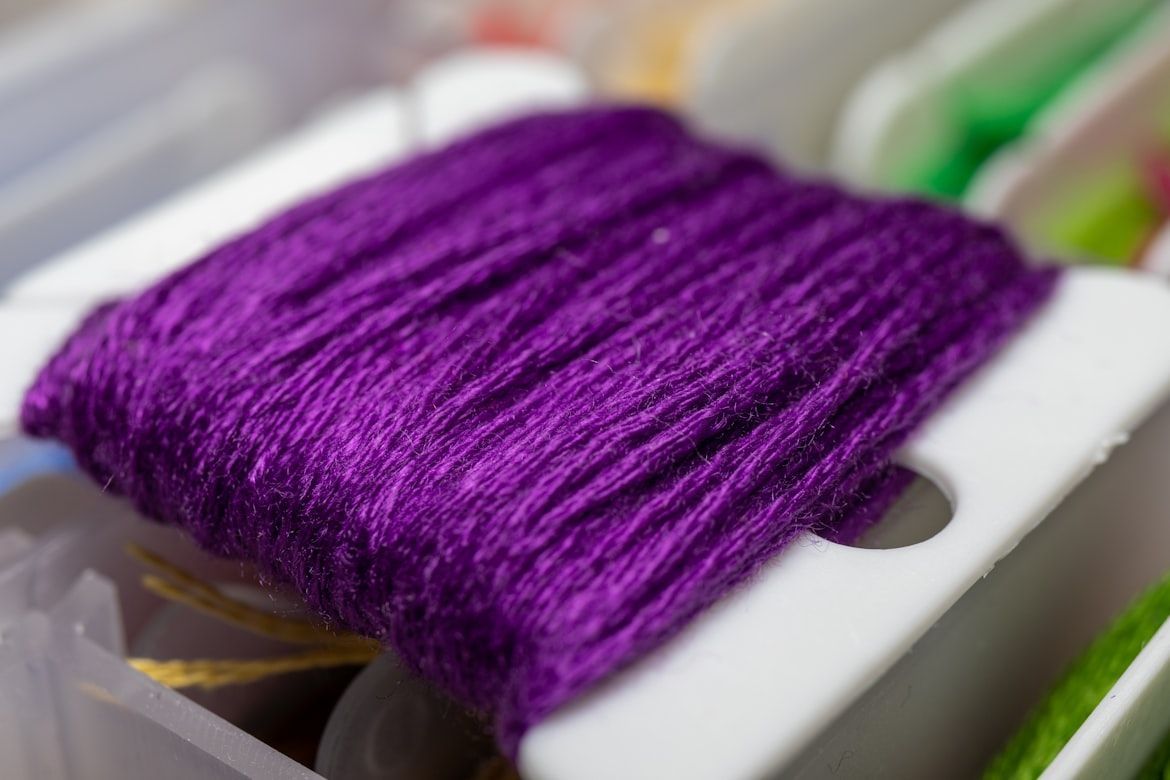 Image: Andrew Dawes
Nylon’s name came from an attempt to call it "No-Run" (suggesting stockings wouldn’t tear), but DuPont couldn’t trademark common words, so they tweaked the letters.
Today, it’s one of the most common synthetic fibers in the world.
Spam
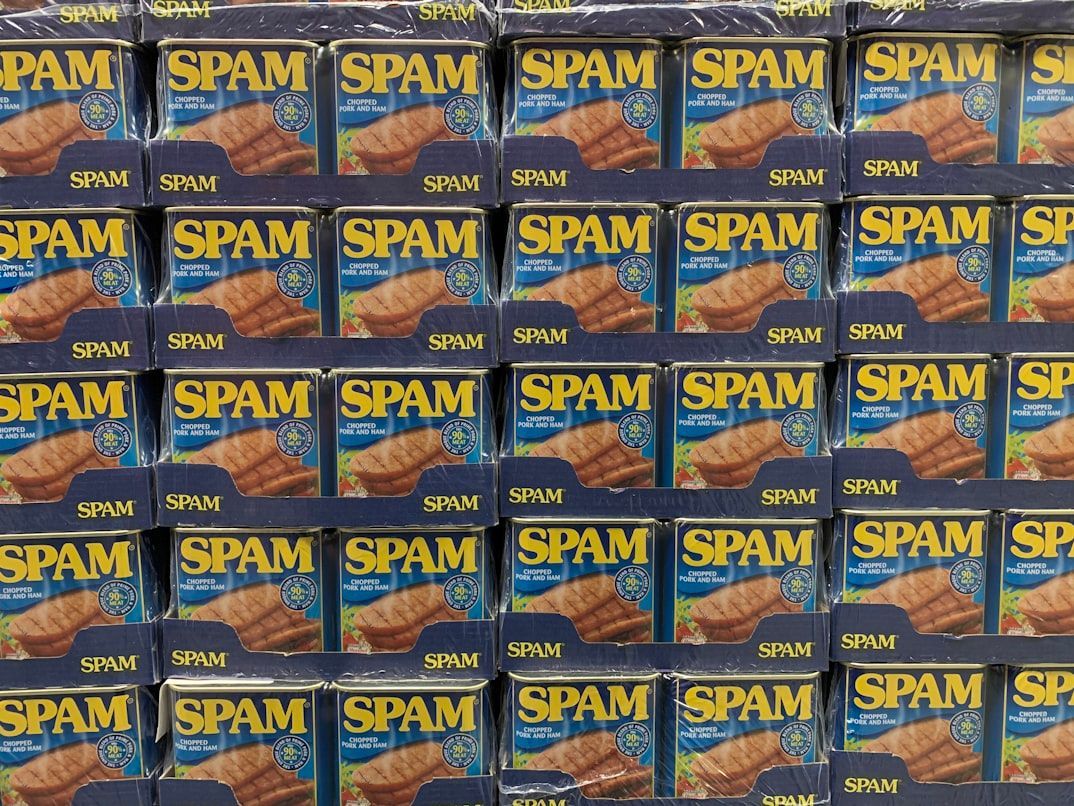 Image: Hannes Johnson
The canned meat got its name from a random suggestion during a brainstorming session, possibly short for "spiced ham."
While its origins are a bit fuzzy, the name stuck. Ironically, it later became slang for unwanted email, thanks to a Monty Python skit.
OK
 Image: Slavcho Malezan
Newspapers in Boston and New York loved jokey abbreviations. "OK" was one of them, perhaps stemming from a joke misspelling of "all correct" as "oll korrect," a humorous fad in the 1830s.
The word became so popular that it entered multiple languages as a global signal of agreement or approval.
Cab
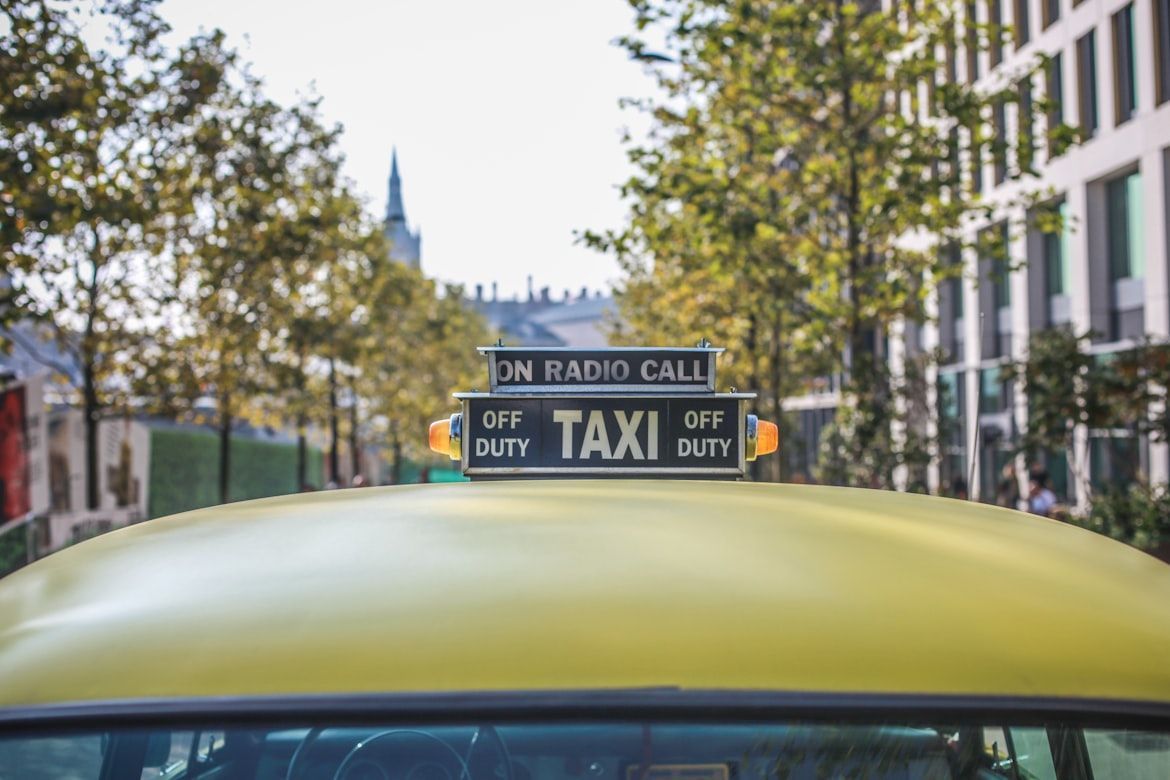 Image: Clem Onojeghuo
The term "cab" for a taxi came from "cabriolet," a French word for a light horse-drawn carriage, shortened by English speakers who mispronounced it.
By the time motorized taxis arrived, "cab" was already shorthand for a vehicle-for-hire. The name stuck even though the original meaning faded.
Dandelion
 Image: Saad Chaudhry
"Dandelion" comes from French **dent de lion**—"lion’s tooth"—but the word was altered in English over time.
As it passed from Old French to Middle English, pronunciation shifted and spelling changed.
Gunk
 Image: Towfiqu barbhuiya
Ironically, "gunk" was originally a brand name for a degreasing product, but people used it generically, and the definition morphed over time.
By the mid-20th century, "gunk" meant any unpleasant mess—one of many cases of a brand losing its name to everyday language.
Robot
 Image: Emilipothèse
"Robot" entered English via a 1920 Czech play, where the word robota meant forced labor.
The play itself was a critique of mechanization and the ways it can dehumanize people, but the word stuck as a shorthand for any kind of mechanical being.
Galore
 Image: Amador Loureiro
"Galore" came from the Gaelic expression go leor, meaning "plenty," but was misread as a single English word.
It entered English in the 17th century via Irish immigrants. Rather than translate it, writers took the phrase at face value.
Groom
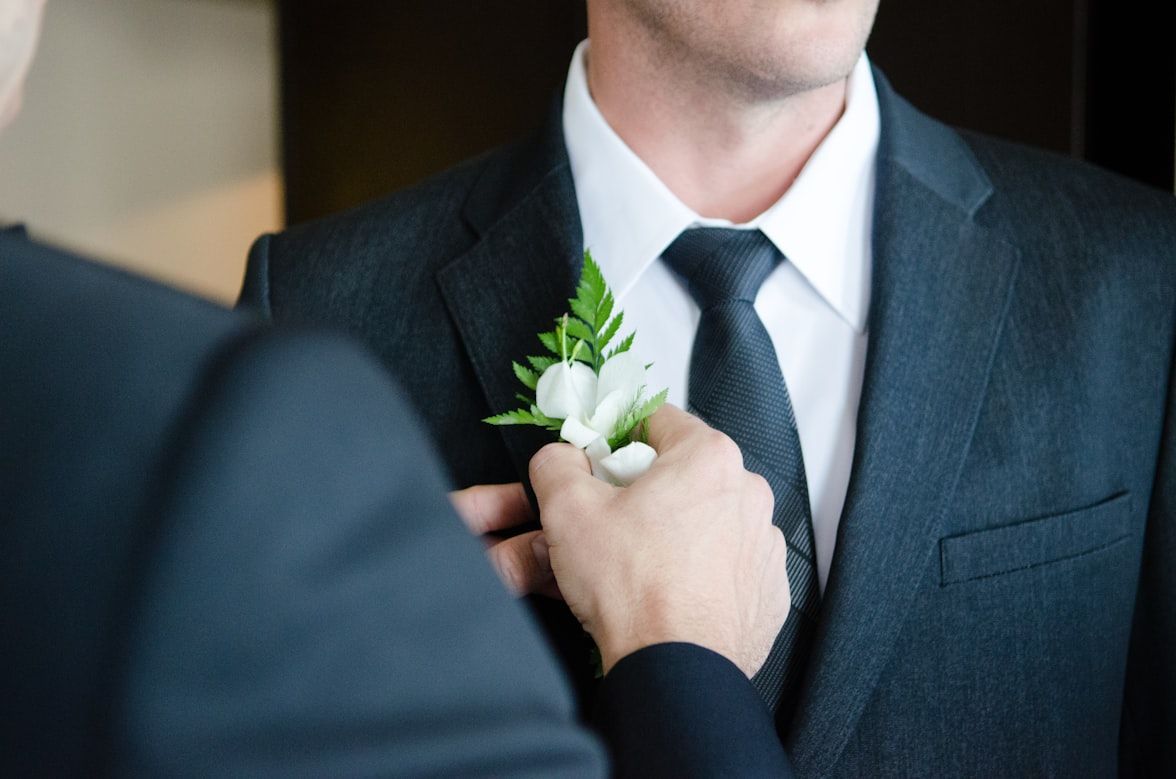 Image: Mélanie Villeneuve
"Groom" once meant a boy or servant. Its evolution to mean "bridegroom" was a confusion of roles and job titles in Middle English.
While its roots are related to the Old English word guma (meaning "man"), over time, the term narrowed to describe a man who is getting married.