The wonders of human language
You might be surprised by these linguistic facts
Published on September 7, 2026

If languages and grammar are not your thing, linguistics might seem complex and boring, but nothing could be further from the truth. While some areas of linguistics require prior knowledge, many linguistic concepts and ideas relate to everyday life and can be understood by anyone. Here are some simple linguistic facts that might surprise you!
The "most difficult language" doesn’t exist

People like to list languages such as Mandarin, Japanese, or Hungarian as "the most difficult languages in the world", but this is not true. Think about the ease with which babies pick up a language, becoming fluent at a similar rate, no matter the place. The difficulty of a language lies not in its structure, but in its similarities or differences with your own language. Mandarin might be extremely difficult for an English speaker, but quite manageable for someone who speaks Cantonese. So, there isn’t a "most difficult language", but a "most difficult language for you".
You can’t really learn new things about your native language

This might come as a shock, but you already know everything about your native language. Native speakers learn by imitation, not through methodical study, so they don’t rationalise their language; they simply speak. They might later approach the language from an academic perspective and put a name to different structures and concepts, but they will not learn anything that is actually new.
Each language is a new worldview

This might seem obvious, but most people don’t think about it. While differences in grammar and structures are evident, it is common for language learners to approach vocabulary as a set of labels: If I’m learning Spanish, I take an apple and label it "manzana". But languages are not labels, but a way of seeing the world, such as cultures near the North Pole having dozens of words for snow or languages in hierarchical societies changing according to the people speaking. While at a basic level we can often find one-to-one translations, the more we learn about a new language, the more we adopt a new worldview.
Your family has a unique dialect

Does your family have certain words or phrases that mean something unique to you? It might be a funny mispronunciation that stuck, or a phrase that you use in a specific circumstance, sometimes passed down for a few generations. This is called a "familect", and it happens in most families, but also in tight-knit friend groups. The repetition and preservation of this private code reinforces familial bonds and identity, functions as an emotional anchor, and provides a sense of belonging.
Polyglots have multiple personalities

Each language carries a worldview, so it is not surprising that our personality changes slightly when we change languages. We don’t become someone different, but we adapt to the cultural norms and values attached to that language. People who speak more than one language also tend to link specific interests, knowledge, and memories to each language, and specialists have noted that not only do our tone and volume change with each new language, but that we are most likely to swear or discuss sensitive or taboo subjects in a second or third language, as they provide an emotional distance impossible to avoid in our native tongue.
There is a right and a wrong way when it comes to English adjectives

English is a fairly flexible language, meaning that many of its components can be placed in a different order without the sentence becoming unnatural or impossible to understand. But this flexibility does not apply to adjectives, at least when we have to use many of them in a row. English speakers naturally place adjectives in a specific sequence: opinion, size, age, shape, color, origin, material, and purpose. While this is done subconsciously, changing this order results in unnatural-sounding phrases, such as "a red new nice car".
Sign languages are unique

Have you ever wondered why people refer to sign language as ASL or "American Sign Language"? Not only are there multiple sign languages, classified in families in the same way spoken languages are, but each one is a language of its own, with unique grammar, rules, and vocabulary. This way, American Sign Language (belonging to the French Sign Language family alongside its Russian, Brazilian, or Italian counterparts) is not a signed version of American English, but a distinct, unique language with more than half a million native speakers.
The sad reality of feminine words
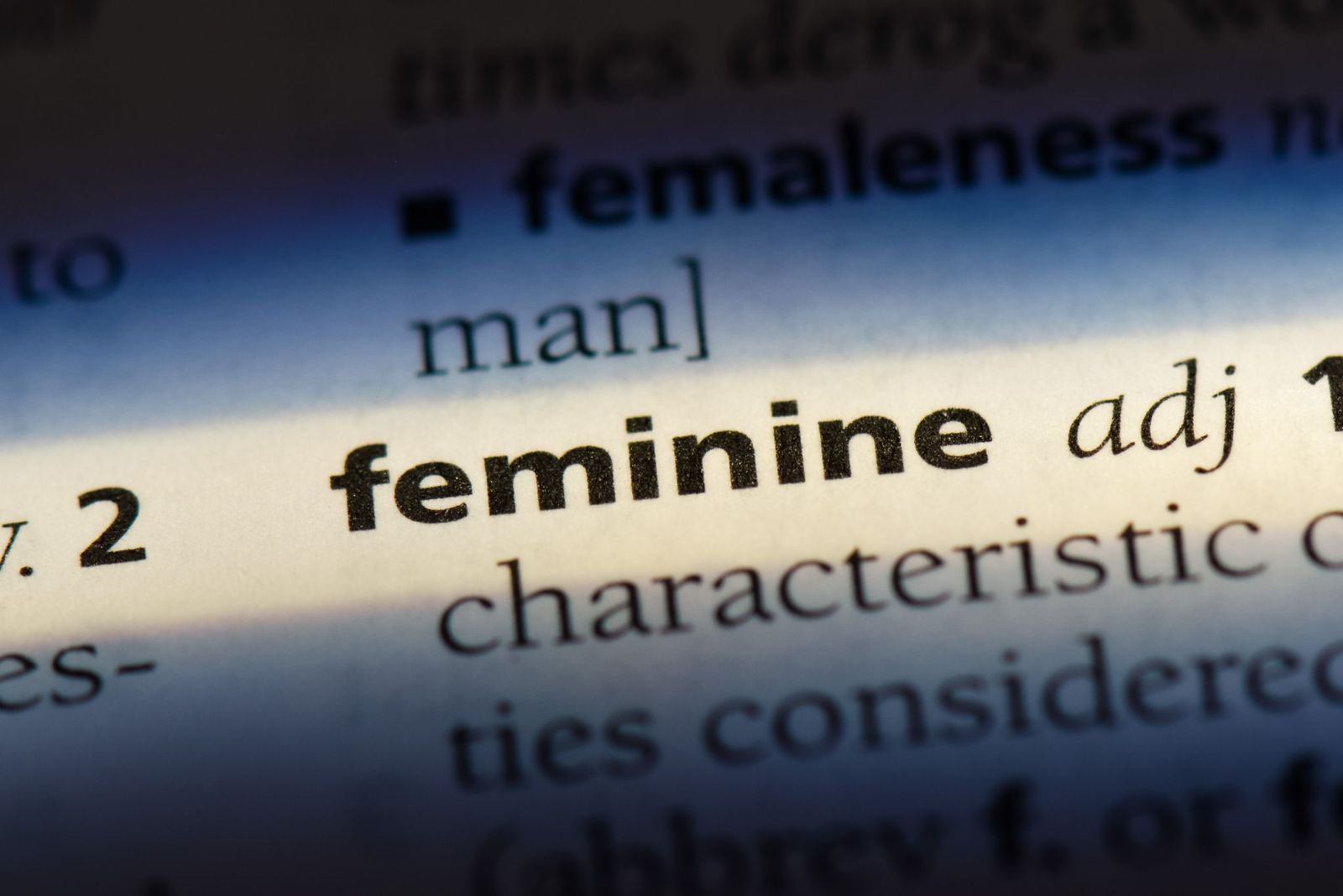
Languages change and shift with use and time, which causes some words to gain positive meanings, but also others to become negative. This downgrading of a word’s meaning is called "pejoration" and is connected to many factors, one of them being whether the term is considered masculine or feminine. English is not a gendered language, but it has gender-specific pairs, such as "master/mistress", "fox/vixen", "bachelor/spinster", or "governor/governess". While initially mistress, vixen, spinster, and governess were merely counterparts to the male-specific term, over time they developed a negative connotation, while the masculine term remained positive or neutral.
Babies have accents

Babies typically start using meaningful words around the 12-month mark, so it is natural to think that, before that, babies "don’t speak". While they don’t use meaningful spoken language, they communicate from birth with cries, sounds, and gestures, and these communications have an accent. How is this possible? Third-trimester babies in utero have fully functional hearing and recognize sound patterns, pitch, and intonation. Once they are born, their cries, and later their babbles, mimic the intonation, pitch, and rhythmic patterns of the language of their environment.
Animal sounds change from one language to another

What sound does a sheep make? Well, a sheep from where? English-speaking sheep go "baa", but Korean-speaking sheep go "me-e". While sheep don’t care about linguistic differences, humans adapt animal sounds to the available sounds and phonetic rules of their language. This happens not only with animals, but with all kinds of sounds, such as machines, strikes and collisions, physical and natural phenomena, human sounds, and more.