Safer to check

You know it's "buck naked", right? Check how you use these expressions


Published on April 23, 2026


Image: Glen Carrie

Let’s see… Are you the friend who constantly corrects other people's vocabulary and grammar? Or are you the one on the receiving end of corrections? The truth is that we have probably all been both. This time, let this article be the one clarifying the correct use of each of these common expressions. And, if it turns out you’ve been using one wrong for years… we won’t tell anyone.

1

Peak my interest

Image: Eugene Ga

Correct use: Pique my interest

The correct verb here is pique, which comes from French and means to stimulate or arouse curiosity. When something "pique[s] your interest," it sparks it.

"Peak" refers to the top of a mountain. Unless your curiosity is climbing Everest, that spelling doesn’t belong here.

2

Giving leadway

Image: Khyta

Correct use: Giving leeway

The correct word is "leeway," meaning extra space, freedom, or margin for error. It comes from nautical language, referring to the sideways drift of a ship caused by wind.

"Leadway" does sound plausible, especially since "lead" can imply movement, but historically and etymologically, it’s leeway.

3

Statue of limitations

Image: Claire Satera

Correct use: Statute of limitations

A statute is a law. A statue is made of marble or bronze. It does make you wonder what people who use the incorrect version believe they are saying.

4

Buck naked

Image: Kenny Eliason

Correct use: Buck naked

While "butt naked" is very common in American speech, the earlier and historically supported form is buck naked, meaning completely unclothed.

Its use dates back to at least the early 1900s, some four decades before "butt naked" appeared in the late 1960s. One theory links a person’s smooth, naked skin to that of a buck, meaning a male deer.

5

Nerve-wracking

Image: Federico Lancellotti

Correct use: Nerve-racking

The original form is nerve-racking, from the verb "to rack," meaning to strain or torture, like on a medieval rack.

"Wreck" slipped in later because it sounds similar, but historically, the expression refers to nerves being strained, not destroyed.

6

Old wise tale

Image: Danika Perkinson

Correct use: Old wives’ tale

The correct phrase dates back centuries and refers to traditional folklore or superstition passed down informally. "Wise" makes it sound flattering, but the original expression wasn’t meant as a compliment.

7

On tender hooks

Image: Ian

Correct use: On tenterhooks

A tenterhook was a hook used to stretch cloth on a frame called a tenter. Being "on tenterhooks" meant being stretched tight, which evolved into feeling anxious or in suspense. It has nothing to do with tenderness, so watch your pronunciation.

8

Off your own back

Image: Kelsey He

Correct use: Off your own bat

The phrase comes from cricket. To do something "off your own bat" means you did it on your own initiative. Over time, "bat" became "back," which sounds logical but loses the sports origin.

9

White as a sheep

Image: J. Schiemann

Correct use: White as a sheet

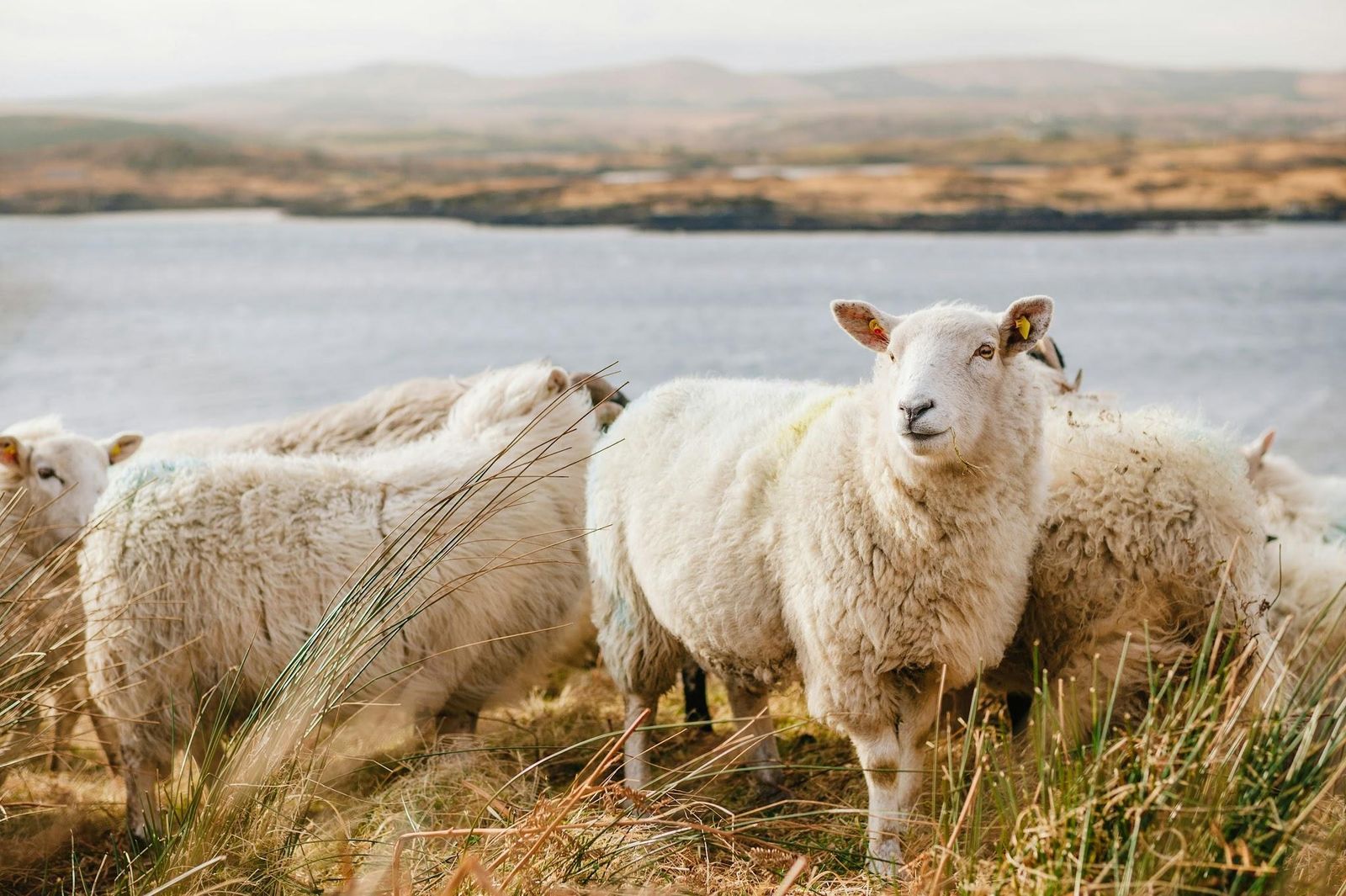
When someone looks pale, we say they’re "white as a sheet." Technically, you could still say you went white as a sheep, but you’d be referring to a darker, less uniformly white shade.

10

Tow the line

Image: Alejandro Barba

Correct use: Toe the line

This saying came originally from athletics, where runners literally placed their toes on the starting line. It means to conform or follow rules. Nothing is being towed… And how could you tow a line, anyway?

11

Beckon call

Image: Gastro Editorial

Correct use: Beck and call

The phrase dates back to the 1800s and means being ready to respond instantly to someone’s signal or command. "Beckon" feels logical, and it’s very close, but historically it’s "beck."


COLORS IN MUSIC

Paint The Town Red With 10 Colorful Songs


Published on April 23, 2026


Image: Icons8 Team

Music is a powerful tool that explicitly evokes all kinds of emotions. Colors, on the other hand, have a more subtle way of arousing feelings. Various theories have been developed to study the psychology behind colors and they all agree that they can be as powerful as music. So imagine what happens when you put those two things together. "Back to black" takes you right to the dark, low moments of life, while "Yellow Submarine" can already make you feel cheerful, doesn’t it?

Join us as we explore ten songs that have used colors to further express their messages.

1

Purple Rain

Image: Alexander A.

The first item in our list not only blends colors and music but also combines multiple music styles: rock, R&B, gospel, and orchestral music. Only Prince could have done it!

Purple Rain is a song from 1984, part of the album of the same name, written and performed by Prince with his backing band, The Revolution.

Now, what does it mean? Prince himself explained that it is a reference to the sky and it represents letting your faith guide you to be with the one you love, even when it seems impossible. Quite a profound start, isn’t it?

2

Yellow Submarine

Image: 2H Media

Songs, lyrics, and music are filled with individual interpretations which can vary greatly. Yellow Submarine by The Beatles is quite representative of that. The song, written by the English band as part of their album Revolver in 1966 was subject to opinions and interpretations from the very beginning.

Some deemed it empty of meaning, while teenagers of the time embraced it to create their own chants of protest. And some even take it as a metaphor for how The Beatles perceived themselves as prisoners of their own fame. Whatever we take as the truth, nobody can deny it is a great song.

3

Back To Black

Image: Volkan Olmez

Back to Black was written by English singer-songwriter Amy Winehouse in 2006 and instantly became an international success. Considering how short and troubled Winehouse’s life was, critics consider this song the purest expression of her complex mind.

It is her signature song and describes the difficult time she was going through at the time. Black is the color that best reflects how lonely life can get and how devoid of hope a person can get. Even in the most tragic ending, Winehouse still resonates with our society through this iconic song.

4

Brown Eyed Girl

Image: Ernesto Norman

Just another song that belongs in the greater leagues as it’s in the Grammy Hall of Fame, among other achievements.

Released in 1967,Brown Eyed Girl by Van Morrison describes, naturally, a romance of the past in the most nostalgic way. Innocence, youth, and happy memories are all implied in the lyrics and the upbeat rhythm completes the picture it paints.

5

Blue Hawaii

Image: Lo Sarno

Many songs, like this one, are written specifically for film productions. Blue Hawaii for example, was written in 1937 by Leo Robin and Ralph Rainger for a film called Waikiki Wedding.

However, that is not the only film featuring it, as it was so successful, that it received several covers in the following years. Probably, the most famous one was performed by Elvis Presley in the namesake film of 1961.

The color of the ocean and that dreamy location set the scene in a rather straightforward way and it makes us wish we were there, right?

6

Goodbye Yellow Brick Road

Image: Victor Li

It is not uncommon to see hints of autobiographical notes in songs. Goodbye, Yellow Brick Road by Elton John and Bernie Taupin is said to contain elements from the latter’s childhood on the farm in Lincolnshire.

Whatever the truth is, this ballad reflects on the hardship behind fame and how the author longed for a simpler, more genuine life, away from the glamour.

Regarding Elton’s career, many critics go as far as saying this is one of his best songs, and the records it broke prove it!

7

Red Red Wine

Image: Kym Ellis

You may know Red Red Wine by UB40, but Neil Diamond originally wrote and performed this song in 1967.

Part of his second studio album, Just for You, the lyrics are easily relatable: Haven’t we all gone through a time when we thought a cup of red wine was somehow a way to forget about our troubles? Neil Diamond surely felt that when he wrote this song.

UB40 might have found it appealing as they re-recorded it 20 years later, which ultimately led to an overwhelming success for them.

8

Paint It, Black

Image: Kilian Seiler

We don’t need to describe The Rolling Stones success, an over-40-years career speaks for itself. Among its many hits, Paint It, Black is the one that belongs in our article.

Originally writtenby Mick Jagger and Keith Richards, the song explores themes of grief and despair. It is narrated from the point of view of a person who lost their loved one and wants everything in black to match their mood. It is worth mentioning that, as with most iconic songs, it has received different interpretations. In any case, the topics are universal and the song is a hit still today!

9

Pink Cadillac

Image: Clem Onojeghuo

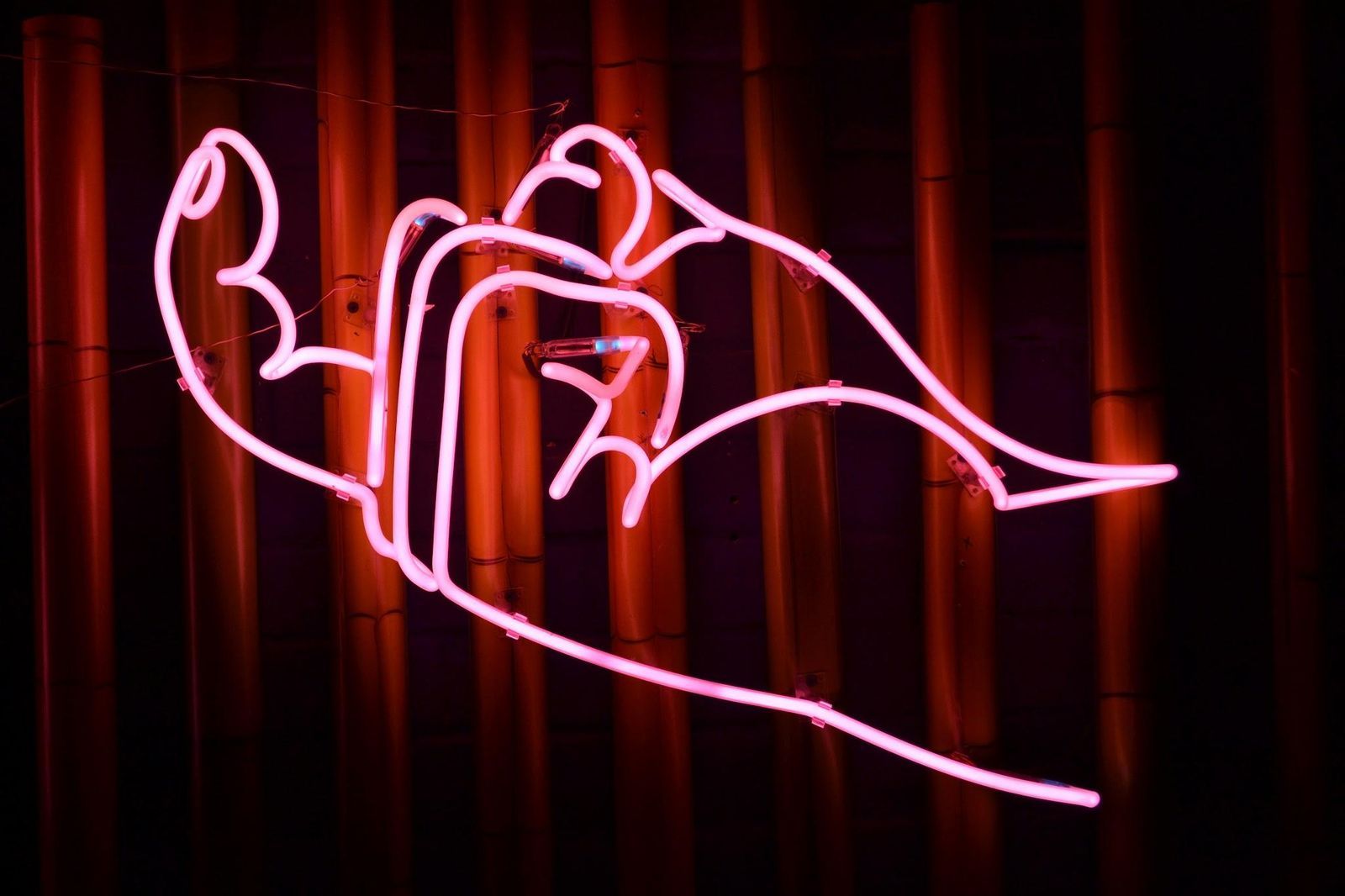
Musicians don’t always have to resort to black to express intense feelings. When the experience needs to be energetic and powerful, other colors get to play. That was what Bruce Springsteen was thinking when he wrote Pink Cadillac in 1984.

Romantic attraction, desire, escapism, and more topics of the sort have raised some controversy around the meaning, but that wasn’t enough to keep it from the Billboard chart for 14 weeks straight.

10

Yellow

Image: Alexey Lin

The new millennium brought amazing things and Coldplay the British band was one of them. Included as the second single of their debut album Parachute, the song gave the band its first top-five hit in the United Kingdom.

But that wasn’t it, thanks to this song, Coldplay reached international fame and popularity which only kept growing and growing. More than two decades later, Yellow and the topic of love and devotion still resonate with the crowds.

Looking for an extra scoop of literary fun?

Learn more with our Word of the day

disgruntled

/dɪsˈɡrəntld/