Life's too hard? Here are 11 design secrets to make your life smoother


Published on July 27, 2025


Image: Diana Polekhina

We use countless objects daily without questioning their design, yet many have hidden features or were meant for entirely different purposes. From kitchen tools to bananas, here are 11 everyday items you might be using all wrong—or that at least have surprising secrets built in.

1

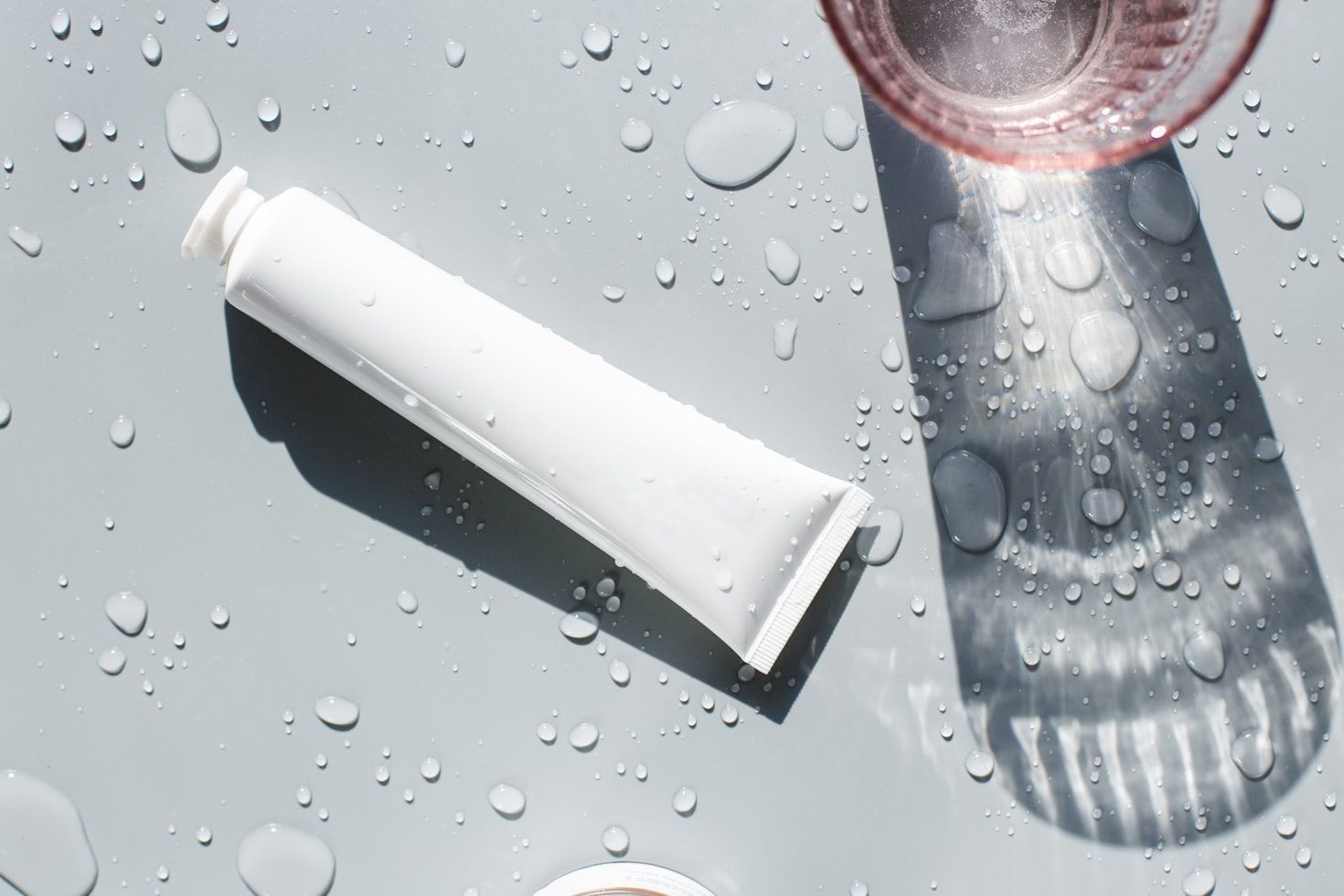
Toothpaste

Image: Anastasia Nikitina

Yes, toothpaste was always intended to clean and polish teeth, but its mild abrasives make it effective for cleaning jewelry, removing stains from clothing, and even defogging mirrors.

Interestingly, the first toothpaste-like substance dates back to ancient Egypt, where a blend of pumice and vinegar was used for oral care. Modern toothpaste, which includes ingredients like baking soda—another household staple—explains why it’s so effective on surfaces beyond just teeth.

2

Pasta spoons

Image: Markus Winkler

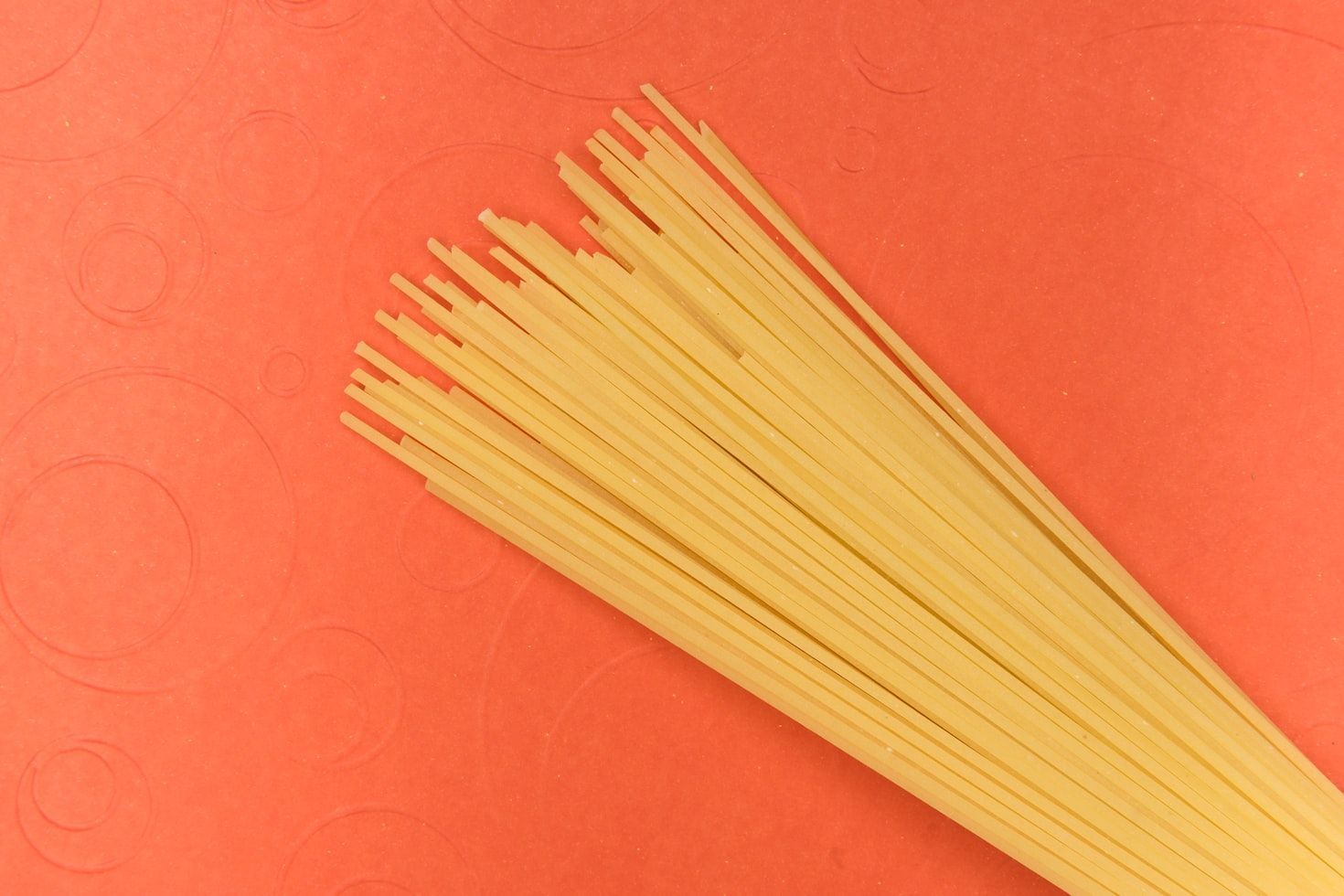
That hole in your pasta spoon isn’t just for draining water; it can also help measure a perfect portion of dry spaghetti!

A single serving of spaghetti is about the amount that fits through the hole. This design prevents cooking too much or too little, though not all pasta spoons have holes large enough for accurate measuring.

3

Gas pumps

Image: engin akyurt

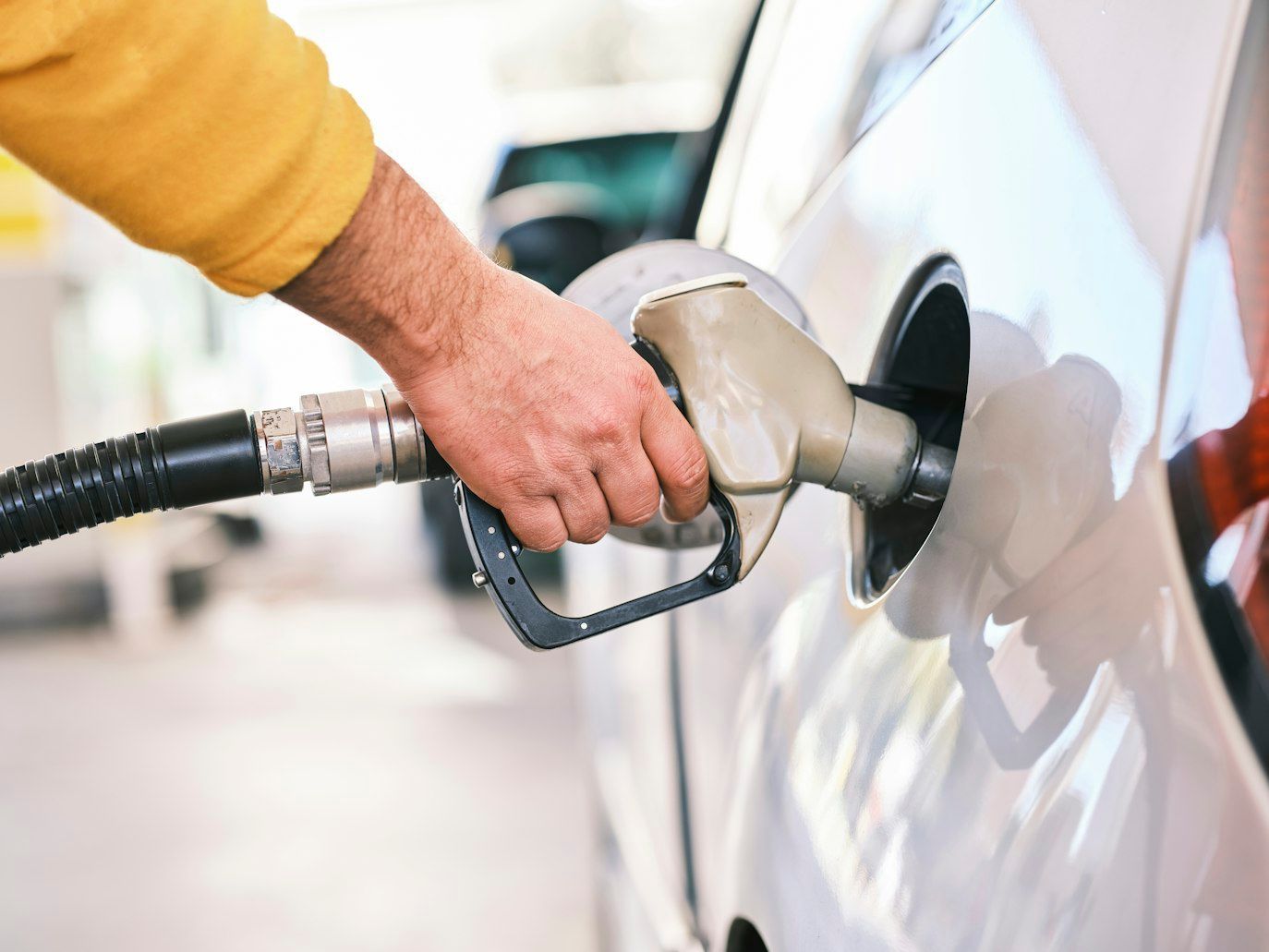
The latch inside gas pump nozzles was originally designed to shut off fuel flow automatically when the tank is full, not to hold the pump open.

Modern pumps use this mechanism as a safety feature, preventing spills and overflows. In some places, using the latch to hold the nozzle open is even illegal due to fire risks.

4

Grocery carts

Image: Karsten Winegeart

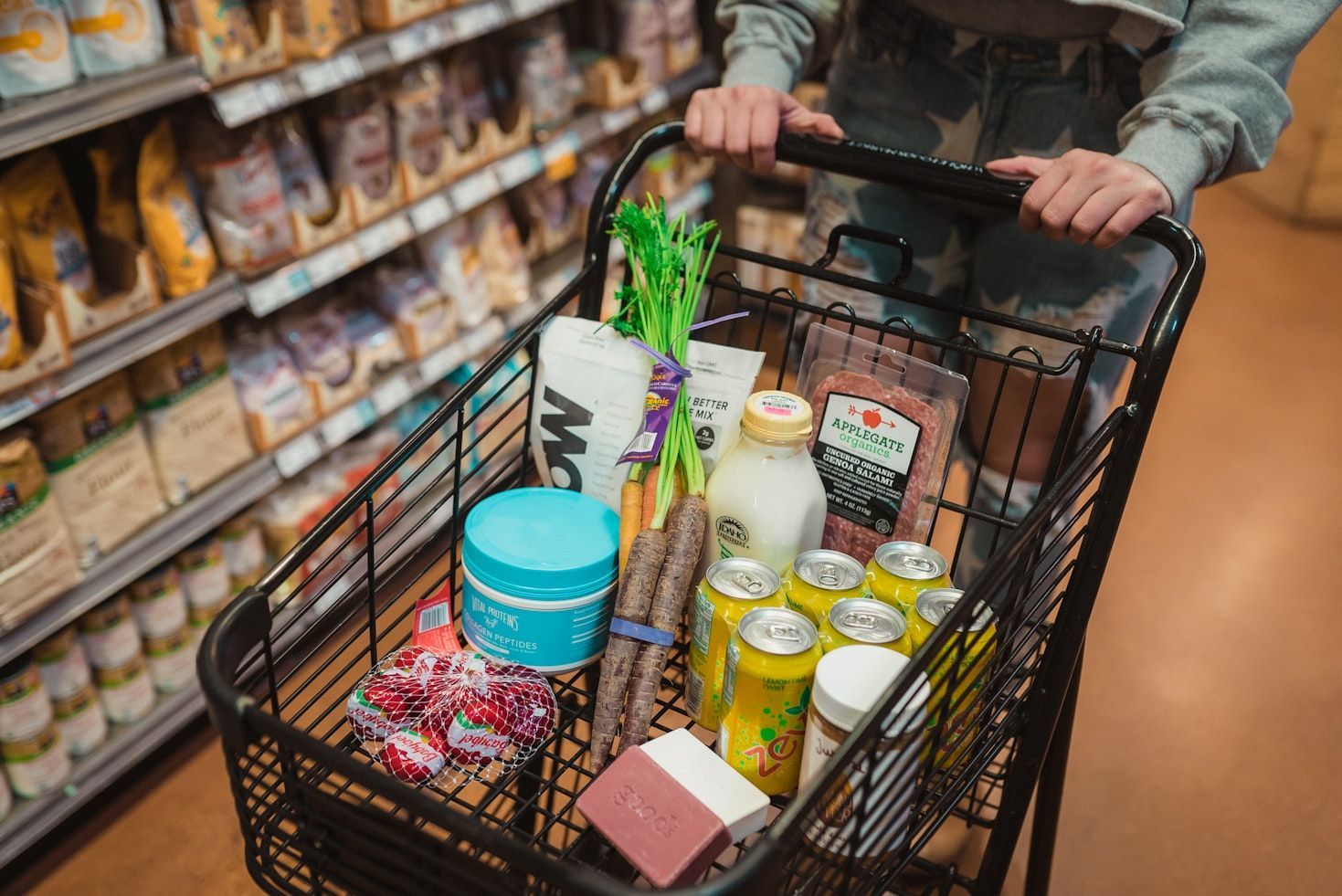
Those metal loops on the back of grocery cart seats aren’t just for show—they’re designed to hold plastic bags with fragile items.

Hanging lighter bags here prevents them from being crushed by heavier groceries in the cart, yet few shoppers take advantage of this simple design. So, next time you go shopping, give it a try—it could be a real lifesaver.

5

Soda can tabs

Image: Bam Mccarthy

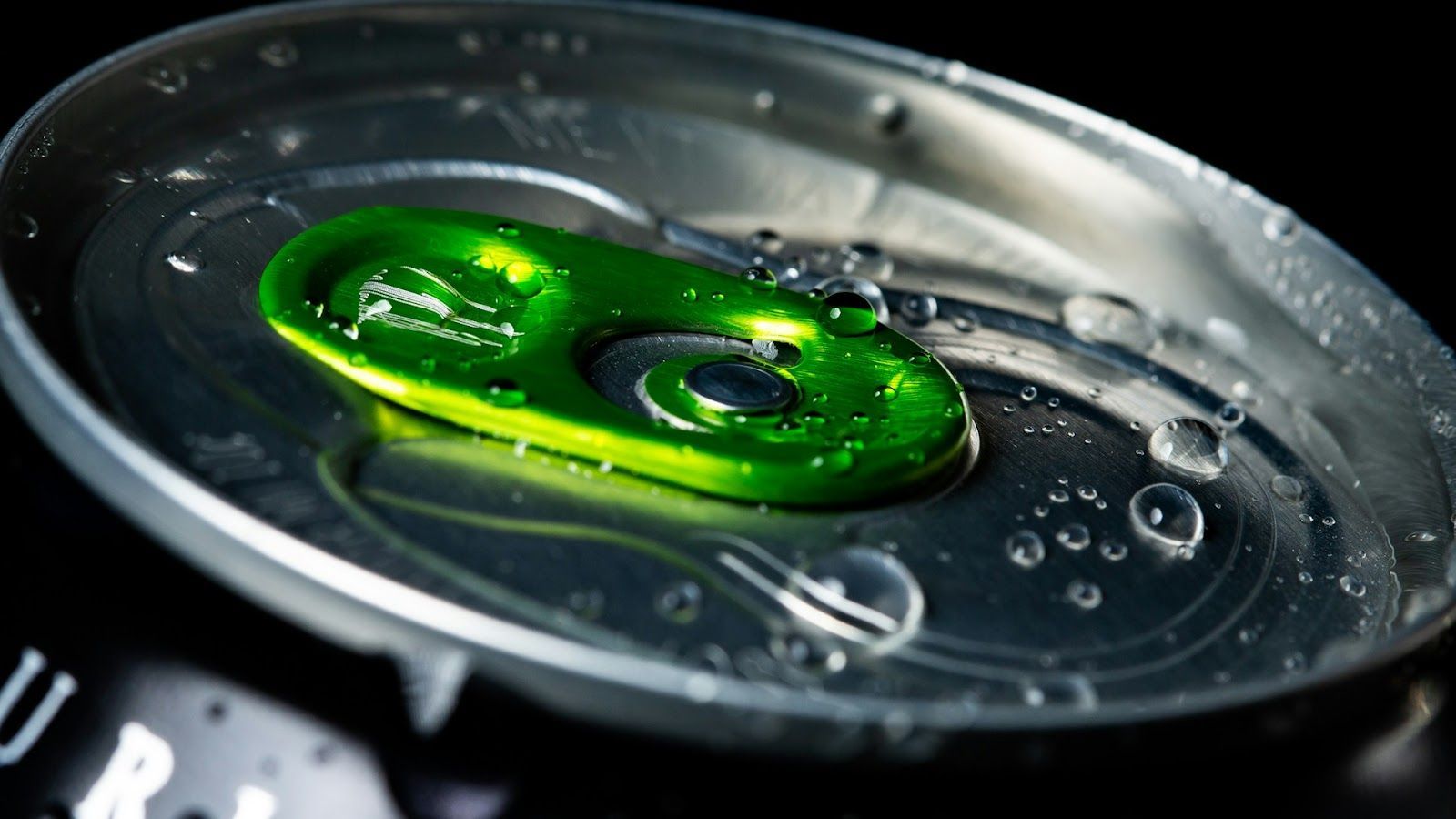
The hole in a soda can tab isn’t just part of the opening mechanism—it can double as a straw holder. Once you pop the can open, turning the tab around aligns the hole perfectly for a straw. This prevents the straw from floating or shifting while drinking.

While this wasn’t the original intent behind the design, it’s a clever and surprisingly convenient way to make use of an otherwise inconsequential design quirk.

6

Two-tone erasers

Image: Annie Spratt

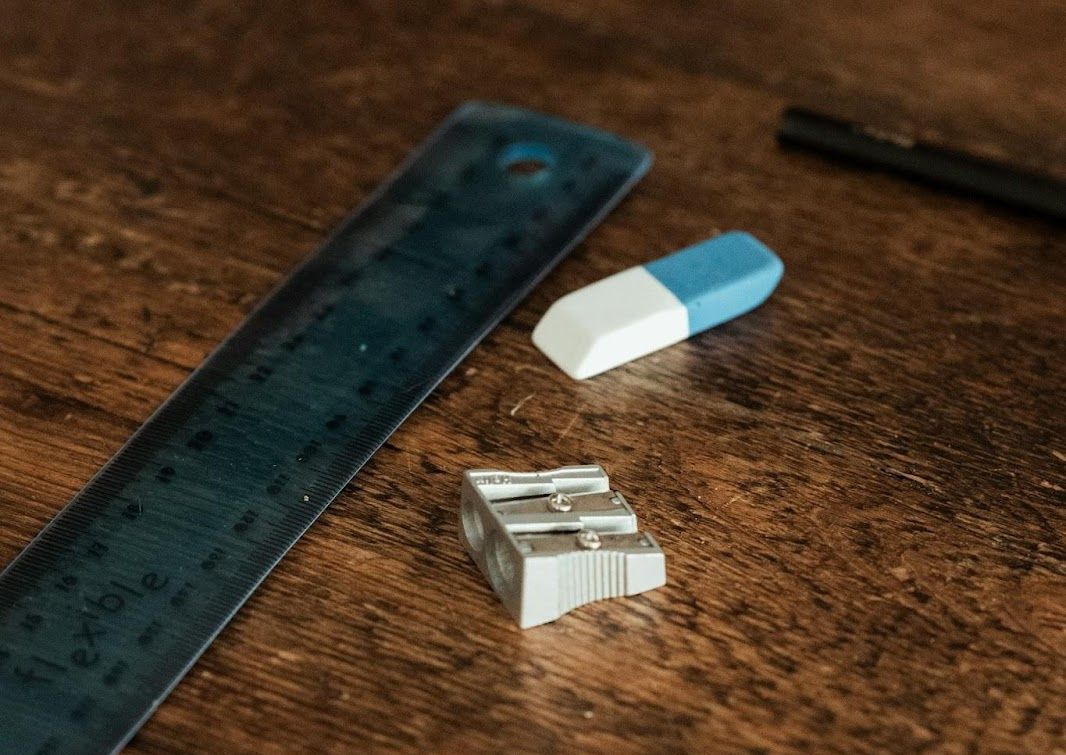
If you're like me, this has likely been a brain teaser since childhood: What is the blue side of a two-tone eraser for? Popular wisdom says it's for ink removal, but have you ever tried erasing ink with that side? It just completely obliterates the paper.

Well, it turns out the blue side of a two-tone eraser was actually designed for use on heavier paper, not for removing ink.

7

Keyboard bumps

Image: Matúš Kameniar

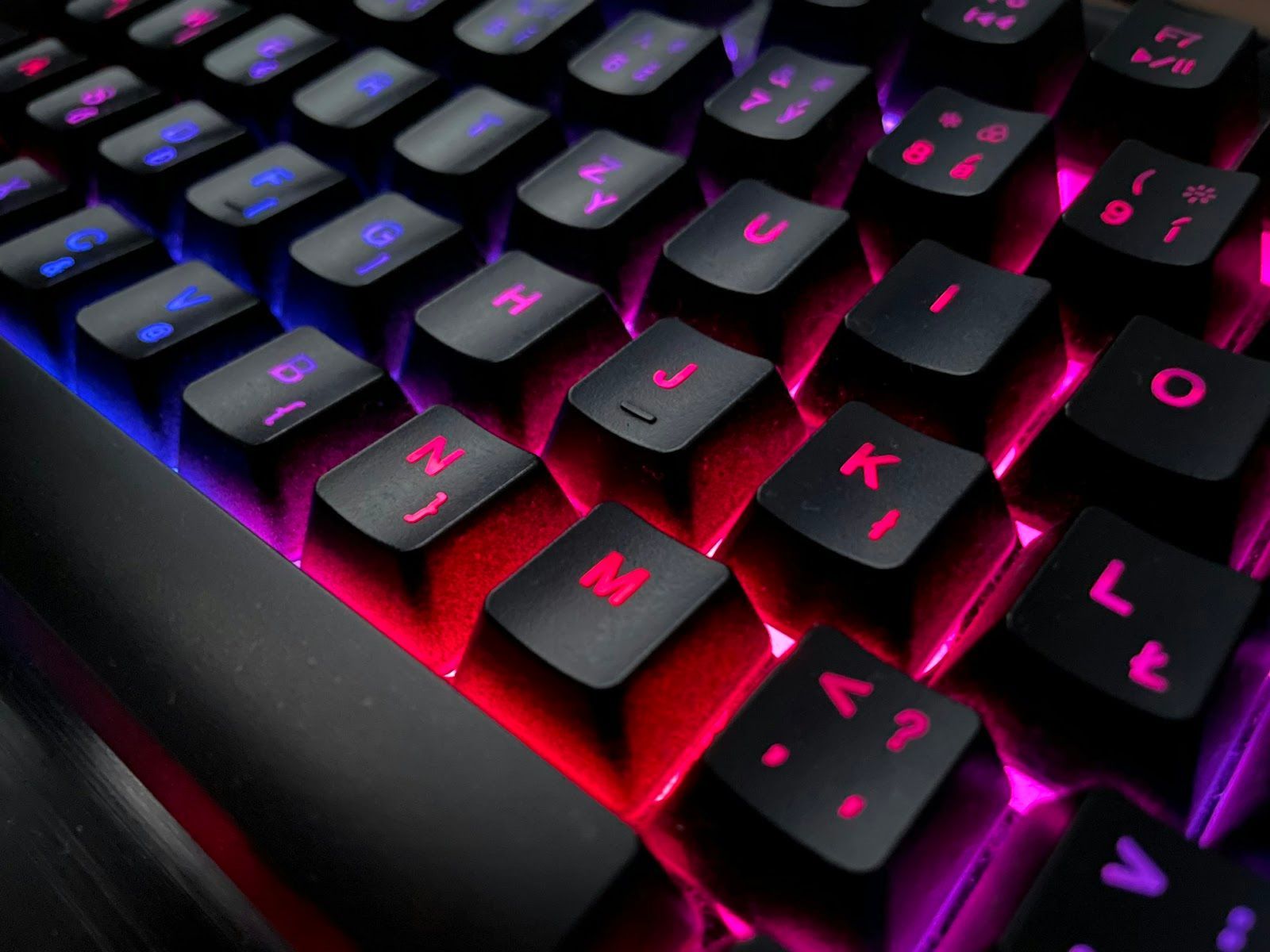
The small bumps on the ‘F’ and ‘J’ keys exist to help typists find their hand placement without looking.

These tactile guides help your fingers find their way back to the home row, enabling faster and more efficient typing. Even if you're not a professional typist, you can rely on this feature to improve both speed and accuracy while writing.

8

Peeling bananas

Image: Monika Guzikowska

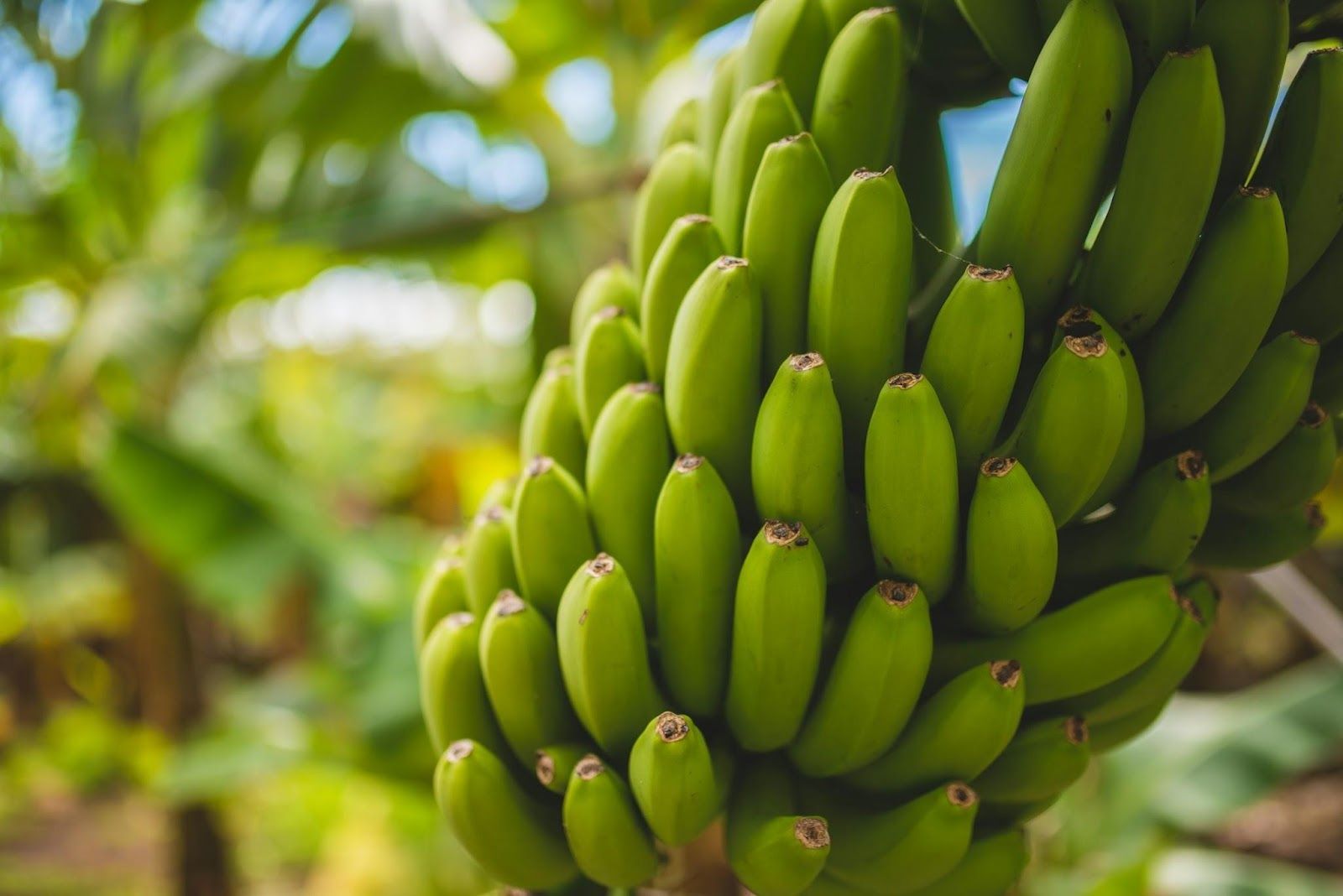
Ever watched a monkey peel a banana? You might be in for a surprise, because it turns out the easiest way to peel a banana is from the bottom, not the stem.

Monkeys naturally pinch the bottom of the banana and pull, avoiding the struggle of breaking the tough stem. This method also reduces the risk of squishing the fruit inside.

9

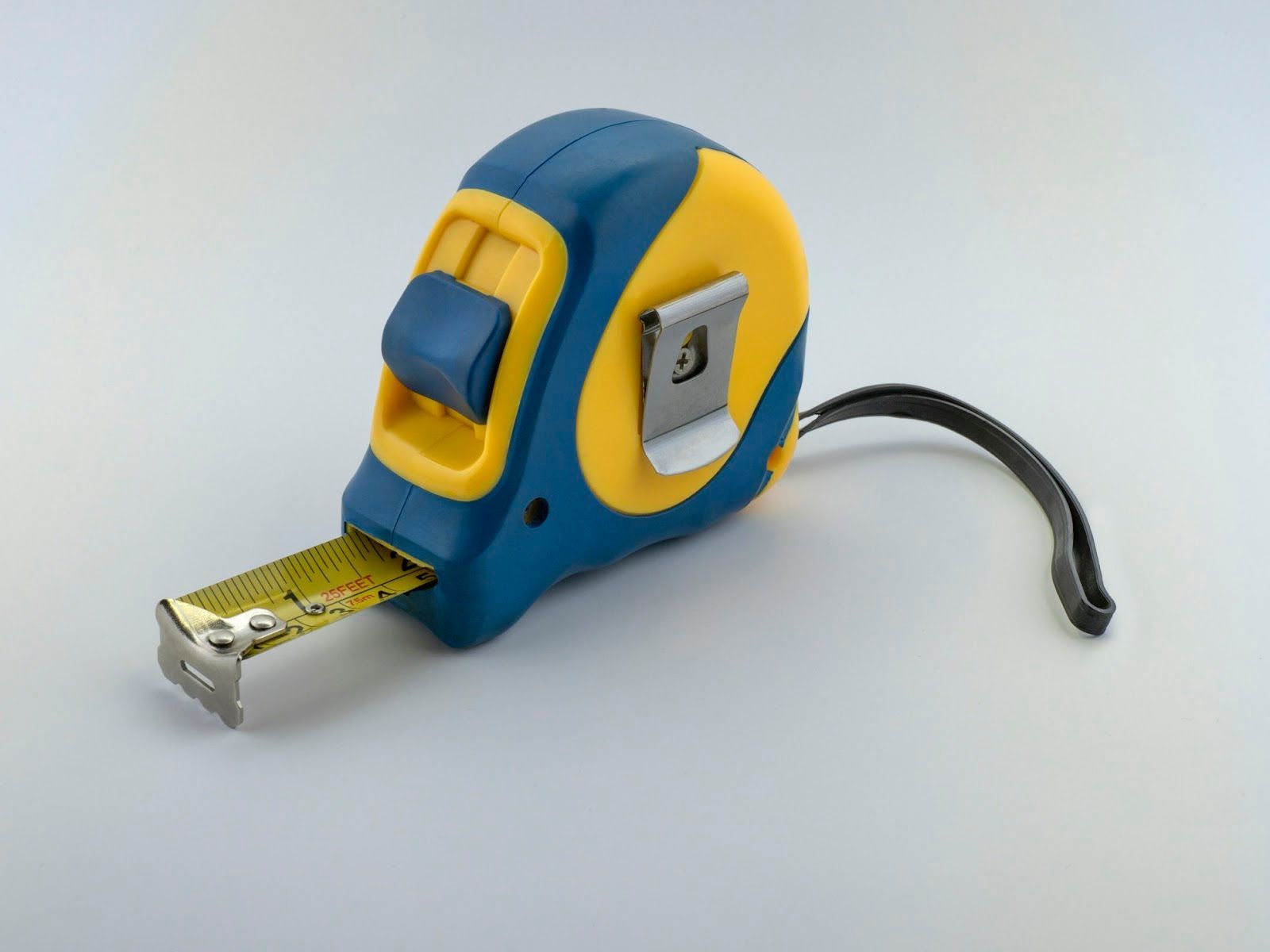
Measuring tape

Image: Brett Jordan

The small hole at the end of a measuring tape is designed to hook onto nails or screws for one-person measurements. This feature provides a more stable grip when measuring long distances without needing an extra set of hands.

Also, the serrated edge on some tapes doubles as a tool for marking surfaces. So, next time you don't have a buddy around to help, don’t worry—your measuring tape has you covered!

10

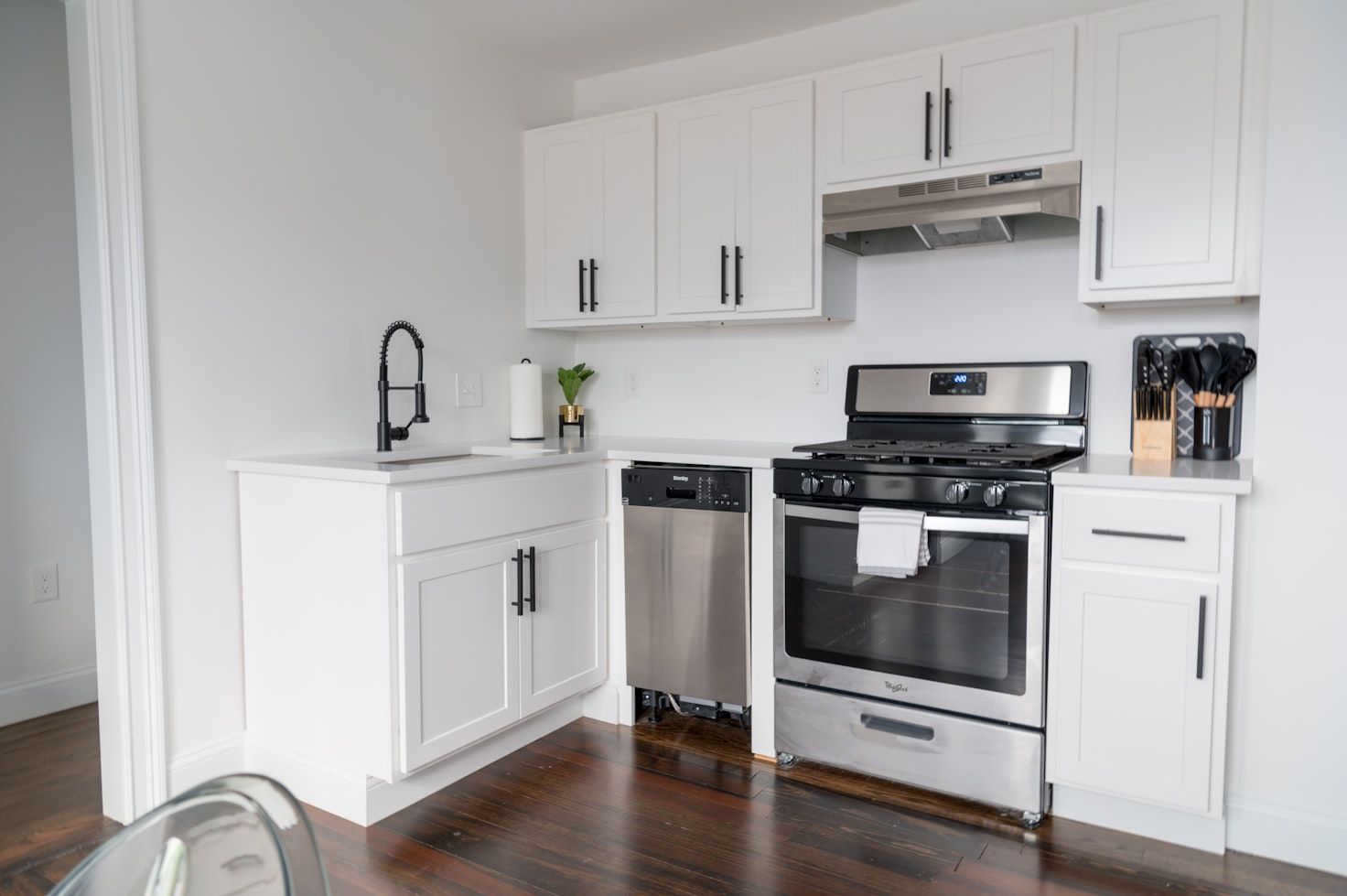
Oven drawer

Image: Andrea Davis

Many people use the drawer under their oven for storage, but it was originally designed as a warming drawer.

This compartment keeps cooked food warm while the rest of the meal finishes, though in some modern models, it may simply be intended for extra storage. Checking your oven’s manual might reveal its true purpose.

11

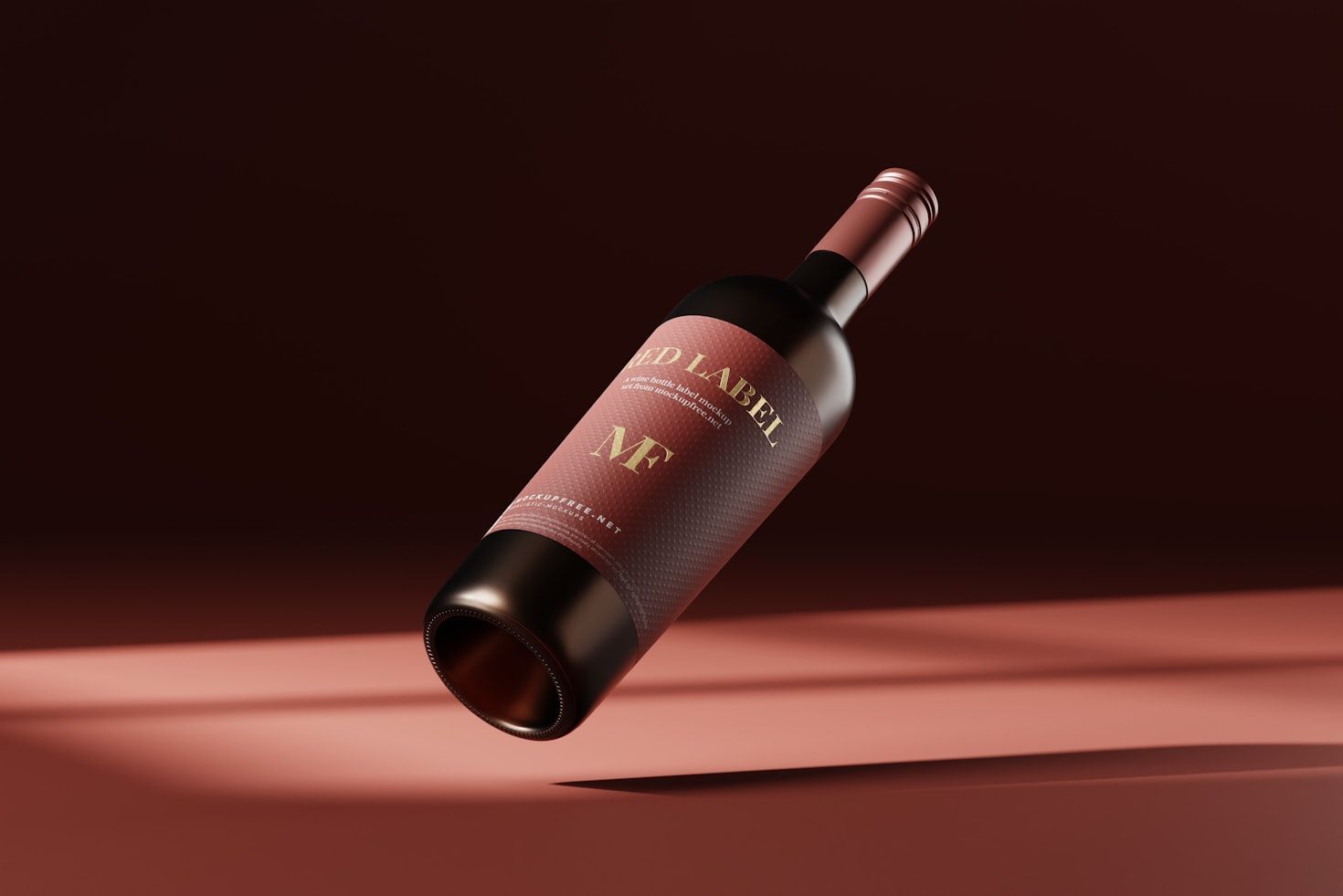
Wine bottle indent

Image: Mockup Free

Ever heard someone say you can judge a good wine by the depth of the indentation at the bottom of the bottle? Well, that’s a myth, though it may suggest a better-designed bottle.

The indent at the bottom of a wine bottle, called a punt, helps distribute pressure and maintain structural integrity. Originally designed to support the bottle against carbonation in sparkling wines, it’s now mostly tradition but still improves durability.
Who knew?

How did they know? 11 unbelievable cases of writers predicting the future


Published on July 27, 2025


Image: Michael Dziedzic

Do modern inventions ever remind you of things you’ve read in old books? Do you ever find yourself pointing and saying, "Just like The Jetsons!" or "The Simpsons predicted this!"? Sometimes, real life ends up imitating art, even centuries later. Let’s explore 11 cases where writers anticipated the future, ranging from logical to downright eerie.

1

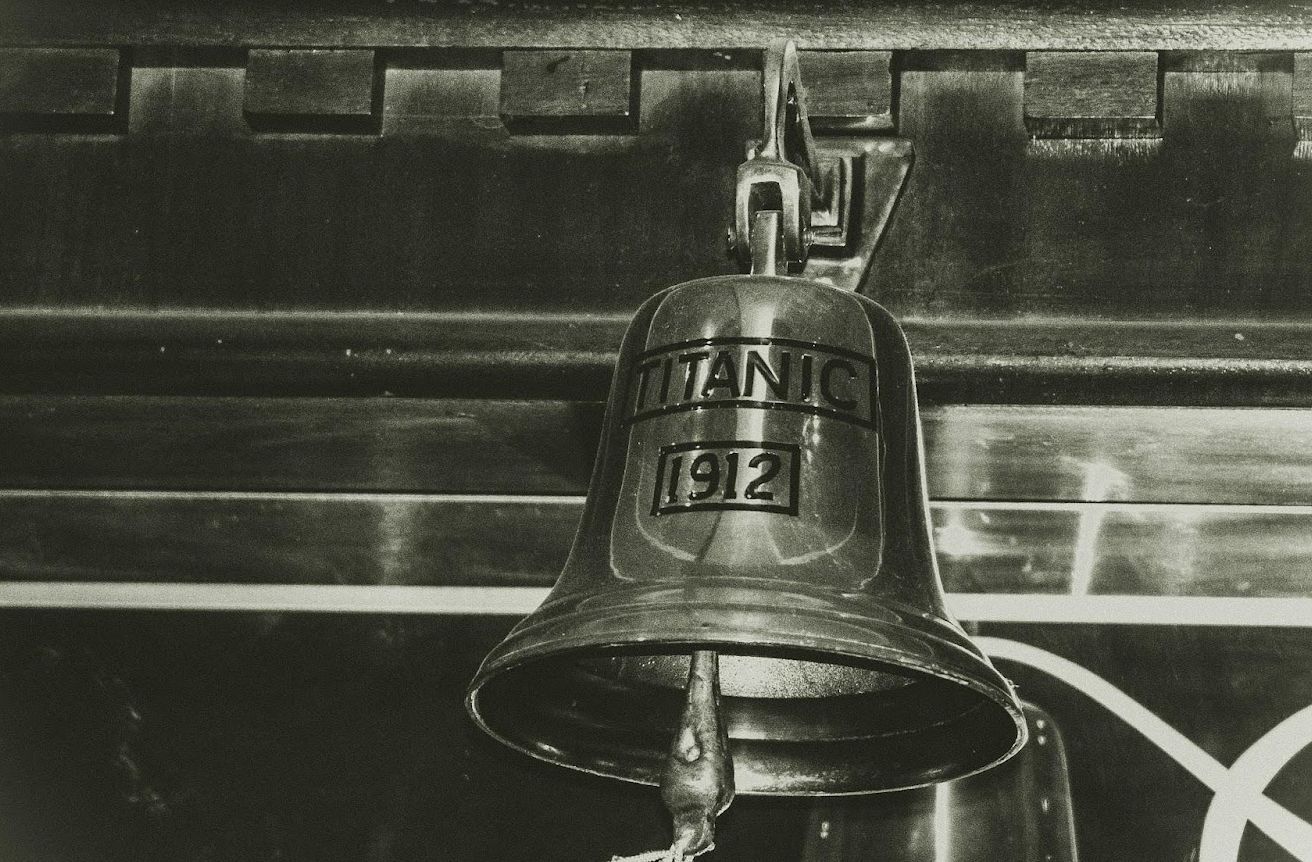
The sinking of the Titanic

Image: K. Mitch Hodge

Did you know that a novel from 1898 predicted the Titanic disaster with an eerie degree of precision? Fourteen years before the real event, there was... the Titan.

Morgan Robertson published Futility, later retitled The Wreck of the Titan. It told the story of a massive British ocean liner called the Titan, described as unsinkable. The ship struck an iceberg in the North Atlantic, carried too few lifeboats, and sank in April, all details that mirror the Titanic tragedy.

2

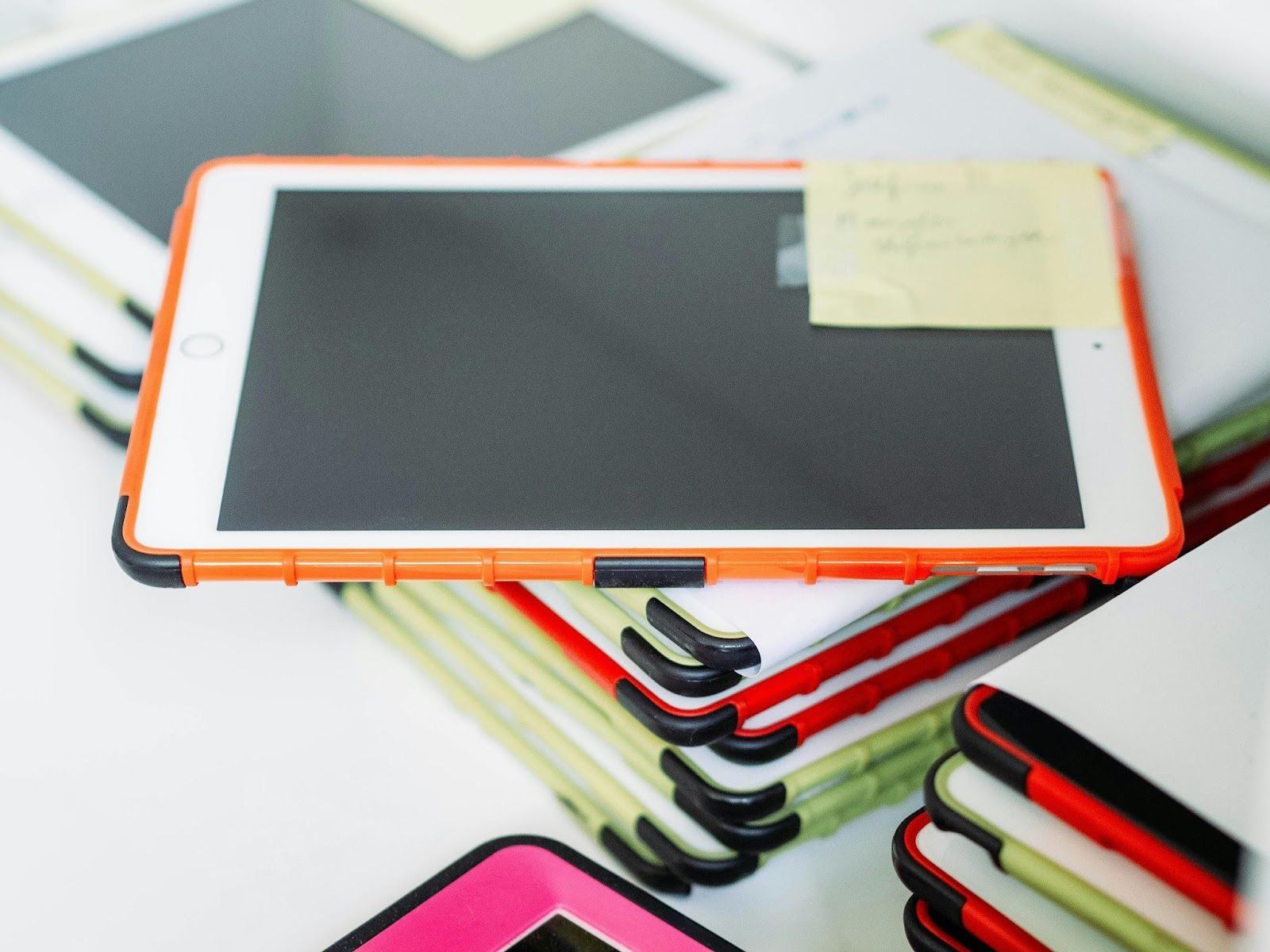
Screens in the form of tablets

Image: Arthur Lambillotte

Isaac Asimov imagined the iPad, more or less, back in 1964. In an essay for The New York Times, the sci-fi legend described what life might look like in 2014. Among his predictions was that people would use a "compact screen" to read books, watch videos, and communicate with others, all without ever leaving their homes.

Asimov essentially foresaw smart electronic tablets and even hinted at remote work and distance learning decades before they became reality.

3

Walt Disney Co. purchasing Fox

Image: Steve DiMatteo

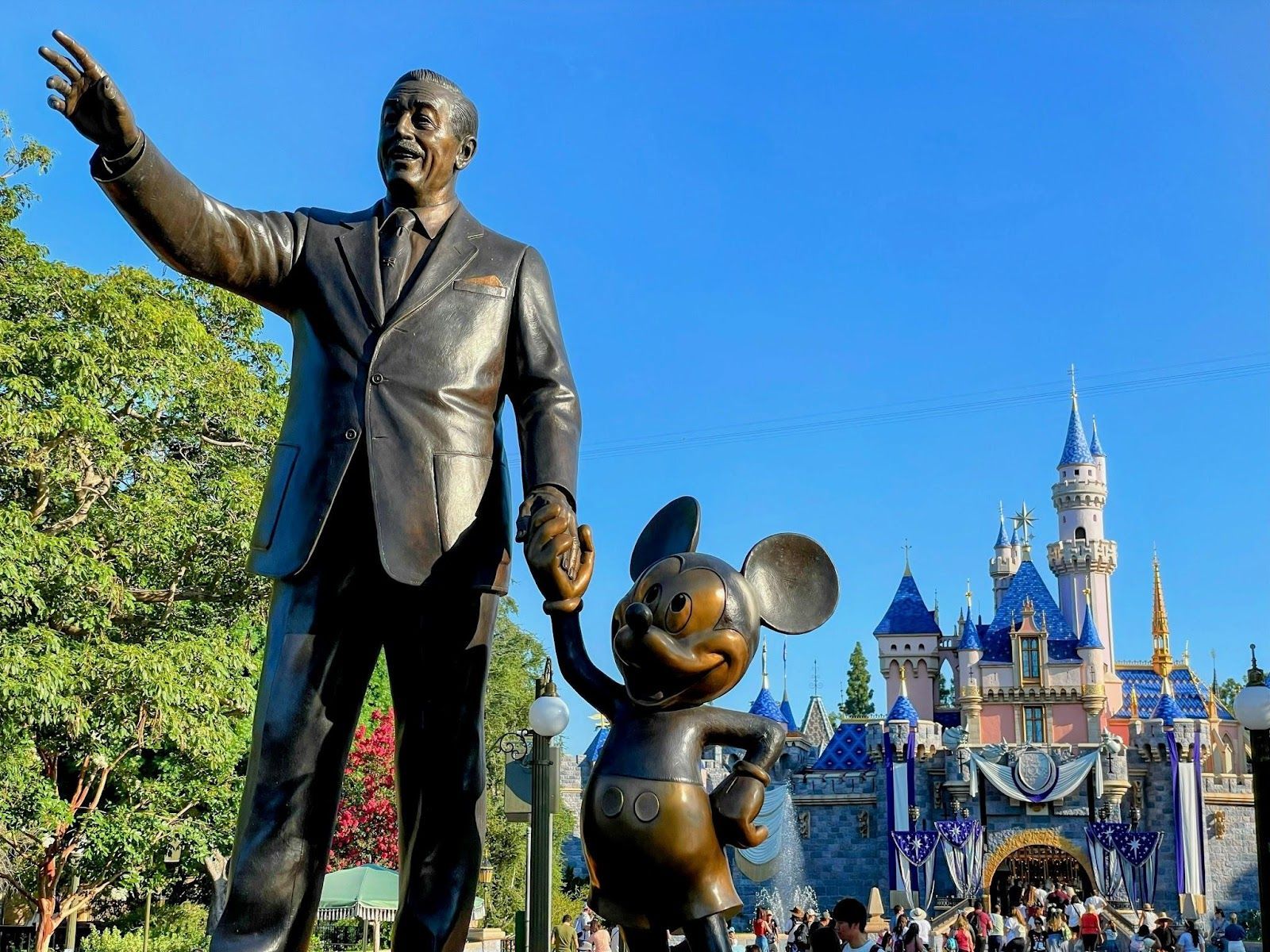
In a 1998 episode of The Simpsons ("When You Dish Upon a Star"), Homer crashes into a Hollywood meeting and we briefly see a sign that reads: "20th Century Fox — a division of Walt Disney Co."

At the time, this was a playful nod to Disney’s ever-growing empire. But in 2019, it became real: Disney acquired 21st Century Fox for $71.3 billion.

4

Spaceships launched from Florida

Image: SpaceX

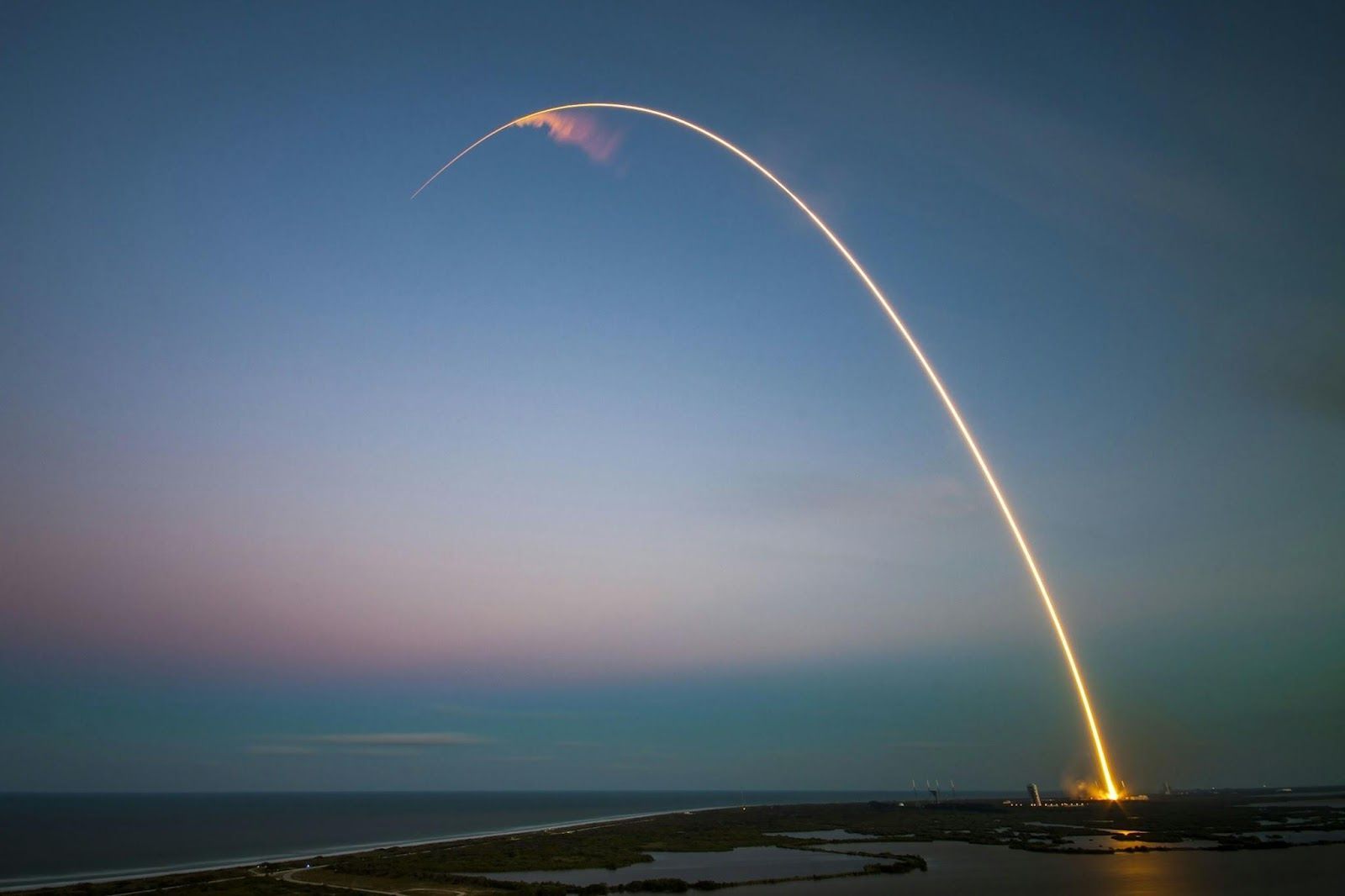
In his 1865 novel From the Earth to the Moon, Jules Verne got more than one detail right, including which U.S. state would one day launch spaceships.

Verne imagined a three-man crew in a projectile fired from Florida (near modern-day Cape Canaveral) that splashed down in the Pacific Ocean. Yes, just like Apollo 11, more than a hundred years later. That’s a remarkably accurate prediction for a piece of fiction written during the Civil War era!

5

Video calls and conferences

Image: Gabriel Benois

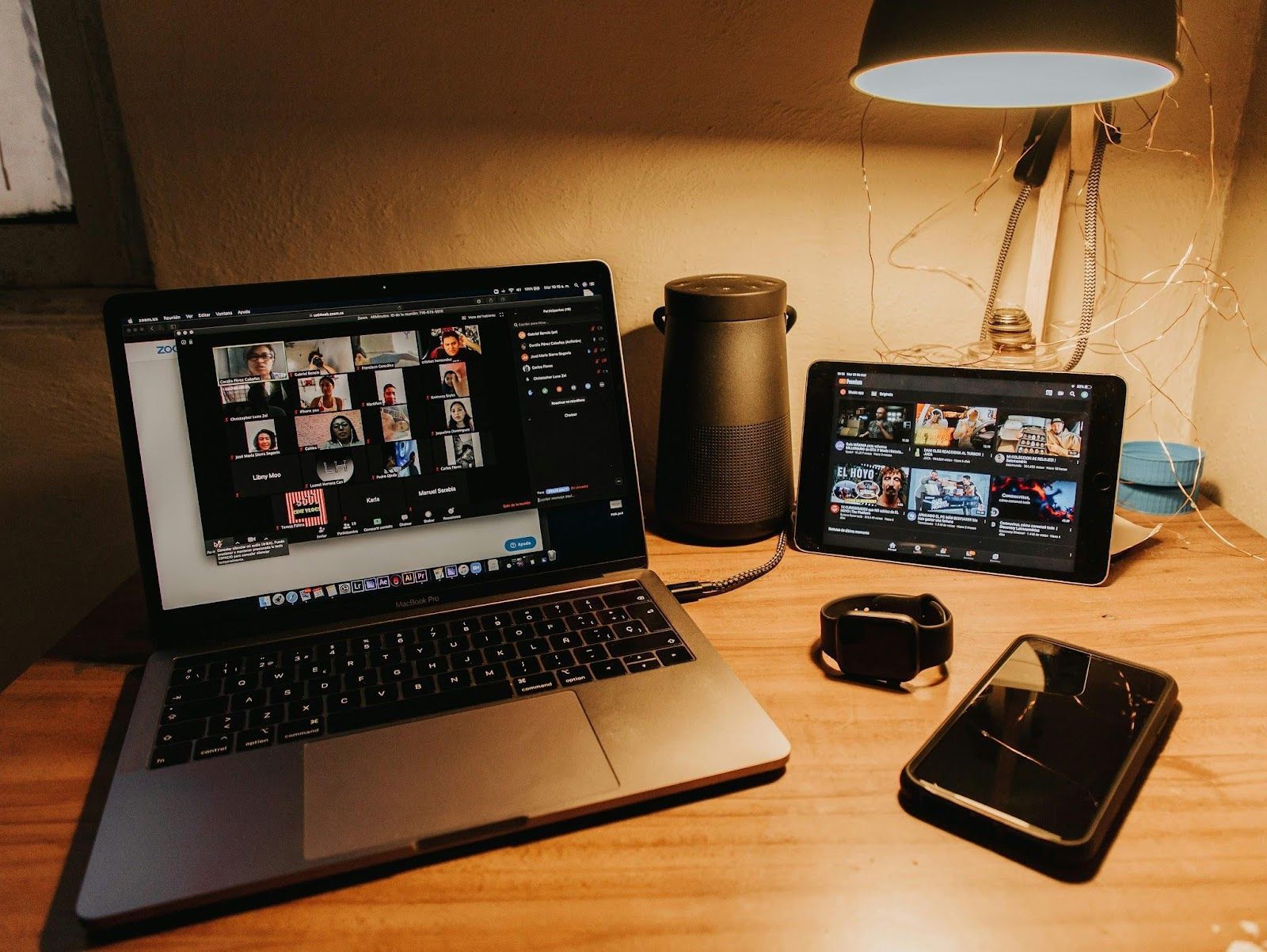
Do you remember seeing people communicate through large flat screens in The Jetsons and laughing at it as an exaggerated gag about the future? Well, who’s laughing now?

In Hanna-Barbera’s 1962 show, the characters used "televiewers" to chat across long distances, surprisingly similar to how we use Zoom or FaceTime today. Other works, like E.M. Forster’s The Machine Stops (1909), had predicted remote video communication even earlier, but The Jetsons cemented the concept visually in pop culture.

6

In vitro fertilization

Image: bady abbas

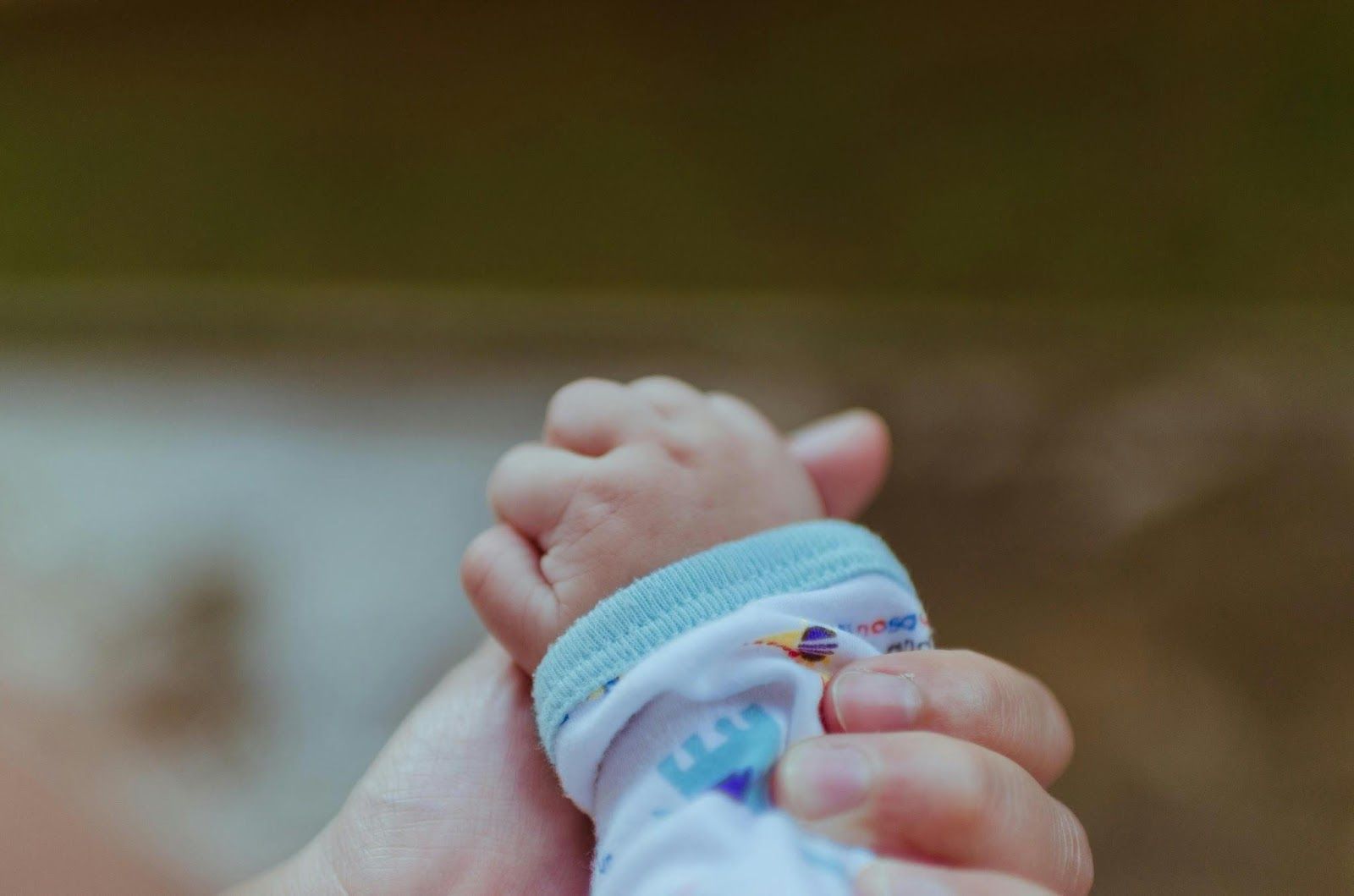
IVF was predicted as far back as 1924, 54 years before the first "test-tube baby" was born.

British biologist J.B.S. Haldane imagined a world of artificial reproduction. In his essay Daedalus; or, Science and the Future, he coined the term "ectogenesis" to describe babies being grown outside the womb.

7

AI as a widespread therapy

Image: Emiliano Vittoriosi

In Steel Beach (1992), sci-fi author John Varley envisioned a future where artificial intelligence provided therapy. In his story, the Central Computer actively counsels people, offers psychological evaluations, and responds to emotional needs.

At a time when AI was still seen as a cold, mechanical concept, Varley’s story offered a surprisingly human twist. Today, studies show that many people using AI chatbots turn to them for emotional support and counseling.

8

The concept of robots (while installing the name)

Image: Possessed Photography

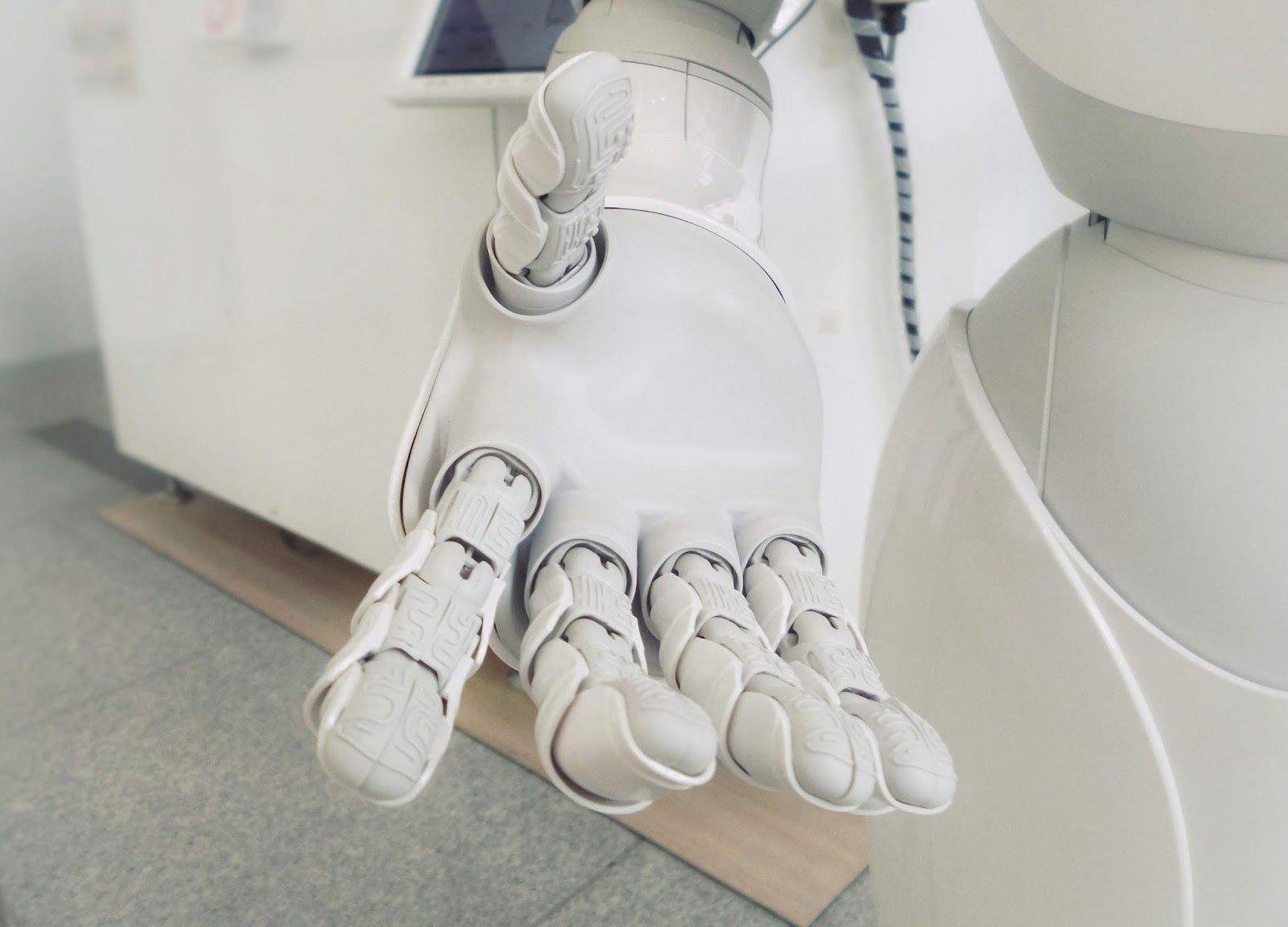
The word "robot" entered the English language in 1920 through a Czech play titled R.U.R. (Rossum’s Universal Robots) by Karel Čapek. These "robots" weren’t mechanical machines but biological workers created to serve humans. The name came from the Czech word robota, meaning "forced labor." A century later, the term has clearly stuck.

9

Artificial (slightly scary) intelligence

Image: Mateo Avila Chinchilla

In 2001: A Space Odyssey (1968), Arthur C. Clarke introduced HAL 9000, an AI so advanced it could carry out conversations, read lips, and make decisions. But Clarke’s futuristic vision also included video calls, flat-screen tablets, and casual digital multitasking, all decades before such technology existed.

HAL’s breakdown was fiction, but Clarke accurately foresaw how machines would gradually take over our attention.

10

Lab-grown meat

Image: Olivier Amyot

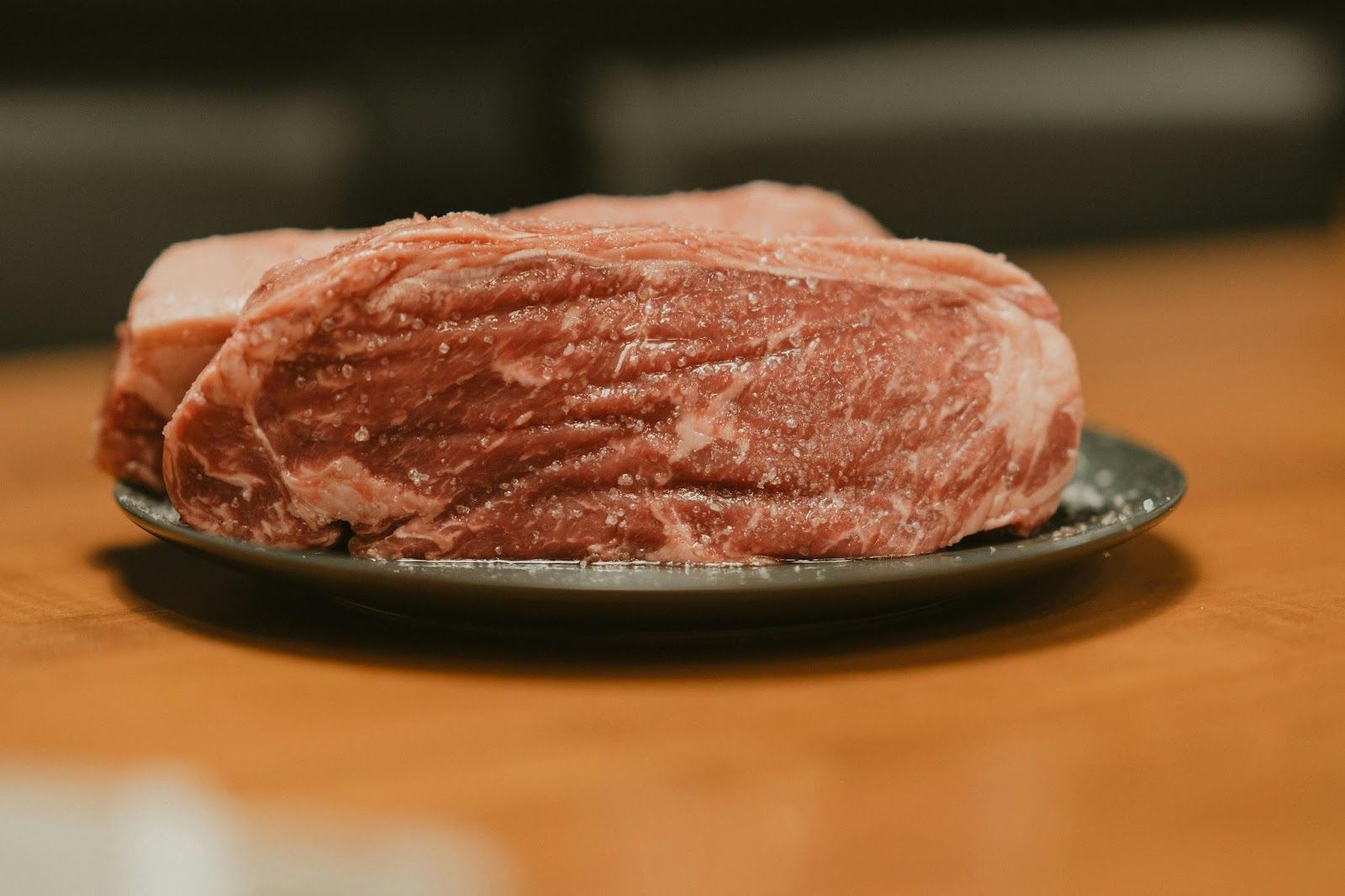
In 1880, Mary E. Bradley published her book Mizora: A Prophecy. Maybe not all of the details in her all-female utopia were prophetic, but she did get one thing right: artificially grown meat. In her world, food wasn’t farmed but created through chemical processes in laboratories.

It sounded outlandish at the time, but today some food companies are doing exactly that. Bradley’s vision came long before environmentalism or animal rights were mainstream. Somehow, in a story about feminism and science, she also imagined what we might now call the vegan burger.

11

The commercial use of credit cards

Image: Stephen Phillips - Hostreviews.co.uk

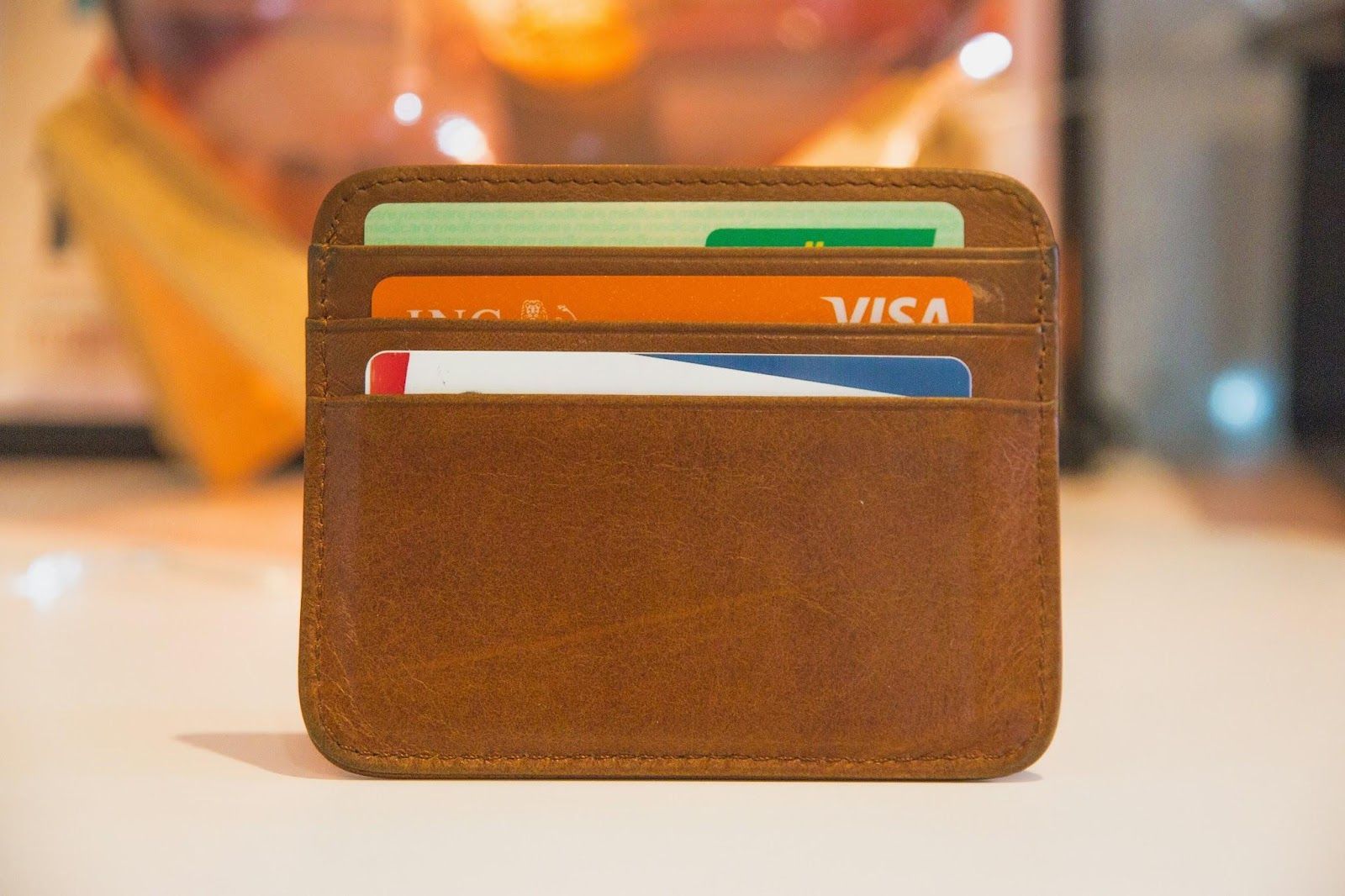
Credit cards might seem like a very modern invention, but they were anticipated in an 1888 novel. Looking Backward, by Edward Bellamy, imagined a future in the year 2000 where everyone received a card loaded with "credit" from the government. People used this card to access goods from massive communal warehouses—similar to what we today would call department stores.

Looking for an extra scoop of literary fun?

Learn more with our Word of the day

welfare

/ˈwɛlˌfɛr/