Making up language
Words that were invented by fiction writers, and now we all use them
Published on January 21, 2026
 Image: yeonhee
Sometimes, preexisting words just don’t cut it for writers. So they invent new ones. That was the case for terms like utopia, robot, and nerd. Whether they grew to be used in philosophical texts or on playgrounds, they have certainly entered our vocabulary. Let’s take a look at 11 examples!
Nerd
 Image: Jamie Street
The word has been many things, from a schoolyard insult to a badge of honor for having certain interests. It first appeared in Dr. Seuss’s 1950 book If I Ran the Zoo, where a strange creature called a "Nerd" appears among other fanciful beasts.
Seuss didn’t define it as brainy or awkward, but within a few years, the word was popping up in slang to describe socially inept people or bookworms.
Cyberspace
 Image: Shahrooz Shekaraubi
Today, when we say "cyberspace," we mean the intangible digital world we enter when we go online. But the word was coined by sci-fi writer William Gibson in his 1982 short story Burning Chrome.
Gibson later famously described cyberspace as a "consensual hallucination" shared by billions of connected users. The term predates the World Wide Web by nearly a decade, yet it foresaw the immersive, sometimes overwhelming, reality of living digitally.
Debunk
 Image: Markus Winkler
Today, when we say we have "debunked" a myth, we mean that we have exposed it as false. The word itself, however, originated as a literary invention in 1923, coined by American writer William E. Woodward in his book Bunk.
Woodward used debunk to mean stripping nonsense, or "bunk" of its dignity, a definition that closely aligns with how the word is still used today.
Robot
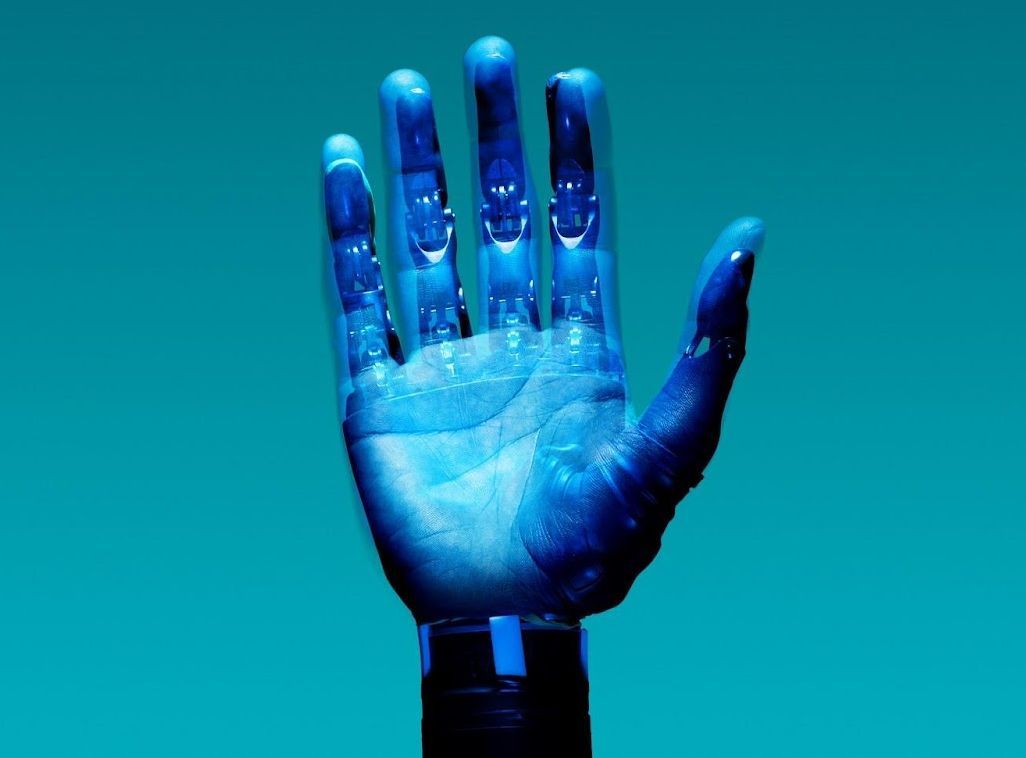 Image: ThisisEngineering
Today, we picture robots as everything from Roombas to humanoid androids, but the word itself dates back to a 1920 Czech play, R.U.R. (Rossum’s Universal Robots) by Karel Čapek.
The term comes from robota, meaning "forced labor" or "drudgery." In the play, however, the "robots" were not mechanical but biological constructs, closer to what we might now call clones. Both the term and the concept spread quickly across Europe and the United States, reaching the vocabulary of more and more writers.
Utopia
 Image: Miguel Valencia
When we say something is "utopic," we mean it’s impossibly ideal. The term "utopia" was coined by Sir Thomas More in his 1516 book Utopia, where he described an imaginary island society with perfect laws, harmony, and equality.
But the trick was in the name: in Greek, ou-topos means "no place" while eu-topos means "good place." The word took off quickly, giving us not only "utopia" but also its darker twin, "dystopia," which would dominate much of modern literature.
Serendipity
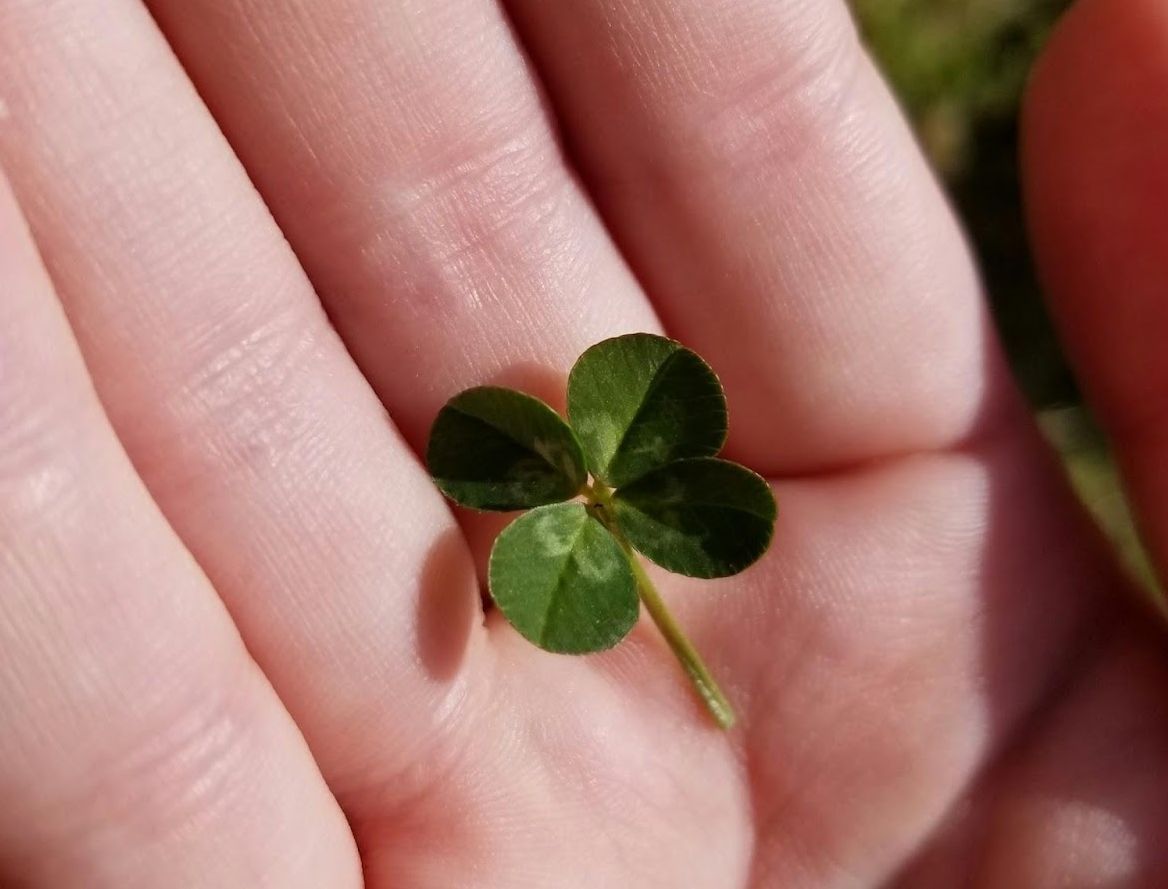 Image: Michelle Baker
Few words sound as delightful as what they mean, and "serendipity" is one of them. It refers to a happy accident, a lucky discovery made while looking for something else.
The term was coined in 1754 by Horace Walpole, a British writer and politician, inspired by a Persian fairy tale titled The Three Princes of Serendip. In the story, the princes are constantly making discoveries "by accident and sagacity."
Lumos
 Image: De an Sun
Fans of Harry Potter know Lumos as the spell that lights the tip of a wand. J. K. Rowling coined the word by drawing on Latin roots, such as lumen, meaning "light."
"Lumos" has since slipped into everyday use to the point that some smartphone voice assistants recognize it as a command to turn on a device’s flashlight.
Hobbit
 Image: Andres Iga
The word hobbit instantly evokes images of small, hairy-footed inhabitants of the Shire, thanks to J. R. R. Tolkien. A trained philologist with a deep fascination for languages, Tolkien coined numerous terms, including hobbit and mithril, that have since entered popular culture.
The word became widely recognized even beyond The Lord of the Rings fan base. While hobbit originally referred to a fictional race in Tolkien’s legendarium, it is now sometimes used informally to evoke something small, cozy, or diminutive in character.
Tween
 Image: Gaelle Marcel
Today, we use tween to describe the awkward stage between childhood and adolescence, typically covering ages 9 to 12. The word itself, however, traces back to J. R. R. Tolkien, who first introduced the idea of "tweens."
In The Fellowship of the Ring, hobbits in their "tweens" were those between 20 and 33; no longer teenagers, but not yet considered fully adult in hobbit society. Marketers later borrowed the catchy term to describe human preteens, and it stuck.
Gossip
 Image: CHI CHEN
The word "gossip" feels inseparable from modern life. Yet it began as the Old English term godsibb, meaning a "godparent" or a close, trusted companion. It was Geoffrey Chaucer, in The Canterbury Tales, who helped nudge the meaning toward talk and chatter.
Over time, the term drifted further, shifting from "companion" to "idle talk" and, eventually, to its modern association with rumor and speculation.
Butterfingers
 Image: Sarah Kilian
We all know what it means to be a butterfingers: clumsy, prone to dropping things, with hands seemingly as slippery as if coated in butter. This playful insult is often credited to Charles Dickens, who used it in his novel The Pickwick Papers to mock a character’s poor grip on objects.