Letters with meaning

Why your pound is “lb” and other everyday abbreviations explained


Published on October 30, 2025

Image: Markus Winkler

You probably rattle off "PIN," "USB," or "Mrs." without hesitating, but do you actually know what those letters stand for? Some abbreviations come from Latin, some from long-lost measurements, and a few make absolutely no sense at first glance. So let’s dive into the interesting roots of 12 common abbreviations you’ve been using for years.

1

No.

Image: Nick Hillier

Why "No." for "number" when there’s no "O" in the word? You can blame Latin on that one.

The abbreviation comes from numero, meaning "number," which was originally abbreviated as an "N" with a small "o" above it (Nº). That old symbol eventually morphed into the familiar No. we still use today.

2

Lb.

Image: Graphic Node

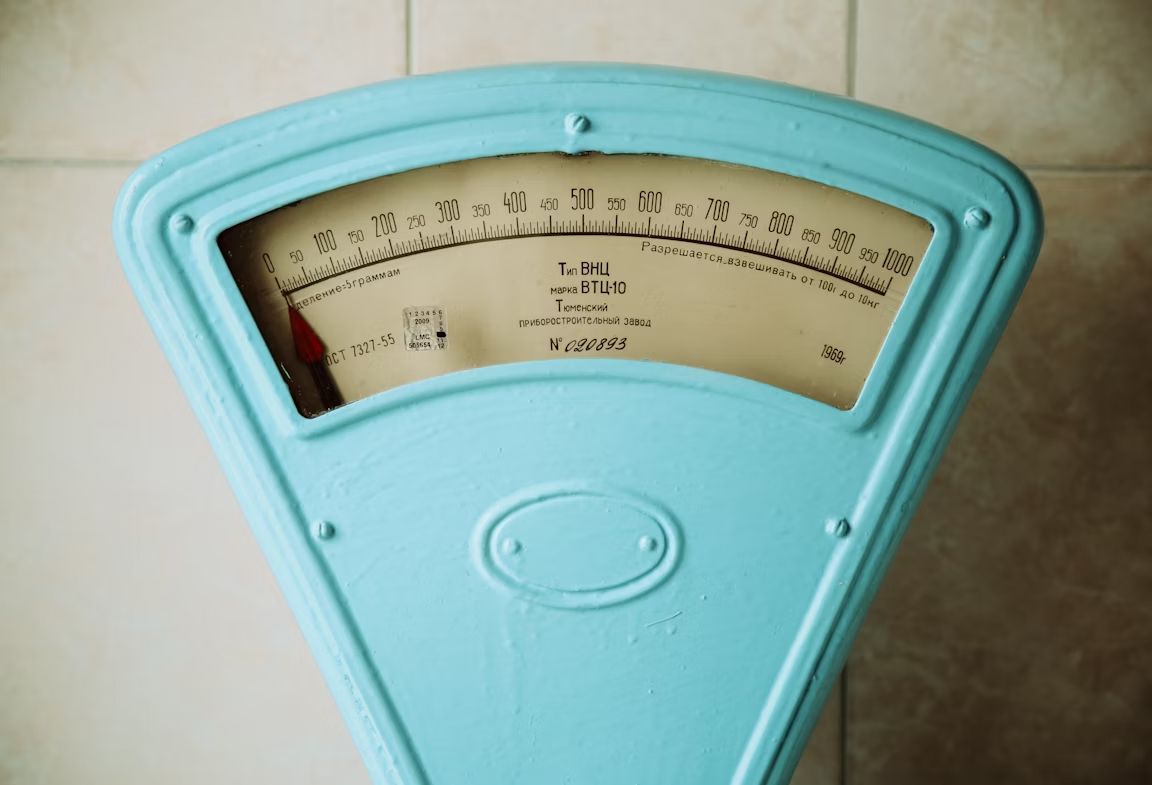
The abbreviation "lb" actually comes from libra pondo, Latin for "a pound by weight." The pondo gave us the English word "pound," while the libra stuck around as "lb."

It’s also why the British pound symbol (£) looks like a fancy "L." How interesting is that?

3

Oz.

Image: rc.xyz NFT gallery

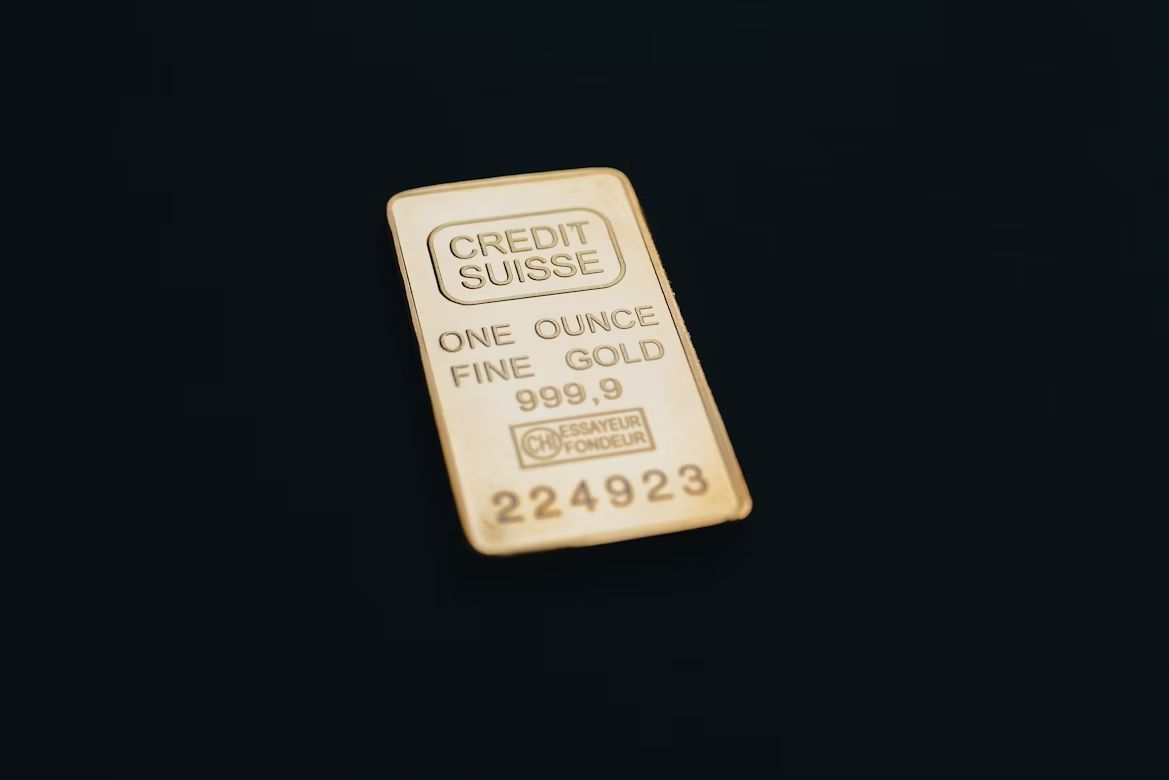
"Ounce" and "oz" don’t match up phonetically, but historically, they’re connected. The word comes from the Latin uncia, meaning one-twelfth of a Roman pound.

It passed through Italian as onza, which is how we ended up with the abbreviation oz. Now it makes a little more sense, don’t you think?

4

A.M. and P.M.

Image: Jon Tyson

Most of us know whether it’s morning or night without translating Latin, right? But there’s some history behind these time markers. A.M. stands for ante meridiem (before noon) and P.M. for post meridiem (after noon).

You’ve probably seen "post" in other words like "post-op" or "postwar"—now you know why it shows up in time too!

5

PIN

Image: Julian

"PIN" stands for "personal identification number"— so saying "PIN number" is technically redundant.

Scottish engineer James Goodfellow created the PIN system in 1966 when he patented an early cash machine. Now it’s second nature, and we don’t even think twice about typing it in.

Bonus fact: "ATM" stands for "automated teller machine," so saying "ATM machine" is also a redundancy.

6

CC

Image: Brett Jordan

"CC" stands for "carbon copy," from the days when people used carbon paper to make duplicates of typed letters. You’d slip a sheet between two papers, type your note, and you had two copies.

The email version took off in the 1980s, and we’ve been CC-ing ever since.

"BCC"? That’s "blind carbon copy," meaning the recipient is hidden from others. How about that, huh?

7

USB

Image: Lucian Alexe

"Universal Serial Bus" might sound like a fancy Greyhound line, but it’s actually the system that helps gadgets talk to each other.

In computer terms, a "bus" is a communication channel, like a digital highway. The USB was created in the mid-1990s to simplify connecting devices.

8

Et al.

Image: Gülfer ERGİN

You’ve probably seen "et al." on academic papers or research articles. It’s short for et alia, Latin for "and others."

Only the "al" is abbreviated, which is why it gets the period. The word alia is also the root of "alias," a name used by someone else. But you already knew that one, didn’t you?

9

CV

Image: João Ferrão

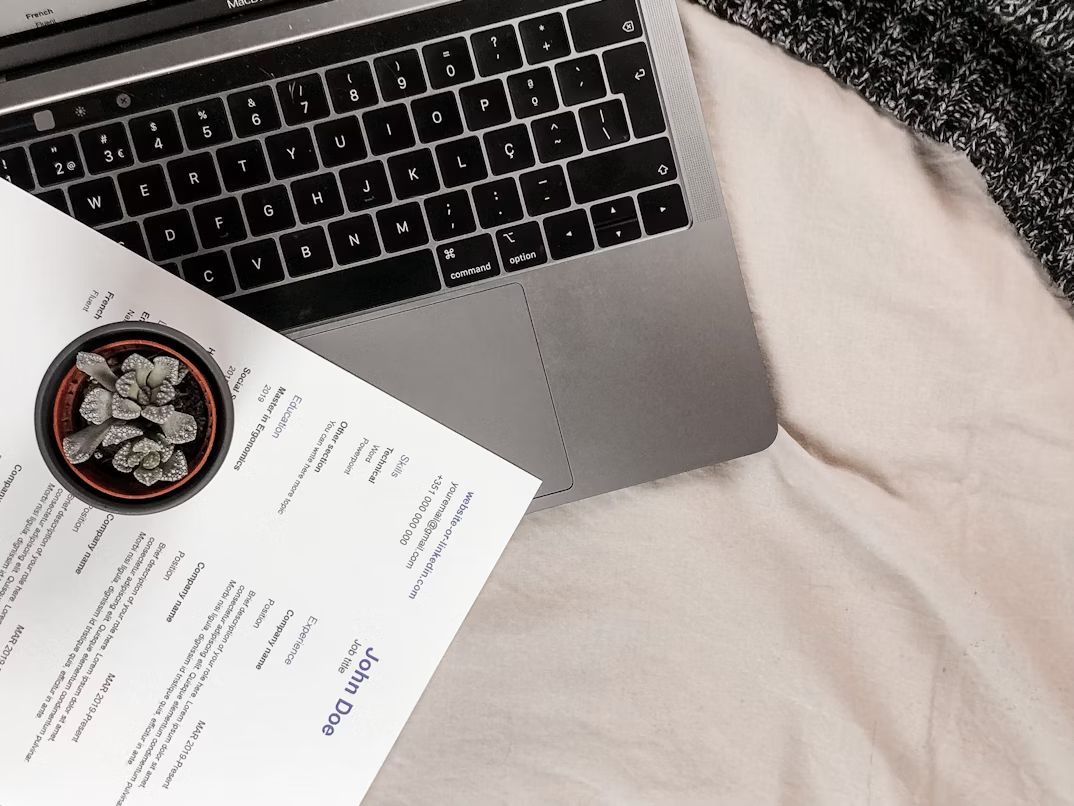
CV stands for curriculum vitae, Latin for "course of life." It’s a fancier version of a résumé and is often used in academia or overseas job applications.

The phrase popped up in the early 1900s and adds a bit of sobriety to your work history. Who said job hunting couldn’t be sophisticated?

10

MO

Image: Content Pixie

"MO" stands for modus operandi, Latin for "method of operating." Originally, it described the signature behavior of criminals, but these days it’s more broadly used to mean someone’s usual way of doing things.

If your uncle always steals the last slice of pie, that’s just his MO. Sneaky, but predictable, you know.

11

SIM

Image: Andrey Matveev

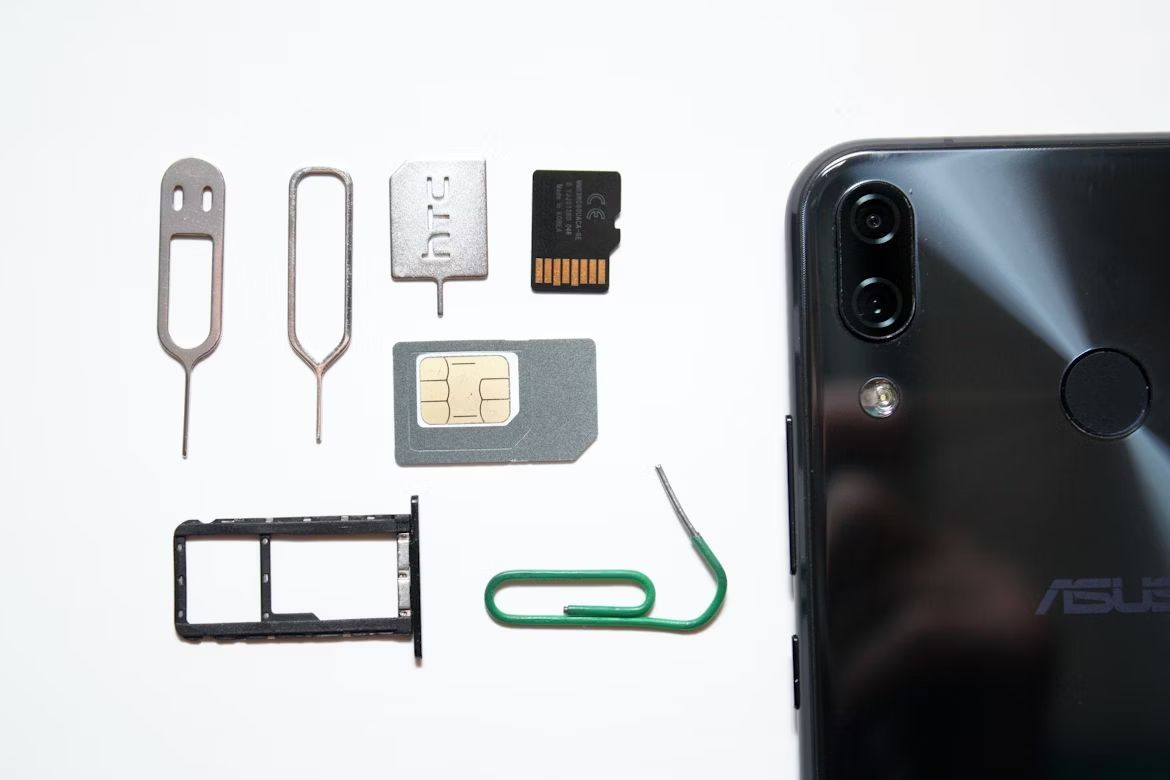
The SIM in your phone stands for "Subscriber Identity Module." It’s what tells the network who you are and lets you make calls, send texts, and use data.

First rolled out in 1991, SIM cards act like your phone’s ID badge—without one, your phone’s just a fancy calculator.

12

Mrs.

Image: Thomas AE

"Mrs." looks like it should rhyme with "mars," but we say it "missus." That’s because it originally stood for "mistress." Don’t worry— not the scandalous kind, just the lady of the house.

Over time, mistress took on new meanings, but the "R" stayed behind in the abbreviation. Go figure.

Oops!

Your playlist is full of grammar mistakes (and you didn’t notice!)


Published on October 30, 2025


Image: Jamakassi

Can bad grammar make a good song? We all have that one tune that makes us sing at the top of our lungs the moment we hear the first note. But even the best songs can have a few mistakes! Of course, that doesn’t stop us from enjoying them, but here are 10 popular songs that have some surprising grammatical errors. Can you spot them? Let’s find out!

1

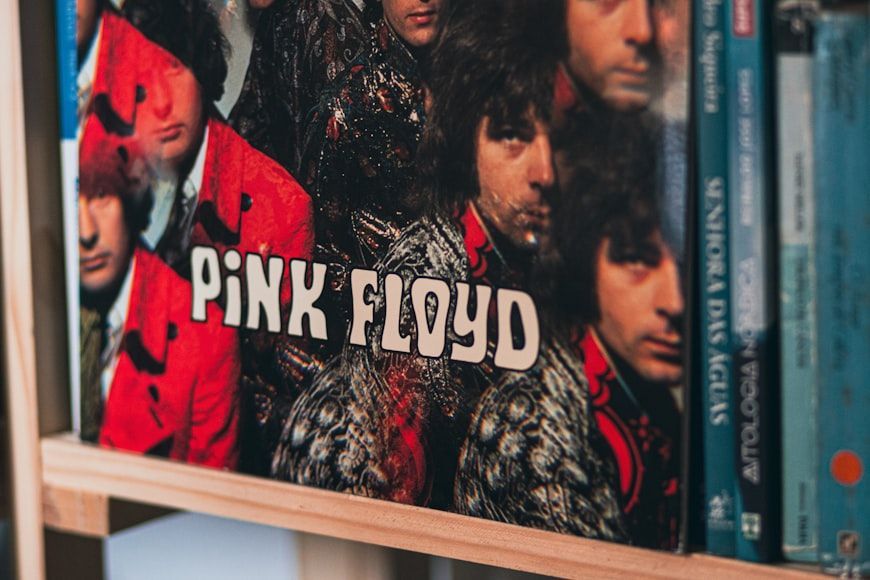
"Another Brick in the Wall, Part 2" by Pink Floyd

Image: Beatriz Kim

We know it’s impossible not to shout, "Hey, teacher!" even if you actually liked school. But here’s the thing: In "Another Brick in the Wall, Part 2," Pink Floyd sings, "We don’t need no education." This is a classic double negative. "Don’t" already does the job, so it should be "We don’t need any education." Grammatically correct, yes, but definitely not as catchy.

2

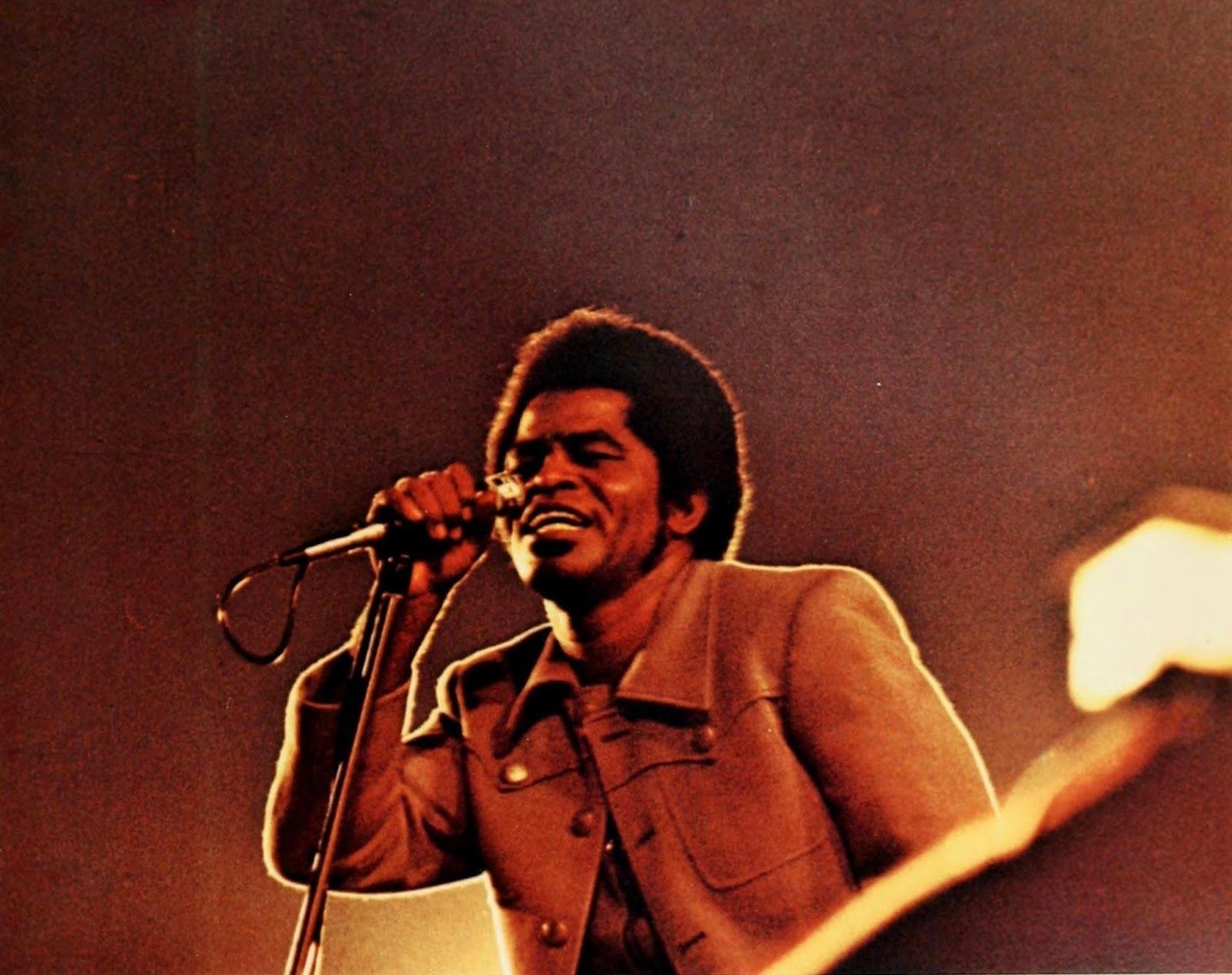
"I Got You (I Feel Good)" by James Brown

Image: Uncredited photographer for the Jambalaya, Public domain, via Wikimedia Commons

With his incredible voice and timeless hits, we can’t blame James Brown for grammar. Still, the little slip in "I Got You (I Feel Good)" could’ve been avoided. To be perfectly proper, the verb "feel" needs an adverb ("well"), not an adjective ("good"). But does it really matter when it sounds that amazing?

3

"(I Can’t Get No) Satisfaction" by The Rolling Stones

Image: Vale Arellano

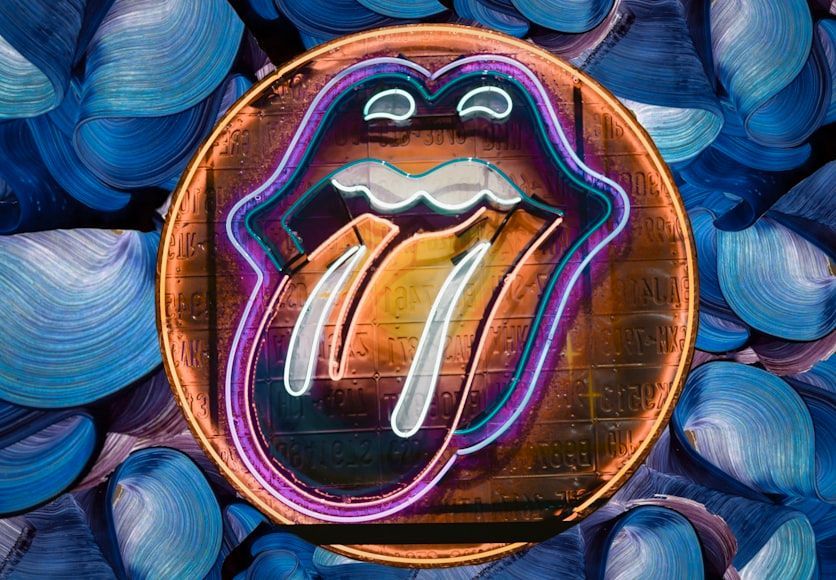
While the guys from The Rolling Stones are musical geniuses, grammar isn’t exactly their top priority. And that’s okay, because they gave us many classics, like: "(I Can’t Get No) Satisfaction." As you may have noticed, this case is very similar to Pink Floyd’s, with the double negative once again taking center stage in this grammatical slip-up.

4

"Ain’t No Sunshine" by Bill Withers

Image: Sussex Records, Public domain, via Wikimedia Commons

Of course, poetic intent played a big role in Bill Withers’ choice of words when he sang, "Ain’t no sunshine when she’s gone…" But it seems double negatives are a recurring crime in the world of song lyrics. The contraction "ain’t" already carries the negation, which is repeated in the words that follow: "no sunshine."

5

"Everytime You Go Away" Paul Young

Image: Mink Mingle

Okay, when singing this song, we don’t notice the mistake because it only becomes obvious when reading it. But Paul Young’s "Everytime You Go Away" has a clear error. "Everytime" isn’t actually a word, though perhaps they removed the space between "every" and "time" to make the title four words instead of five.

6

"Lay Lady Lay" Bob Dylan

Image: See page for author, Public domain, via Wikimedia Commons

Bob Dylan may have won the Nobel Prize in Literature, but he slipped up in "Lay Lady Lay." To "lay" means to put something down gently or carefully, and it is a transitive verb, which usually requires a direct object, for example, "I lay the notebook on the table." In contrast, "lie" means to rest or recline and is an intransitive verb, so it only requires a subject—for example, "I lie down every afternoon." Since the girl in Dylan’s song is probably reclining by herself, the verb he chose isn’t technically correct.

7

"Every Little Thing She Does is Magic" by The Police

Image: Simon Weisser

The history of music wouldn’t be the same without the brilliance of The Police. But even legends slip up sometimes. Take their line, "Everything she do just turns me on." As we know, with a third-person singular subject like "she," the verb should be "does," not "do."

8

"If I Was a Rich Girl" by Gwen Stefani

Image: Lorie Shaull from St Paul, United States, CC BY-SA 2.0 <https://creativecommons.org/licenses/by-sa/2.0>, via Wikimedia Commons

We’re still trying to understand why Gwen Stefani sings, "If I was a rich girl..." In English, conditional sentences about hypothetical situations call for the subjunctive mood, which uses "were" with all subjects. And since her song is based on Fiddler on the Roof’s "If I Were a Rich Man," we know she had the correct example. Plus, singing "were" wouldn’t even mess up the rhythm. We need answers, Gwen!

9

"I Don't Want to Wait" by Paula Cole

Image: De an Sun

The ’90s weren’t just a decade; they were a feeling, and many will remember Paula Cole’s 1996 song "I Don’t Want to Wait." She sings, "Say a little prayer for I." Beautiful? Yes. Grammatically correct? No. "I" is a subject (performing the action), but here she needed "me" as the object (receiving the action). Still, we’ll forgive it for the sake of the rhyme.

10

"Ghostbusters" Ray Parker Jr.

Image: Bradley Menyhert

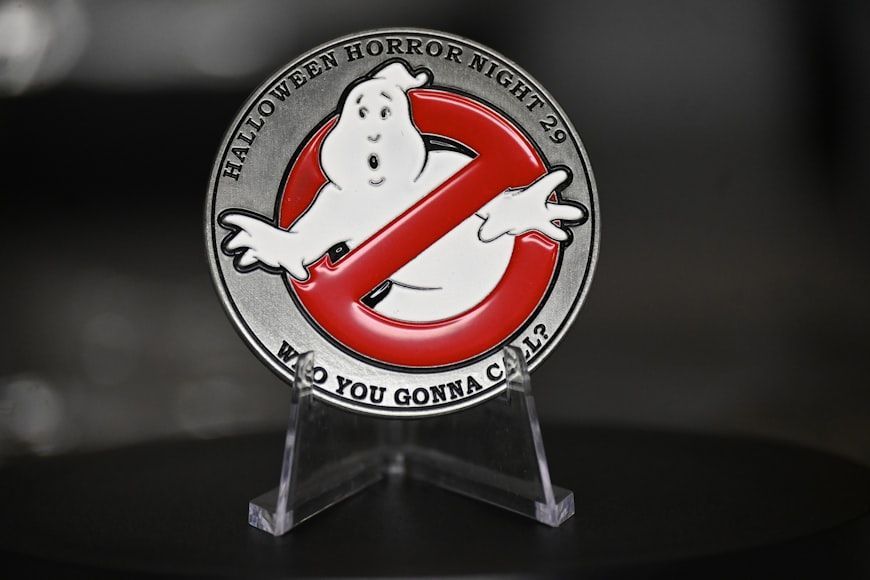
It only takes a few seconds of Ray Parker Jr.’s "Ghostbusters" to bring back the glory of the ’80s. But in the line "Who you gonna call?" there’s a tiny slip. Technically, it should be "Whom," since it’s the object (receiving the call), not the subject. In any case, we must admit that Ray Parker Jr.’s way of saying it is quite common.

Looking for an extra scoop of literary fun?

Learn more with our Word of the day

predominant

/priˈdɑmən(ə)nt/