Why you shouldn't walk under a ladder — and other superstitions explained


Published on January 5, 2026

Credit: Raquel Pedrotti

Superstitions have shaped human behavior for centuries, often rooted in ancient beliefs, religious practices, or sheer coincidence. From knocking on wood to avoiding black cats, even today, these curious traditions persist across cultures. But where did they come from? Here are 12 common superstitions and the fascinating origins behind them.

1

Knock on wood

Credit: Alexey Demidov

This practice dates back to ancient pagan traditions, where trees were believed to house spirits. Knocking was a way to summon their protection or avoid tempting fate.

Over time, the superstition spread across cultures, and early Christians adapted it as a reference to the wood of the cross for divine protection. Today, people still "knock on wood" after making a hopeful statement to ward off bad luck.

2

Breaking a mirror

Credit: Savannah B.

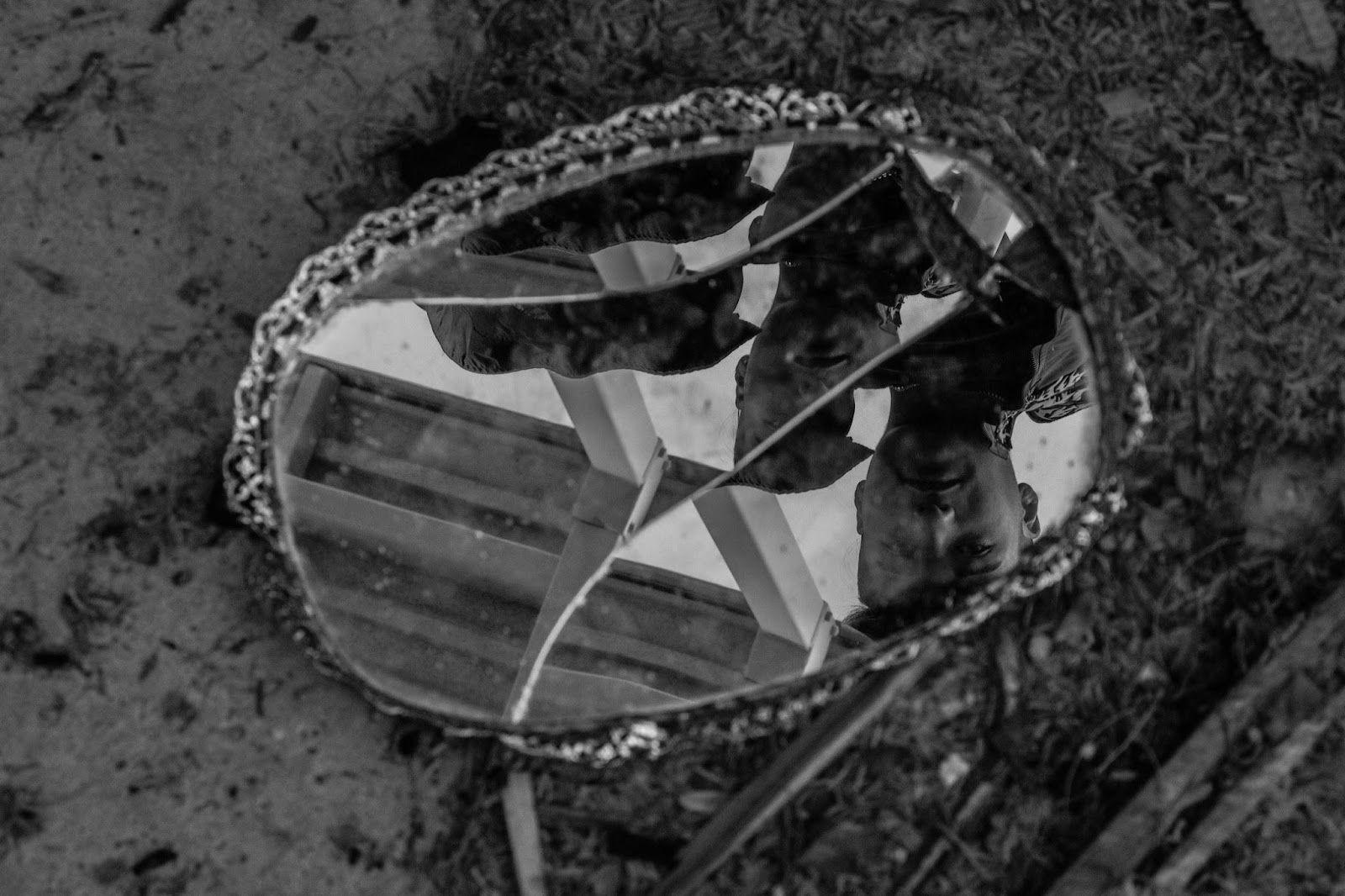
Ancient Romans believed mirrors reflected the soul. Breaking one was thought to damage the soul, which would take seven years to renew.

This idea was reinforced in the Middle Ages, when mirrors became expensive. Breaking one was not only a spiritual concern but also a financial burden, and the superstition likely served as a warning to handle them with care.

3

Friday the 13th

Credit: Waldemar

The fear of the number 13 stems from Norse and Christian traditions, with an unlucky 13th guest believed to bring misfortune. Friday was also linked to Jesus’ crucifixion.

The superstition intensified in the 20th century through pop culture references, leading to widespread fear. Many buildings and airlines even avoid labeling a 13th floor or row.

4

Walking under a ladder

Credit: Jilbert Ebrahimi

Ancient Egyptians saw ladders as sacred symbols, forming a triangle with the ground. Walking through one was believed to anger the gods.

During the Middle Ages, ladders were associated with gallows, creating a connection with death. The belief persists today, reinforced by the obvious danger of a ladder toppling.

5

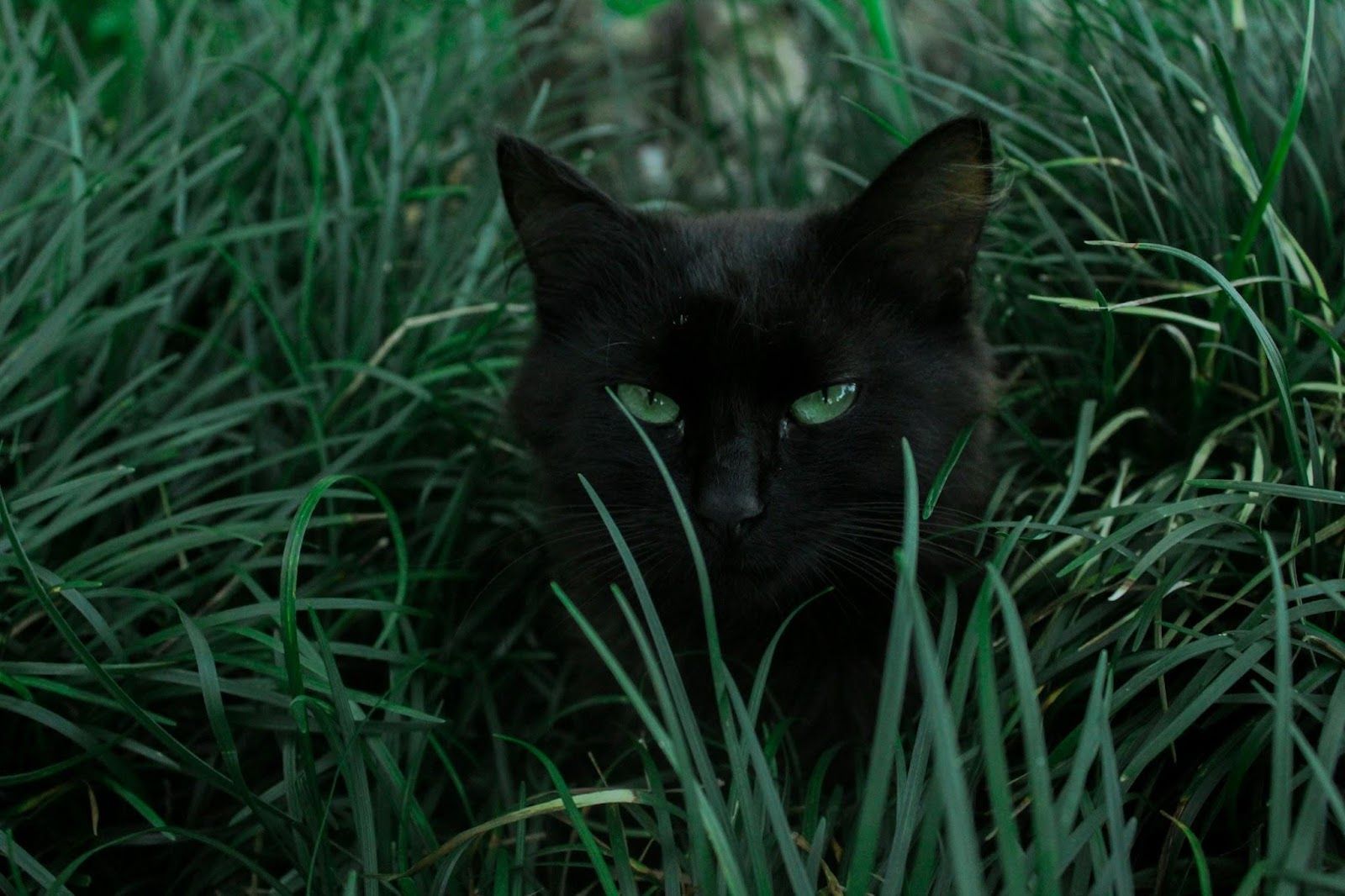
Black cats

Credit: Tatiana Zanon

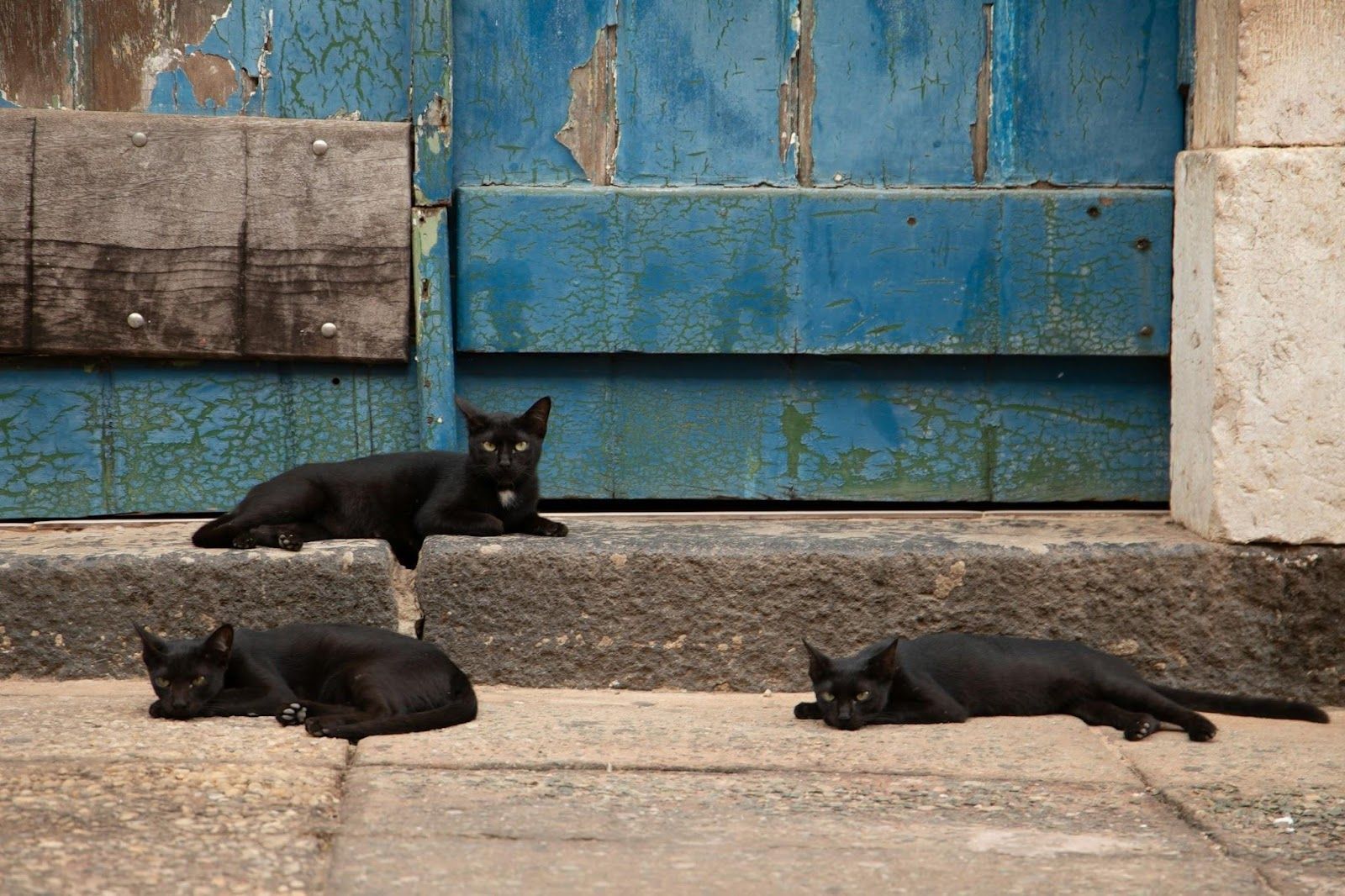
In medieval Europe, black cats were linked to witches, believed to be their familiars—or even witches in disguise—and crossing paths with one was thought to bring misfortune.

However, this wasn’t true everywhere. In ancient Egypt, black cats were especially revered, and today they are considered lucky in some cultures, particularly in Japan and Scotland.

6

Opening an umbrella indoors

Credit: Trent Haaland

In Victorian England, umbrellas with spring mechanisms could accidentally injure people indoors, making this superstition more about a real hazard than a "bad omen."

A deeper origin may stem from ancient Egypt, where parasols were used to shield pharaohs from the sun. Opening one indoors was thought to offend the sun god Ra.

7

Spilled salt

Credit: Emmy Smith

Salt was a valuable commodity in ancient times, sometimes even used as currency. Spilling it was considered wasteful and unlucky.

Leonardo da Vinci’s The Last Supper depicts Judas spilling salt, reinforcing its association with betrayal and misfortune. As a countermeasure, tossing salt over the left shoulder was thought to blind evil spirits.

8

Tossing a coin in a fountain

Credit: Virgil Cayasa

The Romans believed water had sacred properties, and tossing a coin into a fountain was an offering to the gods for good fortune.

The Trevi Fountain in Rome helped popularize the tradition. Today, millions of coins are thrown into fountains worldwide, with many places donating the collected money to charity.

9

Horseshoes for luck

Credit: Matt Benson

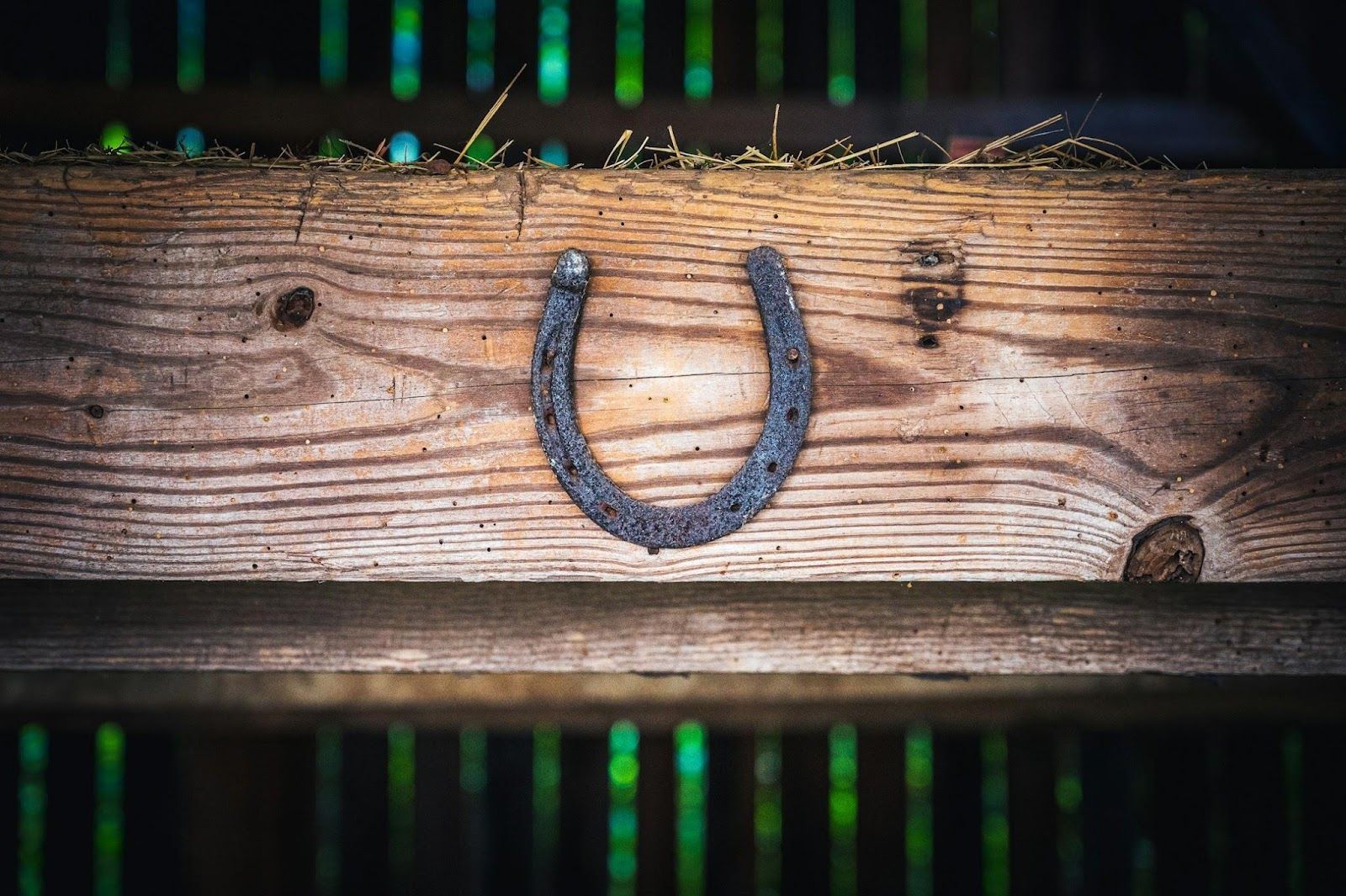
The horseshoe’s luck stems from iron’s historical association with warding off evil spirits and fairies. The shape also resembles a crescent moon, a symbol of protection.

In part, the association with the supernatural stemmed from the fact that blacksmiths were highly respected in medieval Europe, and their complex craft was seen by many as nearly magical.

10

Crossing fingers for luck

Credit: Dayne Topkin

This tradition likely originated with early Christians, who used finger gestures to invoke divine protection and ward off evil.

Over time, the practice became a general symbol of good luck, with people crossing their fingers for positive outcomes—or even to excuse small lies.

11

Stepping on a crack

Credit: Luis Villasmil

This rhyme originated in the 19th century as a playful warning to children, with no real historical basis.

However, cracks in sidewalks were sometimes linked to supernatural beliefs, with some cultures fearing they could allow evil spirits to escape from the underworld.

12

Saying "bless you" after a sneeze

Credit: mohammad hosein safaei

According to one theory, Pope Gregory I promoted saying "God bless you" during the bubonic plague to protect against disease, and the phrase stuck.

Another possible origin comes from ancient Rome, where sneezing was thought to temporarily expel the soul, making a blessing necessary for protection.



A female perspective

9 women writers who left their mark on literature


Published on January 5, 2026


Credit: Kimberly Farmer

Women have had a hard time writing throughout history due to societal constraints, expectations, and limited access to education. Yet, despite these obstacles, they have raised their voice to address social issues and share personal experiences. Let's explore 9 novels written by women that left their mark on literature.

Genji Monogatari, Murasaki Shikibu

Credit: Tim D

Genji Monogatari, or The Tale of Genji, is one of the first novels ever written, and one of the earliest pieces of literature written by a woman. Penned by noblewoman Murasaki Shikibu in the 11th century, The Tale of Genji tells the story of the Emperor’s son, his love affairs, and the problems he faces at court.

Written in the more accessible hiragana (Japanese phonetic script) instead of the prestigious kanji (Chinese ideograms), this literary work is considered canonical in Japan and is studied in high schools.

Uncle Tom’s Cabin, Harriet Beecher Stowe

Credit: Mike Petrucci

Published in 1852, Uncle Tom's Cabin; or, Life Among the Lowly was Beecher Stowe’s response to the Fugitive Slave Act, which required people in free states to return escaped slaves to their owners. The story follows two slaves: Tom, who is sold to pay his master’s debts, and Eliza, who runs away to avoid the sale of her son.

Though later criticized by its sentimentality and use of stereotypes, Uncle Tom’s Cabin had a profound impact on both abolitionists and defenders of slavery. According to popular lore, Abraham Lincoln called Beecher Stowe "the little lady who started this great war" upon meeting her.

The Tenant of Wildfell Hall, Anne Brontë

Credit: Steve Payne

When Anne Brontë published her second novel under the pseudonym Acton Bell, she encountered both success and outrage. The depiction of a woman mistreated by her alcoholic, gambling, and unfaithful husband shocked Victorian society, which did not like the representation of its hypocritical morals.

Anne Brontë’s early death meant that the book was not republished for a long time, as her sister Charlotte disliked its theme and realism, which she saw as inspired by the tragic life of their late brother Branwell.

To Kill a Mockingbird, Harper Lee

Credit: Nathan Anderson

Until 2015, To Kill a Mockingbird was Harper Lee’s only published book. Based on experiences she witnessed as a child in Alabama during the 1930s, the novel follows the trial of a Black man accused of assaulting a white woman, told from the perspective of a six-year-old girl.

An instant success, To Kill a Mockingbird is considered by many as one of the great American novels, while simultaneously appearing on the banned books list of many school districts.

Pachinko, Min Jin Lee

Credit: Leonis Caeli

During the Japanese occupation, many Koreans emigrated to Japan in search of work and faced discrimination and abuse. Pachinko follows the story of Sunja, a pregnant young woman who follows her husband to Japan, and explores how history shapes her life and the next generations of her family.

While touching on a painful subject for Korean people, Min Jin Lee also highlights the bravery of women stepping up to take care of their families in times of war and conflict.

The Rice Sprout Song, Eileen Chang

Credit: David Gardiner

Born in Shanghai as the daughter of a court official and raised between England, France, and Hong Kong, Eileen Chang became renowned for her wartime narratives. The Rice Sprout Song is her first novel written in English, later self-translated into Chinese, and it explores the consequences of agrarian reforms in the Chinese countryside.

Depicting famine, government control, and its effects on family life, Chang sought to give a voice to common people affected by the political decisions of a government.

Persepolis, Marjane Satrapi

Credit: Manou Azadi

Originally published in French, this graphic novel follows the life of Marjane in Iran during the Islamic Revolution, the war, her move to Europe for studies, and the challenges of returning and reintegrating into Iranian society.

_Persepolis_’ publication was not without controversy: highly acclaimed by critics, it was banned in Iran due to its critical portrayal of the regime. In the U.S., it has also been banned from certain school districts due to the themes it discusses.

Half of a Yellow Sun, Chimamanda Ngozi Adichie

Credit: Ovinuchi Ejiohuo

Published in 2006, Half of a Yellow Sun depicts the Nigerian Civil War and its consequences through a love story, and touches on subjects such as social classes, ethnic conflicts, gender roles, and the aftermath of armed conflicts.

Half of a Yellow Sun received overwhelmingly positive reviews for its narration of such difficult themes, though some critics have noted the intense violence and graphic imagery in the story.

Wide Sargasso Sea, Jean Rhys

Credit: Alex Kolundzija

This historical novel by British-Dominican novelist Jean Rhys became known for its reversal of a British classic, Charlotte Brontë’s Jane Eyre. Written from the perspective of the "madwoman in the attic," Rhys’s novel explores the power dynamics in the Caribbean and the treatment of women. Since its publication, it has been central to studies on colonialism and postcolonial literature.

Looking for an extra scoop of literary fun?

Learn more with our Word of the day

ensorcell

/ɛnˈsɔrsəl/