Head-scratching rulebooks

Why sumo wrestlers can’t drive—plus 9 more weird sports rules


Published on April 28, 2026


Image: Nathan Shively

Sports are full of strange rules—some meant to prevent chaos, others just plain bizarre. From bans on fake beards to strict limits on chess players' bathroom breaks, these odd regulations often have surprising reasons behind them. Here are 10 of the weirdest sports rules that will leave you scratching your head.

1

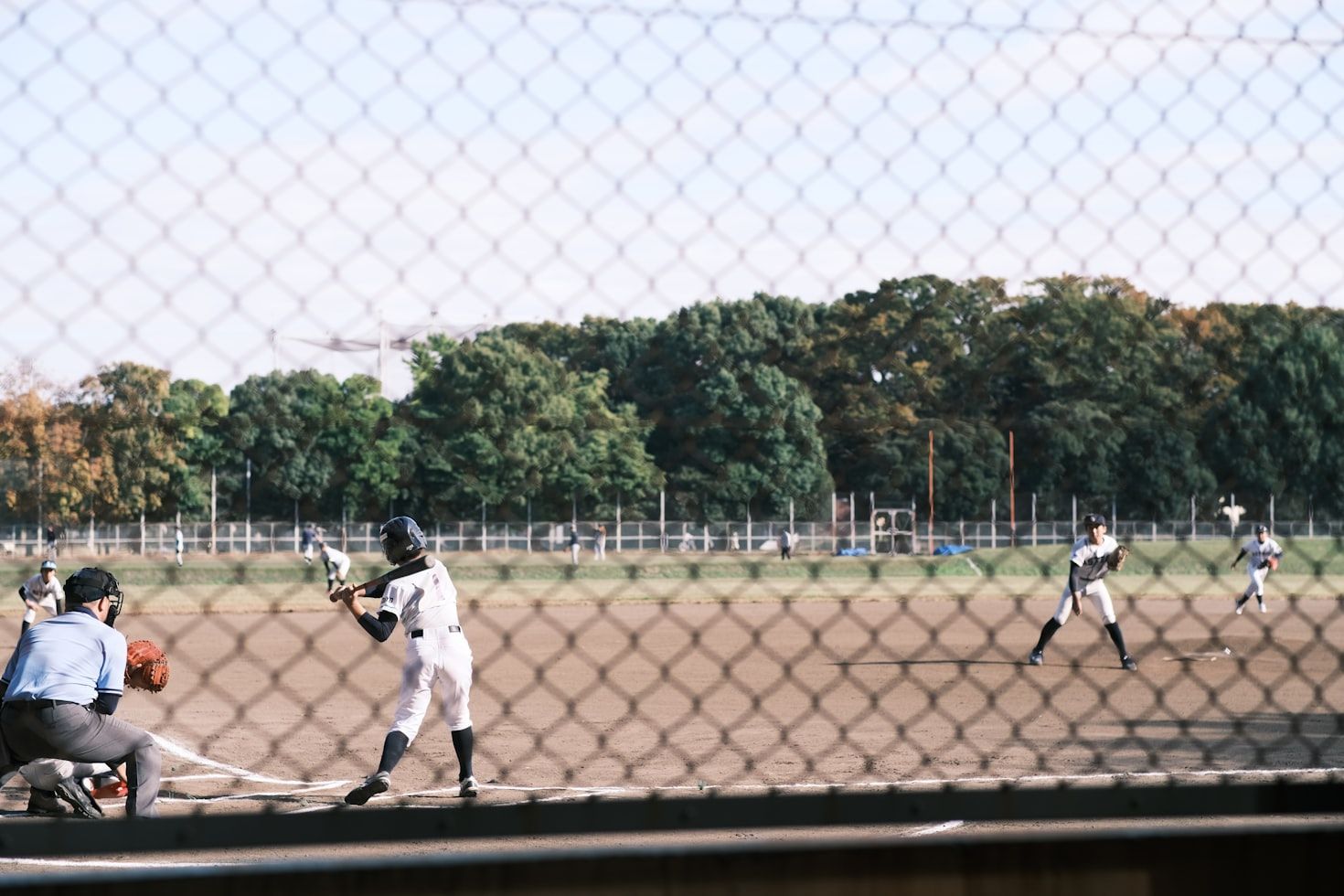
No fake facial hair

Image: Capture @Moments

Believe it or not, Japan’s pro baseball league bans artificial beards. In an effort to maintain a clean, professional look, the Nippon Professional Baseball league prohibits players from wearing fake facial hair. Real beards are fine, but if it’s glued on, it’s against the rules.

2

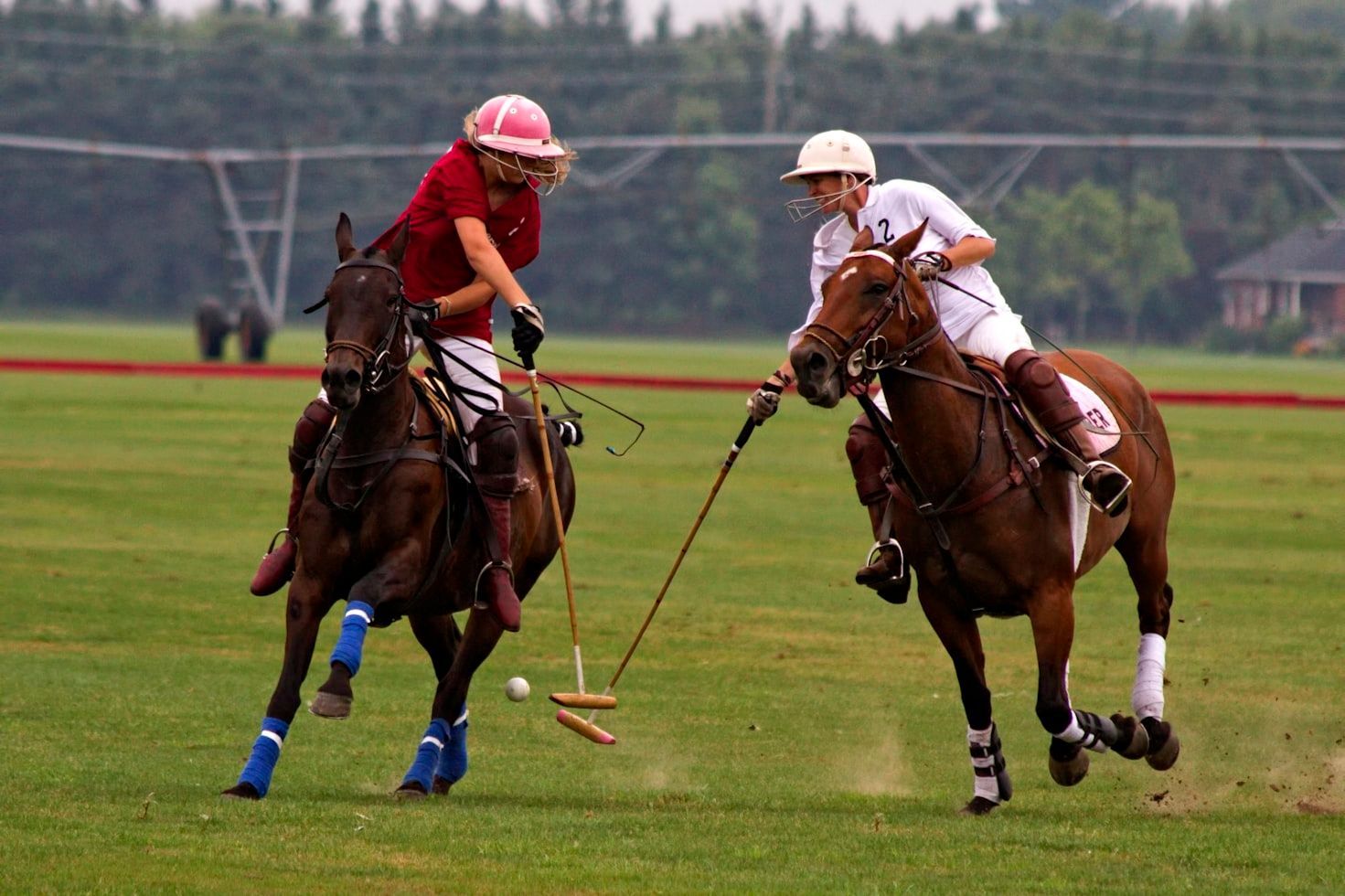
No left-handed polo players

Image: Paul Chambers

Left-handed play was banned in polo for safety reasons. Since 1974, all polo players must use their right hand to hold the mallet. This prevents unintended collisions, as left-handed riders swinging in the opposite direction could create dangerous situations on the field.

3

Chess players can’t use the restroom too often

Image: JESHOOTS.COM

In professional chess, frequent bathroom breaks can get you disqualified. After several cheating scandals involving hidden communication devices, chess tournaments enforce strict restroom usage policies. If a player leaves too often, they risk forfeiting the match.

4

Tennis players can’t coach mid-match

Image: John Fornander

In professional tennis, coaching during a match is strictly prohibited. In fact, even silent signals can lead to penalties. In 2018, Serena Williams was penalized after her coach made a hand gesture, even though she claimed she didn’t see it.

5

Golfers can be penalized for signing the wrong score

Image: Courtney Cook

A golfer who accidentally signs an incorrect scorecard can be disqualified. Even if it’s an honest mistake, the penalty is harsh. This has happened to multiple players in major tournaments, making it one of golf’s most unforgiving rules.

6

Boxers can’t spit out their mouthguard to stall

Image: Nemesia Production

Some boxers tried spitting out their mouthguards to sneak in extra rest while the referee retrieved them. But this trick is against the rules—officials can now penalize fighters or even stop the match to prevent it.

7

Basketball players can’t hang on the rim too long

Image: Markus Spiske

Turns out your strict P.E. teacher was just enforcing NBA rules. The NBA prohibits players from hanging on the rim unless it's to avoid injury. Excessive hanging results in a technical foul, preventing unnecessary delays and taunting. Dunking is fine—just don’t show off!

8

Cricket players can’t use their hats to catch a ball

Image: Alfred Kenneally

If a cricket fielder catches a ball using their hat or any other part of their uniform, it doesn’t count. You must use your hands, no exceptions. The rule ensures players rely on skill, not creative use of clothing.

9

Table tennis serves must be thrown at least 6.3 inches high

Image: MARCUS CLARK

Since 2002, no sneaky low tosses are allowed in table tennis. This rule ensures a fair serve by making the ball visible to the opponent. If a player fails to toss the ball high enough, the serve is ruled illegal.

10

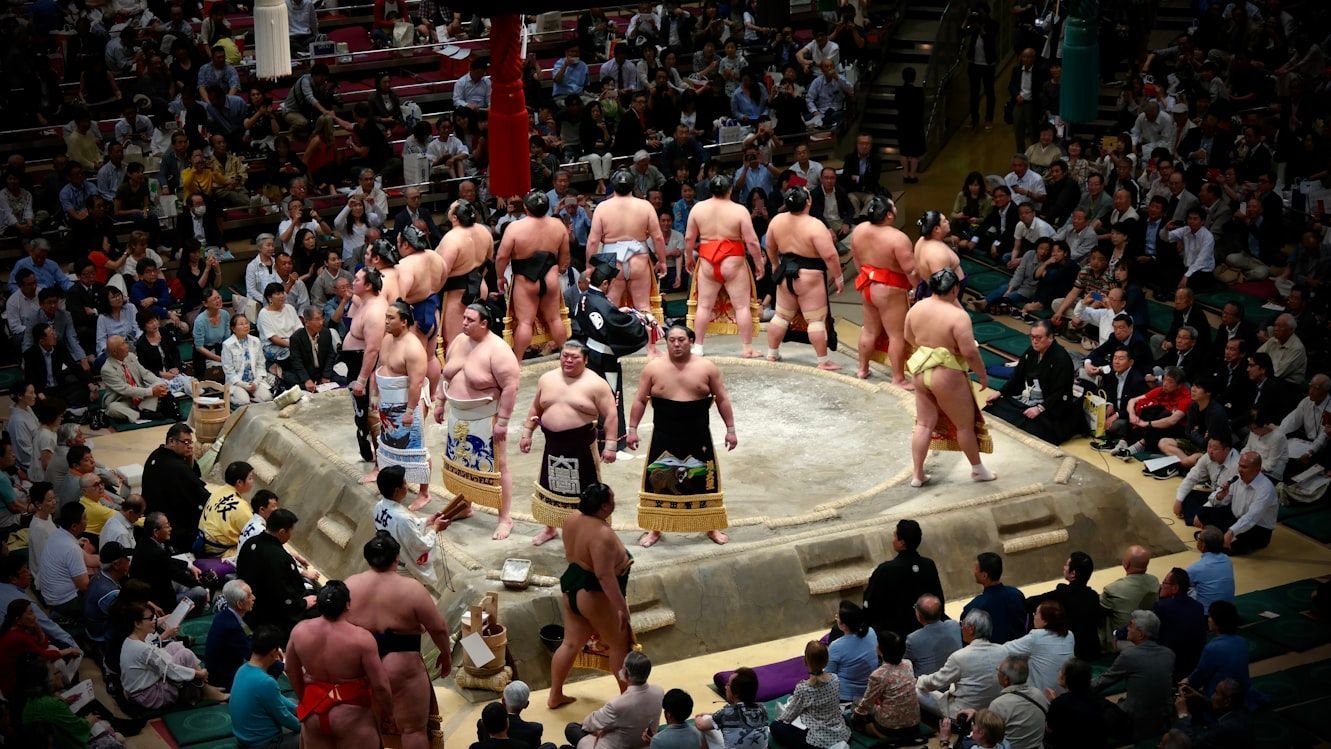
Sumo wrestlers can’t drive cars

Image: Alessio Roversi

It’s a rule for safety reasons. The sheer size of top athletes in this sport has been linked to car accidents, as they are often too large for modern vehicles. This has led the Japan Sumo Association to ban them from driving, requiring professional wrestlers to use chauffeurs or public transport instead.

Bad picks from the forest

Deadly fungi: 10 poisonous mushrooms you don't want to mess with


Published on April 28, 2026


Image: LoggaWiggler

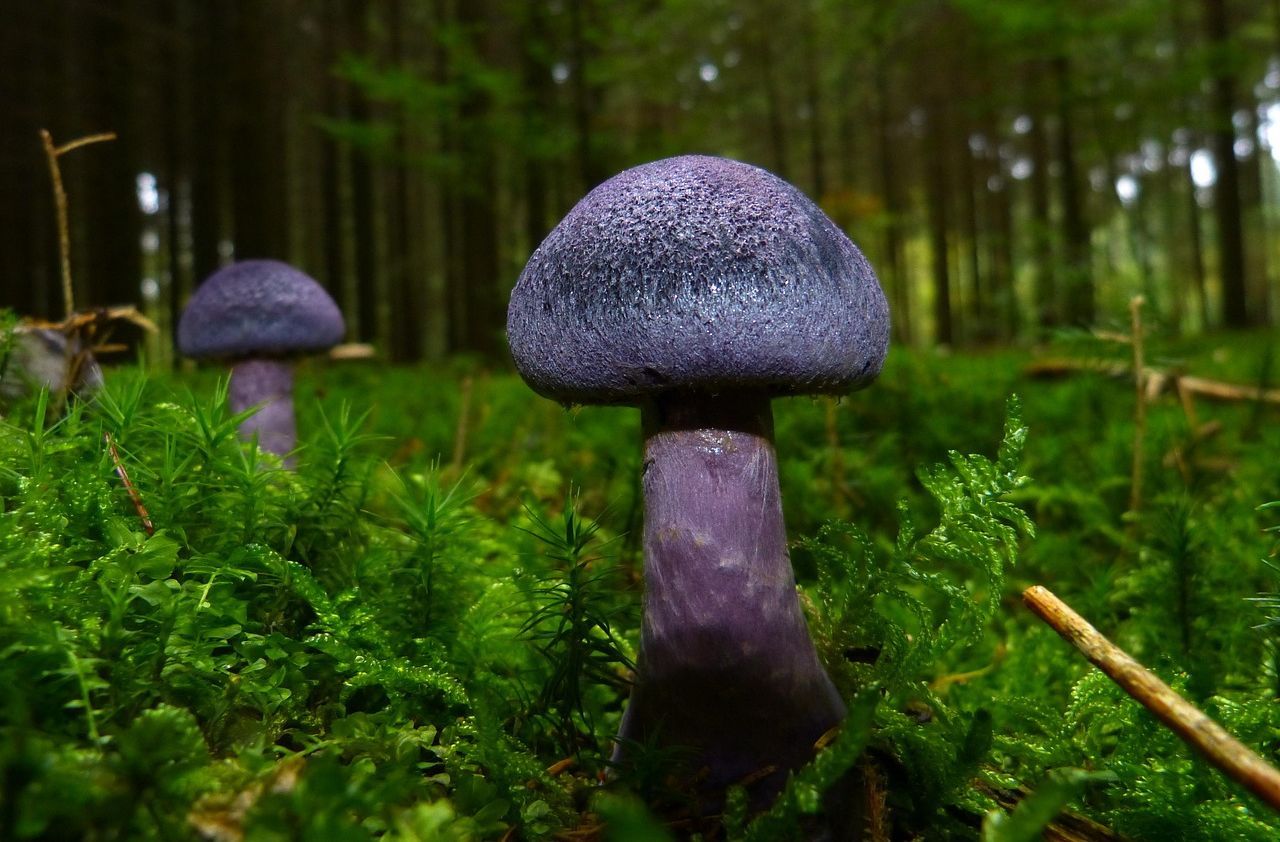
Going mushroom hunting in the woods during the fall or spring can be a fun and rewarding activity. However, it is important to first learn how to differentiate between edible and poisonous fungi. Depending on the species, mushrooms can pose different dangers. Some may cause minor indigestion, while others can be fatal. In this article, we’ll unmask 10 dangerous mushrooms you should stay away from. Do you know which species is responsible for the most mushroom-related fatalities each year?

1

Fly Agaric (Amanita muscaria)

Image: Andriy Nestruiev

When we think of mushrooms, the first image that often comes to mind is a cute little red cap covered in white dots. Amanita muscaria is the classic mushroom found in children's books and is likely the most photographed mushroom in the world. But did you know it can be dangerous?

This mushroom’s colloquial name, fly agaric, probably derives from its traditional use as a fly killer. It has also been used throughout history in religious rites for its hallucinogenic properties. However, the presence of several toxins can produce other effects as well, including nausea, vomiting, and diarrhea. Although it is not the most poisonous of all mushrooms, it’s best not to be seduced by its charming appearance—stay away from it.

2

Fool’s Webcap (Cortinarius orellanus)

Image: mirey2222

Cortinarius orellanus is a medium-sized mushroom with a cylindrical yellowish stem, an orange-brown cap, saffron-colored gills, and yellowish flesh. Commonly known as the fool’s webcap, it is native to Europe and is typically found in mountain forests. It prefers moist, organic-rich soils and is most prevalent during the summer and fall months.

The fool’s webcap is one of the most poisonous mushrooms known to exist. It contains orellanin, a nephrotoxic compound that can cause severe kidney damage in humans. Symptoms of poisoning—including lower back pain, nausea, vomiting, and diarrhea—can take several days to appear, making diagnosis and treatment especially difficult.

3

Satan's bolete (Boletus satanas)

Image: adege

This species is considered one of the few toxic members of the Boletus genus. In the areas where it grows—warmer regions of Europe—it is feared for its poisonous effects, which appear shortly after ingestion. Although caution is warranted, it is not a deadly mushroom; however, it can cause dehydration, diarrhea, nausea, and severe abdominal pain.

Despite bearing some resemblance to edible mushrooms, its size often gives it away. Satan’s bolete can reach up to 20 inches in width, and it is not uncommon to find specimens weighing around 4.5 pounds. Its cap is beige, it has a bulbous red stem, its flesh is light yellow and turns blue when cut, and it emits a notably unpleasant odor.

4

Liberty Cap (Psilocybe semilanceata)

Image: Hans

Psilocybe semilanceata, commonly known as the liberty cap, is a mushroom known for its psychotropic effects. It grows mainly in humid and temperate areas of the Northern Hemisphere, particularly in Europe. It has a distinctive nipple-shaped cap, and its color ranges from whitish when young to brown as it matures. The mushroom has a bitter taste.

Although the liberty cap is considered to have low toxicity, its ingestion can produce a range of effects, including altered perception of space and time. It may also cause temporary paranoia, with effects typically lasting between 3 and 6 hours. For this reason, its consumption is not recommended outside of a controlled environment.

5

Destroying Angel (Amanita verna)

Image: Erik Karits

Eating even a single piece of Amanita virosa can cause irreversible liver damage, and you should be especially careful because it can be easily mistaken for edible white-capped species.

In the eastern United States, the destroying angel appears from early summer to early autumn. It has a white cap that is initially ovoid and later flattens with age. The stalk is slender and covered with fine hairs, and it features a membranous ring. Despite its pleasant smell and reportedly good taste, this mushroom is extremely poisonous—ingesting it can result in death.

6

False Morel (Gyromitra esculenta)

Image: ChristianSW, CC0, via Wikimedia Commons

The false morel can be found in spring in coniferous forests. Its cap is brain-like, with intricate wrinkles and folds, and its color ranges from light brown to reddish brown depending on humidity.

Despite its scientific name—Gyromitra esculenta ("esculenta" meaning "edible")—the false morel is highly toxic unless properly prepared. In some individuals, it can be dangerous even after cooking; its toxins are volatile, and poisoning can occur by inhaling the fumes released during boiling. Nevertheless, the false morel remains a popular mushroom in some European countries, such as Finland, where it is used in certain traditional dishes. Would you dare to try it?

7

Deadly Dapperling (Lepiota brunneoincarnata)

Image: PublicDomainPictures

Lepiota brunneoincarnata may be tiny in size, but it is unquestionably deadly. It’s important to be able to recognize this mushroom and exercise caution when encountering it in the wild. The good news is that its appearance differs significantly from most edible species, making it less likely to be confused with them.

Commonly known as the deadly dapperling, this mushroom is found throughout Europe and parts of Asia. It typically appears during the summer and autumn months in meadows, parks, gardens, shrublands, and along roadsides. It contains a toxin called amatoxin, which is absorbed through the digestive tract and can cause symptoms such as abdominal pain, gastroenteritis, diarrhea, and vomiting. If not treated promptly, it can lead to death within a week.

8

Autumn Skullcap (Galerina marginata)

Image: Vladimir Srajber

Galerina marginata, known colloquially as autumn skullcap, is found in coniferous forests across North America, Europe, Asia, Japan, and Australia. Although it can appear at various times of the year, it is most commonly found in autumn. It has a soft brownish color, and its cap surface is often slimy with a greasy appearance.

Like the deadly dapperling, the autumn skullcap contains amatoxins, which interfere with essential cellular functions. The first symptoms of poisoning appear 6 to 24 hours after ingestion. It can cause renal failure and eventually death if not treated within the first four days.

9

Livid Pinkgill (Entoloma sinuatum)

Image: Hans

Entoloma sinuatum is responsible for numerous cases of poisoning, as it can be mistaken for several edible species. At first glance, the body of the livid pinkgill looks like a classic field mushroom—its cap often displays a creamy light gray color. It typically grows in clay and limestone-rich soils, especially in beech and oak forests across Europe and parts of North America.

Although it does not have an unpleasant taste, you shouldn’t eat it. It can cause severe gastrointestinal disorders, including persistent diarrhea and vomiting, which may last for several days, and in some cases, up to two weeks.

10

Death Cap (Amanita phalloides)

Image: adege

The death cap (Amanita phalloides) accounts for the vast majority of mushroom poisoning deaths worldwide—hence its name. Consuming less than 2 ounces of this mushroom is enough to be fatal; an even smaller dose can kill a child and cause severe poisoning in adults.

Native to the United Kingdom and parts of Ireland, the death cap has rapidly spread over the past century to Australia and North America. It can grow up to 6 inches tall and has a domed cap sometimes tinged yellow or green, along with a white stem, which makes it difficult to distinguish from some edible mushrooms. Even its spores are poisonous. Therefore, if you have handled a death cap, avoid touching your mouth and always wash your hands thoroughly before eating.

Looking for an extra scoop of literary fun?

Learn more with our Word of the day

wrinkle

/ˈrɪŋk(ə)l/