Head-scratching rulebooks

Why sumo wrestlers can’t drive—plus 9 more weird sports rules


Published on April 28, 2026
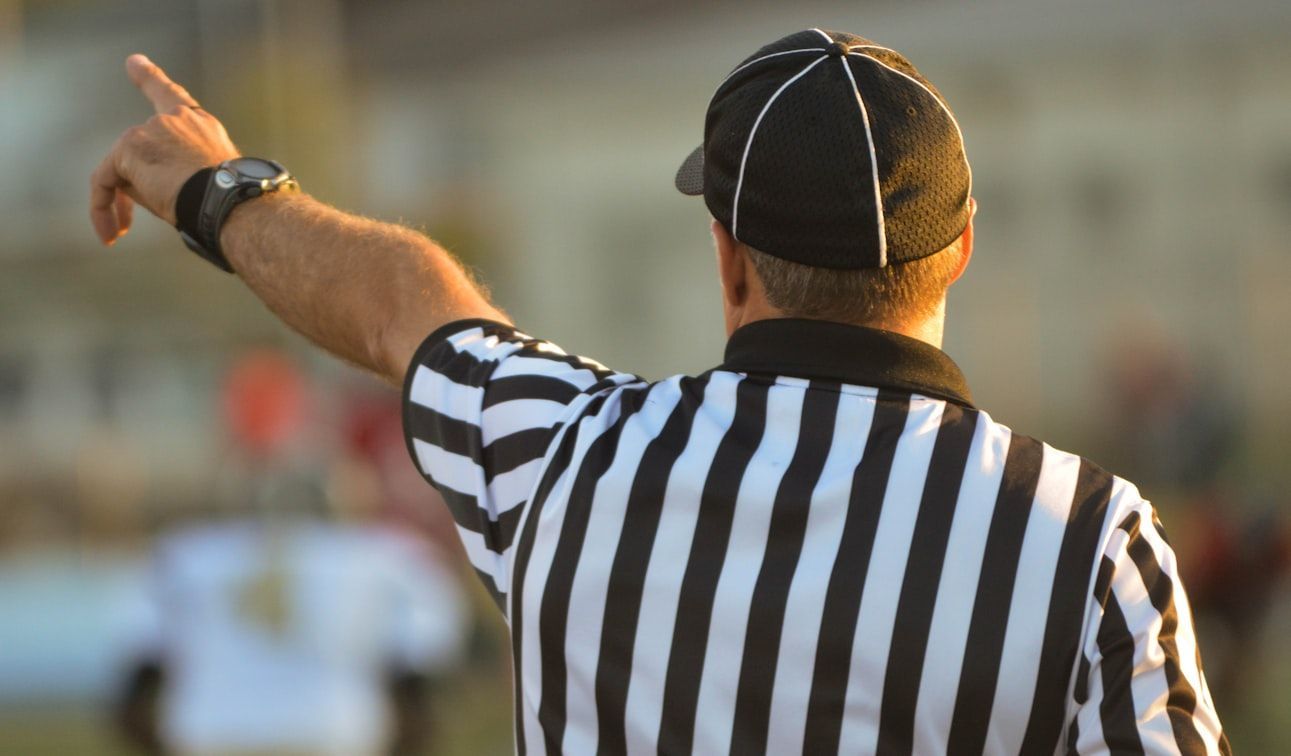

Image: Nathan Shively

Sports are full of strange rules—some meant to prevent chaos, others just plain bizarre. From bans on fake beards to strict limits on chess players' bathroom breaks, these odd regulations often have surprising reasons behind them. Here are 10 of the weirdest sports rules that will leave you scratching your head.

1

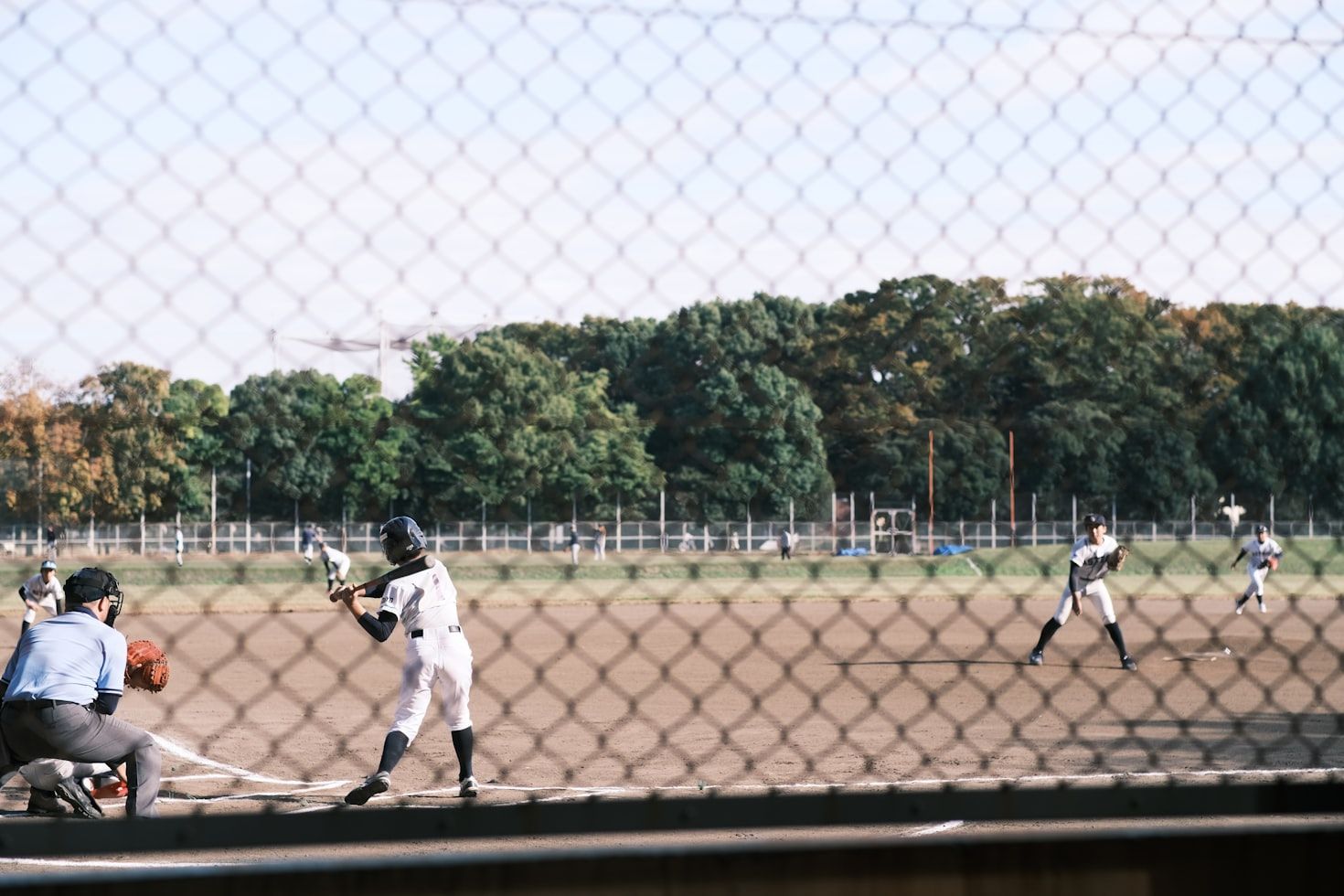
No fake facial hair

Image: Capture @Moments

Believe it or not, Japan’s pro baseball league bans artificial beards. In an effort to maintain a clean, professional look, the Nippon Professional Baseball league prohibits players from wearing fake facial hair. Real beards are fine, but if it’s glued on, it’s against the rules.

2

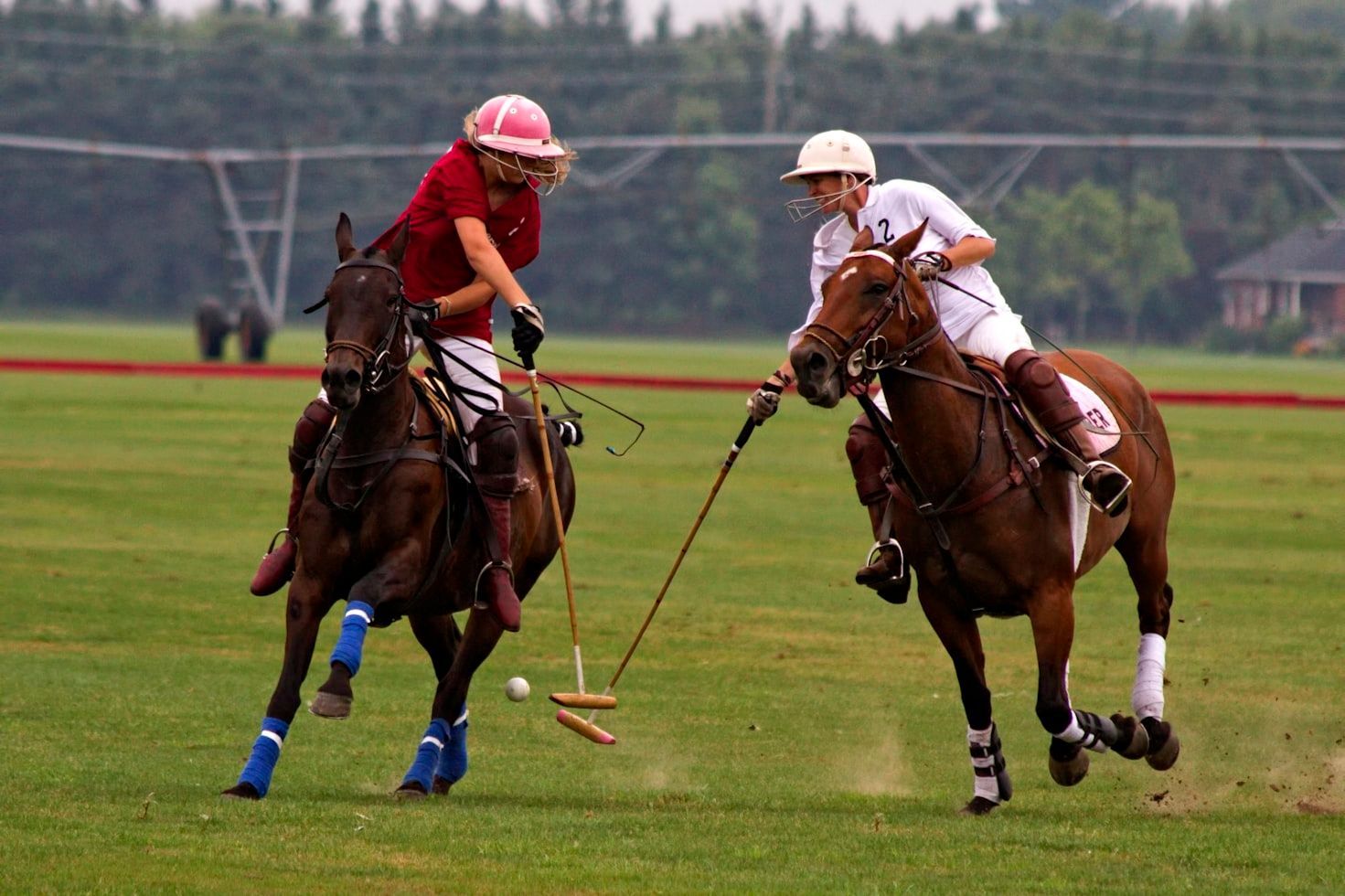
No left-handed polo players

Image: Paul Chambers

Left-handed play was banned in polo for safety reasons. Since 1974, all polo players must use their right hand to hold the mallet. This prevents unintended collisions, as left-handed riders swinging in the opposite direction could create dangerous situations on the field.

3

Chess players can’t use the restroom too often

Image: JESHOOTS.COM

In professional chess, frequent bathroom breaks can get you disqualified. After several cheating scandals involving hidden communication devices, chess tournaments enforce strict restroom usage policies. If a player leaves too often, they risk forfeiting the match.

4

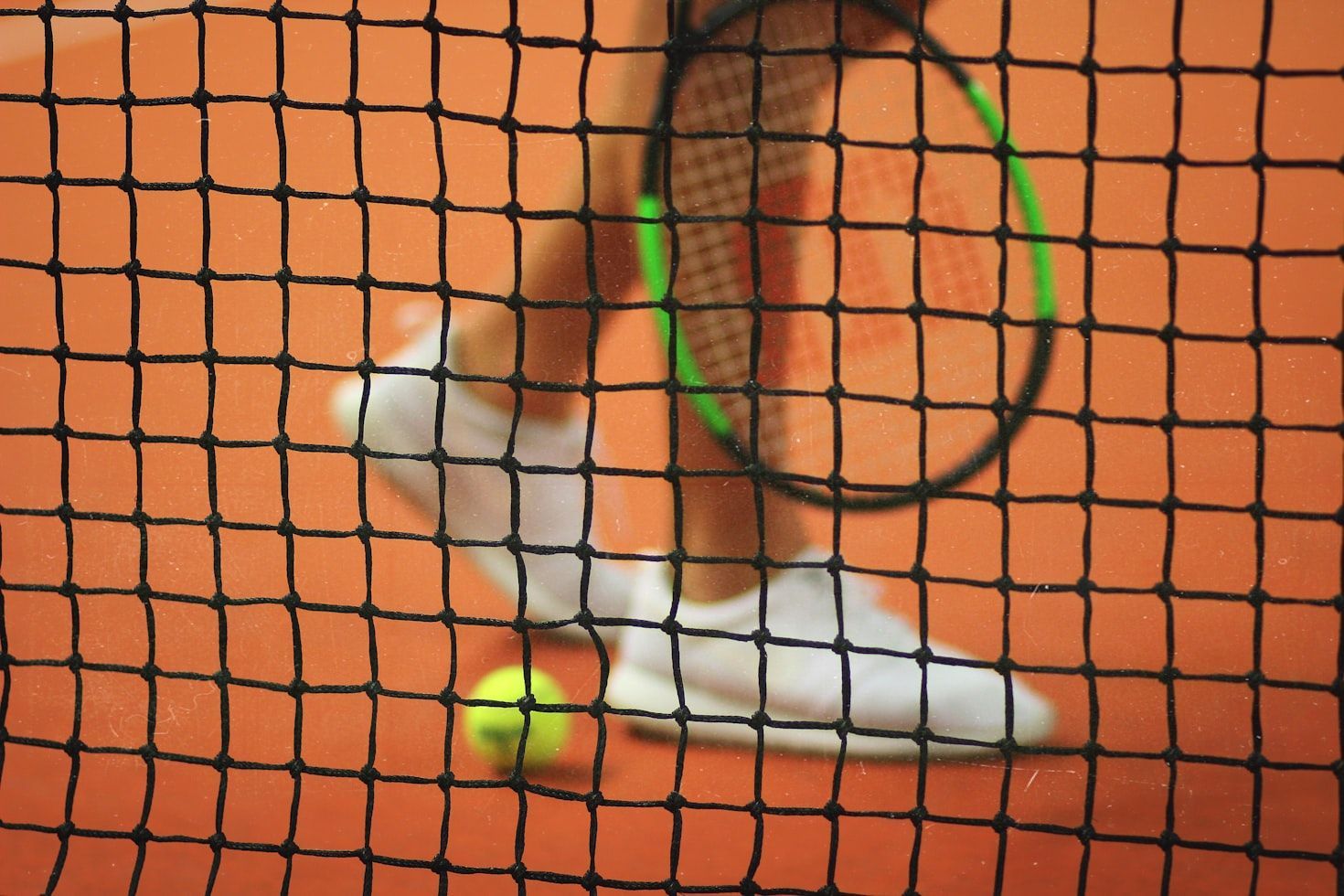
Tennis players can’t coach mid-match

Image: John Fornander

In professional tennis, coaching during a match is strictly prohibited. In fact, even silent signals can lead to penalties. In 2018, Serena Williams was penalized after her coach made a hand gesture, even though she claimed she didn’t see it.

5

Golfers can be penalized for signing the wrong score

Image: Courtney Cook

A golfer who accidentally signs an incorrect scorecard can be disqualified. Even if it’s an honest mistake, the penalty is harsh. This has happened to multiple players in major tournaments, making it one of golf’s most unforgiving rules.

6

Boxers can’t spit out their mouthguard to stall
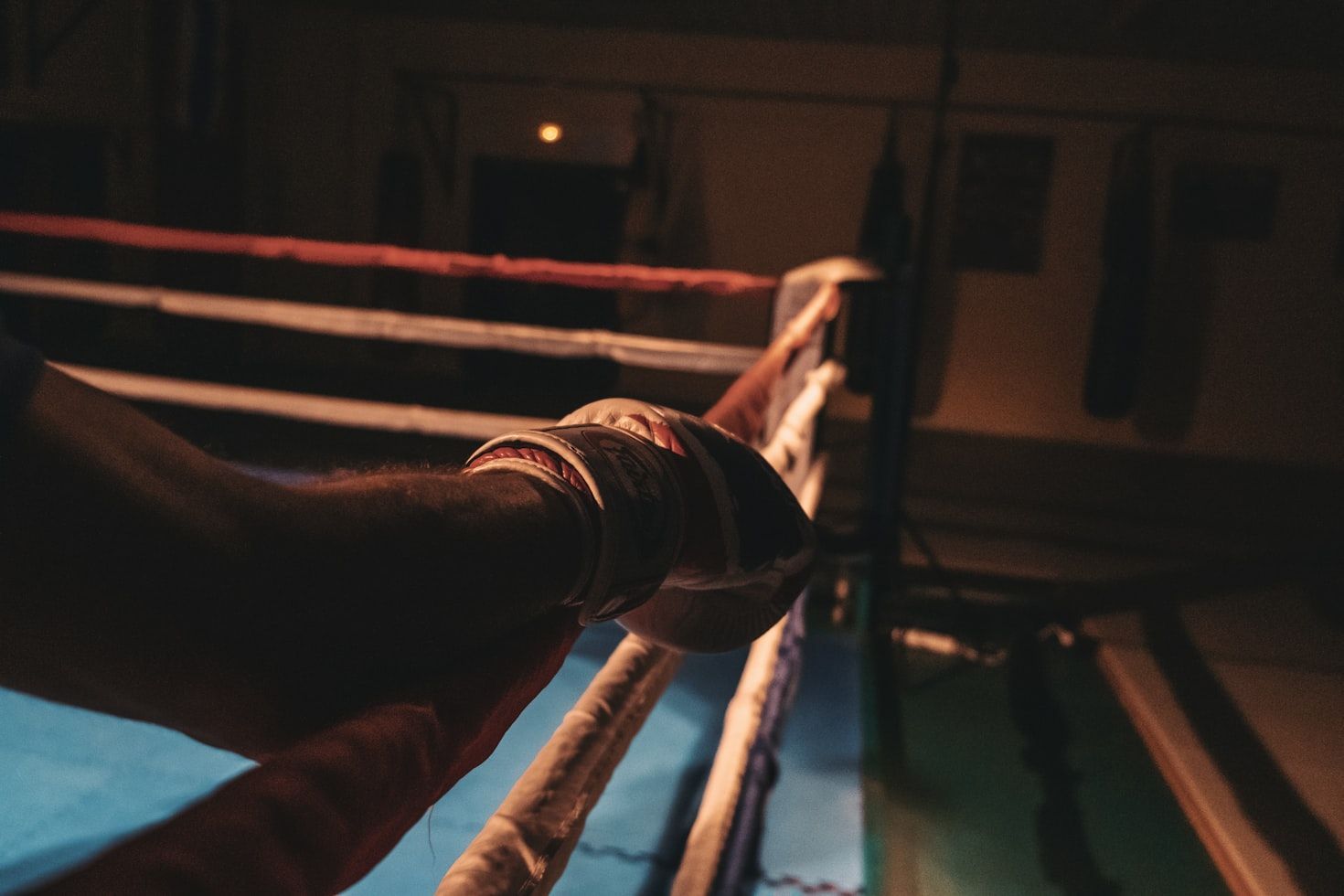
Image: Nemesia Production

Some boxers tried spitting out their mouthguards to sneak in extra rest while the referee retrieved them. But this trick is against the rules—officials can now penalize fighters or even stop the match to prevent it.

7

Basketball players can’t hang on the rim too long

Image: Markus Spiske

Turns out your strict P.E. teacher was just enforcing NBA rules. The NBA prohibits players from hanging on the rim unless it's to avoid injury. Excessive hanging results in a technical foul, preventing unnecessary delays and taunting. Dunking is fine—just don’t show off!

8

Cricket players can’t use their hats to catch a ball

Image: Alfred Kenneally

If a cricket fielder catches a ball using their hat or any other part of their uniform, it doesn’t count. You must use your hands, no exceptions. The rule ensures players rely on skill, not creative use of clothing.

9

Table tennis serves must be thrown at least 6.3 inches high
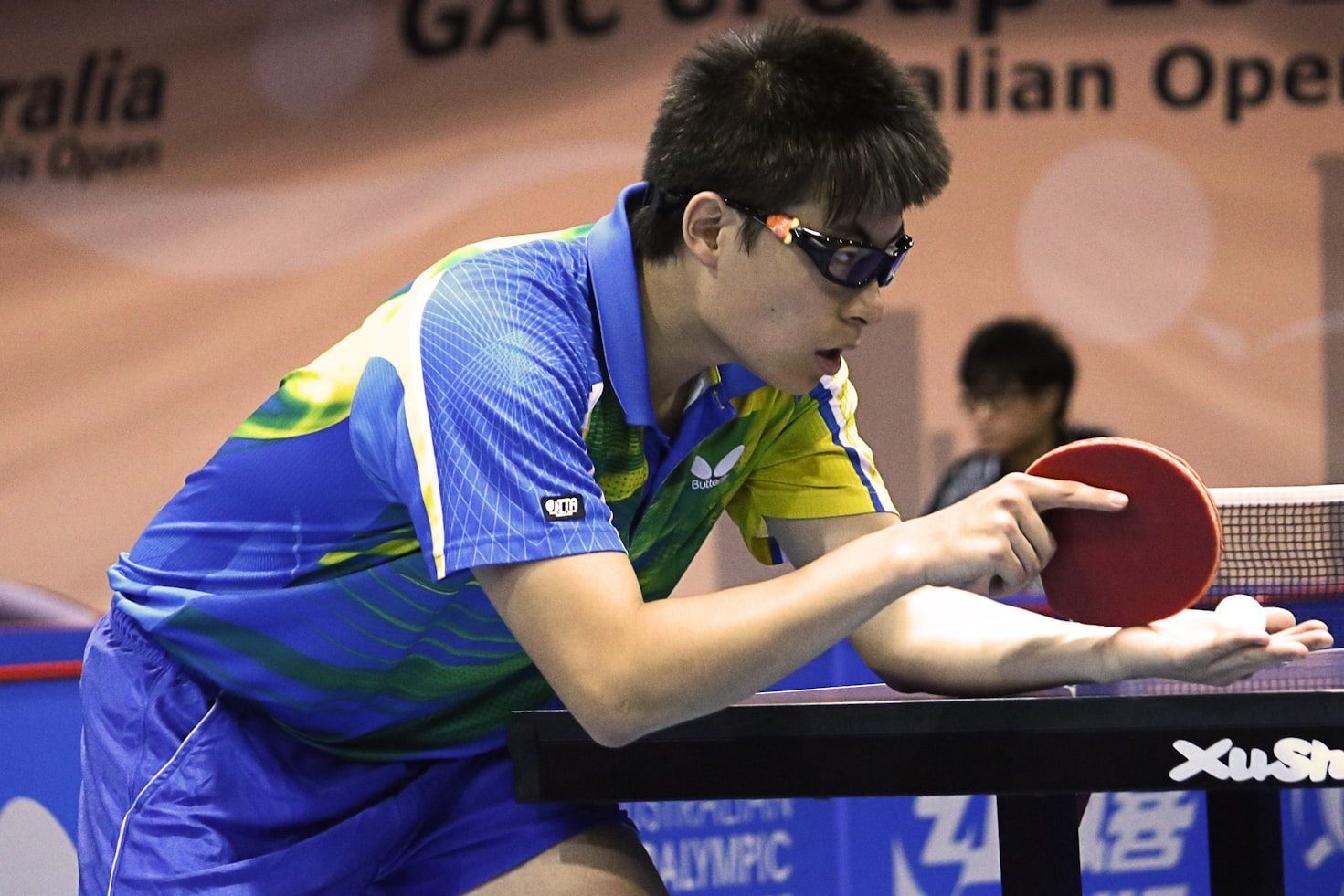
Image: MARCUS CLARK

Since 2002, no sneaky low tosses are allowed in table tennis. This rule ensures a fair serve by making the ball visible to the opponent. If a player fails to toss the ball high enough, the serve is ruled illegal.

10

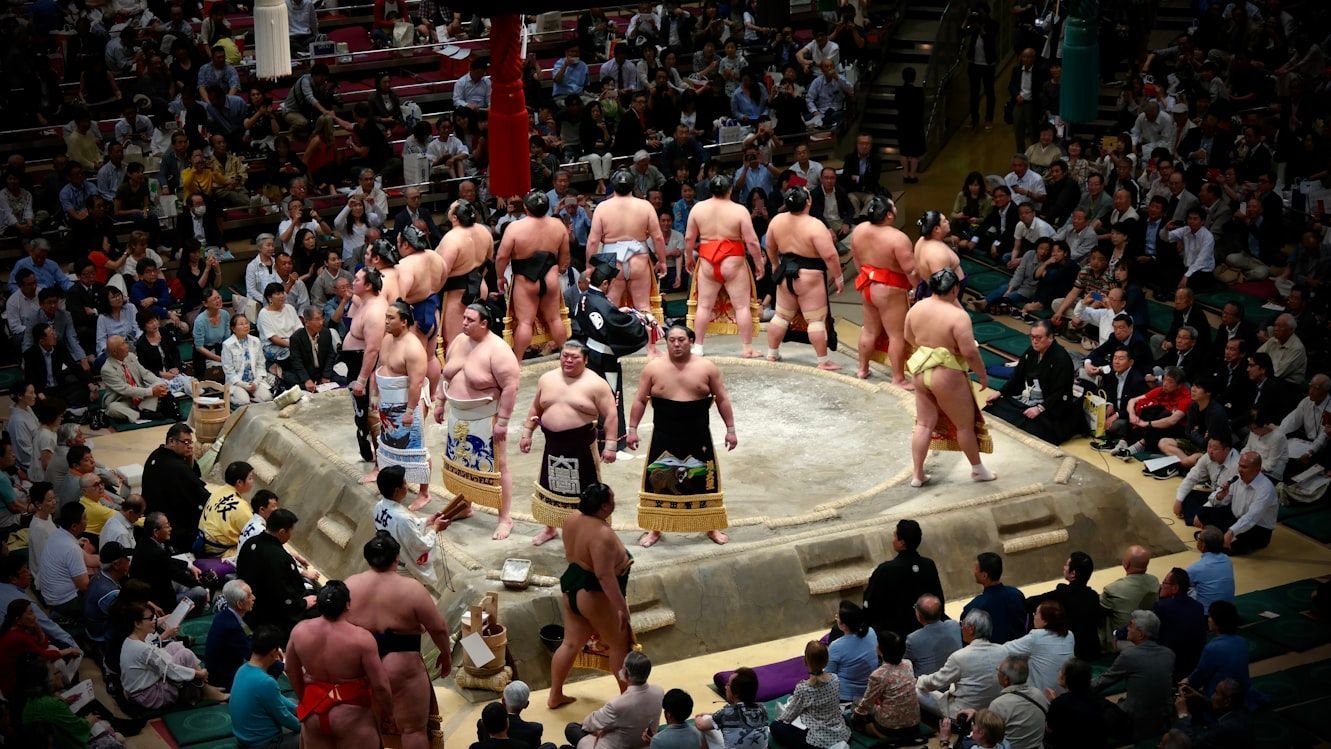
Sumo wrestlers can’t drive cars

Image: Alessio Roversi

It’s a rule for safety reasons. The sheer size of top athletes in this sport has been linked to car accidents, as they are often too large for modern vehicles. This has led the Japan Sumo Association to ban them from driving, requiring professional wrestlers to use chauffeurs or public transport instead.


Reach for the stars

Are you using them correctly? 10 space idioms and their curious origins!


Published on April 28, 2026


Image: Mathew Schwartz

Outer space has fascinated human beings since ancient times. We have studied and explored it so much over the years that space and everything we know about it has even found their way into our everyday language! Today, we're discovering the origins of 10 famous space-related idioms. Get ready for an astral journey!

1

On another planet

Image: Javier Miranda

You forgot your wallet, missed your appointment, and left your phone at home. You're totally on another planet today.

When your friends explain that board game five times and you still don't get it, when you're completely unaware of the latest news, or you just can't focus on what you're doing, we could say you're "on another planet."

This expression gained popularity during the era of space exploration when people began contemplating the possibility of life on other planets, with customs, languages, and ideas entirely different from our own.

2

Promise the moon

Image: nousnou iwasaki

He promised me the moon, but I knew it was too good to be true.

Undoubtedly, the moon plays a starring role in our language. It's not only the main character of poems, but it also features in many idioms we use! But be careful: if someone "promises you the moon," you should be a bit suspicious.

Who could bring down the moon? It’s an impossible mission! That’s why the expression "promise the moon," which became widespread in the mid-1800s, refers to promises that are unrealistic or very difficult to fulfill.

3

Written in the stars

Image: Greg Rakozy

Their love story seemed like it was written in the stars, always meant to be.

In the past, many people believed the position of the stars at the time of one's birth could significantly influence their destiny. Based on this belief, when something is described as "written in the stars," it means it was fated to happen.

A similar concept appears in Shakespeare's famous 16th-century tragedy Romeo and Juliet. In the play, the term "star-crossed lovers" describes Romeo and Juliet, whose tragic end was seen as inevitable, destined by the stars.

4

Lost in Space/space out

Image: Norbert Kowalczyk

She spaced out during the lecture and didn’t hear a word the professor said.

When you can’t concentrate at work, find yourself daydreaming, or are so tired that you’re just staring blankly, you’re "spaced out." It can also describe moments when you’re simply not paying attention.

Someone is spaced out when they're distracted, disconnected, or mentally absent. This expression is believed to have originated in the 20th century, gaining popularity in the 1960s when space exploration was at its height and sci-fi movies and TV series were booming.

5

It's not rocket science

Image: SpaceX

Don't worry! Assembling this furniture is not rocket science; anyone can do it.

When humans began actively exploring space, organizations like NASA emerged. They not only showed us that reaching the moon was possible but also revealed how incredibly difficult and complex rocket science can be. That’s why the popular idiom "it’s not rocket science" is used to suggest that something is simple, straightforward, or doesn’t require much analysis. You know, tasks like making scrambled eggs or brewing your morning coffee really shouldn’t be rocket science!

6

Down to Earth

Image: Alberto Bigoni

She's absolutely down to earth, despite being a successful CEO.

While being "on another planet" or "lost in space" suggests a detachment from reality, being "down to earth" means the complete opposite: having a practical, grounded perspective.

Someone who is down to earth is rational, pragmatic, and realistic. Much like saying someone has their "feet on the ground," the expression is tied to the idea of staying grounded in reality and being firmly aware of everyday human existence.

7

Reach for the stars

Image: Manouchehr Hejazi

She always encouraged her children to reach for the stars.

The famous and celebrated Aeneid by the Roman poet Virgil features the Latin expression ad astra, which translates to "to the stars." In Virgil's work, the expression is associated with high ambitions, the pursuit of greatness, and elevated desires. This is believed to be the origin of the idiom "reach for the stars," which carries the same meaning. When you set high goals or strive for extraordinary achievements, you’re definitely reaching for the stars!

8

Once in a blue moon

Image: Sanni Sahil

I don't usually eat fast food, but once in a blue moon, I'll grab a burger.

Astronomically speaking, each season typically lasts about three months and contains three full moons. However, if a fourth full moon appears within a single season, it’s known as a "Blue Moon."

But here's the thing: a fourth full moon is an extremely rare occurrence! That's why the idiom "once in a blue moon" is used to describe events or situations that happen occasionally, or rather, very rarely.

9

Over the moon

Image: Neven Krcmarek

She was over the moon when she found out she got the job!

When something happens that fills you with happiness or makes you want to jump for joy, you're said to be "over the moon." The origins of this idiom are believed to stem from the old 16th-century nursery rhyme Hey Diddle Diddle, which goes, "Hey diddle diddle, the cat and the fiddle, the cow jumped over the moon. The little dog laughed to see such fun and the dish ran away with the spoon." One of the first appearances of the expression in print can be found in Charles Molloy’s 18th-century play The Coquet: "Tis he! I know him now: I shall jump over the Moon for Joy!"

10

Under the weather

Image: Matthew Henry

I'm feeling a bit under the weather today, so I think I'll stay home and rest.

The position of the Earth relative to the Sun at specific times directly impacts our atmosphere, which in turn drives the seasons and various weather phenomena. The popular idiom "under the weather" is used to describe feeling unwell, whether physically or emotionally.

But what's the origin of this particular expression? It's believed to have arisen in the nautical language in the 19th century: when sailors felt sick or unwell, they were said to be affected by the harsh weather conditions; in other words, they were "under the weather"!

Looking for an extra scoop of literary fun?

Learn more with our Word of the day

wondrous

/ˈwəndrəs/