Natural defenses

Why some cold symptoms are your own body acting up: Immunity 101!


Published on February 8, 2026


Image: CDC

Your immune system works behind the scenes every minute of the day, and it has quite a story to tell. Some parts are ancient history, others are cutting-edge science. You may even know a few pieces already. Today, we are walking through some eye-opening facts that show just how clever the body can be.

1

White blood cells are few but mighty

Image: Javier Miranda

It is easy to imagine your blood full of white blood cells ready for combat, but they make up only about one percent of all blood cells. Even so, you have plenty to keep you safe. A single drop of blood can carry thousands of these hardworking cells, always patrolling, always ready. Small numbers, big impact.

2

Some people have little to no immune system

Image: Kristine Wook

A tiny portion of people are born with almost no defense against germs. Their bodies struggle to make the cells needed to fight off even mild infections. Doctors step in with treatments that can rebuild or support their immunity. These cases are rare, but they do happen, and the good thing is that medicine moves forward, providing better solutions every day!

3

Ancient doctors blamed fluid imbalances for illness

Image: Kelly Sikkema

Long before microscopes, people believed sickness came from a mix-up in four body fluids: Blood, black bile, yellow bile, and phlegm. If you felt sick, they figured one of these liquids was acting up. This idea ruled medicine for nearly two thousand years. Can you believe that? We now know germs cause many diseases, and that old habit of bloodletting was more guesswork than cure.

4

Your symptoms can be your immune system working hard

Image: owfiqu barbhuiya

Sometimes the germs are not the reason you feel bad. Your own immune system can stir up the messy part. When a cold virus hits the nose, the body sends histamines to open up blood vessels so defenders can reach the area. That swelling makes you stuffy, and the extra fluid gives you that runny nose. We know it is annoying, but it means your system is doing its job.

5

A sleepless night can slow your immune system

Image: Solving Healthcare

Your body likes a good night’s rest, and so does your immunity. T cells and natural killer cells do their best work after decent sleep. Even one rough night can make your defenses sluggish. Studies also hint that vaccines might not work as well in people who consistently sleep too little. So it really pays to treat bedtime as part of your wellness routine.

6

Dairymaids paved the way for the first vaccine

Image: Annie Spratt

In the 1700s, people noticed that women who milked cows rarely caught smallpox. Their run-ins with cowpox seemed to shield them. Edward Jenner picked up on this, tested the idea, and ended up creating the first true vaccine. His daring experiment saved countless lives and set the stage for modern immunology.

7

Autoimmune diseases hit women more often

Image: Vitolda Klein

Autoimmune diseases happen when the body gets confused and attacks its own tissues. Conditions like rheumatoid arthritis and celiac disease fall into this group. Researchers have found that women are far more likely than men to develop these issues. Doctors are still sorting out why, but hormones and genetics seem to be part of the puzzle.

8

Gut bacteria play a big part in your immunity
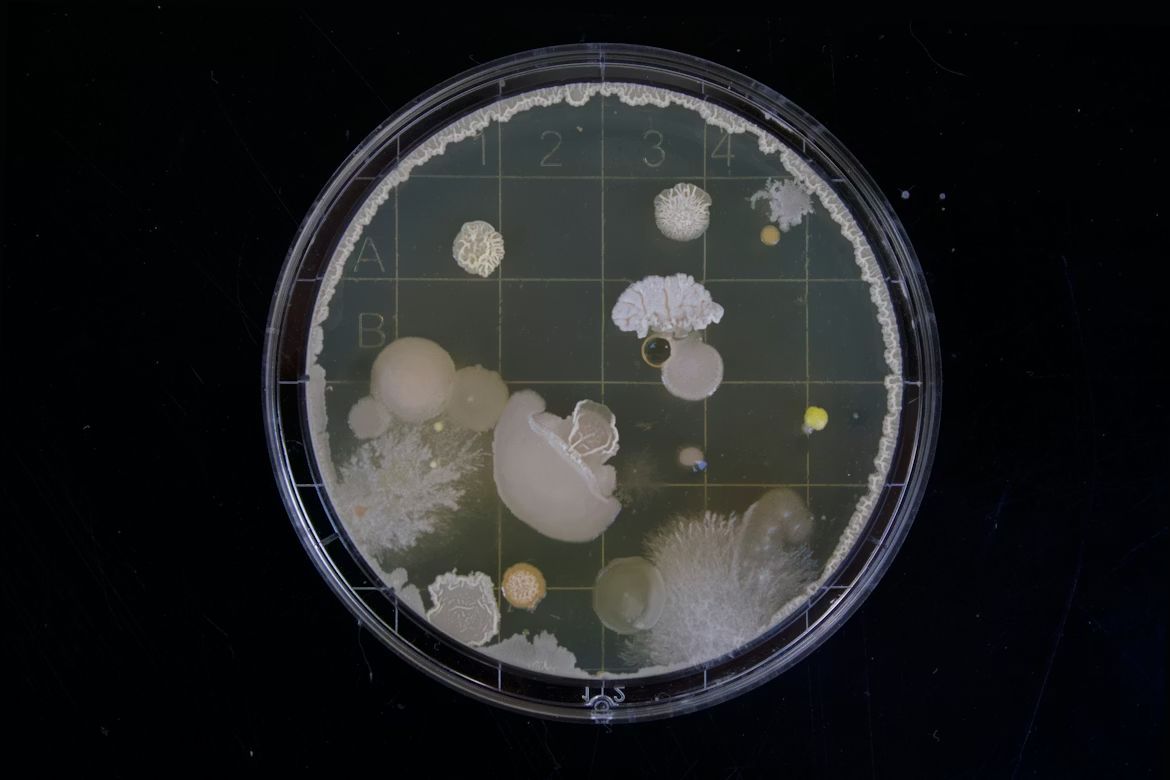
Image: Michael Schiffer

Your digestive tract is home to trillions of tiny helpers. They break down food and make vitamins, but they also keep harmful germs from settling in. These friendly bacteria train the immune system to know the difference between real threats and harmless visitors. A healthy gut can even lower the chances of certain autoimmune problems.

9

Sunlight helps and hinders the immune system
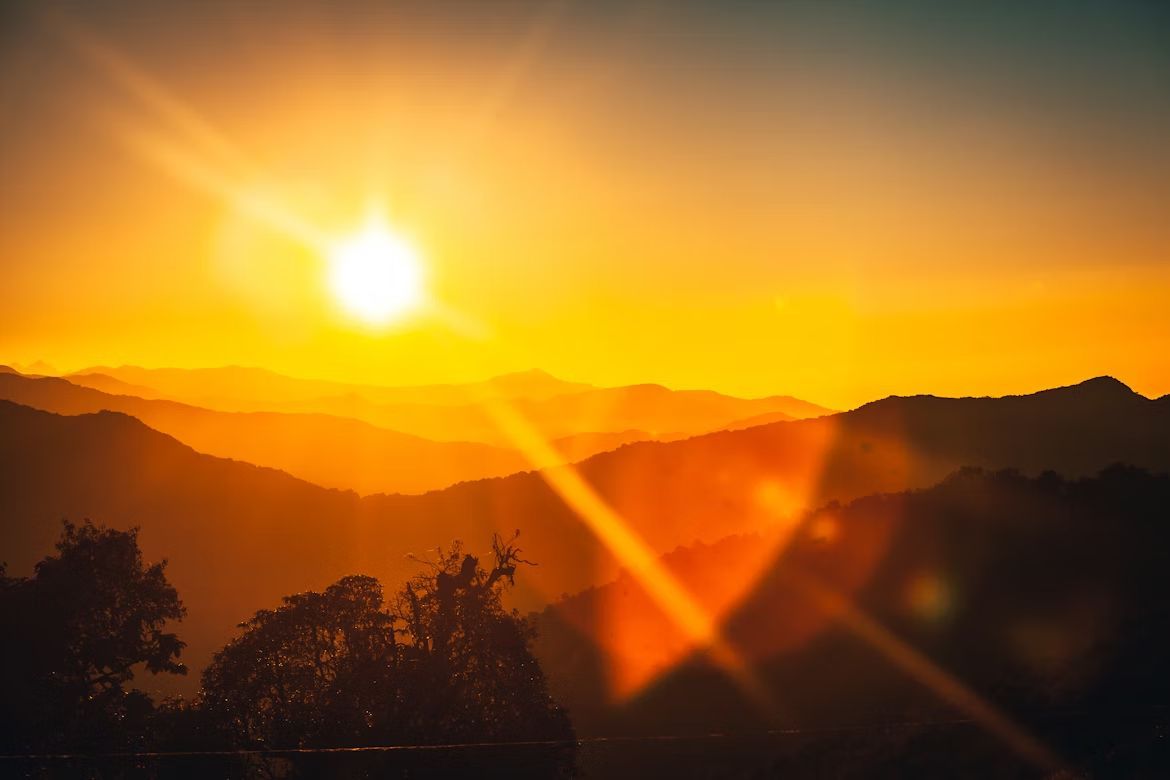
Image: Raimond Klavins

A bit of sunshine feels good, but UV light has mixed effects. Too much can weaken your defenses, even before you notice a sunburn. On the flip side, sunlight helps your body make vitamin D, which your immune cells use to get moving. So a balanced approach is best. A little sun is helpful, too much becomes a problem.

10

Immunity was noticed long before vaccines existed

Image: Mathurin NAPOLY / matnapo

Even in ancient Athens, people spotted that survivors of certain illnesses did not get sick twice. That observation stuck. In time, Chinese healers tried a bold trick by blowing powdered smallpox scabs into healthy noses. It sounds wild today, but many who recovered became protected. Their experiment became the first step toward what we now call immunization.


BUZZING TRIVIA

Summer Chorus: 10 Noisy Facts About Cicadas


Published on February 8, 2026


Image: Shannon Potter

Cicadas are fascinating living beings. They spend years slowly developing underground, only to die shortly after emerging. They sing loud and mesmerizing summer symphonies that can be heard from miles away.

Join us as we unravel the many mysteries of cicadas!

1

A Very Long Lifespan

Image: Ellicia

Cicadas have one of the longest lifespans among insects, with certain broods surviving up to 17 years underground before emerging as adults.

This extended period spent feeding on sap from tree roots allows them to develop slowly, conserving energy for their brief life above ground.

2

Tunneling Masters

Image: USDAgov, Public domain, via Wikimedia Commons

Cicada nymphs are adept tunnelers, using their strong front legs to burrow through the soil in search of tree roots to feed on. They construct vertical tunnels that can extend as much as 2 feet underground, where they remain until it's time to emerge as adults.

This subterranean lifestyle protects them from predators and environmental fluctuations until their time to emerge to the surface comes. While tunneling out, they produce chemicals that act as a sort of glue, holding the tunnel’s shape for long periods of time.

3

A Tree Sap Diet

Image: Matteo Grando

Cicadas feed primarily on xylem sap, the nutrient-rich fluid found in plant vascular systems. Using their specialized mouthparts, they tap into tree roots (or branches during adulthood) to access this vital sustenance.

While their feeding habits may cause minor damage to trees, cicadas more than make up for it by helping aerate the soil with their tunnels and contributing nitrogen to the soil after they die.

4

Mathematical Advantages

Image: Ian Hutchinson

North American periodical cicadas have a unique lifecycle, spending either 13 or 17 years underground before emerging. This lengthy span isn't random, it's thought to be an evolutionary strategy to avoid synchronization with predator populations.

Emerging in prime-numbered cycles makes it difficult for predators to anticipate their arrival.

5

Brood Synchronization

Image: Ian Hutchinson

If you are a fan of cicadas, this year you might have the chance to witness a very rare phenomenon. Periodical cicadas are classified into groups called broods according to the length of their cycles and their location.

Sometimes, two or more broods synchronize and emerge all at once in the same year, swarming wooded areas with billions of the chanting insects. In 2024, Brood XIX and Brood XIII will emerge at the same time in the Midwest, something we have not seen since Thomas Jefferson was president!

6

Cicada-Killing Fungus

Image: Jacinto Diego

Mass emergences of cicadas can sometimes coincide with the outbreak of a fungal pathogen known as Massospora cicadina. This fungus infects cicadas, causing them to lose control of their bodies and engage in bizarre behaviors.

Infected cicadas are often noticeable because they lose part of their abdomen to a soft mass of fungal spores. Despite these gruesome effects, the fungus only affects a small percentage of the total population.

7

Strange Transformations

Image: Yuri Vasconcelos

Like all insects, cicadas undergo ecdysis, the process of shedding their exoskeletons as they grow. However, cicadas take this to the extreme, shedding their nymphal exoskeletons en masse once they emerge as adults.

This transformation process, known as molting, leaves behind the ghostly exoskeletons of their nymphal stages clinging to trees and other surfaces.

8

Buzzing Machines

Image: Deb Dowd

Once above ground, adult cicadas spend their short-lived adulthood focused on one mission: reproduction. Males produce their characteristic buzzing calls to attract mates, with some species capable of reaching volumes exceeding 100 decibels.

Unlike crickets, which rub their legs together to make noise, cicadas repeatedly expand and contract a membrane called a tymbal. Their cacophonous chorus serves as a mating call that can be heard from miles away.

9

Predator Adaptations

Image: Joshua J. Cotten

On top of their lengthy cycles and simultaneous hatching, cicadas have evolved various adaptations to survive predation. From cryptic coloration to mimicry of toxic species, they employ a range of strategies to evade hungry predators.

Males soften or stop their singing altogether when a predator approaches so that their attention goes to nearby louder singers. Some species even display bright colors on their wings when threatened.

10

Cicada Cuisine

Image: Harish Shivaraman

Celebrated for their crunchy texture and nutty flavor, in many cultures cicadas are considered prized delicacies. Among Native Americans, specimens from the 17-year brood were highly sought after, while in South Asia, they are often eaten deep-fried, or in a similar fashion to shellfish and other crustaceans.

Rich in protein and low in fat, cicadas can be a healthy and sustainable food source.

Looking for an extra scoop of literary fun?

Learn more with our Word of the day

wrinkle

/ˈrɪŋk(ə)l/