Secret codes, decoded
Why pilots say “roger” and 9 other unspoken coded messages
Published on October 30, 2026
Every line of work has its own secret language. Pilots, nurses, actors, filmmakers, and sailors all use words and signals that mean something very specific to insiders. If you’re an outsider overhearing them, you probably wonder, "What the heck is going on?" Some of these terms are technical, some are funny, and some are just plain absurd. Take why pilots say "Roger" when they don’t mean "yes," or what "S.O.S." really stands for (spoiler: it doesn’t stand for anything). Let’s decode 10 of them.
Why pilots, ATC, and sailors say "Roger" instead of "Yes"
"Roger" doesn’t mean yes; it means "message received." Early radio operators spelled out letters with code words so garbled static wouldn’t ruin things, and the word for R was "Roger." R stood for "received," so the name stuck. The alphabet changed in 1957, and R became "Romeo," but "Roger" lived on like an old uncle at Thanksgiving. Civilians never learn it because most of us have never radioed a tower.
What "SOS" actually stands for in international maritime code
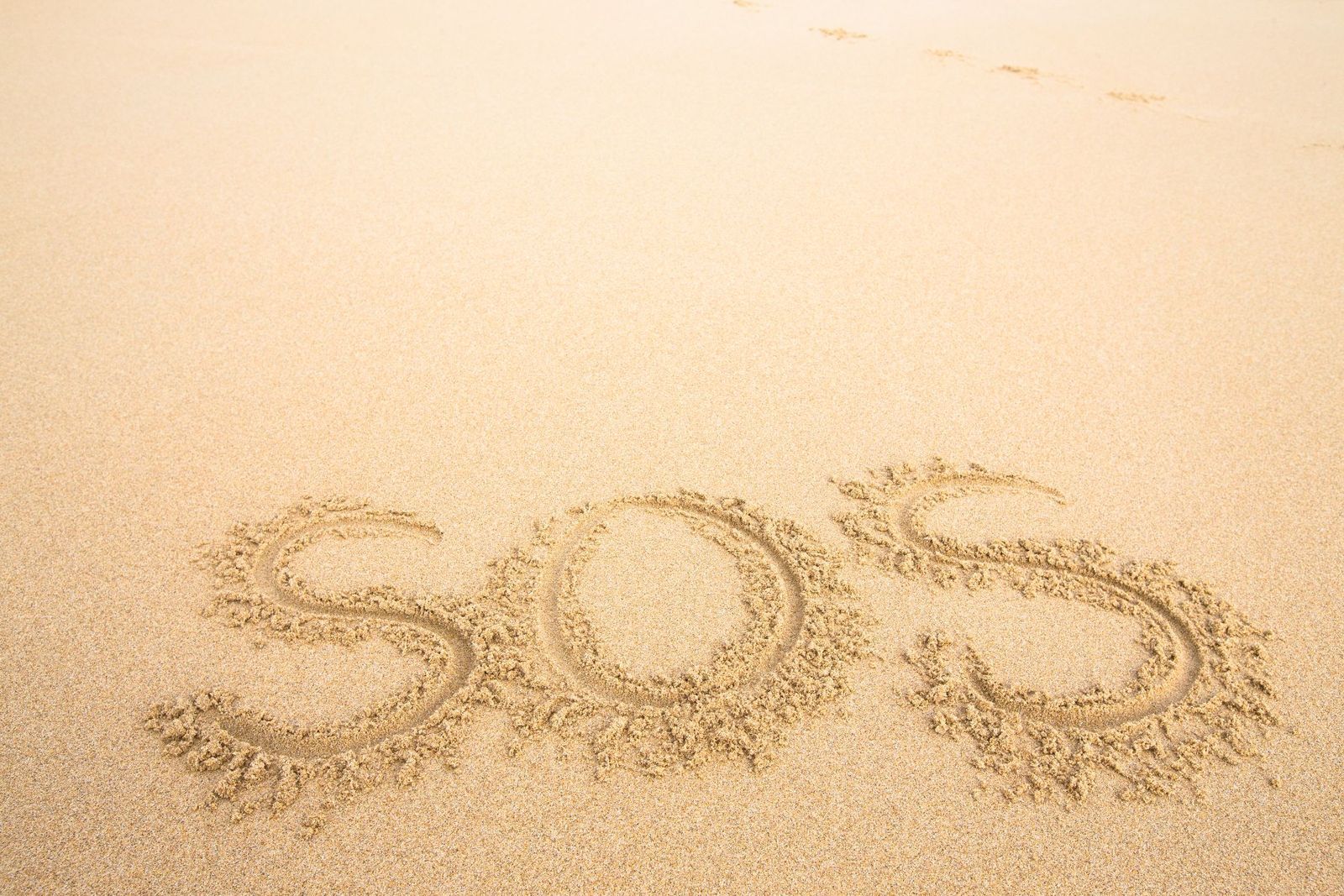
Surprise: it doesn’t stand for anything. "Save Our Souls" is a catchy myth invented later. In Morse code, S is three dots, and O is three dashes, so the signal is just three dots, three dashes, three dots. It was adopted at a radio conference in Berlin in 1906, took effect in 1908, and was easy to send and hard to mistake. The Titanic famously used it in 1912. Since it isn’t an acronym, those periods in "S.O.S." are technically incorrect.
The reason hospital staff call out a "Code Red" instead of "Fire"

Imagine a hospital full of patients on oxygen, in surgery, or unable to walk, and then somebody shouts "FIRE!" That’s a recipe for panic. So hospitals use color codes: Code Red means fire, Code Blue means a patient needs resuscitation, and so on. Hospitals began adopting codes in the 1960s, and they still differ from state to state. Patients are often left confused, which is rather the point.
The secret phrase "Code Adam" in retail stores

If you hear "Code Adam" over a store speaker, a child is missing. Staff lock the doors and search. It’s named for Adam Walsh, a six-year-old who vanished from a Sears store in Hollywood, Florida, in 1981. Walmart introduced the program in 1994, and many other stores followed. Stores use a code instead of a plain announcement so a possible abductor doesn’t panic and bolt.
Why flight attendants perform a specific hand gesture when pointing out exits
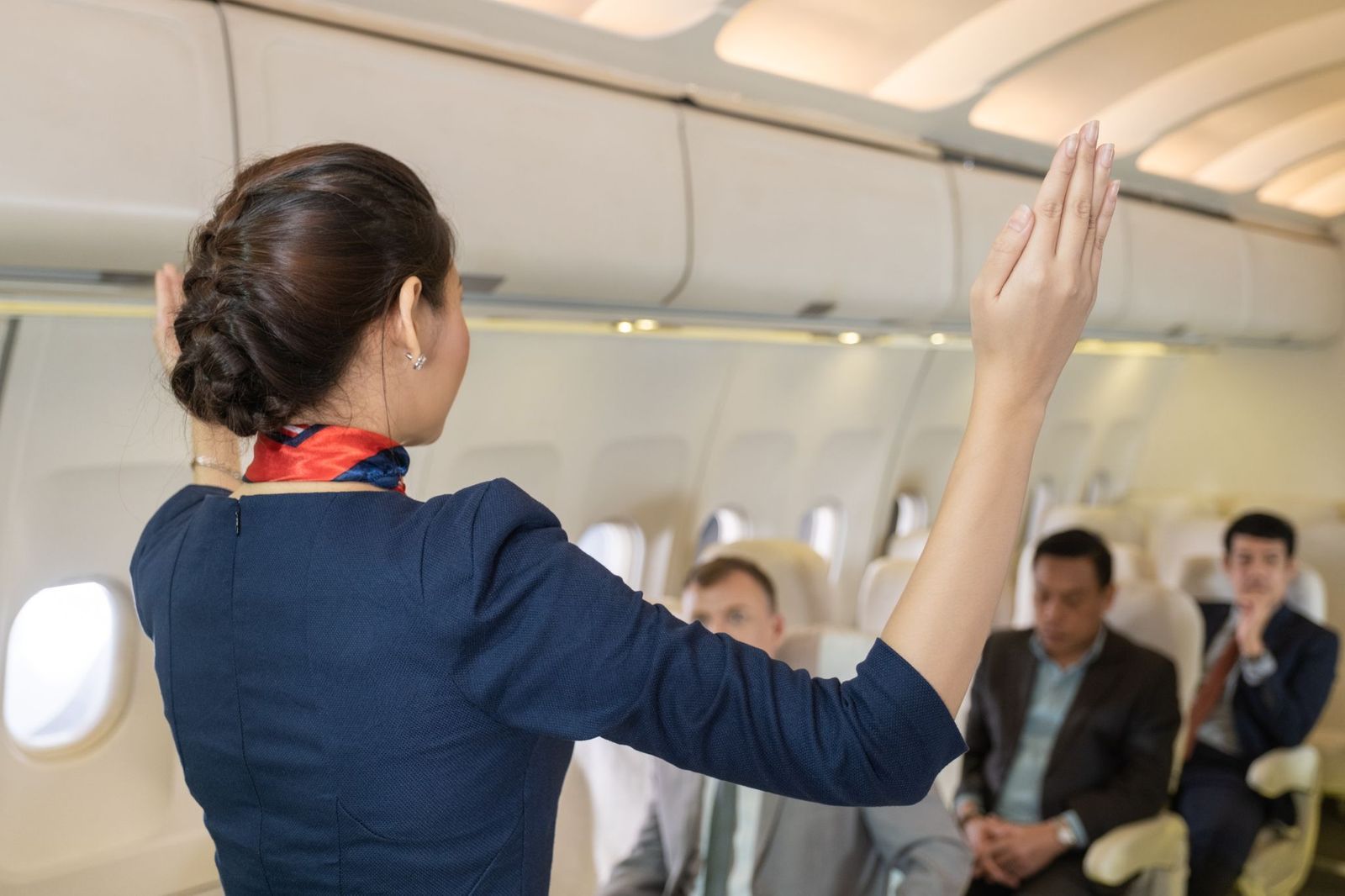
That graceful sweep of the hands isn’t flight attendant theater. Federal rules require airlines to show passengers where the exits are, and the open-palm, arm-sweeping gesture makes the pointing clear and unmistakable, even in a noisy, crowded cabin. It dates back to the early days of commercial jets in the 1950s and ’60s. Most of us tune it out, usually while hunting for the little bag of pretzels.
Why pilots and sailors say "Mayday" three times when they’re in trouble
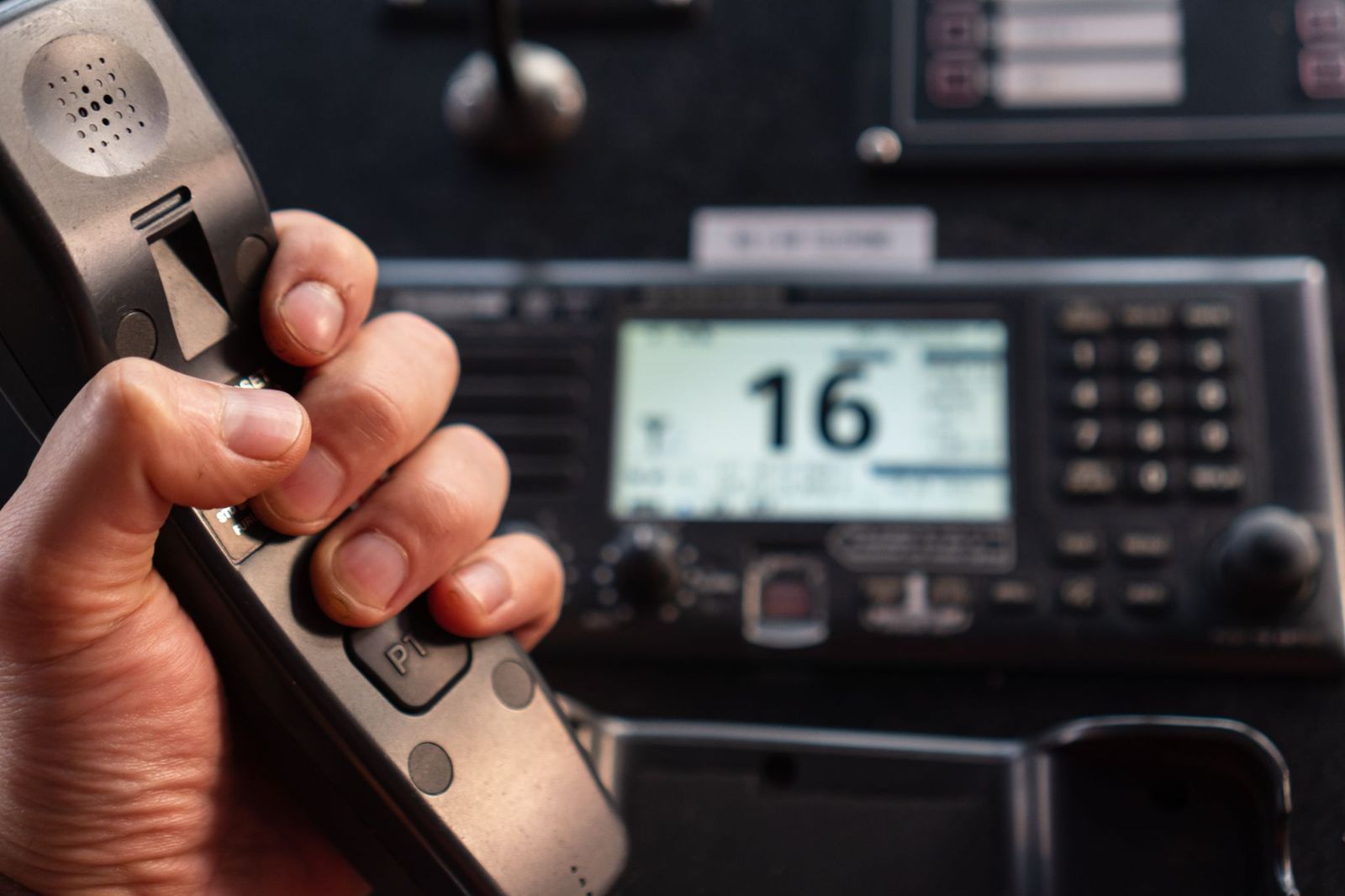
Nothing to do with the May 1st holiday. In 1923, it was hard to make out the letter "S" over radio telephone, so "S.O.S." was swapped for "mayday" on cross-channel flights between Britain and France. The word sounds like the French "m’aidez," meaning "help me." It was made the official voice distress call in 1927. Saying it three times keeps it from being mistaken for a message that merely mentions it. Most of us only hear it in movies.
Why ships turn on blue lights at night in passenger areas

Even though there’s no single worldwide rule, ships do use dim red or blue lighting in some areas at night so crews keep their night vision when they step out on deck, and on European rivers a blue light can flag dangerous cargo. Cruise lines also use soft lighting for ambiance. Naturally, passengers rarely hear about any of it because ship rules are written for crews, not vacationers.
Subtle hand gestures that could get you in trouble in foreign countries

Hand gestures don’t mean the same thing everywhere. Arrests are actually rare, but real trouble is possible. The "thumbs up" is rude in parts of the Middle East. The "OK" sign is an insult in Brazil and a few other countries. In Greece, an open palm shoved toward someone’s face, called the "moutza," is a serious insult dating back to Byzantine times. Americans stumble into this because we assume our gestures are universal. They aren’t.
Why theater performers say "break a leg" instead of "good luck"

Actors consider it bad luck to wish each other luck, so they wish a little disaster instead. Nobody agrees on the origin. One theory says performers who bowed or took curtain calls were literally "breaking the leg" of the stage curtain. Another points to German pilots in the 1930s saying "neck and leg break." Either way, it’s an old theater superstition. If you say "good luck" backstage, expect some glares.
Why film crews cheer when someone yells "Martini shot"
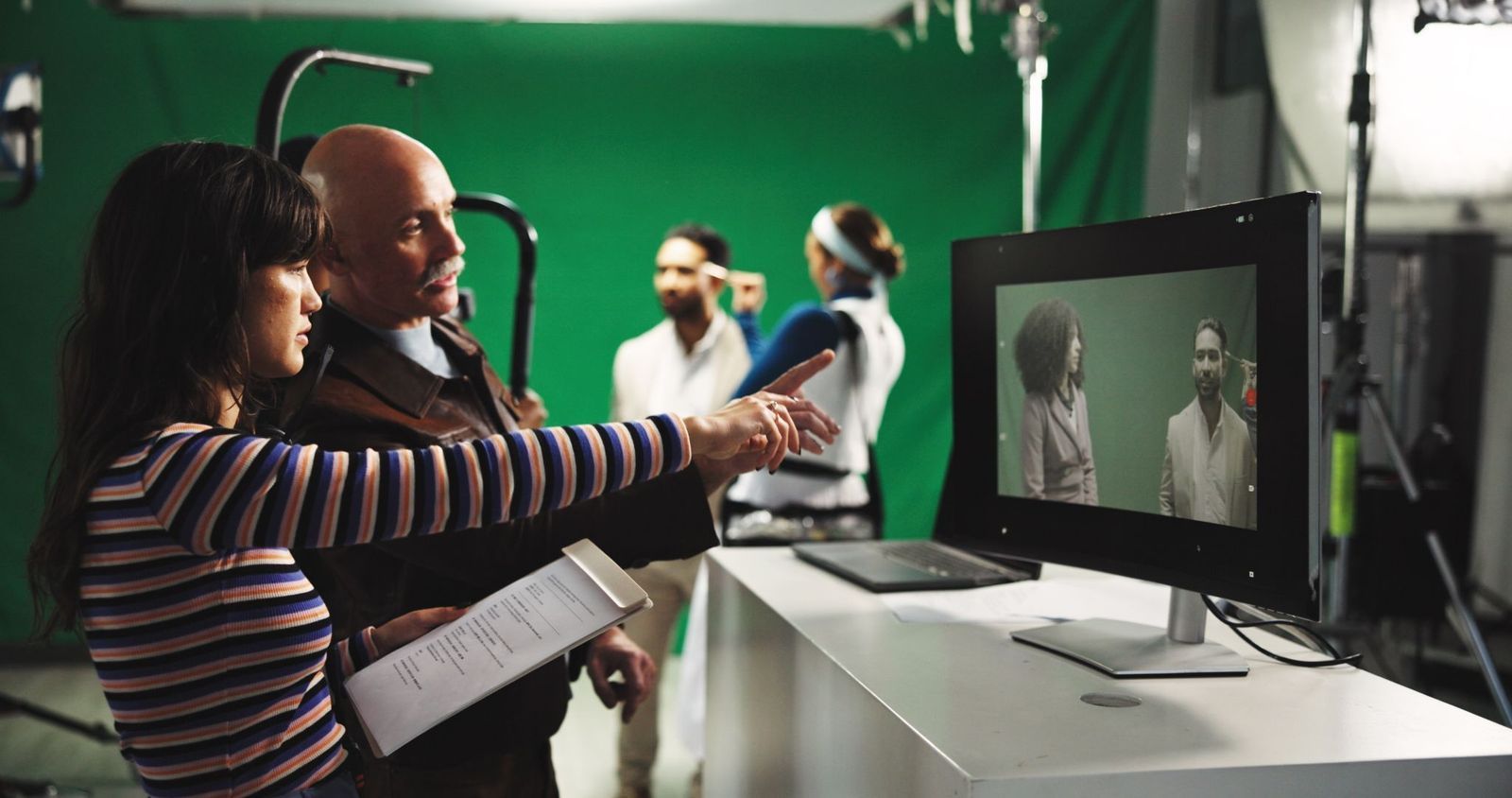
On a movie or TV set, "martini shot" means the last setup of the day. The name is supposedly a joke that the next shot will be out of a glass. Its sidekick is the "Abby Singer," the second-to-last shot. It’s named after an assistant director who would call out "this, and one more" so the crew could prepare to move to the next set.


