World traveling, at home

Why is there a Paris in Texas? Discover 12 U.S. towns with foreign names


Published on January 27, 2026
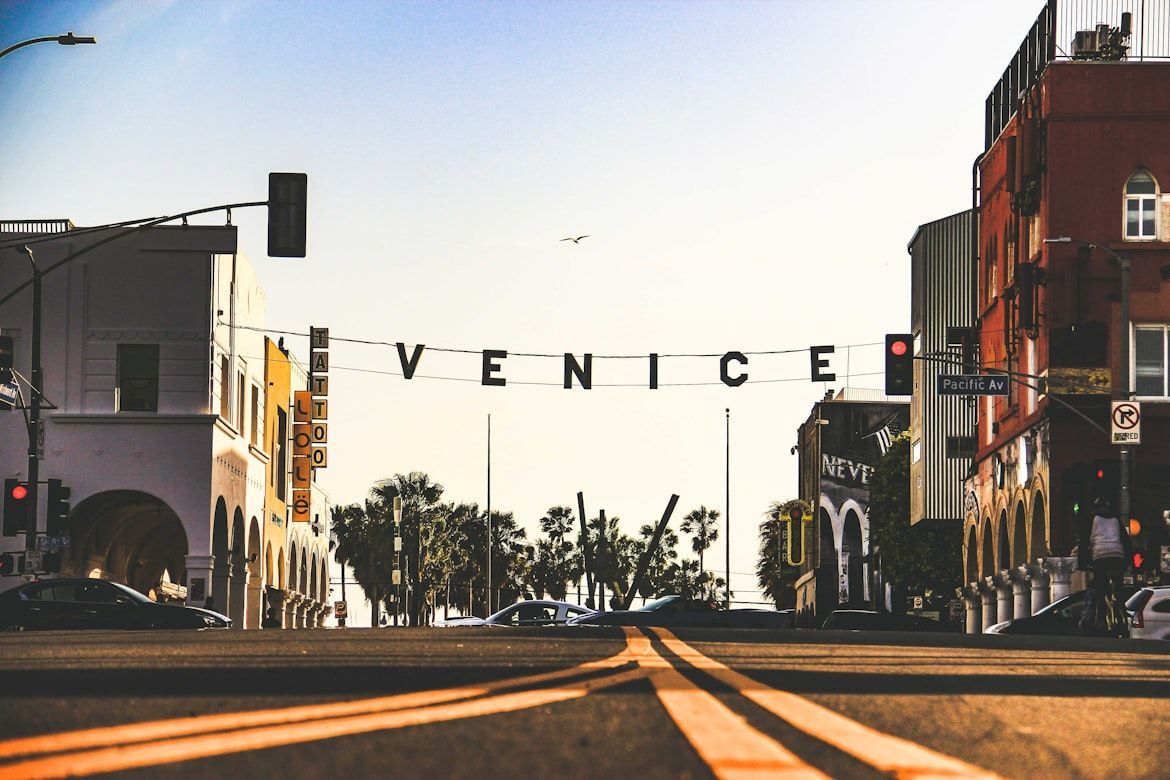

Image: Florian Wehde

You don’t need to leave the U.S. to take a trip around the world. All you have to do is check a map! Scattered across the country are dozens of American towns and cities named after faraway places, from Athens, Georgia, to Barcelona, New York. Did you know about these 12 cities and the origin of their names?

1

Birmingham, Alabama

Image: Tom W

Birmingham, Alabama, was founded in 1871 and named after Birmingham, England, to reflect its industrial ambitions. James R. Powell, one of the founders, had recently visited the English city and proposed the name.

Inspired by England’s iron and steel hub, the new Birmingham quickly grew and earned the nickname "The Magic City" for its rapid industrial development.

2

Paris, Texas

Image: Chris Karidis


Named after the French capital city, Paris, Texas, was officially established in 1844 and became the county seat of Lamar County before the Civil War.

The name was supposedly chosen by founder George W. Wright in a lighthearted or playful spirit, according to local lore.

3

Berlin, Connecticut

Image: Florian Wehde

Berlin, Connecticut, was formed from parts of several nearby towns. It was originally called Kensington before being renamed after Berlin, the then capital of Prussia.

The name likely reflected admiration for Frederick the Great, seen as a supporter of the American Revolution. Unlike its German namesake, the town's name is pronounced with the stress on the first syllable.

4

Rome, New York

Image: David Köhler

Rome, New York, was named after Rome, Italy, following a trend of naming towns in upstate New York after classical European cities. The area was previously called Lynchville, after its Irish settler Dominick Lynch.

The name "Rome" had already been given to the township during the "Classical Naming Period."

5

Madrid, Iowa

Image: Florian Wehde

Madrid, Iowa, was named after Madrid, Spain, but the choice was rooted in personal spite. During the third town survey in 1855, local landowner Gaston named it to irritate his Swedish in-laws and a Spanish employee.

Despite the odd origin, the name remained through subsequent surveys and was officially kept when the town was incorporated in 1883.

6

Athens, Georgia

Image: Constantinos Kollias

Athens, Georgia, was named after Athens, Greece, to reflect ideals of learning and culture. The name was chosen in 1801 by John Milledge when he purchased land for the University of Georgia.

Inspired by classical traditions, Milledge wanted the new town to symbolize intellectual pursuit, much like its ancient namesake.

7

Moscow, Pennsylvania

Image: Michael Parulava

Moscow, Pennsylvania, was settled in the 1830s, with Reverend Peter Rupert, a Lutheran minister, playing a key role in its founding. The town’s early economy centered on lumbering and agriculture.

It was named after Moscow, Russia, possibly due to Russian settlers or shared religious ties with Reverend Rupert.

8

Versailles, Kentucky

Image: Brandy Willetts

Versailles, Kentucky, was founded in 1792 on land owned by Hezekiah Briscoe. His guardian, Major Marquis Calmes, named the town after Versailles, France.

The name honored General Lafayette, a family friend and Revolutionary War hero with strong ties to the French city. It was chosen as a personal tribute and reflected French influence.

9

Oxford, Mississippi

Image: Ben Seymour

Oxford, Mississippi, was founded in 1837 and named after Oxford, England, to attract a university. The founders hoped to establish the town as a center of learning.

Their plan succeeded when Mississippi chose Oxford as the site for its first state university in 1841. The university opened in 1848, fulfilling the city’s academic vision.

10

Frankfort, Illinois

Image: Lāsma Artmane

Frankfort, Illinois, was named after Frankfurt-am-Main, Germany, the hometown of early settler Frederick Cappel. He named it Frankfort Township in 1850.

When the railroad arrived in 1855, it established "Frankfort Station." The village later dropped "Station" when it was officially incorporated.

11

Venice, California

Image: Joshua Stannard

Venice, California, was founded by Abbot Kinney, who aimed to recreate the charm of Venice, Italy. He designed the town with canals, pedestrian bridges, and Venetian-style architecture.

Kinney envisioned it as a seaside resort with a romantic, European feel. The canals became a key attraction, drawing visitors and shaping the town's unique identity.

12

Barcelona, New York

Image: Ken Cheung

Barcelona, New York, was originally called Portland and laid out in 1813. In 1836, a local businessman who had spent time in Spain urged the name change to Barcelona.

The village thrived as a harbor in the 1830s and 1840s, but declined after railroads took over regional transport. It later became part of the Town of Westfield.


NO EXCUSES FOR NOT BEING HEALTHY

Getting In Shape: 10 Workout Techniques For Everyone


Published on January 27, 2026


Image: Scott Webb

If you want to stay healthy, getting in a reasonably decent shape is not a thing you can simply choose to do or not do. It’s a must. The good news is that, according to each goal, different workout methods have varying degrees of intensity. And there is a workout for everybody, no matter how fit or unfit you are.

Read on and find out about some famous and lesser-known techniques that help millions of people every day to achieve a healthier lifestyle and be in a better physical condition overall.

1

Strength Training

Image: Victor Freitas

Let’s start with one of the most obvious ones —and there is good reason for that. Strength training is a key component of overall health and fitness for everyone. It helps reduce body fat, increase lean muscle mass, and burn calories more efficiently.

Lean muscle mass naturally diminishes with age. Strength training can help you preserve and build up your muscle mass at any age. It enables you to develop strong bones, manage your weight, enhance your quality of life, manage chronic conditions, and even sharpen your thinking skills.

2

Pilates

Image: Elena Kloppenburg

Pilates is one of those exercise methods that gained traction a few years ago. However, it was developed by Joseph Pilates in the early 20th century, mostly as a method of injury recovery for dancers. Some of the principles that guide the Pilates method include concentration on each movement, use of the abdomen and lower back muscles, flowing, precise movement patterns, and controlled breathing.

Pilates routines can be performed on specially designed apparatuses, including a bed-like structure called a reformer, or more simply on a mat or blanket. Its main benefits include pain relief, core strength, posture, flexibility, balance and coordination, body awareness, breath control, and mental well-being. Not bad, right?

3

Functional training

Image: mr lee

As the name implies, functional training is an exercise that looks like movements you make in your daily life. Functional movements use large groups of muscles working together across your body. Picking up a heavy object, swinging a baseball bat, or carrying groceries are real-world situations that functional training helps improve.

For example, a senior individual might practice bodyweight squats to improve his ability to stand up from a chair. These everyday activities can get easier when you train for them. Functional training’s benefits also include balance and coordination, making different parts of your body move together smoothly, and is very helpful for older adults to prevent falling and related injuries.

4

Tai chi

Image: Monica Leonardi

You’ve probably seen this one in parks. Tai chi is a practice involving a series of slow gentle movements and physical postures, a meditative state of mind, and controlled breathing. Tai chi originated as an ancient martial art in China. Over the years, it has become more focused on health promotion and rehabilitation.

In this low-impact, slow-motion exercise, you go without pausing through a series of gestures named for animal actions or martial arts moves. The movements are usually circular and never forced, the muscles are relaxed, the joints are not fully extended or bent, and connective tissues are not stretched. Tai chi can be easily adapted for anyone, from the most fit to people confined to wheelchairs or recovering from surgery.

5

Cycling

Image: Coen van de Broek

One of those fun activities that also doubles as a transportation method and a great way to perform a healthy, low-impact exercise that can be enjoyed by people of all ages, from young children to older adults, is cycling.

Riding to work or to do the groceries is one of the most time-efficient ways to combine regular exercise with your everyday routine. Nowadays, an estimated one billion people ride bicycles every day – for transport, recreation, and sport. Are you one of them?

6

Running

Image: sporlab

Another popular exercise, running is an appealing activity because it’s inexpensive and you can do it anytime that suits you. While it is not so great on the joints if done too frequently, running has some great health benefits, like helping build strong bones, strengthening muscles, improving cardiovascular fitness, burning calories, and helping maintain a healthy weight.

Also, running can be a social activity. Some runners choose to participate in fun runs, athletics races, or marathons. These days, a multitude of running clubs can be found online.

7

Yoga

Image: Kaylee Garrett

A well-known and healthy workout, yoga offers physical and mental health benefits for people of all ages. If you’re going through an illness, recovering from surgery, or living with a chronic condition, yoga can become an integral part of your treatment and potentially hasten healing.

Yoga improves strength, balance, and flexibility, helps with back pain relief, eases arthritis symptoms, benefits heart health, and enables you to relax and sleep better. Want more? Yoga also helps you manage stress and promotes better self-care.

8

Aqua gym

Image: Jon Flobrant

You might think of this one as an older people activity, but it’s no longer the case. Some good reasons explain why aqua gym training is becoming more and more popular. Working out in the water is one of the most therapeutic activities one can take part in. Water aerobics builds cardio, strength, and resistance all while being easy on the joints.

The water helps people to move more freely, helping those who suffer from joint problems. Hydrostatic pressure also enables blood flow to circulate more effectively throughout the body. This effectively reduces blood pressure and, in the long run, decreases resting heart rate.

9

Walking

Image: Arek Adeoye

Surprised to find something as simple and pedestrian (pun intended) as walking on this list? Well, physical activity doesn't need to be complicated. Something as straightforward as a daily brisk walk can help you live a healthier life.

A regular and vigorous walk can help you maintain a healthy weight and lose body fat, prevent or manage various conditions, including heart disease, stroke, high blood pressure, cancer, and type 2 diabetes, improve cardiovascular fitness, strengthen your bones and muscles, improve muscle endurance, increase energy levels, strengthen your immune system, and reduce stress and tension, among other benefits. Not really into running? Try walking!

10

Circuit training

Image: Geert Pieters

Circuit training is a type of training that involves rotating between several exercises that target different muscle groups with minimal rest in between. It’s ideal for those looking for a quick, effective, full-body workout. Circuits range from 8–10 exercises, although that varies based on goals, time available, and the experience levels of the participants. Once all exercises have been completed, you may rest for 1–2 minutes, then repeat. Most circuits are completed 1–3 times.

The types of exercises included in circuit training vary considerably depending on a person’s performance and health goals, experience, mobility, and other factors. Its many benefits include increasing strength, muscle growth, and heart health. It promotes weight loss, improves your mood (as almost any exercise does), and is time efficient.

Looking for an extra scoop of literary fun?

Learn more with our Word of the day

loot

/lut/