World traveling, at home

Why is there a Paris in Texas? Discover 12 U.S. towns with foreign names


Published on January 27, 2026
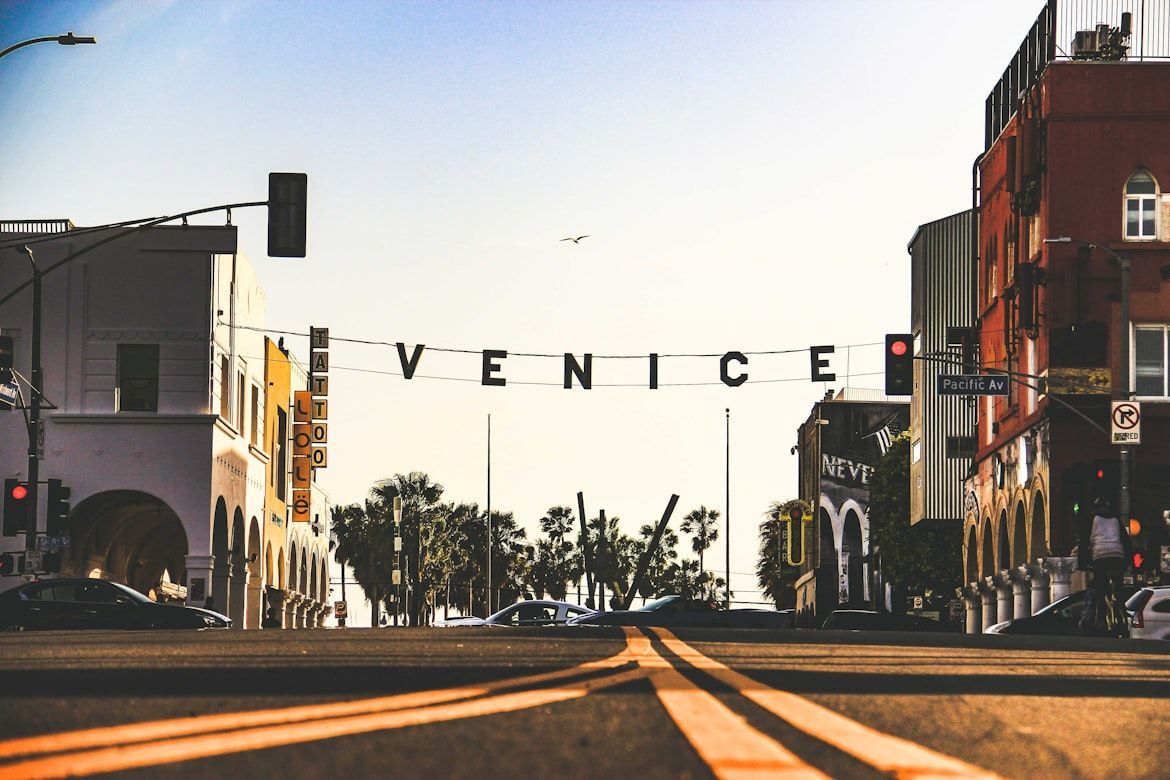

Image: Florian Wehde

You don’t need to leave the U.S. to take a trip around the world. All you have to do is check a map! Scattered across the country are dozens of American towns and cities named after faraway places, from Athens, Georgia, to Barcelona, New York. Did you know about these 12 cities and the origin of their names?

1

Birmingham, Alabama

Image: Tom W

Birmingham, Alabama, was founded in 1871 and named after Birmingham, England, to reflect its industrial ambitions. James R. Powell, one of the founders, had recently visited the English city and proposed the name.

Inspired by England’s iron and steel hub, the new Birmingham quickly grew and earned the nickname "The Magic City" for its rapid industrial development.

2

Paris, Texas

Image: Chris Karidis


Named after the French capital city, Paris, Texas, was officially established in 1844 and became the county seat of Lamar County before the Civil War.

The name was supposedly chosen by founder George W. Wright in a lighthearted or playful spirit, according to local lore.

3

Berlin, Connecticut

Image: Florian Wehde

Berlin, Connecticut, was formed from parts of several nearby towns. It was originally called Kensington before being renamed after Berlin, the then capital of Prussia.

The name likely reflected admiration for Frederick the Great, seen as a supporter of the American Revolution. Unlike its German namesake, the town's name is pronounced with the stress on the first syllable.

4

Rome, New York

Image: David Köhler

Rome, New York, was named after Rome, Italy, following a trend of naming towns in upstate New York after classical European cities. The area was previously called Lynchville, after its Irish settler Dominick Lynch.

The name "Rome" had already been given to the township during the "Classical Naming Period."

5

Madrid, Iowa

Image: Florian Wehde

Madrid, Iowa, was named after Madrid, Spain, but the choice was rooted in personal spite. During the third town survey in 1855, local landowner Gaston named it to irritate his Swedish in-laws and a Spanish employee.

Despite the odd origin, the name remained through subsequent surveys and was officially kept when the town was incorporated in 1883.

6

Athens, Georgia

Image: Constantinos Kollias

Athens, Georgia, was named after Athens, Greece, to reflect ideals of learning and culture. The name was chosen in 1801 by John Milledge when he purchased land for the University of Georgia.

Inspired by classical traditions, Milledge wanted the new town to symbolize intellectual pursuit, much like its ancient namesake.

7

Moscow, Pennsylvania

Image: Michael Parulava

Moscow, Pennsylvania, was settled in the 1830s, with Reverend Peter Rupert, a Lutheran minister, playing a key role in its founding. The town’s early economy centered on lumbering and agriculture.

It was named after Moscow, Russia, possibly due to Russian settlers or shared religious ties with Reverend Rupert.

8

Versailles, Kentucky

Image: Brandy Willetts

Versailles, Kentucky, was founded in 1792 on land owned by Hezekiah Briscoe. His guardian, Major Marquis Calmes, named the town after Versailles, France.

The name honored General Lafayette, a family friend and Revolutionary War hero with strong ties to the French city. It was chosen as a personal tribute and reflected French influence.

9

Oxford, Mississippi

Image: Ben Seymour

Oxford, Mississippi, was founded in 1837 and named after Oxford, England, to attract a university. The founders hoped to establish the town as a center of learning.

Their plan succeeded when Mississippi chose Oxford as the site for its first state university in 1841. The university opened in 1848, fulfilling the city’s academic vision.

10

Frankfort, Illinois

Image: Lāsma Artmane

Frankfort, Illinois, was named after Frankfurt-am-Main, Germany, the hometown of early settler Frederick Cappel. He named it Frankfort Township in 1850.

When the railroad arrived in 1855, it established "Frankfort Station." The village later dropped "Station" when it was officially incorporated.

11

Venice, California

Image: Joshua Stannard

Venice, California, was founded by Abbot Kinney, who aimed to recreate the charm of Venice, Italy. He designed the town with canals, pedestrian bridges, and Venetian-style architecture.

Kinney envisioned it as a seaside resort with a romantic, European feel. The canals became a key attraction, drawing visitors and shaping the town's unique identity.

12

Barcelona, New York

Image: Ken Cheung

Barcelona, New York, was originally called Portland and laid out in 1813. In 1836, a local businessman who had spent time in Spain urged the name change to Barcelona.

The village thrived as a harbor in the 1830s and 1840s, but declined after railroads took over regional transport. It later became part of the Town of Westfield.


ORGANIZATION AND NUTRITION

Why You Should Start Meal-Prepping Every Week


Published on January 27, 2026


Image: Ella Olsson

Are you trying to save money and time? Do you also want to eat healthier and make the process easier and smoother? Meal-prepping will help you achieve all these goals at the same time.

Meal prep is an increasingly common practice that consists of preparing key ingredients of a dish, or several dishes, in advance. Why? To plan meals ahead that will ultimately lead to faster, healthier, and stress-free eating.

To fully get you on board with meal prep we have brought five benefits of converting to this practice and five tips to become an expert.

1

Save money

Image: Josh Appel

If you are a bit skeptical on this point, you are welcome to implement this technique for two weeks and see how much money you can save for yourself.

How does it work? In general, when we improvise our meals, that is, when we don’t have a clear plan or vision, we cannot make smart choices at the grocery shop. As a consequence, when we decide what to eat on the spot, we will probably notice that we are lacking a certain ingredient and be forced to go to the local shop to get it.

That way, we end up spending more money than we could have spent planning our meals and getting all the ingredients (or at least most of them) at the wholesale supermarket, for example.

2

Save time

Image: Lukas Blazek

This goes without saying, if you have to go to the store every time before you start cooking, you will be losing time and energy you could have spent on the process of cooking itself. Losing time ultimately leads to less elaborate meals which, most times, means less quality ones.

On the other hand, preparing ingredients saves time during busy weekdays by reducing cooking and cleaning time daily. This allows you to spend more time actually enjoying a nutritious meal rather than just spending time preparing it.

3

You make healthier choices

Image: Ella Olsson

When you are planning a meal on the go your mind will probably go to the easiest and cheapest meals, the least elaborate ones. On a long-term basis, this could be quite detrimental to your health, not to mention to the kids’ health if there are any in the house.

The relationship between healthy meals and how elaborate they are is not as linear as one may think, but raising awareness on what you eat will lead you to make smarter choices in terms of health and nutrients. You will be in control over the ingredients, and the portion sizes, leading to healthier habits altogether.

4

Reduce food waste

Image: Del Barrett

If you plan your meals ahead of time and think about the portions you will have in a day, or better yet a week, food waste will definitely get to the bare minimum.

Food waste is not the same as leftovers which can be eaten at night or taken to work on the following day. But, let’s face it, would you save a pre-made meal you haven’t spent much time or money on? Probably not.

5

Reduced stress

Image: Artem Beliaikin

In today’s fast-paced world, just thinking about what to eat can make your stress levels skyrocket, we know it happens to us. Meal planning takes that worry out of sight and out of mind.

When you take only one day (probably at the weekend) to plan your meals in advance and get as much as you can ready, you will feel lighter. Next Wednesday, when you come home worn out from work, you will just have to microwave your dish and enjoy it. A healthy and tasty meal in just a couple of minutes? Aren’t you drooling already?

Now, if you are already convinced and want to give meal prep a chance, these are our five tips for you:

6

Cook in batches

Image: Maarten van den Heuvel

Of course, the first step is to sit down, think about ten or fifteen dishes you want to make, and get all the ingredients. The second step is actually getting those dishes ready if the recipe allows you, or at least most of them.

Batch cooking consists of cooking bigger amounts of just one ingredient, for example, rice, to use in four different dishes. Batch cooking can also include cutting and slicing all the vegetables as well. You will get one ingredient ready and that will complete as many dishes as you require.

7

Keep it simple

Image: Hermes Rivera

Simple, in this case, means following straightforward recipes and cooking techniques to save time. Meal prep doesn’t account for dishes that involve a two-hour boiling or three different kinds of sauteing.

Use simple, but nutritious ingredients. If you have any doubts, consult your doctor about which particular nutrient you will benefit from. For example, if you work out every day, you will probably need more proteins, so boiling legumes would be part of meal-prepping.

8

Label and date

Image: Tamara Malaniy

Labels will become your best friend. Keep track of freshness and easily identify the meals in your fridge.

When we cook in batches or meal prep some ingredients, especially if we stick to our routine, we tend to forget when we bought or got some things ready. So, label and write the dates on the containers you used to prevent food from going bad. Nobody wants a smelly fridge in the kitchen, let alone wasting food!

9

Freeze, freeze, freeze

Image: Ello

We lied, labels are not your best friends, the freezer is! Get used to freezing whole dishes and even individual ingredients. Everything can be frozen and, in turn, defrosted. No, it doesn’t change the taste, in any case, it enhances it!

Again, there is nothing like coming home, taking a container from the freezer, microwaving it for ten minutes as you lay on the couch, and then enjoying a fully nutritious and homemade meal.

Once you have developed the habit of batch cooking and meal prepping you will never go back to impromptu cooking.

Looking for an extra scoop of literary fun?

Learn more with our Word of the day

gloomy

/ˈɡlumi/