The ultimate leadership system

Why is a Major General below a Lieutenant General? 10 military ranks


Published on August 7, 2026
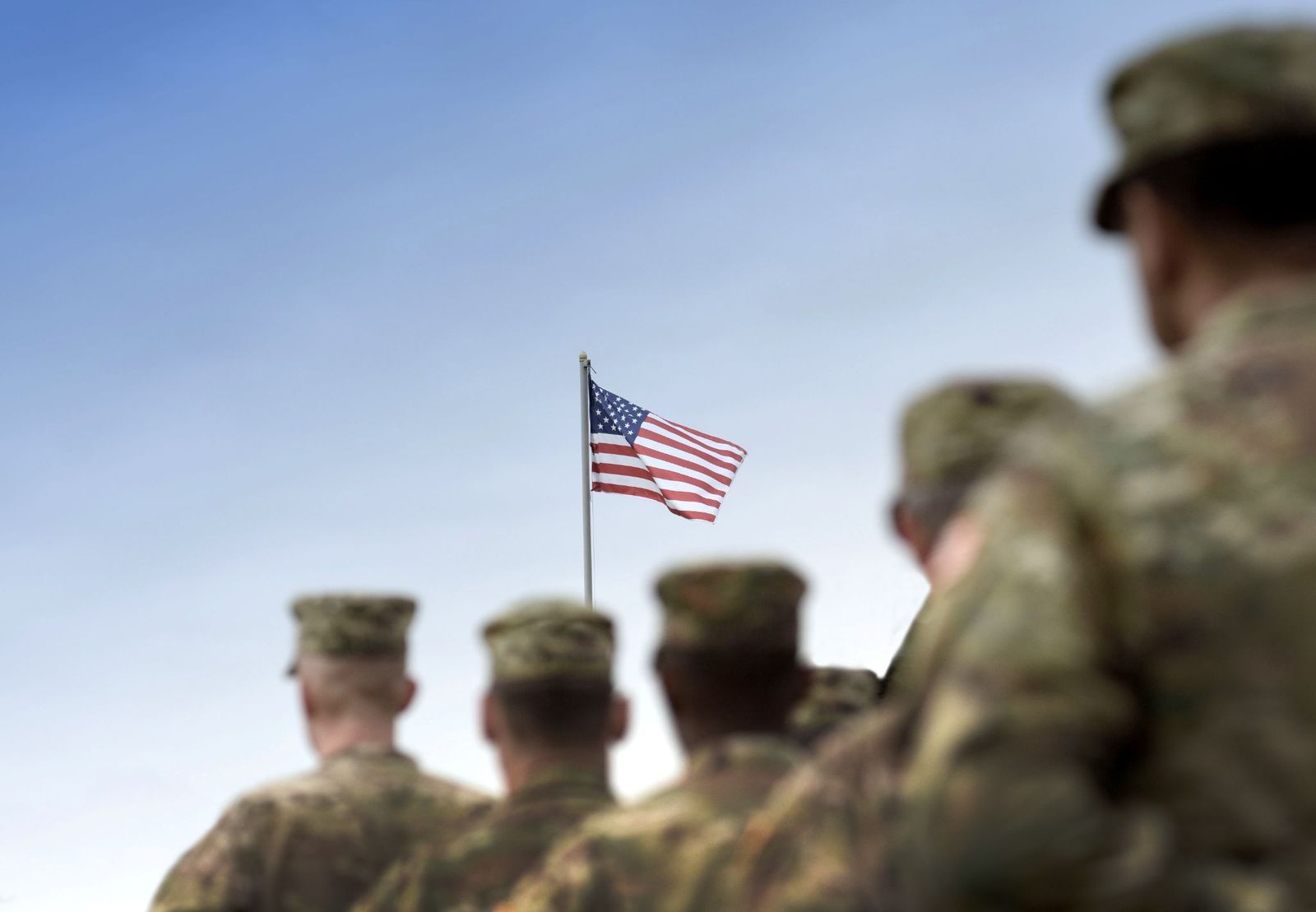

Image: Bumble Dee

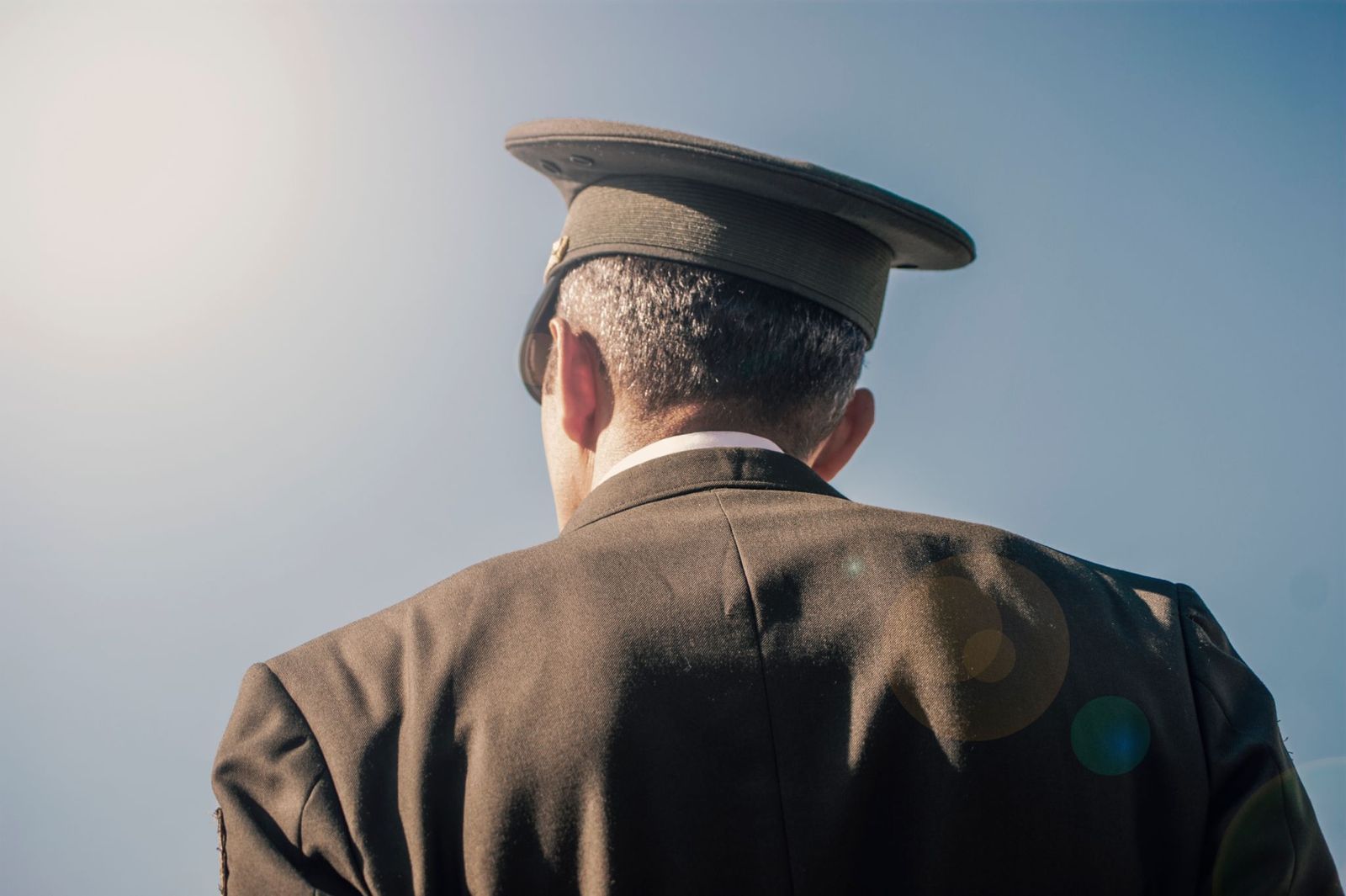
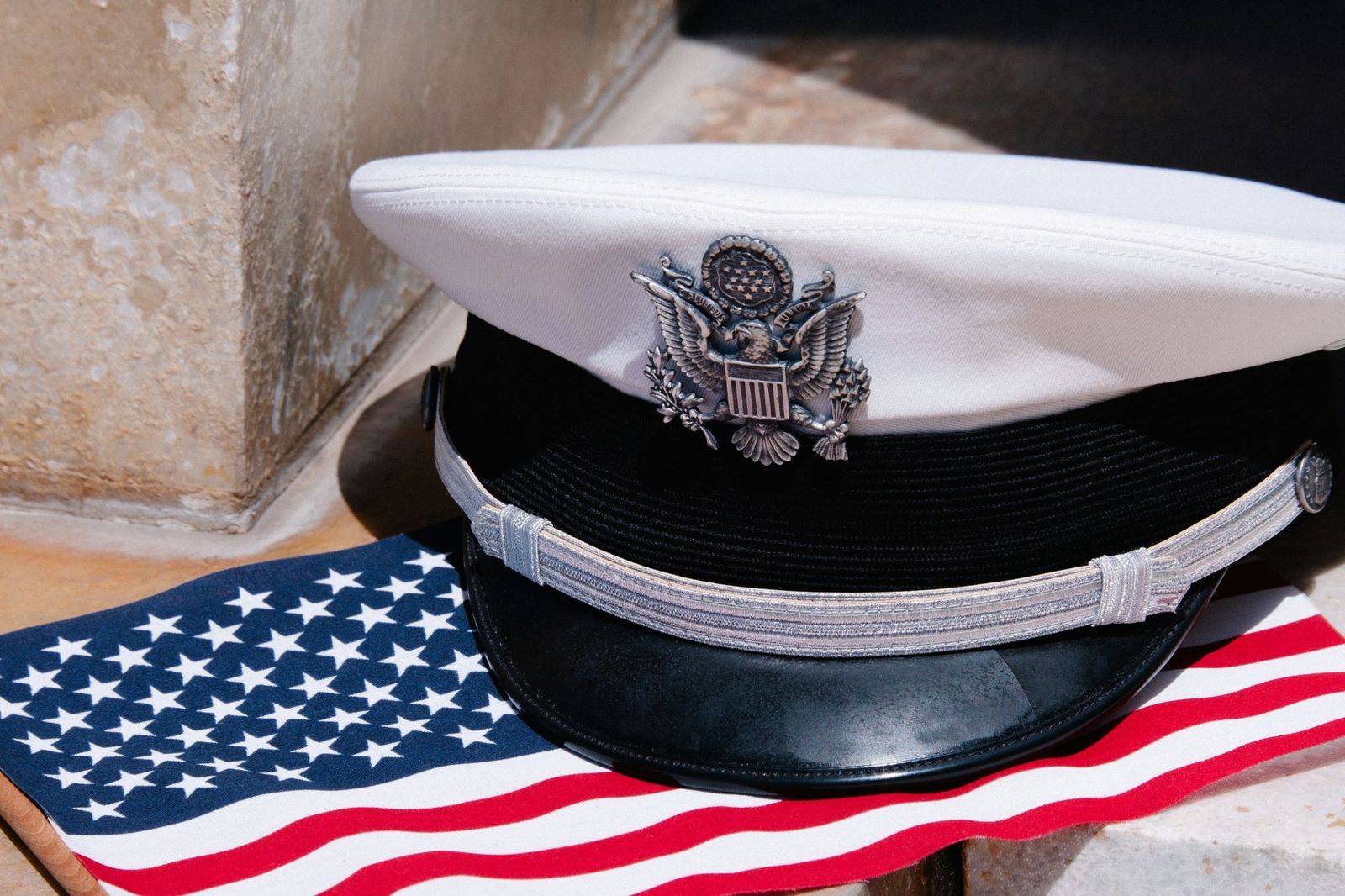
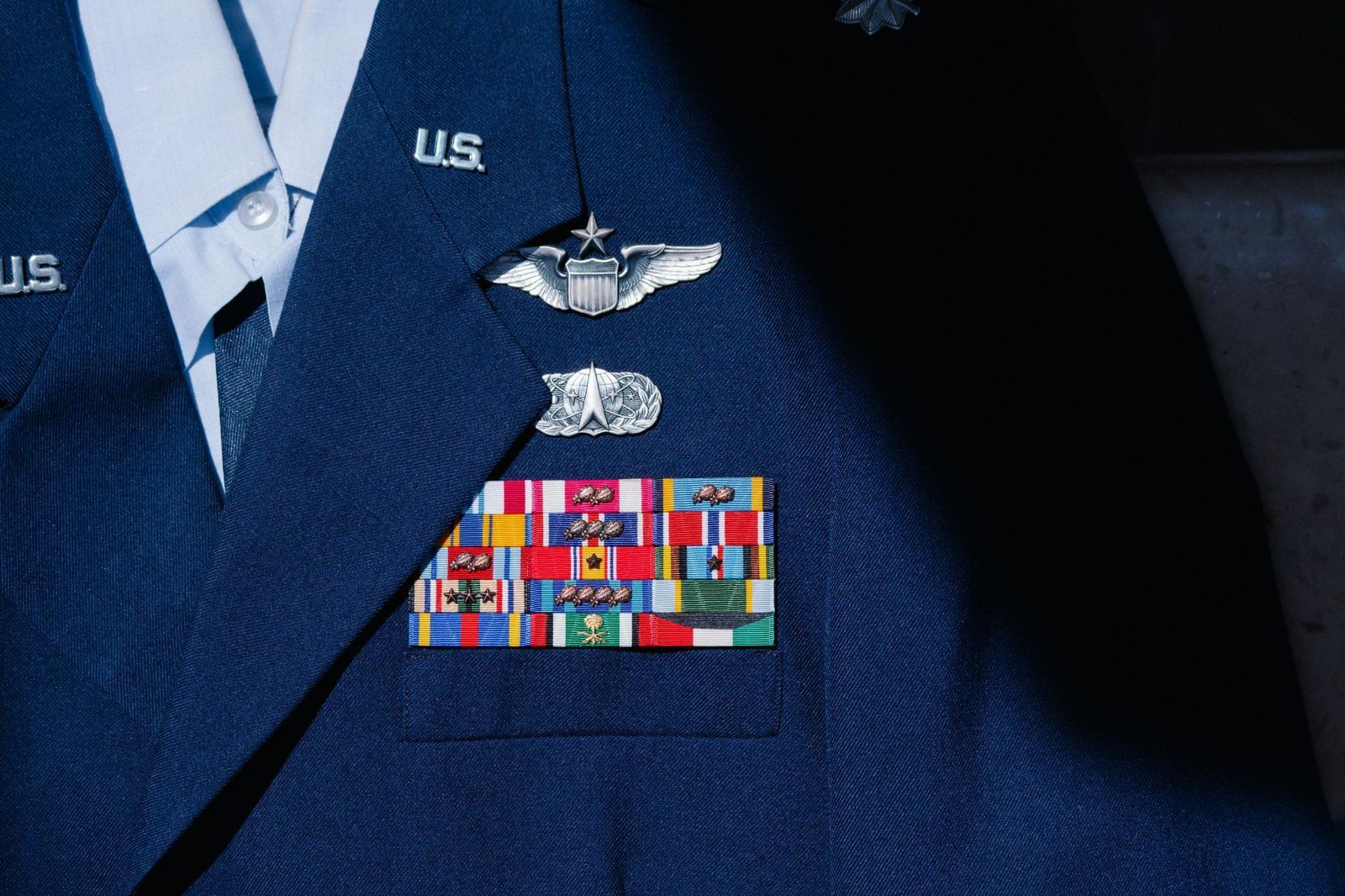
The structure of the United States military relies on a hierarchy designed to maintain operational discipline and distribute leadership across every level of command. Examining 10 main U.S. Military ranks in sequential order reveals the language behind the names.

1

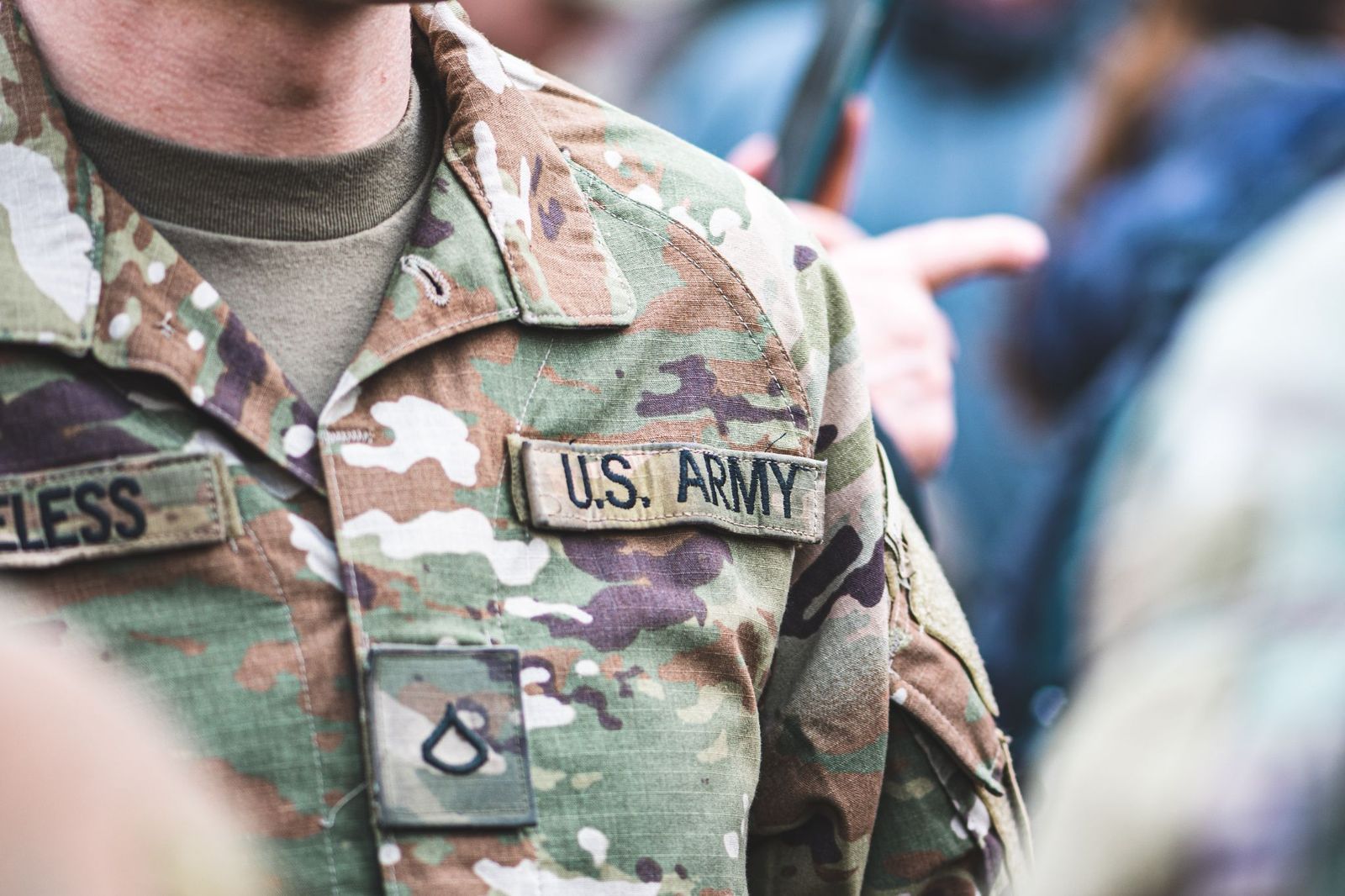
Private

Image: Michele Ursi

The rank of Private represents the entry-level enlisted tier in the U.S. Army and U.S. Marine Corps. At this level, service members focus on basic training, mastering tactical skills, and executing orders issued by superior officers.

Etymologically, "private" is short for "private soldier", designating an individual without public office or independent military command. Historical records note that some of the earliest documented uses of the term in the American military context appear in the personal correspondence of George Washington.

2

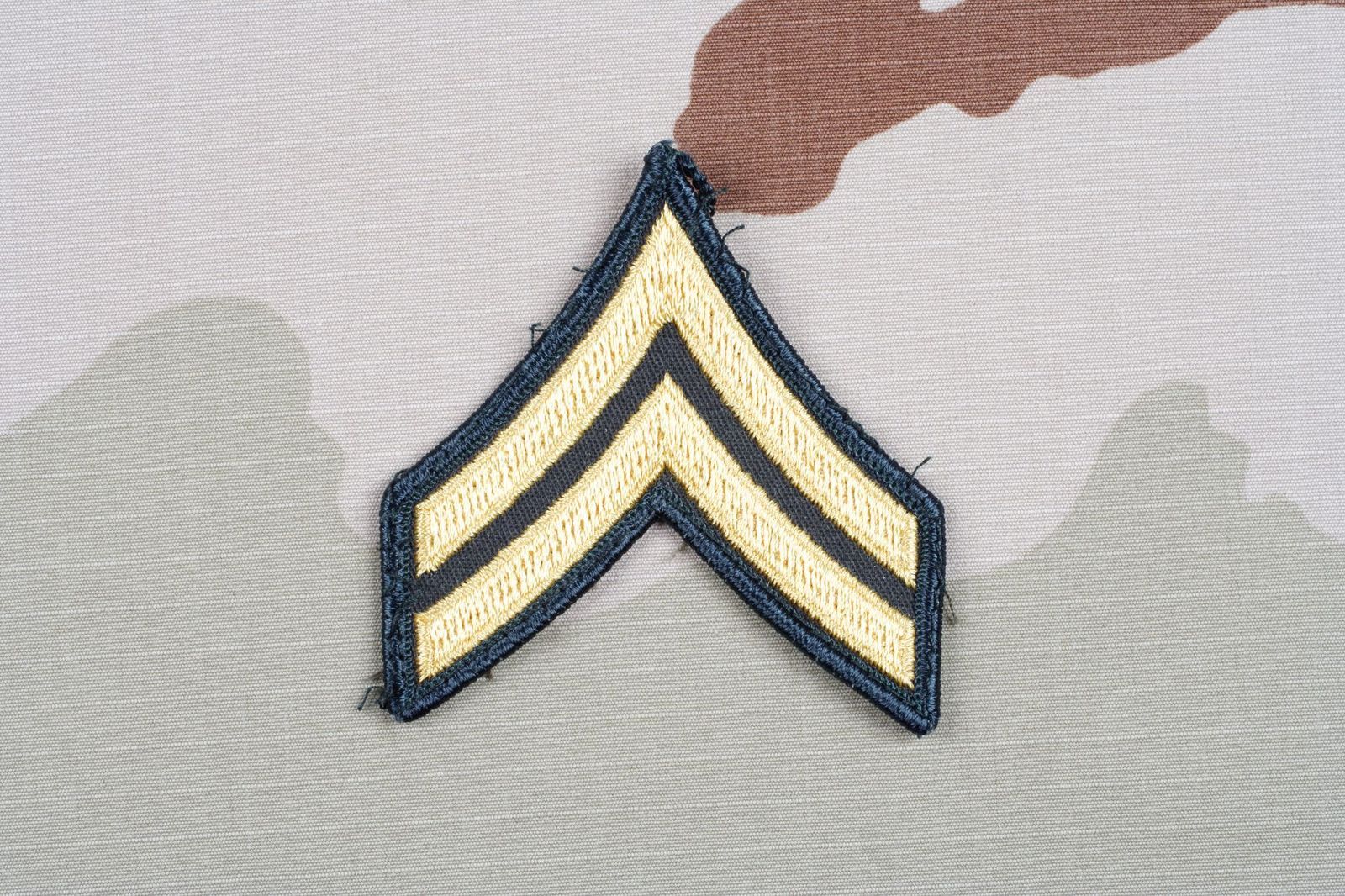
Corporal

Image: Militarist

A Corporal is responsible for leading small tactical units, such as fireteams or squads. Corporals oversee the daily discipline, appearance, and fundamental skills training of junior soldiers.

The word derives from the French corporal, which stems from the Latin caput (meaning "head"). Over time, the term was influenced by the Latin corpus ("body") and the French military term corps, blending roots for "head" and "body" into the modern word corporal.

3

Sergeant

Image: Mircea Moira

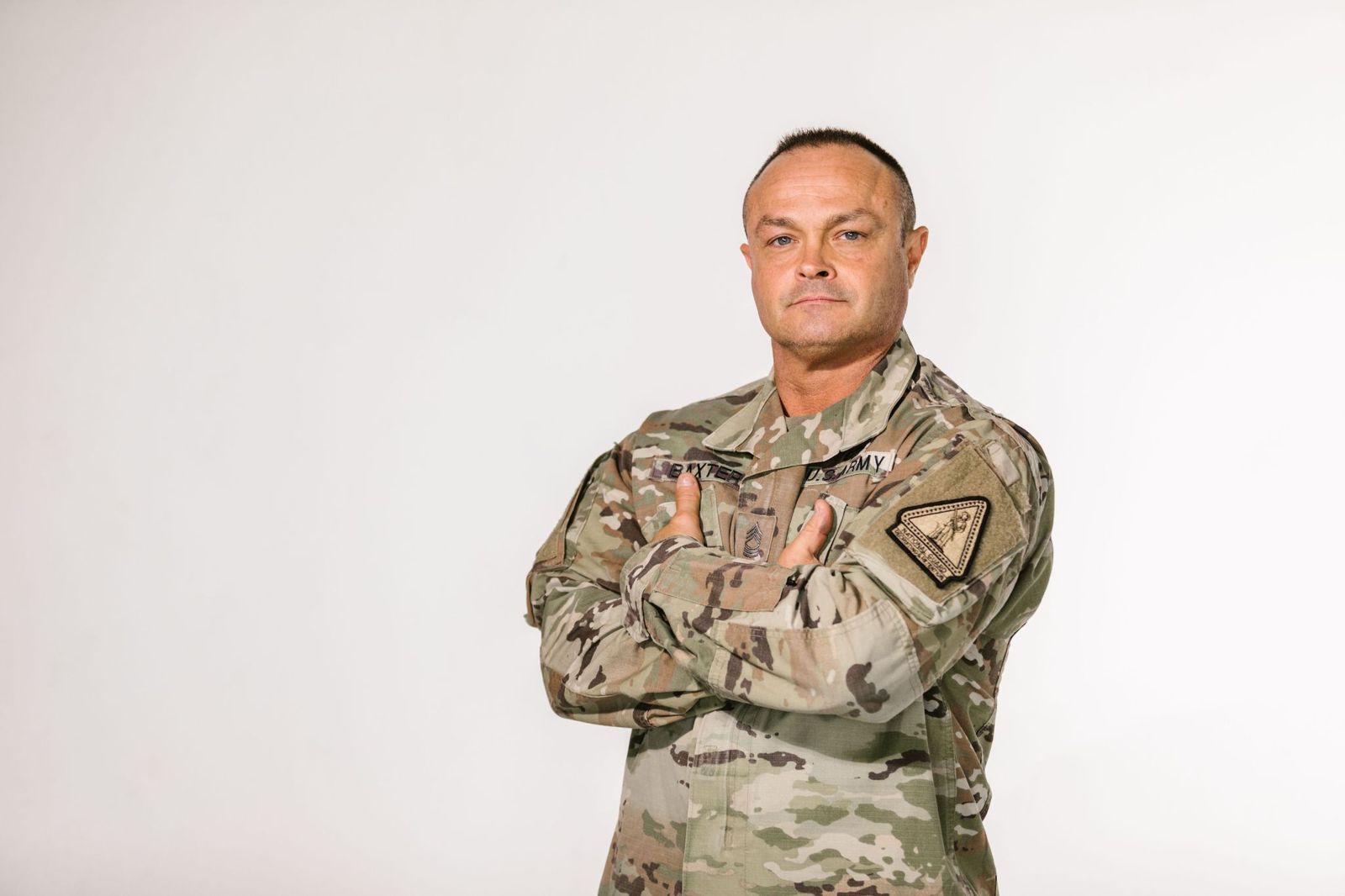
A Sergeant is a key frontline leader who typically commands a squad or section and directly supervises daily operations. Sergeants hold direct responsibility for troop welfare, equipment maintenance, and tactical execution.

The word shares its Latin root (serviens, meaning "servant") with the word servant. In medieval times, a "sergeant at arms" served as an armed retainer to a feudal lord. As military structures modernized, the sergeant evolved into the link between commissioned officers and enlisted troops.

4

Lieutenant

Image: RDNE Stock project

The rank of Lieutenant serves as the entry point for commissioned leadership. Lieutenants typically command platoons consisting of 16 to 40 service members alongside an experienced platoon sergeant.

The term comes directly from the French lieu tenant, which literally translates to "place holding". A lieutenant is a placeholder or deputy tasked with standing in for or assisting a superior commander.

5

Captain

Image: hande bagci

A Captain typically commands a company, battery, or troop consisting of 60 to 200 service members. Captains represent one of the oldest military designations in the English language, used as a general term for a military leader since the 1400s. Derived from French and rooted in the Latin caput ("head"), a captain is the "head" of an organized military unit.

6

Major

Image: LCV

A Major serves as a field-grade officer, often functioning as a battalion executive officer or primary staff supervisor. Interestingly, the rank of major is a historical abbreviation of sergeant major. During the 16th and 17th centuries, a sergeant major was a commissioned field officer ranking above a captain. As the boundary between non-commissioned officers and commissioned officers solidified in the 1700s, the "sergeant" prefix was dropped, leaving "Major" as a distinct officer rank.

7

Colonel

Image: Wesley Tingey

A Colonel commands brigade-sized formations (1,500 to 3,200 soldiers) or fills critical senior staff positions. The title originates from the Italian colonnello, meaning the leader of a column (colonna) of troops. The unusual English pronunciation ("kernel") occurred because English borrowed the word from French, which had adopted the Italian word but altered its pronunciation, while English retained the French spelling.

8

Brigadier General

Image: Wesley Tingey

A Brigadier General is a one-star general officer who commands a brigade or serves as a deputy commander for a division. The title derives directly from brigade, denoting an operational military unit composed of multiple regiments or battalions.

9

Major General

Image: Jordan Crawford

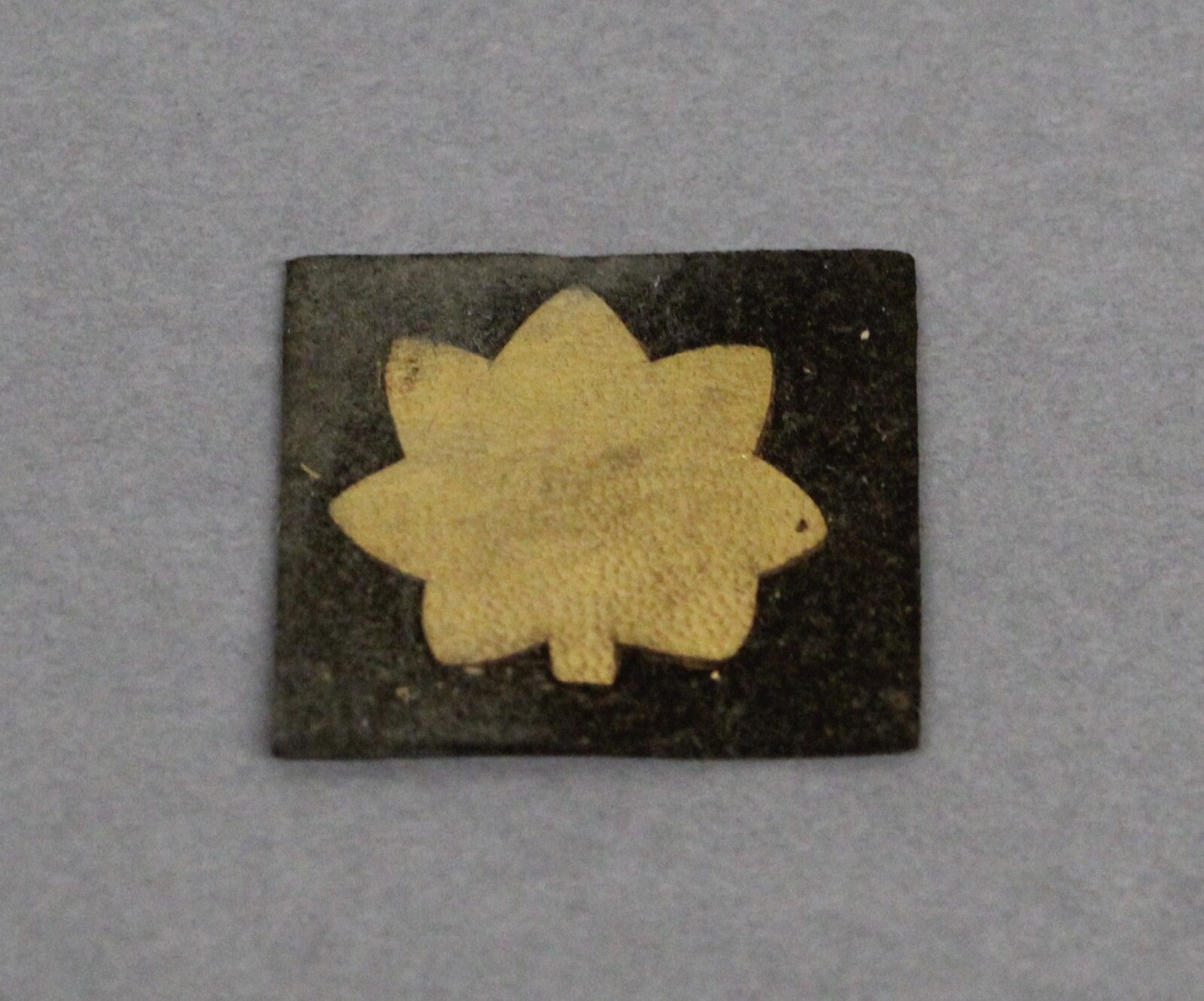
A Major General is a two-star general who typically commands a force of 10,000 to 15,000 personnel. This rank has a historical quirk: despite a Major ranking above a Lieutenant, a Major General ranks below a Lieutenant General. This is because the rank was originally called sergeant major general before the 1700s. Because a "sergeant major general" was subordinate to a "lieutenant general", the order remained intact even after "sergeant" was removed from the title.

10

General

Image: True Touch Lifestyle

A General is a four-star officer holding the highest operational rank in peacetime. Four-star generals command unified combatant commands, geographic theaters, or serve as service branch chiefs of staff. Rooted in the Latin generalis (meaning "pertaining to all" or "universal"), the title signifies overarching authority across all branches and arms of command.


BORN IN FICTION

10 Words You Didn’t Know Have Literary Origins


Published on August 7, 2026


Image: Glen Noble

Even now, when reading seems to be on the decline compared to the past, literature still plays an important role in how we construct our everyday language. From Shakespearean soliloquies to modern sci-fi jargon, literature has gifted us with a plethora of words that now pepper our conversations.

Let's explore 10 captivating examples of words that originated in fiction and literature, illuminating the enduring power of narrative to change the world.

1

Serendipity

Image: Michael Dziedzic

Coined by 18th-century English writer and art historian Horace Walpole in a letter to a friend, this word refers to a fortunate discovery made by accident. After making an unexpected discovery about a lost artwork, he referenced an ancient Persian tale called The Three Princes of Serendip, where its three protagonists would be - Walpole told his correspondent - "always making discoveries, by accidents and sagacity, of things which they were not in quest of."

2

Quixotic

Image: Mick Haupt

Inspired by Miguel de Cervantes' iconic novel Don Quixote, this term describes someone who is extravagantly idealistic and impractical. It stems from the chivalrous but delusional character Don Quixote, who often embarked on fanciful quests in pursuit of romanticized ideals but losing sight of reality on the way, to the point of confusing ordinary windmills with the mythical giants of old tales.

3

Catch-22

Image: Hans Vivek

Joseph Heller popularized this phrase in his satirical novel of the same name, depicting a paradoxical situation in which escape is impossible because of contradictory rules. Set in World War II, from the perspective of a U.S. Air Force Captain, the novel explores the absurdity of war and bureaucratic logic through the protagonist's futile attempts to evade combat duty and the unreasonable demands of his superiors.

4

Newspeak

Image: Markus Spiske

George Orwell’s dystopian masterpiece 1984 left an enduring legacy in the form of a rich vocabulary related to censorship and control. Some terms like "Big Brother," "Doublethink," or "Thought Police" are still popular in everyday speech. In the novel, these words form part of "Newspeak," a controlled language used by the totalitarian regime of Oceania in order to restrict freedom of thought and manipulate public perception.

5

Cyberspace

Image: Markus Spiske

Coined by William Gibson in his groundbreaking science fiction novel Neuromancer, cyberspace refers to the virtual reality of computer networks. Gibson's pioneering work anticipated the internet age and our modern dependence on technology, helping shape our contemporary understanding of digital landscapes and connectivity.

6

Scrooge

Image: Chad Madden

Thanks to Charles Dickens's timeless classic A Christmas Carol, the name Scrooge has become synonymous with selfishness and greed. Unfortunately for Ebenezer Scrooge, the protagonist of the short novel, despite undergoing a transformative journey of redemption in the story, we mostly remember him by his worst side.

7

Nerd

Image: Dmitry Ratushny

Although the word has a disputed etymology, the popularity of the word "nerd" likely owes to its usage in Dr. Seuss' If I Ran the Zoo where it referred to an imaginary creature. However, the term underwent a transformation in meaning over the years. It eventually evolved into a derogatory term for bookish people with a noticeable lack of social skills. Nowadays, though, it has lost its negative connotations and it is used to describe someone passionate or knowledgeable about niche interests in the realm of science and technology.

8

Robot

Image: Phillip Glickman

Coined by Czech playwright Karel Čapek in his play R.U.R. (Rossum's Universal Robots), the term robot is derived from the Czech word "robota," meaning forced labor. Surprisingly - taking into account that it was written in the 1920s - Čapek's visionary play explores themes of artificial intelligence, automation, and the ethical implications of creating sentient beings.

9

Tween

Image: Vitolda Klein

Initially an abbreviation of "between" dating back to the year 1300, the term "tween" took on a new meaning in the late 20th century. Influenced by the word "teen," it emerged as a noun referring to a child nearing puberty, typically between the ages of 9 and 12. However, an alternative usage was popularized by J.R.R. Tolkien, who employed the term in The Lord of the Rings, to describe the "irresponsible twenties between [Hobbit] childhood and coming of age at thirty-three."

10

Utopia

Image: Victor

Coined by Sir Thomas More in the 16th century, in his influential work Utopia, this term describes an idealized, imaginary society characterized by harmony, equality, and prosperity. More's vision of a perfect civilization has sparked countless literary and philosophical explorations into the possibilities and pitfalls of utopian ideals. The opposite concept would be a "dystopia."

Looking for an extra scoop of literary fun?

Learn more with our Word of the day

pander

/ˈpændər/