Furry secrets revealed

Why does your dog wag its tail? Discover what your pet is telling you


Published on January 8, 2026


Image: Victor G

How well do you know your pet? Cats and dogs are undoubtedly the most popular furry companions, and while we might think we know everything about them, there are some secrets that we miss. Do you know what their tail movements actually mean? Are you aware of cats' incredible ability in the dark? If you want to discover this and more, keep reading: Today, we’re revealing 10 surprising facts about your pet’s secret life.

1

A dominant paw

Image: Humberto Arellano

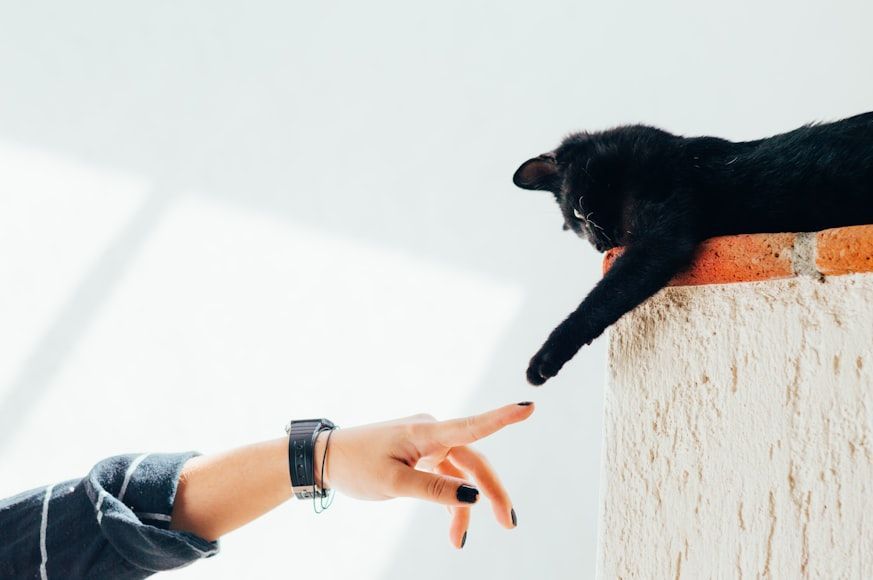
Just as humans write, eat, kick, and do most tasks with either their right or left hand, cats also have a dominant paw. Surprising, right? But it’s true: Cats often prefer one paw over the other when playing, going down stairs, or reaching for objects and food. Studies even show that male cats tend to favor their left paw, while female cats are more likely to use their right.

2

Doctor smell

Image: Oria Helion

It’s no secret that dogs have an incredible sense of smell. In fact, it’s their strongest sense, estimated to be 10,000 times more powerful than ours. But here’s the surprise: their smell is so sharp that they can even detect diseases. Trained dogs can identify subtle changes in a person’s body odor, which allows them to detect conditions like skin, breast, bladder, and lung cancer. They’ve also been reported to sense malaria, diabetes, epilepsy, and even some viral infections.

3

Recognizing their names

Image: Kristina Yadykina

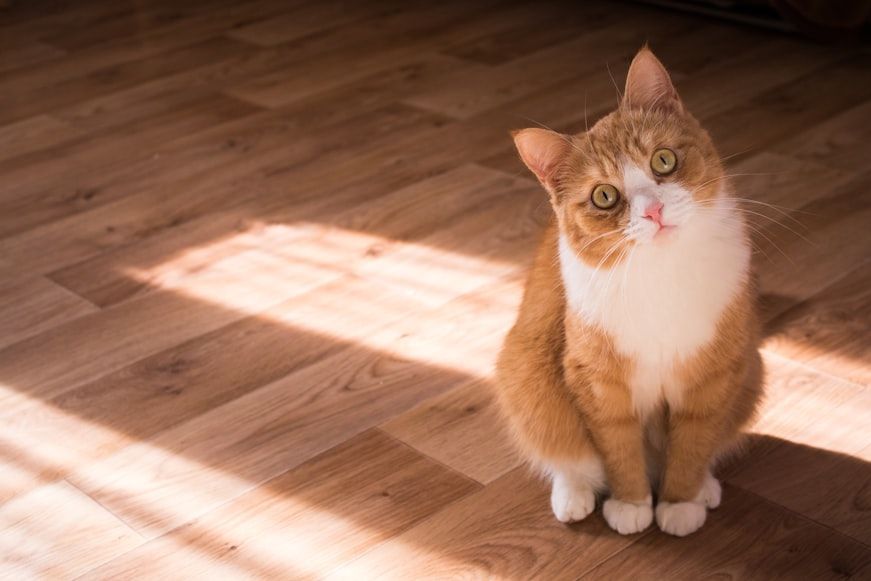
Dogs almost always come when we call them, but cats are different. If you think your cat doesn’t respond because it can’t, we have to say that’s not the case. Cats can clearly recognize their own names, and studies show they react with subtle signals like moving their ears or flicking their tails. They know when you’re calling them; they just choose not to come, which only increases their reputation as highly independent creatures.

4

Body language

Image: Alvan Nee

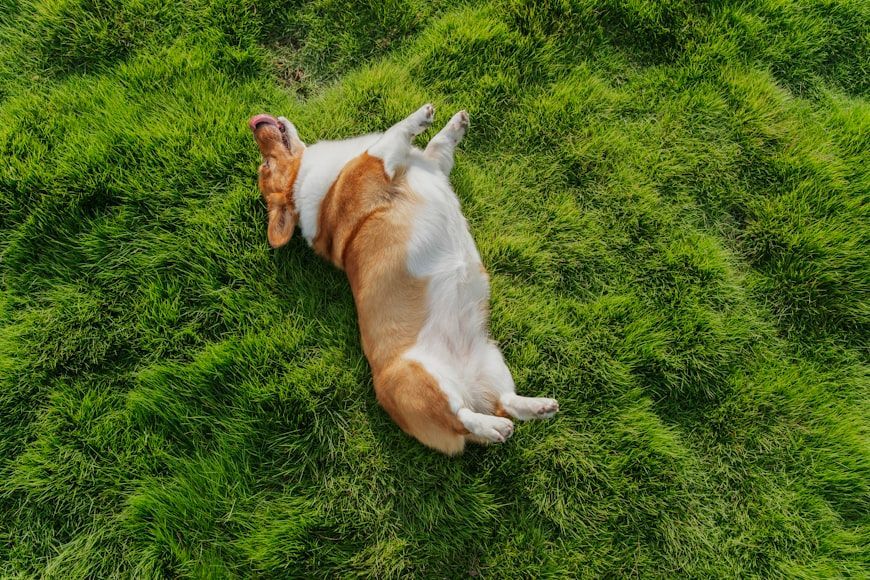
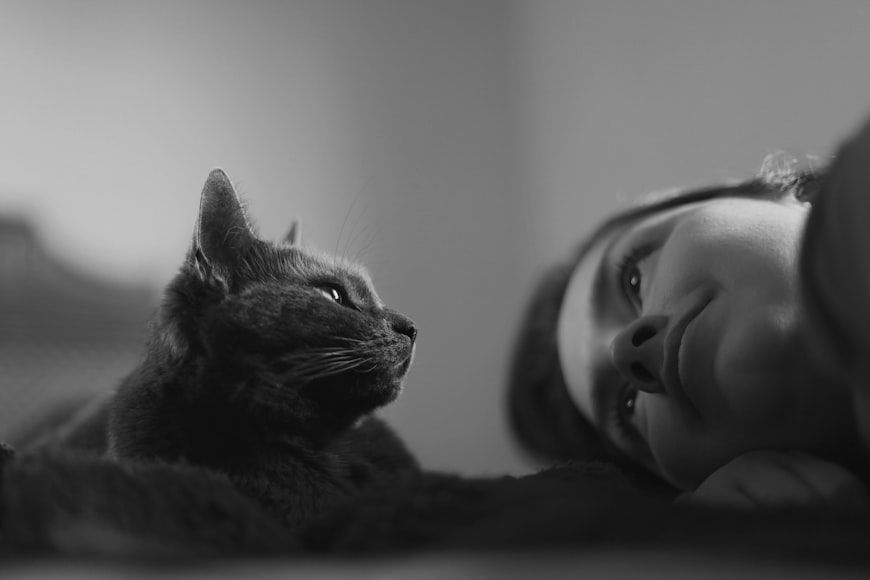
Your dog communicates with you through its body. For example, if it rolls over easily, it means it completely trusts you, since it’s exposing its most vulnerable areas (yes, that adorable belly). On the contrary, when a dog feels threatened, it may stand tall, perk up its ears, and fix its eyes on the person or object it sees as a threat. If a dog avoids eye contact, it isn’t always a bad thing; it can actually be a sign of respect! As for the tail, a dog uses it to communicate emotions and arousal, not just happiness; the speed, height, and direction reveal meaning, from excitement (fast, high) to fear (low, tucked) or caution (slow).

5

Unique nose

Image: Jack1007

If cats and dogs had IDs, they could sign them with their little noses. Why? Well, just as each of us has a unique set of fingerprints, every dog and cat has a one-of-a-kind nose. The patterns of wrinkles and lines on your pet’s nose pad are unlike any other in the world, making it a perfect natural identifier.

6

Exclusive communication

Image: Silvana Carlos

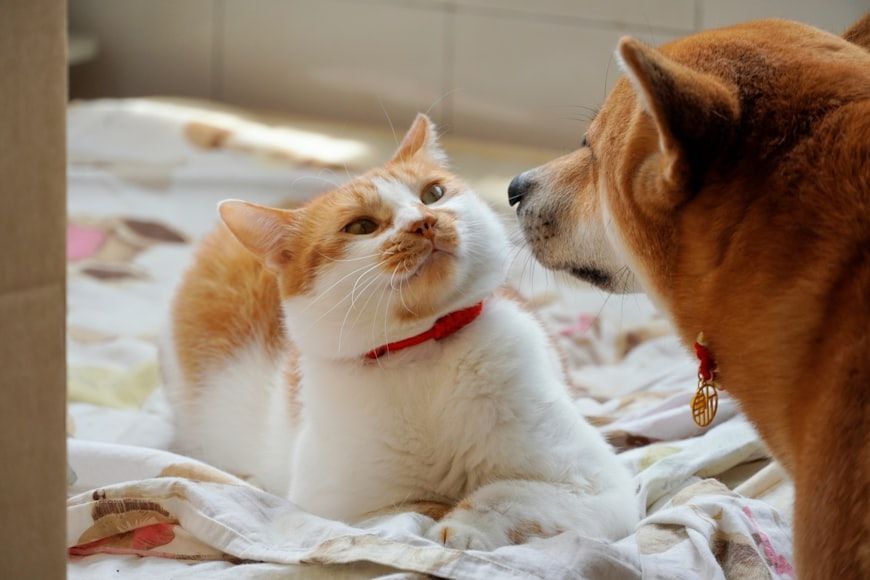
Did you know your cat only meows at you? That’s right! Cats don’t use meowing to communicate with each other, only with humans. While kittens do meow at their moms, once they grow up, they rely on body language, scents, and other sounds like hisses and chirps.

7

Barking with an accent

Image: Akshat Jhingran

What accent does your dog have? It may sound like a silly question, but it’s actually quite relevant. Studies show that dogs, even those of the same breed, bark differently depending on where they were raised. In other words, there are regional variations in their vocalizations. Some dogs copy their mother’s "accent," and it’s also been shown that some change the way they bark after moving to a new area.

8

Kings of the dark

Image: Akin Cakiner

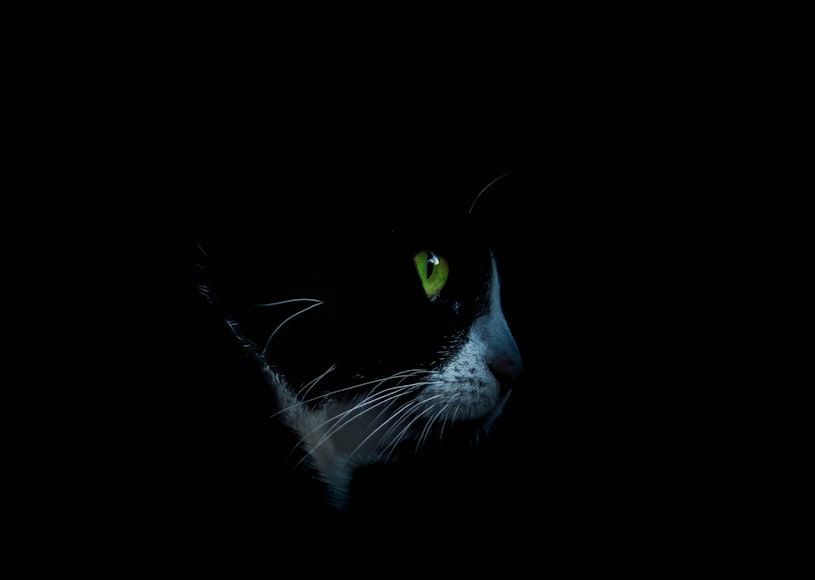
Cats aren’t afraid of the dark, and not just because they’re intrepid, but because their bodies are built to navigate the darkest spaces. First of all: their eyes. Cats’ vision is designed for low-light hunting, and they can see clearly at light levels six times lower than what we humans need. In addition, their whiskers play a crucial role. They aren’t just cute; they act as guides, detecting changes in air currents and sensing nearby objects.

9

Dogs vision

Image: Leo_Visions

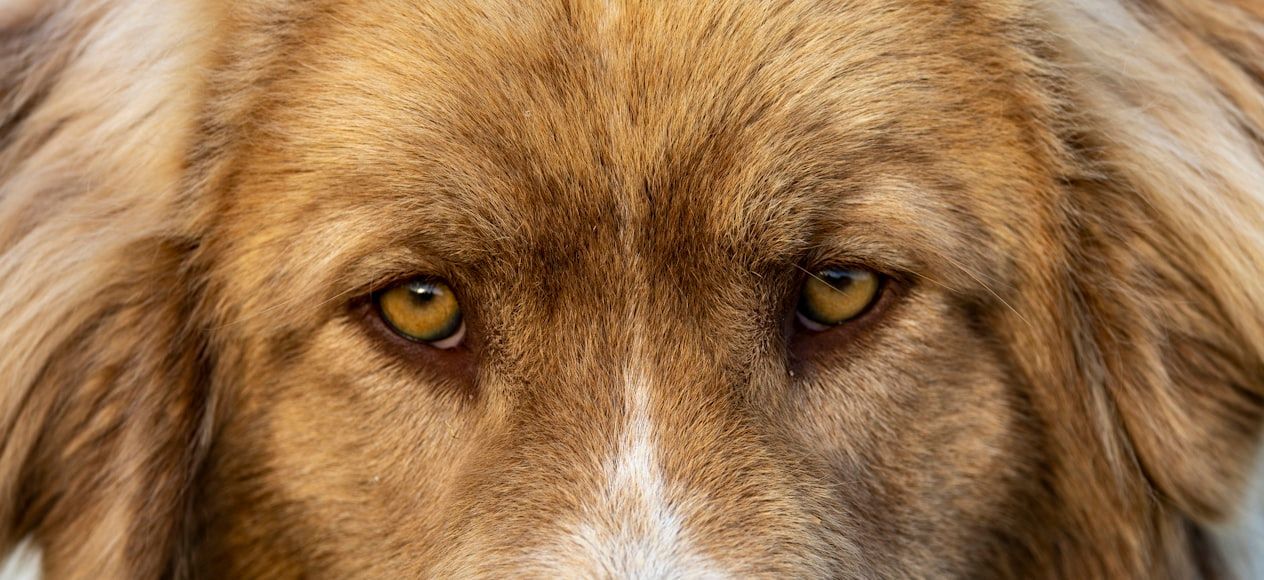
Would you like to know how your dog sees the world? The old myth that dogs see only in black and white has been debunked. But they don’t see the way we do. Dogs have what’s called dichromatic vision, which means they can see color, but within a limited range. They mainly see shades of blue and yellow, and –similar to color-blind humans– they have trouble distinguishing between reds and greens.

10

Cats can’t taste sweetness

Image: Piotr Musioł

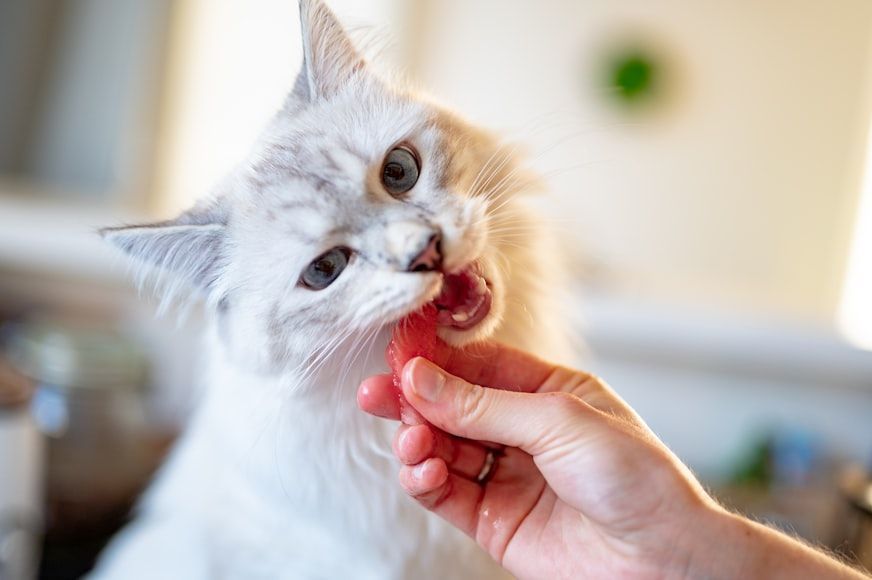
While they may be very sweet animals, cats can’t taste sweet treats as we do. They simply don’t have the receptors needed to sense sweetness, and as carnivores, they didn’t need them in their evolution. So while we enjoy a movie with candy or popcorn, they prefer the savory flavor of meat.


FORGOTTEN VISIONARIES

10 Unsung Scientists and Inventors Who Shaped History


Published on January 8, 2026


Image: National Cancer Institute

History has a notoriously capricious memory. Casting a spotlight on a select few, it condemns others to oblivion, no matter how significant their contributions. However, it’s never too late to change this!

Let’s uncover some of the stories behind 10 forgotten figures of history that, in one way or another, helped shape our modern world.

1

Hedy Lamarr

Image: Compare Fibre

As if a glamorous Hollywood career was not enough, Hedy Lamarr was also a brilliant inventor who - among other things - developed a groundbreaking frequency-hopping system during World War II to secure both communications and radio-guided torpedoes. And besides helping Allied forces gain a technological advantage during the war, her innovative ideas also laid the foundation for modern Bluetooth and Wi-Fi technologies.

2

Émile Gagnan

Image: Adrien Delforge

Émile Gagnan was a French engineer who partnered with famous diver Jacques Cousteau to create the Aqua-Lung, the first self-contained underwater breathing apparatus (or SCUBA). The device, which utilized compressed air to allow divers to explore underwater for extended periods, not only completely revolutionized underwater exploration but its relative ease of use also led to a boom in recreational diving.

3

Mary Leakey

Image: Johannes Plenio

Mary Leakey was a pioneering figure in the field of paleoanthropology who made significant contributions to our understanding of human evolution. Alongside her husband Louis Leakey, she unearthed numerous hominid fossils in East Africa, including the famous discovery of the "Nutcracker Man," a skull of Paranthropus boisei, an extinct species of hominid that lived around 2.5 million years ago. Mary's meticulous excavation techniques and a keen eye for detail led to many more groundbreaking discoveries, such as the Laetoli footprints, providing crucial insights into early human locomotion.

4

Alice Ball

Image: Towfiqu barbhuiya

Alice Ball was a true pioneer in all regards. The first woman and first African American to graduate with a Master’s degree from the University of Hawaiʻi, she developed the first effective treatment for leprosy, known as the "Ball Method." Her technique allowed to make chaulmoogra oil - an antimicrobial extract obtained from the seeds of Hydnocarpus wightianus - water-soluble and thus injectable. She died before publishing her work, which was then stolen by fellow chemist Arthur L. Dean. However, thanks to the insistence of her colleagues, she eventually received the rightful recognition for her groundbreaking contributions.

5

Emilie du Châtelet

Image: Bozhin Karaivanov

The outstanding work of the Marquise du Châtelet, also known as Emilie du Châtelet, significantly contributed to our understanding of energy conservation and the principles of calculus. Her 18th-century French translation of Isaac Newton's Principia Mathematica helped disseminate Newton’s work in Europe, and she introduced a series of contributions to Newtonian mechanics, including the postulate of an additional conservation law for total energy and a scientific definition for the concept of energy.

6

Al-Jazari

Image: Possessed Photography

Considered by some to be the true "father of robotics" and modern-day engineering, Al-Jazari was a 12th-century polymath who revolutionized mechanical engineering with his ingenious designs, including the first recorded programmable humanoid robot. Among his many designs for automata were a waitress that could serve various drinks, an automaton that helped with hand washing, and a musical robot band.

7

Edmond Becquerel

Image: American Public Power Association

Edmond Becquerel's experiments in the 19th century paved the way for solar energy research. His discovery of the photovoltaic effect laid the groundwork for modern solar cell technology, and his research in the topics of optics and light also contributed to the development of photography. Curiously, he was the father of Nobel laureate Henri Becquerel, one of the discoverers of radioactivity.

8

Jethro Tull

Image: Dan Meyers

Not to be confused with the rock band of the same name, Jethro Tull was an English agriculturalist born in the 17th century who revolutionized farming practices with his innovative inventions. His most famous creation, the seed drill, transformed agriculture by allowing seeds to be planted in neat rows at consistent depths, vastly improving crop yields and efficiency. Tull's dedication to scientific farming methods laid the groundwork for modern agricultural techniques.

9

Ada Lovelace

Image: Florian Olivo

Often regarded as the world's first computer programmer, English mathematician Ada Lovelace made groundbreaking contributions to the early development of computing in the 19th century. Collaborating with Charles Babbage on his Analytical Engine, Lovelace is also notable for being the first to foresee potential in computing beyond mere calculation, as she reasoned that such an engine could easily work with entities other than just quantities, and could be applied to music, science, or have many other general uses.

10

Mary Anderson

Image: Max Tokarev

Next time you are driving in the rain, think of Mary Anderson. An American inventor and entrepreneur, Anderson left an enduring legacy on the automotive industry with her groundbreaking invention - the windshield wiper. In 1902, while visiting New York City, Anderson observed streetcar drivers struggling to maintain visibility in inclement weather. Thinking on this problem, she envisioned a solution: a moving wiper blade that could be operated from the inside. Despite initial skepticism, Anderson's invention soon became standard equipment for automobiles, improving road safety everywhere in the world.

Looking for an extra scoop of literary fun?

Learn more with our Word of the day

creative

/kriˈeɪdɪv/