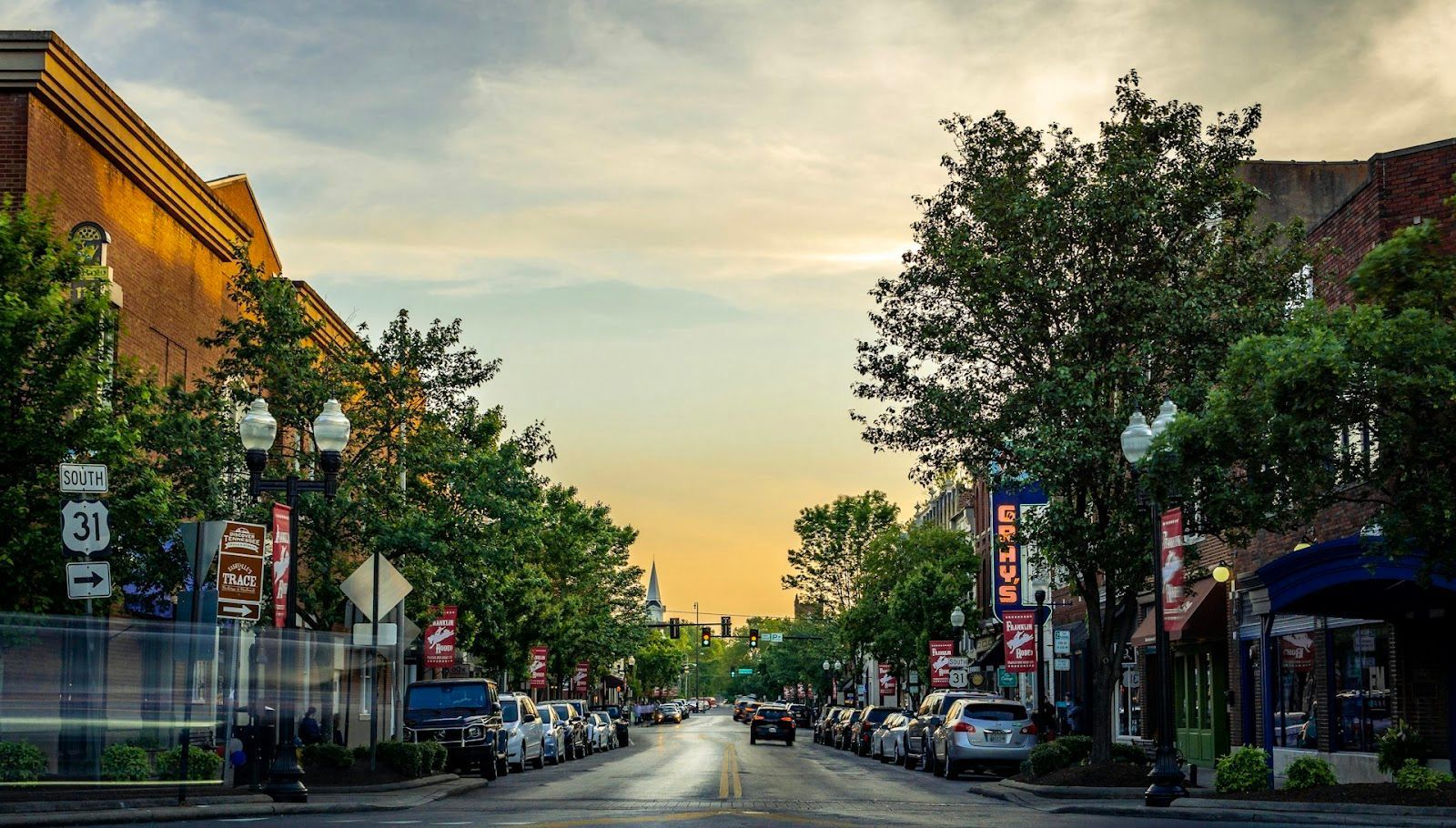
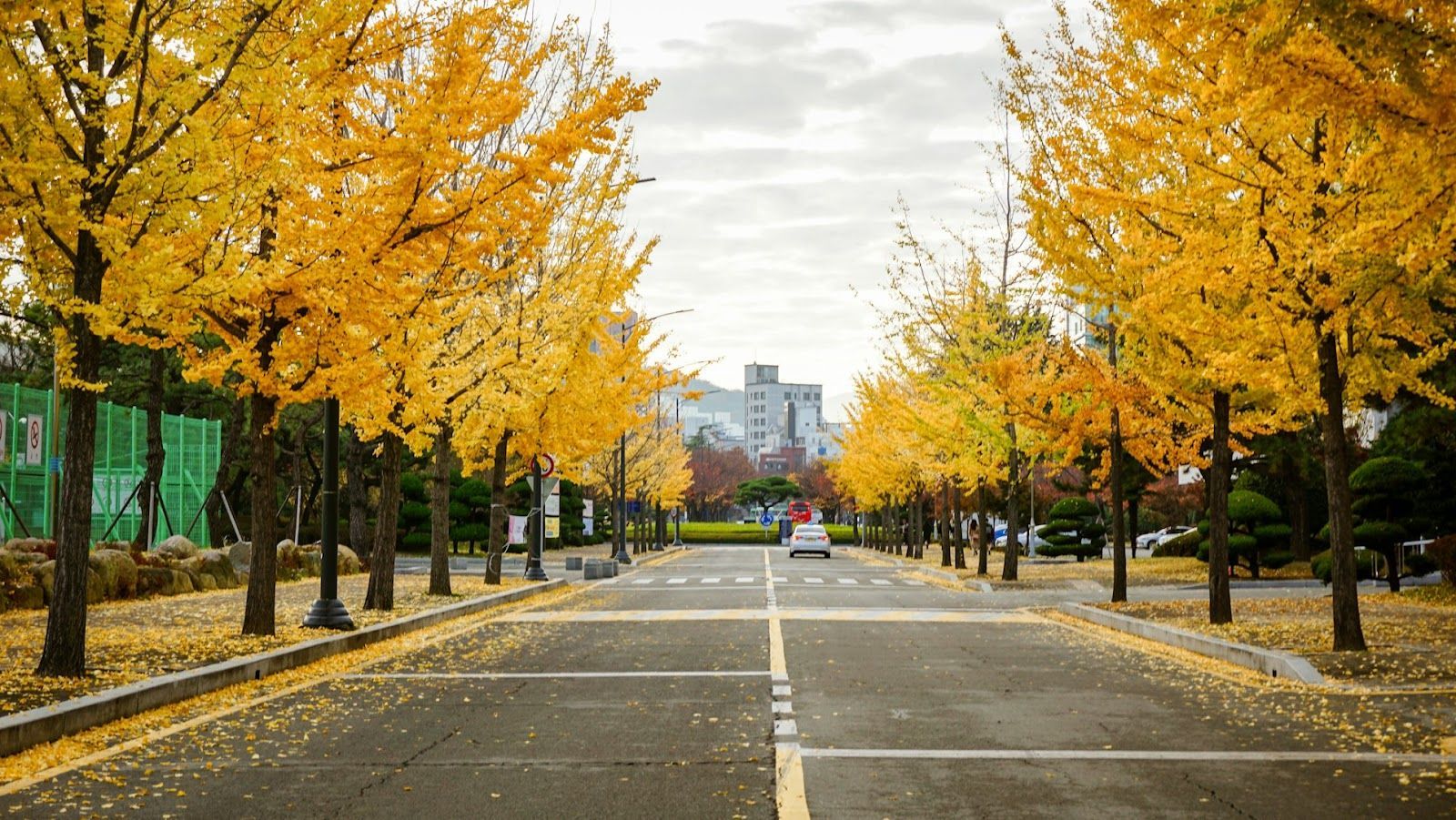
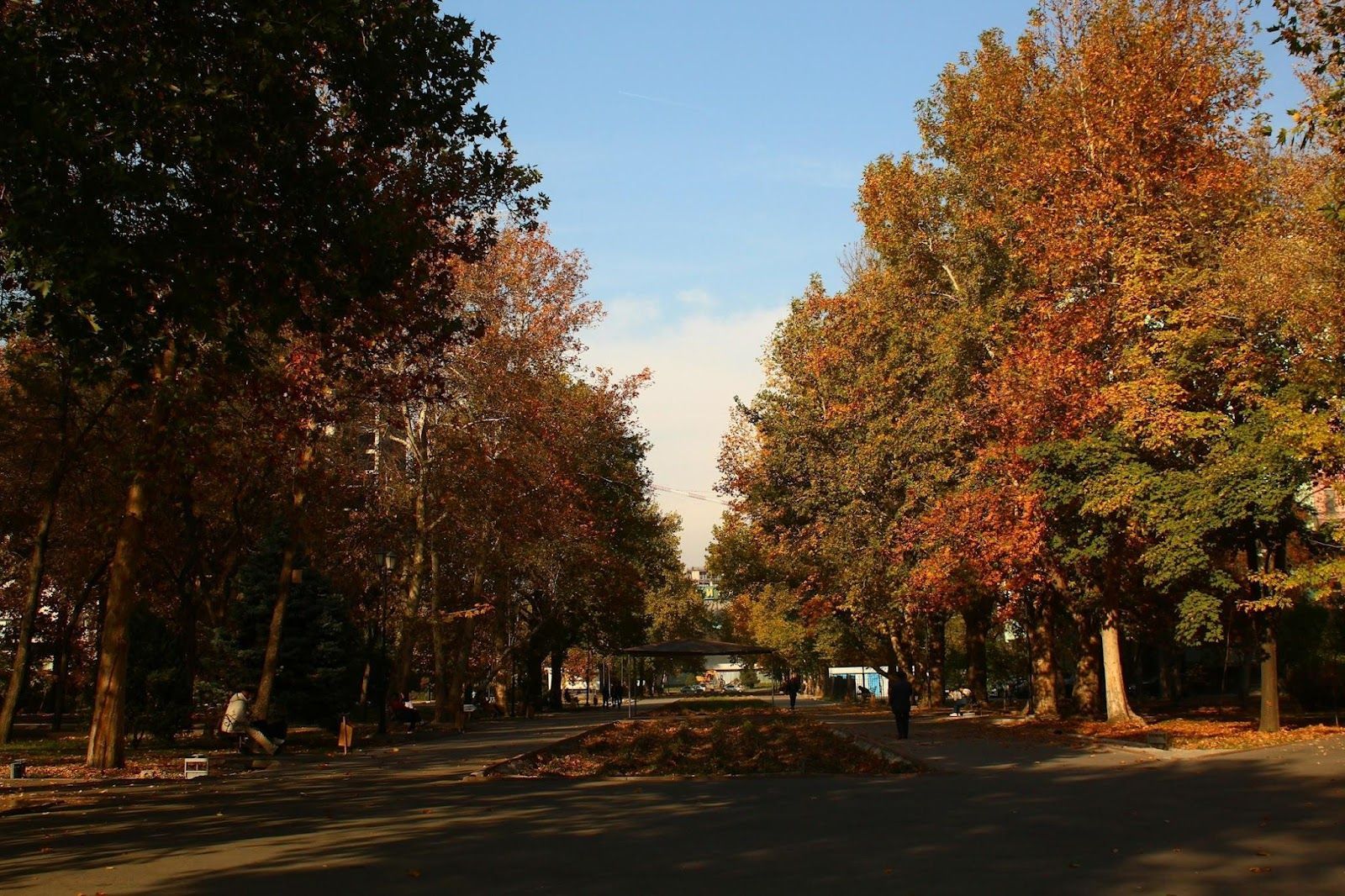
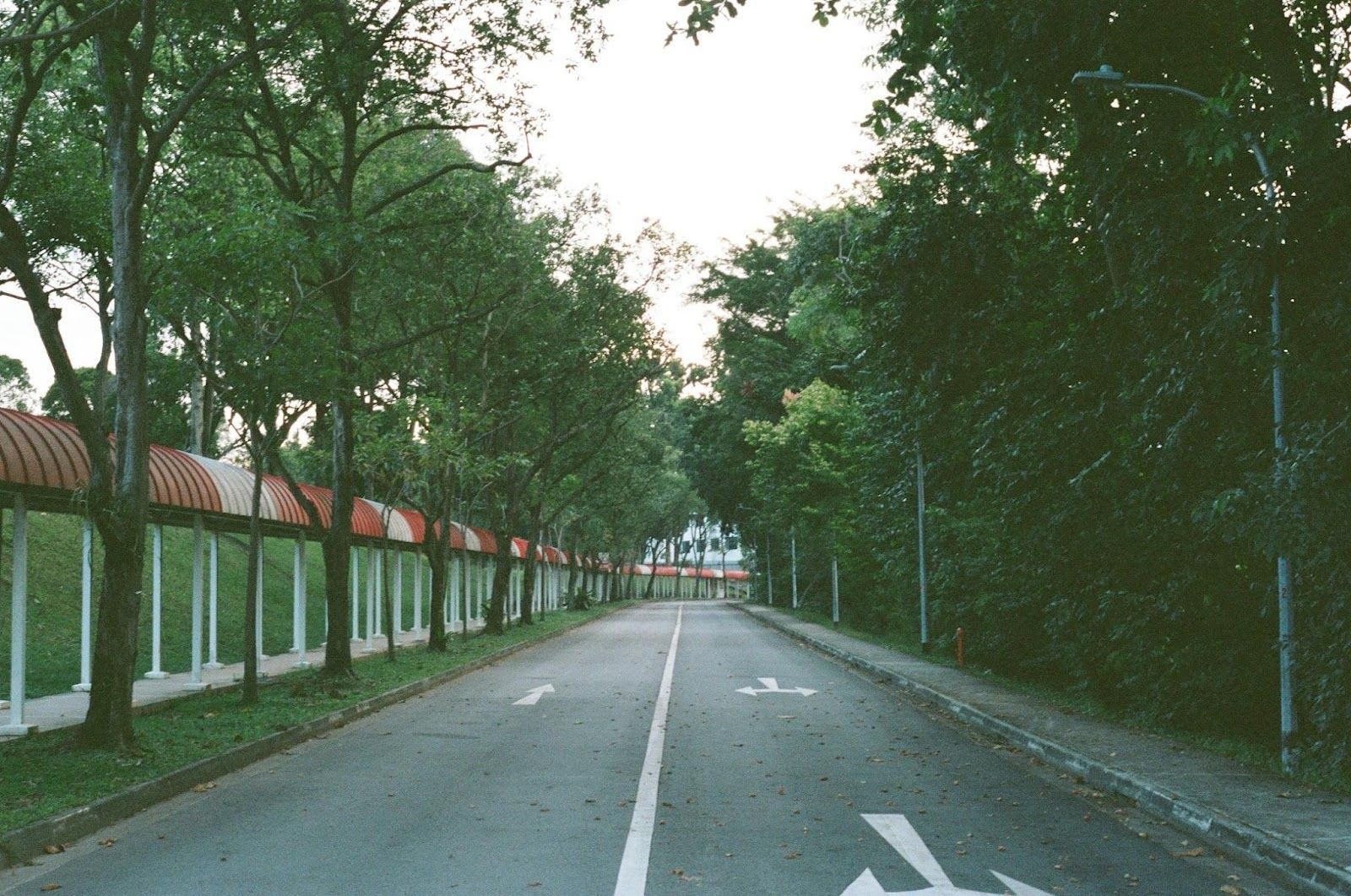
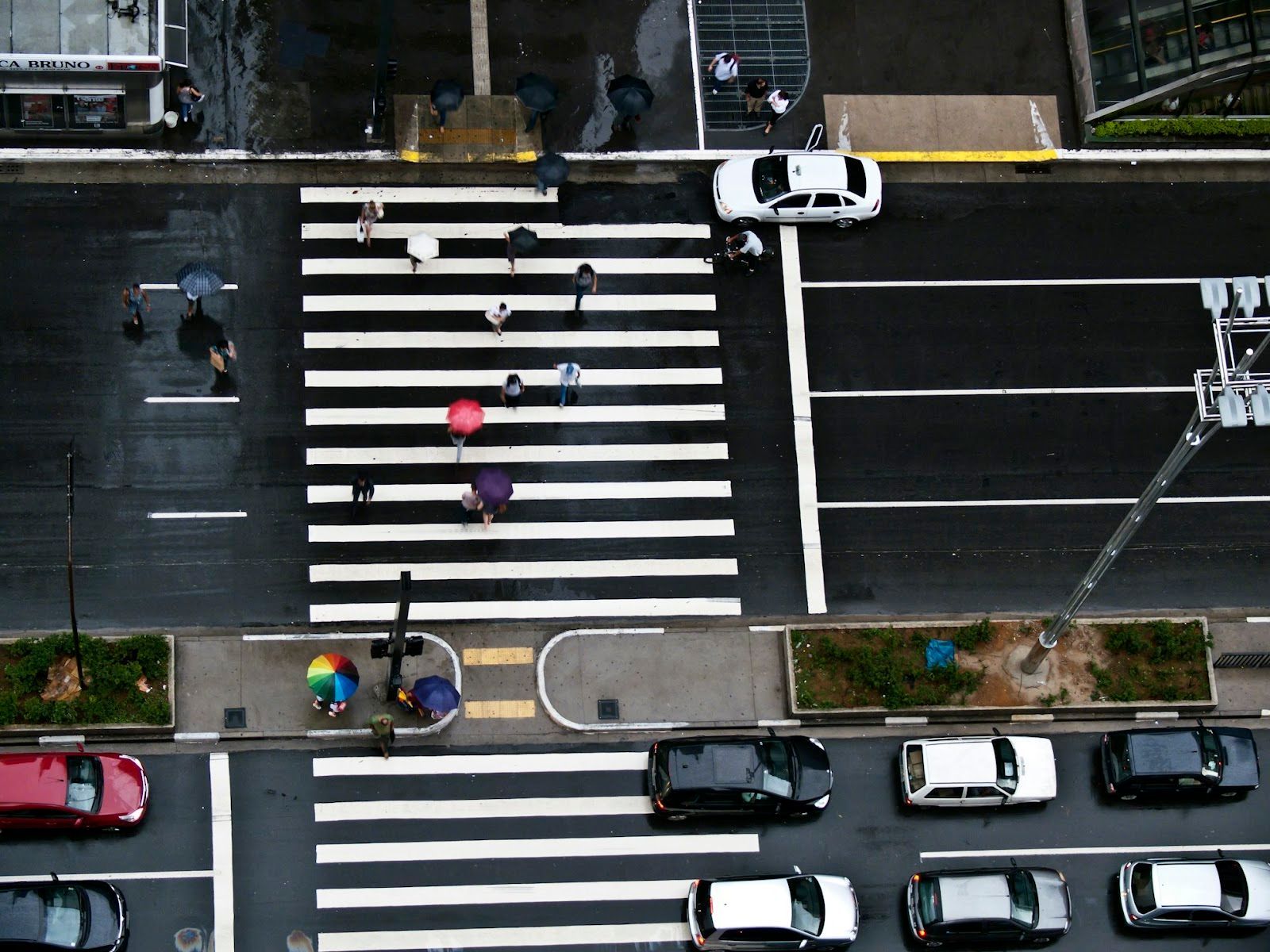
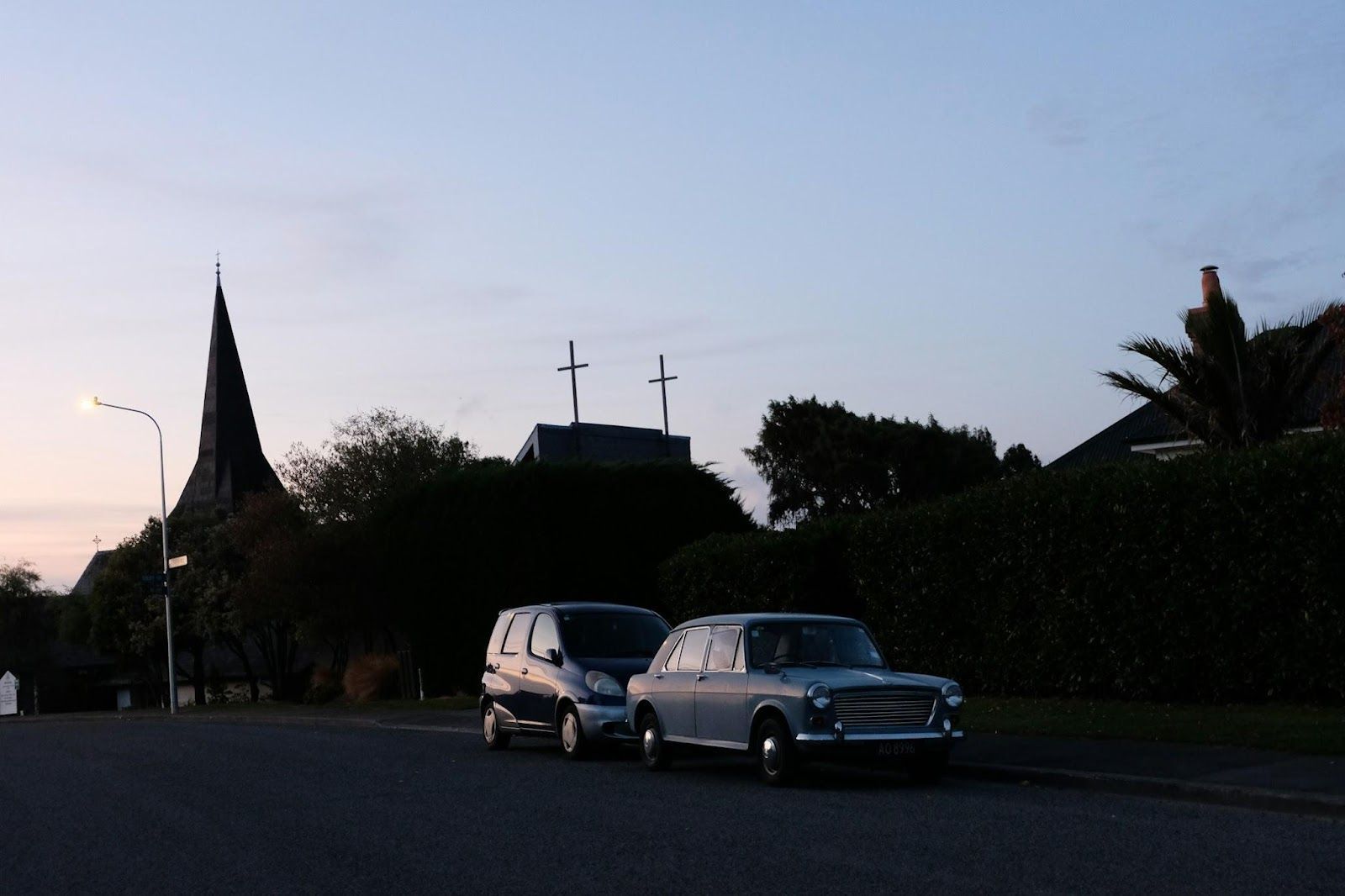
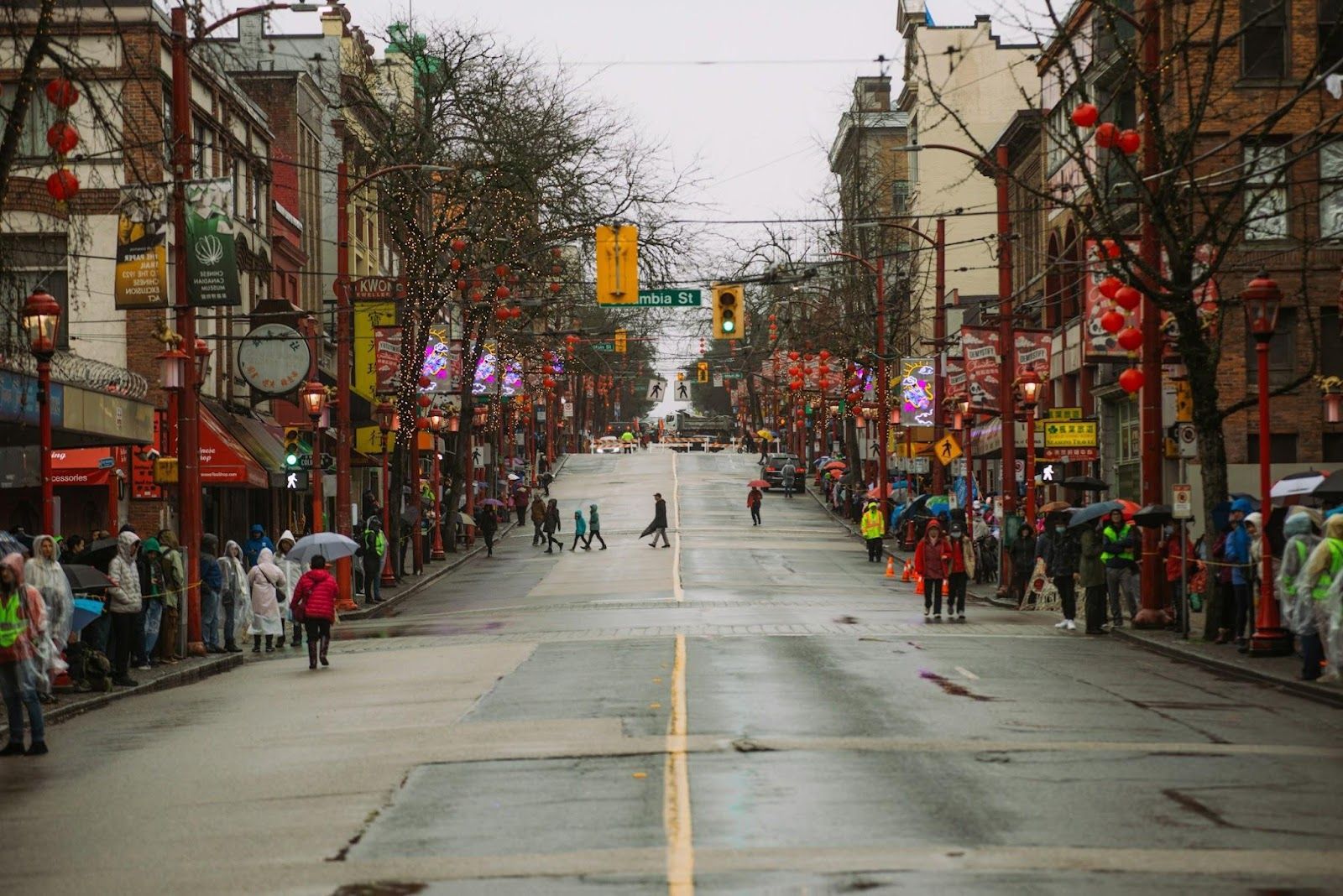
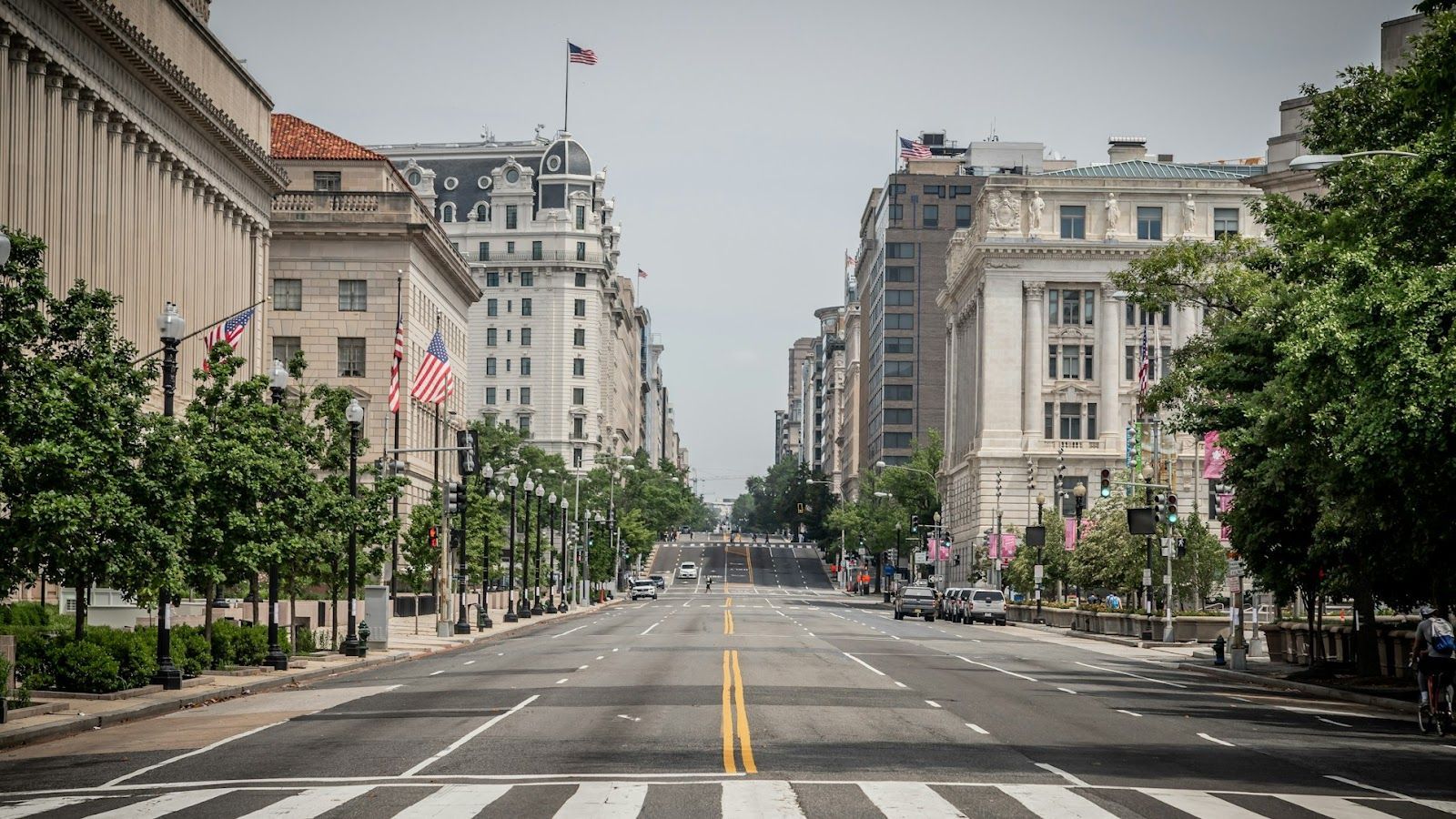
Do you live in one of these?

Why does every town have a Maple Street? The 11 most-used street names


Published on January 6, 2026

Credit: Igor Shalyminov

Have you ever wondered why so many streets in the U.S. are named "Main," "Maple," or "Broadway"? From historical references to nature-inspired names and beyond, every street name has a reason behind it. Take a look at the following 11 common street names. How many of these names are present in your neighborhood?

1

Main

Credit: Brandon Jean

A self-explanatory name, for sure, "Main Street" is usually the most important avenue of a town or city, in its early stages. Sometimes, as it can happen, the city will grow and the "Main" street will no longer be the most important one, but the name almost always remains.

2

Maple

Credit: KWON JUNHO

A testament to the U.S.’s most abundant tree, "Maple Street" is a common name found in towns and cities across the country. It has also appeared frequently in fictional settings, from novels and films to cartoons like The Simpsons.

3

Second

Credit: Timur M

Strangely enough, the name "Second Street" is more common than "First Street." One might assume that for every Second Street in America, there must also be a First Street—but that’s not always the case. The explanation lies in the fact that many "First Streets" have been renamed since their original naming.

4

Oak

Credit: Seval Torun

Another common street name honoring one of America’s most widespread trees, "Oak Street," is a name that can be found in towns and cities of all sizes across the nation.

5

Park

Credit: Leroy Tan

Another self-explanatory name is the following example. The streets and avenues named "Park Street" in America usually start, end, or border a public park.

6

High

Credit: gustavo nacht

A name somewhat similar in use to "Main Street" is "High Street." Though much less common in the US, it is often found in older towns with colonial or British influence and is typically bestowed upon the most important street in a town or city.

7

Central

Credit: S. Tsuchiya

Akin to "Main" and "High," "Central Street" is a name given to streets and avenues that are situated in the downtown area of a town or city, and pass through some of its most important features, like government buildings or central squares.

8

Church

Credit: Boyu Hu

Many street names originate as landmark references, pointing to notable features along the road. Nearly every town in America has a "Church Street," most of them named after a church that once stood—or still stands—along their path.

9

Market

Credit: Albert Stoynov

Across the country, streets named "Market Street" often serve as the center of commercial activity in a town or city. Like other landmark-based street names, the designation reflects the street’s primary use—in this case, as a commercial thoroughfare.

10

Washington

Credit: Vlad Tchompalov

Unsurprisingly, "Washington Street," the Father of the Nation’s name, appears in nearly every American town and city, and in a larger proportion than any other historical figure’s name.

11

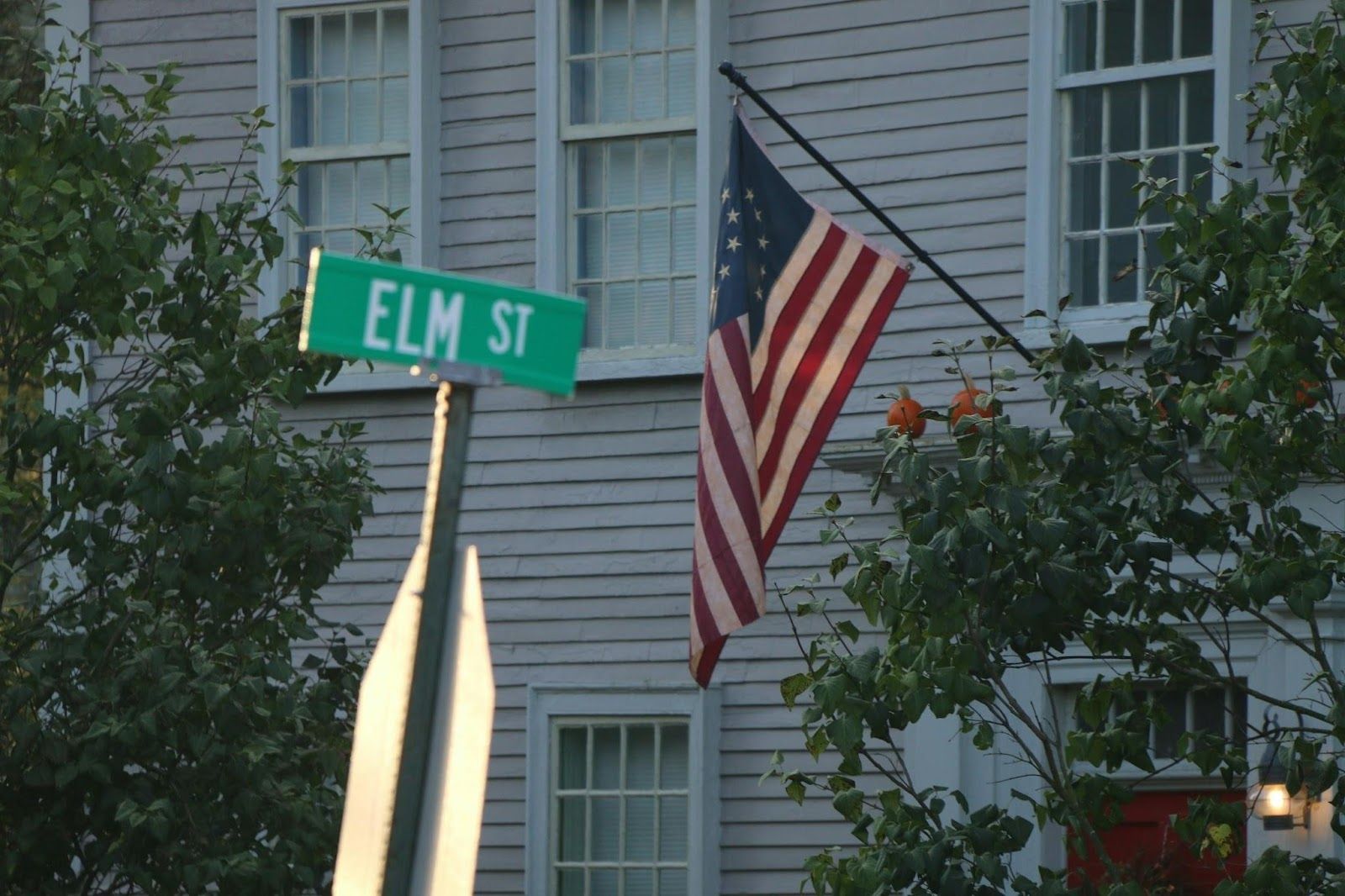
Elm

Credit: Steve Lieman

The third and final tree-based street name in this list, "Elm Street," comes from a common North American tree. Like Maple and Oak, Elm Street has appeared in numerous fictional stories, television shows, novels, and movies, most notably, A Nightmare on Elm Street.


Space fauna

Astronaut animals: The exciting adventures of 10 creatures sent to space


Published on January 6, 2026


Credit: Hester Qiang

Long before Neil Armstrong took his giant leap for mankind, Earth had already launched a small army of unexpected explorers into the great unknown. Tiny insects, brave dogs, and even a cat with a heart of steel all played their part in humanity’s quest to reach the stars. They weren’t astronauts in shiny suits, but living test pilots whose journeys helped scientists learn how breathing, eating, and simply existing might change without gravity. Join us to discover the stories of 10 extraordinary creatures that helped pave the road to space.

1

Fruit flies

Credit: JerzyGórecki

The very first travelers to leave our planet weren’t humans or even mammals, but fruit flies. In 1947, aboard a U.S. V-2 rocket, these tiny pioneers soared about 68 miles above Earth, crossing the invisible boundary between us and space. Scientists wanted to know how cosmic radiation might affect living beings, and to everyone’s surprise, the flies came back safe and sound. Their mission was short, but it marked the very first proof that life could survive a trip beyond our atmosphere. Not too shabby for creatures better known for buzzing around the kitchen fruit bowl!

2

Albert II, the rhesus monkey

Credit: Aaron Baw

Meet Albert II, the pioneer who proved that even a small monkey could make history. In 1949, this brave male rhesus macaque rode a U.S. rocket 83 miles above Earth, becoming the very first primate—and first mammal—to cross into space. His mission lasted only minutes, but it offered priceless information about how living bodies respond to extreme altitude and near-weightlessness. Although scientists carefully tracked his pulse, breathing, and movements, Albert died upon landing. His courage, nevertheless, didn’t go unnoticed.

3

Laika, the space dog

Credit: Max Kleinen

Years before humans ever circled the globe, the Soviet Union roamed the streets of Moscow looking for its first space traveler. They finally found Laika, a gentle, stray dog with big eyes and a calm spirit. In 1957, she boarded Sputnik 2 and became the first living being to orbit Earth, gazing down on the planet from hundreds of miles above. Though her journey was brief, her bravery left a lasting mark. Laika went on to become a symbol of courage and curiosity, inspiring dreamers, scientists, and explorers of every kind, both on two legs and four.

4

Ham, the space chimp

Credit: Markus Spiske

Imagine a space capsule gliding above Earth with a chimpanzee wearing a miniature spacesuit inside, calmly flipping switches like a pro. That was Ham, NASA’s first chimp to truly pilot a spacecraft. In 1961, his flight aboard Mercury-Redstone 2 sought to prove that a living being could stay focused and respond to instructions even while floating weightless. Ham’s quick thinking and steady nerves impressed scientists everywhere and made him a celebrity overnight. For a minute, he was America’s coolest astronaut, tail and all!

5

Félicette, the French cat

Credit: AlemCoksa

A cat in space? Oui, indeed! In the autumn of 1963, France made history by sending Félicette, a small black-and-white stray cat, on a pioneering 13-minute journey beyond Earth’s atmosphere. Carefully selected from a group of feline candidates, she was fitted with delicate electrodes designed to record her brain activity and vital signs as she ascended skyward. During her brief but extraordinary voyage, scientists on Earth monitored every heartbeat. Against all odds, she returned safely, landing back on her home planet with quiet poise. Félicette became not only the first but also the only cat ever to venture into space.

6

Tortoises on a lunar trip

Credit: Shafiqul Islam

No rush, no panic, but calm, deliberate space travel at its finest. In 1968, two humble steppe tortoises from the Soviet Union became unlikely pioneers of cosmic exploration when they were placed aboard the spacecraft Zond 5, bound for a historic lunar orbit. While humans were still dreaming of walking on the Moon, these patient reptiles were already circling it, gliding silently through the vastness of space inside their small capsule. For seven days, they endured the journey without complaint, adapting to microgravity with the quiet resilience that defines their kind. When Zond 5 finally returned to Earth, the tortoises were found alive and in good health.

7

Frogs with strong stomachs

Credit: Ray Hennessy

Imagine being rocketed into orbit only to end up dizzy and nauseous. That was the fate of two unsuspecting bullfrogs in 1970. NASA, ever curious about how living creatures handle the unusual conditions, sent the amphibious pair into space to study how balance functions without gravity’s pull. As the frogs tumbled and twirled in their tiny capsule, scientists were able to learn how the inner ear adjusts when "up" and "down" no longer exist. It might have been a disorienting ride for the frogs, but it turned out to be a ribbiting leap forward for science!

8

Spiders that spun webs in zero gravity

Credit: Rafael Garcin

A web with no spatial sense? That was the mystery NASA set out to explore in 1973 when two pioneering spiders, Arabella and Anita, hitched a ride aboard Skylab. Their mission: to prove an arachnid could weave a proper web in the floating world of microgravity. At first, their silken constructions were lopsided and chaotic; yet, the spiders quickly adapted. Within just a few days, they were spinning near-perfect circular webs, as if gravity had never mattered at all.

9

Fish that swam through the air

Credit: Sara Kurfeß

In the late 1970s, NASA scientists wanted to observe how aquatic life would behave beyond Earth’s pull. They released a few small fish inside a spacecraft and were surprised to find them "swimming" through the air. With no gravity to anchor them, the fish instinctively paddled their fins as though suspended in an invisible, weightless sea. Their silvery bodies drifted gracefully in slow motion like tiny astronauts in scales. The result was both scientific and poetic: a surreal, floating aquarium quietly orbiting the stars.

10

Tardigrades, the ultimate survivors

Credit: malucero

Did you know there’s a creature so resilient it can survive outer space? Tardigrades, affectionately known as "water bears", are microscopic beings capable of withstanding extremes that would destroy almost any other life form. In 2007, scientists exposed them directly to the vacuum of space with no suit, no shield, and no oxygen. The tardigrades endured blistering radiation, freezing temperatures, and complete dehydration. Yet, many of them simply shrugged it off and carried on living. Tough doesn’t even begin to describe these nearly indestructible little astronauts that are probably the hardiest beings not just on Earth, but in the entire universe.

Looking for an extra scoop of literary fun?

Learn more with our Word of the day

ensorcell

/ɛnˈsɔrsəl/