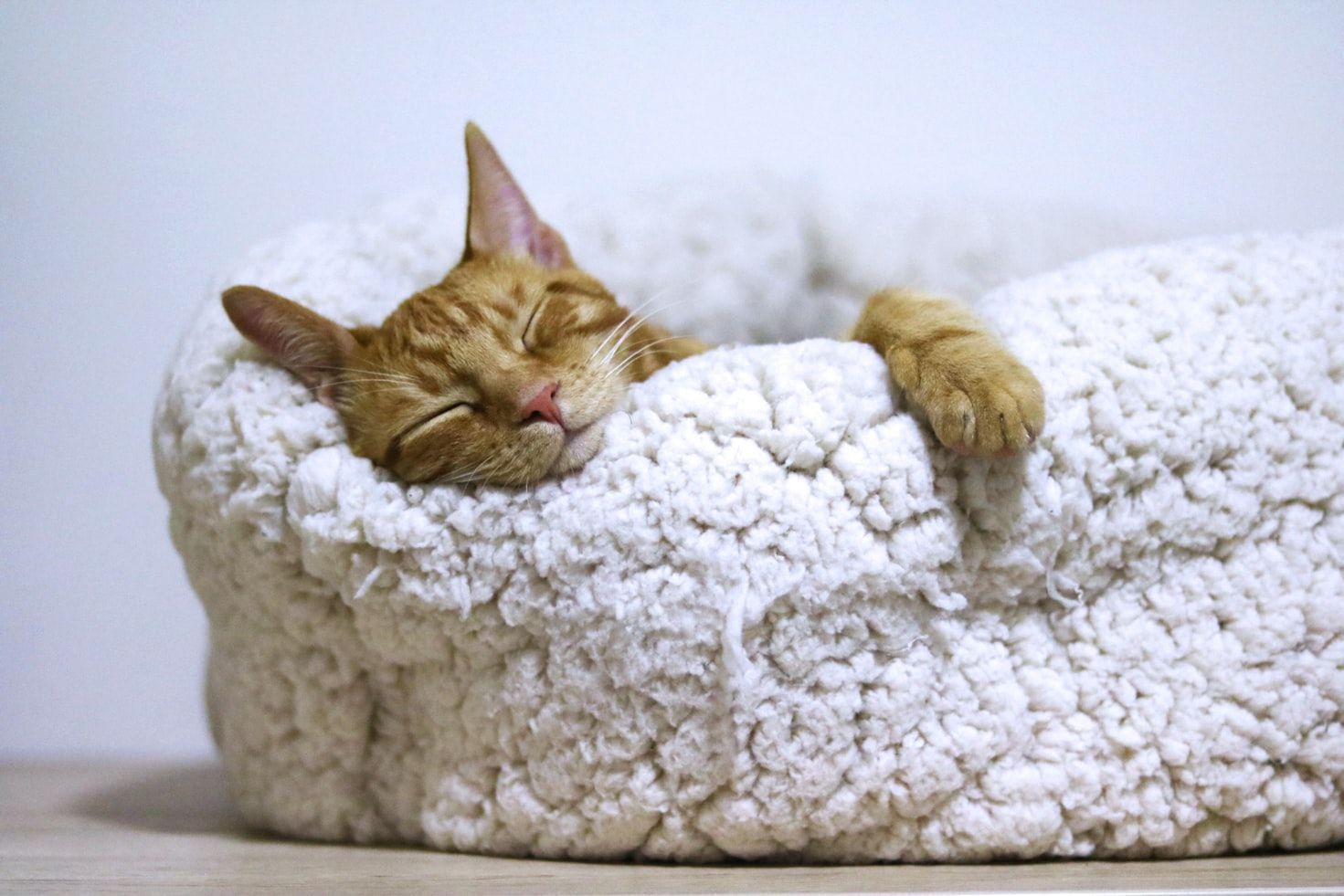
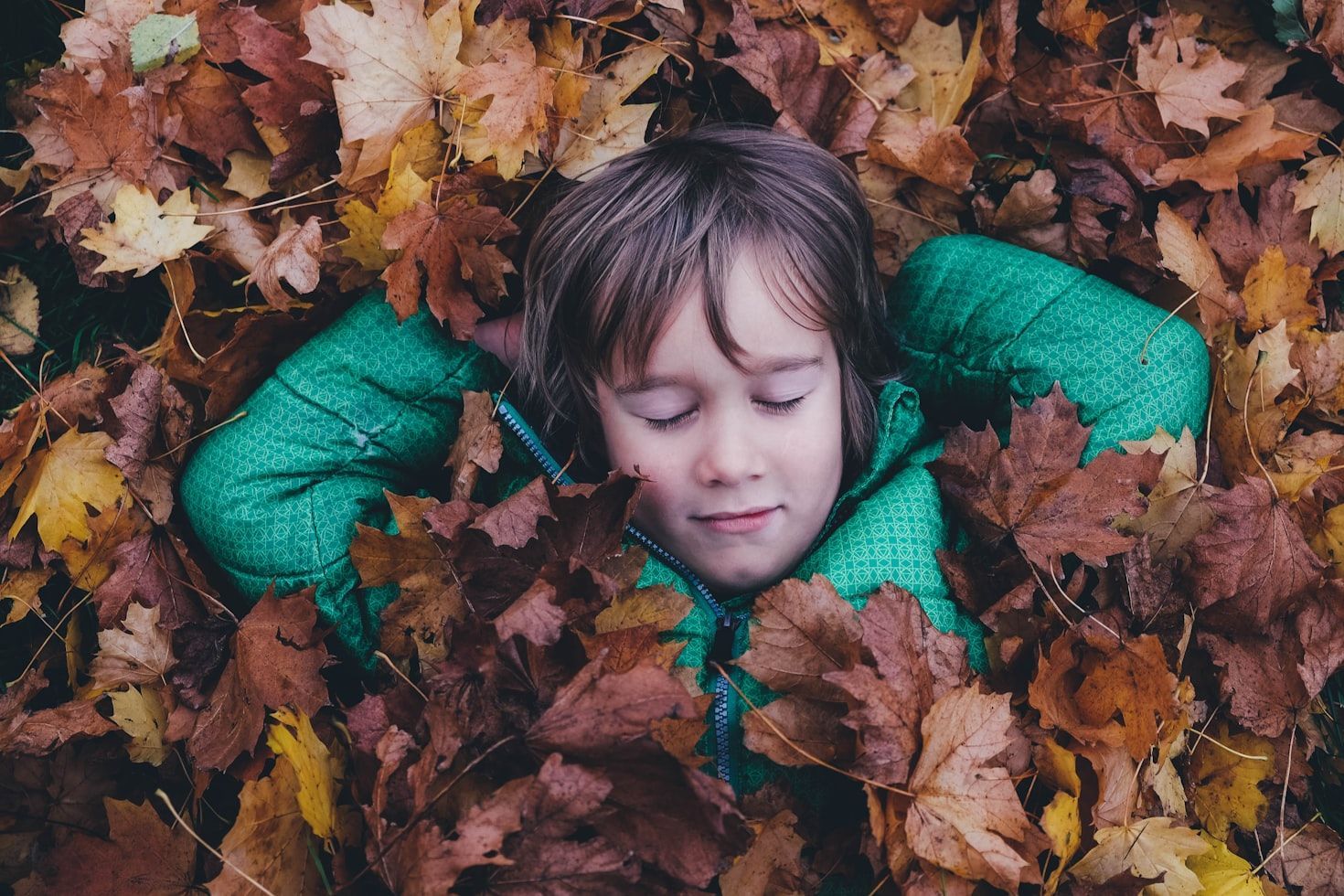
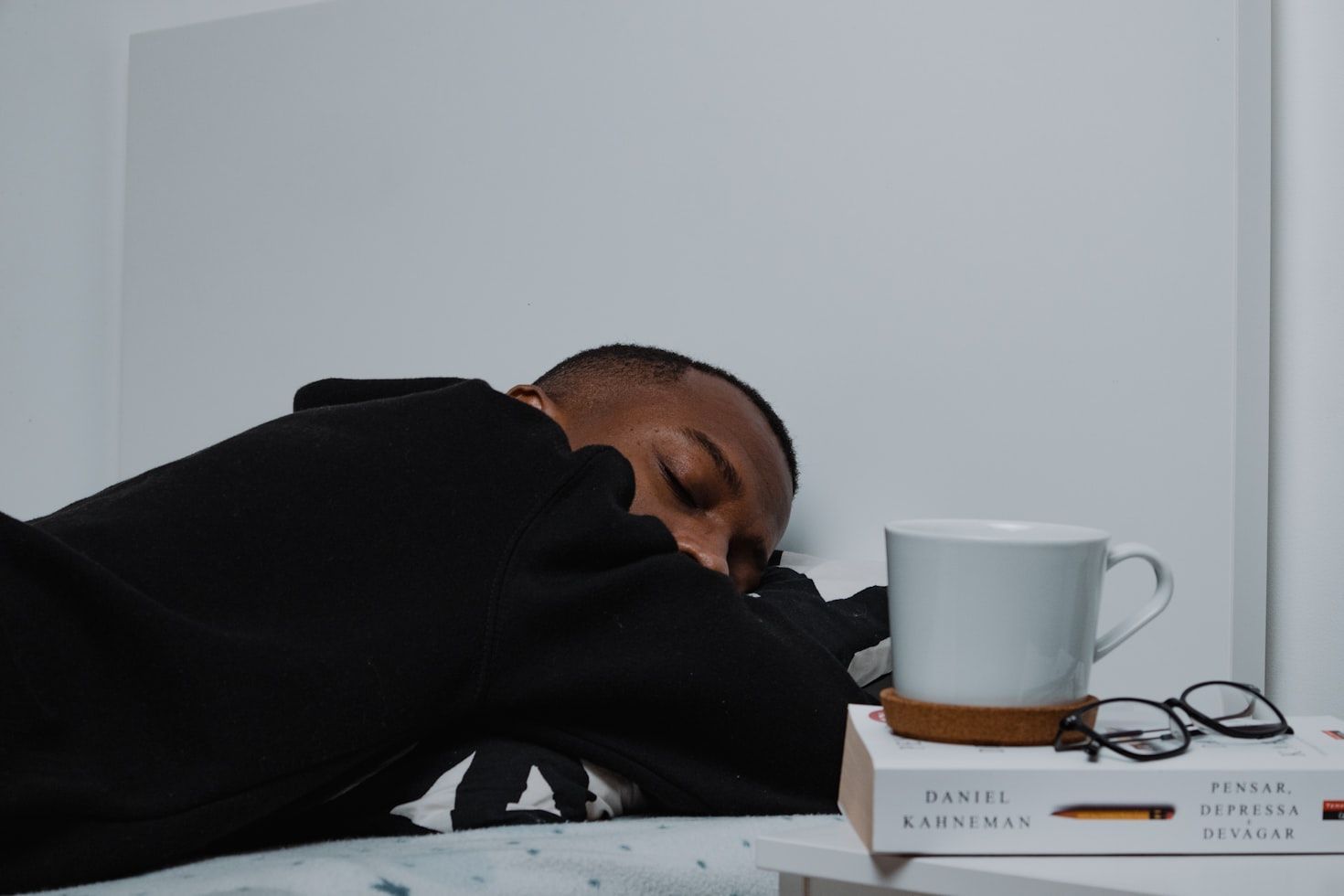
Everybody loves a good sleep

Why do we “sleep tight”? 12 sleep-related idioms explained


Published on March 24, 2026
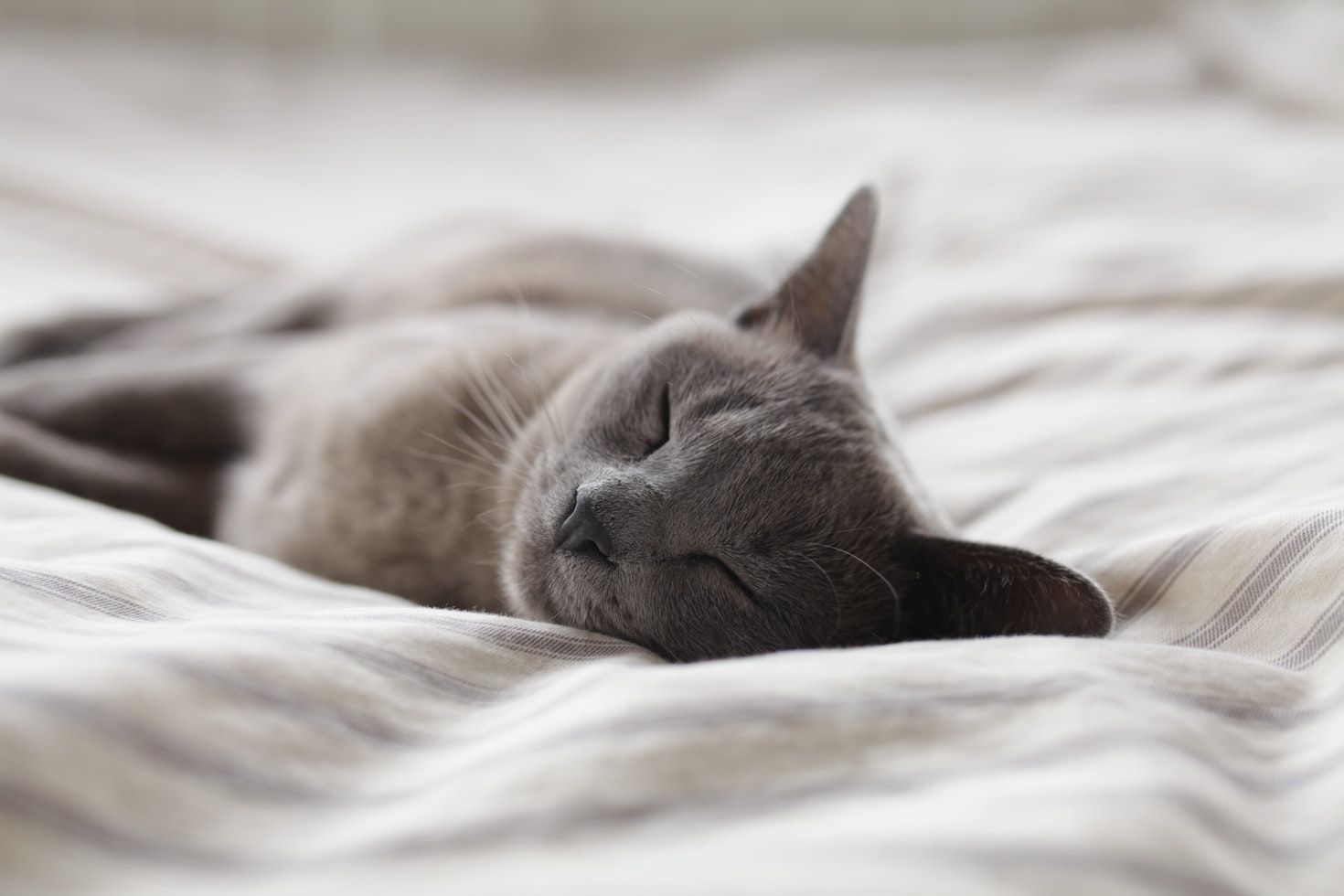

Image: Alexander Possingham

Have you ever uttered the words "sleep tight" or "hit the hay" before going to bed? These phrases have existed for ages, but their meanings and origins are not always apparent. Some are directly related to sleeping, while others are metaphors for entirely different things. Take a look at 12 of these idioms. Do you use any of them?

1

Sleep tight

Image: Sinitta Leunen

"Sleep tight" is a phrase most people know from the bedtime verse: "Sleep tight, don’t let the bedbugs bite". It’s often claimed to come from the old practice of tightly tying ropes on bed frames to keep mattresses firm and comfortable. This helped prevent sagging and made for a better night’s sleep.

In older English, "tight" simply meant "soundly" or "well", making "sleep tight" a wish for a good night’s sleep.

2

Hit the hay

Image: Simon Infanger

"Hit the hay" dates back to the late 19th or early 20th century and is often linked to the practice of stuffing hay into sacks or mattresses for sleeping, which is also commonly cited as an explanation for the phrase "hit the sack."

Another theory suggests that farm workers sometimes slept directly in haystacks, making "hay" a stand-in for "bed." Because "hit the hay" appears in print slightly earlier than "hit the sack," some believe it may have come first.

3

To sleep like a baby

Image: hessam nabavi

Anyone who has had a newborn knows how strange the phrase "sleep like a baby" sounds: babies wake up often and cry! Yet, the idiom means to sleep peacefully and deeply.

The idea is that when babies do sleep, they’re completely at ease, with no worries to disturb them. That peaceful, undisturbed state is what the phrase refers to, even if it doesn’t match the full reality.

4

Let sleeping dogs lie

Image: Irina

"Let sleeping dogs lie" might sound odd at first, but its meaning becomes clear with a bit of explanation. It’s a warning to leave past issues alone, especially sensitive ones.

The phrase compares old disputes to sleeping dogs: if you wake them, they might react aggressively. Similarly, revisiting old problems can stir up trouble best left alone.

5

A catnap

Image: Aleksandar Cvetanovic

A "catnap" is a short, light nap, usually under 30 minutes, during which you do not enter deep sleep. Studies suggest that even a 10-minute nap can be refreshing, sometimes nearly as effective as a longer one, though the ideal length varies by person.

The term comes from cats’ daytime sleep habits. Since wild cats had to stay alert for danger, they took quick, light naps. Today’s cats do the same, snoozing lightly throughout the day, just like a good catnap.

6

Wrong side of the bed

Image: Greg Pappas

"Waking up on the wrong side of the bed" means starting the day in a bad mood. The phrase comes from an old Roman superstition.

Romans, including Augustus Caesar, believed getting up on the left, or sinister, side brought bad luck. As a result, the "wrong side" was more than just a bad mood starter; it was thought to be a bad omen.

7

Sleep like a log

Image: Shane

To "sleep like a log" means to sleep deeply and without moving, like a heavy log lying still. It’s a common way to describe a peaceful, undisturbed night.

The origin of the phrase is unclear, but some link it to lumberjacks who slept soundly after hard work. Others connect it to the similarity between snoring and the sound of sawing.

8

Counting sheep

Image: Annie Spratt

"Counting sheep" means imagining sheep jumping over a fence, one by one, to help you fall asleep. It’s a classic mental trick to quiet the mind.

The phrase likely comes from shepherds who counted their flocks at night to ensure none were missing, a repetitive and calming routine before bed.

9

Lose sleep over something or somebody

Image: Михаил Калегин

The idiom "to lose sleep over something" means to worry about something to the point that it becomes difficult to sleep, or to be so concerned that it disrupts one’s rest.

While the exact origin of the phrase is difficult to pinpoint, it likely evolved from the idea that intense worry and stress can interfere with the body's natural sleep cycle.

10

Do something in your sleep

Image: Nubelson Fernandes

To "do something in your sleep" means to do something very easily and effortlessly, usually because you have done it so many times that it's become second nature. It's a metaphorical way of saying that you are so proficient at a task that you don't even have to think about it, as if you could do it while unconscious.

11

Sleep with one eye open

Image: Jamie Street

"Sleep with one eye open" means staying alert or cautious, especially in risky situations. It suggests being ready for trouble, even while resting.

The phrase is often linked to animals such as dolphins and certain birds that can literally sleep with part of their brain awake to remain safe.

12

Sleep around the clock

Image: Vin Jack

To "sleep around the clock" means to sleep for many hours without waking. It often happens when you're exhausted or feeling unwell. It’s a way in which the body tries to recover energy.


In the heart of communication

Don’t get lost in translation: Learn about 10 untranslatable words!


Published on March 24, 2026


Image: Edurne Tx

Translations have made it possible for us to access an endless amount of information available in the world. And for many professionals in the field, there are no such things are "untranslatable" words. However, languages have a way of putting a whole concept within a few letters assembled together and even though we can describe it, there are no direct translations that make it possible to transfer all the glory behind them. So, we’ve gathered 10 words from different languages that show how each language has a charm of its own.

1

Mamihlapinatapai

Image: Joe Roberts

Ever shared a look with someone where neither of you wants to make the first move, but you both know what you want? That’s mamihlapinatapai, a word from the Yaghan language of indigenous people from Tierra del Fuego.

It describes the moment when two people are waiting for the other to take the first step towards something they both desire. This word, which even made it into the Guinness Book of World Records for being the "most succinct," describes how subtle, and sometimes awkward human interactions can be. Mind you, it’s not always about the romance of a love spark!

2

Aspaldiko

Image: Carlos Fernandez

Technology has made relationship bridges much shorter, but there’s nothing quite like seeing an old friend after a long time apart, and the Basque word aspaldiko reflects that feeling perfectly.

It expresses the joy of reuniting with someone after ages, and if you try to translate it "long time no see" is a full understatement.

You can also use it to greet someone, "Aspaldiko!" can show how thrilled you are to be catching up after a while. Joyful words indeed and we could all use a little more of this word in our lives, don’t you think?

3

Cafuné

Image: Toa Heftiba

Have you ever run your fingers through someone’s hair as a gesture of affection? Intimate and loving, the feeling is unique and the Brazilian dialect of Portuguese has a word for it. That tender act is called cafuné in this beautiful language.

It’s a simple yet intimate gesture, often between people who love and trust each other. The word itself has roots in the Yoruba language, which was brought to Brazil by African enslaved people, yet another proof that language can carry deep cultural history. From a mother soothing a child or a partner offering comfort, cafuné conveys a soft kind of love that words alone can’t fully capture.

4

Uitwaaien

Image: Atlas Green

Do you enjoy going for a walk? It’s a good way to reset our brain, and we all need that at some point in our days. Well, as long as the weather is appropriate, right? If you’ve ever taken a walk on a windy day to clear your head, you have experienced uitwaaien, you just didn’t have the word for it!

This Dutch word means "to blow out," and it refers to the refreshing practice of walking or jogging in the wind to relieve stress and recharge. Any walk? Not necessarily, it especially refers to walks in cold, blustery weather, but it works year-round for anyone who loves the feeling of wind on their face, anyway. So next time you’re feeling overwhelmed, why not go out and get a good uitwaaien?

5

Tsundoku

Image: Glen Noble

Are you a book lover? We don’t mean to strike a chord, but how many books in your library are still on your "to-be-read" list? Every book lover has been there, we all buy more books than we can possibly read.

The difference is that the Japanese have a word for that: tsundoku. It combines two concepts which are tsumu, meaning "to pile up," and doku, meaning "to read," describing the habit of letting books accumulate unread.

Don’t worry, it’s not necessarily a bad thing, though. It’s actually a sign of your love for books and the endless curiosity that keeps you collecting them. If this sounds like your bookshelf, don’t worry, you’re in good company. After all, you can never have too many books, right?

6

Yoko Meshi

Image: Steven Lewis

You know that feeling when you’re trying to speak a foreign language you barely know? Too many words for a feeling so clear, and so relatable. Fear not, the Japanese language is out to save us once more: They call it yoko meshi, which literally translates to "horizontal meal" and makes no sense at first sight.

It’s a quirky way of describing the stress of trying to converse in a non-native tongue, like you’re eating a meal sideways, which is awkward and equally difficult. We’ve all been there, especially when traveling or meeting new people, knowing the words in theory but fumbling under pressure. Yoko meshi captures that mental exhaustion that comes from not just speaking, but worrying about saying the right thing.

7

Gigil

Image: Cece Hristova

Who doesn’t melt in the sigh of a puppy? The cuteness bar goes over the top when you see a little puppy taking their first steps or sleeping, right? Well, if you can relate to that feeling of wanting to squeeze them, you need to know the word for it.

That’s gigil, a delightful Tagalog word from the Philippines. It’s not simply joy or excitement, but a whole mix of emotions, like being overwhelmed by adorableness. Gigil is that irresistible urge to pinch cheeks or let out a high-pitched "aww!" Do you know what we mean?

8

Gluggaveður

Image: Liana S

If you’ve ever looked out the window on a sunny winter day and thought, "It looks great out there!" only to step outside and instantly regret it, congratulations, you’ve experienced gluggaveður.

This Icelandic word means literally "window weather," and it’s as funny as it sounds: It describes those days when the weather seems perfect from indoors but is deceivingly harsh once you’re outside. It’s the kind of cold that makes you gasp, despite the bright sunshine. Icelanders, who deal with this often, know better than to trust a sunny day in winter without checking the forecast!

9

Fernweh

Image: Erik Odiin

For those of us who always enjoy, love actually, travel, the German word fernweh will resonate deeply. It describes a longing for far-off places, similar to wanderlust, but with a stronger, almost painful desire to be somewhere else, can you identify the feeling?

It’s that of being restless, like the world is calling your name, and you just have to answer, to put it in poetic words. It’s the opposite of homesickness, which pulls you toward familiar comforts; fernweh pushes you toward the unknown, to new adventures. Do you relate to that?

10

Shemomedjamo

Image: Jamie Brown

Ever kept eating after you were full, simply because the food was too delicious? We know we have! In Georgia, (the country, of course) there’s a word for that: shemomedjamo, which literally means "I accidentally ate the whole thing."

Accidentally might not be entirely true, but it refers to that moment when your stomach is signaling it’s had enough, and at the same time your taste buds are demanding just one more bite. It’s a common feeling when enjoying the flavorful cuisine of Georgia, known for its rich and hearty dishes. We’ve all been guilty of this, haven’t we?

Looking for an extra scoop of literary fun?

Learn more with our Word of the day

alter

/ˈɔltər/