Do you use any of these?

Why do we say ‘kick the bucket’? Discover 12 idioms with morbid origins


Published on July 20, 2025

Image: Soroush Alavi

We use a lot of strange phrases without thinking twice, but some have surprisingly grim origins. Ever say someone "kicked the bucket" or "bit the dust"? These everyday expressions sound harmless, but have more somber roots. Take a look at 12 of these idioms. Do you use any of these?

1

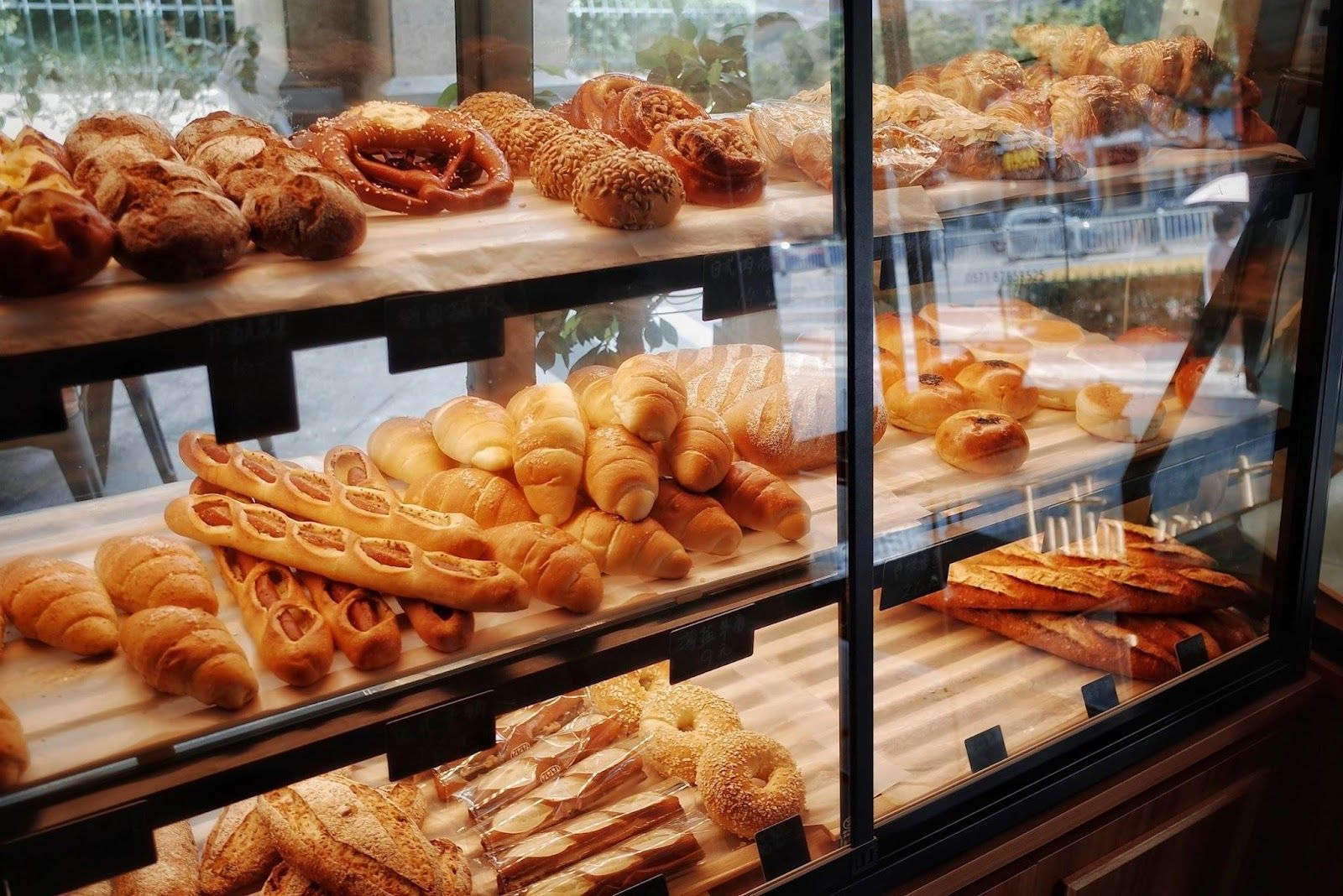
Baker's Dozen

Image: Yeh Xintong

In 13th-century Britain, bakers risked losing a hand if they sold underweight bread, according to the Assize of Bread and Ale under Henry III. To avoid punishment, they often added a little extra to each order.

When selling 12 loaves, bakers would include a 13th—called a "vantage" loaf. This became what is now known as "a baker’s dozen."

2

As Pleased As Punch

Image: Carlos Martinez

Saying you're "as pleased as punch" sounds cheerful, but it has dark roots. The phrase comes from Punch from the Punch and Judy puppet shows, who gleefully committed violent acts.

Popular in 17th-century England, these shows featured Punch killing his family and others with a slapstick, laughing after each act.

3

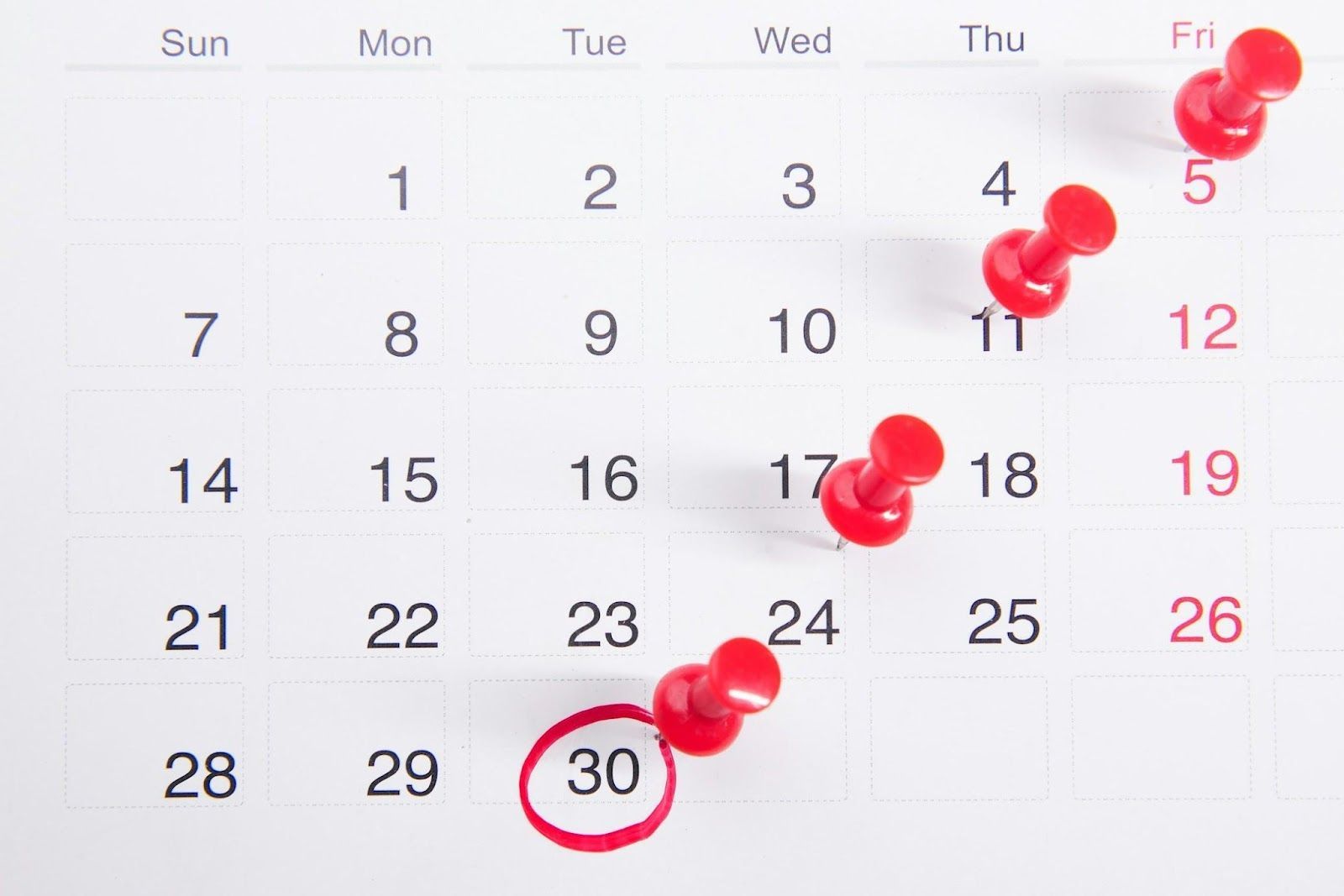
Meeting A Deadline

Image: Towfiqu barbhuiya

The phrase "meet a deadline" might sound stressful today, but its origins are far darker. During the Civil War, the "deadline" referred to a boundary at Andersonville Prison, where Union soldiers were held.

This line, 20 feet inside the outer wall, was meant to prevent escapes. Any prisoner who crossed it was shot by guards in pigeon roosts. The term came from this deadly boundary, where crossing meant certain death.

4

A Blockbuster

Image: Krists Luhaers

Today, a "blockbuster" refers to a huge commercial hit, but the term originally described powerful bombs from World War II.

The British Royal Air Force used blockbusters, massive cylinders filled with explosives, capable of destroying entire streets. It wasn’t until 1957, nearly a decade after the war, that the term shifted to describe big entertainment successes.

5

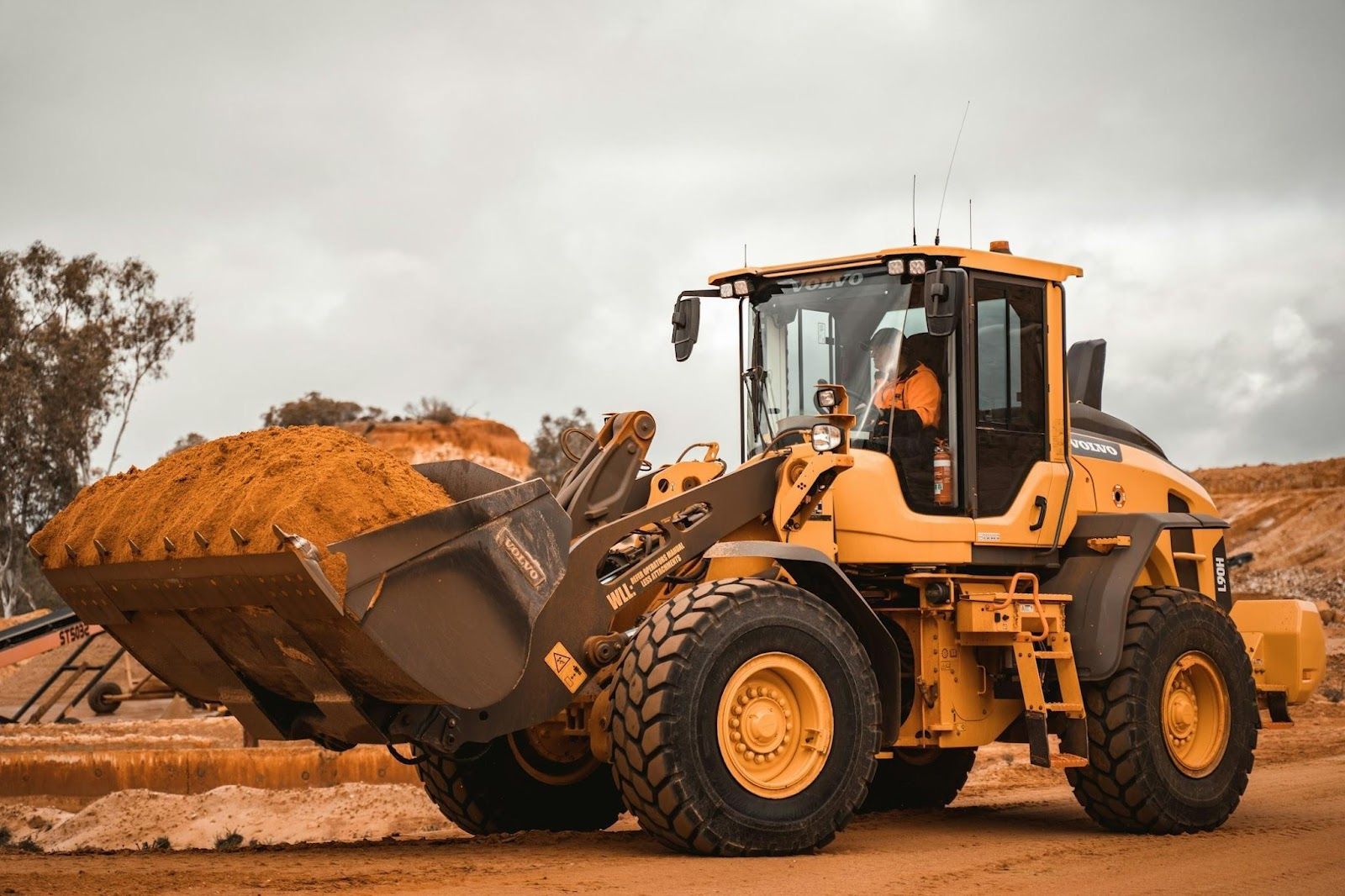
Bulldozer

Image: Zac Edmonds

The phrase "to bulldoze" someone means to force or bully them, but its origins are much harsher. First used in 1876, "bull dose" referred to brutally whipping or beating someone, similar to how a bull might be punished.

By 1880, "bulldoze" became a verb, and eventually, the heavy machinery designed to push through obstacles was named a bulldozer.

6

Sinister

Image: Kelly Sikkema

The word "sinister" comes from the Latin sinister, meaning "left" or "on the left side." By the 15th century, left-handedness was associated with evil, often linked to witches and the devil.

Because of this stigma, left-handed people were forced to use their right hands. Today, however, we know that being left-handed doesn’t make anyone sinister, and many renowned thinkers, like Leonardo da Vinci and Benjamin Franklin, were left-handed.

7

Mad as a hatter

Image: Héctor J. Rivas

The Mad Hatter from Alice’s Adventures in Wonderland is famous for his colorful personality, but his madness has historical roots. In the 18th and 19th centuries, hat-makers, known as "hatters," often suffered from mercury poisoning due to their work with the chemical.

This poisoning led to mental deterioration, giving rise to the idea of the "mad" hatter, a term that Carroll cleverly incorporated into his character.

8

Pulling my leg

Image: Jamie Waynick

Today, "pulling your leg" means joking or fooling around, but it once had a much darker meaning: in 19th-century London, thieves would pull people’s legs to drag them down before stealing their belongings.

This tactic was commonly used by robbers, turning what is now a lighthearted phrase into a serious crime.

9

Bite the bullet

Image: danilo.alvesd

In the world of films, we often see characters drinking whiskey before a quick surgery or amputation. But in real battlefields, soldiers didn’t have that option.

One theory about the origin of the expression "to bite the bullet" suggests that, during painful medical procedures, wounded soldiers would literally bite down on a bullet—taken from the ground or from their own weapon—to help endure the agony without crying out.

10

God bless you

Image: Towfiqu barbhuiya

The phrase "God bless you" after a sneeze has several theories behind it. One theory links it to preventing the plague, while another suggests it’s a way of ensuring the soul stays in the body during a sneeze.

11

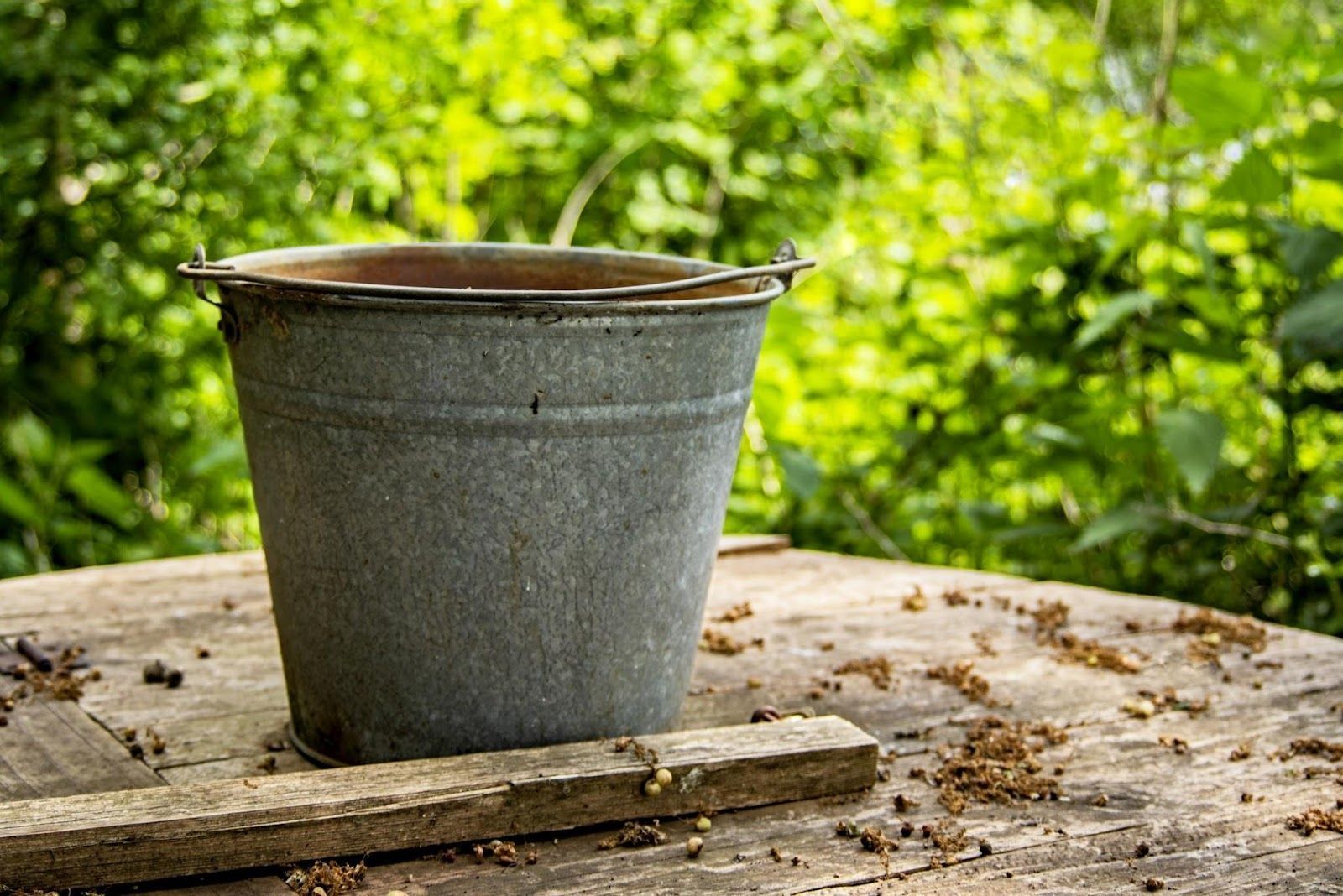
Kick the bucket

Image: Lucas van Oort

The phrase "kick the bucket" means to die and has been used since the 18th century. One theory connects it to the Catholic tradition of placing a bucket of holy water by the feet of the deceased for mourners to sprinkle.

Another theory suggests the term comes from 16th-century England, where "bucket" referred to a beam. When animals were hanged for slaughter, they would kick the beam as they died, giving rise to the idiom.

12

Bite the dust

Image: Taylor Brandon

The phrase "bite the dust" likely originated in the 19th-century Old West, referring to gunfights and battles. It paints a vivid picture of someone falling to the ground and biting the dust after being struck by a fatal wound.

Over time, the expression broadened, and now it simply signifies someone’s death or defeat, no longer tied specifically to gunfights.


Have you ever heard the wolf cry to the blue corn moon?

What is behind the name of every full moon?


Published on July 20, 2025


Image: Ganapathy Kumar

You have surely heard of blue moons, corn moons, and harvest moons. These are all speaking about the same moon, but where do these names come from, and what do they mean? They are all names given to the full moon, but they occur at different times of the year.

Many cultures around the world have names for the moon and its phases. In the U.S., the names of the full moons come from a mix of European and Native American traditions and have been popularized by the Farmers’ Almanac.

1

January: Wolf Moon

Image: Michael LaRosa

Other names: Moon after Yule, Old Moon, Ice Moon.

The first full moon of the year was named after the wolves that howled near villages, searching for food. The proximity of the wolves led some Native American tribes to call this moon the "Stay-at-Home Moon."

2

February: Snow Moon

Image: Aditya Vyas

Other names: Black Moon, Hungry Moon, Bear Moon.

February is the snowiest time of the year in the Northern Hemisphere, and the moon’s name reflects this. Alternative names refer to the scarcity of food due to the weather and to the harsh hunting conditions. Because February is the shortest month of the year, it sometimes lacks a full moon, a phenomenon known as a "Black Moon."

3

March: Worm Moon

Image: Sean Thomas

Other names: Spring Moon, Snow Crust Moon, Sore Eye Moon.

As the snowy weather recedes in March, the first signs of Spring start to appear. The odd name for this moon comes from the appearance of worms in the thawing ground, a sign that better times are ahead.

4

April: Pink Moon

Image: steph

Other names: Budding Moon, Peony Moon, Sprouting Grass Moon

Wildflowers start to appear in April, inspiring the name of this moon, especially moss pink and creeping ground phlox, two of the earliest wildflowers. Alternative names for the April moon also refer to new growth.

5

May: Flower Moon

Image: Sergey Shmidt

Other names: Mulberry Moon, Milk Moon.

If the first sprouts inspire the April moon, by the time of the May moon, flowers are everywhere. Alternative names for this moon refer to the mulberries that have ripened in the trees and the cattle being moved to pastures.

6

June: Strawberry Moon

Image: Oliver Hale

Other names: Honey Moon, Windy Moon, Rose Moon.

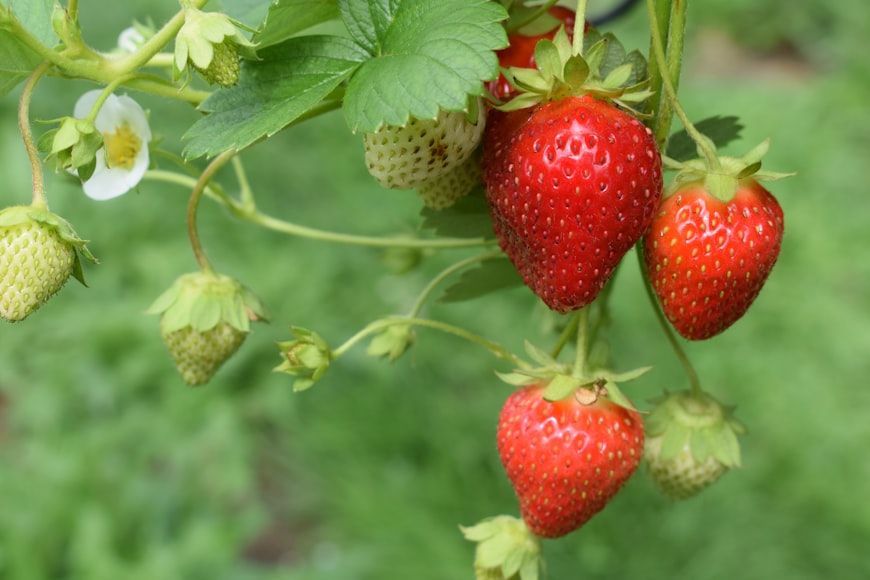
The name for this moon comes from the wild strawberry, which at this time of the year is ripe and ready to be harvested. Found across most states, this plant was a spring staple. Alternative names refer to spring storms and other flowering plants.

7

July: Buck Moon

Image: Diana Parkhouse

Other names: Salmon Moon, Mead Moon.

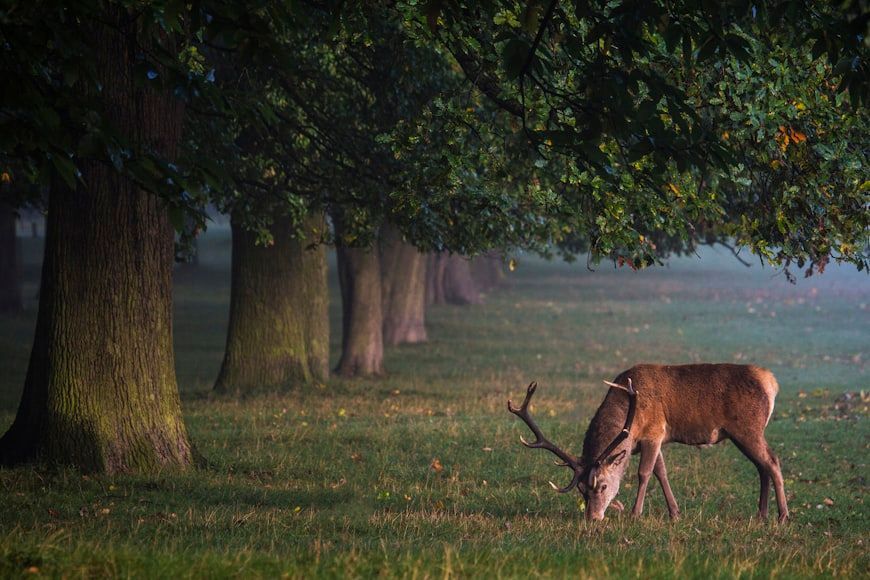
Come July, young bucks begin growing their antlers rapidly in preparation for the fall mating season. At the same time, salmon start migrating upriver, and it’s time to start fermenting mead.

8

August: Sturgeon Moon

Image: Anil Sharma

Other names: Moon of the Ripening, Grain Moon.

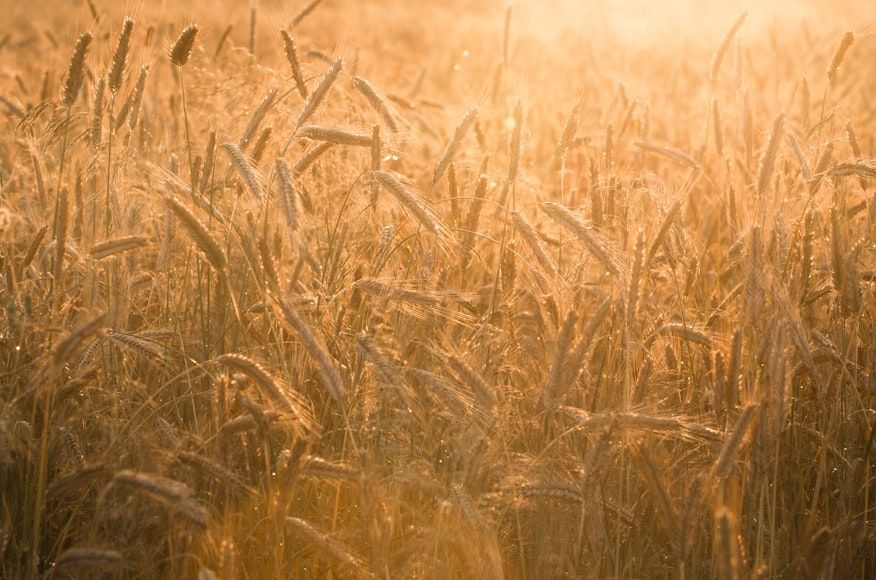
The sturgeon was once an important food source in North America. During August, these fish are abundant and easy to catch. Alternative moon names indicate that summer crops are ready for harvesting.

9

September: Corn Moon

Image: Christophe Maertens

Other names: Autumn Moon, Mating Moon.

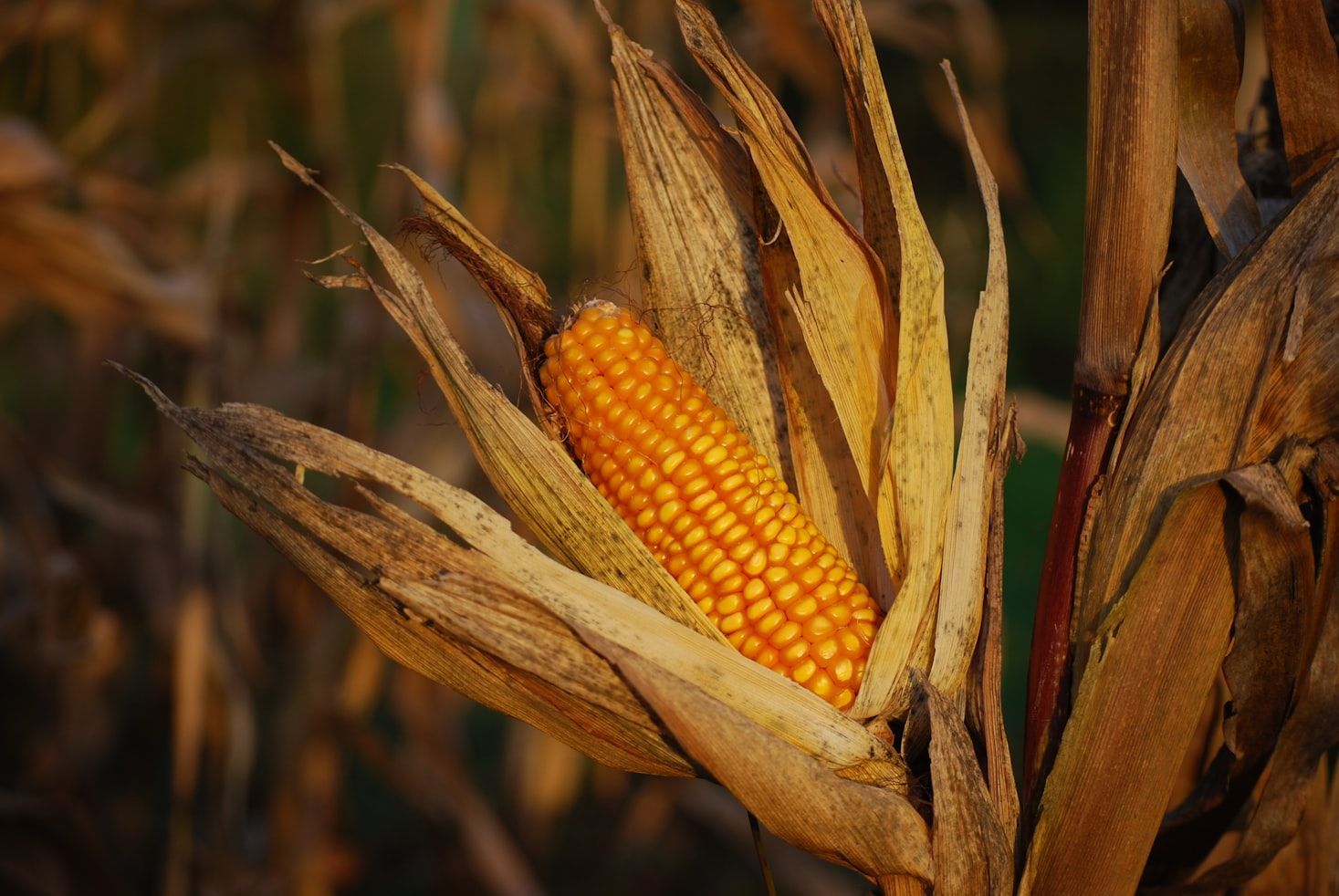
Corn is still one of the main crops in North America, so it’s not surprising that the full moon during its harvest is named after it. Other names refer to this period as the animal mating season.

10

October: Harvest Moon

Image: Viktor Talashuk

Other names: Hunter Moon.

The October full moon rises quickly after sunset, which gives farmers extra light to finish harvesting. This additional light was also helpful for hunters, who used the time to stock up for winter.

11

November: Beaver Moon

Image: Francesco Ungaro

Other names: Freezing Moon.

Found in most of North America, beavers start building their homes around this time of the year. Some say the name of this moon comes from the beaver hunts that happened in the season. Alternatively, this moon is also named after the first frosts.

12

December: Cold Moon

Image: Joel & Jasmin Førestbird

Other names: Long Night Moon, Moon Before Yule.

By December, winter has set in, and the full moon is named after the coldest time of the year. Alternative names for this moon make reference to the long winter nights and to the festivities at the end of the year.

13

Blue Moon

Image: Kym MacKinnon

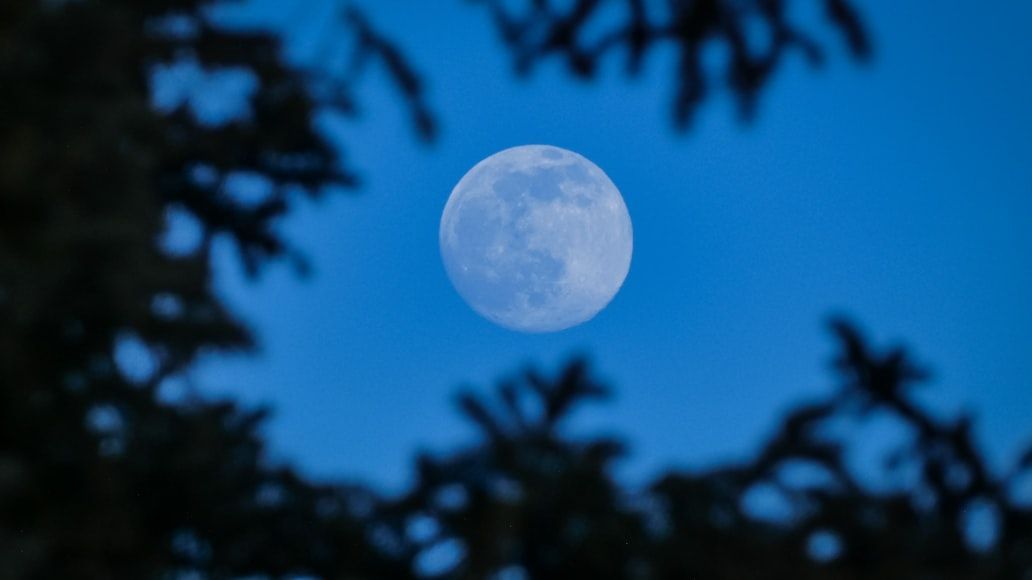
The Farmers’ Almanac follows the tropical year—from one winter solstice to the next—rather than the calendar year. In addition, the lunar cycle takes about 29.5 days to complete, slightly shorter than a full calendar month. This means that, every two or three years, a year will have thirteen full moons instead of twelve. The extra full moon is called a Blue Moon, which is the origin of the expression "once in a blue moon," meaning something that happens rarely.

Looking for an extra scoop of literary fun?

Learn more with our Word of the day

daft

/dæft/