Hidden meanings

Why do we put wedding bands on the fourth finger? Weird symbols decoded


Published on September 9, 2026
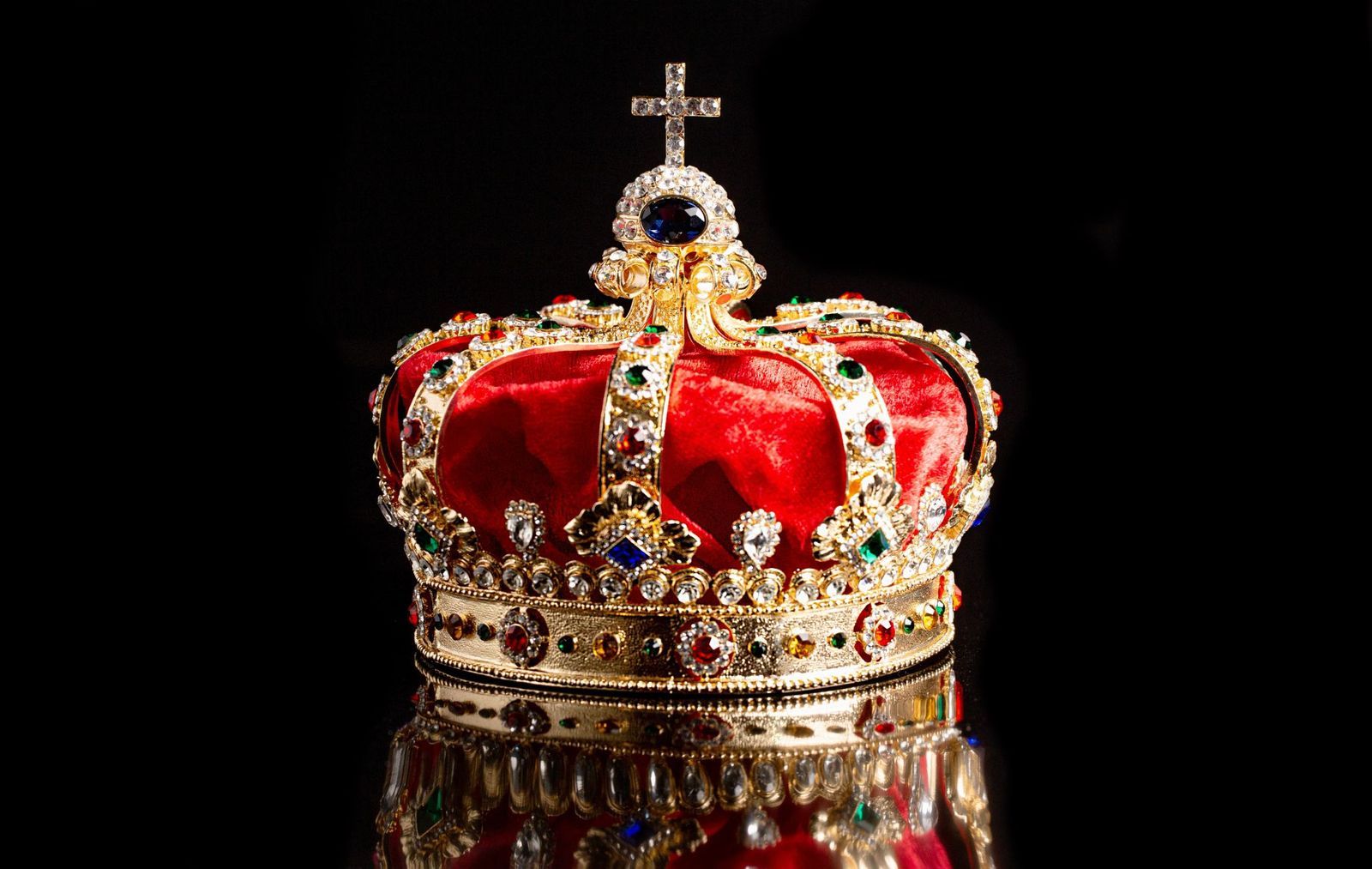

Image: Shutterstock

We recognize certain symbols almost without thinking. Yet, when we stop to consider them, the object and the idea it represents can seem unrelated. As history unfolds, some unforeseen events created symbols that stuck until they became conventions. And now, when we see a gavel, we think of justice; commitment with a wedding ring, surrender with a white flag, and royalty with a shiny crown. Here is the story of how 10 everyday objects became universal symbols.

1

Why judges use gavels

Image: Shutterstock

Even if you’ve never been in a real court, you've probably seen it in many movies: the judge slams the gavel, and the chaotic courtroom suddenly turns into complete silence. But why did a wooden hammer become a symbol of authority?

Centuries ago, English land auctioneers used small wooden hammers to signal that a property had officially sold. The sharp crack of wood cut through noisy auction halls, closing the sale. Then early American lawmakers noticed this practical gesture and brought it into legislative halls to manage loud debates and the judicial world. However, in real life, judges rarely use gavels.

2

How the wedding ring came to symbolize commitment
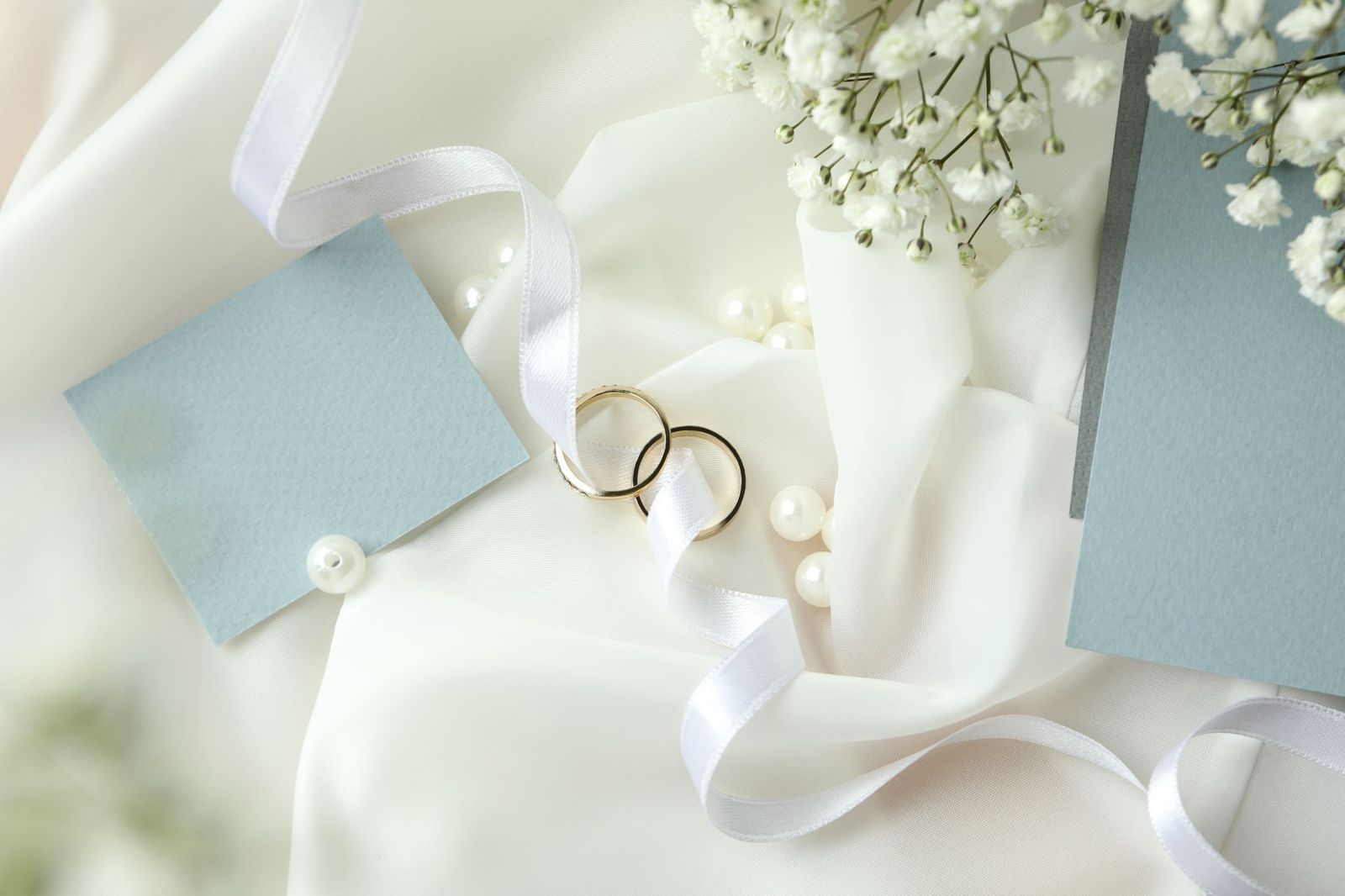
Image: Shutterstock

A ring has no visible beginning or end. That shape creates a natural image of permanence and eternity. Ancient Egyptian couples used to twist river reeds into small rings to wear on their fingers. Later, in Ancient Roman marriages, the practice of giving a woman a metal band was connected with the betrothal ceremony.

The choice of the fourth finger on the left hand traces back to this same Roman era. Physicians of the time believed a vein ran directly from that finger to the heart, calling it the vena amoris, or "vein of love." Wearing a ring there was thought to form a physical link between the wearer's hand and their heart. Although anatomy has since shown no such vein exists, the tradition stuck and spread across cultures.

Christian weddings later made the exchange of rings a formal part of the vows. The object moved from one person to another, symbolizing a visible proof of a promise. Today, both spouses commonly wear rings, representing a commitment meant to endure.

3

How the white flag came to mean surrender
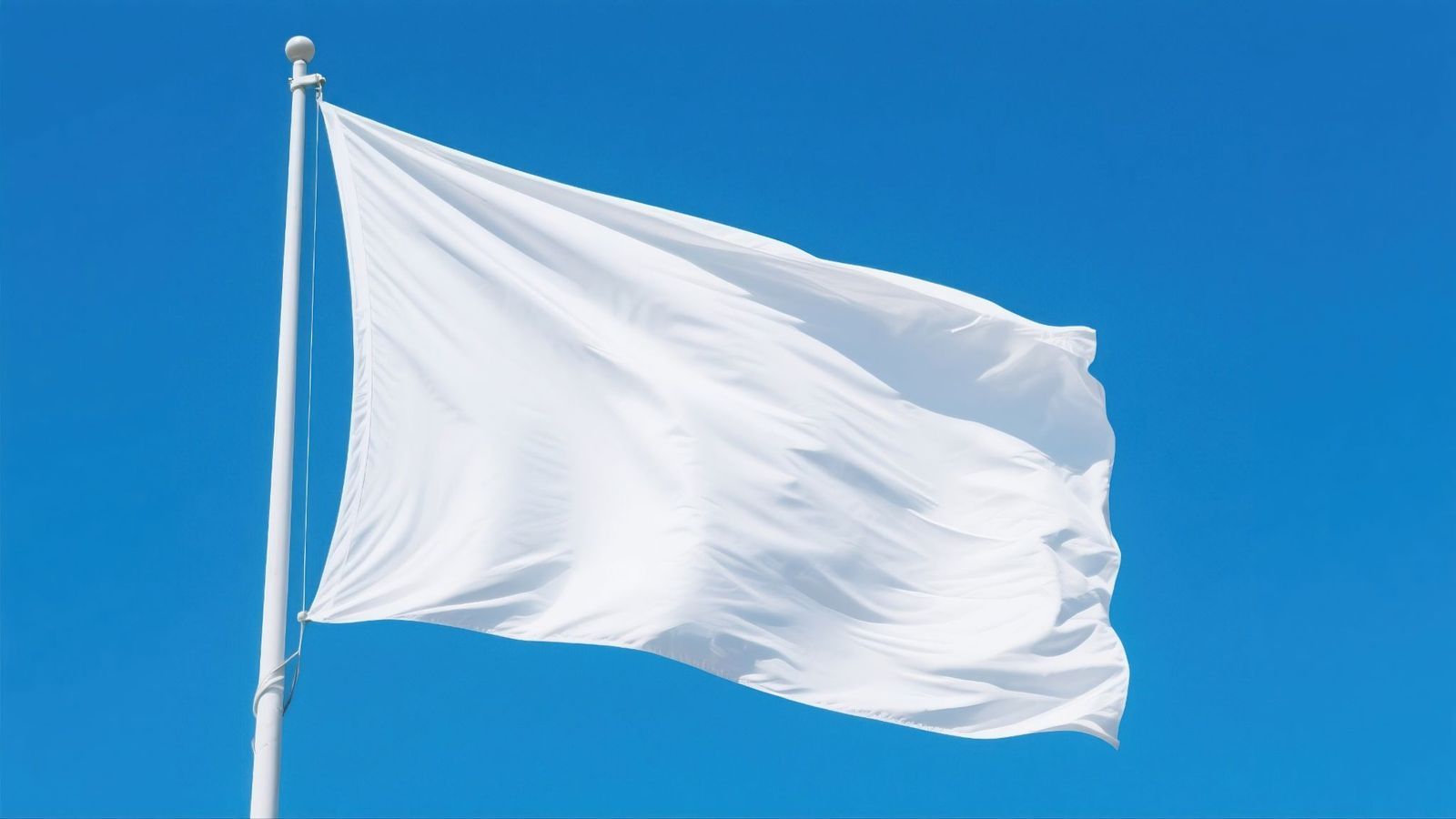
Image: Shutterstock

In 69 AD, during the Battle of Cremona, Roman soldiers under the regime of Emperor Vitellius were surrounded by Vespasian's forces. The trapped troops were desperate to stop the slaughter, so they ripped off their clothes and waved them above the smoke. The bright clothes stood out against the mud and blood, and were a sign they weren’t advancing anymore.

That battlefield move became an international law in the Geneva Conventions of 1994. Since then, when a blank white sheet appears, it shows one of the sides has dropped their weapons and wants to talk. It's the universal shorthand for stepping out of the fight.

4

Why a crown represents royal power

Image: Shutterstock

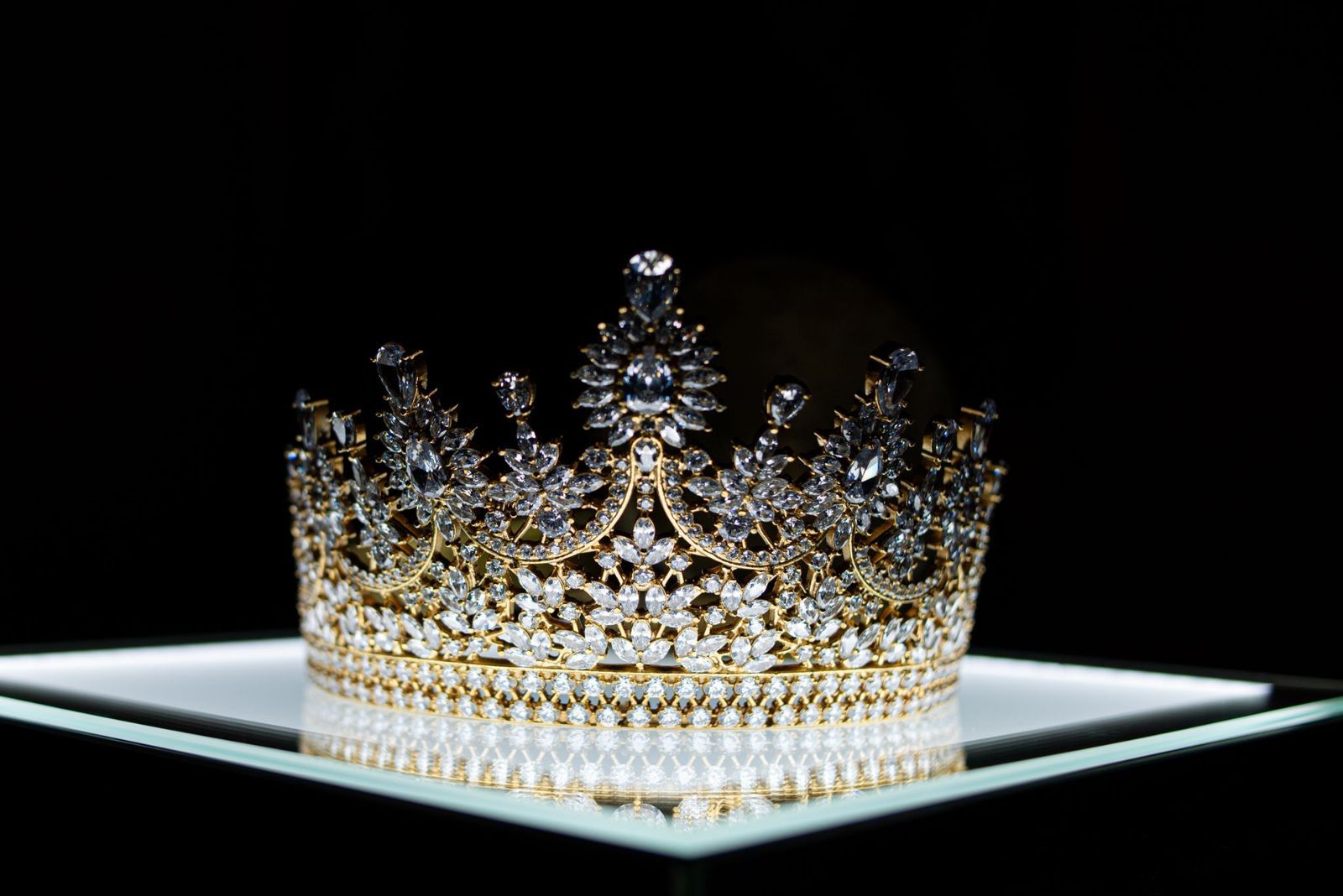
Warriors used headbands in the ancient world to keep their hair away from their eyes and also to spot their commander. Athletes sometimes received decorative bands after their victories, too. Royal families later began wearing fancier versions called diadems, which made their status easy to recognize.

Alexander the Great helped turn the diadem into a royal symbol after conquering Persia in the fourth century BC. As royals became wealthier, they covered metal circlets with precious stones. These crowns made monarchs stand out during ceremonies and public appearances, making them appear taller.

5

Why a heart symbolizes love

Image: Shutterstock

We have all wondered why the heart symbol looks nothing like the organ inside our chest. The real connection remains uncertain, though theories link the shape to ancient plants or early medical sketches. Long before that, Greek philosopher Aristotle claimed the heart was the body's emotional command center, describing it as a three-chambered organ rounded at the top and pointed at the bottom.

Medieval artists turned his influential descriptions into something people could actually see. In the 13th-century French manuscript Le Roman de la poire, a lover kneels and offers his pinecone-shaped heart to his lady. Similar depictions quickly spread across European art, smoothing the organ's edges into the familiar indented icon. Mass-printed Valentine’s Day cards later sealed the deal, reinforcing the heart shape as the universal sign of romantic devotion.

6

How the torch became a symbol of liberty
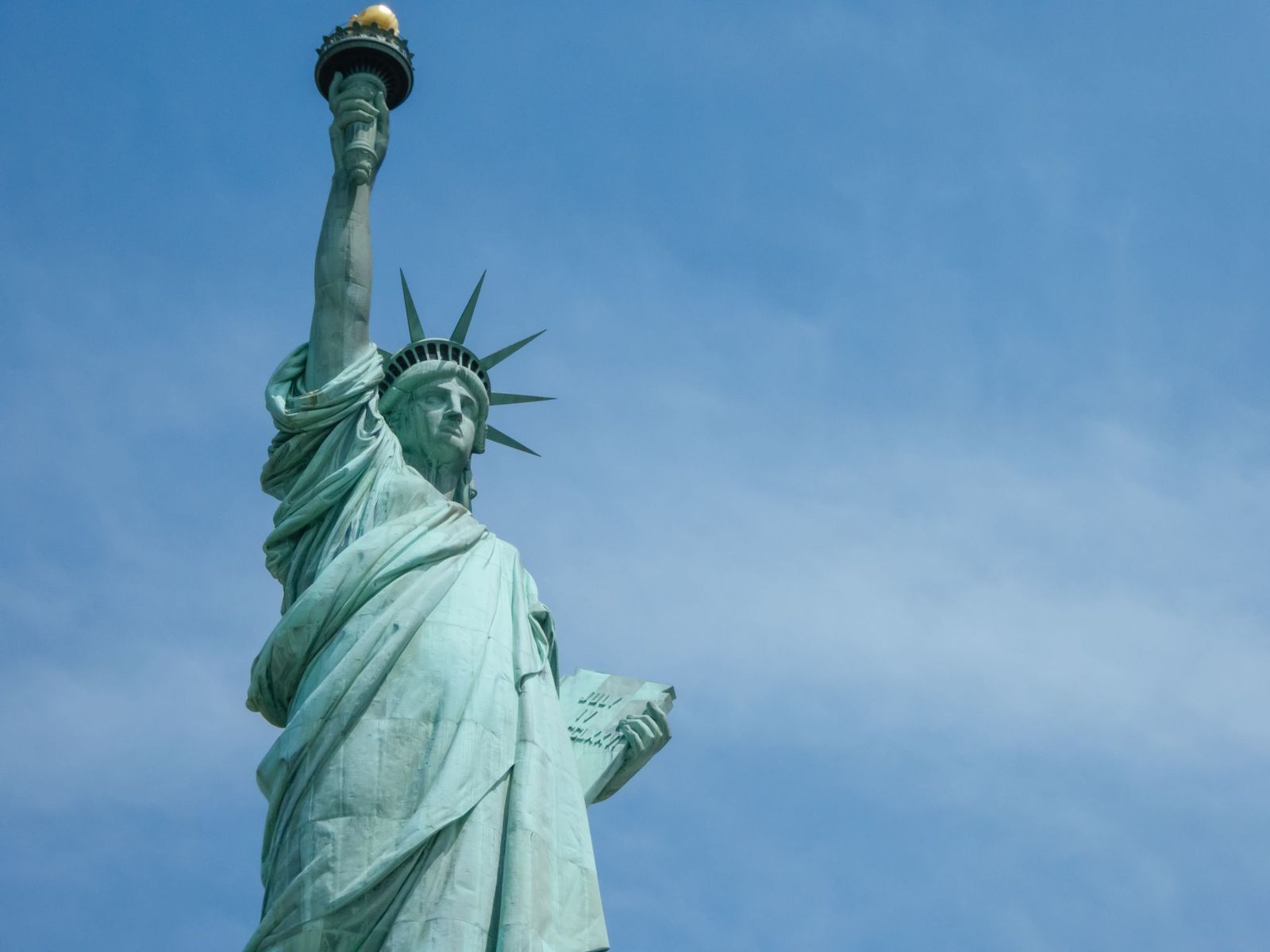
Image: Shutterstock

Fire is one of the basic elements of survival; centuries ago, people used torches to keep wild beasts away and to guide themselves in the dark. Later, in Ancient Greece, athletes ran relay races holding flaming torches, passing the light from runner to runner without letting the wind blow it out. Guarding the flame meant knowledge and community perseverance.

During the 18th century, thinkers of the Age of Enlightenment promoted science and individual rights over superstition and tyrannical rule, with light as a metaphor for human reason. When French sculptor Frédéric-Auguste Bartholdi designed the Statue of Liberty, he placed a torch in her right hand to guide arriving immigrants, turning the torch into a symbol of freedom too.

7

Why important guests walk on a red carpet
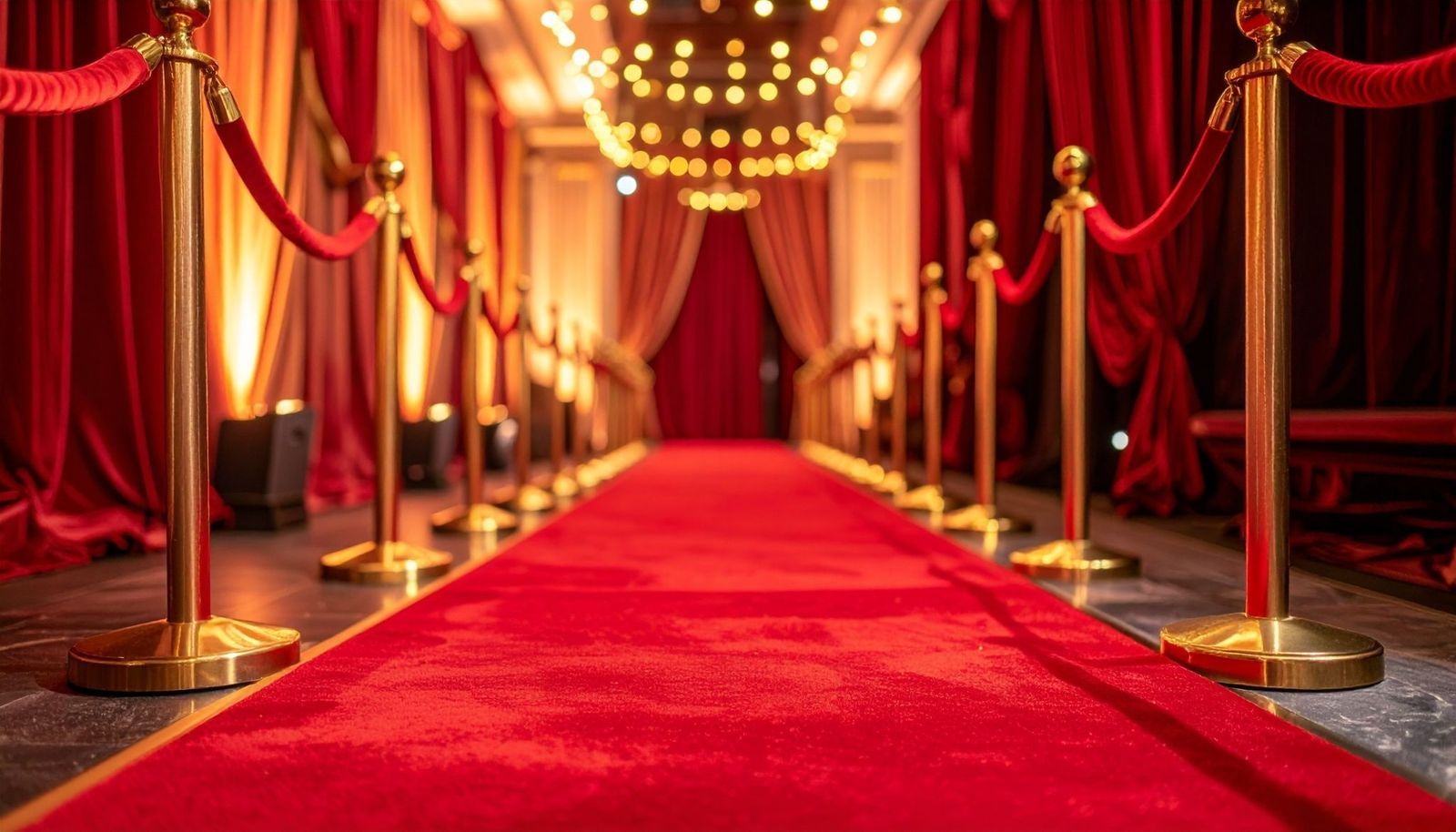
Image: Shutterstock

Today, the red carpet anticipates only one thing: someone important is coming. The oldest known literary reference to a red carpet we actually have appears in Agamemnon, a Greek tragedy first performed in 458 BC. In the play, Clytemnestra lays rich crimson fabrics before the king as he returns home. Agamemnon hesitates to walk on them, since he believes such an extravagant welcome should be reserved for the gods.

As red fabric remained expensive for centuries, red carpets had always had a strong connection with wealth and status. In 1902, the New York Central Railroad rolled out a crimson carpet for passengers boarding its luxurious 20th Century Limited train. And Hollywood adopted the custom in 1922 for the premiere of Robin Hood, and the Oscars introduced its red carpet in 1961.

8

How the handshake became a sign of trust

Image: Shutterstock

Offering a handshake is the most natural greeting gesture nowadays. A popular explanation says that showing an empty hand proved you weren’t holding a weapon. Ancient Greek art also shows people clasping hands to express trust or confirm an agreement.

In the 17th century, English Quakers turned the handshake into what we know today. They preferred it to bows, which could reflect differences in social rank. Instead, shaking hands placed both people on equal terms, and the gesture gradually became a familiar sign of respect and trust.

9

Why cities present honored guests with a key
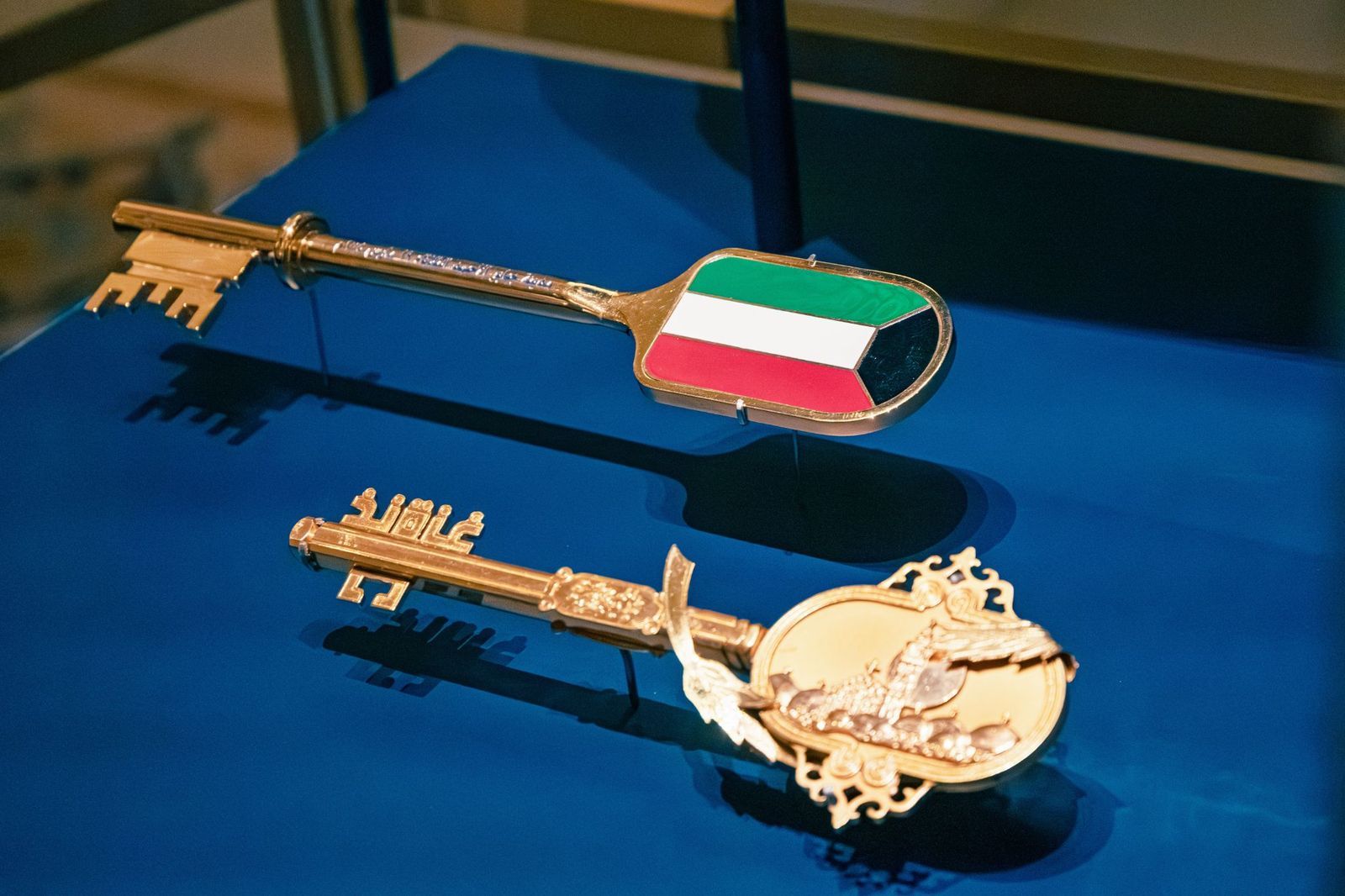
Image: Shutterstock

Whenever a championship sports team or an honored guest visits town, you will often see the mayor hand them an oversized, designed key. But what do those giant keys represent? It is a powerful symbol of homecoming, trust, and honor.

The gesture traces back to the Middle Ages, when European cities were locked down behind stone walls and heavy iron gates every evening to keep out invaders. So, when a visiting merchant or allied leader was handed the latchkey of the city gate, it meant the guards trusted them to walk right in without an escort. Cities kept the tradition alive even though stone walls faded away.

10

Why the olive branch stands for peace

Image: Shutterstock

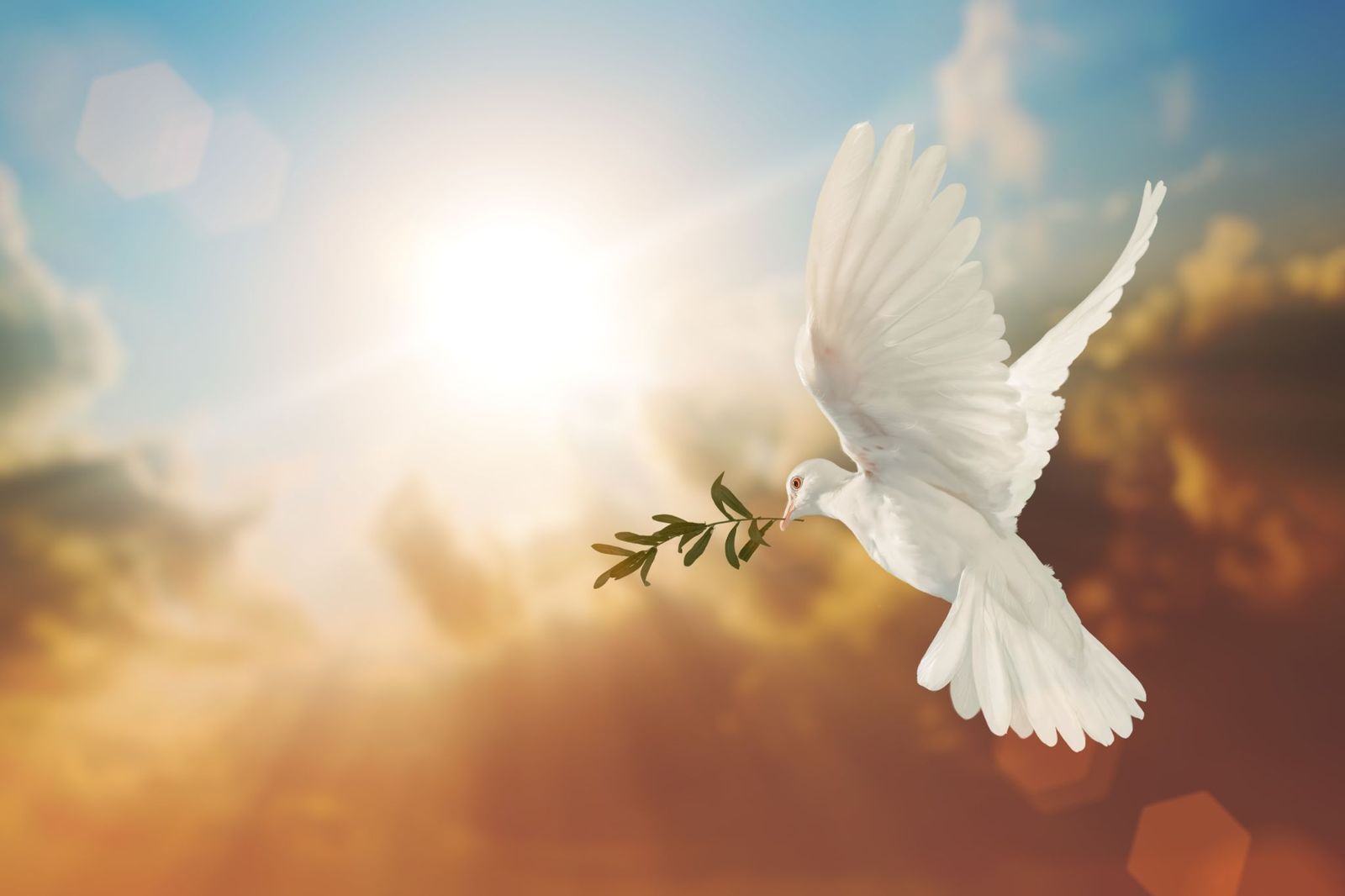
You will often find tiny green olive sprigs on peace logos and treaty seals. At first sight, this makes no sense, but the answer traces back to the ancient Mediterranean. In those times, planting an olive grove was a huge act of faith. These trees grow at a crawl, needing decades of care before producing useful oil and food.

Whenever war broke out, invading armies targeted these groves first, destroying years of hard work in just a few seconds. So, thriving trees became proof of peaceful times and prosperity. Handing over the green olive sprig showed that it was time to rebuild.


TO BE ON YOUR BEST GAME, YOU MUST TALK THE GAME.

Gaming Lingo Decoded: 12 Words Of The Videogame Generation


Published on September 9, 2026


Image: Fredrick Tendong

As with every group, gamers have their linguistic codes. Words, terms, and expressions derived from their realm are used to describe specific phenomena and situations that don’t arise in other scenarios.

A fusion of technical jargon, slang, and acronyms, serves as the linguistic backbone of virtual landscapes, shaping the way enthusiasts communicate, strategize, and celebrate victories. From classics like "Respawn" and "RPG" to contemporary gems like "aimbot" and "chiptune," each term encapsulates a unique facet of the gaming experience.

1

Abandonware

Image: Jack B

"Abandonware" is a term that describes software, typically games, that has been discontinued by its developers and publishers. These are titles that have been left behind, often due to shifting industry priorities or the march of technological progress. Yet, for enthusiasts, they are a cherished part of gaming history.

This word not only defines a specific category of games but also embodies the sentiment of rediscovery and preservation within the gaming community, where players actively work to keep these abandoned gems alive through emulation and digital archives.

2

Achievement Hunter

Image: Florian Gagnepain

"Achievement hunter" designates a player on a relentless quest to unlock every in-game achievement, badge, or trophy available. Beyond merely completing a game's storyline, these dedicated individuals push their skills to the limit to conquer challenges, discover hidden secrets, and showcase their prowess.

The term reflects a subculture within the gaming community, where virtual bragging rights are earned through the accumulation of these digital accolades. For an achievement hunter, a game isn't just a narrative to experience; it's a comprehensive battlefield where every challenge conquered is a badge of honor, a mark of dedication, and a testament to their dominance in the gaming realm.

3

Action Role-Playing Game (ARPG)

Image: Frederick Tendong

"Action Role-Playing Game" (ARPG) describes a dynamic genre that combines narrative depth with real-time combat. ARPGs, distinguished by their emphasis on player-driven stories, character customization, and immediate engagement, invite players into immersive worlds.

These games blend the decision-making quality of traditional role-playing games with the more active elements of action games. As the genre continues to evolve, the freedom to shape characters, embark on epic quests, and confront enemies in fast-paced encounters grows and becomes more complex by the day.

4

Aimbot

Image: Ella Don

An "aimbot" is a software or program designed to enhance a player's accuracy in shooting games, automating the aiming process and often providing an unfair advantage. While some view it as a tool for leveling the playing field, others decry its usage as a form of cheating that undermines the spirit of fair competition.

The term has become emblematic of the ethics in gaming, illustrating the fine line between skill enhancement and compromising the integrity of the gaming experience. In this lexicon, "aimbot" works as a symbol of the ongoing tension between innovation and the preservation of fair play within the gaming community.

5

Boss

Image: Ella Don

Typically encountered at the culmination of a game level or stage, a "boss" is a powerful, often larger-than-life enemy designed to test a player's skills, strategy, and perseverance. Beyond its literal meaning, "boss" has evolved into a colloquial expression within gamer lingo, signifying any significant challenge or obstacle that demands a heightened level of effort to overcome.

Whether facing mythical creatures, futuristic warlords, or clever masterminds, the concept of the boss is a central and revered element in the immersive worlds gamers navigate and conquer.

6

Chiptune

Image: Senad Palic

Coming from the combination of "chip" and "tune" this term refers to a genre of music created using the sound chips of vintage gaming consoles and computers. Characterized by its distinctive 8-bit and 16-bit tones, chiptune recreates the sonic landscape of retro games.

As much a cultural phenomenon as a musical genre, chiptune embodies the enduring love for vintage gaming, illustrating how the technology limitations of the past gave birth to an art form that continues to captivate modern gamers and musicians alike.

7

Respawn

Image: Todd Jiang

In the lexicon of gaming, "respawn" is a digital reincarnation. When a player's character meets an untimely demise, "respawn" triggers the virtual rebirth, allowing them to rejoin the action and resume their quest.

When used correctly, this concept goes beyond a mere mechanic, symbolizing resilience, learning from setbacks, and the unyielding determination to conquer challenges.

8

Skin

Image: Jake Schumacher

Whether enhancing the aesthetic appeal or showcasing a player's unique style, "skins" have become a cornerstone of modern gaming culture. These digital adornments, often available through in-game purchases or rewards, allow players to express individuality in the vast online landscapes they inhabit.

From elaborate armor variations to quirky character outfits, the term "skin" is a tool to express the visual identity and creative flair that players wield as they navigate the diverse realms of video games.

9

Third-Person Shooter (TPS)

Image: Pixabay

A self-describing term, "Third-Person Shooter" (TPS) provides players with a unique perspective on the virtual battleground. Unlike First-Person Shooters, TPS places the camera behind the character, offering a broader view of the gaming environment.

This distinctive gameplay style immerses players in the action while also providing a comprehensive view of their avatar's movements and surroundings. The term "Third-Person Shooter" is showcased in titles that combine strategic gunplay with dynamic storytelling, creating an engaging fusion of action and narrative.

10

AFK

Image: Josh Sorenson

Stemming from "Away From Keyboard" this term communicates a player's temporary absence from the game or activity. Whether taking a quick break or addressing real-life matters, going AFK is a common practice.

Saying you're AFK is a polite gesture, alerting teammates to your momentary absence and contributing to a good gaming environment.

11

Sandbox

Image: Engin Akyurt

Within the world of gamers, "sandbox" denotes a genre and a style of play that transcends traditional constraints, offering players a virtual realm where creativity and exploration reign supreme.

A gaming "sandbox" provides an open-world environment where players can shape the narrative, mold the landscape, and define their unique adventures. This term has become emblematic of games that prioritize player agency, like Fortnite, GTA, and many others, granting them the freedom to influence the game world's development.

12

GG

Image: JESHOOTS.com

Fostering a courteous environment is paramount to any virtual community and, as we have seen, the gaming world is no stranger to this. In the succinct language of gamers, "GG" stands as a universally recognized expression that transcends its brevity. Derived from "Good Game," this term is a digital handshake, exchanged after a match to convey sportsmanship, respect, and acknowledgment of a well-played game.

More than a mere courtesy, "GG" replicates the essence of fair play and camaraderie within the gaming community. Whether typed in victory or defeat, it symbolizes the shared experience of competition, creating a virtual space where players connect through the unspoken language of sportsmanship.

Looking for an extra scoop of literary fun?

Learn more with our Word of the day

honest

/ˈɑnəst/