Why do the U.S. and the U.K. use different names for the same foods?
Published on October 9, 2026

Even though we speak the same language as the Brits, walking into a grocery store across the pond can feel like learning a whole new code. Why do we use completely different terms for the exact same thing? Setting aside cooking and recipes, it all comes down to centuries of history, different language roots, immigration, and old trade roots. Here is the fascinating story behind the word origins that drove these transatlantic food names apart.
Spring onion vs. scallion
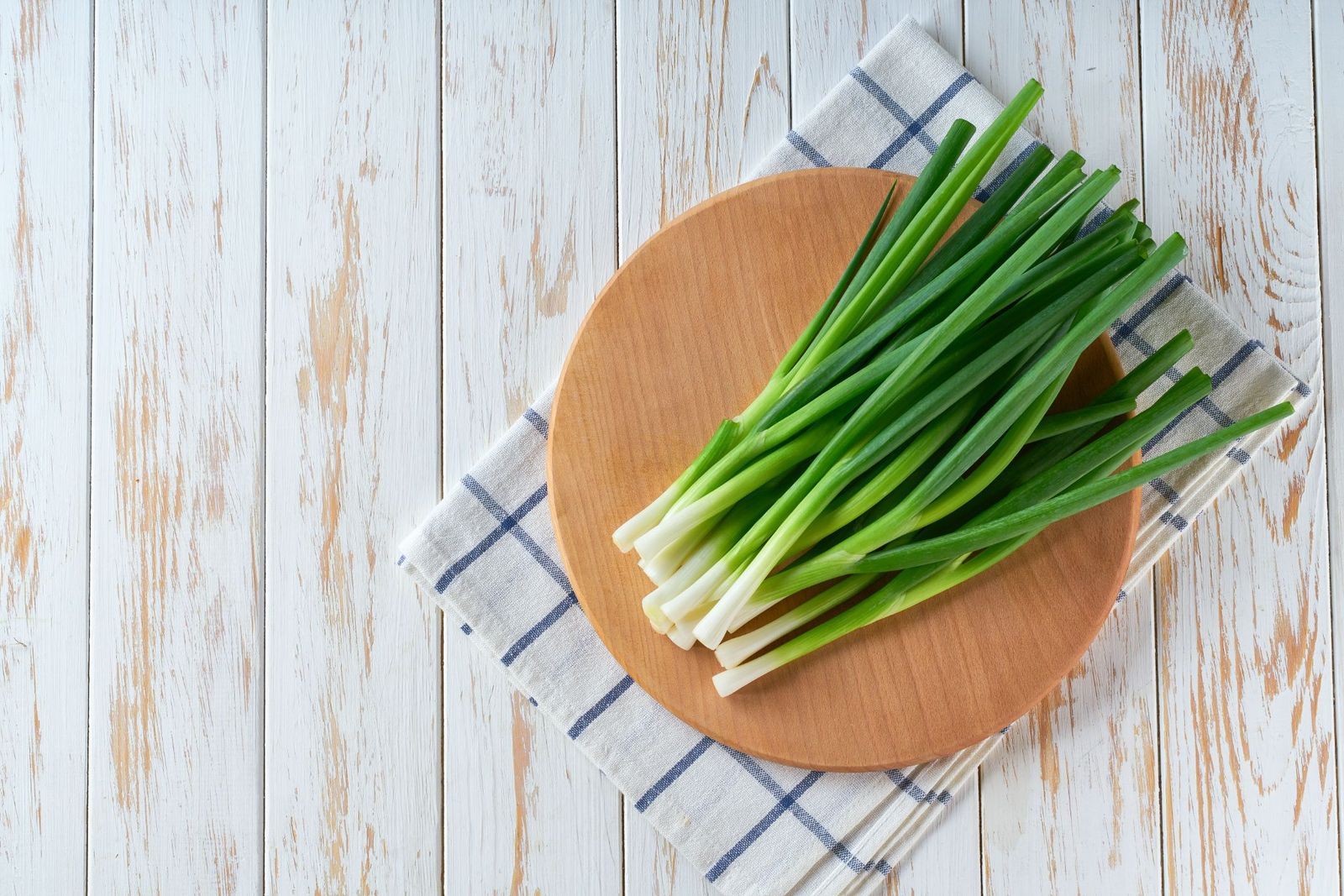
Over centuries of farming trade, these green onions have had different names. In the United States, we use the word scallion, which can be traced back to Old French (escalogne) and Latin (Ascalonius), meaning "onion of Ascalon", an ancient port city in the Levant (modern-day Israel) famous for growing this vegetable.
The preferred British term, in contrast, is a straightforward description based on the time of year (spring) when these young onions are harvested.
Banger vs. sausage

The general term sausage is rooted in the Latin salsus ("salted"), entering English via the Old French saucisse to describe minced meat preserved in casings.
The British colloquialism banger, however, is a 20th-century linguistic creation. Originating during the meat shortages of World War I, pork links were stretched with water, cereal, and starches. When placed into a hot frying pan, the trapped internal moisture turned to steam, causing the casings to rupture with a popping sound. The resulting noise gave rise to the moniker "bangers".
Biscuit vs. cookie

The history of baked goods reflects centuries of trade and travel around the world. The word biscuit comes from the Latin bis cactus (meaning "twice-cooked"). It passed through Old French as the word we use today to describe hard-baked items made to last on long ocean voyages.
The word cookie came to America through early Dutch settlers in New Netherlands (now New York). It stems from the Dutch word koekje, a diminutive version of koek ("cake"). In brief, British English kept the Latin-based term for dry baked snacks, and American English adopted the Dutch word to describe a treat similar to a small cake.
Aubergine vs. eggplant
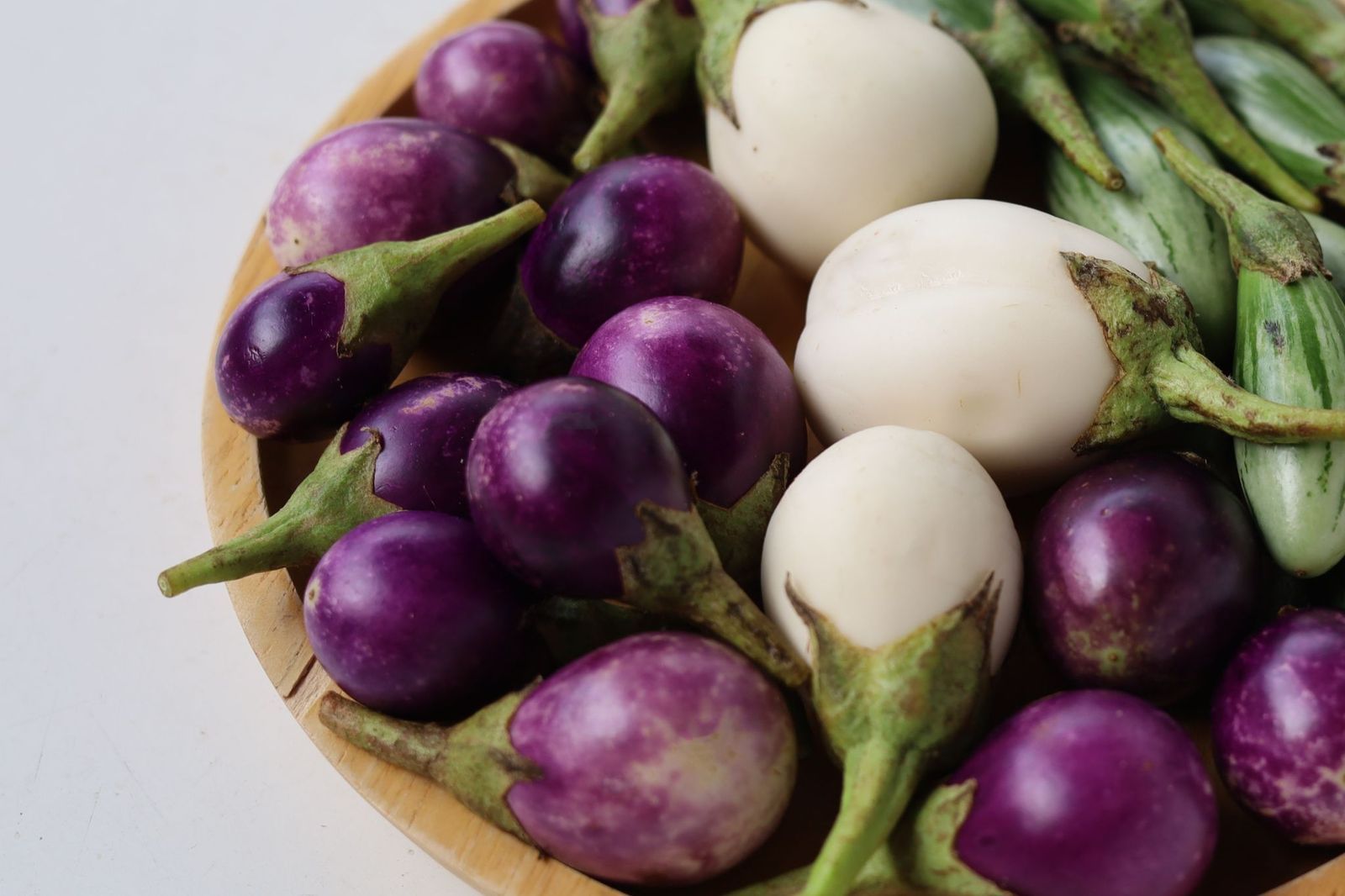
Used in British English, the word aubergine was adopted from French, which inherited the term from the Catalan albergínia. This European form can be traced back through the Arabic al-bāḏinjān, which itself borrows from the ancient Persian bādengān and ultimately the Sanskrit vāti-maṅga. The plant itself is native to southern or eastern Asia, so it’s no surprise that the word has undergone a linguistic journey rooted in the East.
But in the United States, we use the term eggplant instead, which emerged in the 18th century because early European varieties imported to America looked remarkably similar in color, size, and shape to white or yellow goose eggs.
Gammon vs. ham
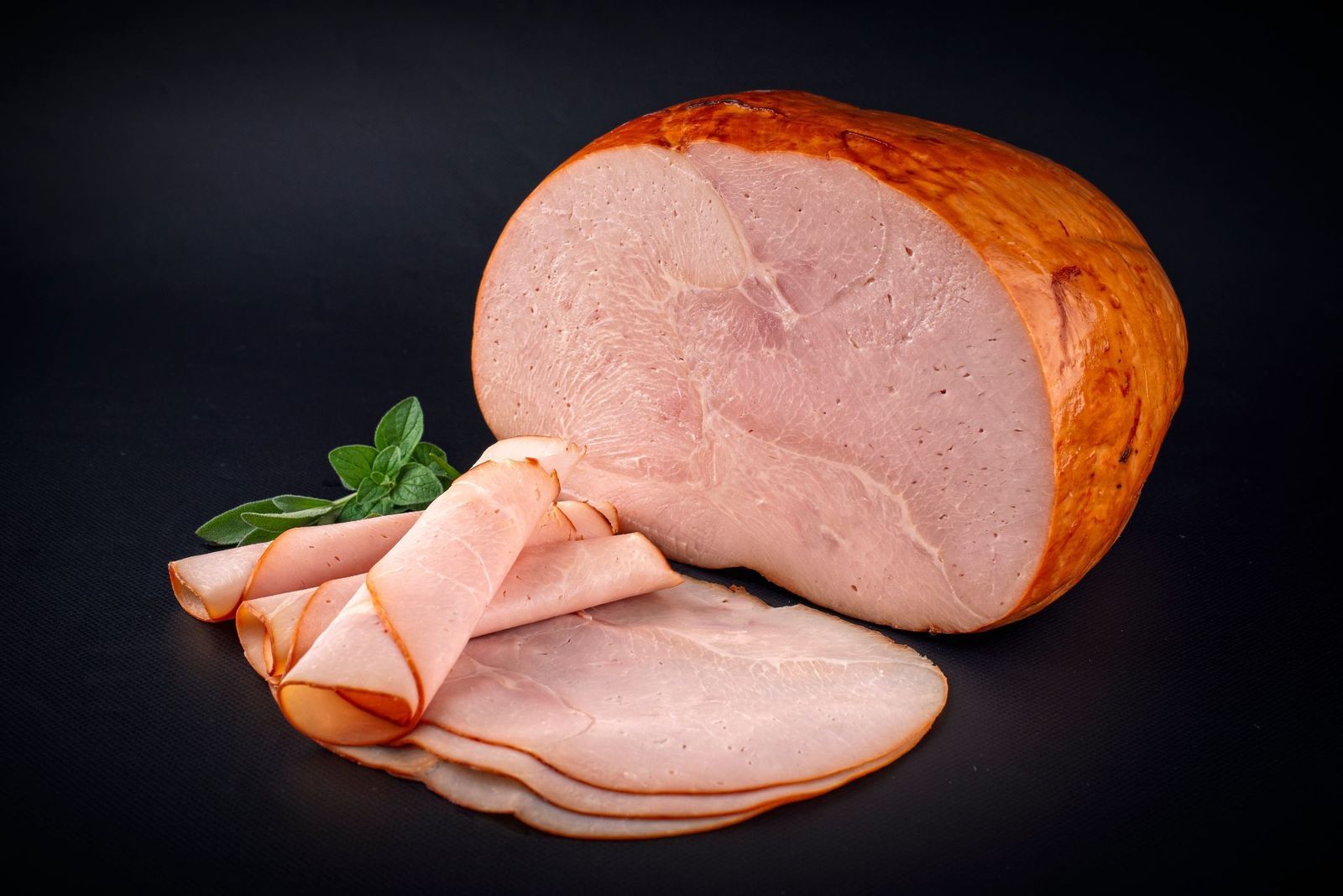
While both words designate cured cuts from the hind leg of a pig, their historical roots reflect different aspects of Germanic and Romance vocabulary development in medieval Europe. Ham is a direct inheritance from Old English hamm, which originally referred not to the meat itself, but to the hollow or bend of the knee or the thigh of an animal.
Gammon, on the other hand, entered English during the Middle English period via Old French (gamon), deriving from jambe (leg), which traces back to the Late Latin gambum. While American English merged these terms under just "ham", British English kept the etymological distinction between the raw cured cut (gammon) and the finished product.
Sprinkles vs. hundreds & thousands

These tiny, colorful sugar decorations used on ice cream and baked goods have completely different names on either side of the Atlantic. In American English they are called sprinkles, a name derived from the verb sprinkle, which traces back to Middle English and Germanic roots meaning to scatter small particles or droplets.
Funnily enough, in Britain they are known as hundreds & thousands, a playful descriptive phrase from the 19th century that refers to the sheer multitude of tiny sugar beads packed together on a treat.
Courgette vs. zucchini
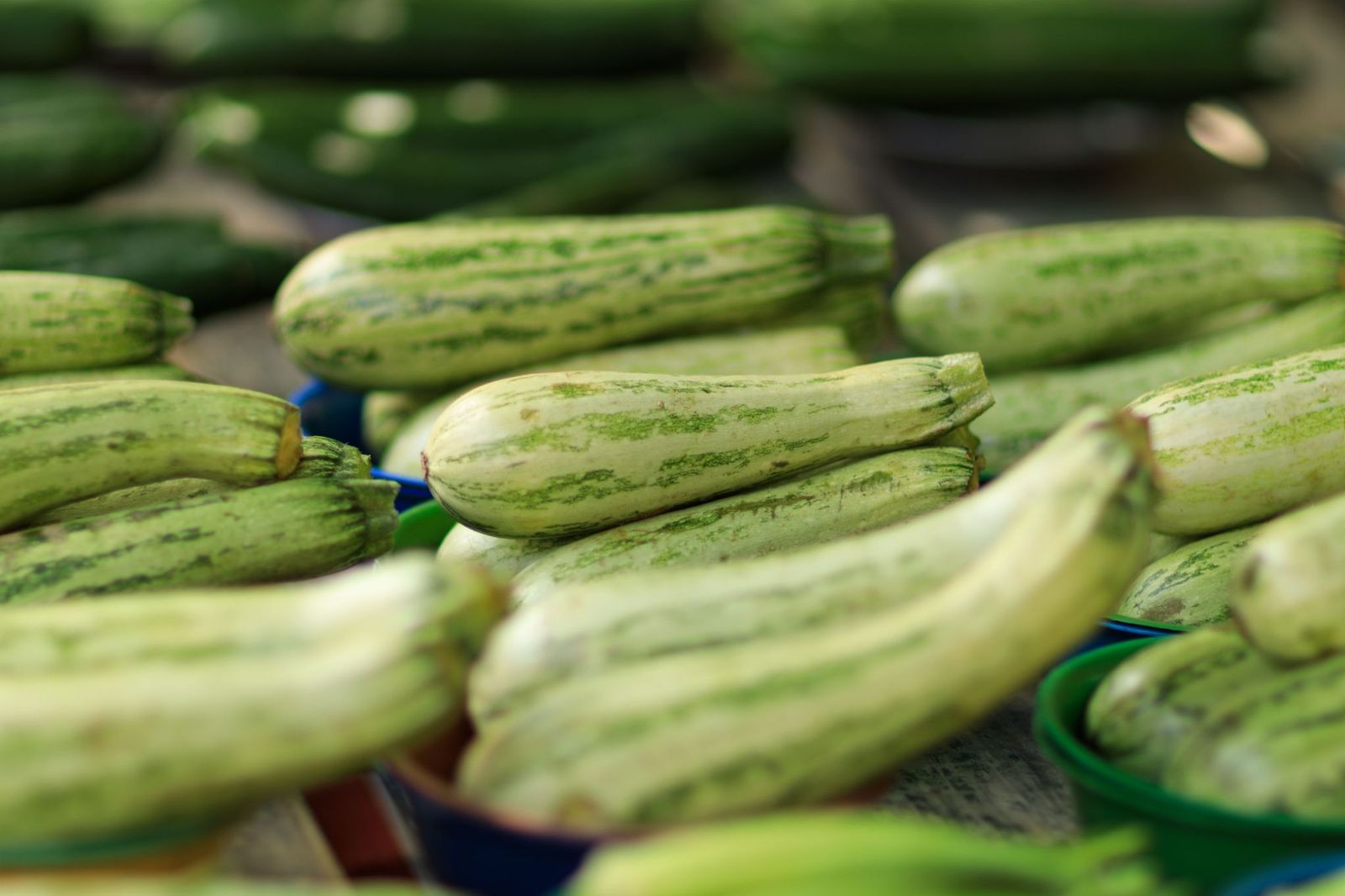
Both terms for this green summer squash share a distant ancestor in the Latin cucurbita ("gourd"), but they took different paths through Romance languages. Americans use zucchini, which comes directly from zucchina, the plural diminutive form of the Italian zucca ("pumpkin or gourd").
The British term courgette arrived via the French language as a diminutive form of courge ("gourd"). Therefore, both words etymologically mean "little gourd", separated only by whether Italian or French traders and loanwords dominated the respective nation’s lexicon.
Rocket vs. arugula
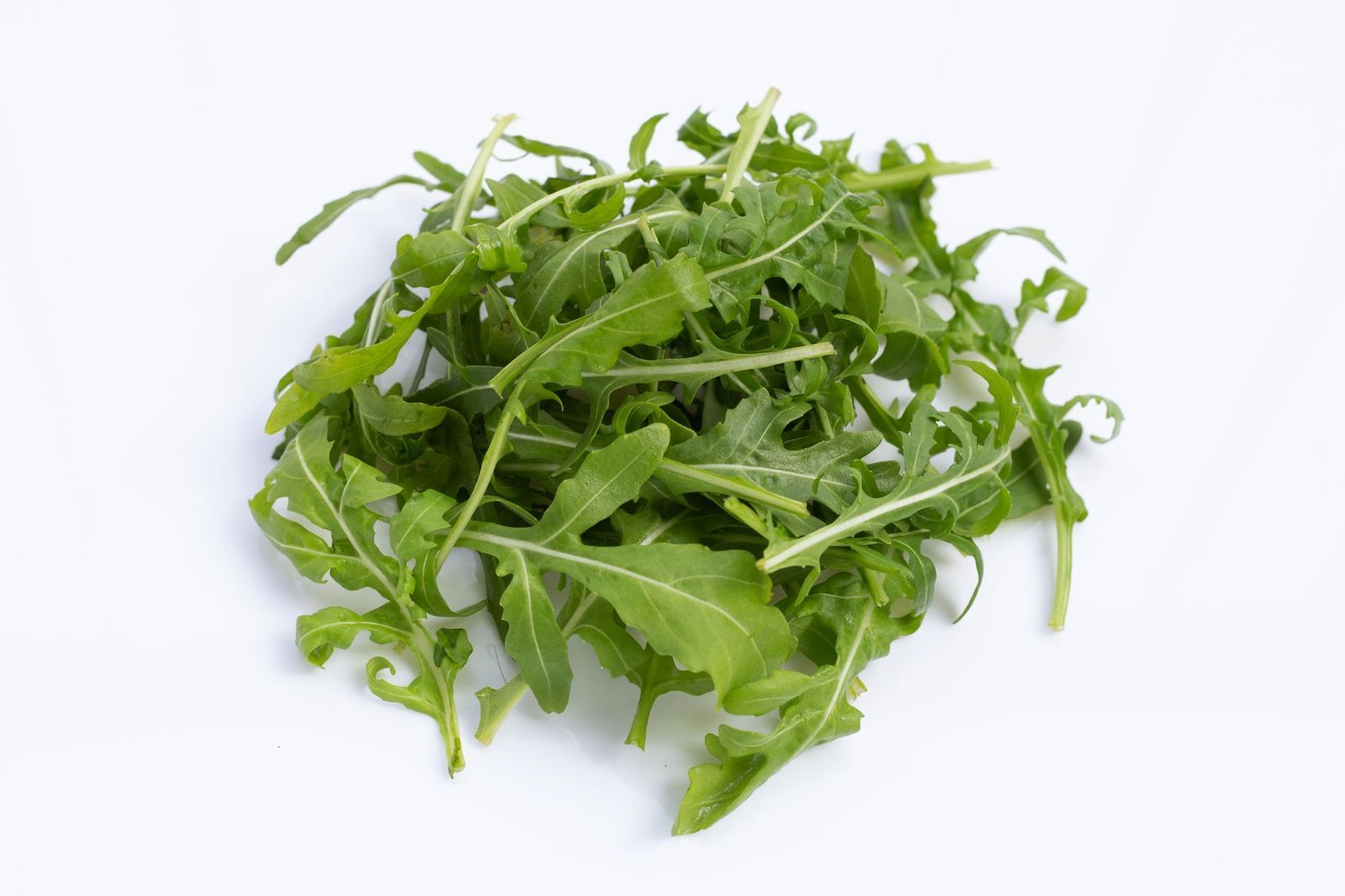
Even though this peppery green has different names today, they both come from the same ancient word. Rocket, used in Britain, Australia, and New Zealand, evolved from the French roquette. This French term is a direct descendant of the Latin noun eruca, the ancient name for the plant.
Arugula, on the other hand, entered American English as a loanword from regional Italian dialects (specifically rucola), which is a corruption of the Latin eruca. In the end, despite of sounding very different, both rocket and arugula are phonetic variations of the same ancient Roman botanical term.
Chips, fries, or crisps?

The term French fries (often shortened to "fries" in the U.S.) refers to the culinary technique of "Frenching"—cutting vegetables into long, thin strips—popularized in American English during the early 20th century.
In British English, fried potato strips are called simply chips, using an existing English word traditionally used for carved pieces of wood or stone. To distinguish thin, bagged potato slices from hot potato chips, in the 20th century the British coined the term crisps, in reference to the adjective describing their brittle texture.
Coriander vs. cilantro
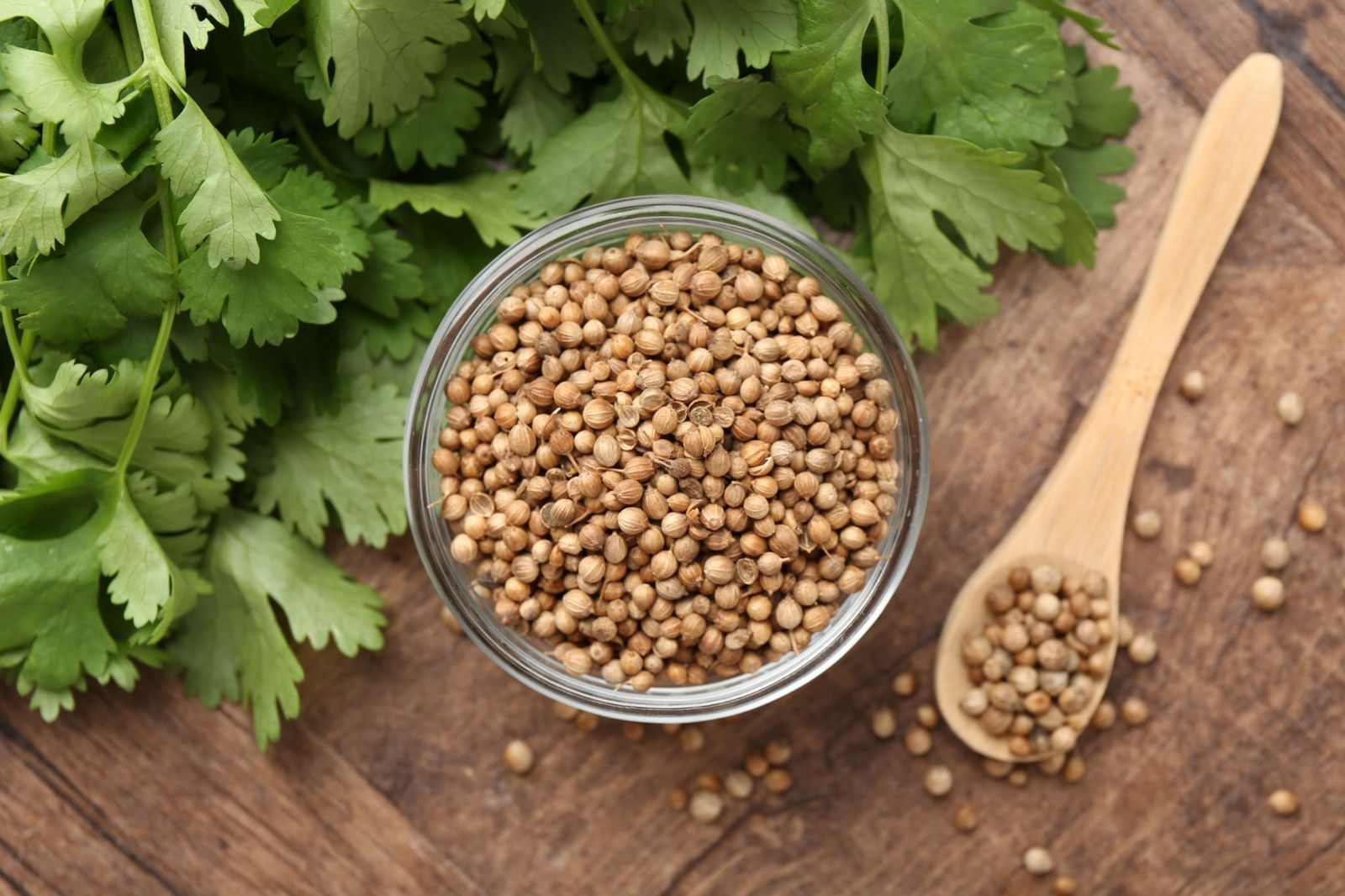
What people call this plant actually depends on whether they mean the seeds or the green leaves. The word coriander has ancient roots, entering English via Old French from the Latin coriandrum, which was borrowed from the Greek koriannon. Interestingly, linguists trace the Greek root back to koris (a bug), likely a reference to the pungent aroma of the fresh leaves.
Cilantro, used in American English specifically for the leaves, is the Spanish word for the plant, derived from the same Latin root (coriandrum).


