And not just ships
Why do famous vehicles have names? 11 famous examples explained
Published on April 20, 2026
The timeless tradition of naming vehicles is not reserved only for ships but, as it turns out, for anything else as well. Americans in particular tend to name machines as if they were people. When a car, boat, plane, or any other means of transport becomes familiar enough, through daily use or popular culture, it probably ends up earning a nickname. Which of the following 11 is your favorite?
Herbie, The Love Bug
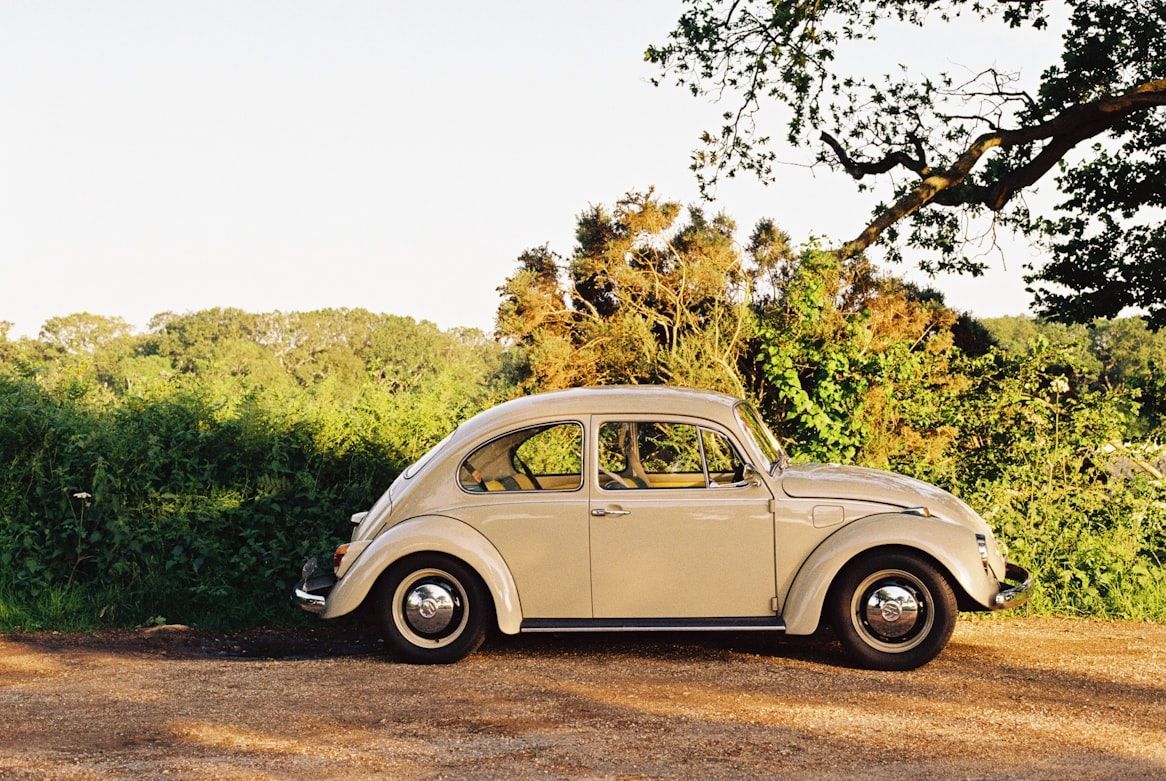
This cheerful Volkswagen Beetle from a long-running Disney film series wasn’t just transportation: it had emotions, opinions, and a somewhat stubborn streak. The friendly name "Herbie" helped audiences accept the idea of a car with a personality.
By pairing a humble compact car with a human nickname, the films transformed an everyday vehicle into a charismatic character that many people embraced.
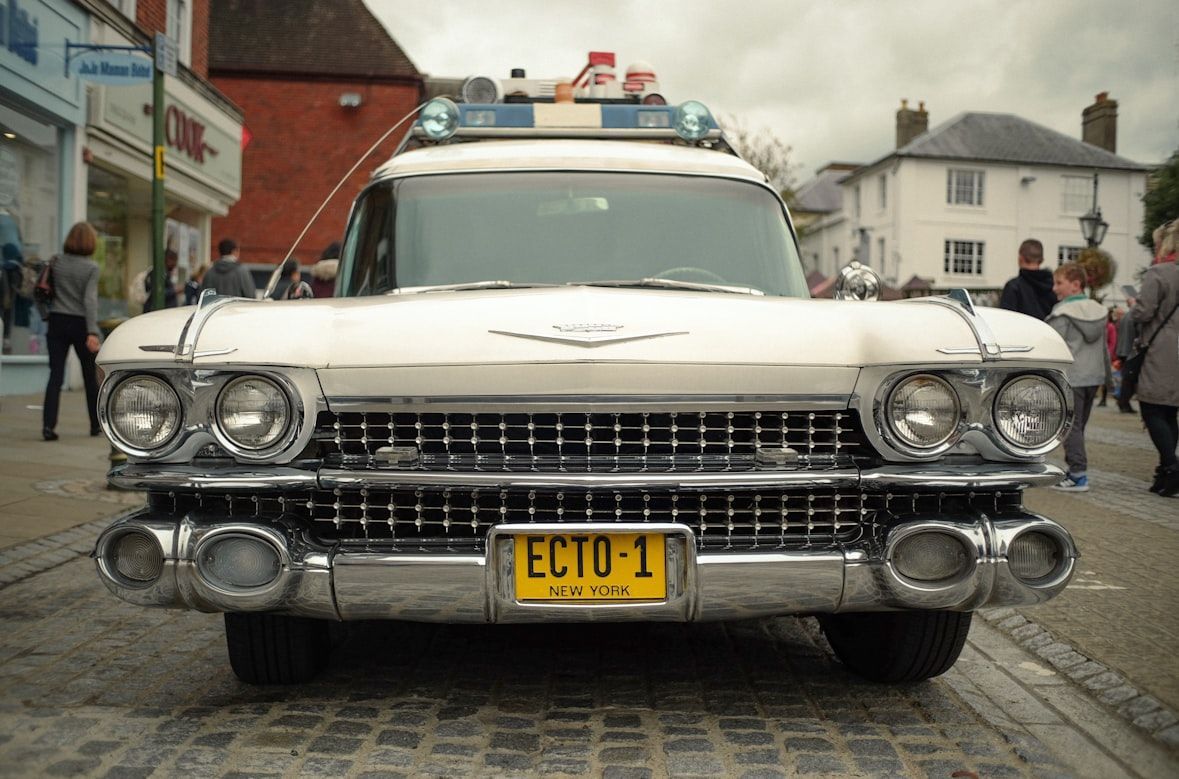
Ecto-1
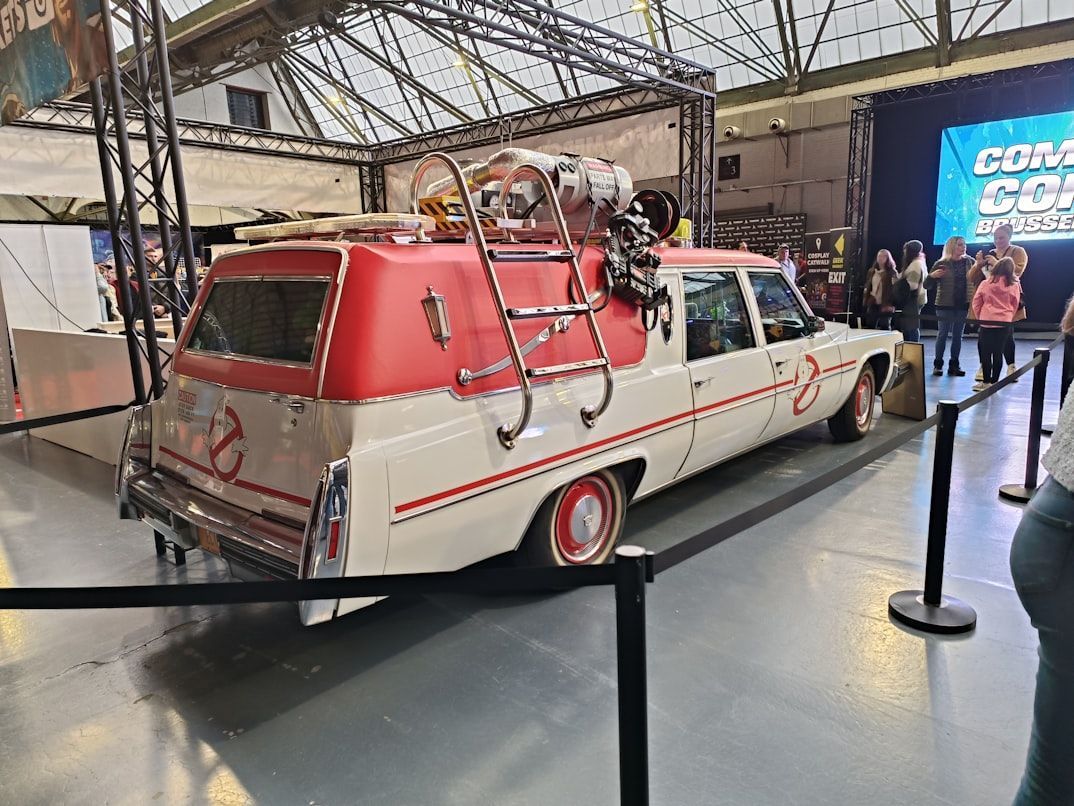
The Ghostbusters’ iconic Cadillac hearse became famous under this strange, technical-sounding name. "Ecto-1" felt halfway between scientific equipment and a comic-book invention.
The nickname balanced spooky imagery with lighthearted absurdity, turning a creepy old vehicle into a lovable symbol of heroism and DIY aesthetic.
Bumblebee
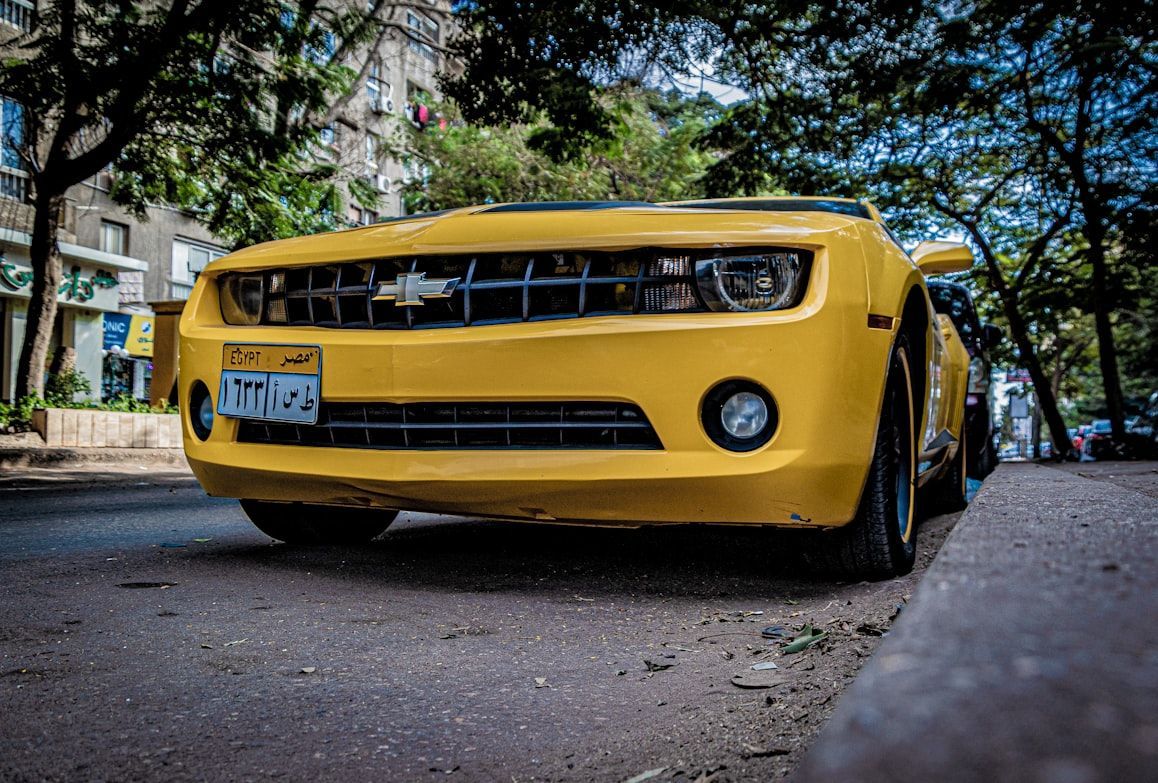
In the Transformers films, Bumblebee stood out for his loyalty, friendliness, and expressive nature. The nickname suggested warmth and charm rather than mechanical power.
By choosing such a gentle name, the films helped audiences emotionally connect with a robot, proving that personality can play a huge role even in a car.
Christine
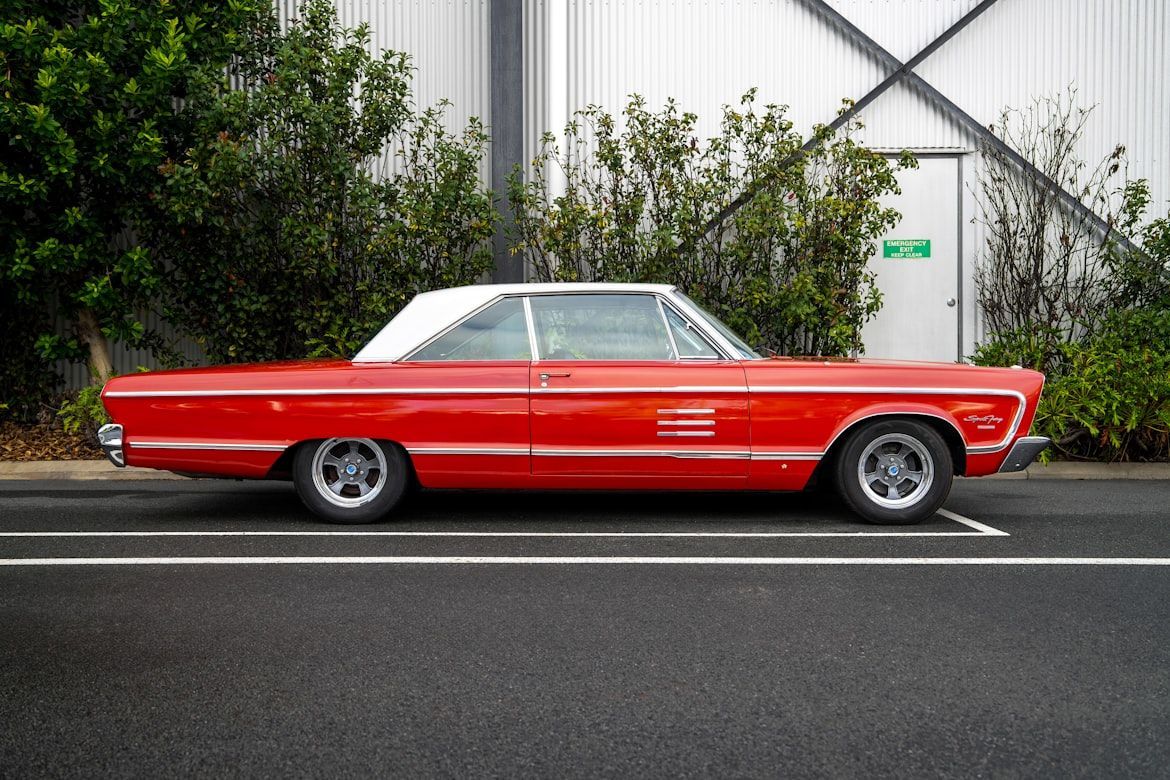
The Plymouth Fury in the Stephen King horror story carried a sweet, ordinary human name that sharply contrasted with its violent nature.
Calling a murderous car "Christin" made it look as if it were disturbingly alive, showing how innocent-sounding names can heighten unease rather than soften it.
The Family Truckster
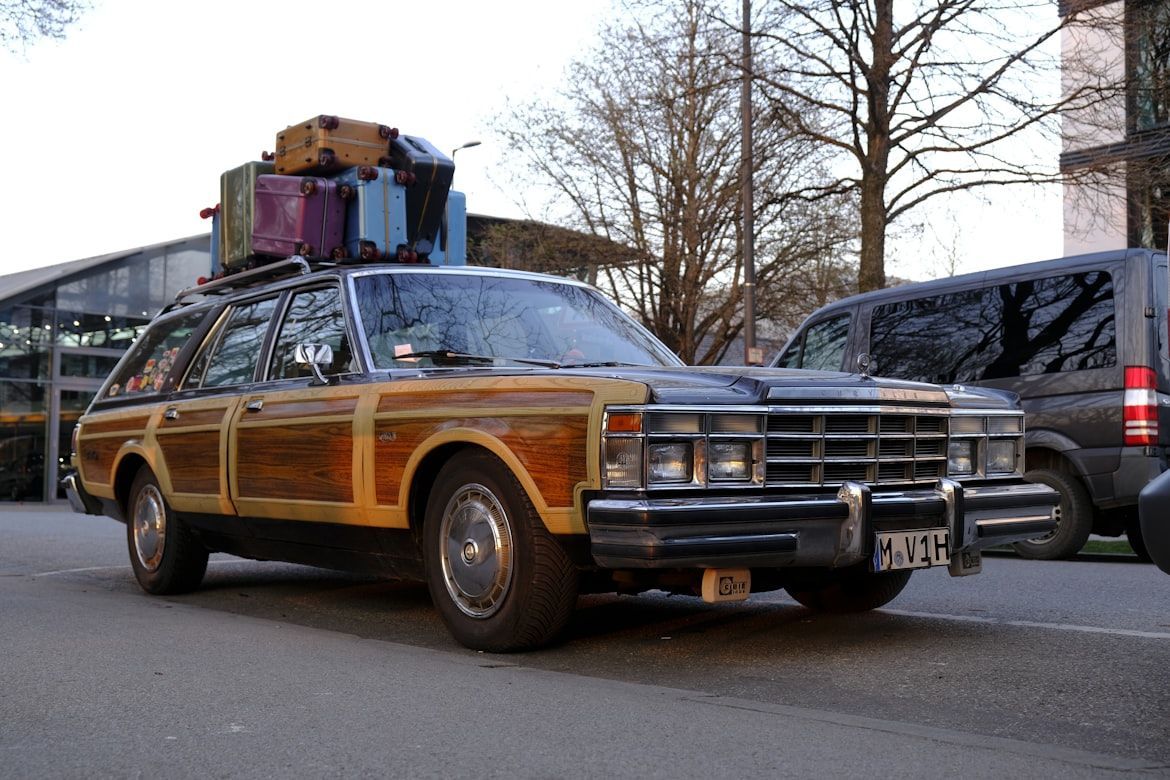
This infamous station wagon from National Lampoon’s Vacation had a name that sounded proudly practical and painfully dull. That was entirely the joke.
The nickname perfectly captured the car’s role as a symbol of family optimism gone wrong.
KITT
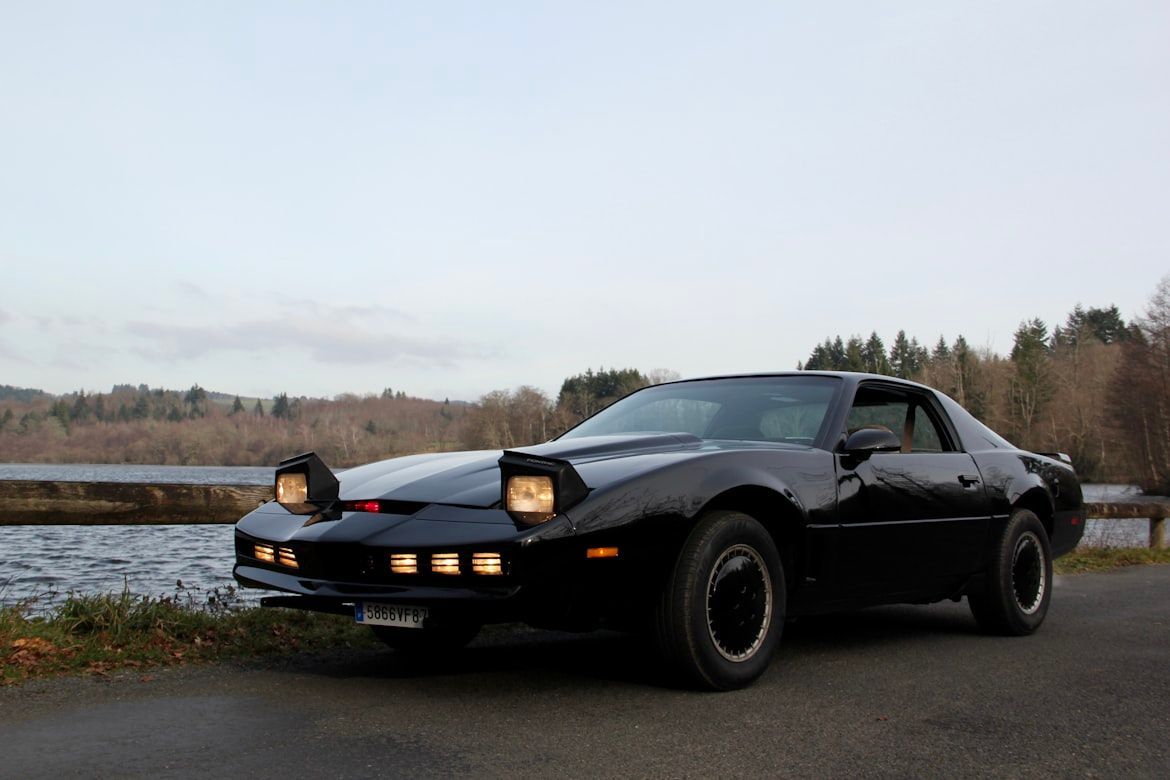
Short for "Knight Industries Two Thousand," KITT was a talking car with intelligence, sarcasm, and moral judgment. The acronym softened its advanced technology.
Rather than sounding cold or futuristic, the shortened name suggested companionship, helping viewers accept a machine as a trusted partner rather than a tool.
The Spruce Goose
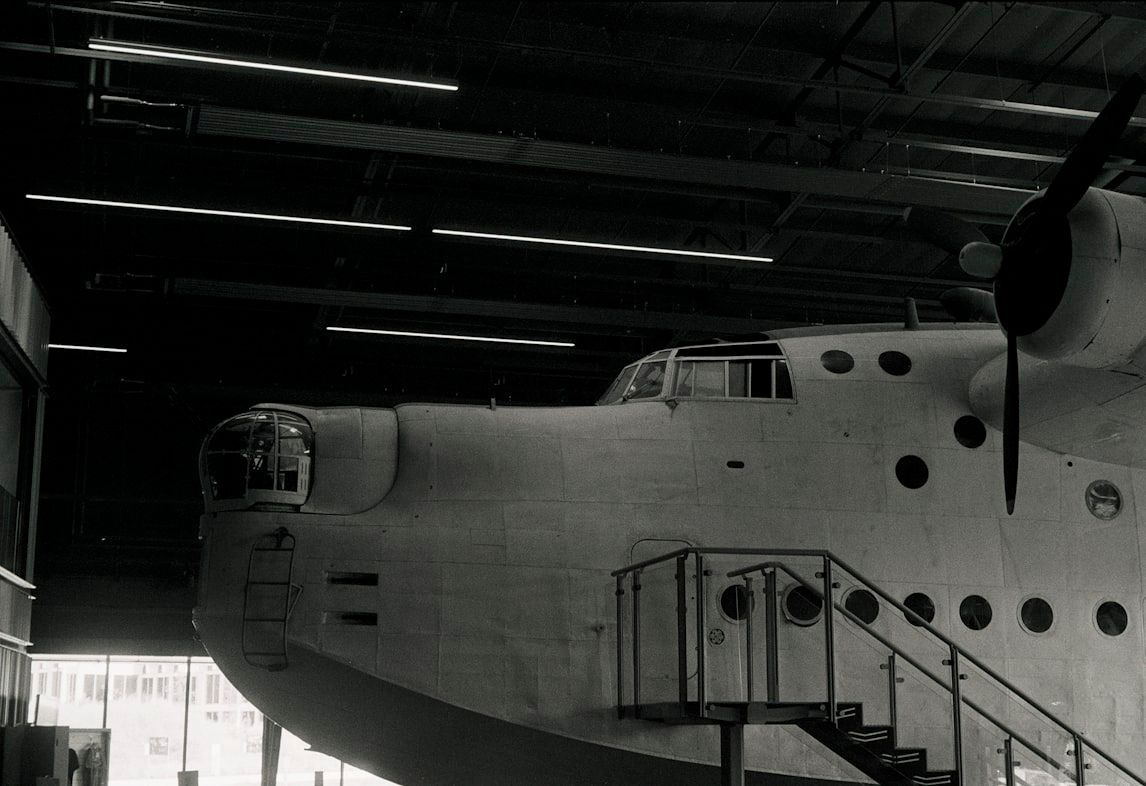
Howard Hughes’s massive experimental aircraft officially had a technical name, but the public preferred this quirky name. "Spruce Goose" stuck like glue once it was known.
The playful label softened the plane’s ambition and controversy, making an engineering oddity easier to remember and talk about.
The Spirit of St. Louis
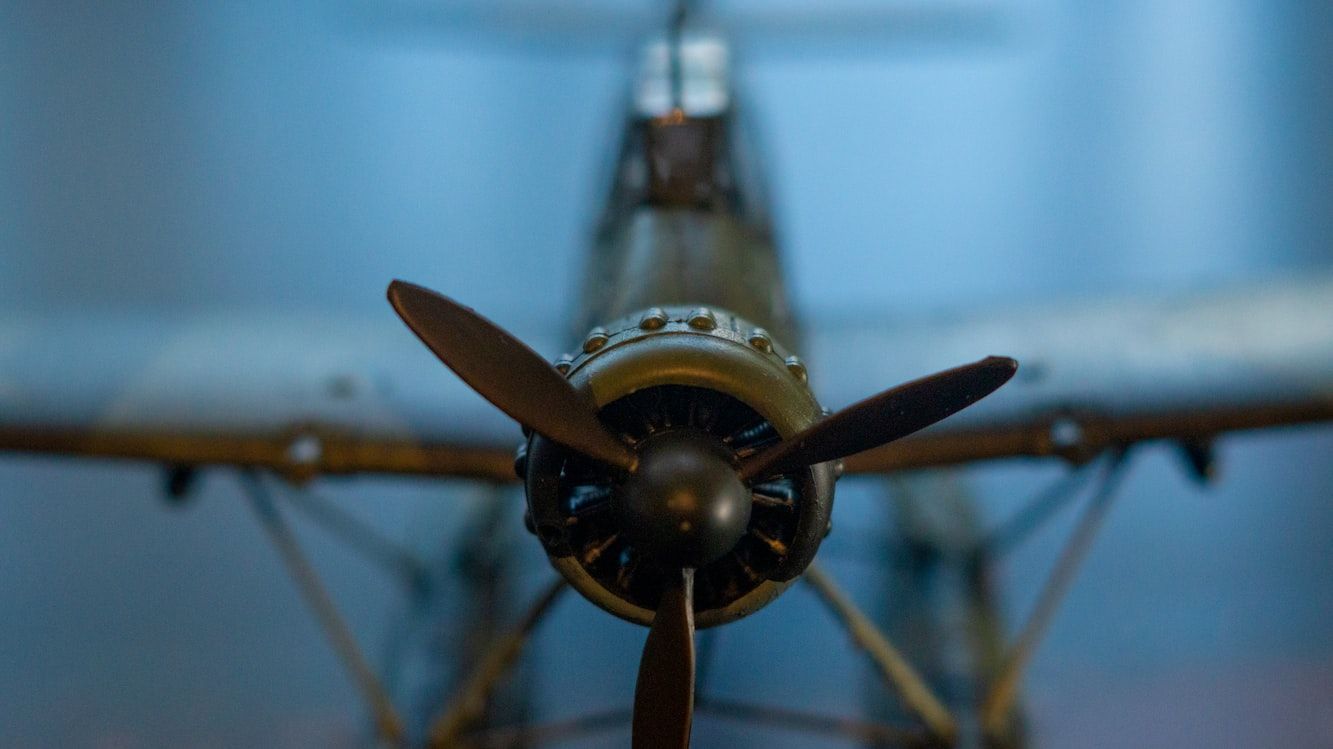
Charles Lindbergh’s historic airplane carried a name that sounded poetic and hopeful. It emphasized civic pride rather than machinery.
That lyrical nickname helped turn a technical achievement into a national story of bravery and ambition.
Snoopy’s Sopwith Camel

In the Peanuts comic strip, Snoopy’s doghouse doubles as this imaginary World War I fighter plane. The nickname blends history with childhood fantasy.
The vessel’s name gently parodied heroism while marking the imagination of the leading character.
The Minnow
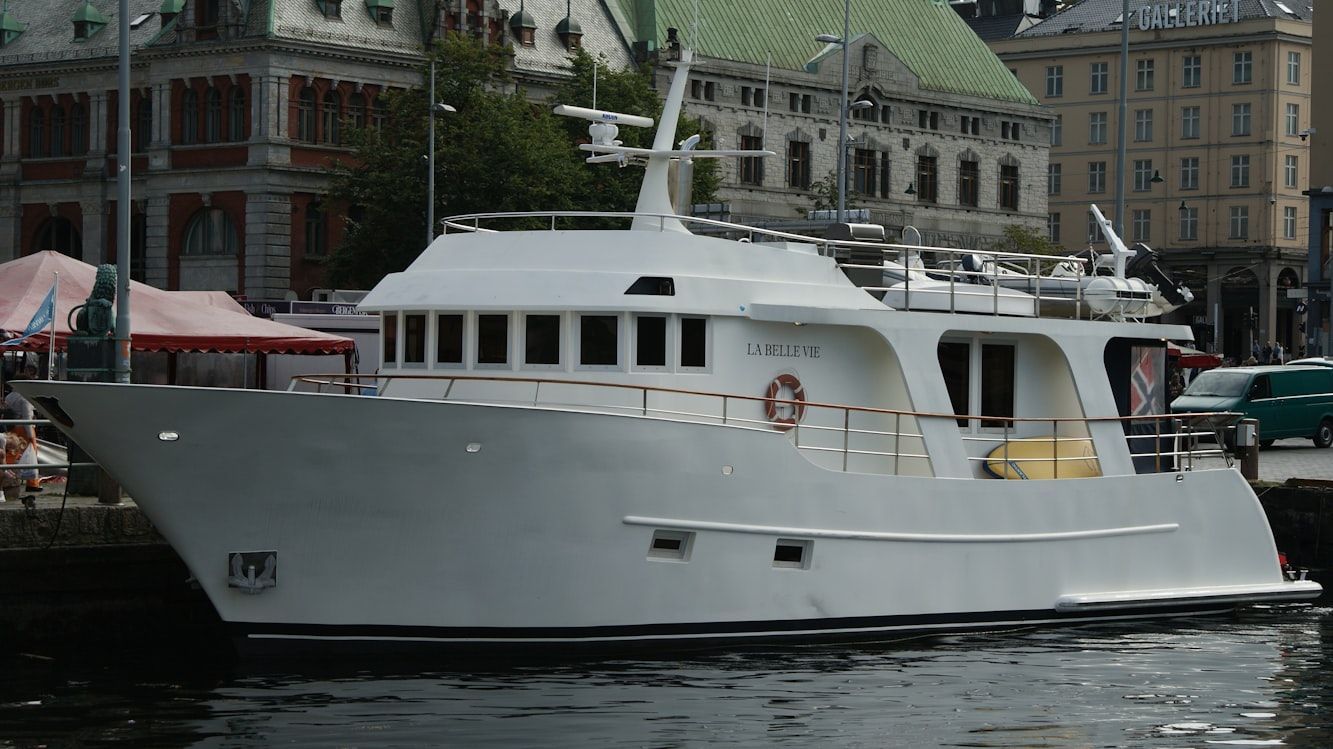
This tour boat from Gilligan’s Island earned a name that highlighted its size. The irony was a trademark of the comedy series.
Calling it the Minnow made its outsized impact funnier, reinforcing the show’s theme that small mistakes can have huge consequences.
The Millennium Falcon
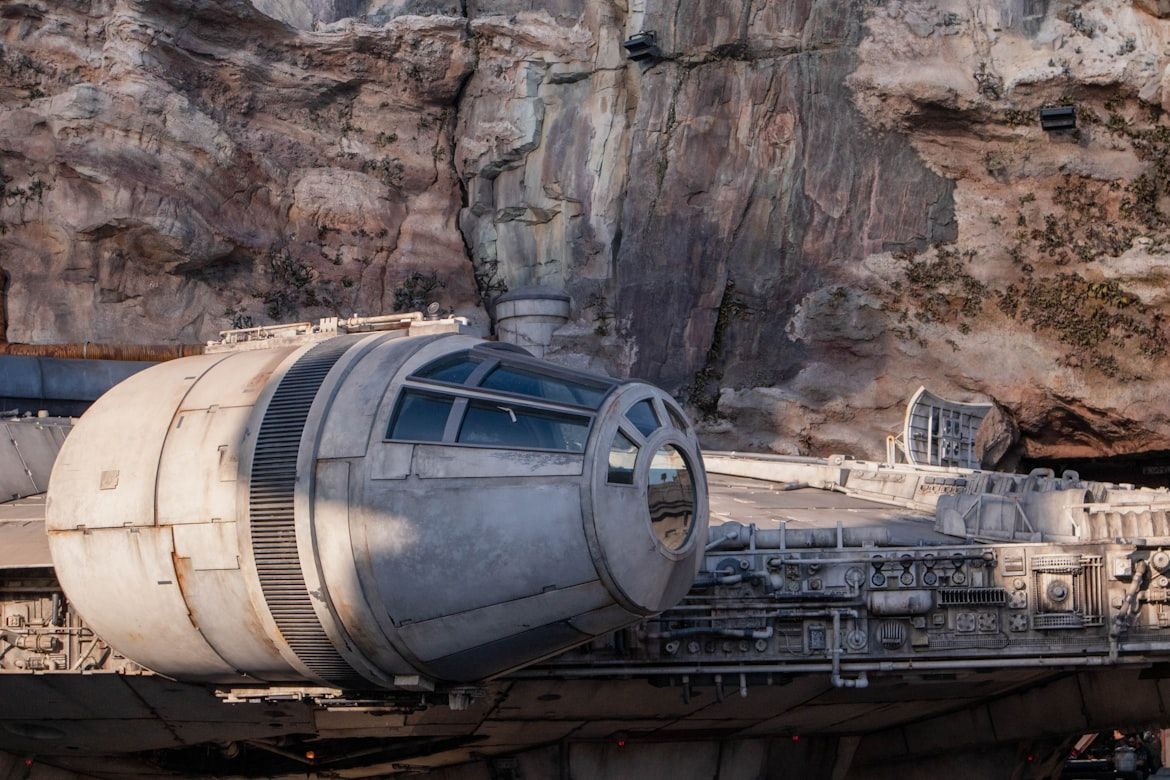
Han Solo’s famously unreliable spaceship carried a name suggesting speed and nobility. The contrast was intentional and memorable.
Calling it the Millennium Falcon elevated a beat-up vessel into legend, proving names can create mythology.