Mayday! Mayday!

Why do commercial airflights have those letters and numbers? Here’s why!


Published on November 23, 2025
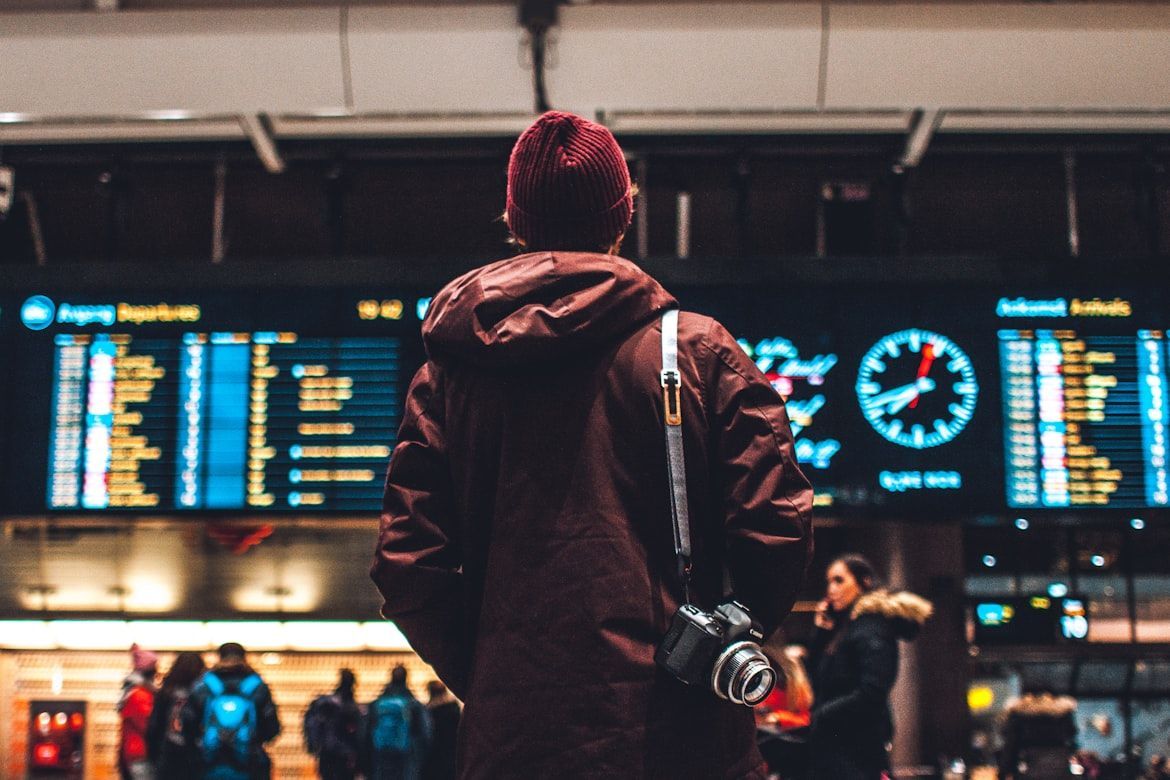

Image: Erik Odiin

Airport codes, numbers, and technical lingo might seem arcane or even random at first glance, but most have surprisingly logical origins. From international abbreviations to behind-the-scenes terms used by airport staff, there’s a whole coded world buzzing around your flight. Let’s unpack 10 of the most widely used ones.

1

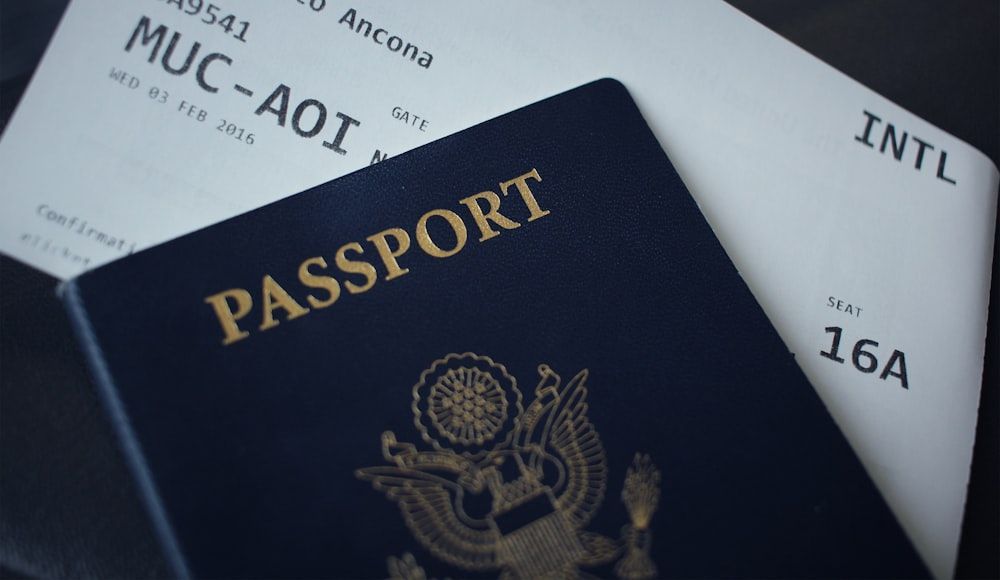
IATA airport codes

Image: Nicole Geri

IATA airport codes are those three-letter codes you see on tickets and baggage tags, like LAX for Los Angeles or JFK for New York. They're set by the International Air Transport Association (the aforementioned IATA).

These codes often reflect the airport’s name or location, but not always. Some are not as obvious, like ORD for Chicago O’Hare, which comes from its previous name: Orchard Field.

2

UN/LOCODEs (Trade and Transport Locations)
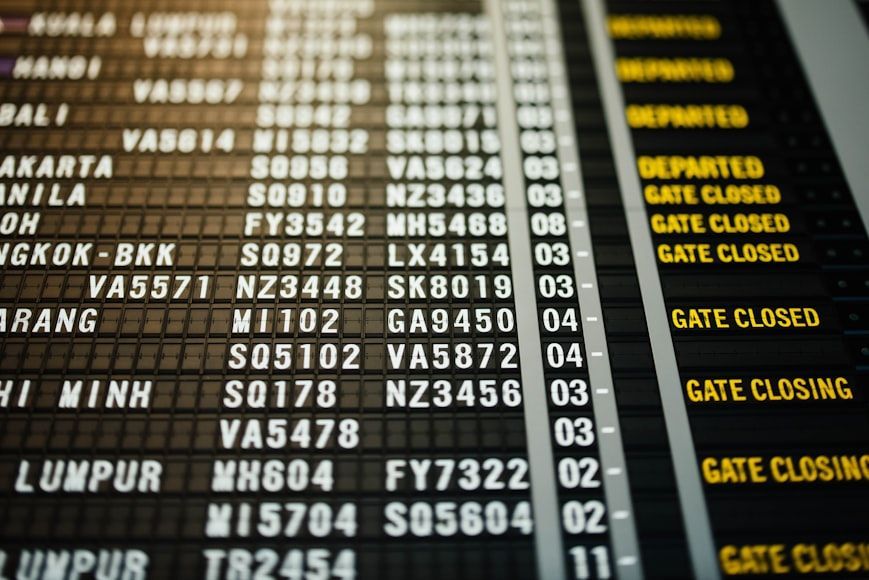
Image: CHUTTERSNAP

A relative of the IATA airport codes, UN/LOCODEs are five-character codes used in global trade and transport. They combine a two-letter country code with a three-letter location code, like USLAX for Los Angeles in the U.S.

These codes help standardize locations in shipping, logistics, and customs. You might not see them as often as airport codes, but they’re essential behind the scenes in moving goods worldwide.

3

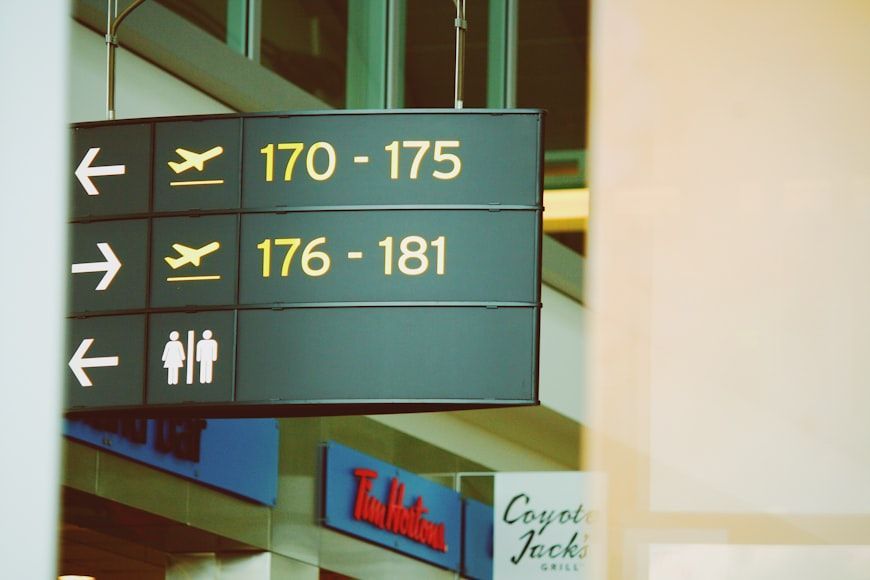
Airport Terminal and Gate codes

Image: George Kourounis

Airport terminal and gate codes help guide you through the airport. A sign like T1-G12 means Terminal 1, Gate 12.

Each airport has its own layout, so the letters and numbers can vary. Some use concourses (like B42), while others just number gates.

4

Runway designators

Image: Eduardo Cano Photo Co.

Runway designators are those numbers you see at each end of an airport runway, like 09/27. They’re based on compass directions. For example, 09 means 90°, or east, and 27 means 270°, or west.

If there are parallel runways, you’ll see letters too, like L for left or R for right (e.g., 09L/27R).

5

Airline and flight number codes

Image: Matthew Smith

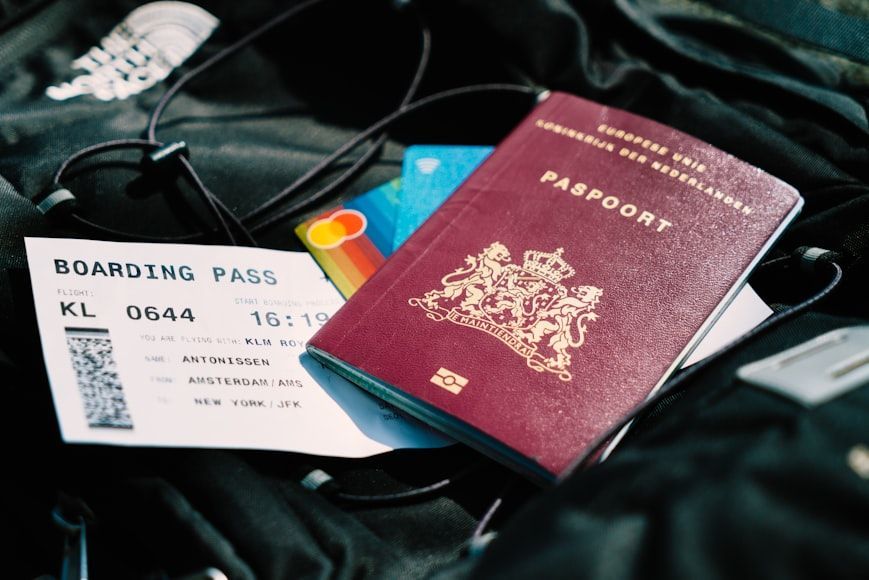
Airline and flight number codes help identify specific flights, like AA100 for American Airlines Flight 100. The first part is the airline’s IATA code, followed by a number assigned to the route.

These codes are used in schedules, boarding passes, and announcements.

6

A-CDM codes (Airport Collaborative Decision Making)

Image: Nicholas Jeffries

A-CDM codes are used at airports to help controllers and pilots work together smoothly using universal directives. They stand for Airport Collaborative Decision Making.

Some examples of these kinds of codes are TOBT (Target Off-Block Time) and TSAT (Target Start-up Approval Time), which help coordinate when planes should push back or start engines.

7

METAR/TAF airport codes (for weather reports)
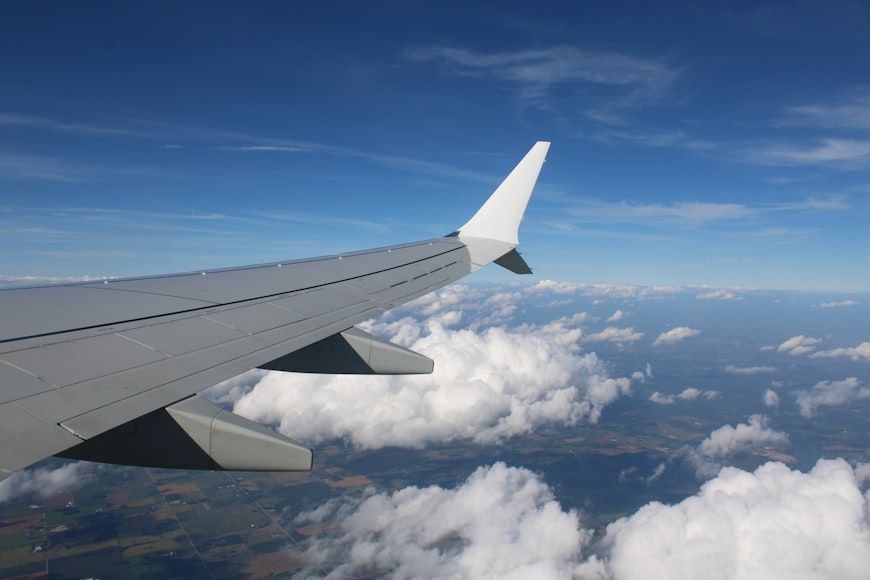
Image: Gurwinder Singh

METAR and TAF codes use ICAO airport codes to report weather conditions for pilots and flight crews. For example, EGLL is used in METAR reports for London Heathrow.

These reports include info like wind, visibility, and temperature. METARs show current weather, while TAFs give forecasts.

8

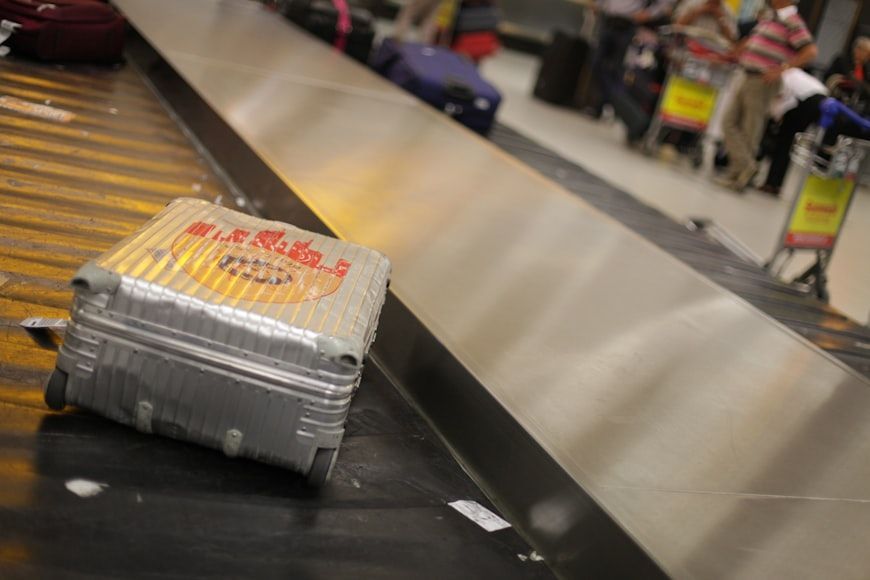
Baggage tag codes

Image: Dimitri Karastelev

Baggage tag numbers and codes are the barcodes that are attached to the luggage when it is checked. They usually include the airport's IATA code, like LAX123456, to help route the bag correctly.

These tags let airports and airlines track bags from drop-off to arrival.

9

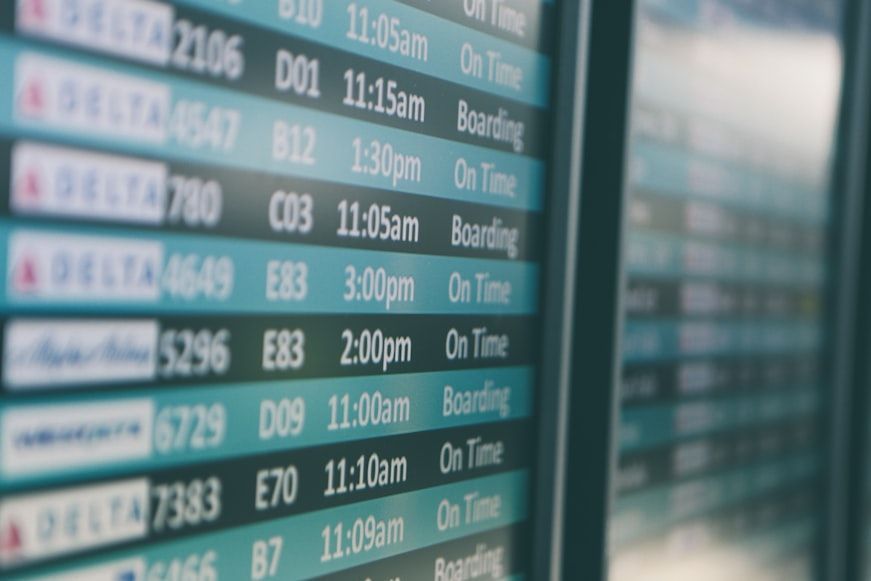
Flight status

Image: David

Flight status codes are seen on airport screens, like ON TIME, DELAYED, or BOARDING, to keep passengers updated. They’re simple but super helpful when you’re rushing to your gate.

Other codes can be spotted, like DEP (Departed), ARR (Arrived), ETA (Estimated Time of Arrival), and GATE CLOSED.

10

Flight number

Image: CardMapr.nl

Flight numbers help identify each flight and usually include four or five digits after the airline code. These numbers aren’t random: they often reveal details like the route, destination, or flight type.

For example, Lufthansa uses 400s for North America and 900s for Asia. Some airlines even assign numbers based on the country of origin.


BUCKET LIST INSPIRATION

The 10 Most Charming Town Squares in Europe to Visit


Published on November 23, 2025


Image: Jacek Kadaj

No matter where you travel, town squares are the first places you should visit. Often considered the beating heart of a city, these piazzas are responsible for bringing together social life. Festivals, markets, political rallies, and other important events take place in town squares. Since the history of Europe is particularly rich, it’s fascinating to learn about its public spaces, which are sources of knowledge, culture, and entertainment even today. If you are interested in the hidden gems of the most significant cities of the Old Continent, join us to discover 10 dreamy European town squares worth visiting.

1

Piazza San Marco (Venice, Italy)

Image: Ljubomir Žarković

Piazza San Marco, located in the center of Venice, is the most important public square in the city. It is considered one of the most beautiful squares in the world—so much so that it’s said Napoleon Bonaparte once described it as "the drawing room of Europe."

Its construction began in the ninth century, and it is trapezoid-shaped. Situated in the lowest area of Venice, it is easily flooded during acqua alta ("high water"). The square is dedicated to the evangelist Mark, the patron saint of Venice—hence the name—and houses some of the most impressive buildings in the city, such as the Doge's Palace, the Basilica, and the Bell Tower of St. Mark.

2

Hősök tere (Budapest, Hungary)

Image: charlemagne

Hősök tere, which translates into English as "Heroes' Square," is one of the most important historical and cultural sites in Budapest. Its construction began in 1896 to celebrate the millennium of the foundation of the Hungarian state. This landmark features 7 equestrian statues of Magyar chieftains who played a decisive role in the country's history.

These sculptures, in turn, are crowned by an impressive Corinthian column 118 feet high, and topped by the Archangel Gabriel, who raises the Holy Crown and the double cross of Christianity. This sculptural composition, also known as the Millennium Monument, has been a UNESCO World Heritage Site since 2002.

3

Place de la Bourse (Bordeaux, France)

Image: Juan Di Nella

One of the most beautiful and popular places in Bordeaux is the Place de la Bourse ("Stock Exchange Square"), both for its historical and architectural significance. Framed by majestic facades, the former royal square was built between 1730 and 1775, following the design of one of the most renowned architects of the time, Ange-Jacques Gabriel.

In addition to being surrounded by important buildings, such as the town hall, the Place de la Bourse features the Miroir d'eau ("mirror of water"), a favorite spot for both tourists and locals alike. Listed as a contemporary world heritage site, this spectacular piece alternates extraordinary mirror and fog effects, which no one can resist taking pictures of.

4

Grote Markt (Brussels, Belgium)

Image: Hanlin Sun

Many argue that Grote Markt ("Big Market" in English) is one of the most beautiful squares in the world. No wonder! The ornamental charm of the buildings, along with its paving covered by the typical Brussels cobblestones, makes it a unique place. Need more evidence? In 1998, UNESCO designated Grote Markt as a World Heritage Site.

With Gothic, Baroque, Neo-gothic, and Neoclassical designs, the walls of this square, located in the center of the Belgian capital, conceal a lot of history. Its construction began in the 11th century and its strategic location soon turned it into an important trading point. In the 17th century, during the Nine Years' War, the square was partially destroyed. In the following years, the facades were rebuilt, and since then it has been carefully protected due to its high heritage value.

5

Plaza de España (Seville, Spain)

Image: Joan Oger

"Gentlemen, I knew this was beautiful, but not this much." This is what King Alfonso XIII allegedly said when he visited the Plaza de España ("Spain Square," in English) during its construction. In 1929, the government commissioned a national pavilion as a symbol of the ties between Spain, its former colonies, and Portugal. That’s why the building represents, with its curved shape, the country's embrace of its former American territories.

Spanning more than 490,000 sq ft, this plaza in Seville is full of curiosities and symbolism, such as historical scenes, maps, and regional coats of arms. But probably the most intriguing fact about Plaza de España is that it was declared a Treasure of European Film Culture and has been a film set for mythical movies such as Lawrence of Arabia and Star Wars.

6

Marienplatz (Munich, Germany)

Image: Daniel Seßler

Ever since Henry the Lion founded the city in 1158, Marienplatz has been the center and soul of Munich. It has been the site of important public events and festivities, from tournaments and markets to executions. Today, it is surrounded by important buildings such as the Old and New Town Halls.

Originally, the square was called Schrannenplatz ("Grain Market square") but was renamed Marienplatz ("St. Mary's square") after a monument dedicated to the Virgin Mary was erected in 1638 to celebrate the end of Swedish occupation.

7

Praça do Comércio (Lisbon, Portugal)

Image: Frank Nürnberger

Located in the historic and commercial center of Lisbon and open to the Tagus River, Praça do Comércio ("Commerce Square") is one of the most important symbols of the Portuguese capital. It was formerly called Terreiro do Paço ("Palace Yard"), since this is where the Royal Palace used to be.

After the terrible earthquake of 1755, the Marquis of Pombal decided to rebuild the square in the shape of a "U," with three large arcaded buildings that now house government agencies, the main tourist office, and some restaurants and cafes, including the Martinho da Arcada. This bar is the oldest in the city—founded in 1782—and was once frequented by prominent intellectuals, such as the famous Portuguese author Fernando Pessoa.

8

Rynek Główny (Kraków, Poland)

Image: Lucas Albuquerque

Rynek Główny ("Main Market" in English), built in 1257, is the heart of Cracovia and holds an important historical, cultural, and social significance. Surrounded by historic townhouses, churches, and palaces, it is one of the largest medieval squares in Europe and is the main meeting point for locals and tourists.

Perhaps its most outstanding attractions are its traditional carriages, flower stalls, and pigeons, which, according to the legend, are knights turned into birds. It is also delightful to visit this square before Christmas or Easter when traditional markets are held in celebration of Rynek Główny’s commercial past.

9

Raekoja Plats (Tallinn, Estonia)

Image: Ilya Orehov

Raekoja Plats, or Town Hall Square in English, is the neuralgic center of Tallinn’s Old Town. As its name suggests, this square is dominated by the Town Hall building, the oldest of its kind in the Baltic countries and Scandinavia—and the only Gothic-style town hall still standing in all of northern Europe!

Another notable attraction in Raekoja Plats is Raeapteek, one of the oldest pharmacies in Europe. Although no one knows exactly when it opened, there are records dating back to at least 1422.

Raekoja Plats changes a lot depending on the season. In summer, it hosts festivals like Tallinn Old Town Days, while in winter, you can visit the Christmas Market and enjoy a nice cup of glögg, a traditional Estonian mulled wine.

10

Trafalgar Square (London, England)

Image: Korng Sok

Although it’s not as old as other squares on this list, Trafalgar Square is one of the most relevant landmarks in London. It was inaugurated in 1844 to commemorate the victory of the British Navy in the Battle of Trafalgar and is now a must-see attraction for more than 30 million tourists each year. Owned by the Crown, this square is a patriotic symbol surrounded by bronze statues of several prominent figures, including George Washington.

Originally designed by the famous architect John Nash, Trafalgar Square has been a gathering place for celebrations and political rallies. If you visit it today, you’ll find hints of British culture and history, such as the majestic National Gallery and the Anglican church of St Martin-in-the-Fields.

Looking for an extra scoop of literary fun?

Learn more with our Word of the day

ossified

/ˈɑsəˌfaɪd/