Mayday! Mayday!

Why do commercial airflights have those letters and numbers? Here’s why!


Published on November 23, 2025
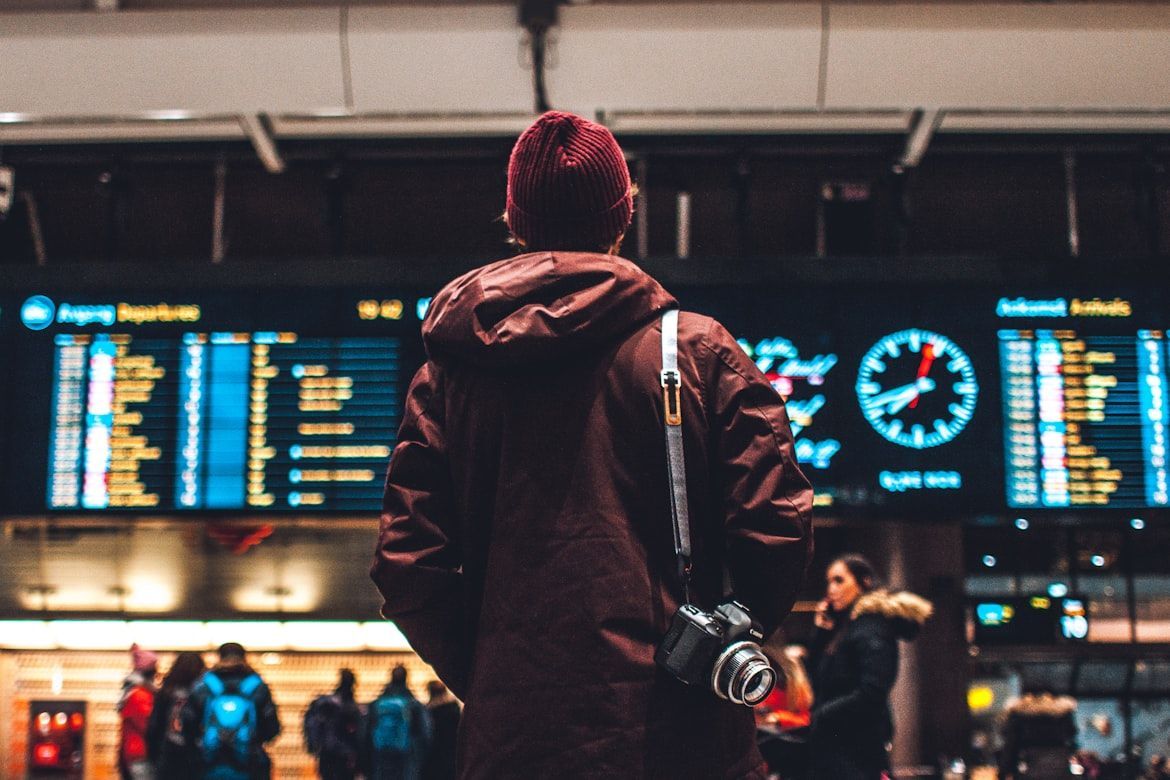

Image: Erik Odiin

Airport codes, numbers, and technical lingo might seem arcane or even random at first glance, but most have surprisingly logical origins. From international abbreviations to behind-the-scenes terms used by airport staff, there’s a whole coded world buzzing around your flight. Let’s unpack 10 of the most widely used ones.

1

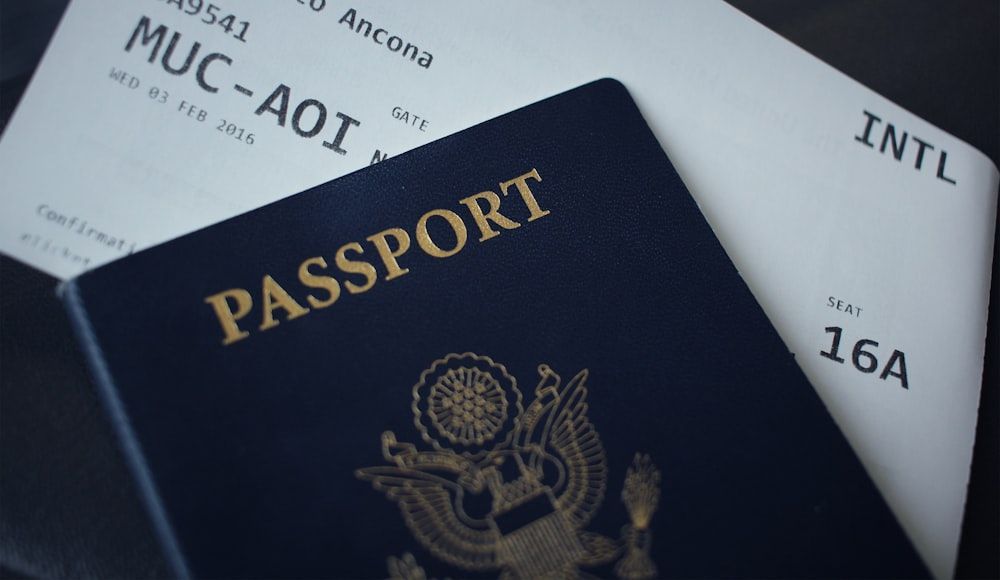
IATA airport codes

Image: Nicole Geri

IATA airport codes are those three-letter codes you see on tickets and baggage tags, like LAX for Los Angeles or JFK for New York. They're set by the International Air Transport Association (the aforementioned IATA).

These codes often reflect the airport’s name or location, but not always. Some are not as obvious, like ORD for Chicago O’Hare, which comes from its previous name: Orchard Field.

2

UN/LOCODEs (Trade and Transport Locations)
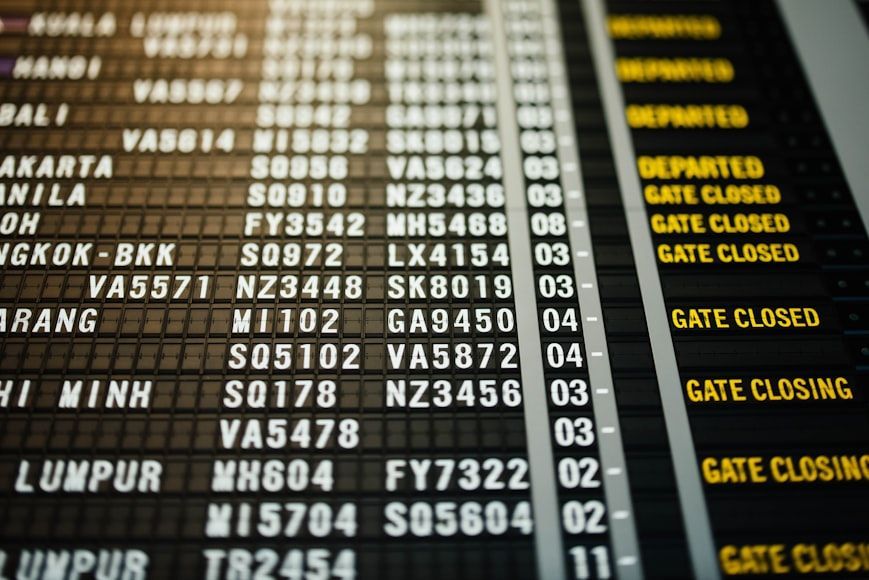
Image: CHUTTERSNAP

A relative of the IATA airport codes, UN/LOCODEs are five-character codes used in global trade and transport. They combine a two-letter country code with a three-letter location code, like USLAX for Los Angeles in the U.S.

These codes help standardize locations in shipping, logistics, and customs. You might not see them as often as airport codes, but they’re essential behind the scenes in moving goods worldwide.

3

Airport Terminal and Gate codes

Image: George Kourounis

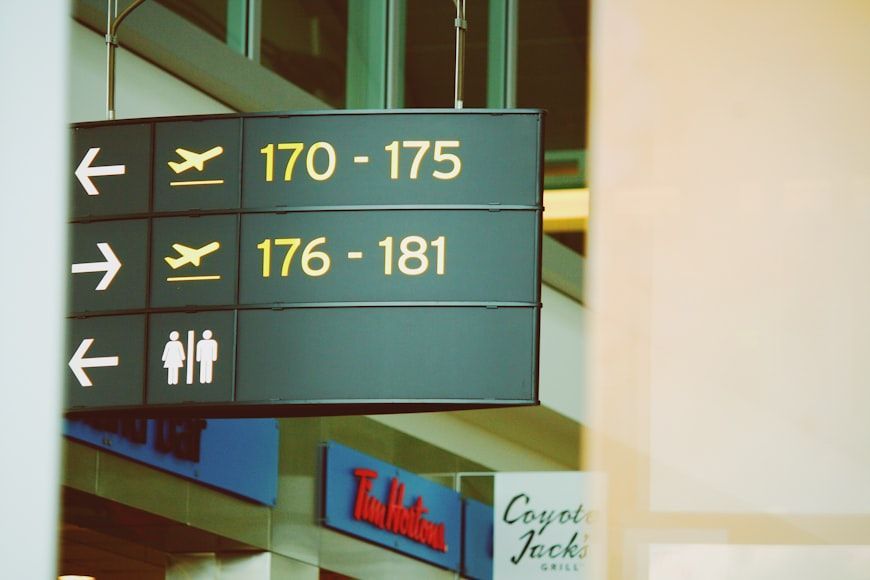
Airport terminal and gate codes help guide you through the airport. A sign like T1-G12 means Terminal 1, Gate 12.

Each airport has its own layout, so the letters and numbers can vary. Some use concourses (like B42), while others just number gates.

4

Runway designators

Image: Eduardo Cano Photo Co.

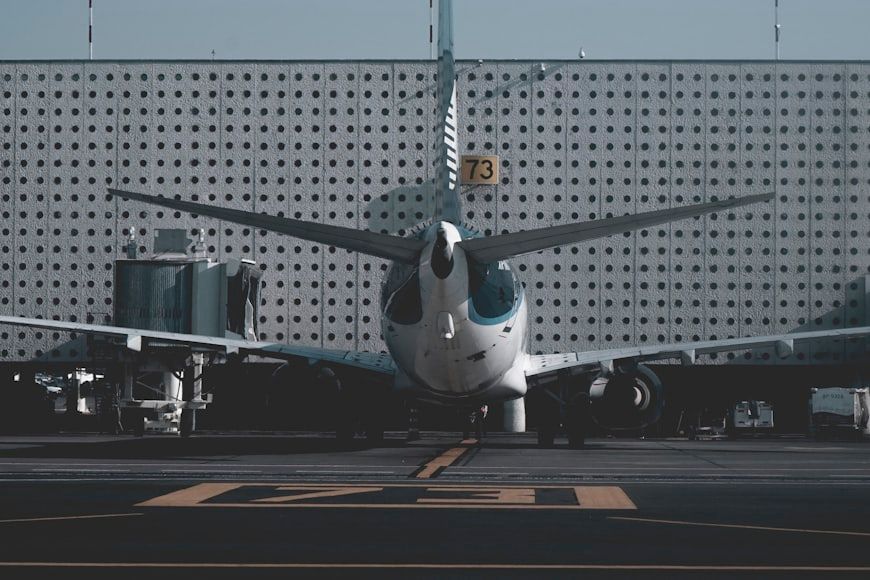
Runway designators are those numbers you see at each end of an airport runway, like 09/27. They’re based on compass directions. For example, 09 means 90°, or east, and 27 means 270°, or west.

If there are parallel runways, you’ll see letters too, like L for left or R for right (e.g., 09L/27R).

5

Airline and flight number codes

Image: Matthew Smith

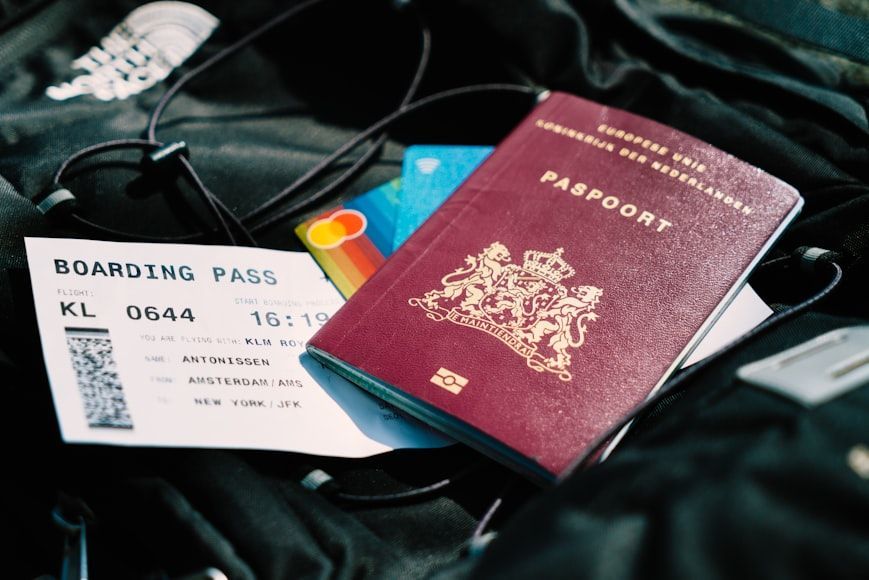
Airline and flight number codes help identify specific flights, like AA100 for American Airlines Flight 100. The first part is the airline’s IATA code, followed by a number assigned to the route.

These codes are used in schedules, boarding passes, and announcements.

6

A-CDM codes (Airport Collaborative Decision Making)
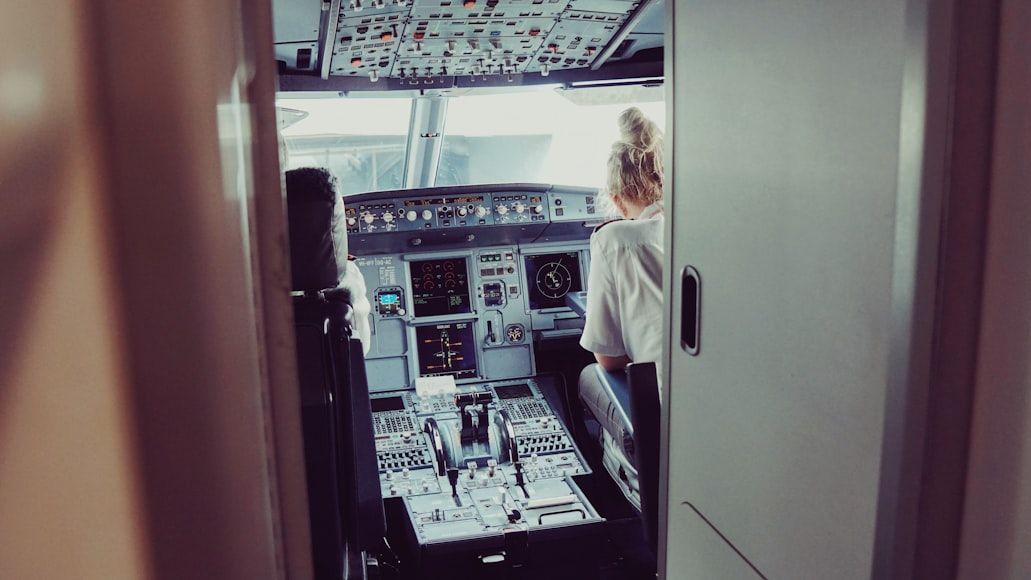
Image: Nicholas Jeffries

A-CDM codes are used at airports to help controllers and pilots work together smoothly using universal directives. They stand for Airport Collaborative Decision Making.

Some examples of these kinds of codes are TOBT (Target Off-Block Time) and TSAT (Target Start-up Approval Time), which help coordinate when planes should push back or start engines.

7

METAR/TAF airport codes (for weather reports)
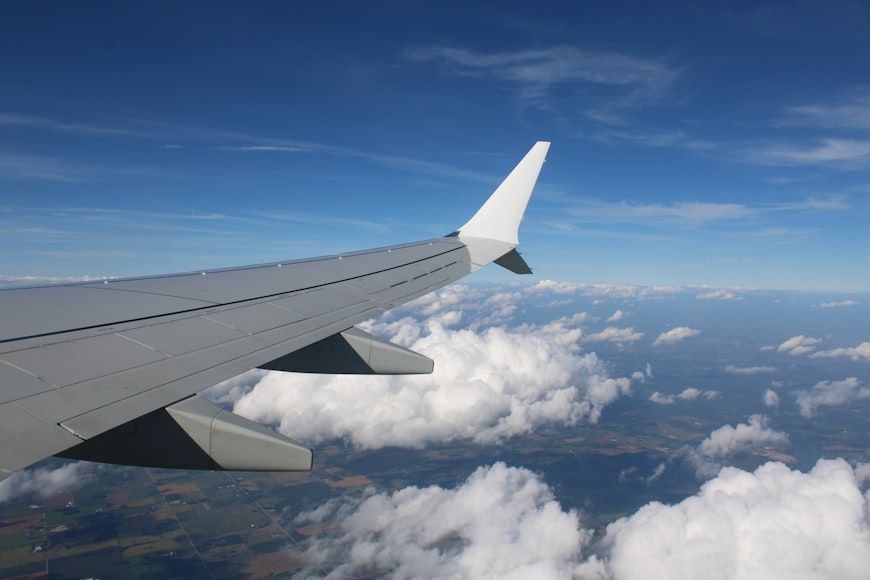
Image: Gurwinder Singh

METAR and TAF codes use ICAO airport codes to report weather conditions for pilots and flight crews. For example, EGLL is used in METAR reports for London Heathrow.

These reports include info like wind, visibility, and temperature. METARs show current weather, while TAFs give forecasts.

8

Baggage tag codes

Image: Dimitri Karastelev

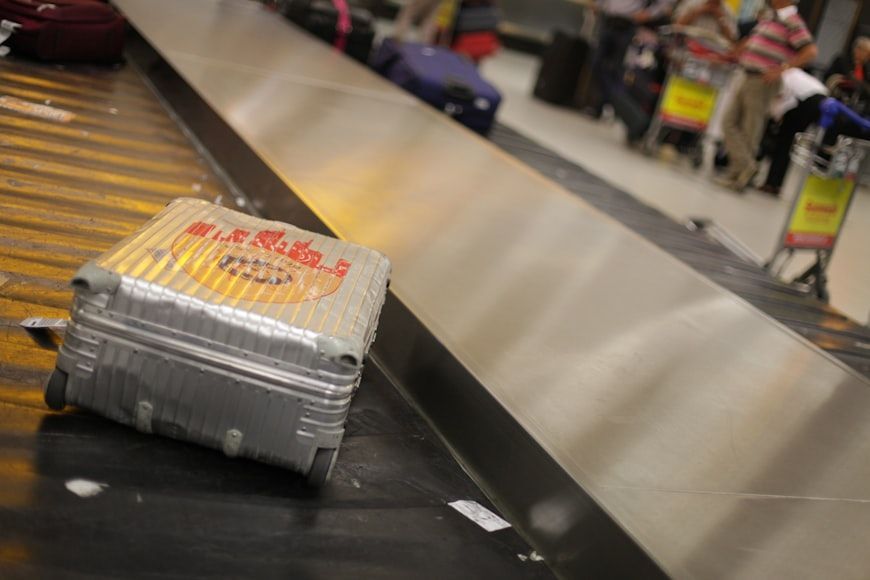
Baggage tag numbers and codes are the barcodes that are attached to the luggage when it is checked. They usually include the airport's IATA code, like LAX123456, to help route the bag correctly.

These tags let airports and airlines track bags from drop-off to arrival.

9

Flight status

Image: David

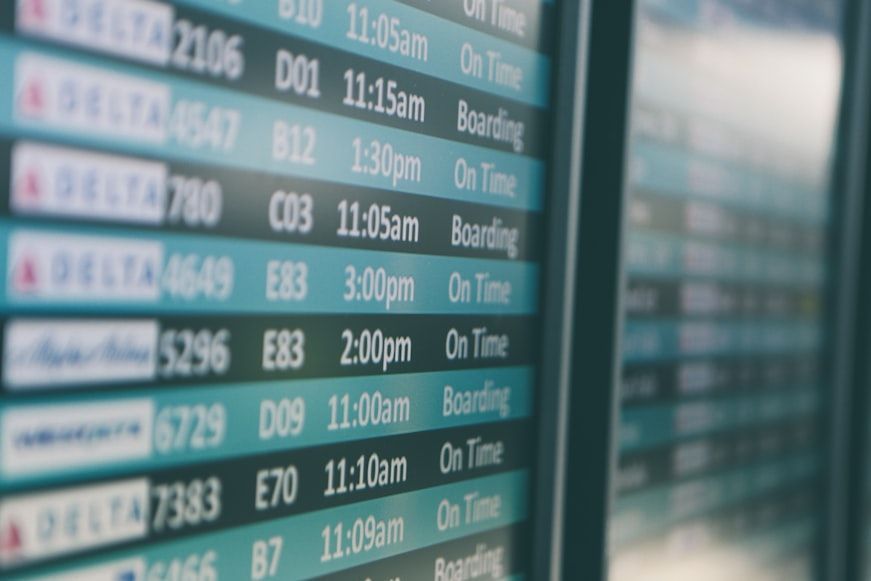
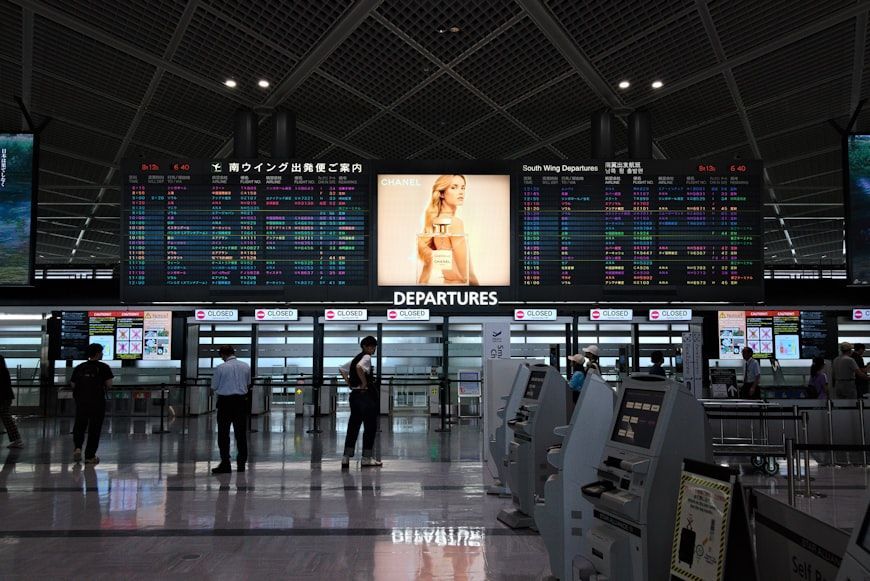
Flight status codes are seen on airport screens, like ON TIME, DELAYED, or BOARDING, to keep passengers updated. They’re simple but super helpful when you’re rushing to your gate.

Other codes can be spotted, like DEP (Departed), ARR (Arrived), ETA (Estimated Time of Arrival), and GATE CLOSED.

10

Flight number

Image: CardMapr.nl

Flight numbers help identify each flight and usually include four or five digits after the airline code. These numbers aren’t random: they often reveal details like the route, destination, or flight type.

For example, Lufthansa uses 400s for North America and 900s for Asia. Some airlines even assign numbers based on the country of origin.


ONLINE CODEX

10 Fun Facts You Didn’t Know About The History Of Emojis


Published on November 23, 2025


Image: Domingo Alvarez E

Anyone who has ever engaged in an online conversation knows that there’s an important element missing that can easily lead to misunderstandings: nuance. When we are talking, we use tonality and facial expressions to convey an important part of the meaning of what we are communicating. Emojis come to save the day, adding color, emotion, and much-needed nuance to our text-based conversations.

But where did these tiny pictographs come from, and how did they evolve into the diverse set we use today? Let's take a journey through the history of emojis and uncover some fascinating facts along the way.

1

From Japan to the World

Image: Jezael Melgoza

Emojis originated in Japan in the late 1990s, a graphical evolution from their punctuation mark-based predecessors, the emoticons. Contrary to popular belief, their name does not stem from the word emotion (like emoticons) but from the combination of the Japanese words for "picture" (e) and "character" (moji). The first set of emojis - consisting of 90 icons - was created in 1997 by SoftBank, a Japanese mobile carrier.

2

Unicode Standardization

Image: wu yi

In 2010, emojis gained global recognition when they were standardized by the Unicode Consortium, allowing them to be used across different platforms and devices. This standardization ensured that emojis would display consistently, regardless of the operating system or application.

3

More Than Just Smiley Faces

Image: chaitanya pillala

While emojis initially began with simple smiley faces and expressions, they have evolved to encompass a wide range of symbols, objects, animals, and even flags representing different countries. Today, there are over 3,000 emojis available, offering users a diverse palette for expressing themselves.

4

Emoji Adoption Worldwide

Image: Kelvin Yan

Emojis have transcended linguistic and cultural barriers, becoming a universal language of sorts. In recognition of their influence, in 2015 Oxford Dictionaries named the U+1F602 (😂) emoji, known as "face with tears of joy," the Word of the Year. From the United States to China, people around the world have incorporated emojis into their digital communication seamlessly, adding a layer of emotional context to their messages.

5

Gender and Skin Tone Representation

Image: visuals

In recent years, there has been a push for more inclusive emojis, leading to the introduction of gender-neutral options and diverse skin tones. In particular, skin tones in emojis are based on the Fitzpatrick scale for classifying human skin color, a scale designed to estimate the effects of UV light on different types of skin. When no modifier is selected, emojis are often set to the default, non-realistic, Simpson-esque yellow.

6

Popular Trends

Image: Bernard Hermant

Emojis don't just convey emotions; they reflect cultural trends and internet phenomena. Furthermore, linguists believe that as they continue to grow and develop, true emoji "dialects" will arise. And while many emoji have acquired almost standardized meanings, we could easily argue that it is already happening, as small groups of people tend to interpret and use emoji in quite different ways.

7

Emoji Day

Image: Count Chris

July 17th is celebrated as World Emoji Day, commemorating the date originally displayed on Apple’s calendar emoji (📅). Although an unofficial holiday, the festivity remains a testament to the widespread popularity and cultural impact of emojis, with events and activities held around the world to mark the occasion.

8

Emoji Linguistics

Image: Markus Winkler

According to linguists, emoji do not necessarily carry their own fixed meaning but rather act as a paralanguage, adding meaning to text. This can lead to all sorts of communication problems as emojis are translated between different cultural settings or even between different platforms. Even a seemingly universal emoji like the smiling face can convey a meaning apparently opposite to its intended meaning.

9

Emojis in Legal Cases

Image: Tingey Injury Law Firm

Emojis have even found their way into legal proceedings, with courts grappling with the interpretation and admissibility of emojis as evidence. In some cases, emojis have been used to clarify the intent behind messages or to establish a timeline of events. However, the meaning of emojis can be easily misconstrued, as their interpretation often varies from user to user. For example, in a 2004 case regarding alleged industrial espionage, an email that referred to a "spy" within one of the involved companies was dismissed as evidence of criminal intent due to the usage of a smiley face emoji, suggesting it was a playful comment rather than a serious message.

10

Shaping Modern Communication

Image: James Lee

Emojis have fundamentally changed the way we communicate in the digital age, even influencing the way we think. Psychologists have found that emojis can activate the same brain regions that are responsible for processing emotions. Also, they effectively change how messages are read and perceived, sometimes helping to soften or emphasize the information. In a highly visual world, emojis seem to be a highly successful addition to our written language, making communication faster and more efficient regardless of the medium.

Looking for an extra scoop of literary fun?

Learn more with our Word of the day

imbroglio

/ɪmˈbroʊljoʊ/