Why do cats knock objects off tables and shelves? 10 frustrating habits


Published on May 27, 2026
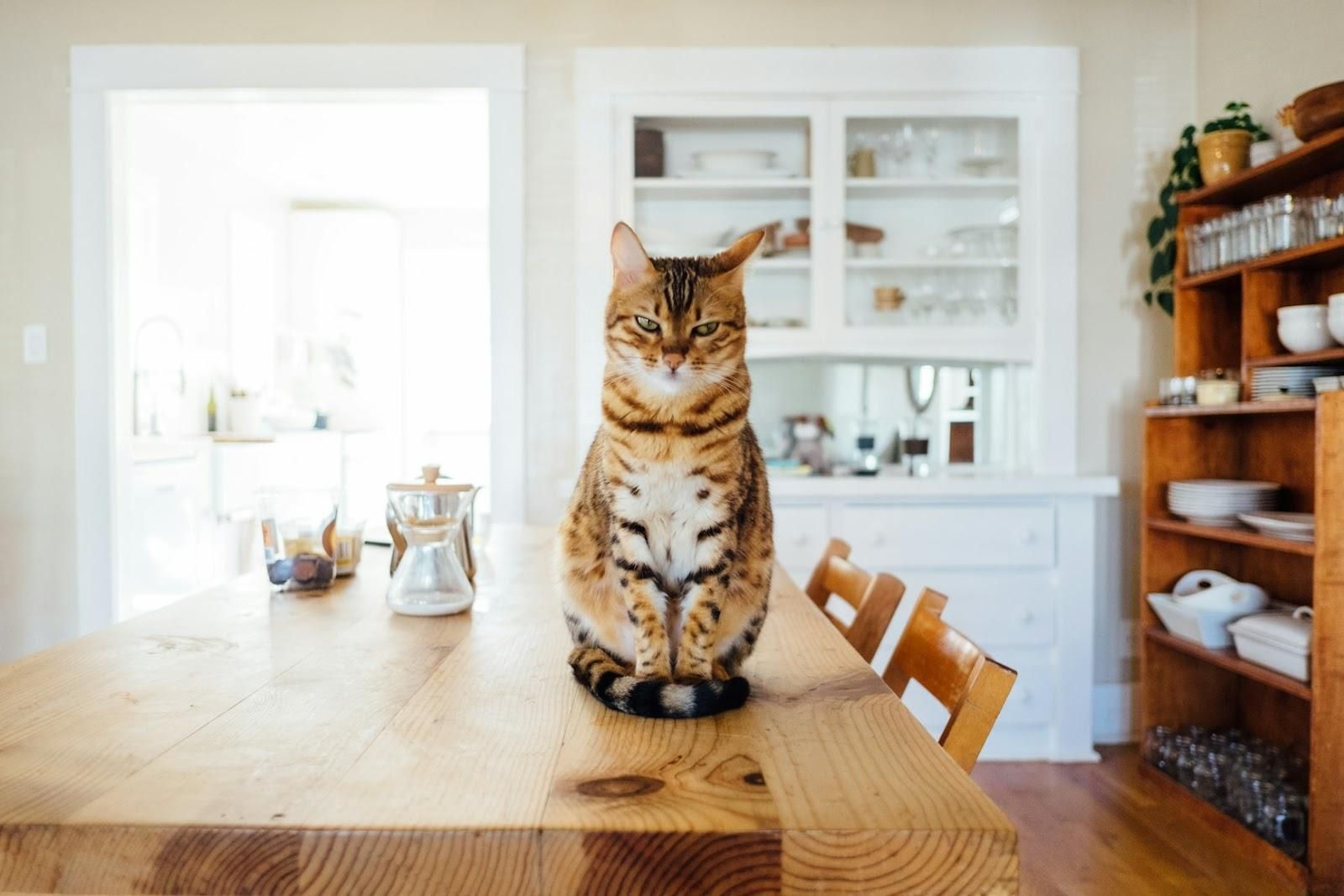

Image: Paul Hanaoka

Cats often get a reputation for being difficult, distant, or unreliable pets. People who grew up with dogs sometimes describe them as cold, stubborn, or uninterested in pleasing anyone. This list looks at familiar cat behaviors that can feel frustrating at first, especially to new owners. Seen more closely, these same traits help explain why cats fit comfortably into many homes and why millions of people continue to choose them as companions year after year. Continue reading to discover that your cat truly loves you!

1

They ignore you when you call them

Image: Cats Coming

Calling a cat by name and getting no response is a common experience. Unlike dogs, cats rarely come running just because they are called. This can feel dismissive, even rude, to owners who expect a pet to respond on cue.

What’s often overlooked is that cats evolved as mostly solitary hunters. They did not develop social behaviors centered on following leaders or responding to group signals. Studies and everyday observation show that cats can recognize their names and the sound of their owner’s voice, but they decide for themselves whether to react or not. For many people, this independence means fewer demands for constant interaction and a pet that is comfortable spending time on its own.

2

They knock objects off tables and shelves
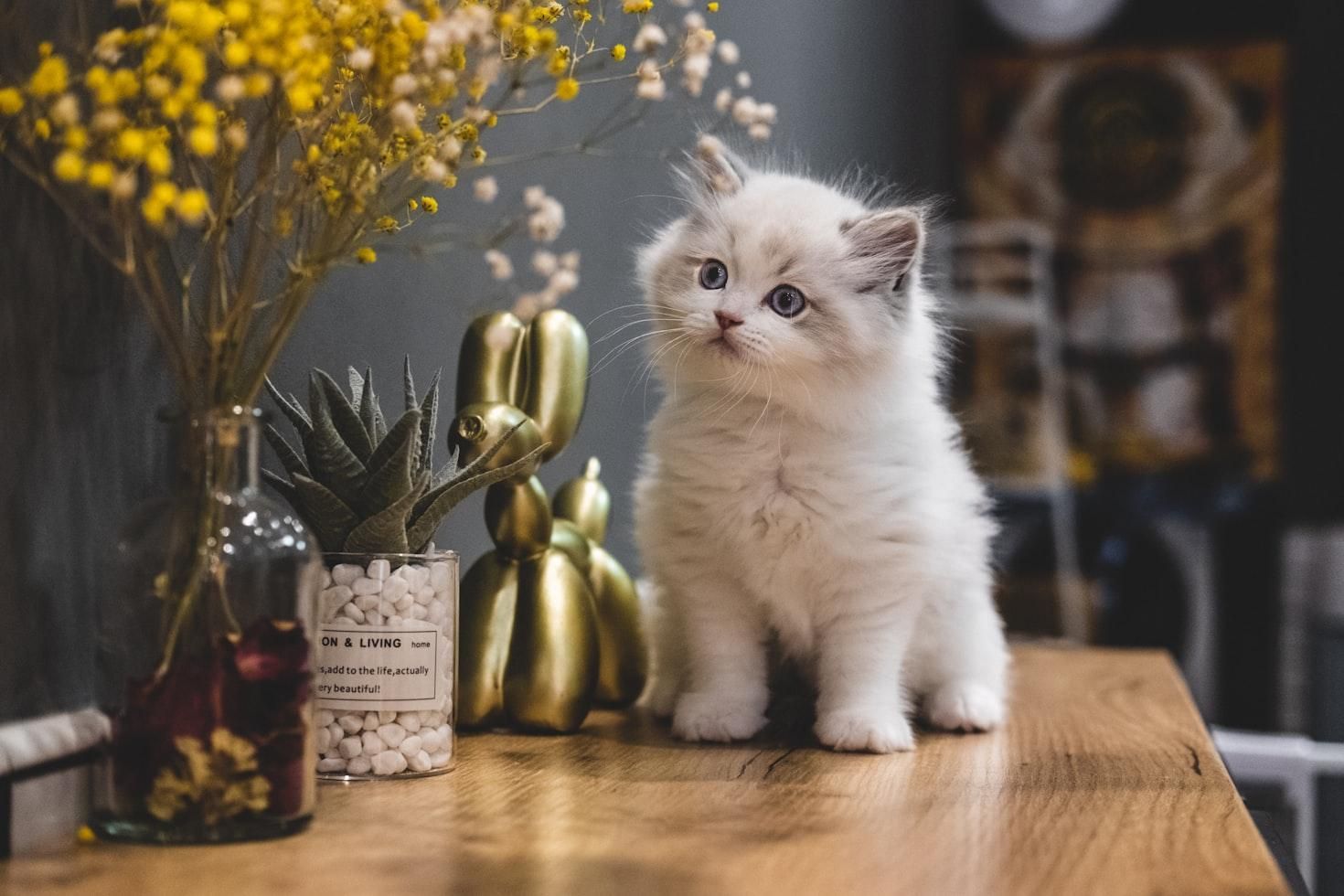
Image: Steve Tsang

Many cat owners know the sound: a slow tap, a pause, and then a cup or pen sliding off the edge of a table. Cats often push objects while watching closely, as if waiting for the result.

This behavior is tied to curiosity and learning. Cats use their paws to test how objects move, whether they roll, wobble, or fall. This kind of testing is connected to hunting instincts, where judging motion and distance matters. While it can be annoying, it also shows that cats stay mentally engaged with their environment instead of simply reacting to commands or routines.

3

They seem more attached to places than people
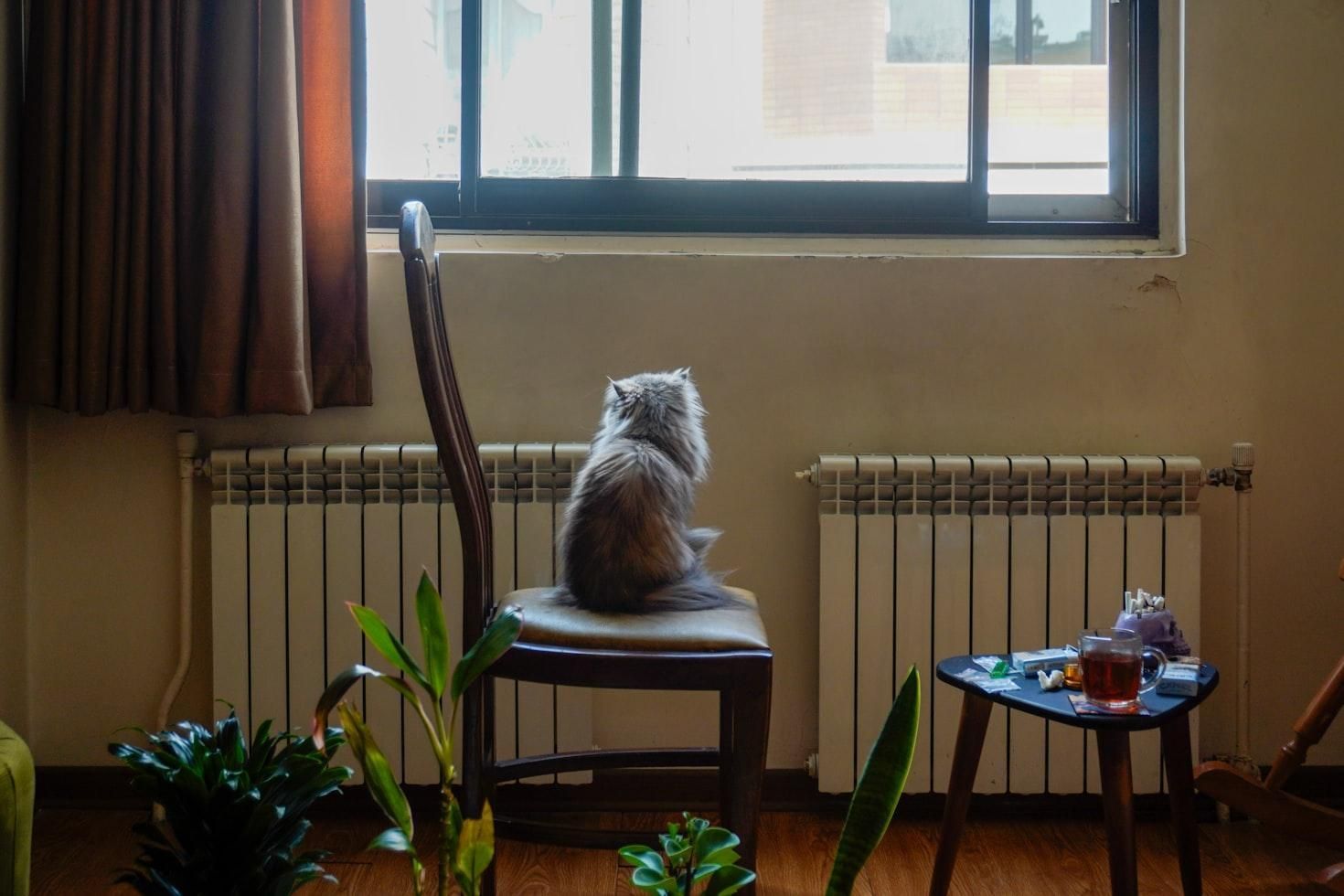
Image: Odile

Some cats appear deeply committed to a favorite chair, window, or room, while paying less attention to following their owners around the house. This can be mistaken for emotional distance.

In reality, cats rely heavily on familiar spaces. Territorial behavior is well documented in feline behavior, and known areas provide safety and predictability. Many cats show affection by choosing to remain near trusted people within these familiar spots. Staying close without constant contact is often how cats express comfort and attachment. It looks like indifference. It usually isn’t.

4

They are difficult to train

Image: Piotr Musioł

Cats can learn routines, such as using a litter box or recognizing feeding times, but they rarely perform tricks or tasks simply to please people. Compared to dogs, they are often labeled "untrainable." Domestication helps explain this difference. Cats were domesticated much later than dogs and retained more independent behavior. Dogs were bred over thousands of years for cooperation with humans, while cats largely adapted themselves to human environments. For many owners, this means living with an animal whose behavior feels consistent and self-directed, rather than shaped by constant training.

5

They sleep for hours at a time

Image: Francesco Ungaro

Adult cats sleep a lot—often 12 to 16 hours a day. This pattern comes from their natural rhythm as predators that conserve energy between short periods of activity. Instead of constant attention-seeking, cats rest when nothing demands their focus. For many households, this makes cats easier to live with, especially for people who value quiet or spend part of the day away from home.

6

They can be picky about food

Image: Piotr Musioł

Cats frequently refuse foods that dogs would eat without hesitation. They are obligate carnivores, meaning their bodies are designed to rely on nutrients found primarily in meat. They require specific amino acids that plant-based foods do not provide. Their selectiveness reflects a digestive system shaped by evolution, not stubbornness. Once owners understand this, feeding routines often become simpler and more predictable.

7

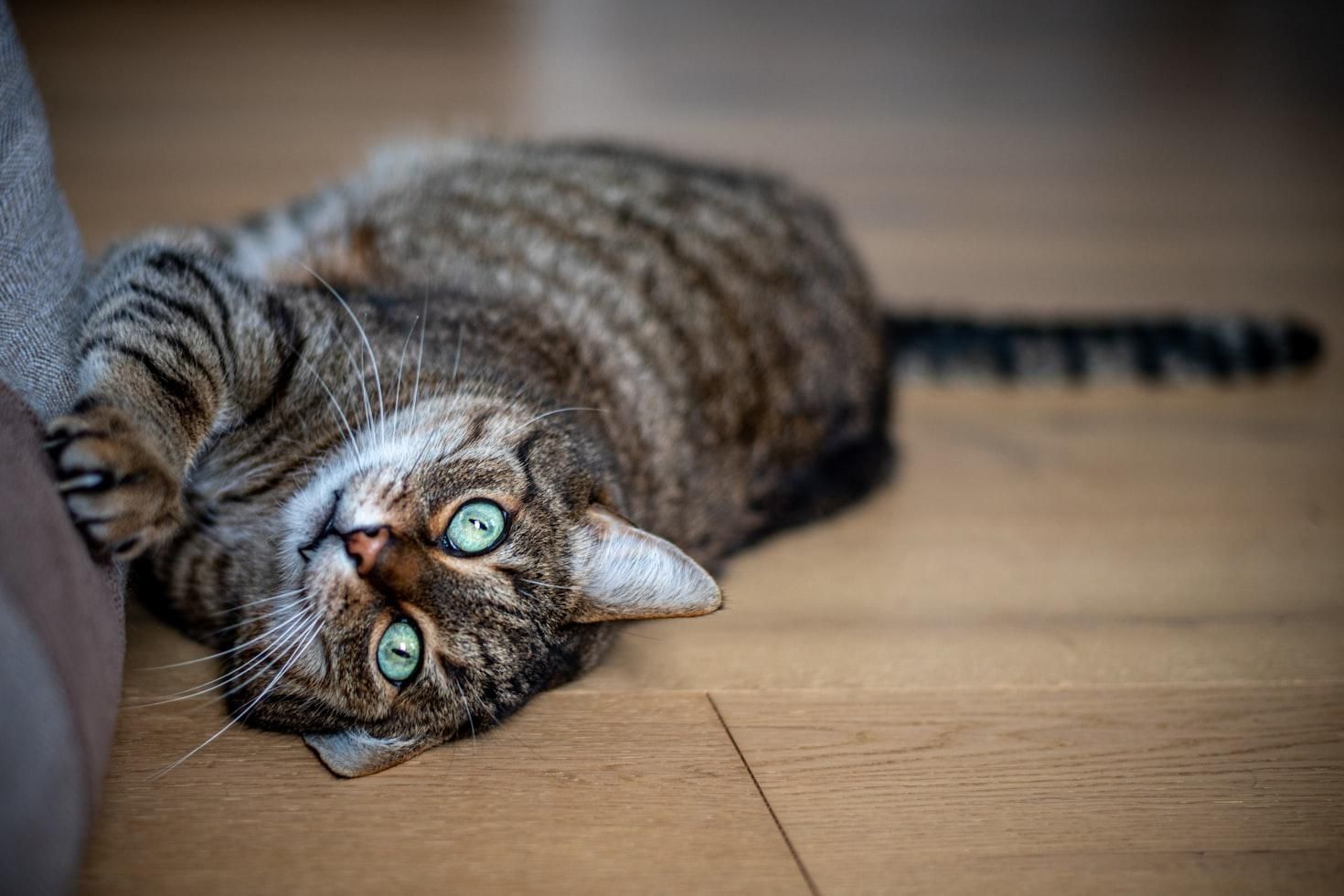
They scratch furniture

Image: Daniel Zopf

Every new couch seems to be noticed immediately. Scratching furniture is one of the most common complaints about cats: sofas, chairs, and rugs often suffer. Scratching serves several purposes. It helps cats stretch muscles, maintain claw health, and mark territory using scent glands in their paws. While scratching can damage household items, the behavior itself supports physical comfort and well-being. Providing appropriate scratching surfaces allows cats to meet this need without constant correction.

8

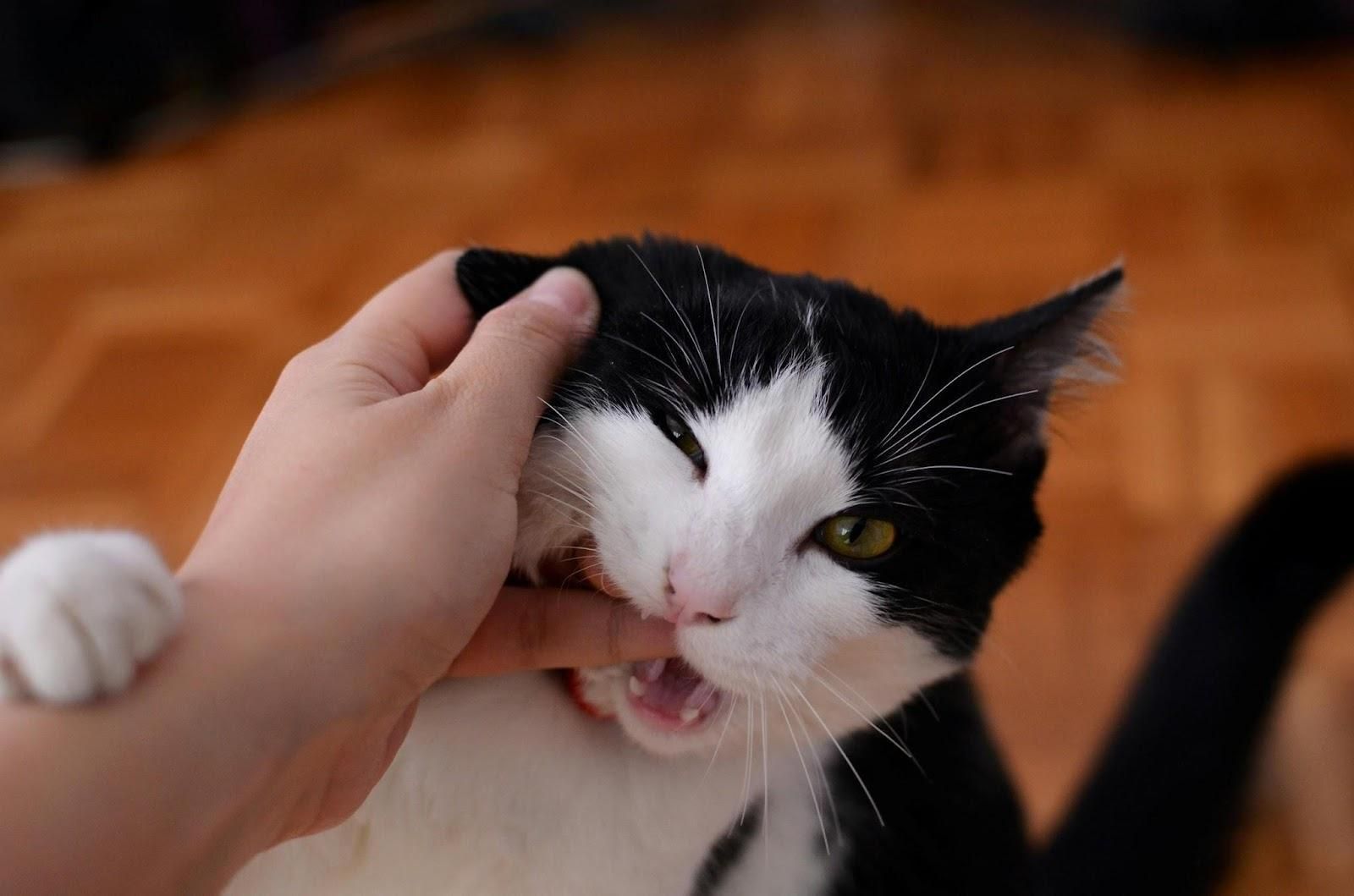
They bite or nip without warning

Image: Crina Doltu

Some cats nip during play or petting, especially when stimulation becomes too intense. It feels personal, but it rarely is. In many cases, cats show subtle warning signs first, such as tail flicking, ear movement, or muscle tension. Overstimulation, particularly around sensitive areas like the tail or lower back, triggers these reactions. Owners who learn to read these signals often find that cats communicate boundaries clearly and consistently.

9

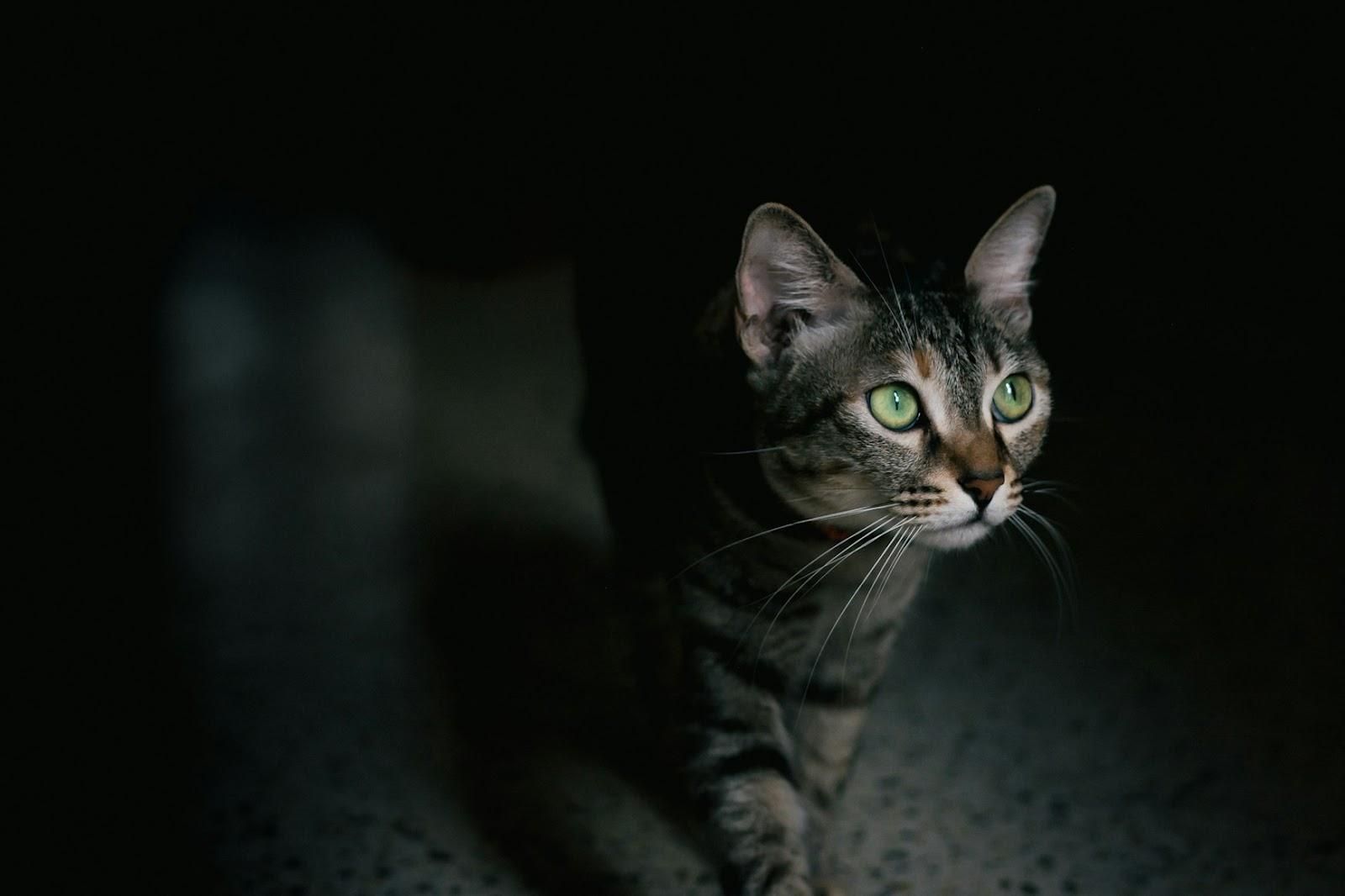
They wake you up at night

Image: Gayatri Malhotra

Cats are often active early in the morning or late at night, which can interrupt your sleep. This crepuscular pattern comes from hunting instincts, as small prey animals are active at those times. Even indoor cats retain this rhythm. While it doesn’t always align with human sleep schedules, it also means cats can go about life without constant attention during the day, when many households are busiest.

10

They act indifferent, then suddenly seek affection
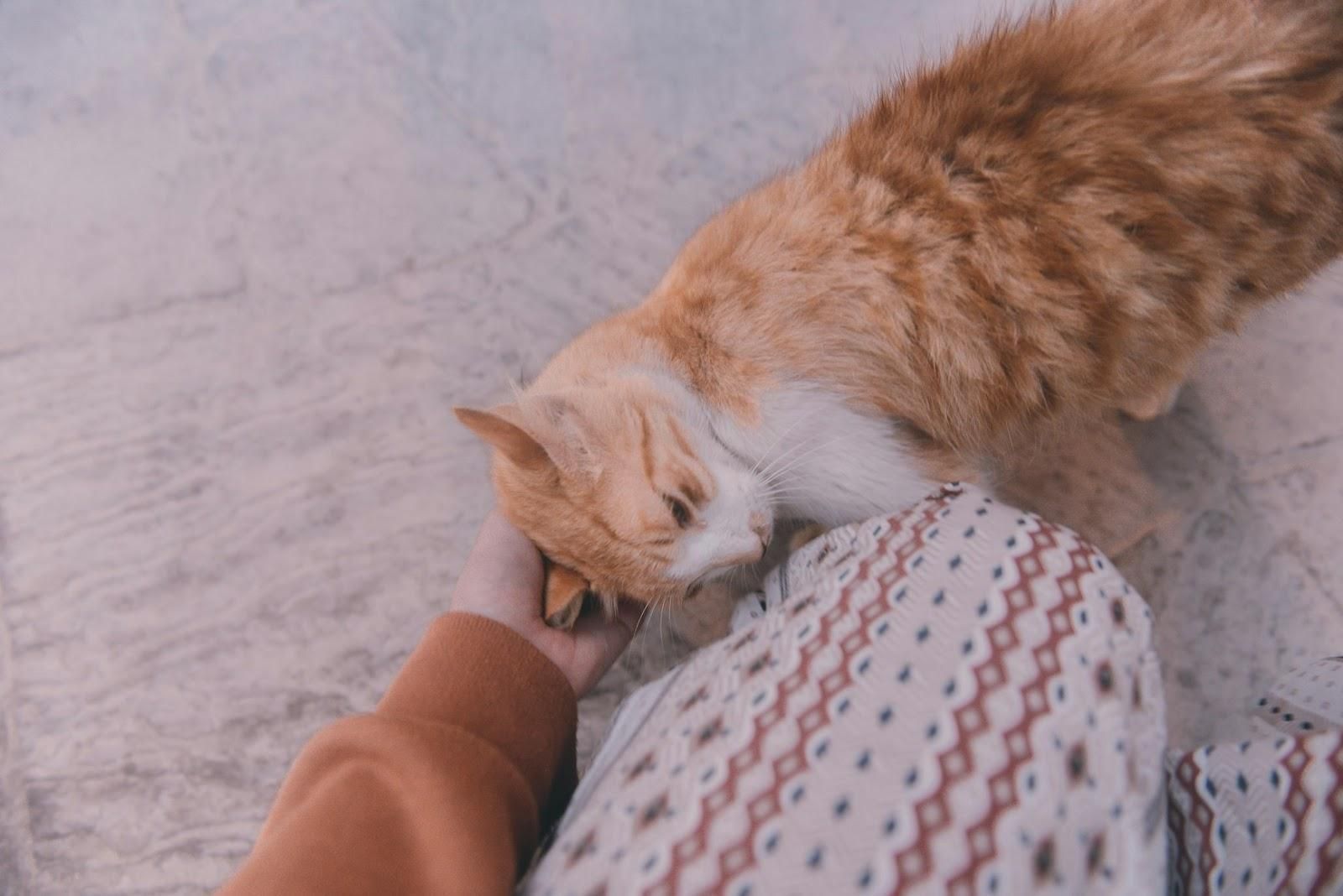
Image: Meiying Ng

Cats may ignore attention for long periods and then suddenly want closeness. This shift can feel confusing or inconsistent. They usually approach people when they feel calm and secure. Affection offered on their terms often feels different—and more noticeable—than affection given on demand. For many owners, these moments feel meaningful precisely because they happen by the cat’s choice rather than by routine or training.



Words we use every day, but we still can’t trace back


Published on May 27, 2026


Have you ever stopped to wonder where our everyday words actually come from? You might be surprised to learn that dude started as a way to poke fun at men who were too fastidious about their outfits. Or that we owe the word hello to Thomas Edison, who thought it was a much better choice than Alexander Graham Bell’s suggestion, "ahoy" for telephone calls. Even the word OK is the lone survivor of an 1830s game of misspelled phrases. Let's explore the hidden stories behind the words we think we know so well.

1

Dude

Image: BHAVIN AHIR

Picture New York City in the early 1880s. Back then, dude was used to describe a "fastidious man," essentially a guy obsessed with his clothes and appearance. Some researchers believe it was actually a shortened version of "Yankee Doodle," referring to the character in the famous patriotic song. It was also used to make fun of people following the "aesthetic" fashion craze of the 1880s.

In the late 1800s, a dude was any Easterner who showed up looking a little too clean in the Western region of the US. From this, we get the term dude ranch, which was first recorded around 1921 to describe ranches that hosted these city-dwelling tourists for pay. It wasn't until the mid-1960s, in African-American jargon, that dude began to lose its negative edge and became a way to refer to any male.

2

Hello

Image: Pablo Gentile

While it feels like it’s been around forever, hello is actually a relatively young word. Its first known appearance dates back to 1826, in a Connecticut newspaper. Linguists believe it grew out of words like "hallo" or "hollo," which were used as loud calls to get a ferryman’s attention across a river or to urge hunting dogs forward.

It’s often said that Alexander Graham Bell, the inventor of the telephone, wanted people to answer the telephone with "ahoy!", but American inventor Thomas Edison pushed for "hello" as a clearer option. His version caught on, and soon telephone operators were known as "hello girls," helping turn the word into the everyday greeting we still use today.

3

OK

Image: boris misevic

Have you ever stopped to wonder where the word OK comes from? It first appeared in 1839 as the unique survivor of US slang. During this time, it was a common joke to use abbreviations for phrases based on deliberate misspellings. For example, people would use "N.C." for "enough said" as if it were spelled "nuff ced," or "K.Y." for "no use" as if it were "know yuse." And "OK" was used for "oll korrect".

This term was later popularized during the 1840 presidential election by the "OK Club," supporters of Martin "Old Kinderhook" Van Buren, and stuck because it provided a practical way to authorize documents. In 1919, Woodrow Wilson used the spelling "okeh" under the mistaken belief that it came from a Choctaw word meaning "it is so," though there was no historical evidence to support this. That version was eventually replaced by the modern spelling "okay" appeared in 1929.

4

Jazz

Image: Jens Thekkeveettil

The word jazz first appeared in American English around 1912, and it actually started as baseball slang rather than a musical term. In those early days, sports writers in California used it to describe something "lively" or "energetic," which is a meaning we still carry today when we say we want to "jazz something up." It likely grew out of the 1860s slang word jasm, which meant energy, vitality, or spirit, or from even an older word, gism, which carried a similar meaning in the mid-1800s.

The term was first applied to a new style of music in Chicago in 1915, specifically referring to Tom Brown’s all-white band from New Orleans. By 1918, the word also began to mean "unnecessary talk" or "rubbish," and the famous phrase "all that jazz," meaning "et cetera," was eventually recorded around 1939.

5

Quiz

Image: Nguyen Dang Hoang Nhu

The origin of this word is not clear, but what is certain is that in the late 1700s, a quiz wasn't a test; it was a person. It was slang for someone who acted or dressed differently from the rest. By the 1840s, this grew into a common schoolboy prank where students would play jokes at the expense of someone they considered a quiz. Eventually, the meaning shifted toward the idea of a "puzzling question" designed to make someone look a bit foolish.

Around 1852, the word was used to describe a brief examination of a student. These early quizzes were usually oral and were designed to be a "thorough review" of lectures. By 1853, medical schools even had "quiz classes," where a system of close questioning was used to help students become familiar with their subjects in a way they couldn't get anywhere else.

6

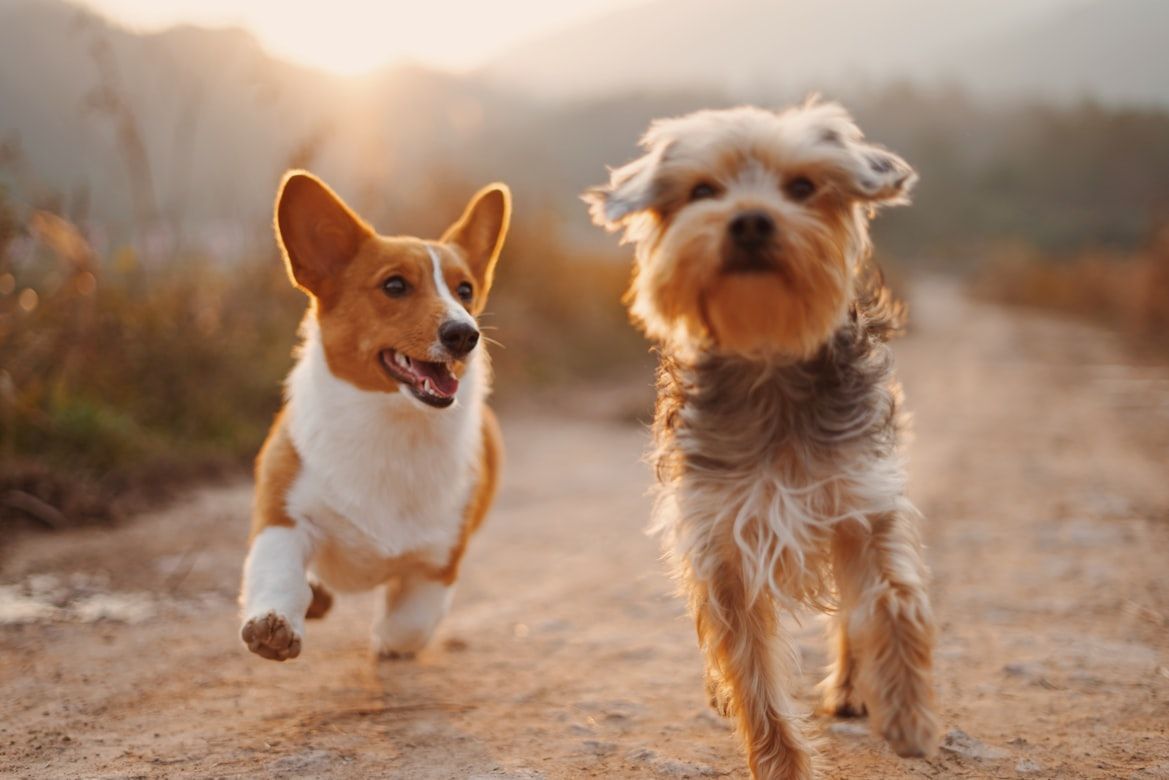
Dog

Image: Alvan Nee

Where does the word dog come from? The answer is still a mystery. The word docga is traced in some English as a reference to a powerful breed of canine, but the roots of the term have not been found yet.

It has replaced the terms hound, related to the German word hund, and cur, related to the German word korren, for growling. However, by the 16th century, the word dog was adopted in many continental countries: French dogue, Danish dogge, and German Dogge. What is more, in Spanish, they use the word perro for dog, and it also has an unknown origin. Were these terms first used as slang or nicknames?

7

Boy

Image: Ben den Engelsen

Back in the mid-1200s, the word boy didn’t mean a child at all; it was used for a "servant," "commoner," or even a "troublemaker." By around 1300, it could also mean a "rascal" or "young criminal," and only by the mid-1300s to 1400 did it start to be used for a male child.

Although there are a few theories, its exact origin is still unknown. Some link it to Old French and Latin words related to servants. Linguist Anatoly Liberman even suggests it may come from a mix of a sound for an evil spirit and a baby word for brother. In places like Ireland, Cornwall, and the American West, boy could simply mean man. From around 1600, it was also used for enslaved or servant men, no matter their age.

8

Bad

Image: MeSSrro

We are used to seeing the term bad as the direct antithesis of good. But has it always been like that? The answer is negative. The direct opposite of good was originally evil until the 1700s, and bad was used less frequently.

It also has no other language relations. It is believed to be from the Old English derogatory term baeddel and its diminutive baedling, meaning "effeminate man, hermaphrodite, predrast," which are probably related to baedan, meaning "to defile."

9

Big

Image: Andrew Jenkins

Another word in the ‘origin unknown’ category is big. The word was first registered in the 13th century in writings from northern England and the North Midlands, with a sense of "powerful; strong." It is believed to have roots in a Scandinavian source, where the term bugge means "great man" in Norwegian dialect_._

Big started to be part of the English daily vocabulary in the 1400s, meaning "of great size," "full-grown, grown up," or "important, influential, powerful". In the 1500s, the sense of "haughty, inflated with pride" was added, and by 1913, it was also used to mean "generous."

10

Girl

Image: Christopher Campbell

Around the 1300s, the word girl (spelled gyrle) meant "a child or young person," and it could refer to both boys and girls, although it was used more often for females. Its exact origin is unknown, but the Oxford English Dictionary suggests it may come from a lost Old English word (gyrele). This possible root is linked to similar words in Germany, Norway, and Sweden, all meaning "small child."

Over time, the meaning changed. By the late 1300s, girl began to mean specifically a female child. By the mid-1400s, it was also used for a young unmarried woman. In the 1640s, it could mean "sweetheart," and by 1826, old girl was used for women of any age.

Looking for an extra scoop of literary fun?

Learn more with our Word of the day

clumsy

/ˈkləmzi/