Why do cats knock objects off tables and shelves? 10 frustrating habits
Published on May 27, 2026
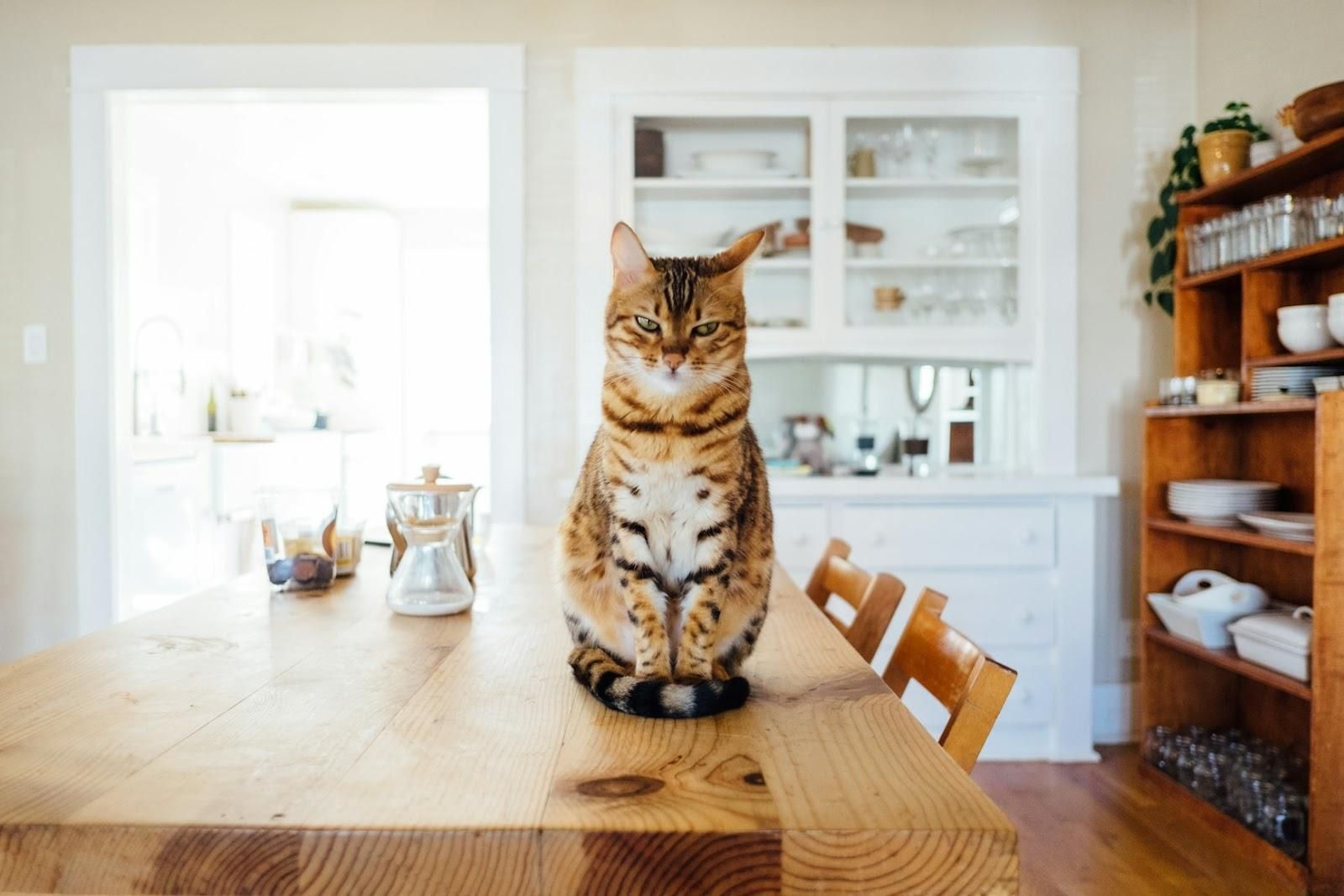
Cats often get a reputation for being difficult, distant, or unreliable pets. People who grew up with dogs sometimes describe them as cold, stubborn, or uninterested in pleasing anyone. This list looks at familiar cat behaviors that can feel frustrating at first, especially to new owners. Seen more closely, these same traits help explain why cats fit comfortably into many homes and why millions of people continue to choose them as companions year after year. Continue reading to discover that your cat truly loves you!
They ignore you when you call them
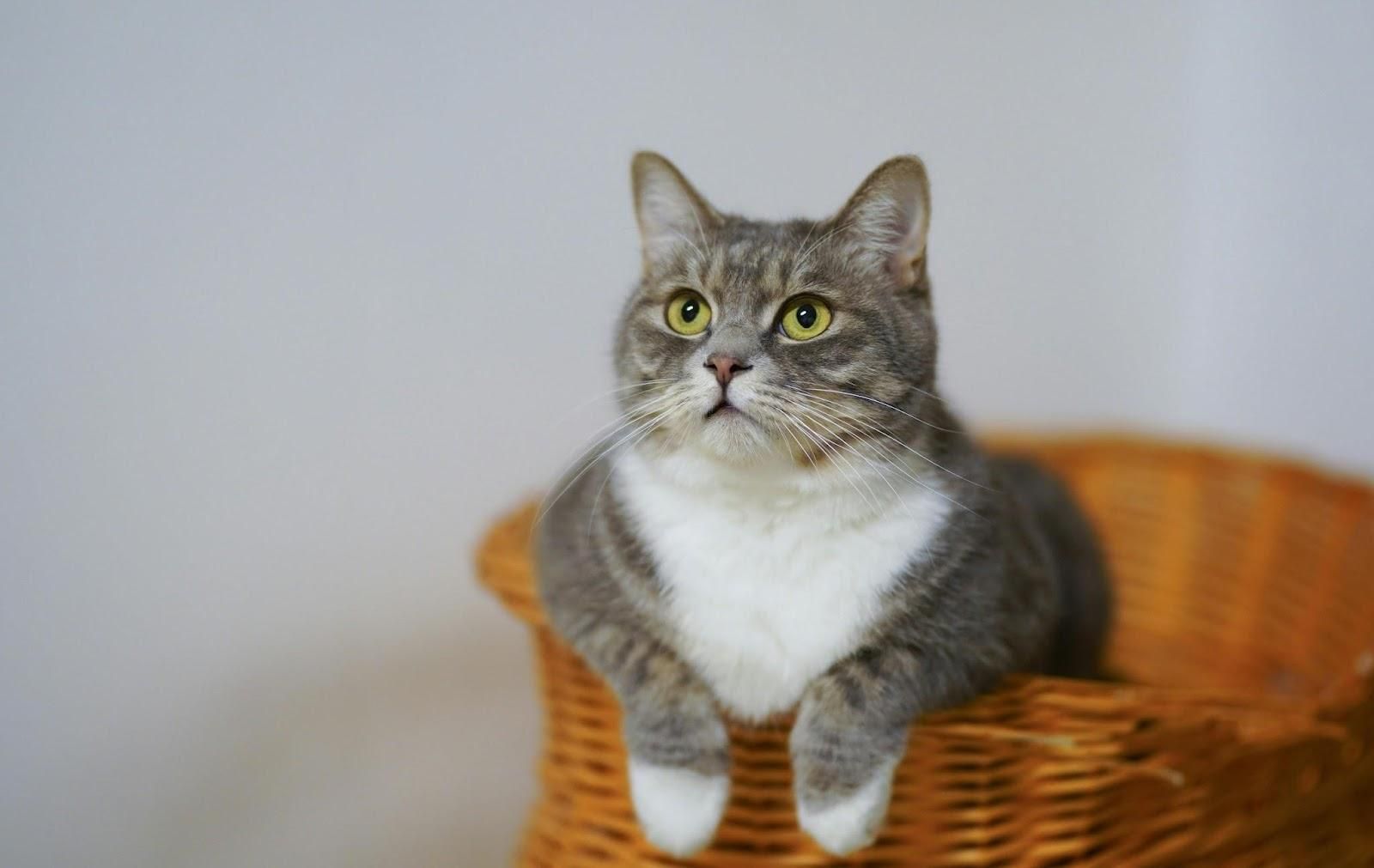
Calling a cat by name and getting no response is a common experience. Unlike dogs, cats rarely come running just because they are called. This can feel dismissive, even rude, to owners who expect a pet to respond on cue.
What’s often overlooked is that cats evolved as mostly solitary hunters. They did not develop social behaviors centered on following leaders or responding to group signals. Studies and everyday observation show that cats can recognize their names and the sound of their owner’s voice, but they decide for themselves whether to react or not. For many people, this independence means fewer demands for constant interaction and a pet that is comfortable spending time on its own.
They knock objects off tables and shelves
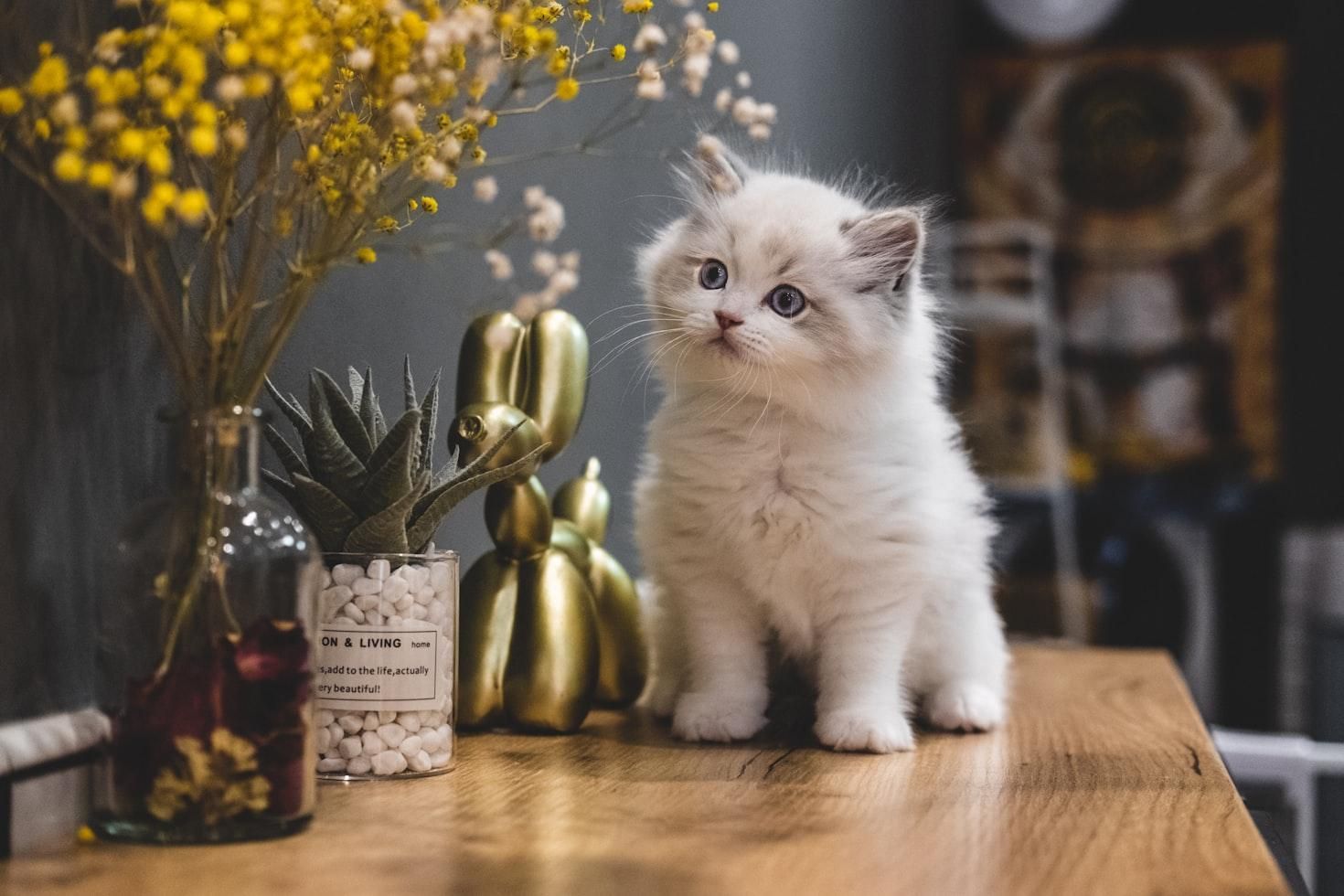
Many cat owners know the sound: a slow tap, a pause, and then a cup or pen sliding off the edge of a table. Cats often push objects while watching closely, as if waiting for the result.
This behavior is tied to curiosity and learning. Cats use their paws to test how objects move, whether they roll, wobble, or fall. This kind of testing is connected to hunting instincts, where judging motion and distance matters. While it can be annoying, it also shows that cats stay mentally engaged with their environment instead of simply reacting to commands or routines.
They seem more attached to places than people
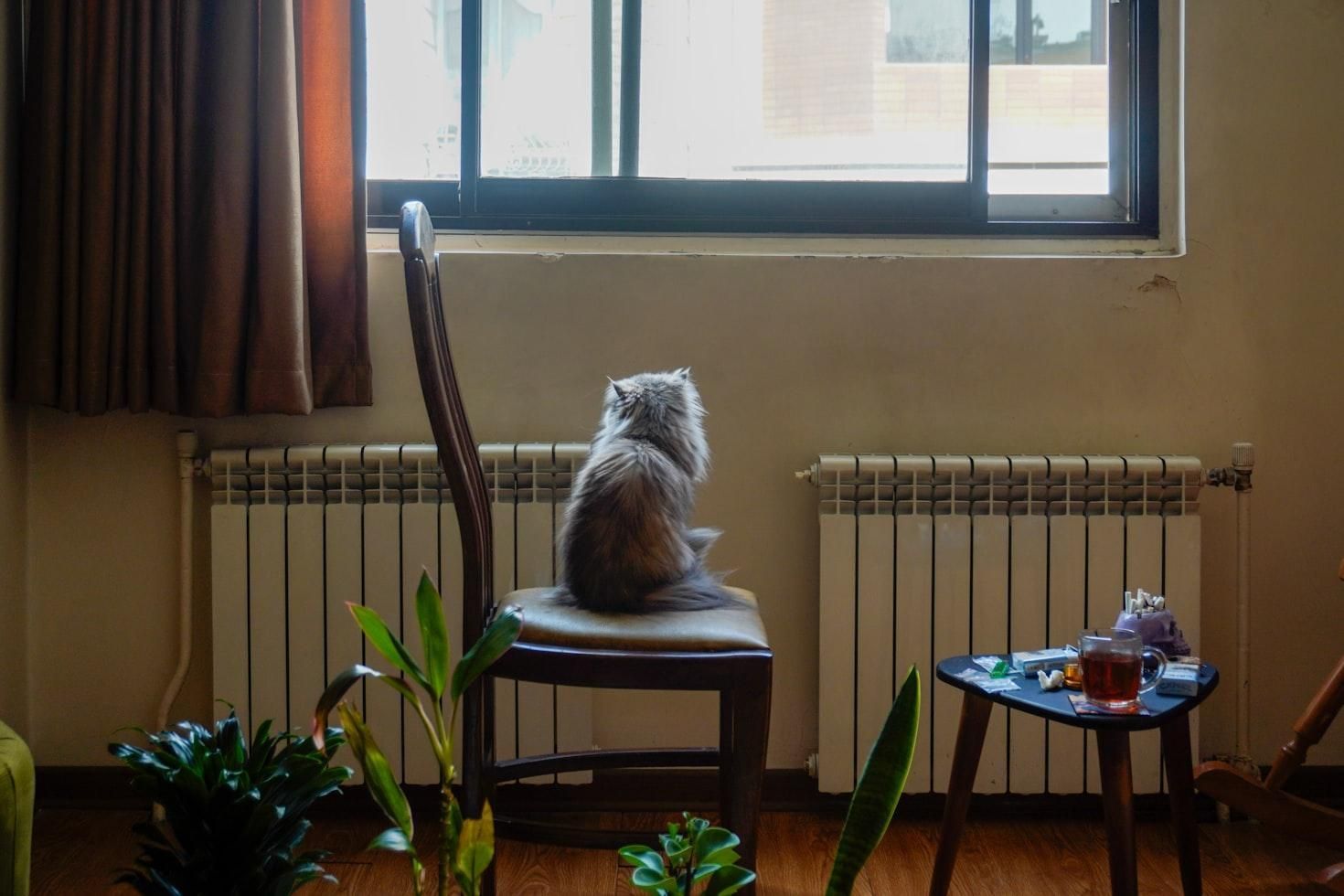
Some cats appear deeply committed to a favorite chair, window, or room, while paying less attention to following their owners around the house. This can be mistaken for emotional distance.
In reality, cats rely heavily on familiar spaces. Territorial behavior is well documented in feline behavior, and known areas provide safety and predictability. Many cats show affection by choosing to remain near trusted people within these familiar spots. Staying close without constant contact is often how cats express comfort and attachment. It looks like indifference. It usually isn’t.
They are difficult to train

Cats can learn routines, such as using a litter box or recognizing feeding times, but they rarely perform tricks or tasks simply to please people. Compared to dogs, they are often labeled "untrainable." Domestication helps explain this difference. Cats were domesticated much later than dogs and retained more independent behavior. Dogs were bred over thousands of years for cooperation with humans, while cats largely adapted themselves to human environments. For many owners, this means living with an animal whose behavior feels consistent and self-directed, rather than shaped by constant training.
They sleep for hours at a time
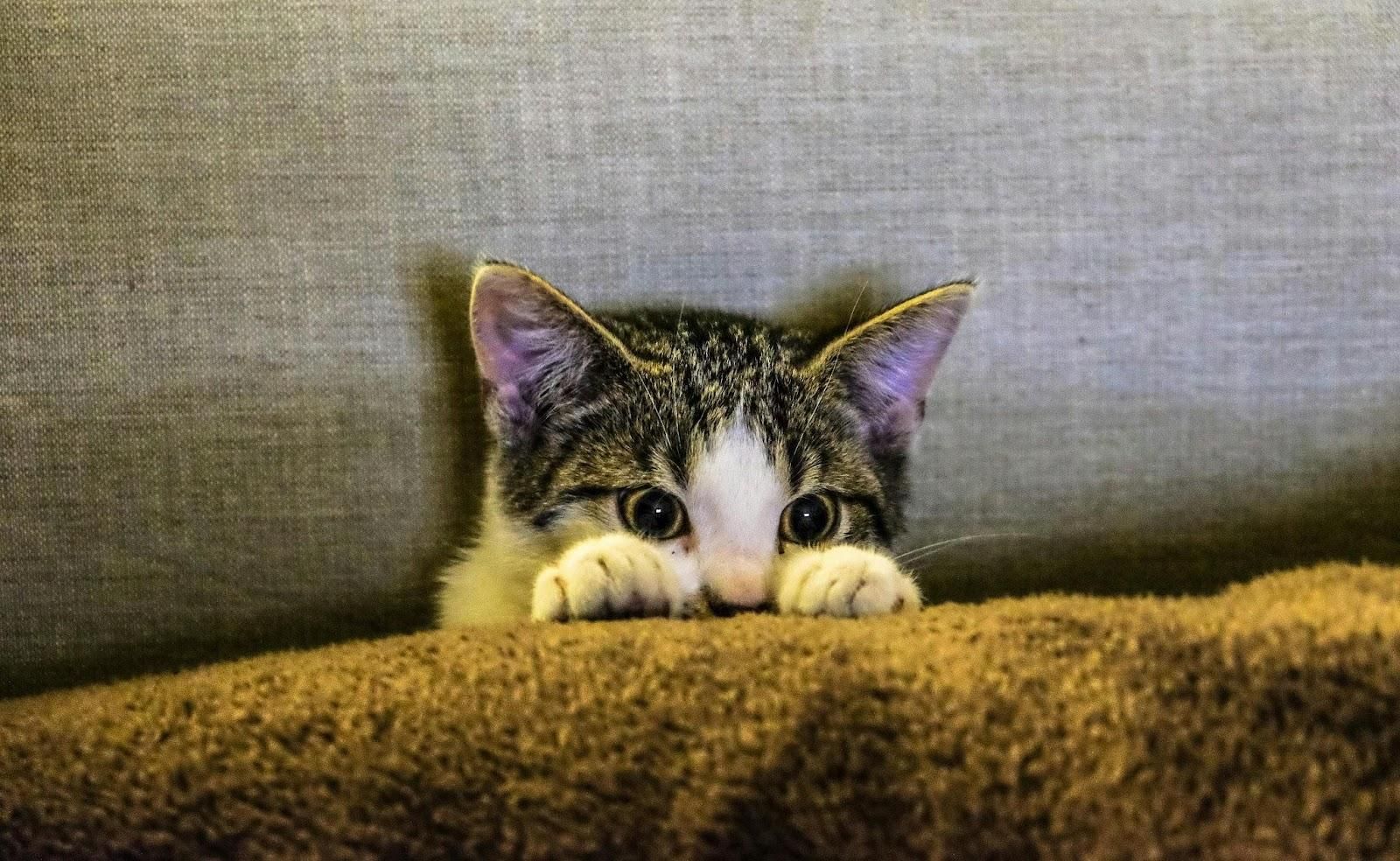
Adult cats sleep a lot—often 12 to 16 hours a day. This pattern comes from their natural rhythm as predators that conserve energy between short periods of activity. Instead of constant attention-seeking, cats rest when nothing demands their focus. For many households, this makes cats easier to live with, especially for people who value quiet or spend part of the day away from home.
They can be picky about food

Cats frequently refuse foods that dogs would eat without hesitation. They are obligate carnivores, meaning their bodies are designed to rely on nutrients found primarily in meat. They require specific amino acids that plant-based foods do not provide. Their selectiveness reflects a digestive system shaped by evolution, not stubbornness. Once owners understand this, feeding routines often become simpler and more predictable.
They scratch furniture
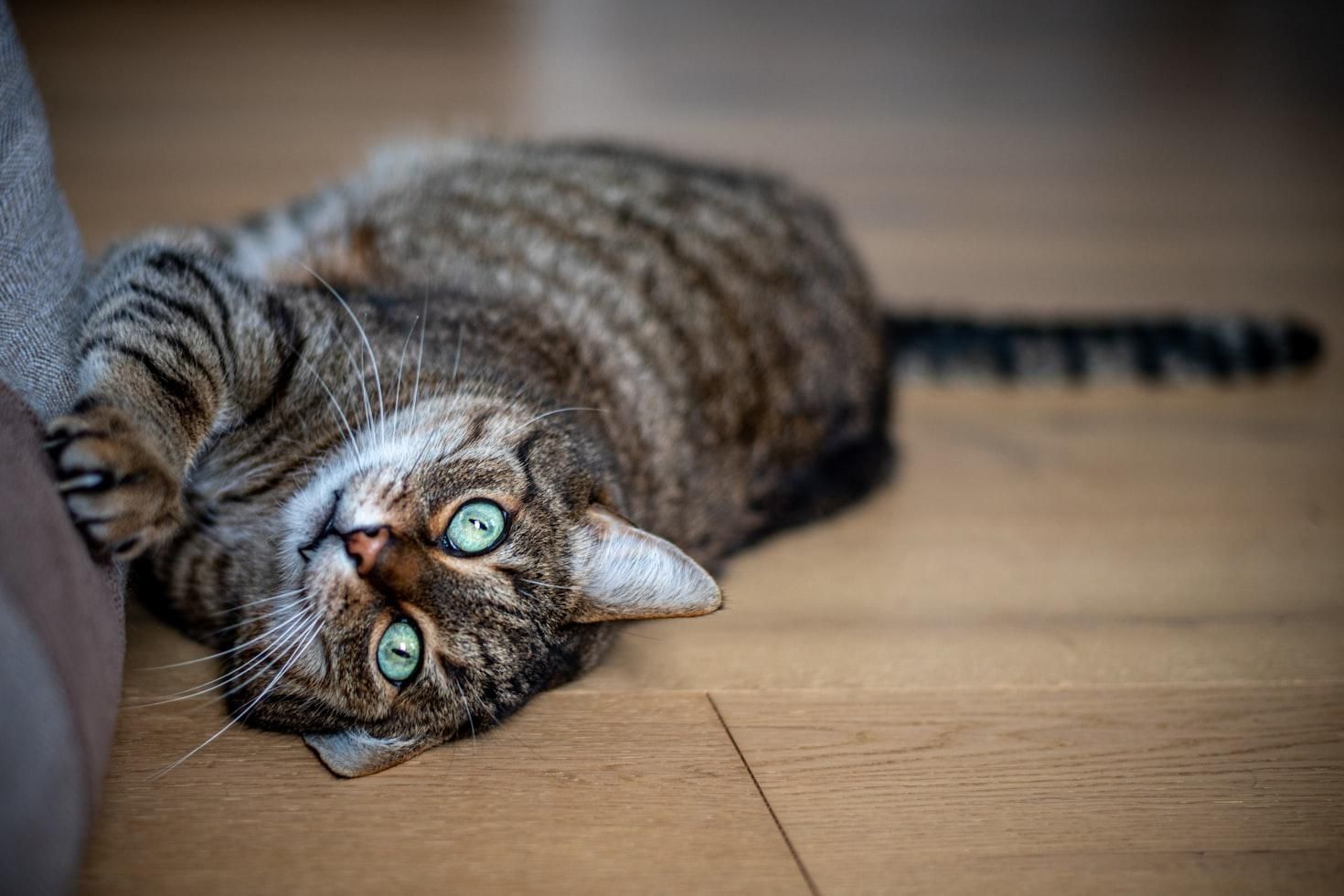
Every new couch seems to be noticed immediately. Scratching furniture is one of the most common complaints about cats: sofas, chairs, and rugs often suffer. Scratching serves several purposes. It helps cats stretch muscles, maintain claw health, and mark territory using scent glands in their paws. While scratching can damage household items, the behavior itself supports physical comfort and well-being. Providing appropriate scratching surfaces allows cats to meet this need without constant correction.
They bite or nip without warning
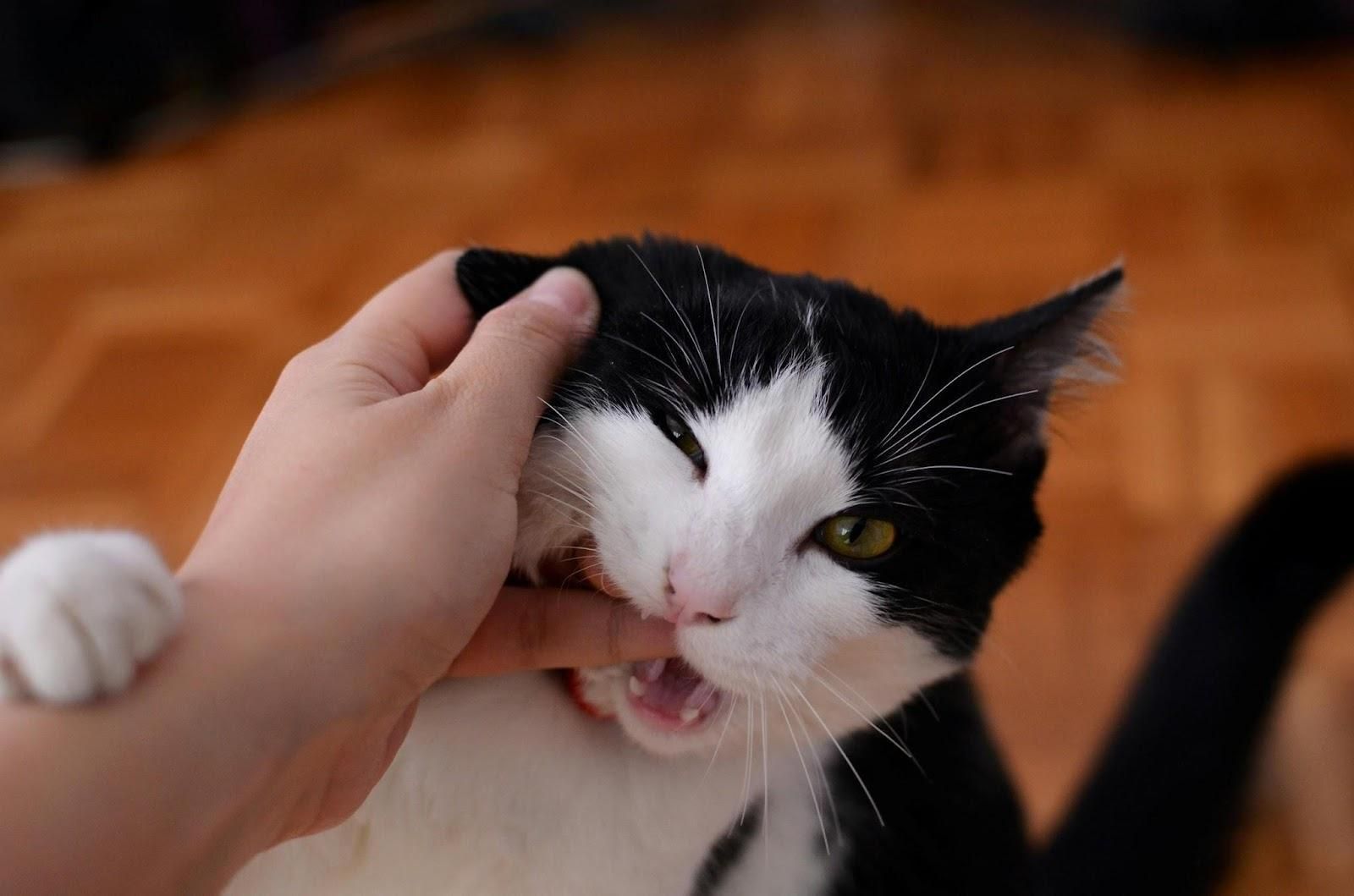
Some cats nip during play or petting, especially when stimulation becomes too intense. It feels personal, but it rarely is. In many cases, cats show subtle warning signs first, such as tail flicking, ear movement, or muscle tension. Overstimulation, particularly around sensitive areas like the tail or lower back, triggers these reactions. Owners who learn to read these signals often find that cats communicate boundaries clearly and consistently.
They wake you up at night
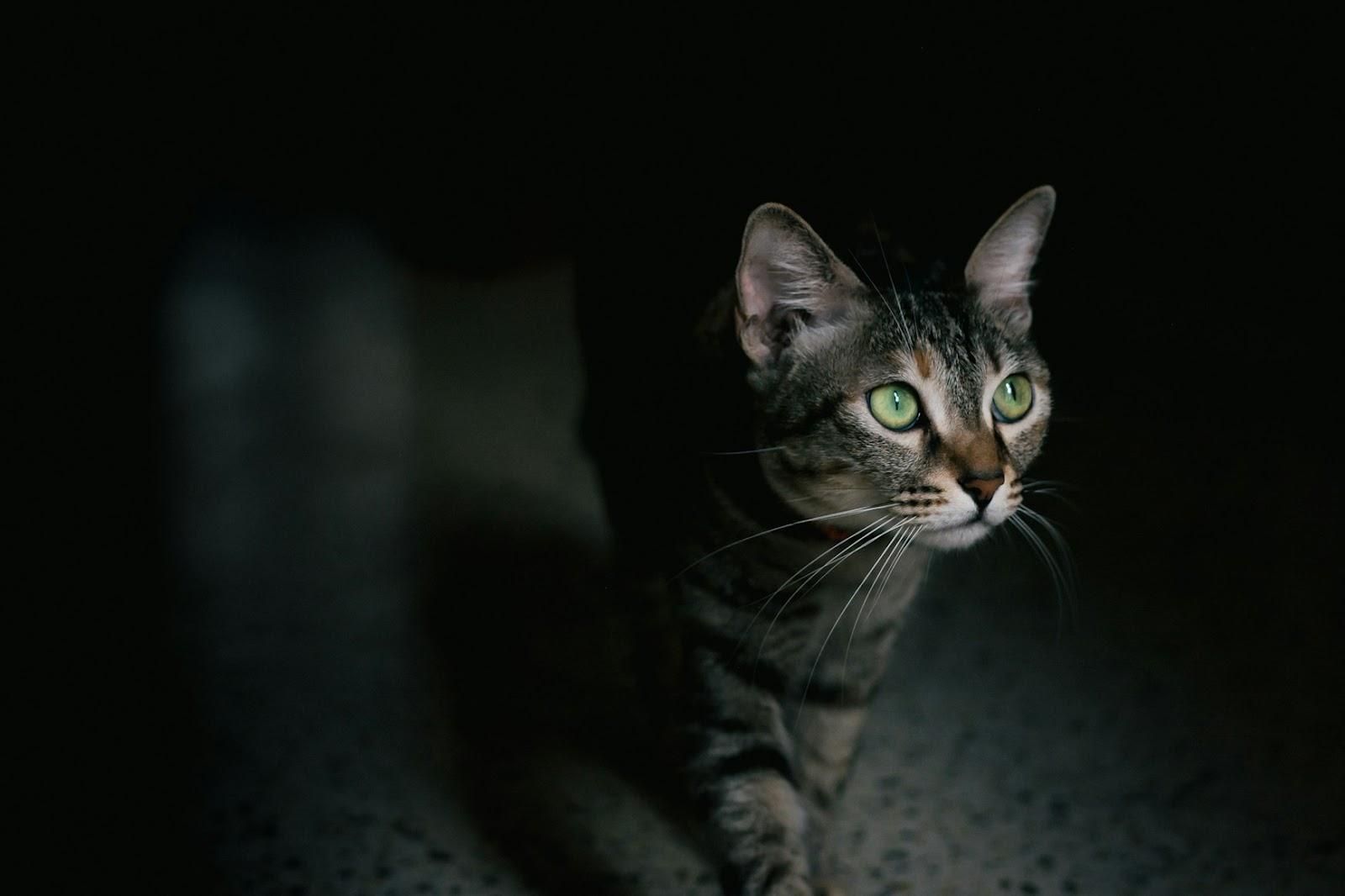
Cats are often active early in the morning or late at night, which can interrupt your sleep. This crepuscular pattern comes from hunting instincts, as small prey animals are active at those times. Even indoor cats retain this rhythm. While it doesn’t always align with human sleep schedules, it also means cats can go about life without constant attention during the day, when many households are busiest.
They act indifferent, then suddenly seek affection
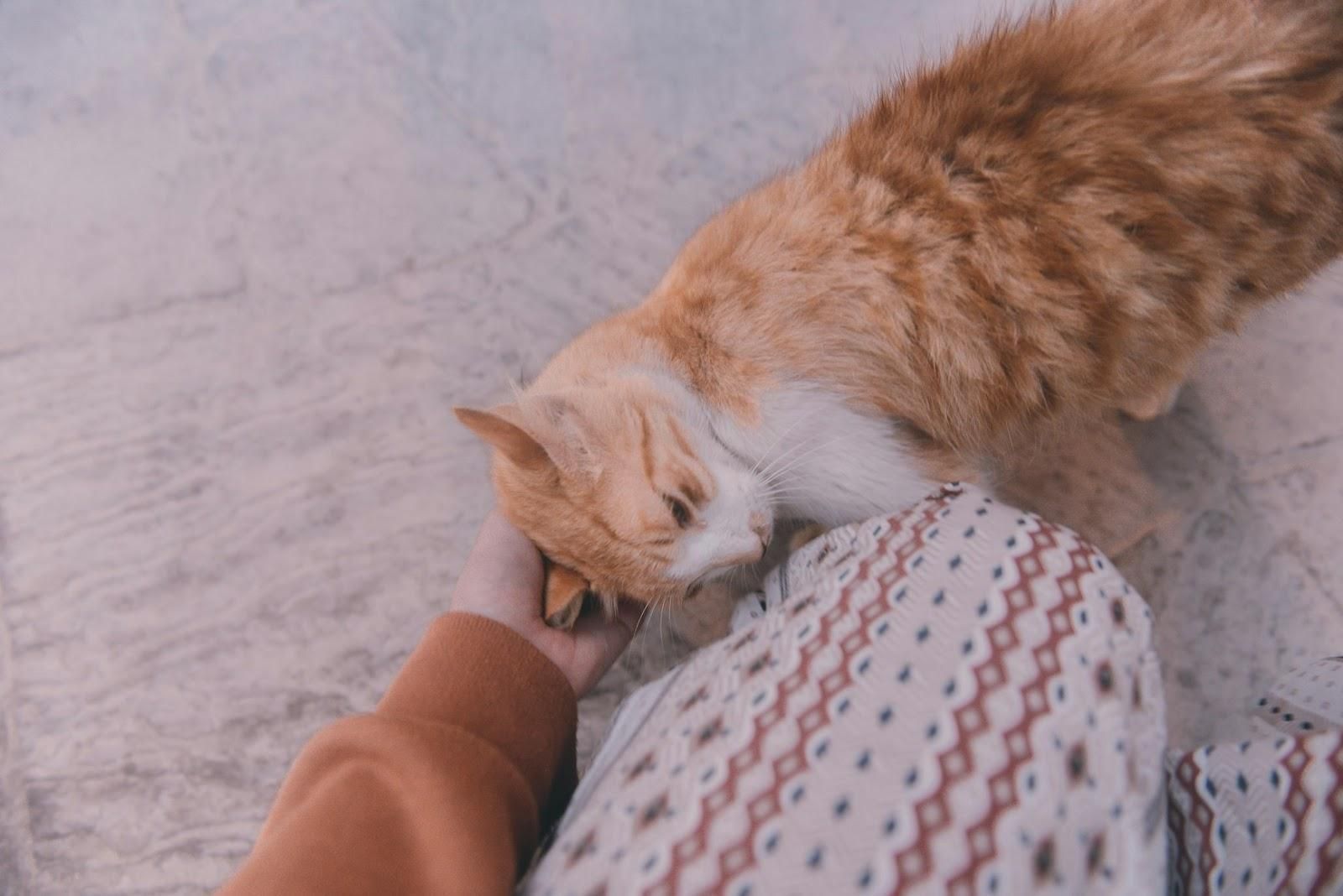
Cats may ignore attention for long periods and then suddenly want closeness. This shift can feel confusing or inconsistent. They usually approach people when they feel calm and secure. Affection offered on their terms often feels different—and more noticeable—than affection given on demand. For many owners, these moments feel meaningful precisely because they happen by the cat’s choice rather than by routine or training.