Why did Harry Truman put "The Buck Stops Here" on his desk?


Published on October 23, 2026

Image: chris276644

American presidents have used the White House to sway public opinion, pass legislation, and define historic eras. Along the way, their public speeches, press conferences, and private correspondence have introduced, popularized, or forever transformed English vocabulary. Here are 10 everyday words, idioms, and expressions you didn’t know were coined by the most prominent leaders of our nation.

1

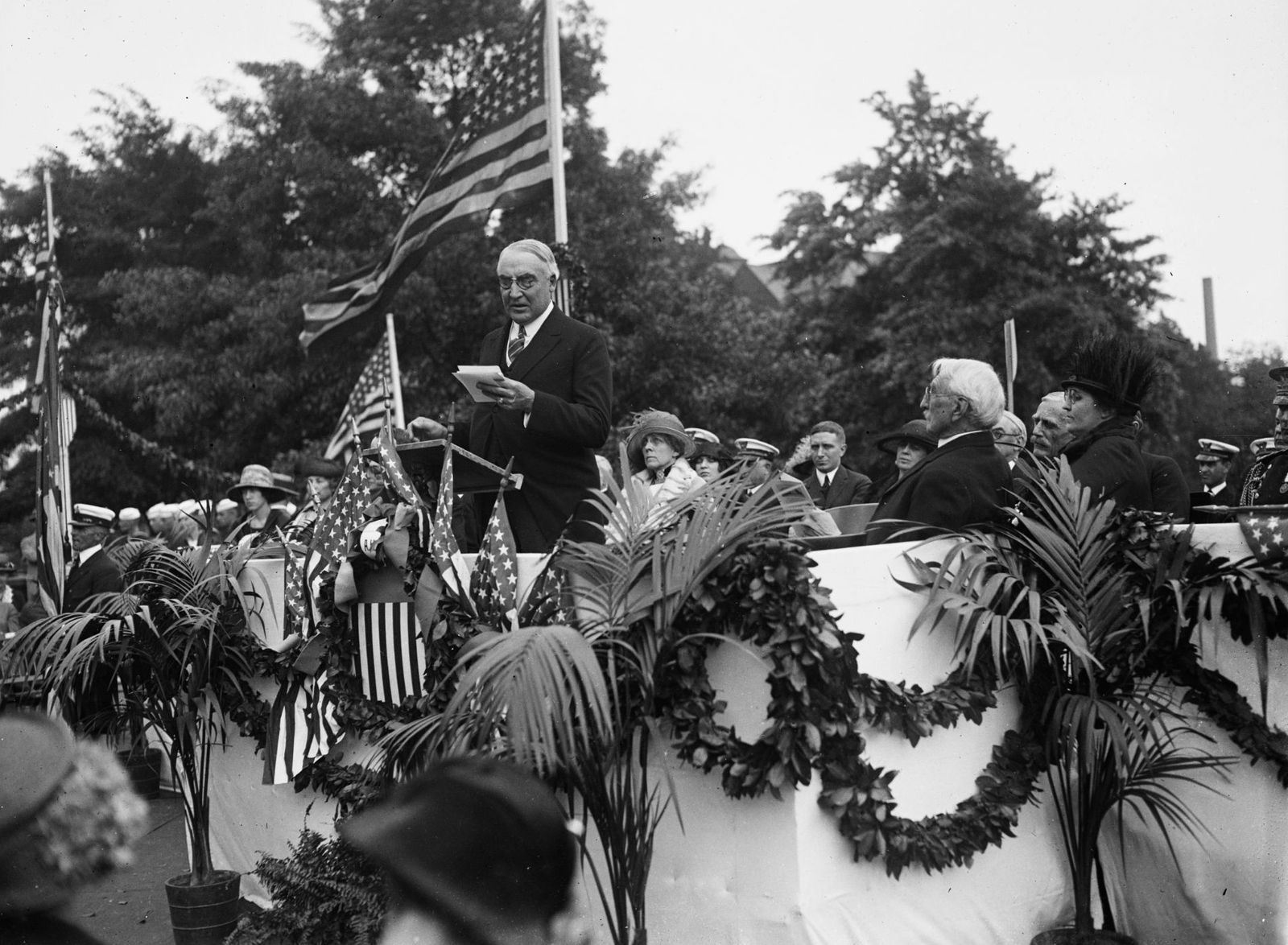
Bloviate — Warren G. Harding

Image: Harris & Ewing, photographer, Public domain, via Wikimedia Commons

Warren G. Harding was known for his overly ornate speeches, a prose style that journalist H.L. Mencken once described as "so bad that a sort of grandeur creeps into it."

Harding frequently relied on a discourse that can be described as "bloviate", a 19th-century Ohio slang term meaning to speak at length in a pompous manner. Although Harding didn’t invent the word, his frequent use of grandiose vocabulary popularized "bloviate" across national politics as shorthand for empty political speeches.

2

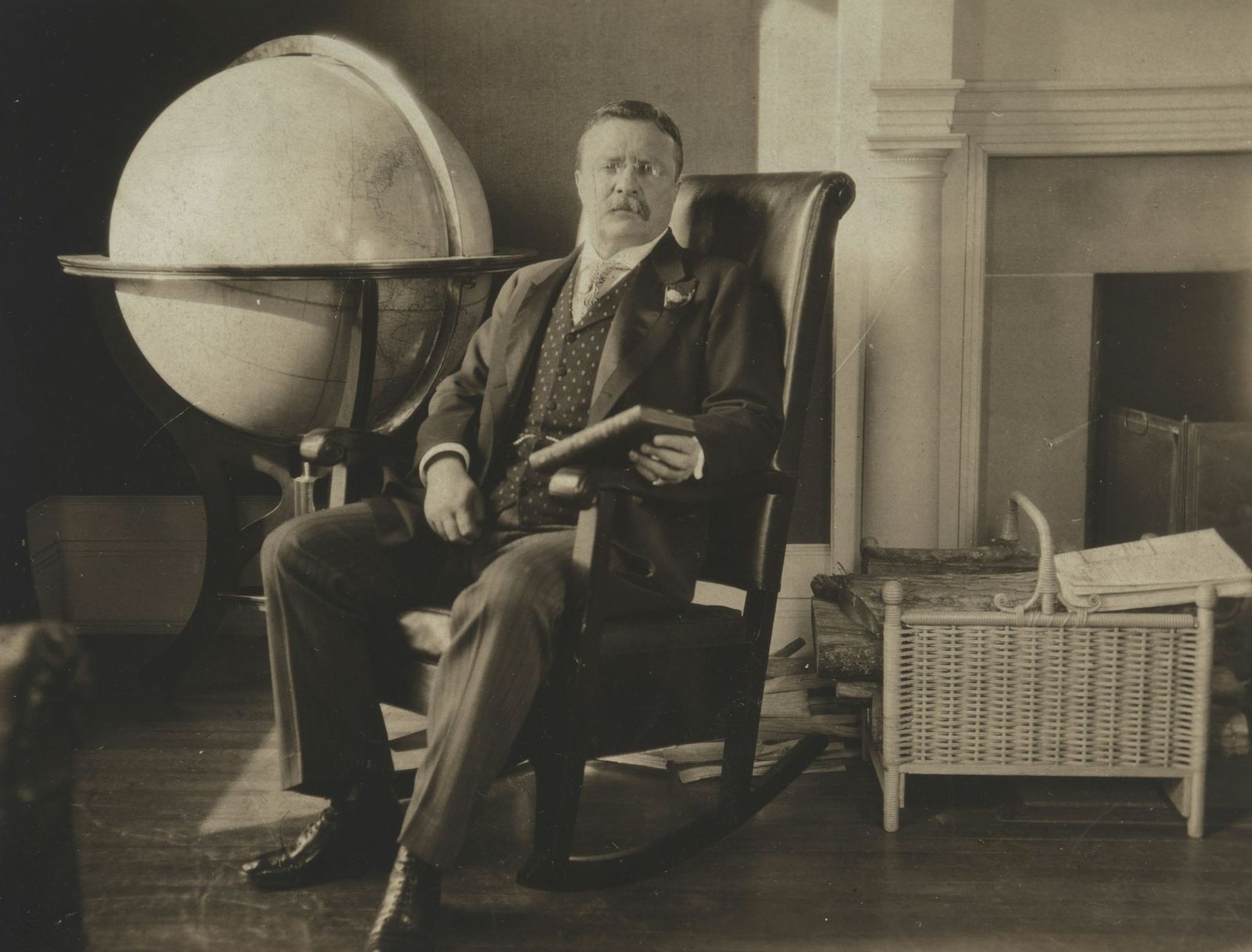
Lunatic fringe — Theodore Roosevelt

Image: Smithsonian

Theodore Roosevelt was a master of colorful speech, coining terms like "bully pulpit" and "muckraker". However, "lunatic fringe" is one of his most enduring linguistic contributions.

In a 1913 essay reviewing an avant-garde art exhibition, Roosevelt said: "There is a lunatic fringe to every reform movement." He used the phrase to describe fanatical adherents whose radical behavior threatened to undermine sensible social progress. Today, the idiom is widely used across politics, sports, and pop culture to designate extremist factions.

3

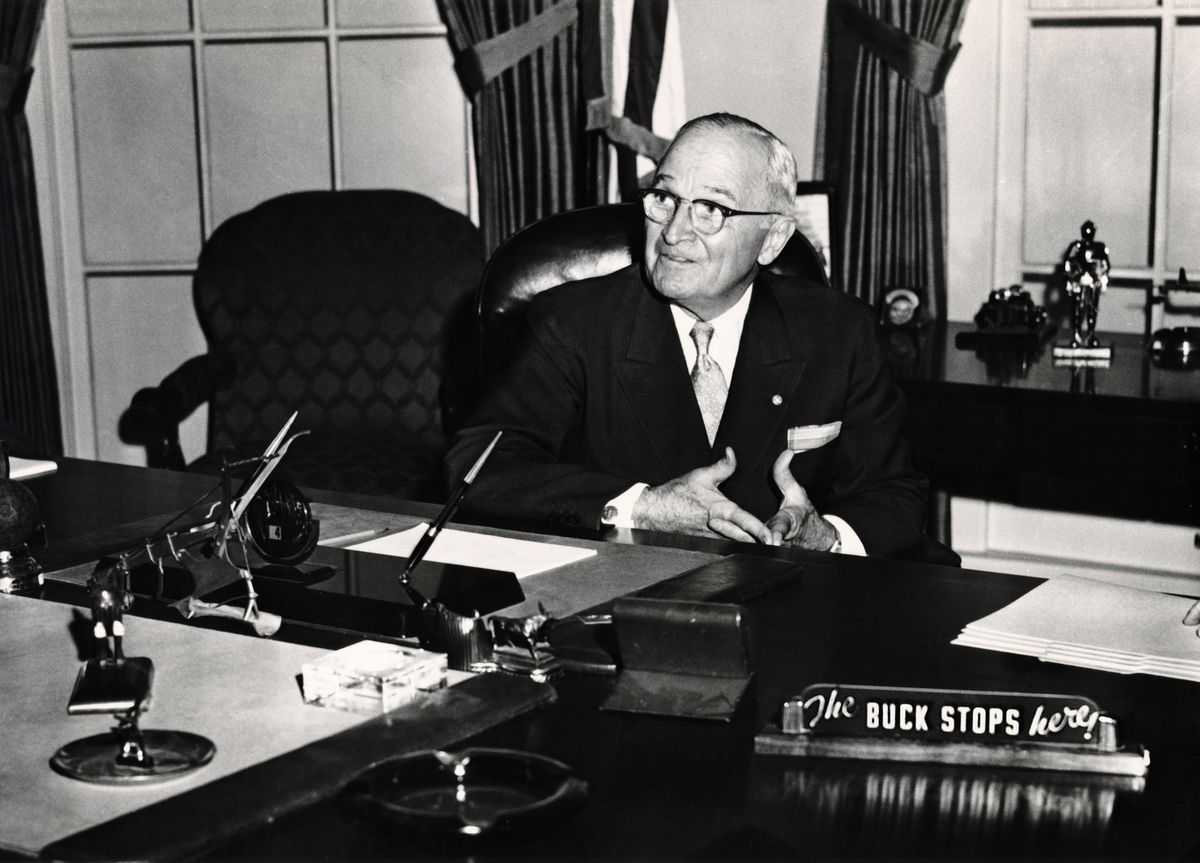
The Buck Stops Here — Harry S. Truman

Image: uncredited photographer, Public domain, via Wikimedia Commons

The phrase "passing the buck" originated in 19th-century poker games, where a buckskin-handled knife was passed around the table to mark whose turn it was to deal. However, President Harry S. Truman transformed the idiom completely.

Truman kept a painted wooden sign reading "The Buck Stops Here" on his Oval Office desk. For the 33rd president, the phrase served as a reminder that while cabinet members could perform delegated tasks, final accountability for nuclear weapons, postwar diplomacy, and executive policies rested entirely on his shoulders.

4

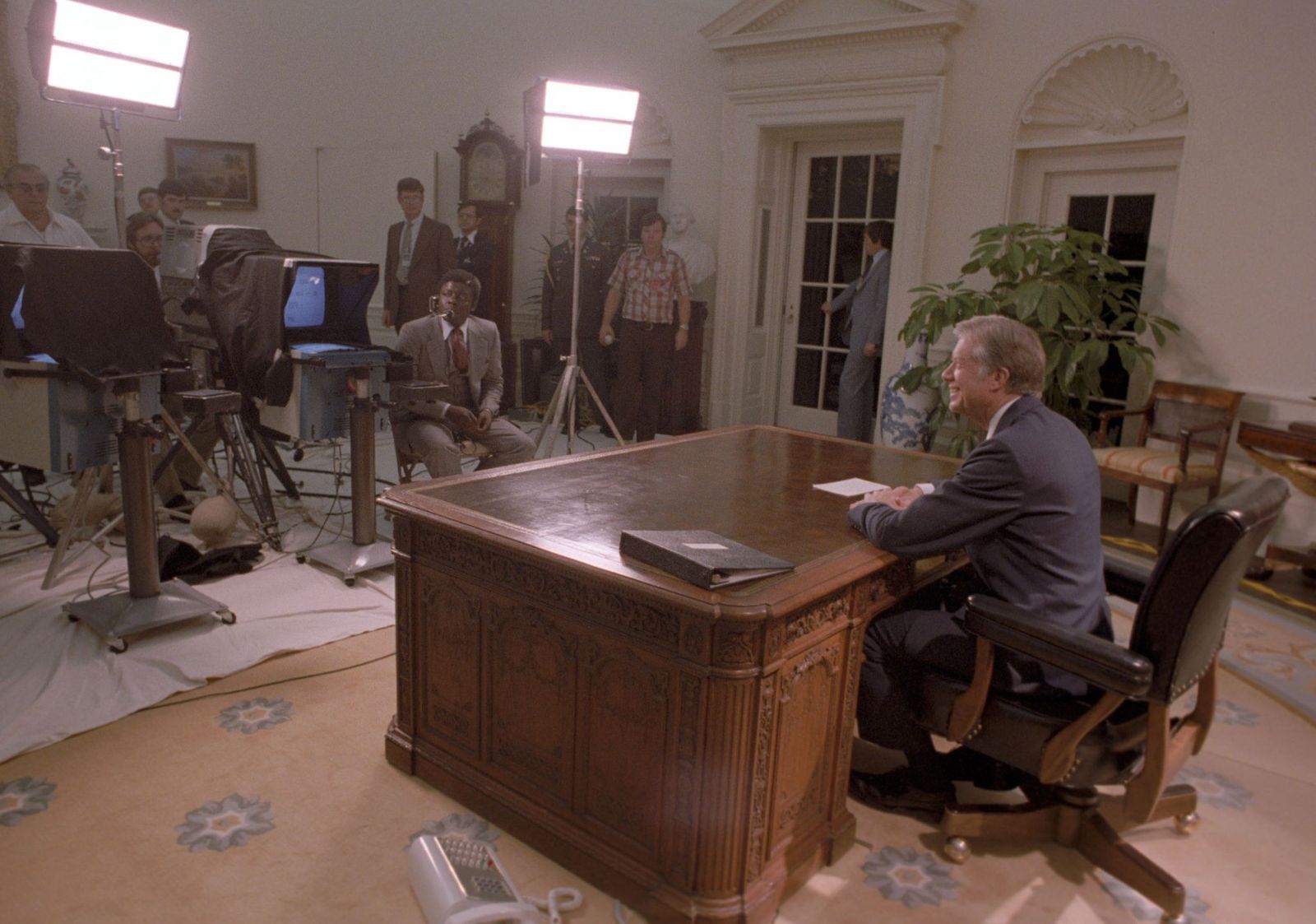
Malaise — Jimmy Carter

Ironically, President Jimmy Carter never actually said the word "malaise" during his famous July 15, 1979 televised address. In an era of high inflation, gas shortages, and geopolitical tension, Carter spoke about a "crisis of confidence" threatening American democracy.

Political opponents and journalists labeled it the "Malaise Speech", borrowing the French medical term for a vague feeling of illness. The label stuck, permanently linking the word "malaise" to Carter’s presidency and 1970s economy.

5

First Lady — Zachary Taylor

Image: Jennie Augusta Brownscombe, Public domain, via Wikimedia Commons

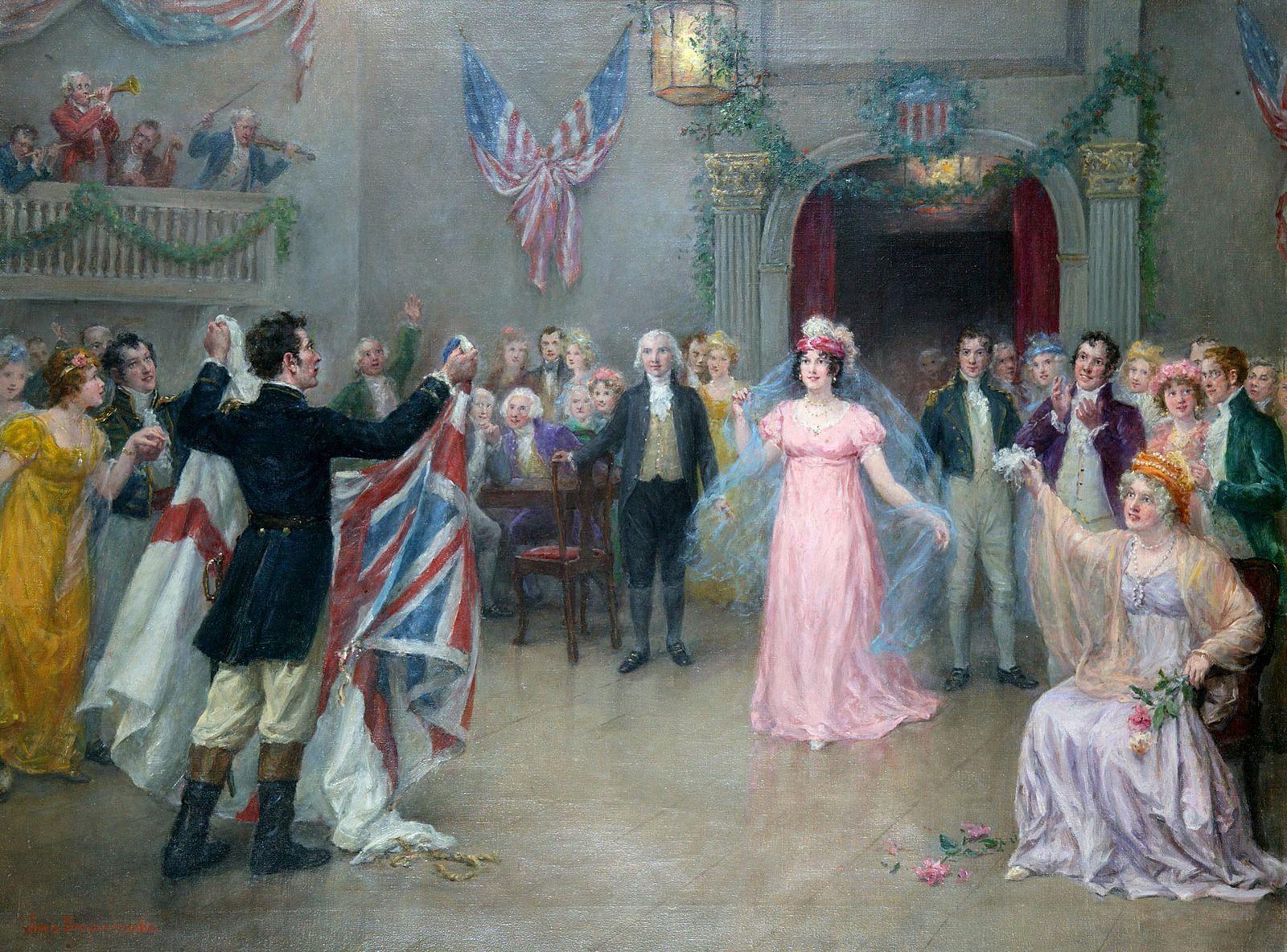
The formal title "First Lady" was first used in 1849 when President Zachary Taylor delivered a eulogy for Dolley Madison, the former president’s wife. Taylor praised Madison as having been "our First Lady for half a century".

The phrase became popular in 1860 when Frank Leslie's Illustrated Newspaper formally referred to Harriet Lane—President James Buchanan's White House hostess and niece—as "the First Lady of the Land".

6

Mulligan — Dwight D. Eisenhower

Image: M/Sgt Al Chang - United States Army Signal Corps, Public domain, via Wikimedia Commons

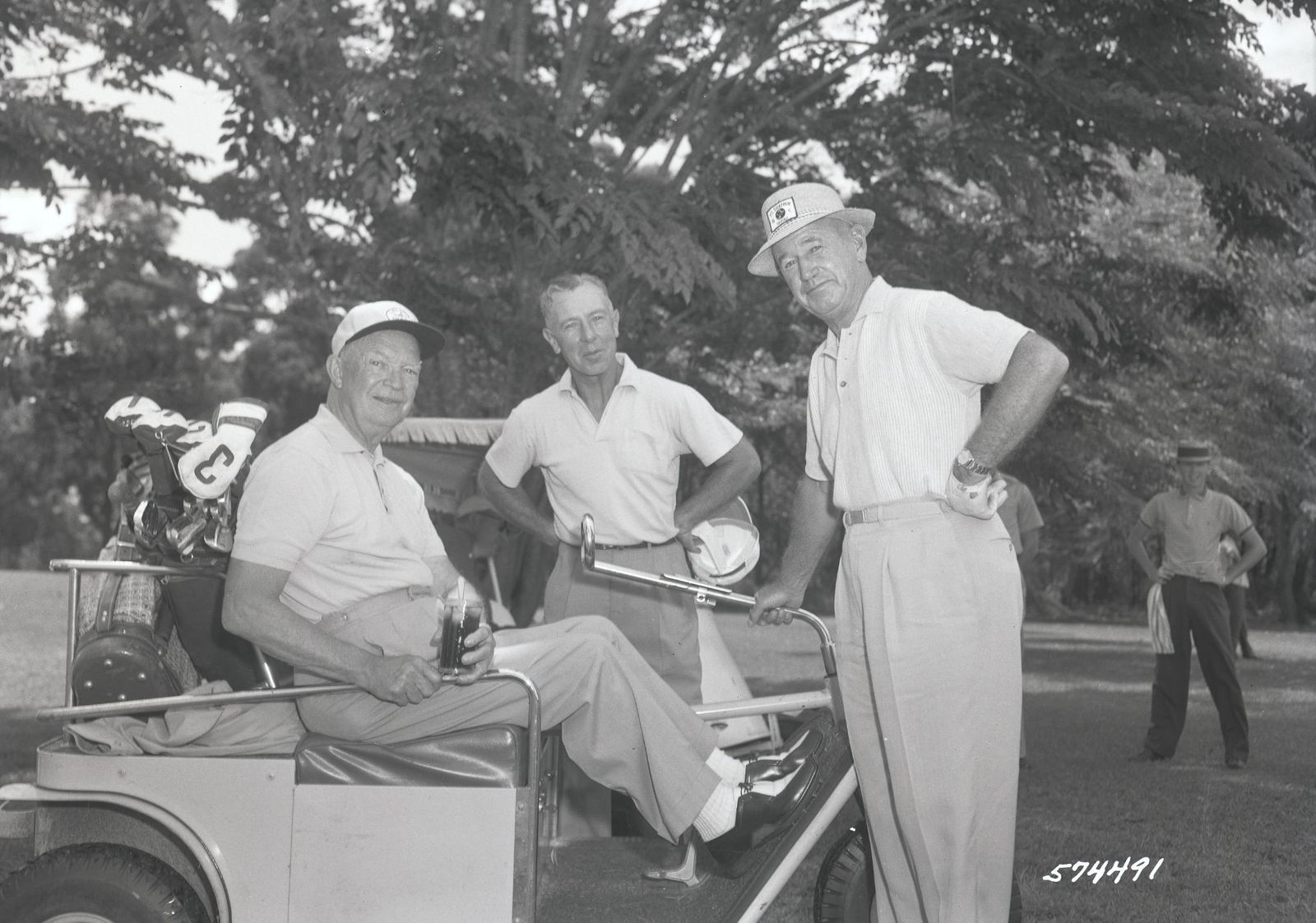
General Dwight D. Eisenhower was an avid golfer who played over 800 rounds during his two terms in office, even installing a putting green on the White House lawn. Ike’s passion for golf helped elevate golf terminology into mainstream political discourse, most notably the word "mulligan", an informal rule allowing a player a free replay after a poor shot. The term originated in Canadian golf circles during the 1920s, but Eisenhower’s public use of the word popularized it as a general metaphor for second chances in government and business.

7

Sugarcoat — Abraham Lincoln

Image: Popular Graphic Arts, Public domain, via Wikimedia Commons

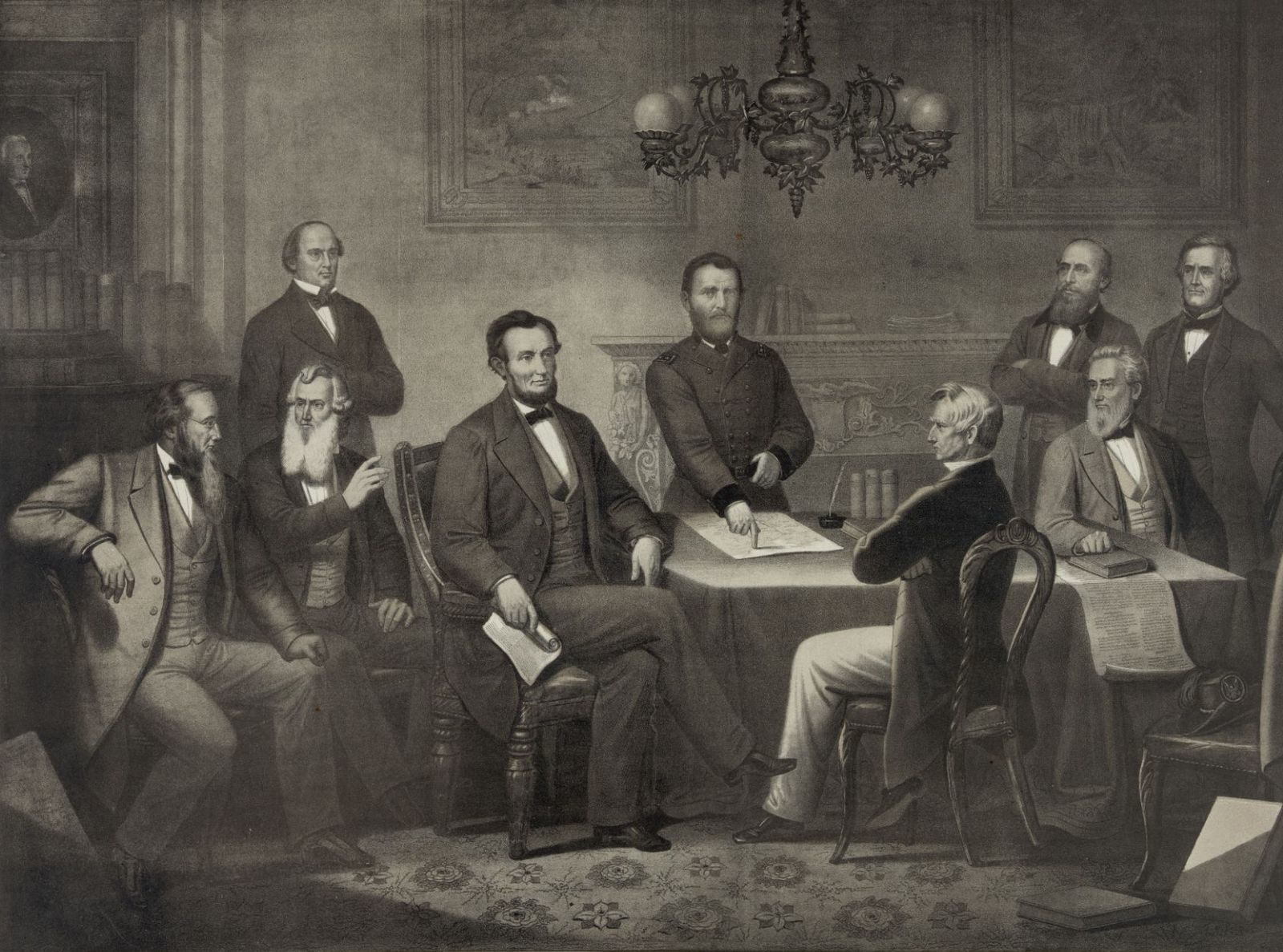
Abraham Lincoln often blended folk wisdom with constitutional philosophy. In his July 4, 1861 message to Congress following the outbreak of the Civil War, Lincoln criticized Southern arguments for secession, writing that rebellion leaders had "sugar-coated" their true intent to dissolve the Union.

The Government Printer, John Defrees, asked Lincoln if he wanted to edit the phrase, calling it unseemly for an official state paper. Lincoln refused, noting that if the public understood what "sugar-coated" meant, it belonged in the message. The phrase passed into common English to describe disguising unpleasant truths.

8

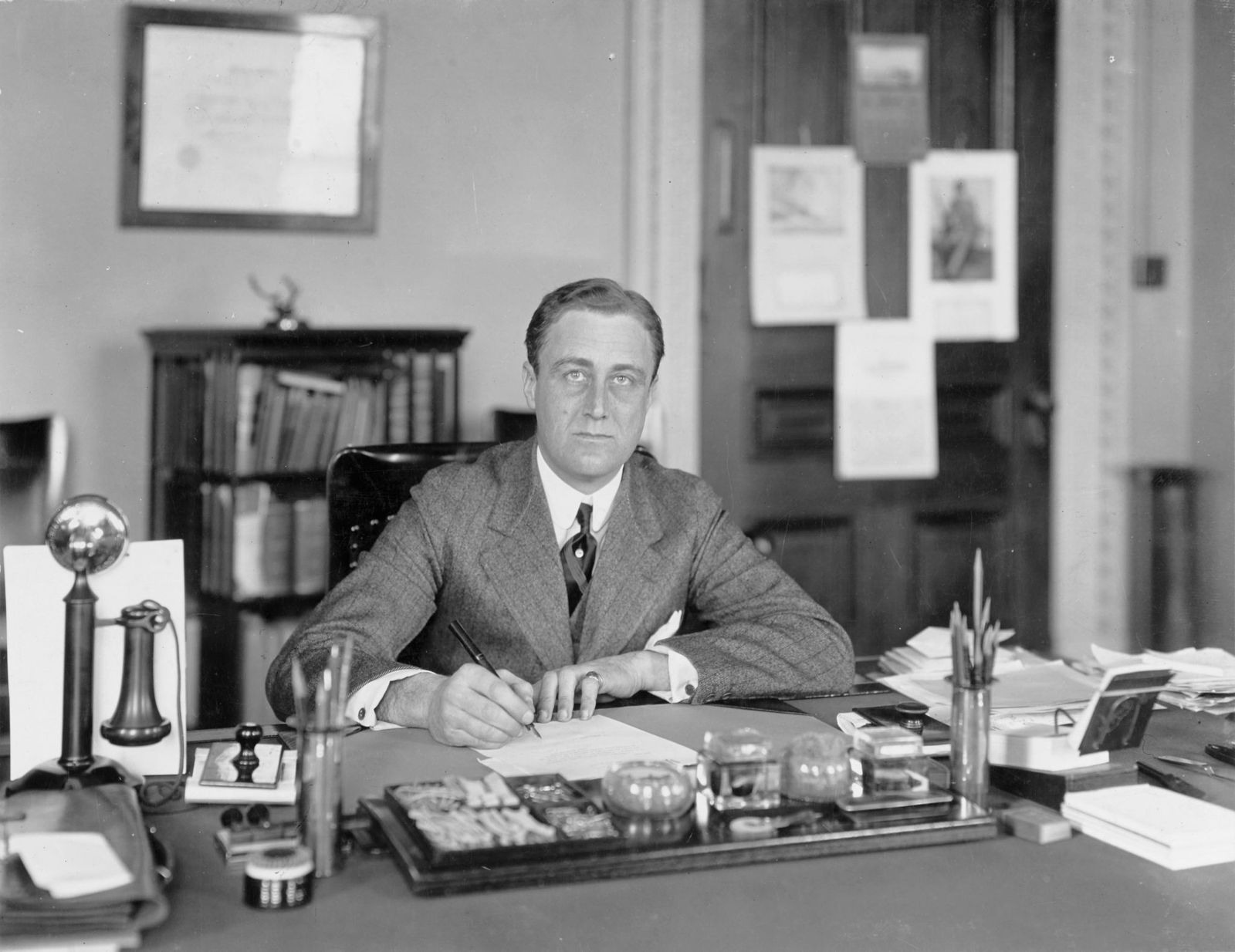
Iffy — Franklin D. Roosevelt

Image: National Archives and Records Administration, Public domain, via Wikimedia Commons

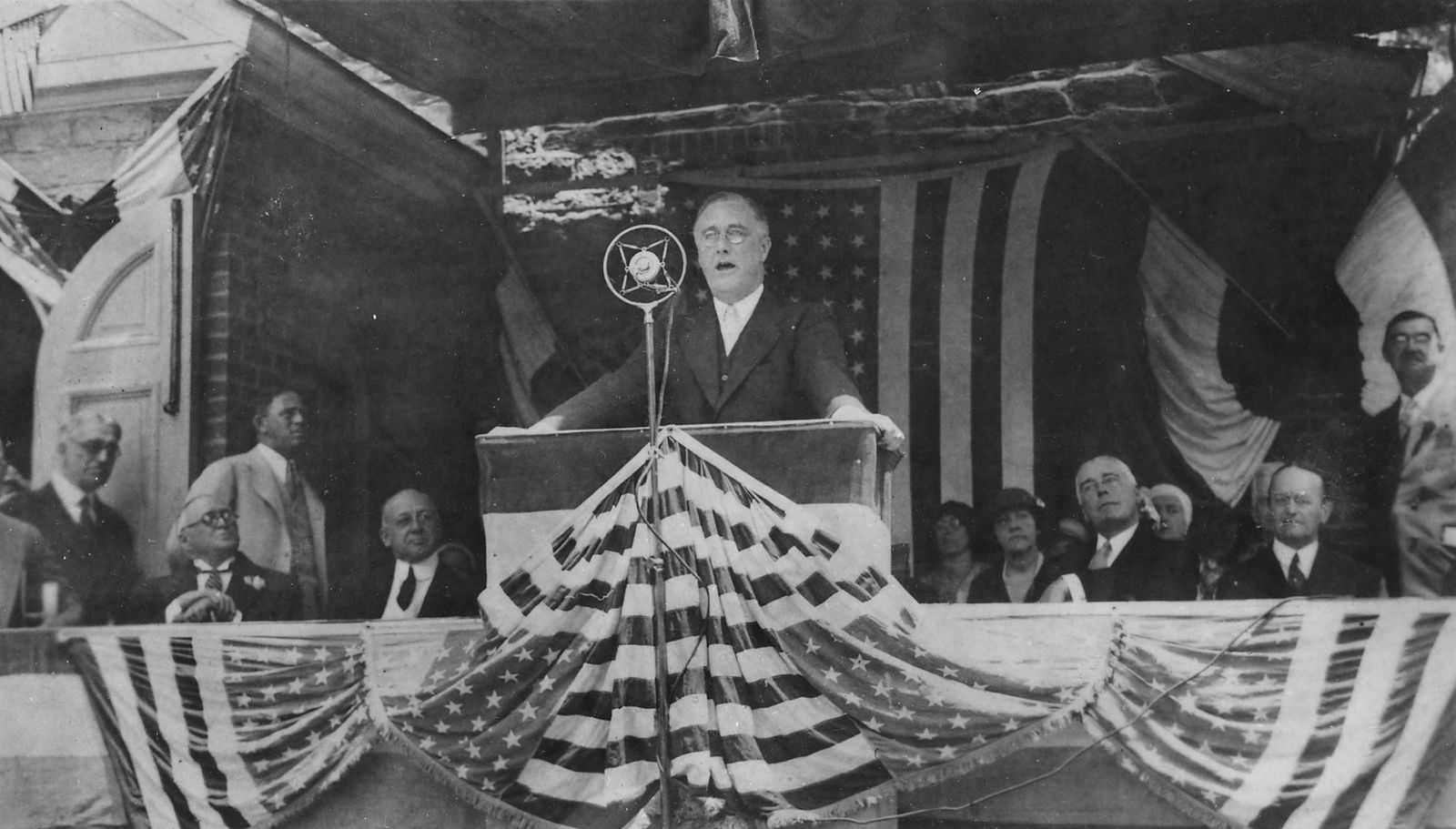
President Franklin D. Roosevelt transformed presidential communication by holding over 800 informal press conferences along with his famous radio "fireside chats".

When reporters attempted to confront him with hypothetical scenarios or speculative policy questions, FDR frequently dismissed them by calling them "iffy questions". Roosevelt popularized "iffy", a 1930s colloquialism derived from the conjunction "if", as a sharp way to describe anything uncertain or questionable due to unproven factors.

9

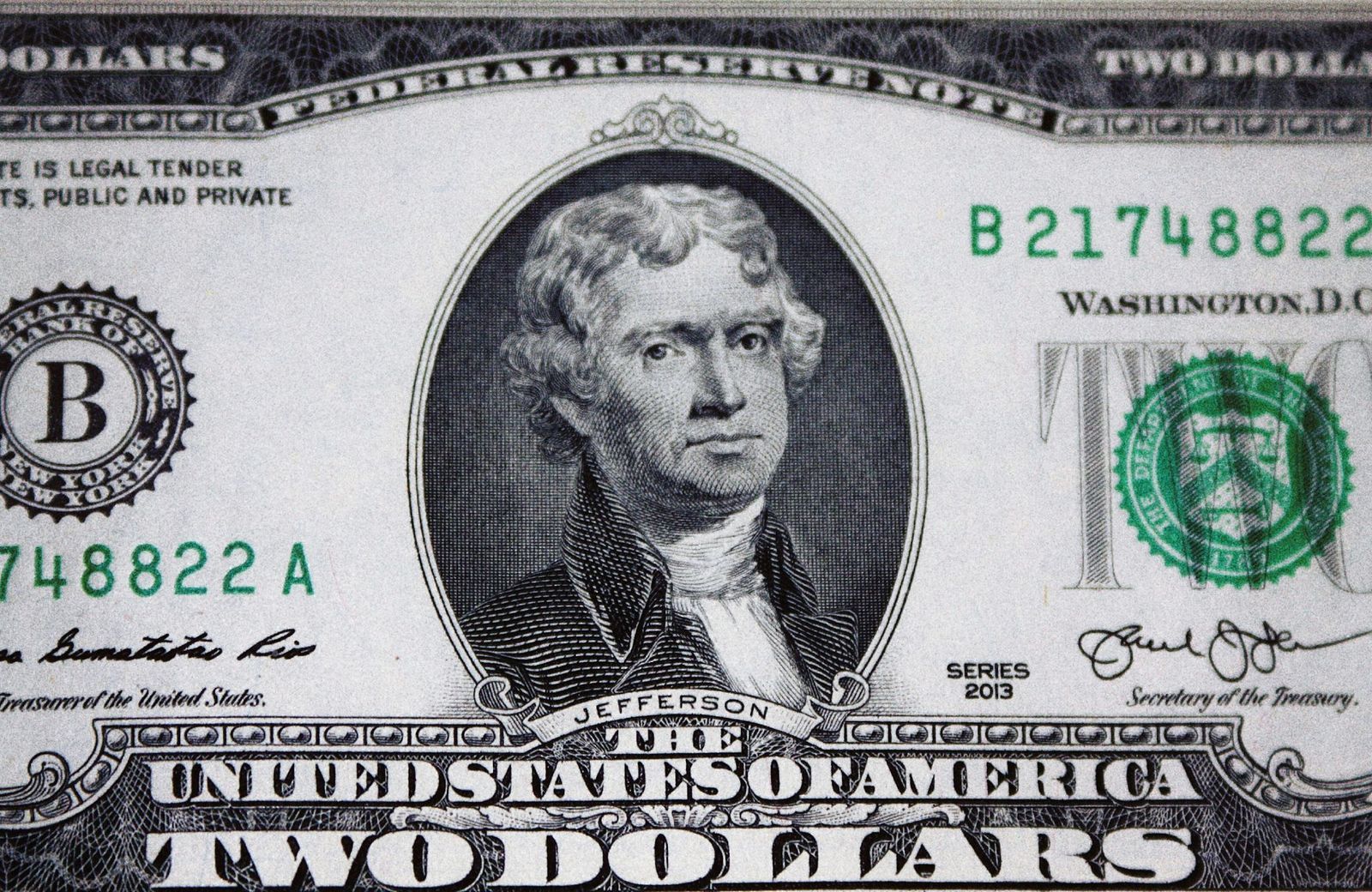
Usufruct — Thomas Jefferson

Image: Alicia Razuri

Thomas Jefferson brought a vocabulary rooted in classical legal training to early American governance. In a famous September 1789 letter from Paris to James Madison, Jefferson argued against binding future generations with national debt, declaring that "the earth belongs in usufruct to the living".

Borrowed from Roman civil law (usufructus), the term refers to the legal right to use and enjoy another party’s property temporarily without damaging or depleting it. Jefferson used the word to argue that each generation has a responsibility to care for the planet and protect it for the future.

10

Rendezvous — Franklin D. Roosevelt

Image: Naval History & Heritage Command, Public domain, via Wikimedia Commons

The French word rendezvous, meaning "present yourself", entered the English language in the mid-1500s from military vocabulary. Yet, Franklin D. Roosevelt gave the term a prominent place in American democratic speech.

Accepting the presidential nomination at the 1936 Democratic National Convention during the Great Depression, Roosevelt proclaimed: "This generation of Americans has a rendezvous with destiny." The line transformed a simple French loanword into a cry for national resilience that continues to be quoted by political speechwriters today.

Alright, alright, alright!

How good are you at identifying American accents? Take a look at these!


Published on October 23, 2026


Image: Joey Csunyo

The U.S. is a collection of regional accents, each with its own unique story. From coastal cities to rural towns, these speech patterns didn’t just happen—they evolved from waves of immigration, geography, and history. Let’s take a look at how some of the most recognizable American accents came to be. Is yours on the list?

1

California

Image: Maarten van den Heuvel

California accents may seem subtle, but they’re deeply rooted in the state’s layered history. Spanish was the dominant language before the Gold Rush brought English speakers and immigrants from Mexico, China, and other parts of the world. These waves of settlement shaped the way Californians speak today.

The Dust Bowl brought Southern dialects to the Central Valley, still heard in local speech. One major trend is the California vowel shift, which changes sounds in words like "kit" to "ket".

2

Appalachia

Image: Wes Hicks

Appalachia is a cultural region stretching from New York to Alabama, rooted in Cherokee lands and later settled by immigrants from Europe and beyond. Its rugged geography led to the development of Appalachian English, a dialect shaped by isolation and unique speech patterns like "ghostes" or "holler" for "hollow."

The Scots-Irish had a strong influence, bringing words like "britches" for pants and calling valleys "bottoms."

3

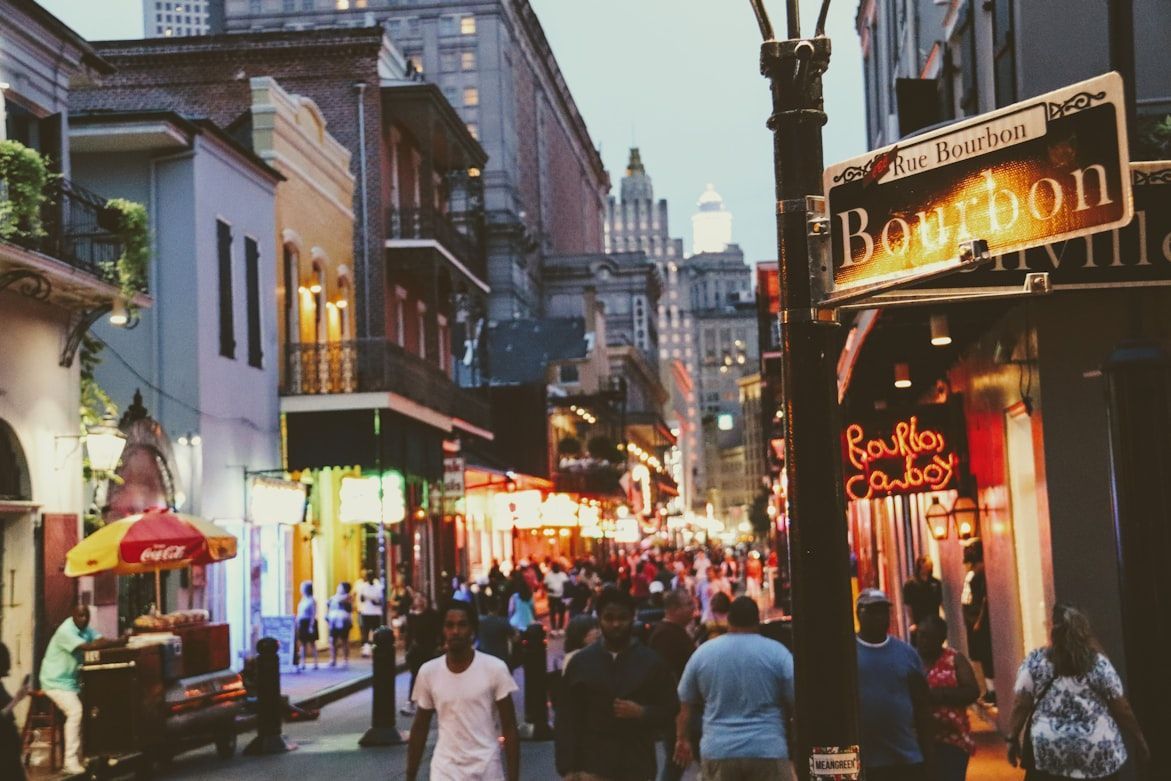
New Orleans

Image: Mitch Hodiono

New Orleans, founded by the French, became a melting pot of cultures. Haitian, Irish, German, Jewish, Chinese, and Sicilian immigrants all left their mark on the city’s language and neighborhoods.

These influences shaped many local dialects, including Cajun and Yat. Yat, spoken in areas like the Ninth Ward, shares features with Brooklynese, thanks to shared Irish and Italian roots, including accents like "watah" for "water."

4

Southern accent

Image: Taylor Brandon

Probably one of the, if not the most famous, accents on the list, the Southern accent is widely recognized—think drawls and "y’all"—but it's often misrepresented by media and stereotypes.

Not everyone in the South talks the same, and terms like "Southern American English" might be more accurate than old Civil War associations.

5

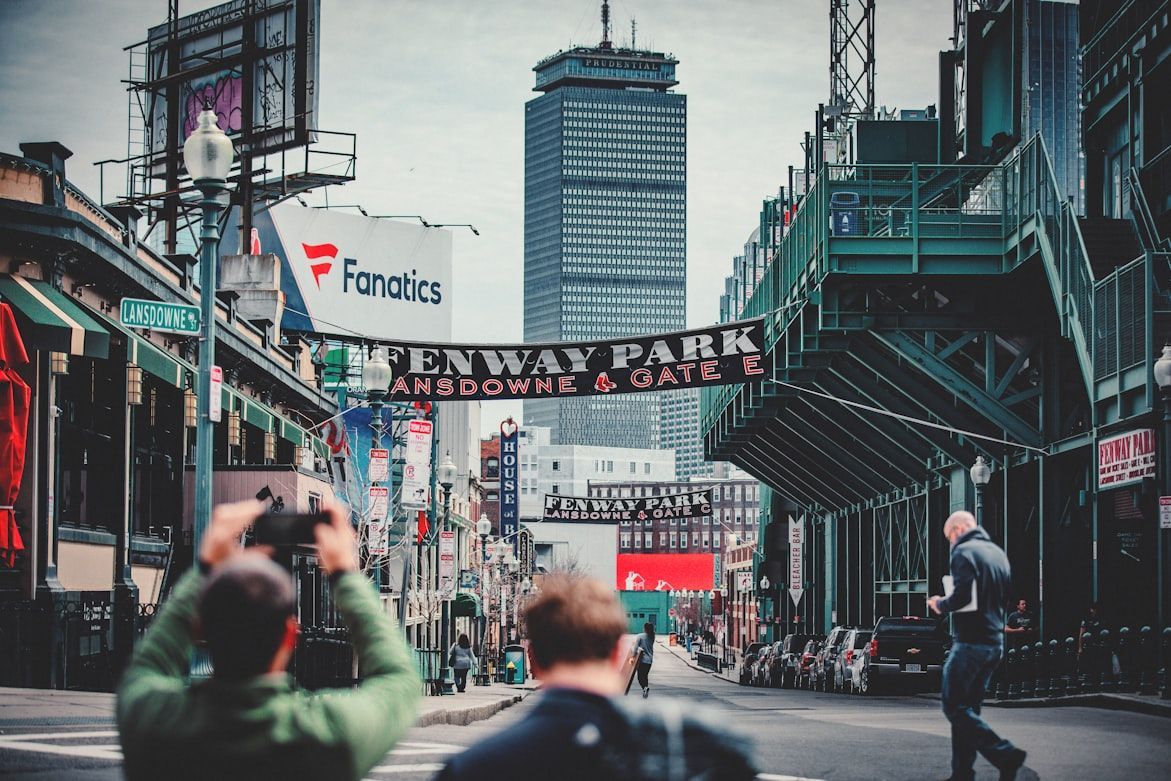
Boston

Image: todd kent

The Boston accent is more than just dropped R’s—it reflects centuries of New England history. Brought over by British colonists, this "R-less" way of speaking evolved as settlers spread through the region.

Beyond pronunciation, locals use unique words like "wicked" and "jimmies." Vowel sounds also stand out, with distinctions in "Mary," "merry," and "marry," and broad A’s in words like "bath".

6

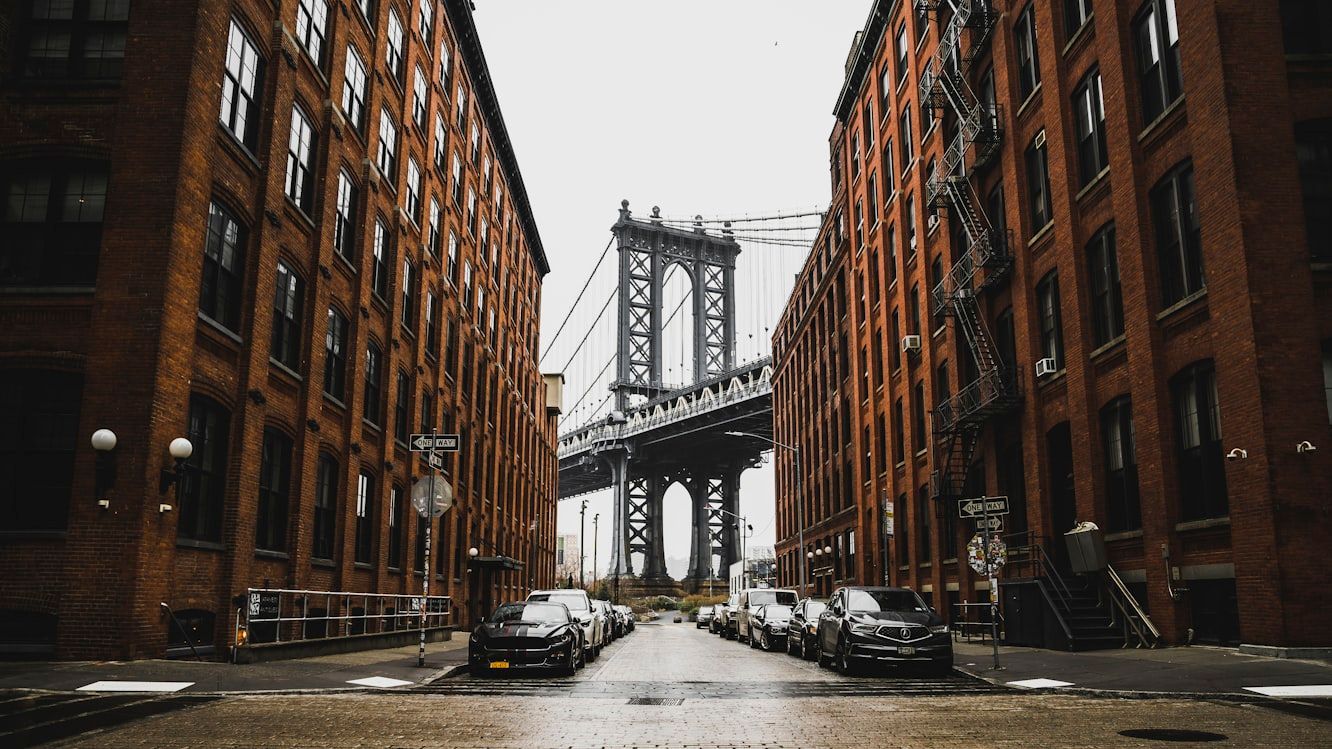
New York

Image: Redd Francisco

Sharing some similarities with the Boston accent, the New York accent reflects the city's rich history and immigrant roots. It began with Dutch settlers, followed by London English influences, and was shaped further by Irish, Italian, and Eastern European immigrants.

Key features include dropped "r" sounds and distinct vowel pronunciations. These traits, combined with the city's diversity, helped form an accent tied closely to New York's working-class identity and cultural pride.

7

Midwest

Image: Ryan De Hamer

The Midwestern accent, especially in the Great Lakes region, developed from New England, New York, German, and Scandinavian settlers. The Erie Canal helped spread these influences, creating a distinct way of speaking shaped by both geography and immigration.

Key traits include the Northern Cities Vowel Shift, where vowel sounds change noticeably, and regional slang like "ope," "you betcha," and "pop." These features help define the accent and identity of the Midwest.

8

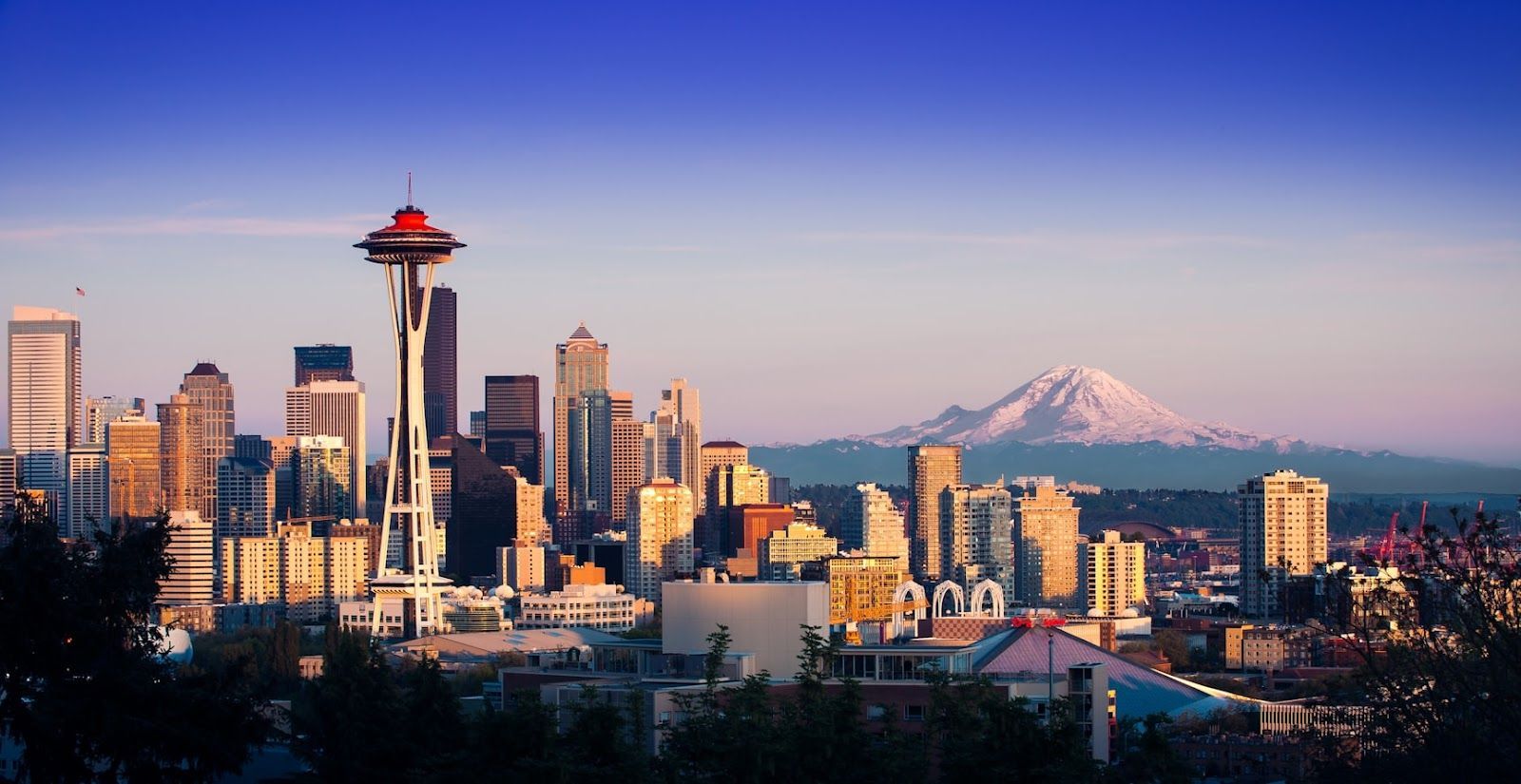
Pacific Northwest

Image: Thom Milkovic

The Pacific Northwest has its own speech quirks that set it apart from the broader West Coast dialect and the previously mentioned California accent. Locals often merge the vowels in "cot" and "caught," add an "r" to words like "Washington," and say "coast" instead of "beach."

Even highway talk can give away your roots. Saying "I-5" without "the" is typical of PNW natives, while adding "the" (as in "the I-5") is more common among Californians and other outsiders.

9

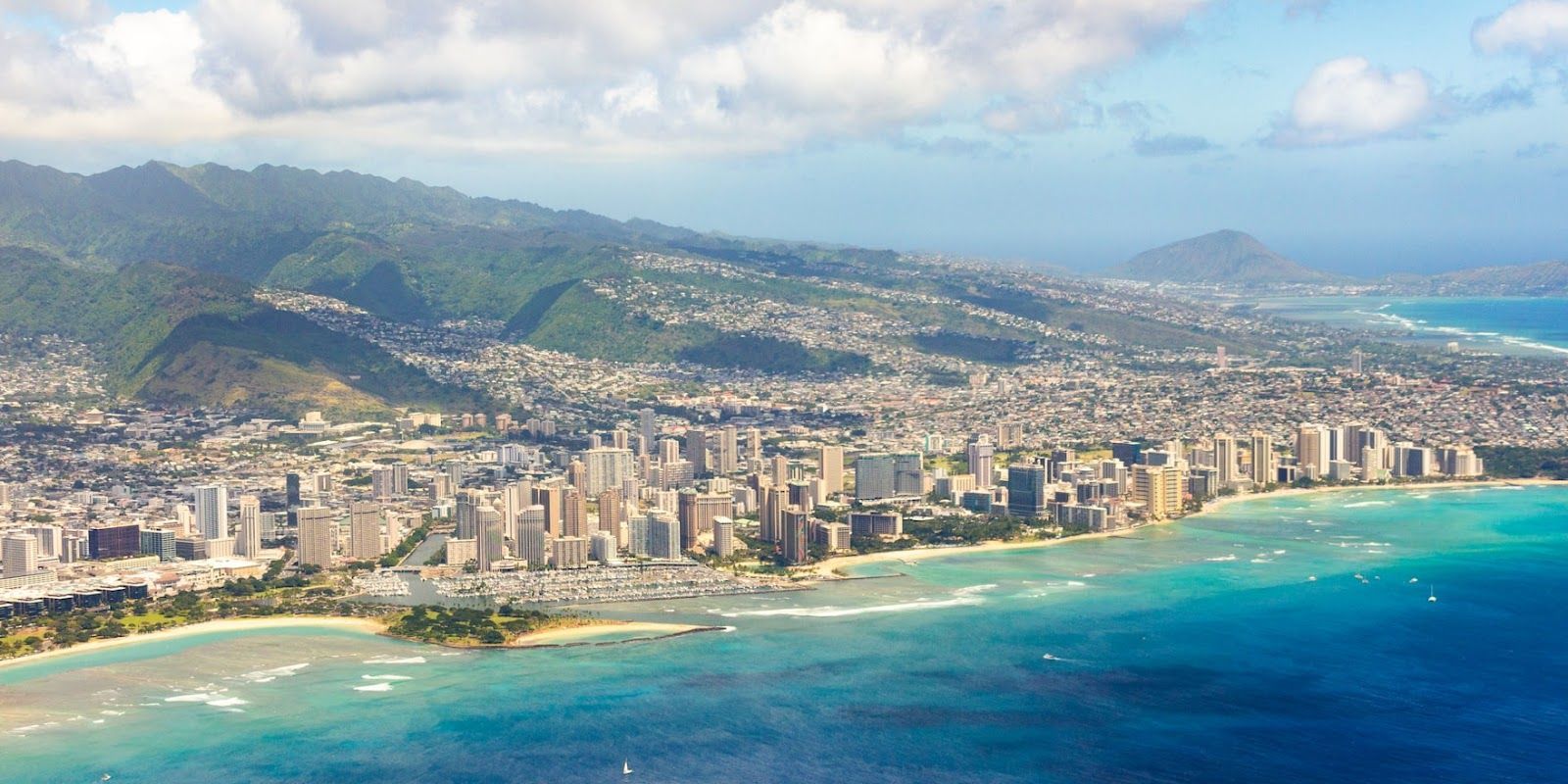
Hawaii

Image: Jakob Kim

Hawaii’s unique accent is shaped by its isolation and multicultural roots. Hawaiian Pidgin developed from plantation workers speaking Cantonese, Portuguese, Japanese, and Filipino, blending with Hawaiian to ease communication.

The dialect features dropped "r" sounds and changes like "th" to "d," with words like "three" pronounced "tree." Pidgin also reflects Hawaiian pronunciation, such as saying "hah-WAH-ee" for Hawaii and simplifying consonant clusters in everyday speech.

10

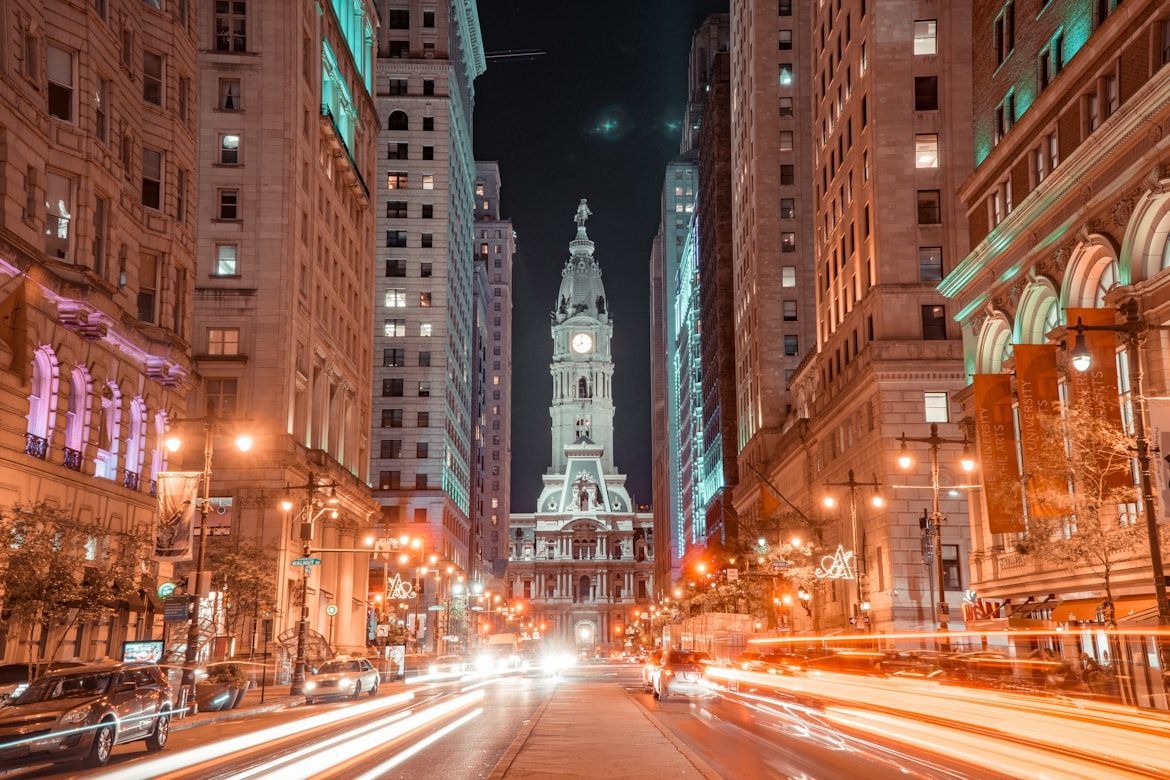
Philadelphia

Image: Heidi Kaden

The Philadelphia accent, known for turning "fight" into "foit" and "very" into "vurry," is one of the world’s most unique. It developed from English, Scottish, and Irish settlers in the 1600s and grew apart from nearby accents like New York’s.

Unlike some Northern accents, Philly speech keeps the "r" sound. While regional differences exist, the accent continues to evolve. Some traits fade, but others, like "wooder" for "water," remain.

11

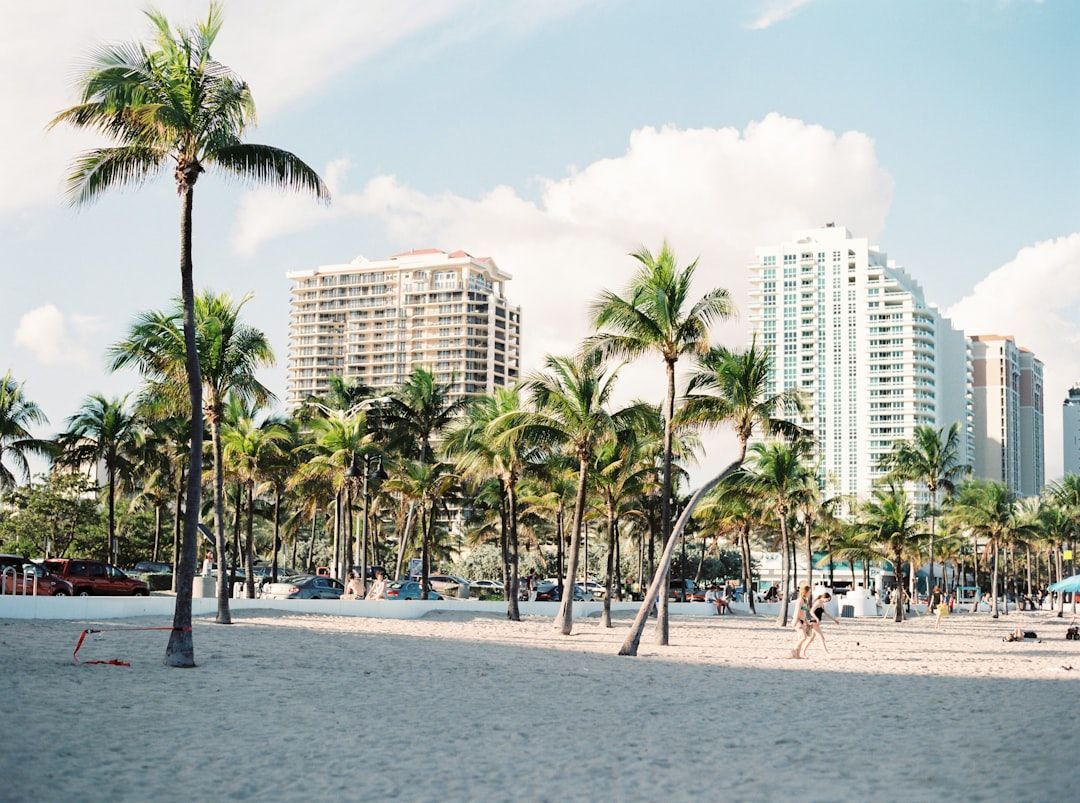
Miami

Image: aurora.kreativ

The Miami accent is a young dialect shaped by Spanish and Cuban influence after 1959. It features a rhythmic tone, unique pronunciations like "sall-mon" for salmon, and Spanish-inspired phrasing.

Common traits include calques (direct translations like "make a party") and vowel sounds influenced by Spanish. Though often mistaken for Spanglish, it’s a distinct dialect and a marker of Miami’s culture.

12

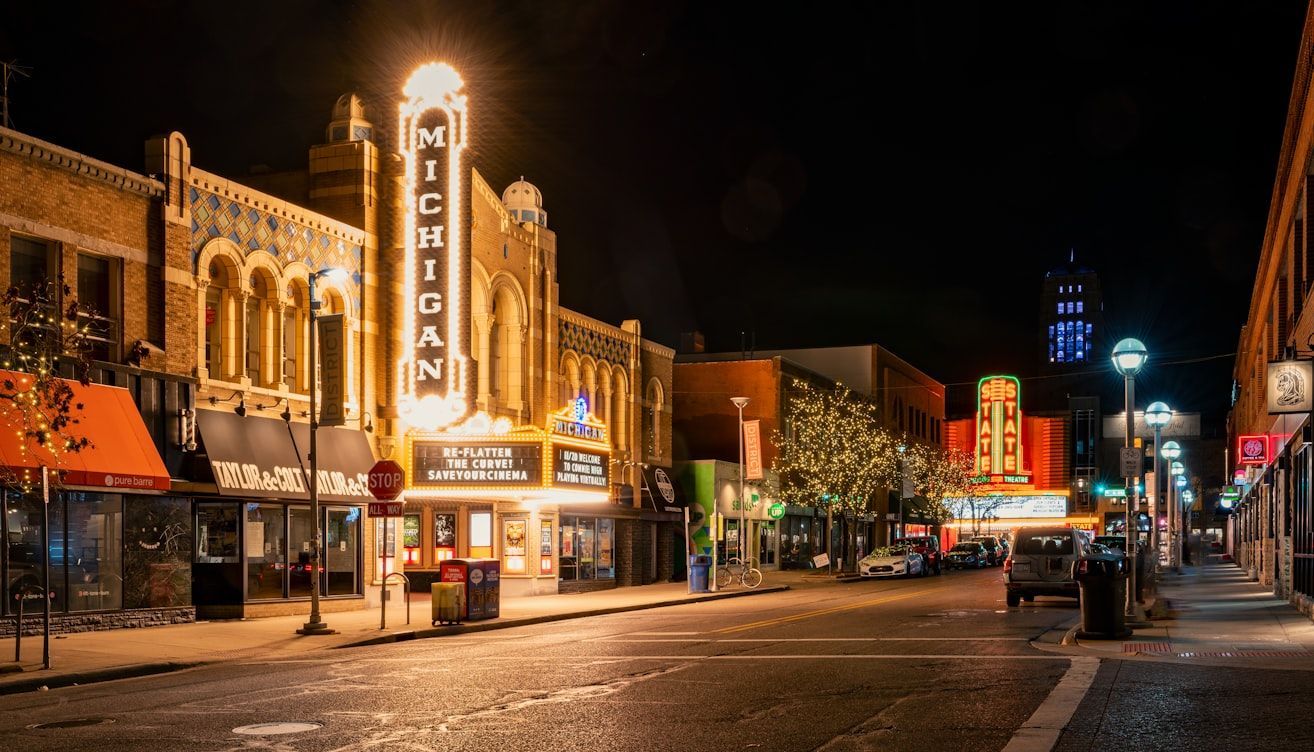
Yooper

Image: Brad Switzer

The Yooper accent, heard in Michigan’s Upper Peninsula, blends Finnish, Swedish, French Canadian, and Cornish influences. It developed through mining-era immigration and stayed distinct due to the region’s isolation.

Locals say "yah" for yes, use "d" for "th" ("dat" for "that"), and often add "eh" at the end of sentences. "Yooper," which is short for "U.P.er," became the popular nickname for residents in the 1970s.

Looking for an extra scoop of literary fun?

Learn more with our Word of the day

frightful

/ˈfraɪtf(ə)l/