Colors and what they represent

Why babies cry more in yellow rooms, plus other color surprises


Published on October 23, 2025


Colors aren’t just decoration: they’re tiny storytellers. They set the mood at dinner, change how we feel about our clothes, and can even trick us into thinking a room is bigger (or smaller) than it really is. Here’s a fun tour through ten of the most common colors and what they say in our daily lives. Warning: once you read this, you might never look at your closet—or your living room—the same way again.

1

1. Red: The Life of the Party

Image: Filip Mishevski

Red is the show-off of the color wheel. It’s bold, fiery, and impossible to ignore. Slip on a red dress or tie, and suddenly you’re the main character in the room. Restaurants often use red in their logos because it makes us hungry—think ketchup labels, pizza signs, and soda cans. Coincidence? Definitely not.

In home décor, red can be a little tricky. A red wall screams, "Look at me!" A splash of red, though—like a lamp, pillow, or rug—can give a room instant warmth and energy.

2

2. Blue: The Chill Factor

Image: Merani Cosme

Blue is that friend who always calms things down. Think of the ocean or a clear summer sky—just looking at blue makes us breathe a little easier. Studies show it can even lower blood pressure and slow the heart rate.

In fashion, a blue suit or dress shirt has "trustworthy" written all over it. It’s a classic for job interviews and first dates, because it makes people feel safe around you.

3

3. Yellow: The Human Highlighter

Image: Larisa Brita

Yellow is sunshine in a crayon box. It’s the color of smiley faces, lemonade stands, and those sticky notes that keep your whole desk organized. Wear yellow, and people immediately think "cheerful."

When decorating, yellow brightens up any space. A pale yellow kitchen feels warm and inviting, like grandma’s house on Sunday morning. Too much, though, and it can be overstimulating—babies have even been shown to cry more in bright yellow rooms.

4

4. Green: Nature’s Neutral

Image: Junior REIS

Green is the color of life itself. It’s the grass under our feet, the leaves above our heads, and the money in our wallets (if we’re lucky). Green clothes often give off a grounded, approachable vibe—perfect for that "I’m relaxed but stylish" look.

In home décor, green works like a neutral while still feeling lively. Olive green couches are surprisingly forgiving of snack spills, and sage walls look fresh without being overwhelming.

5

5. Purple: The Drama Queen

Image: Peter Fitzpatrick

Purple has been associated with royalty for centuries, and it still has that mysterious, slightly dramatic air. A purple scarf or tie says, "I’m bold, but I also read poetry."

At home, purple can be tricky but rewarding. Deep purple curtains bring elegance and luxury, while lighter lavender shades are soothing and romantic. A purple accent wall? That’s the kind of choice that makes your neighbors whisper, "Wow, they must be creative."

6

6. Orange: The Attention Grabber

Image: Erik Mclean

Orange is like red’s more approachable cousin. It’s energetic but playful, the color of pumpkins, sunsets, and every construction cone you’ve ever tried to avoid. Wear orange, and you’ll never blend into the background—it’s the ultimate "notice me" shade.

In décor, orange works best in doses. A burnt orange sofa pillow can make a beige couch look exciting instead of boring. Pair orange with neutrals, and it feels warm and cozy, like a fall afternoon.

7

7. Black: The Timeless Classic

Image: Andrey Zvyagintsev

Black never goes out of style. In fashion, it’s the ultimate slimming trick, but it’s also chic and elegant.

At home, black adds drama and contrast. A black lamp or table grounds a space, making lighter colors pop. Too much, however, can feel a little cave-like—unless you’re going for that "Batman’s lair" vibe.

8

8. White: The Blank Canvas

Image: Hans

White is all about freshness and simplicity. Wear a crisp white shirt, and you look instantly polished—even if you got dressed in three minutes flat. The downside? White attracts stains like magnets attract fridge doors.

In decoration, white walls are like a blank canvas. They make rooms look bigger and brighter, but they can also feel a little… sterile. Add texture—like a fluffy white rug or a cozy throw blanket—and suddenly white feels welcoming instead of hospital chic.

9

9. Pink: The Playful Rebel

Image: Doyo Hermann

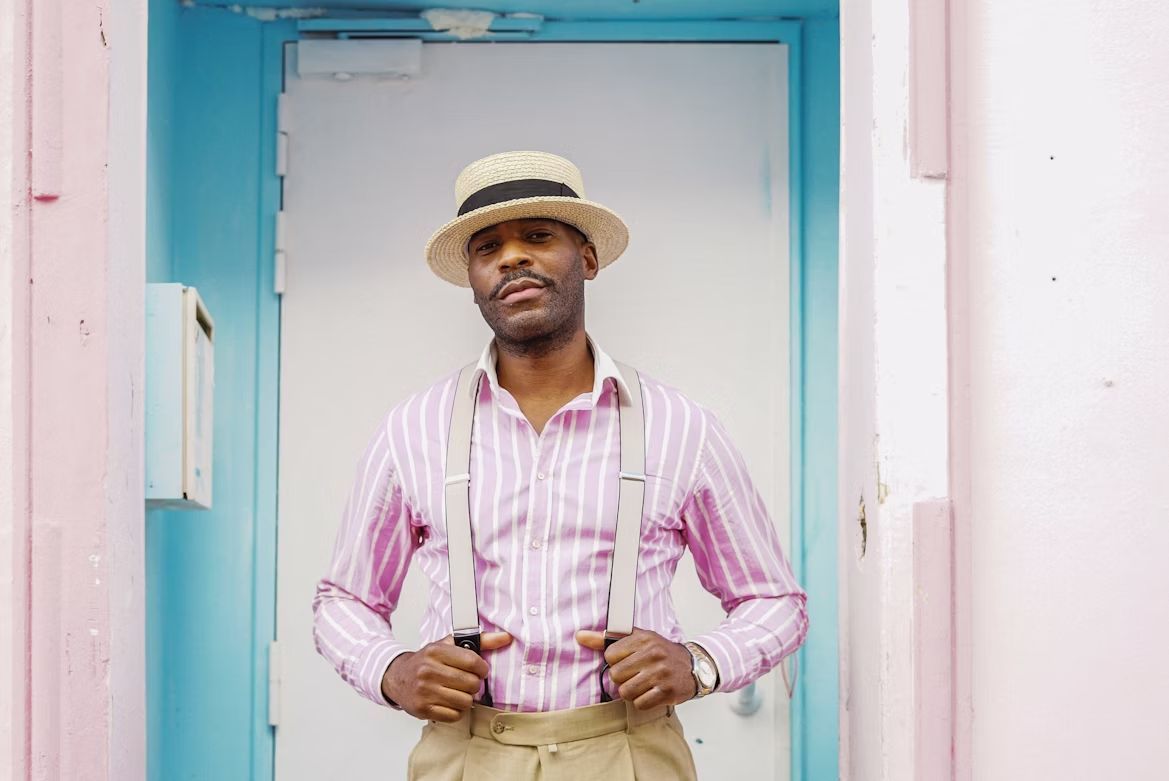
Pink has traveled a long way from being "just for girls." These days, a pink shirt or dress can look bold, stylish, and surprisingly powerful. Wear pink, and you’re basically saying, "I don’t take myself too seriously—but I look good doing it."

In décor, pink can soften a room without making it feel childish. A dusty rose couch feels trendy and chic, while blush pink walls give off a warm, welcoming glow. Add gold accents, and suddenly pink is less "cotton candy" and more "cocktail lounge."

10

10. Brown: The Unsung Hero

Image: Mary Skrynnikova

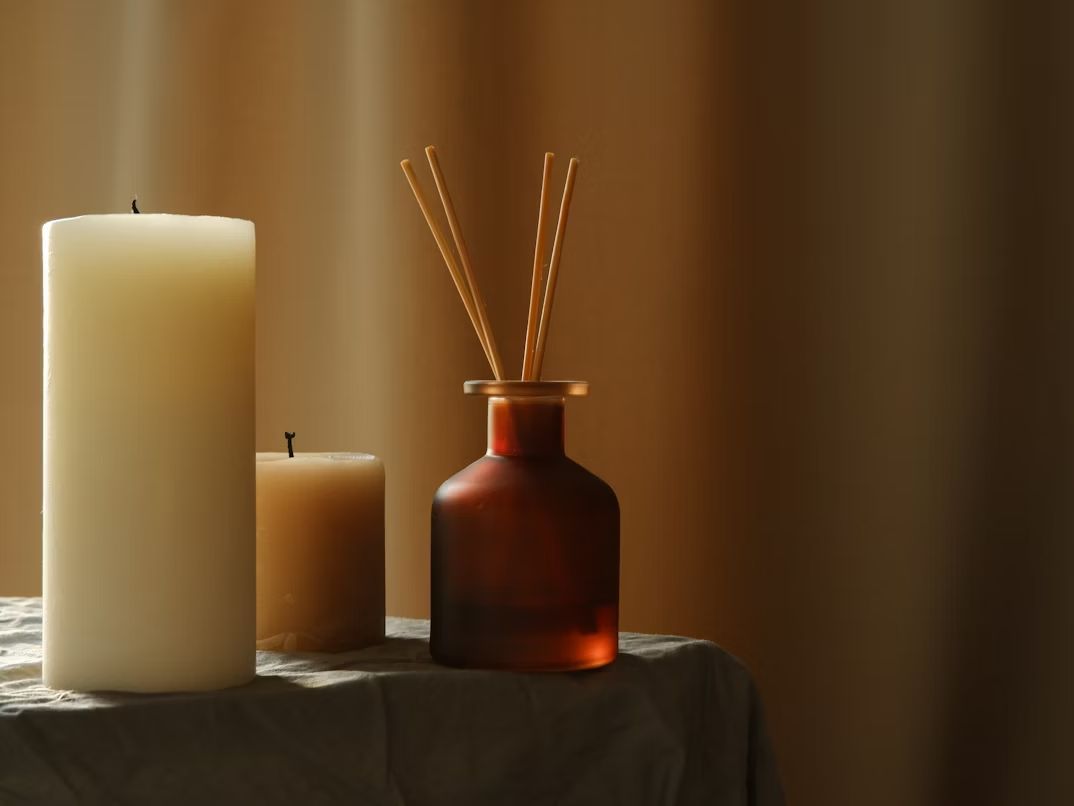
Brown doesn’t usually grab the spotlight, but it’s everywhere—coffee, chocolate, leather jackets, and comfy boots. Wear brown, and you instantly look approachable, dependable, and maybe just a little outdoorsy.

In homes, brown works like a cozy blanket. Wooden furniture, tan couches, or even a rustic rug instantly make a room feel grounded and warm. It’s the color equivalent of comfort food: steady, reliable, and always satisfying.


SOUNDS GALORE

Crash! Bang! Do you know these 10 onomatopoeias from around the world?


Published on October 23, 2025


Image: THOR, CC BY 2.0

Onomatopoeias truly take the music of language to the next level, since the sole function of these words is to imitate or suggest the sound they are describing. Think about the big flashy letters popular in comic books, the "Boom!" and "Kapow!" that appear whenever your favorite superhero fights the bad guys: In our opinion, those images are the perfect description of what an onomatopeia is. As you’d expect, the different sounds of each particular language result in different sounding onomatopoeias: The "bang" we Americans associate with a cowboy showdown would be represented in Spanish by pum! or in Czech by prásk! Bearing that in mind, we have selected ten very different onomatopoeias from around the world that describe the exact same sound. Enjoy!

1

Cock-a-doodle-doo

Image: Akbar Nemati

We’ll start this article in the same way that millions of farmers start their day: With the sound of a rooster singing. English has the classic onomatopoeia "cock a doodle doo", but several languages have come up with different ways to describe this very specific sound.

For instance, Spanish speakers know this sound as kikiriki, while Japanese people call it kokekokkō and German kikeriki. Interestingly, the Irish language’s version of this onomatopoeia is cuc-adiú-dil-ú, which seems to share a root with the English "cock a doodle doo".

2

Bark

Image: Robert Gramner

Not unlike a child’s Speak ‘N Say, you’ll quickly notice that several of the entries in this article describe animal sounds. This time, we’ll focus on humankind’s best friend. Do you sometimes feel your dog is talking to you whenever he wants an extra pat behind his ears? You are not alone: Dogs have inspired a plethora of different onomatopoeias, all seeking to describe all the wonderful sounds our canine friends make.

In that sense, the English language has it easy: The onomatopoeia "bark" is exactly the same as the verb used to describe this action. However, other languages have different takes: Spanish has guau guau, while Mandarin has wāng wāng. Russian has two different onomatopoeias depending on the size of the dog, using gav gav for big dogs and tyaf tyaf for smaller ones.

3

Chugga chugga choo choo

Image: Denis Chick

Have you ever realized that the sound of the train we imitate to entertain a small child is actually comprised of two different onomatopoeias? Think about it: The "chugga chugga" part describes the train wheels running over the tracks, only interrupted by the occasional "choo choo" of the whistle. Regardless, this sound is mimicked by millions of parents approaching a spoonful of baby food to the mouth of a reluctant child, so it stands to reason it varies according to each language.

The Korean language has chik chik pok pok to describe this sound, while Italian uses tu tuu ciuf ciuf. On the other hand, several countries have onomatopoeias similar to the English "choo", including the Spanish chu chu, the French tchou tchou or the Slovenian ču ču.

4

Snoring

Image: Jordan Whitt

Catching some Zs doesn’t mean sleeping in other languages, so if you want to be able to snore accordingly when visiting, you’ll have to learn the different onomatopoeias that describe heavy sleeping. Now, if you need a frame of reference that combines all these different sounds, think of whenever cartoon characters are shown deeply asleep, complete with white nightgowns and sleeping hats: That image perfectly represents all the onomatopoeias we’ll see next.

While "zzz" is now the universal symbol of sleeping, the words that describe the act of sleeping vary. For instance, the Swedish language has snark, while Indonesian has grookkk. Other examples include the Catalan rau-rau, the Turkish hor and the Korean deureureong.

5

Oink

Image: Kenneth Schipper Vera

And after a short detour, we are back to animal sounds! And who better to welcome us back to this rich vein of onomatopoeias than this farmyard favorite? Pig sounds are a childhood favorite, probably due to the odd manner on which they are produced. In that sense, the raspy intake of air we use to imitate this sound is definitively difficult to translate into words, so it seems only natural that so many different onomatopoeias exist for it.

The traditional English "oink oink" is the equivalent of very dissimilar words like the Albanian hunk-hunk, the Basque kurrin-kurrin and the Norwegian nøff nøff. However, you might be surprised to learn that other languages like Spanish, Italian and German use the same oink oink we do.

6

Clip-clop

Image: Tim Mossholder

From cowboys to knights, horses are the perfect companions for daring adventurers: They are fast, brave, and, above all, loyal. In that sense, scores of words depicting the various sounds that horses make have sprawled virtually in every language. We could feature any of them in this article (for instance, the difference between the English "neigh" and other onomatopoeias like the French hiii hiii), but we decided to focus on the sound horses make while trotting, described in English by the word "clip-clop".

The unmistakable sound of hooves striking against the ground has been represented by several words throughout the years. For example, the Spanish language uses the onomatopoeia tucutun tucutun, while Portuguese has pocotó pocotó. Other entries include the Italian cloppete clappete, the Japanese gara-gara and the Danish gadagung gadagung.

7

Crackle

Image: Stéphane Juban

Is there anything better than sitting in front of a fireplace on a cold winter day? We can’t truly think of anything more relaxing than the crackle of a soothing fire filling a cozy room. Add a cup of tea and a good book to the mix, and you got yourself a perfect winter plan! In any case, these delightful sounds have inspired some equally delightful onomatopoeias.

The English "crackle crackle" can be translated to knister knister in German, rip-rop in Hungarian or trzask in Polish. Curiously, the Japanese pachi pachi is also used to describe several other small sounds, like popping bubblewrap.

8

Chomping

Image: Henley Design Studio

This onomatopoeia doesn’t just describe eating: Chomping involves eating with gusto, to eagerly enjoy a meal or to devour something after an extended fasting. Bearing that in mind, these next words also perfectly describe the sounds of this frenzied intake, however different they might sound to the English "chomp".

Some of these words obviously share a root. For instance, the Spanish ñam ñam, the German mampf and the French miam sound remarkably similar. The Japanese word for chomping, however, is exceptionally noteworthy, as it has inspired one of the most recognizable icons in video-game history: The name Pac-man comes from the Japanese words paku paku, which means chomping down food.

9

Quack

Image: Vincent van Zalinge

Of all the entries in this list, "quack" is probably the one closest to a universal onomatopoeia. After all, it seems to perfectly describe duck calling: You can almost feel the letters that compose this word forming whenever you hear a duck in the distance. Nevertheless, there are a few different terms for the sounds our favorite waterfowl makes.

As we said, several languages use variations of "quack quack", like German (quak quak), Greek (kuak kuak) or Polish (kwa kwa). However, other countries use very different onomatopoeias, like the Danish rap rap, the French coin coin, or the Icelandic bra bra.

10

Crash

Image: Dave Hoefler

We’ll end with what many consider the quintessential onomatopoeia. "Crash" sometimes feels interchangeable with other words that denote hitting like "wham" or "pow". However, there’s something about this onomatopoeia that makes it stand out against the rest: It feels like the definitive comic book exclamation, the one that leaves a heavier impact. Having said that, have you ever wondered how it fared against similar expressions from other languages?

For starters, this word is used all around the world: Some languages like German employ the similarly spelled krach to describe this sound, while others like Portuguese or Spanish directly use crash. What’s rather interesting is that the sound made from hitting something has inspired one of the oldest onomatopoeias we know: The Latin play Persa, written by Titus Maccius Plautus, employs the words tux tax to represent these sounds.

Looking for an extra scoop of literary fun?

Learn more with our Word of the day

defiant

/dəˈfaɪənt/