Identity crisis

What do Burma, Rhodesia, and Siam have in common? They all changed names!


Published on May 1, 2026
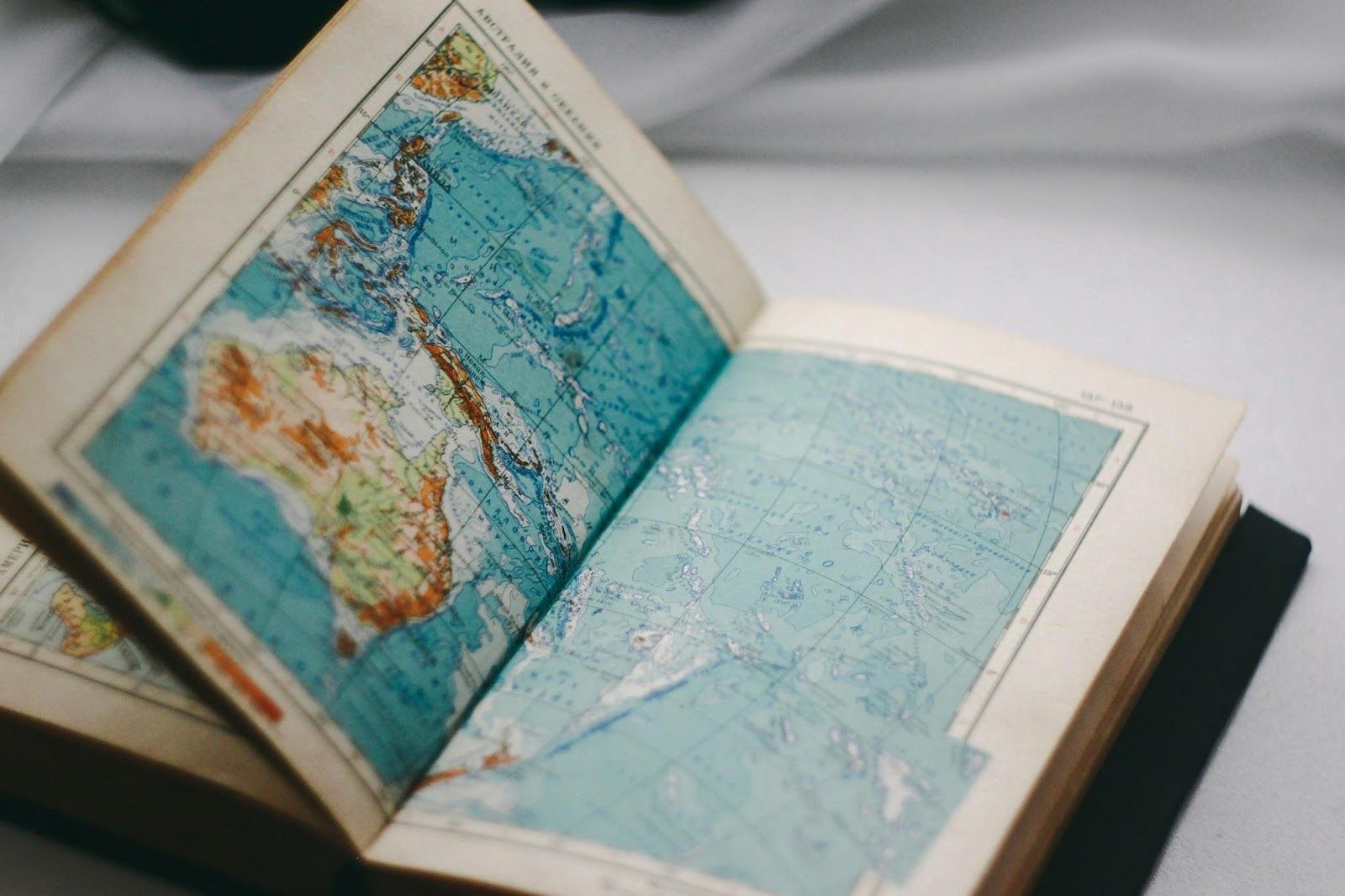

Image: pure julia

Countries rename themselves for many reasons—shedding colonial pasts, embracing local languages, or settling political disputes. Some changes are subtle, others dramatic, but each reflects deep historical, cultural, or geopolitical shifts. Here are 10 times a nation decided to swap out its old name for a new identity.

1

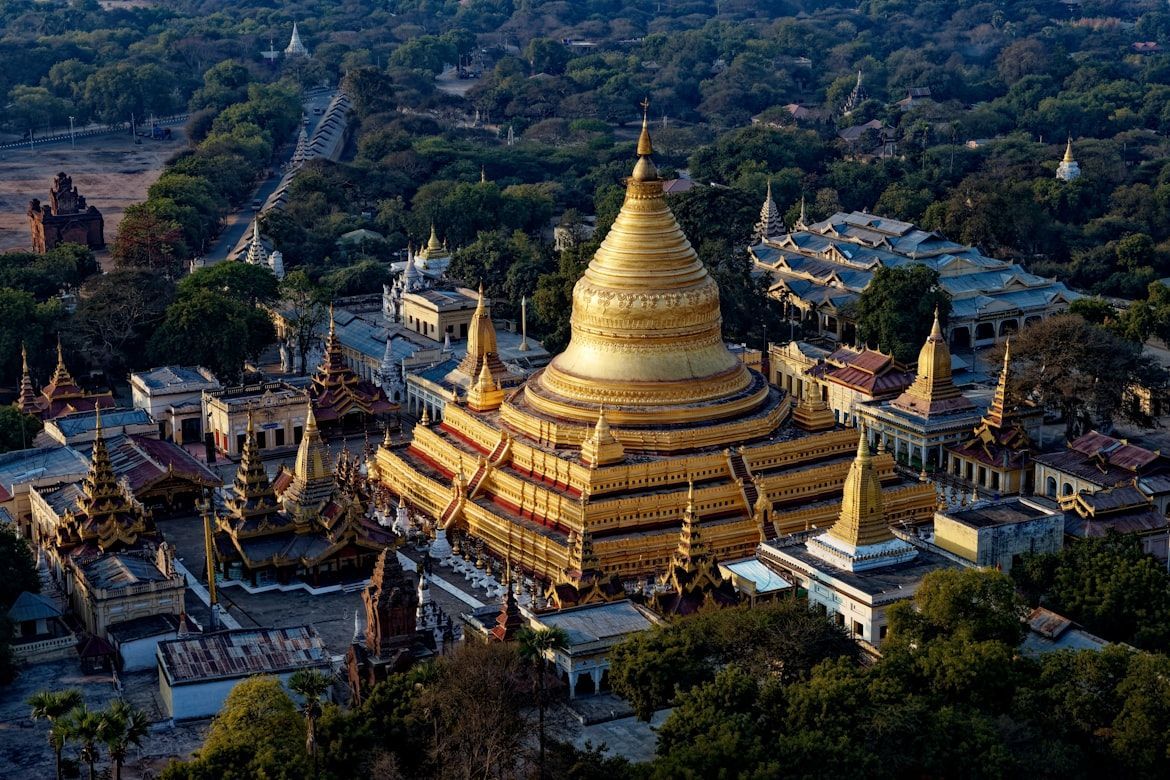
Burma to Myanmar

Image: Yves Alarie

In 1989, the ruling military junta of the country changed "Burma" to "Myanmar" to reflect what it said was a more inclusive, indigenous identity. The name "Burma" was strongly associated with British colonialism and the dominant Bamar ethnic group.

The UN and many countries recognized the change, but some, like the U.S. and UK, resisted for years as a political stance against the unelected military regime behind the change.

2

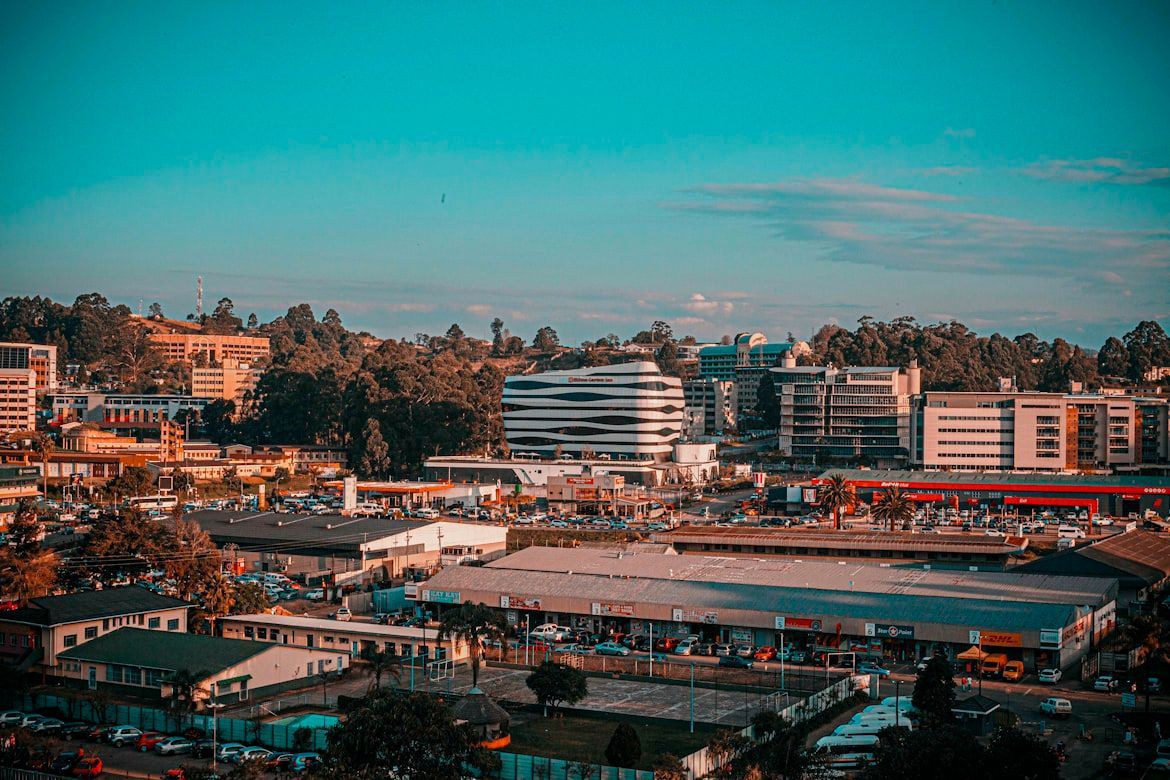
Swaziland to Eswatini

Image: S'mile Vilakati

In 2018, King Mswati III declared that Swaziland would become Eswatini, meaning "land of the Swazis" in the local language. He announced the change during the country’s 50th independence anniversary.

The king cited confusion with Switzerland and a desire to break with colonial-era names as reasons. Also, the new name had already been in unofficial use for years during local events.

3

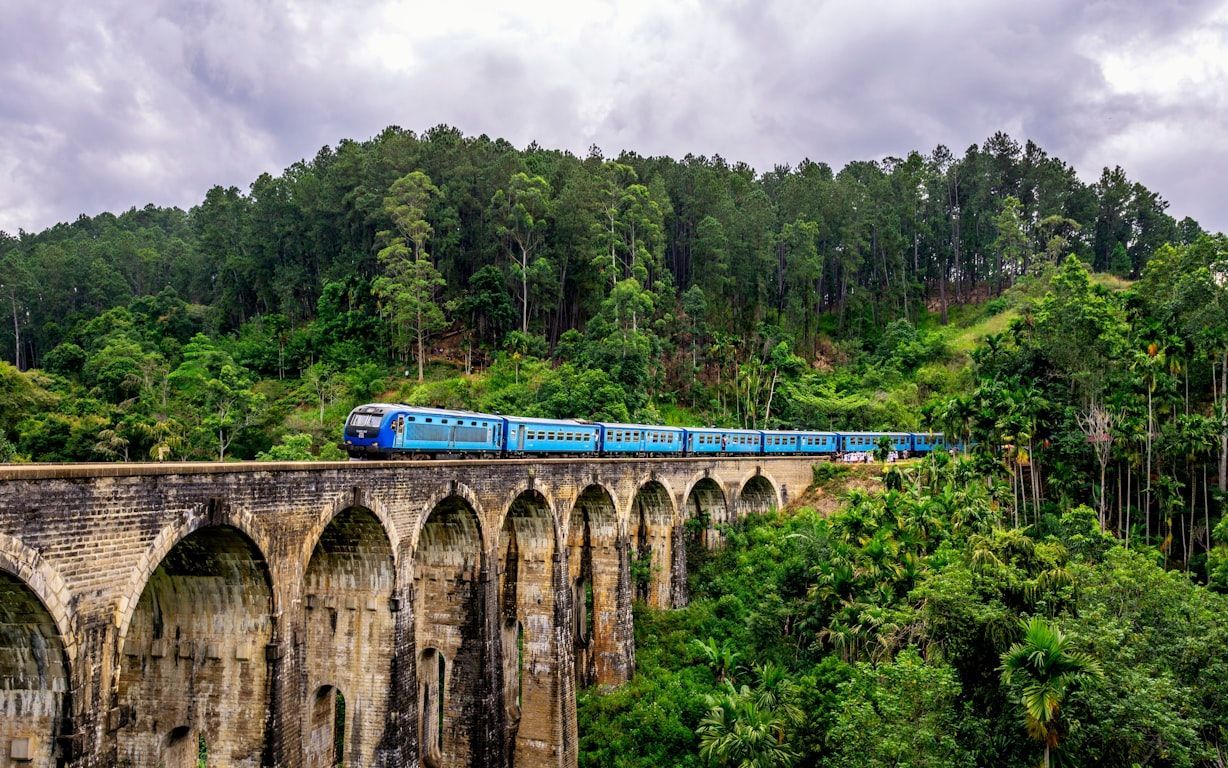
Ceylon to Sri Lanka

Image: Hendrik Cornelissen

In 1972, the island nation officially changed its name from Ceylon to Sri Lanka after becoming a republic. "Sri Lanka" derives from Sanskrit, meaning "resplendent island."

The name "Ceylon" was tied to Portuguese, Dutch, and British colonial rule. However, some companies (like Ceylon Tea) still use the old name as a global brand.

4

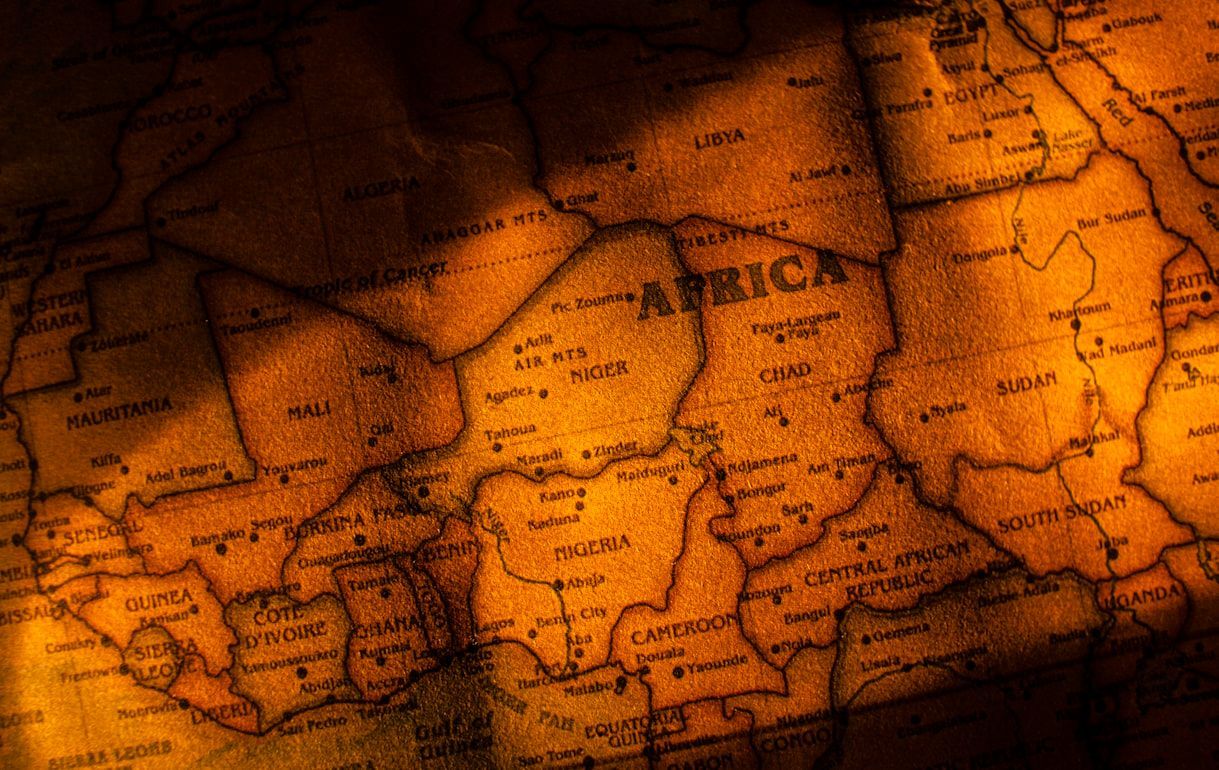
Zaire to Democratic Republic of the Congo
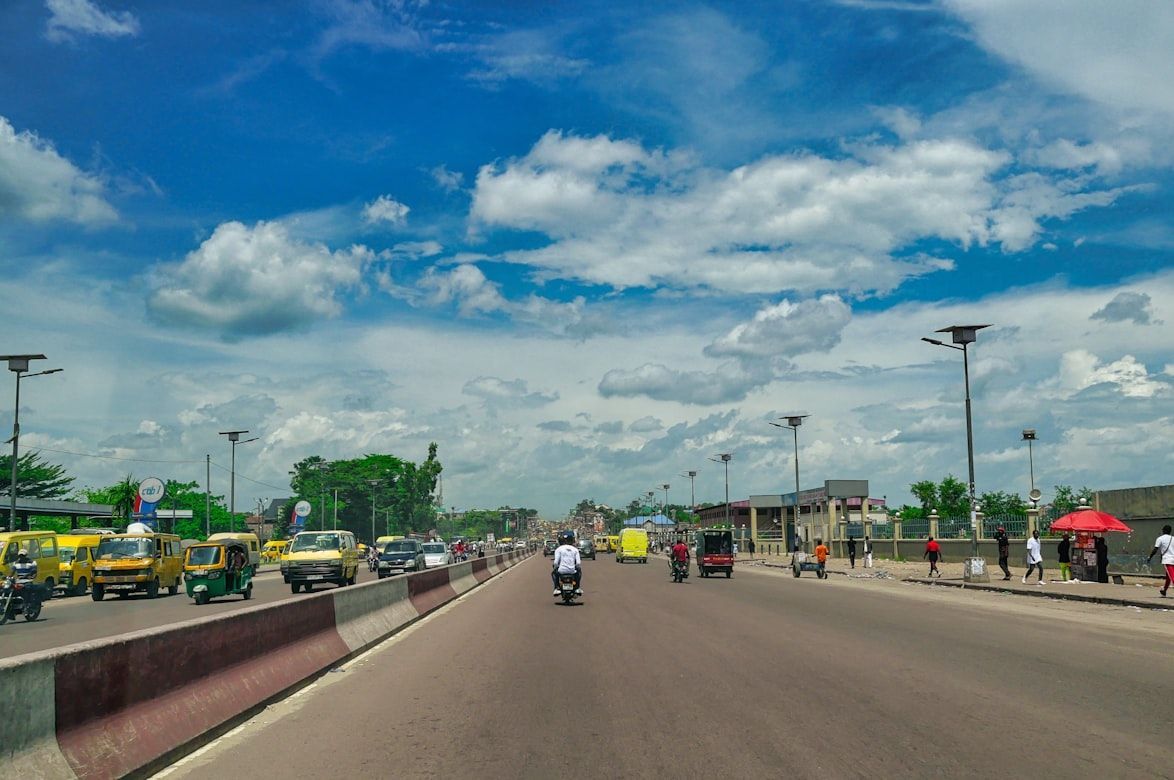
Image: Kaysha

In 1997, after the dictatorial regime of Mobutu Sese Seko was overthrown, Zaire reverted to its pre-1971 name: the Democratic Republic of the Congo.

"Zaire" had been Mobutu’s attempt to Africanize the nation, but reverting to the original name also caused its own problems, since its neighbor is also named the Republic of the Congo, leading to some confusion for both locals and tourists.

5

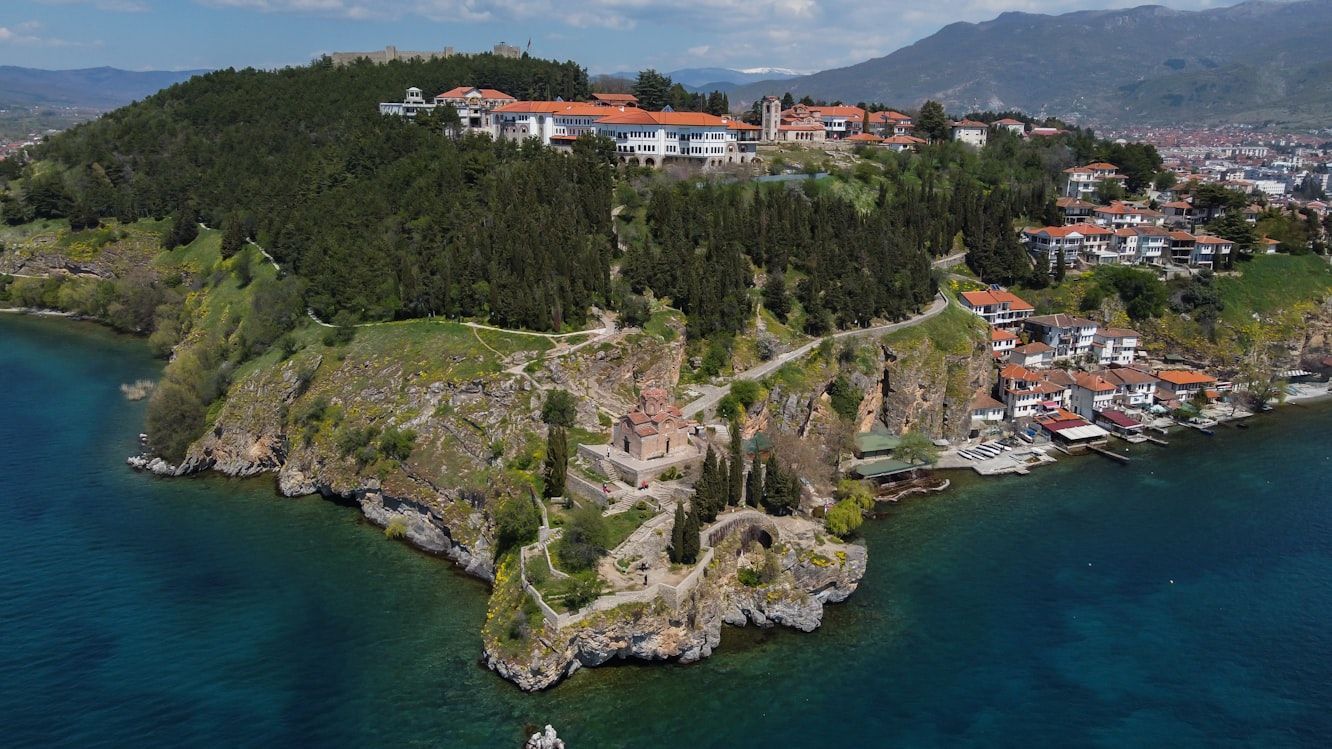
Macedonia to North Macedonia

Image: Ljupco Dzambazovski

After years of dispute with Greece over the name "Macedonia," the country officially became North Macedonia in 2019. Greece claimed "Macedonia" implied a territorial claim over its northern region of the same name.

The compromise unblocked North Macedonia’s path to NATO and EU talks. Though controversial domestically, the change ended a decades-long diplomatic standoff.

6

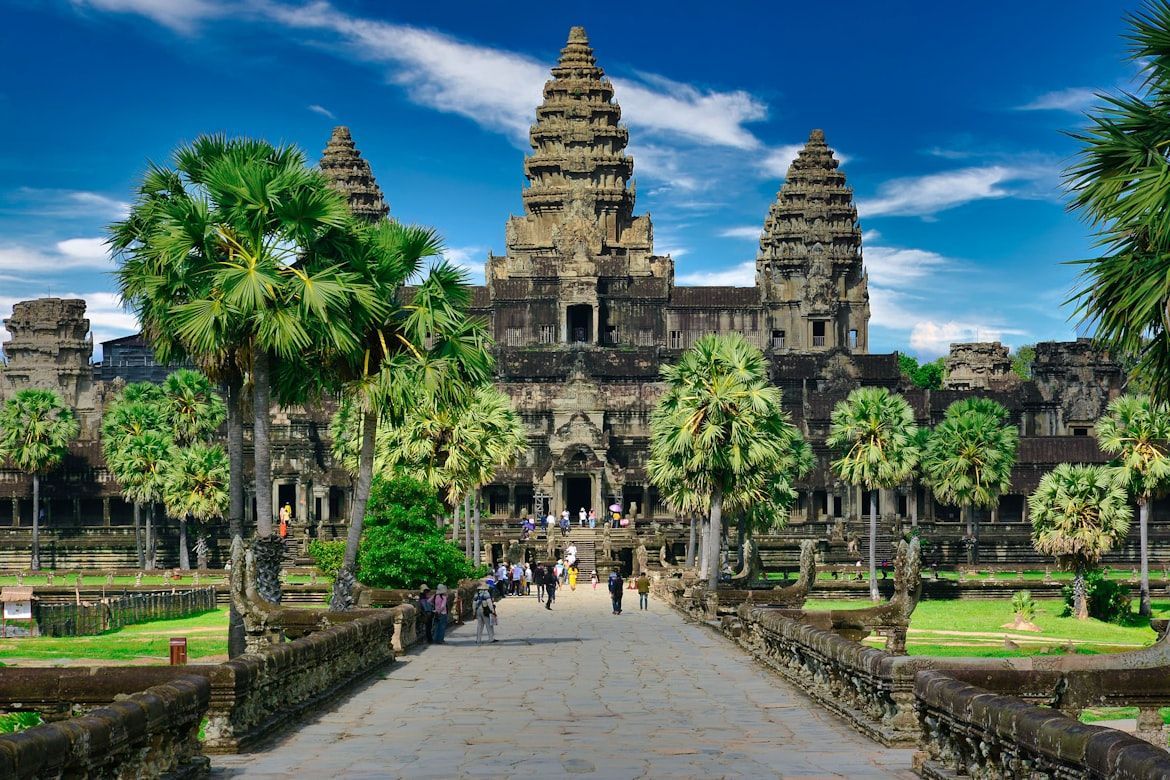
Kampuchea to Cambodia

Image: allPhoto Bangkok

Under the Khmer Rouge regime, the country was known as Democratic Kampuchea. After the regime’s fall in 1979, the name gradually returned to "Cambodia," the anglicized form of the original name.

By 1993, with the monarchy restored and a new constitution, "Kingdom of Cambodia" became official. "Kampuchea" is still used in the Khmer language, but not internationally.

7

Upper Volta to Burkina Faso

Image: Road Ahead

In 1984, revolutionary leader Thomas Sankara renamed Upper Volta to Burkina Faso, meaning "Land of Incorruptible People" in local languages. The old name referred to river tributaries of the region.

Sankara saw the change as a break from colonial legacy and a tribute to national dignity. The people became known as Burkinabé, a new term coined to reflect unity.

8

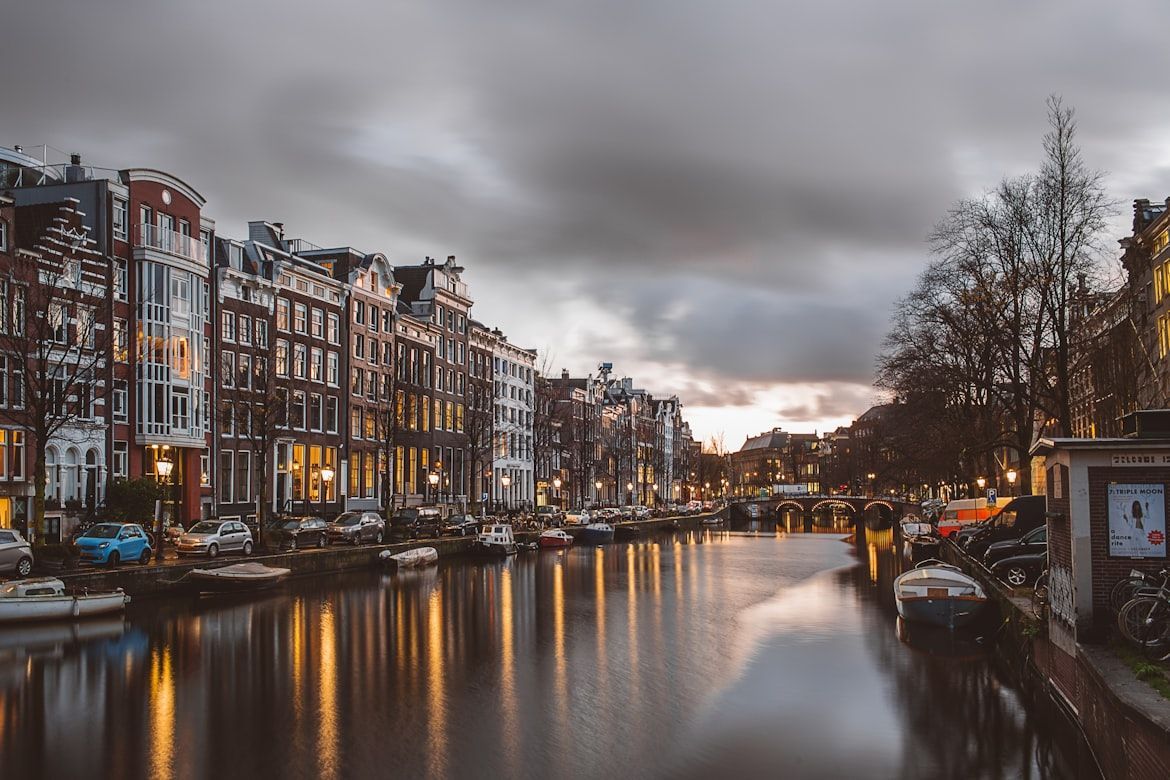
Holland to the Netherlands

Image: Azhar J

This was more a rebranding than a true name change. "The Netherlands" has always been the country’s official name, whereas "Holland" refers only to two provinces. In 2020, the Dutch government stopped using "Holland" in international marketing to avoid confusion.

The change was part of a tourism and trade branding overhaul, with major events like Eurovision and the Olympics adopting "Netherlands" exclusively in their materials.

9

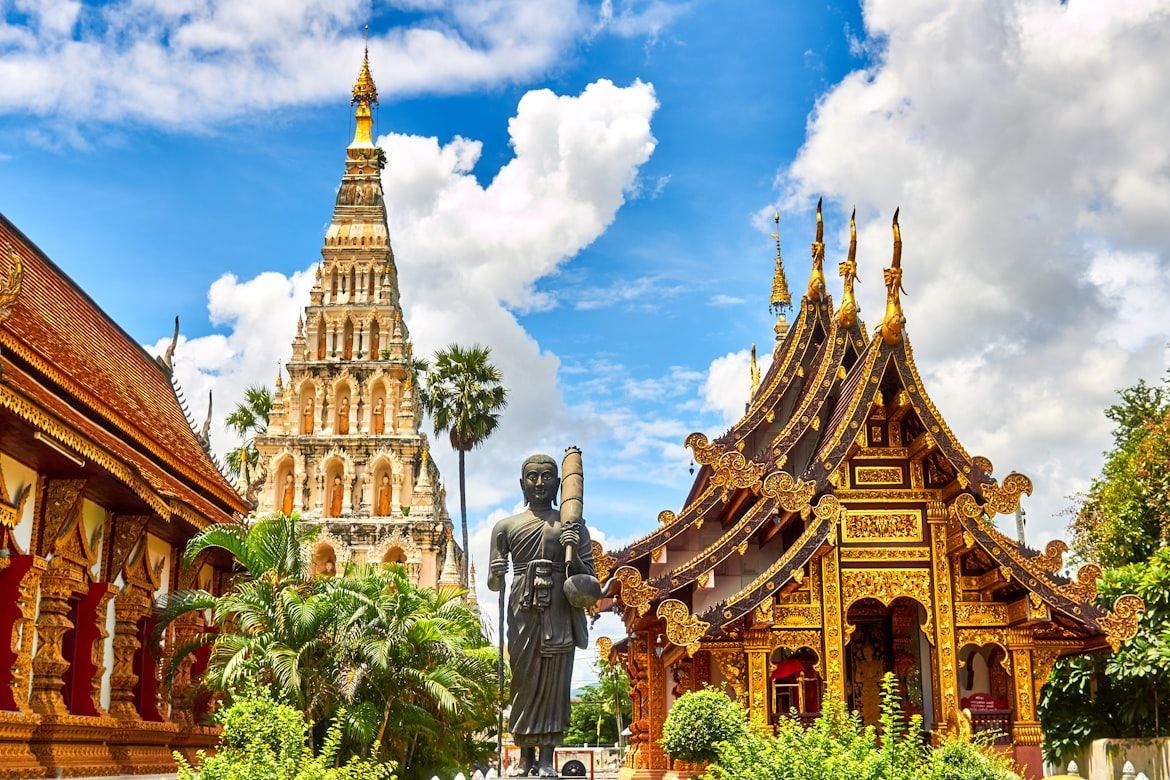
Siam to Thailand

Image: Mathew Schwartz

In 1939, and again officially after WWII in 1949, the country dropped the name Siam to become Thailand, meaning "land of the free."

The change was mainly driven by a nationalist movement that sought to unify the country under a more inclusive Thai identity. While the name "Siam" carried some specific cultural connotations, the name "Thailand" emphasized sovereignty and the ethnic majority’s rule.

10

Rhodesia to Zimbabwe

Image: Chloe Evans

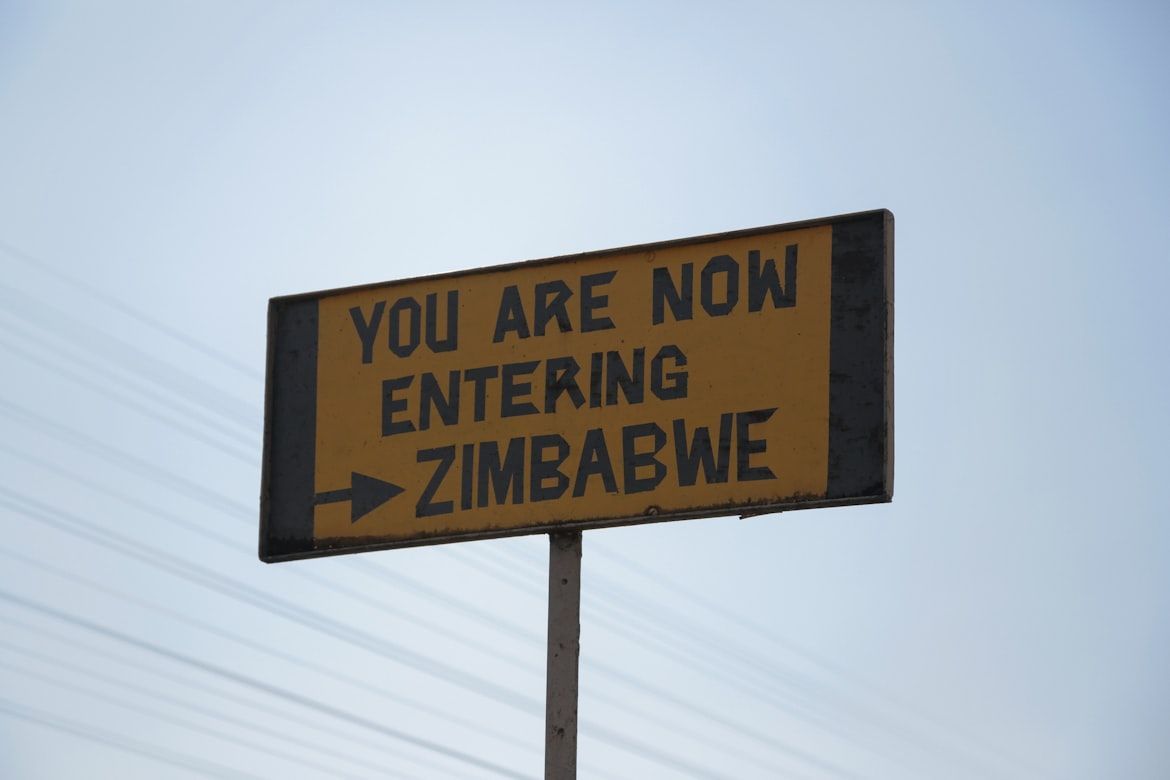
In 1980, the unrecognized white minority government of Rhodesia was replaced, and the country became Zimbabwe, derived from "Great Zimbabwe," an ancient city of the region.

The old name honored British imperialist Cecil Rhodes. The new one reclaimed African history and identity after years of brutal conflict.

The secret life of vocabulary: 10 words with mind-blowing origins


Published on May 1, 2026


Image: Melike B

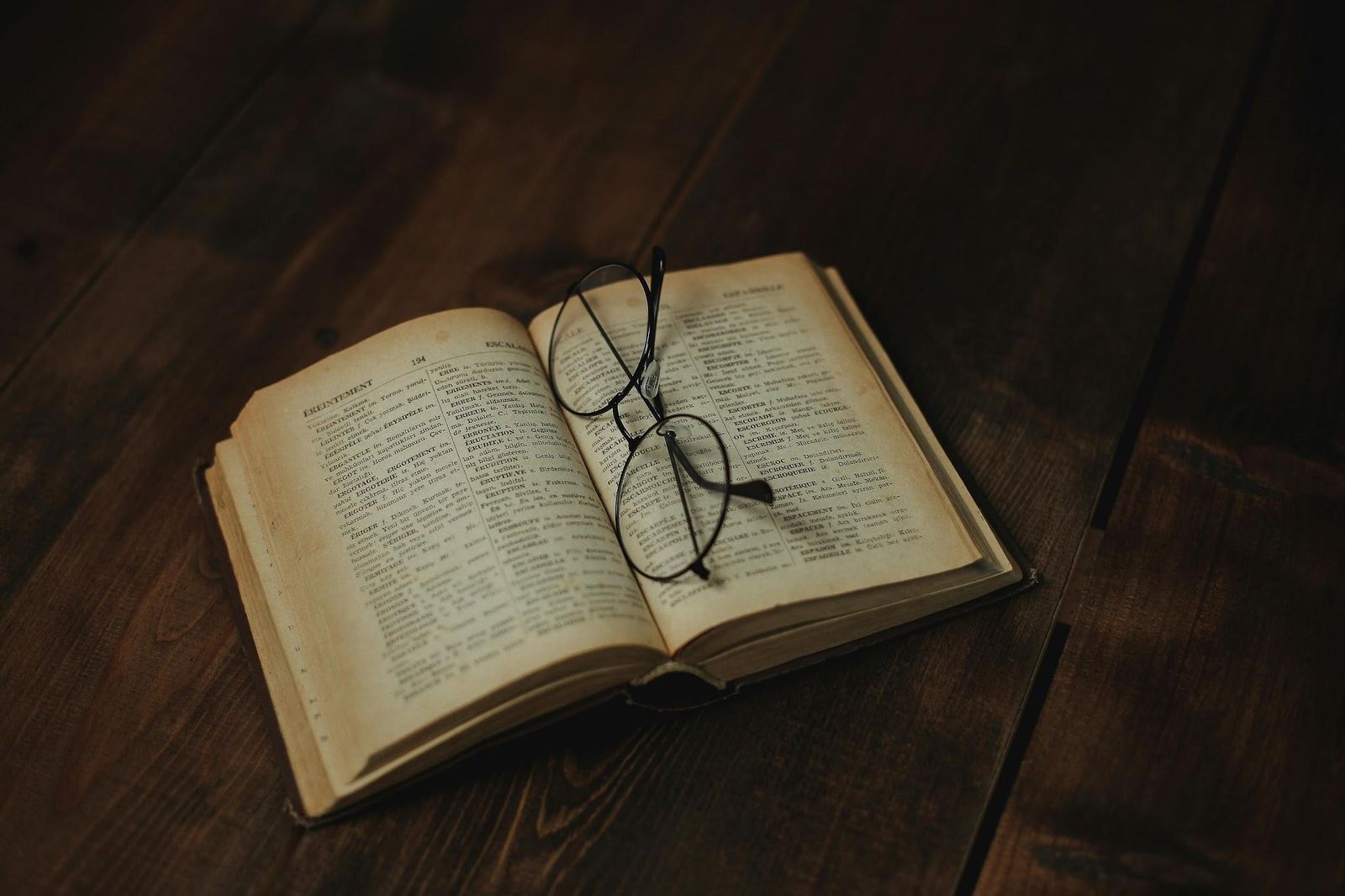
Etymology—the study of word origins—reveals that the terms we use daily often started with meanings that were drastically different, sometimes even comical or celestial. When we look into the lineage of our vocabulary, we find traces of Viking warriors, Greek myths, and even the breaking of river ice. Continue reading to discover 10 words with fascinating origin stories.

1

Galaxy

Image: Guillermo Ferla

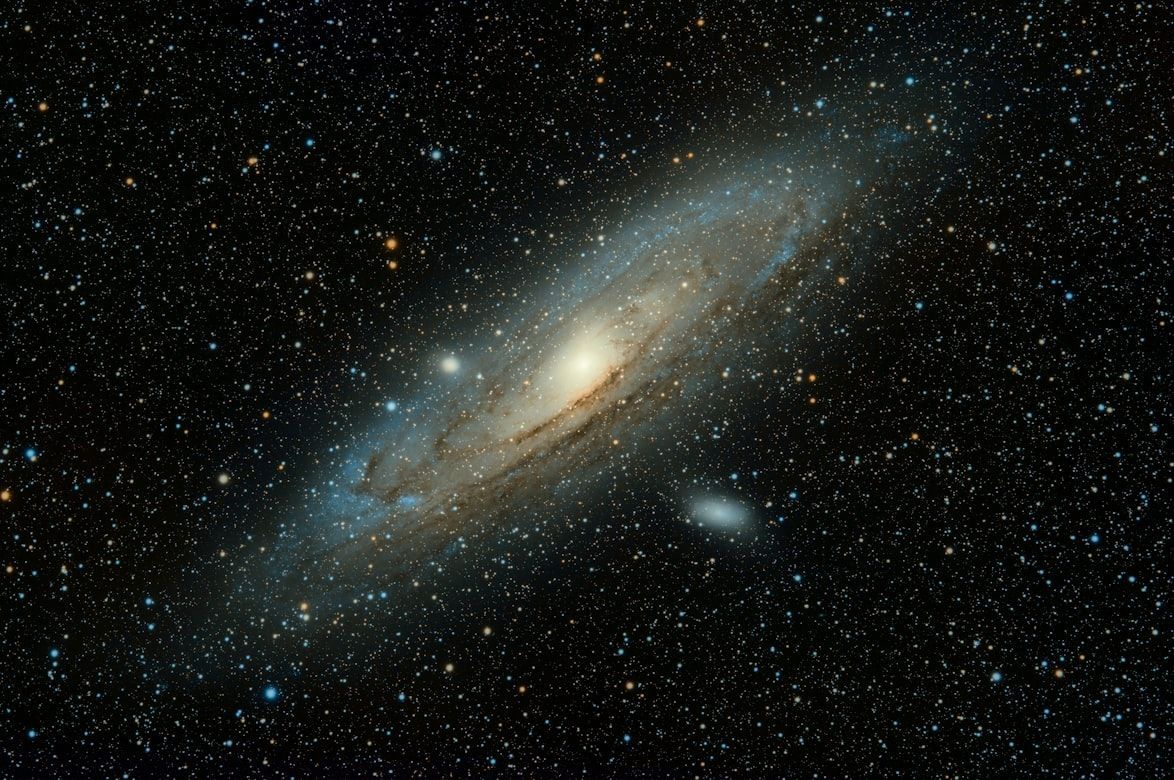
When we think of a galaxy, we imagine vast, swirling clusters of billions of stars across the vacuum of space. However, the origin of the word is much more domestic. The term comes from the Greek galaxias, which is derived from gala, meaning "milk".

This linguistic connection stems from Greek mythology. According to legend, the Milky Way was created when the goddess Hera was nursing the infant Heracles. When she pulled away, a spray of milk streaked across the sky. To the ancient Greeks, the glowing band of light in the night sky was literally the "milky circle". While we now know that galaxies are composed of stars and gas, our scientific terminology remains rooted in an ancient story of a mother and her child.

2

Marmalade

Image: Nadin Trosh

While most of us associate marmalade with a bitter orange preserve enjoyed at breakfast, the word’s history has nothing to do with citrus. It comes from the Portuguese word marmelada, which was a preserve made from marmelo, the word for "quince".

In the 15th and 16th centuries, quince paste was a thick, solid confection often imported into England. As the centuries passed and international trade expanded, bitter Seville oranges replaced quinces as the primary ingredient in these preserves.

3

Berserk

Image: Fernando Cortés

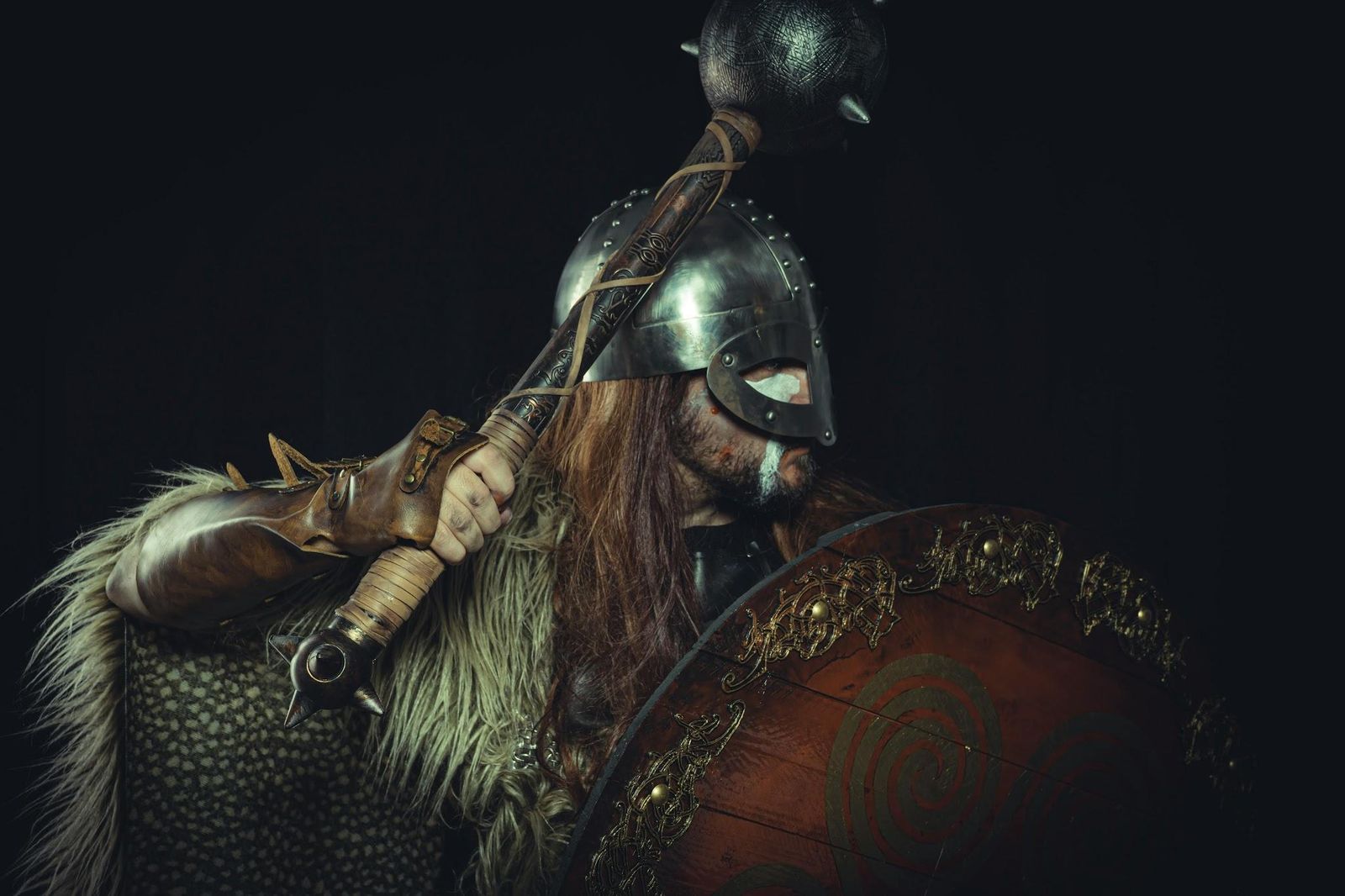
To go "berserk" is to lose all control, acting with a wild, frenzied energy. The origin of this word is found in the terrifying Viking warriors of Old Norse lore. The term berserkr is a compound of ber- (meaning "bear") and serkr (meaning "shirt" or "garment").

These "berserkers" were legendary fighters who entered battle in a state of trance-like fury, wearing bear skins rather than armor. Some historians believe their frenzy was induced by hallucinogenic mushrooms or heavy drinking, but the result was a warrior so fierce they were said to be immune to fire and iron. Today, the word has transitioned from a specific type of Norse soldier to a general description of chaos.

4

Weird

Image: Cecilia Miraldi

In modern English, weird simply means strange or freaky. But in Old English, the word wyrd meant "fate" or "destiny". That is to say, it was a noun, not an adjective. A person’s wyrd was the unchangeable path laid out for them by the universe.

The shift toward the modern meaning of "strange" was largely influenced by William Shakespeare. In Macbeth, he introduced the "Weird Sisters", three witches who could see and manipulate the threads of fate. Because these characters were supernatural and unsettling, audiences began to associate the word "weird" with the uncanny and the bizarre.

5

Explode

Image: cottonbro studio

If a bomb explodes, it bursts with violent force. However, the word’s Latin ancestor, explodere, had a much more vocal meaning: "to clap out". In the world of ancient Roman theater, explodere meant to drive an actor off the stage by clapping, hissing, or shouting.

For centuries, "explode" referred to the rejection or driving out of an idea or a person through noise. It wasn’t until the 17th and 18th centuries, with the advancement of gunpowder and physics, that the word began to describe a physical, violent burst of pressure.

6

Vulgar

Image: Ryoji Iwata

Today, if someone is described as "vulgar", it usually means they are crude, offensive, or lacking in manners. But originally, the Latin vulgaris, from vulgus, the "common people", simply meant "common" or "ordinary".

For a long time, the "vulgar tongue" was simply the local language as opposed to the prestigious Latin used by the church and scholars. Over time, however, the word took on a snobbish, class-based connotation. The elite began to view anything common as inferior and unrefined, leading to the modern definition where "vulgar" is a synonym for "distasteful".

7

Arctic

Image: Hans-Jurgen Mager

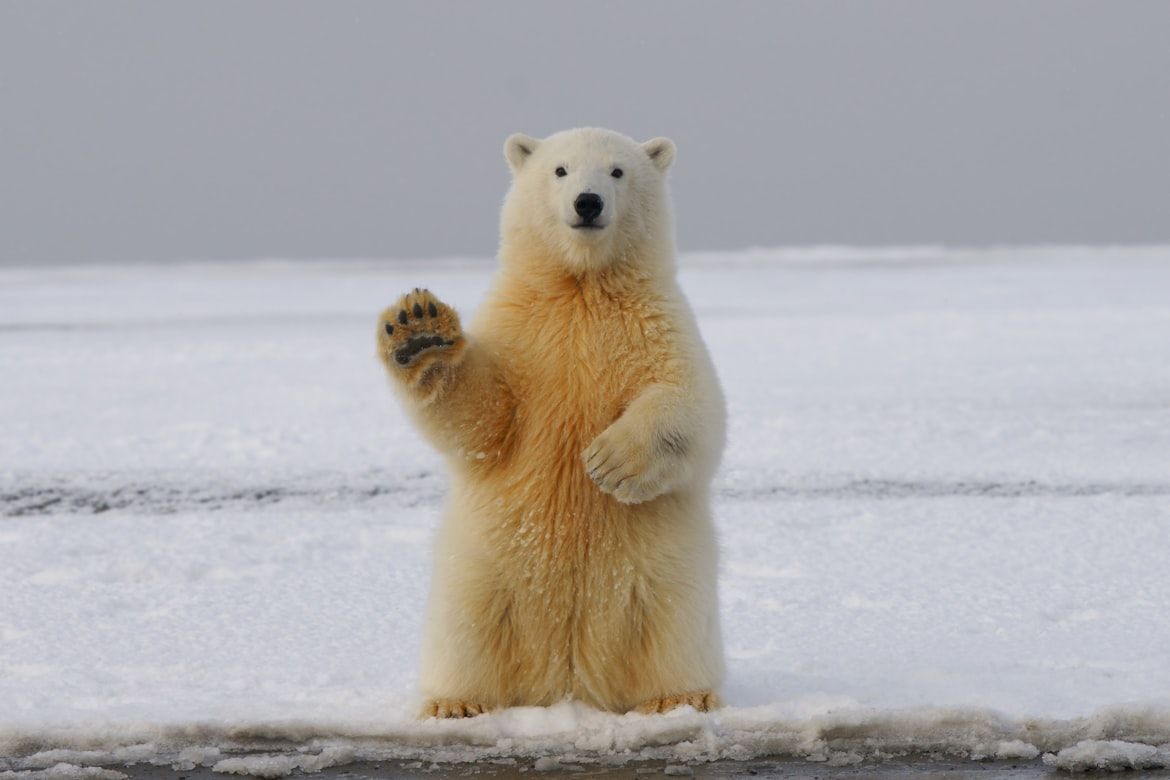
One might assume that "Arctic" is an indigenous word for the frozen north, but actually, it’s Greek in origin. Arktos is the Greek word for "bear". Yet, the region is not named for the polar bears that lived there, but for the constellations that hang above it.

In the northern sky, the constellation Ursa Major, the Great Bear, is an important landmark. To the ancient Greeks, the Arctic was simply the land under the Bear. Interestingly, the name for the southern pole, Antarctica, literally means "opposite the bear".

8

Camouflage

Image: James Wainscoat

"Camouflage" is a relatively young word in the English language, entering common usage during World War I. It comes from the French camoufler, which was slang for "to disguise". In turn, some etymologists link it to camouflet, a term for a puff of smoke blown into someone’s face to distract them.

Before it was a military tactic used to hide tanks and soldiers, camouflage was a term used by thieves and actors to describe the art of changing one’s appearance. The war transformed it into a technical endeavor involving artists and biologists to create patterns that could deceive the enemy’s eye.

9

Flu

Image: Andrea Piacquadio

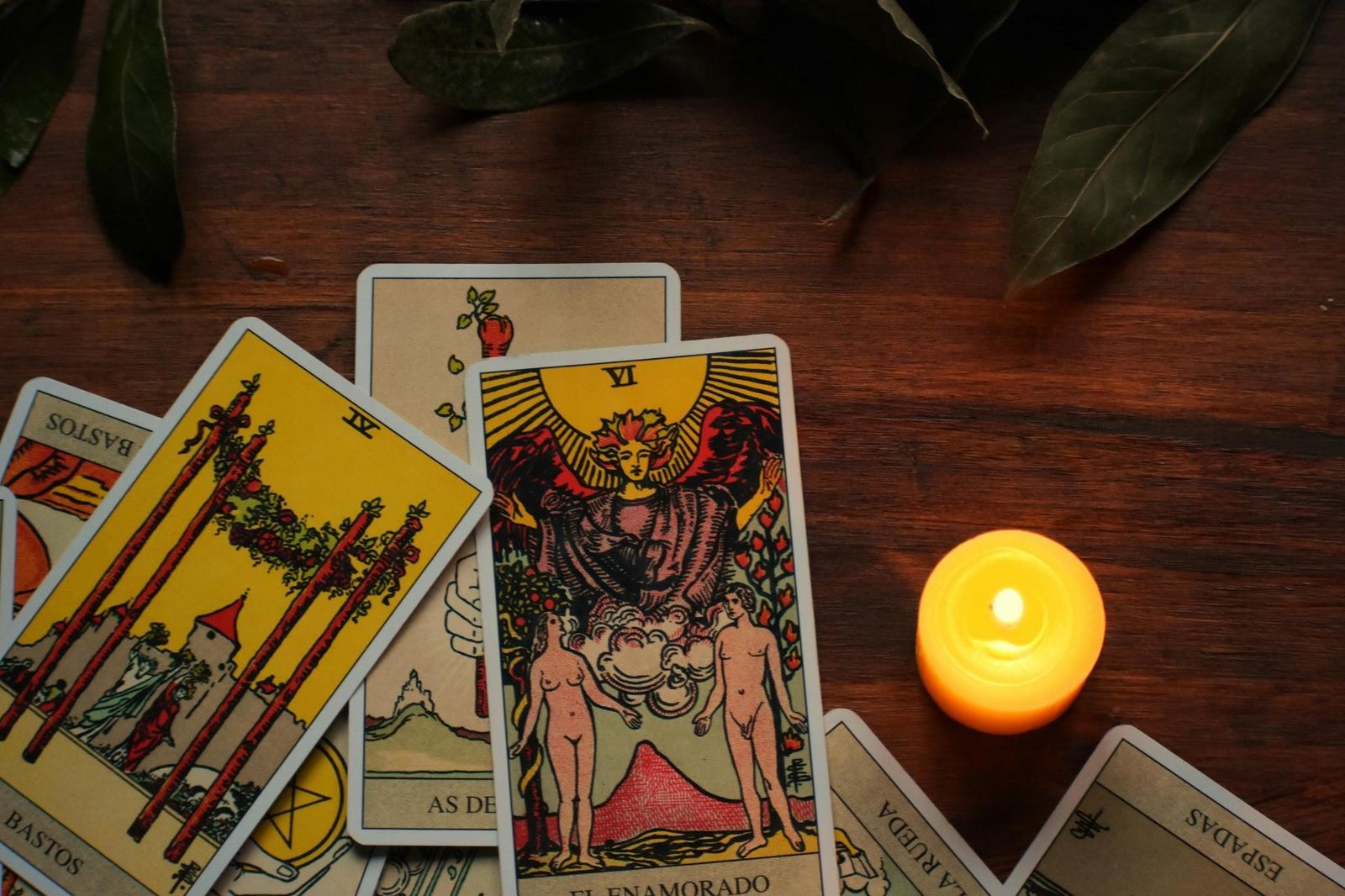
When we come down with the "flu", we rarely think about astrology. However, the word is a shortened form of influenza, which is Italian for "influence". In medieval times, people believed that outbreaks of disease were caused by the "influence" of the stars and planets.

Later, the term was refined to influenza del freddo, "influence of the cold". Eventually, the English language dropped the astrological baggage and the "cold" reference, leaving us with a punchy, three-letter word for a respiratory virus.

10

Debacle

Image: Arkadiusz Gąsiorowski

A "debacle" is a sudden, disastrous failure or a total collapse. The word’s history is rooted in the natural world. It comes from the French débâcle, which originally referred to the breaking up of ice in a river.

When a frozen river began to thaw, the ice would crack and rush downstream in a chaotic, unstoppable flood. This literal breaking loose was a violent and messy event. By the 19th century, people began using the term metaphorically to describe any situation where things fall apart quickly and uncontrollably.

Looking for an extra scoop of literary fun?

Learn more with our Word of the day

seminal

/ˈsɛmən(ə)l/