Identity crisis

Why Holland isn’t Holland anymore — the surprising rebrand of a nation


Published on May 1, 2026
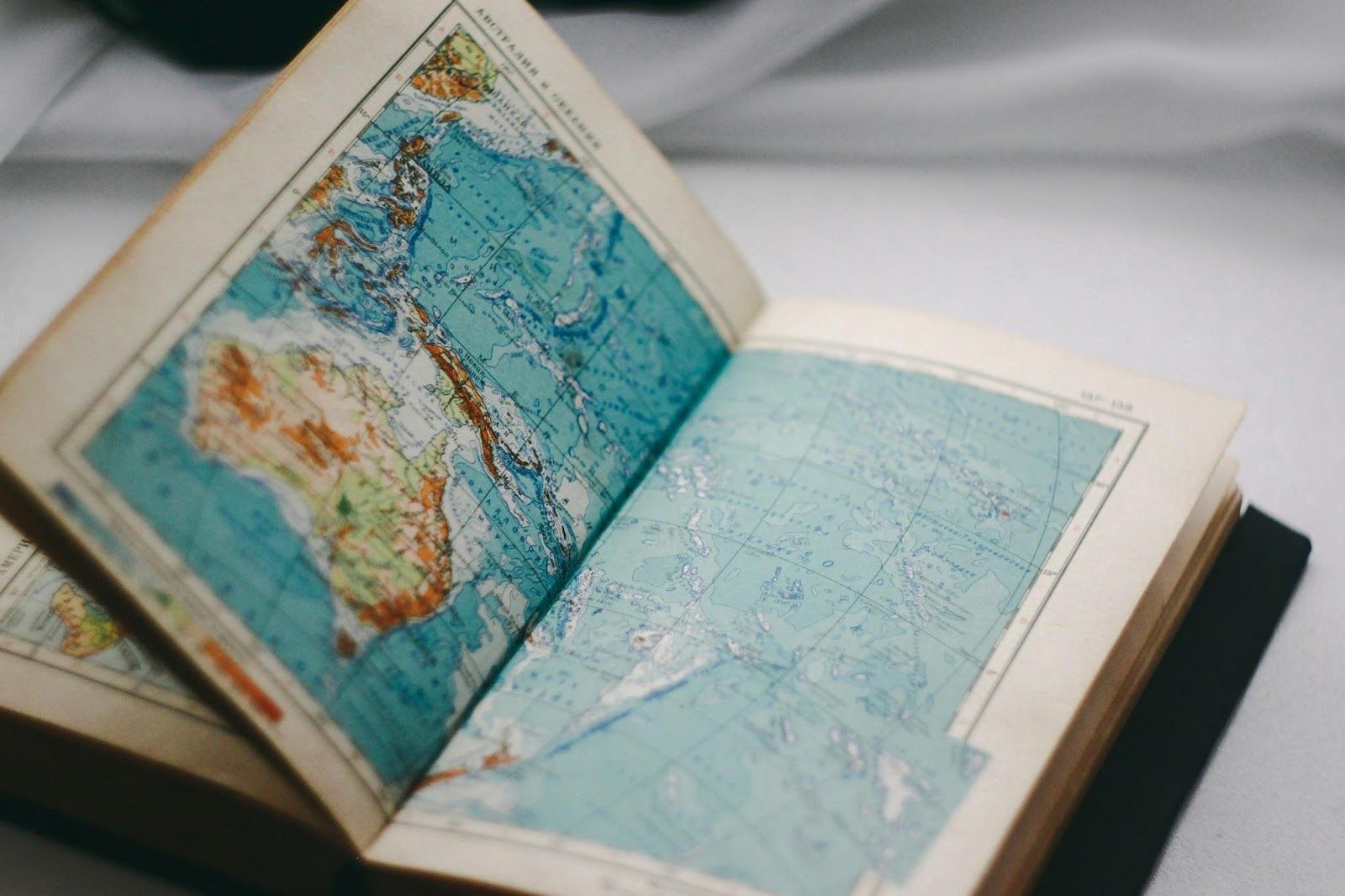

Image: pure julia

Countries rename themselves for many reasons—shedding colonial pasts, embracing local languages, or settling political disputes. Some changes are subtle, others dramatic, but each reflects deep historical, cultural, or geopolitical shifts. Here are 10 times a nation decided to swap out its old name for a new identity.

1

Burma to Myanmar

Image: Yves Alarie

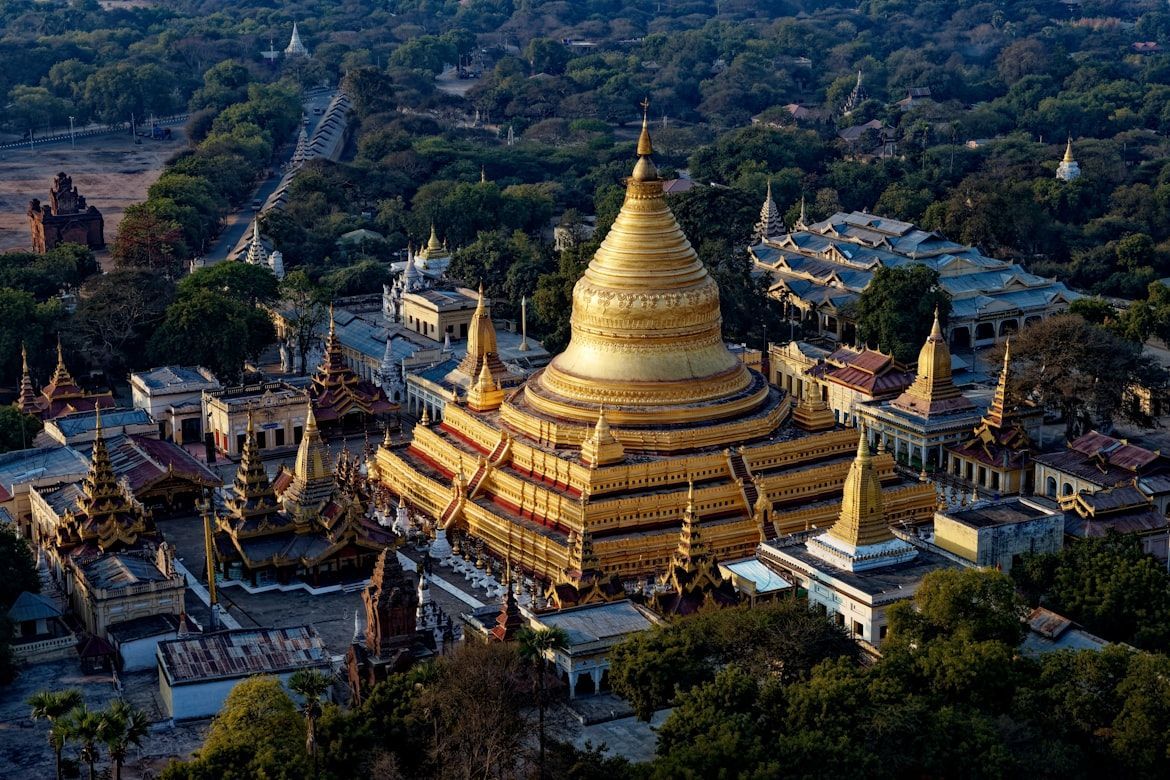
In 1989, the ruling military junta of the country changed "Burma" to "Myanmar" to reflect what it said was a more inclusive, indigenous identity. The name "Burma" was strongly associated with British colonialism and the dominant Bamar ethnic group.

The UN and many countries recognized the change, but some, like the U.S. and UK, resisted for years as a political stance against the unelected military regime behind the change.

2

Swaziland to Eswatini

Image: S'mile Vilakati

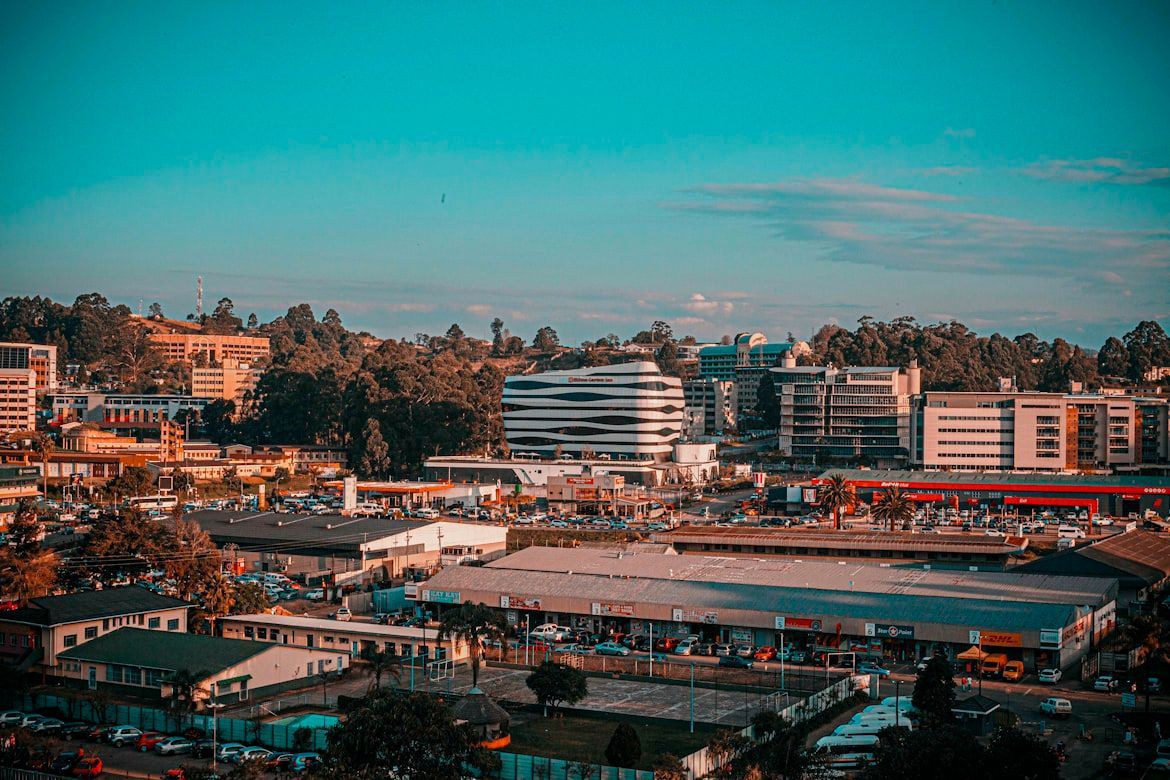
In 2018, King Mswati III declared that Swaziland would become Eswatini, meaning "land of the Swazis" in the local language. He announced the change during the country’s 50th independence anniversary.

The king cited confusion with Switzerland and a desire to break with colonial-era names as reasons. Also, the new name had already been in unofficial use for years during local events.

3

Ceylon to Sri Lanka

Image: Hendrik Cornelissen

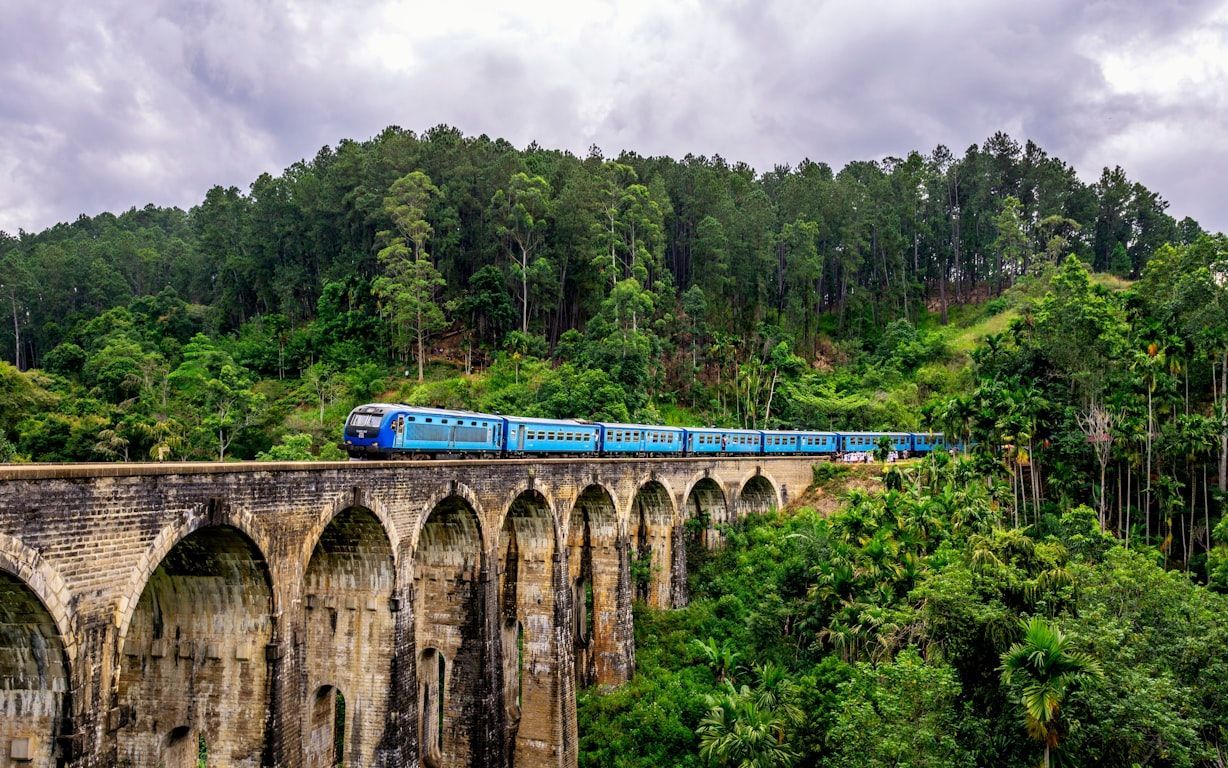
In 1972, the island nation officially changed its name from Ceylon to Sri Lanka after becoming a republic. "Sri Lanka" derives from Sanskrit, meaning "resplendent island."

The name "Ceylon" was tied to Portuguese, Dutch, and British colonial rule. However, some companies (like Ceylon Tea) still use the old name as a global brand.

4

Zaire to Democratic Republic of the Congo
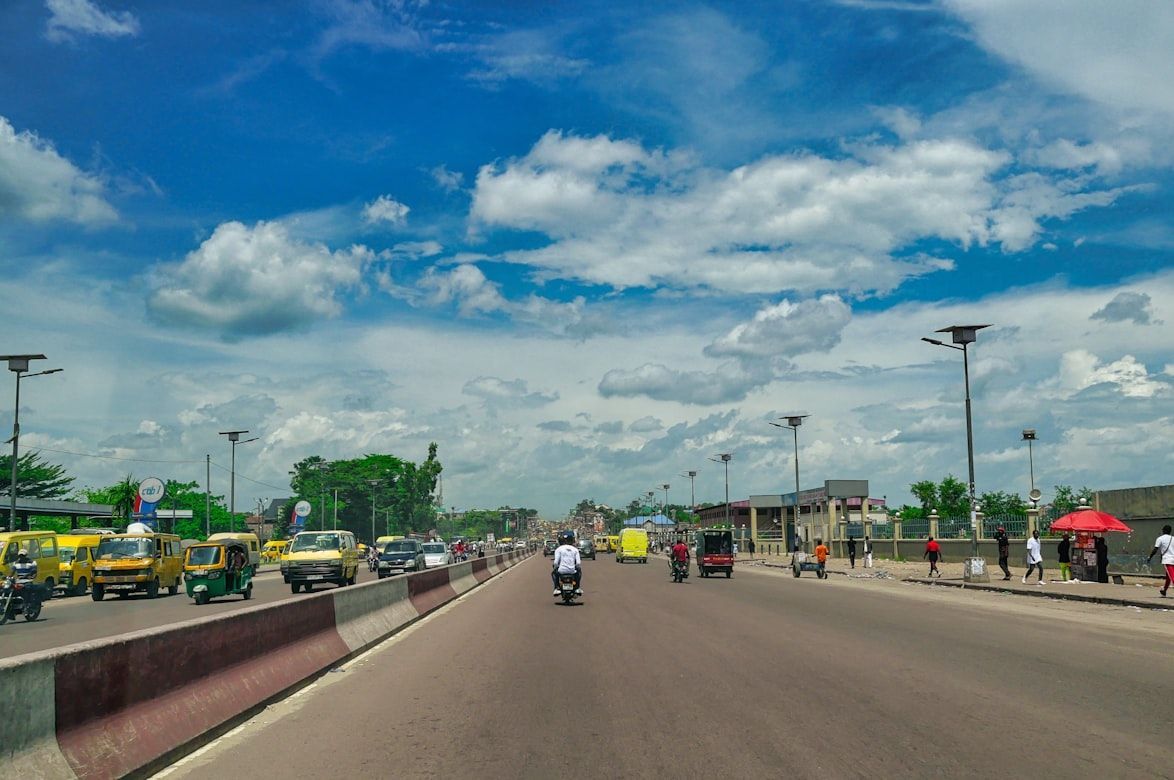
Image: Kaysha

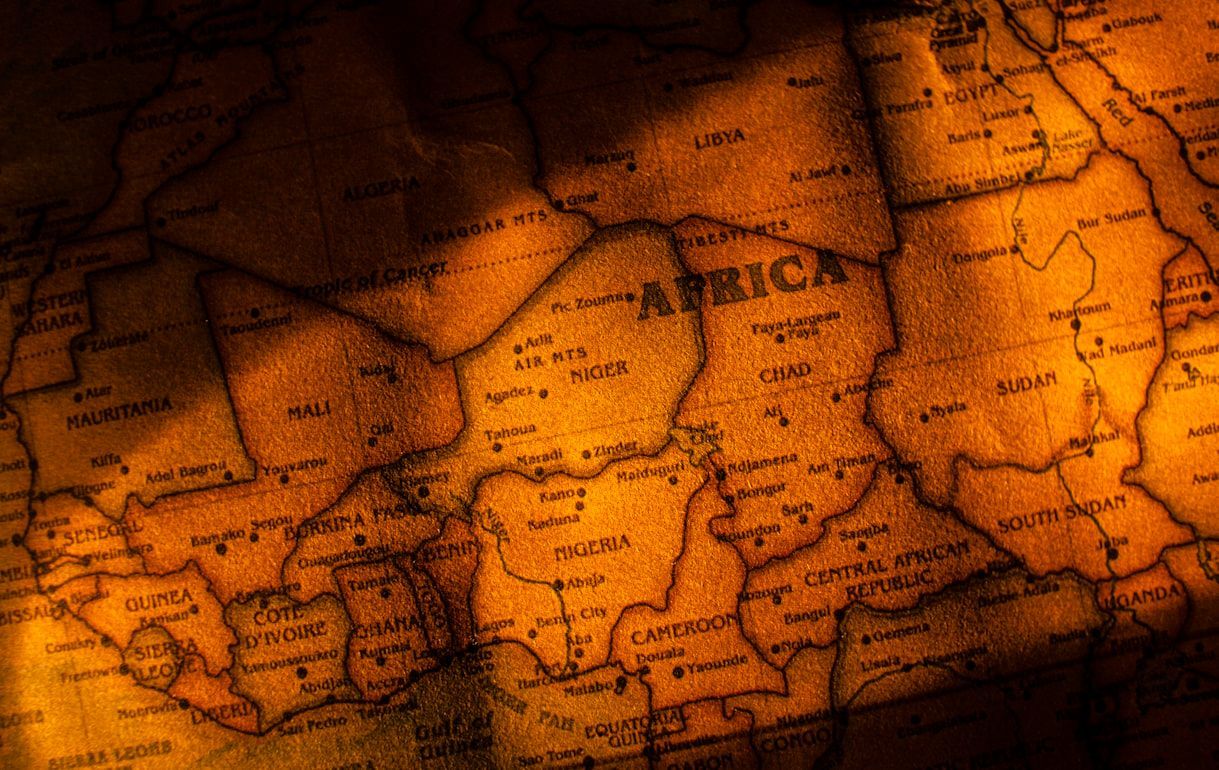
In 1997, after the dictatorial regime of Mobutu Sese Seko was overthrown, Zaire reverted to its pre-1971 name: the Democratic Republic of the Congo.

"Zaire" had been Mobutu’s attempt to Africanize the nation, but reverting to the original name also caused its own problems, since its neighbor is also named the Republic of the Congo, leading to some confusion for both locals and tourists.

5

Macedonia to North Macedonia

Image: Ljupco Dzambazovski

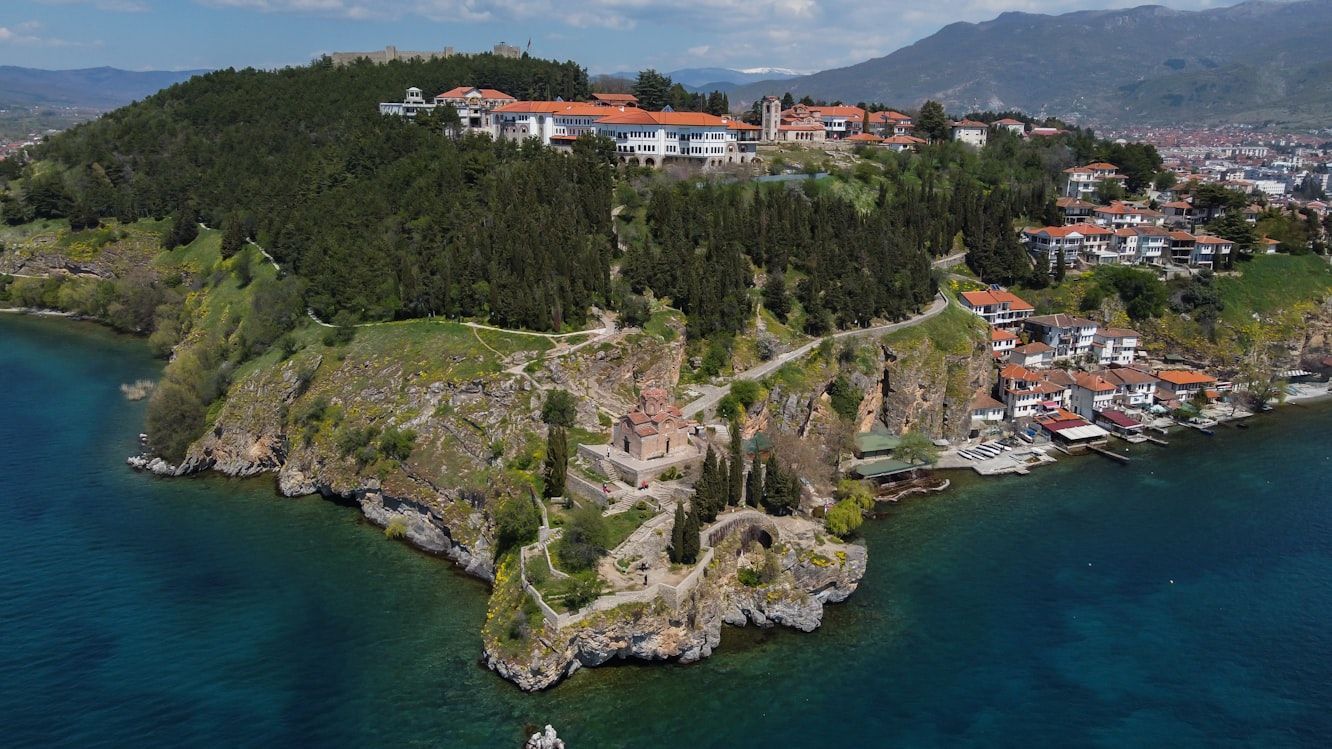
After years of dispute with Greece over the name "Macedonia," the country officially became North Macedonia in 2019. Greece claimed "Macedonia" implied a territorial claim over its northern region of the same name.

The compromise unblocked North Macedonia’s path to NATO and EU talks. Though controversial domestically, the change ended a decades-long diplomatic standoff.

6

Kampuchea to Cambodia

Image: allPhoto Bangkok

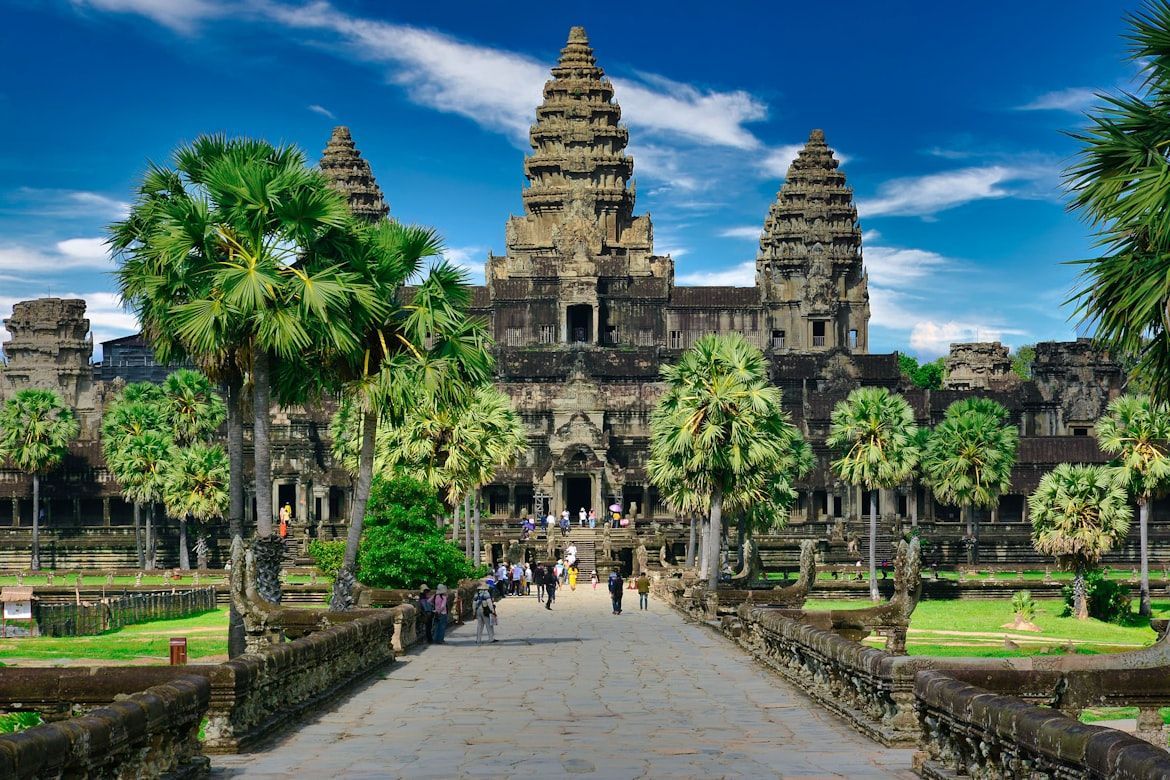
Under the Khmer Rouge regime, the country was known as Democratic Kampuchea. After the regime’s fall in 1979, the name gradually returned to "Cambodia," the anglicized form of the original name.

By 1993, with the monarchy restored and a new constitution, "Kingdom of Cambodia" became official. "Kampuchea" is still used in the Khmer language, but not internationally.

7

Upper Volta to Burkina Faso

Image: Road Ahead

In 1984, revolutionary leader Thomas Sankara renamed Upper Volta to Burkina Faso, meaning "Land of Incorruptible People" in local languages. The old name referred to river tributaries of the region.

Sankara saw the change as a break from colonial legacy and a tribute to national dignity. The people became known as Burkinabé, a new term coined to reflect unity.

8

Holland to the Netherlands

Image: Azhar J

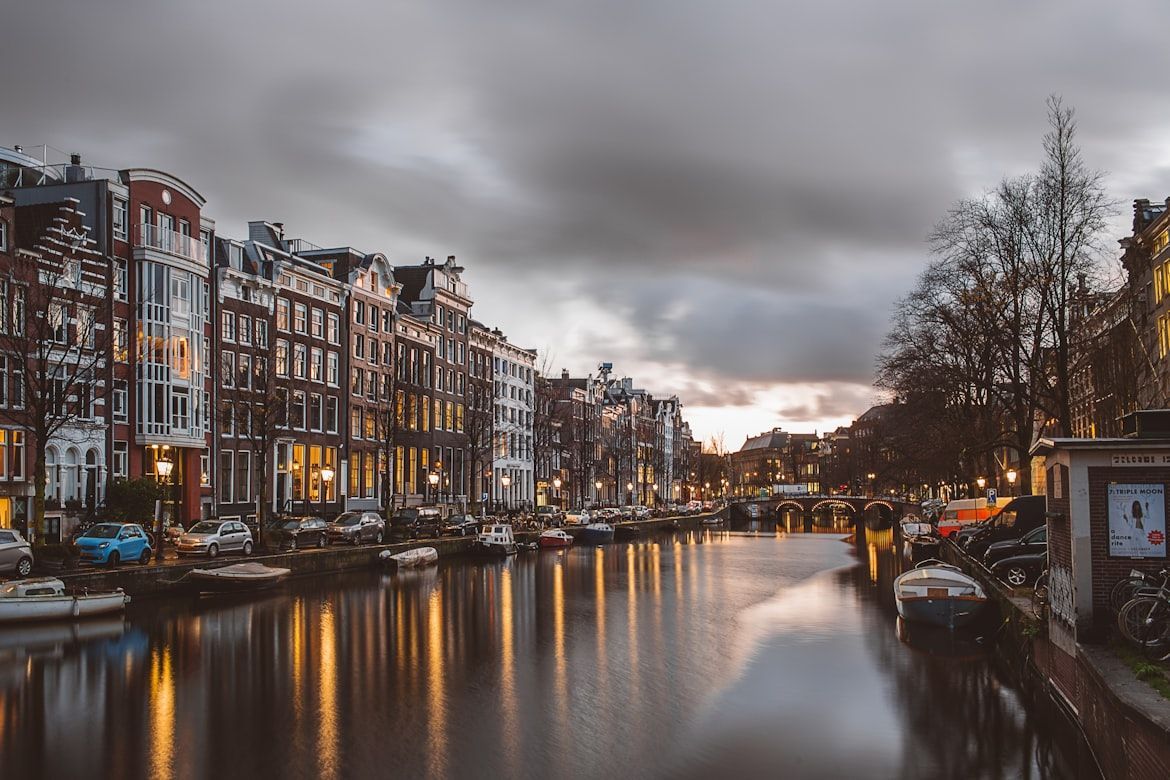
This was more a rebranding than a true name change. "The Netherlands" has always been the country’s official name, whereas "Holland" refers only to two provinces. In 2020, the Dutch government stopped using "Holland" in international marketing to avoid confusion.

The change was part of a tourism and trade branding overhaul, with major events like Eurovision and the Olympics adopting "Netherlands" exclusively in their materials.

9

Siam to Thailand

Image: Mathew Schwartz

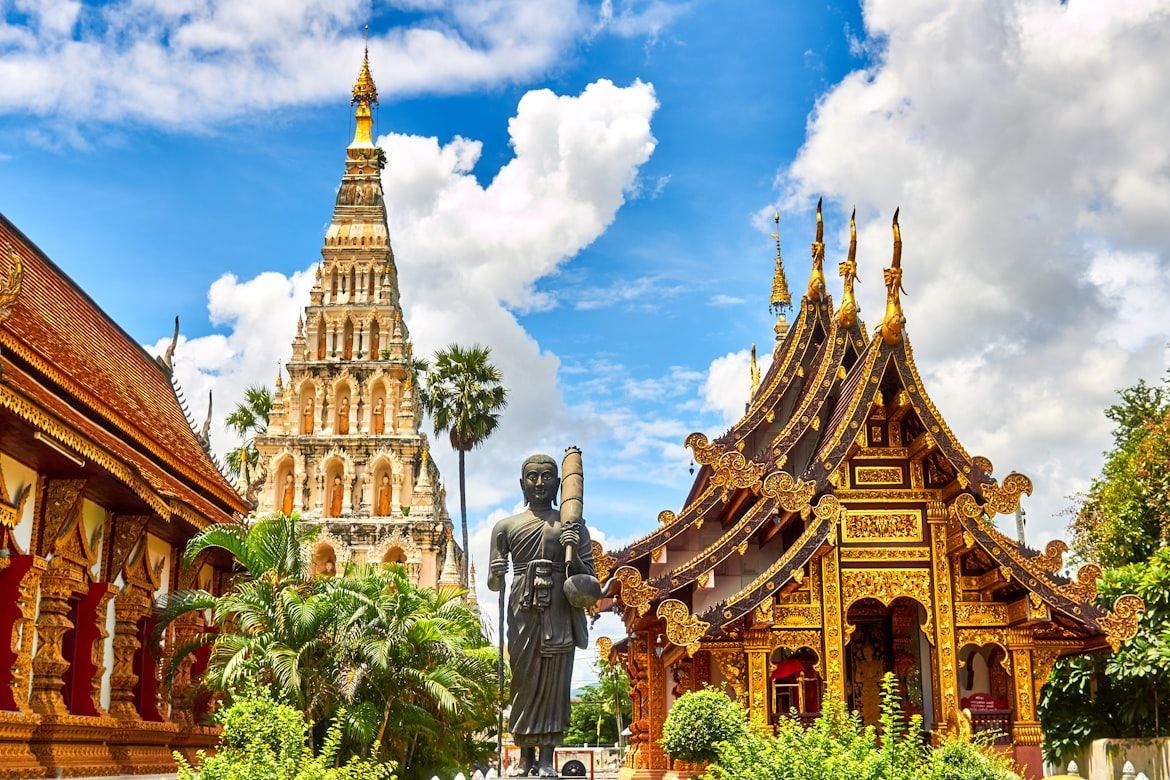
In 1939, and again officially after WWII in 1949, the country dropped the name Siam to become Thailand, meaning "land of the free."

The change was mainly driven by a nationalist movement that sought to unify the country under a more inclusive Thai identity. While the name "Siam" carried some specific cultural connotations, the name "Thailand" emphasized sovereignty and the ethnic majority’s rule.

10

Rhodesia to Zimbabwe

Image: Chloe Evans

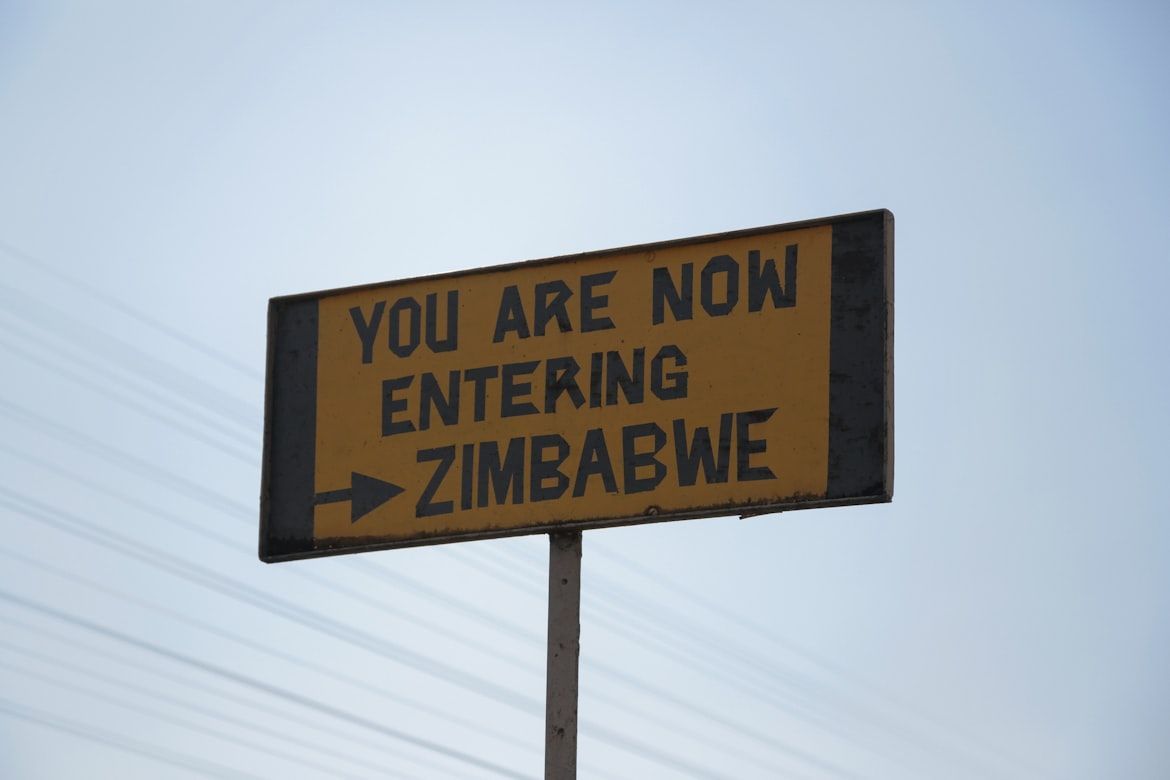
In 1980, the unrecognized white minority government of Rhodesia was replaced, and the country became Zimbabwe, derived from "Great Zimbabwe," an ancient city of the region.

The old name honored British imperialist Cecil Rhodes. The new one reclaimed African history and identity after years of brutal conflict.


When sports got weird and unpredictable

10 funny and odd moments in sports history


Published on May 1, 2026


Image: Mick Haupt

Sports are supposed to be about athletic excellence, nail-biting competition, and moments of glory. But sometimes, the most memorable moments are the ones that leave us laughing, scratching our heads, or wondering whether we really saw what we think we saw. From wardrobe malfunctions to unexpected animal invasions, these 10 moments prove that sports can be just as entertaining when things go hilariously wrong.

1

The Fog Bowl (1988)

Image: Adham Ragab

Picture this: you're watching a playoff game between the Chicago Bears and Philadelphia Eagles, and suddenly you can't see anything. Not because your TV is broken, but because the field has disappeared into a thick blanket of fog. The 1988 NFC Divisional Playoff became known as the "Fog Bowl" when dense fog rolled into Soldier Field, making it nearly impossible for players, coaches, or fans to see what was happening.

The broadcasters were reduced to guessing what was going on, and viewers at home had a better view than the 65,000 fans who paid to be there. The Bears won 20-12, though no one could really see how.

2

Randy Johnson Explodes a Bird (2001)

Image: Ragib Huda

Randy Johnson was known as "The Big Unit" for his intimidating 6'10" frame and blazing fastball. But on March 24, 2001, he became known for something entirely different: killing a bird mid-flight with a pitch. During a spring training game against the San Francisco Giants, Johnson wound up and released a fastball just as a dove flew across the plate. The result was an explosion of feathers that left everyone stunned.

3

The Butt Fumble (2012)

Image: Muyuan Ma

The Butt Fumble was performed by New York Jets quarterback Mark Sanchez on Thanksgiving Day in 2012. Facing the New England Patriots, Sanchez took the snap, tried to run forward, and crashed directly into his own offensive lineman's backside, fumbling the ball in the process. The Patriots scooped it up and ran it back for a touchdown.

4

Disco Demolition Night (1979)

Image: Eric Krull

On July 12, 1979, the Chicago White Sox hosted "Disco Demolition Night" between games of a doubleheader. The promotion invited fans to bring disco records to be blown up on the field in exchange for discounted admission. Radio DJ Steve Dahl hyped up the event, and way more people showed up than expected.

After the first game, Dahl detonated a crate of disco records in center field, creating a massive explosion. Thousands of fans then stormed the field, tearing up chunks of grass, stealing bases, and causing widespread damage.

5

Wrong Way Riegels (1929 Rose Bowl)

Image: Mark Stuckey

Roy Riegels earned an unfortunate nickname that followed him for the rest of his life: "Wrong Way Riegels." During the 1929 Rose Bowl, played between California and Georgia Tech, Riegels scooped up a fumble and took off running—unfortunately, he ran 69 yards in the wrong direction toward his own end zone. His teammate, Benny Lom, chased him down the field, screaming for him to stop, finally tackling him at the one-yard line.

6

The Hand of God (1986)

Image: Carmen Laezza

Diego Maradona was one of soccer's greatest players, but one of his most famous goals was also his most controversial. During the 1986 World Cup quarterfinal match between Argentina and England, Maradona jumped for a ball in the box and punched it into the net with his hand. The referee didn't see it and allowed the goal to stand, despite furious protests from the English team.

After the game, Maradona claimed the goal was scored "a little with the head of Maradona and a little with the hand of God," which is how it earned its nickname. Argentina went on to win the match 2-1 and eventually won the World Cup.

7

Malice at the Palace (2004)

Image: JC Gellidon

The brawl between the Indiana Pacers and Detroit Pistons on November 19, 2004, was not just a fight; it was a full-scale riot that spilled into the stands. It began with a hard foul and escalated when Ron Artest (later known as Metta World Peace) lay down on the scorer’s table. A fan threw a cup of beer at him, prompting Artest to charge into the stands and throw punches at spectators.

Other players followed, and chaos erupted with fans and players fighting throughout the arena. The fallout was severe: Artest was suspended for the rest of the season (86 games), and eight other players received suspensions totaling 146 games.

8

The Immaculate Reception (1972)

Image: Riley McCullough

In a 1972 playoff game between the Pittsburgh Steelers and Oakland Raiders, Steelers quarterback Terry Bradshaw threw a desperation pass with 22 seconds left. The ball ricocheted off either Raiders safety Jack Tatum or Steelers receiver Frenchy Fuqua—no one's quite sure which—and bounced backward. Steelers running back Franco Harris scooped the ball just before it hit the ground and ran it in for a touchdown, giving Pittsburgh a stunning 13-7 victory.

9

Streaker Tackles Rugby Ref (2002)

Image: Nicholas Green

Streakers are nothing new in sports, but one particularly ambitious individual took things to a new level during a 2002 rugby match in Australia. A naked man sprinted onto the field during a match between the Sharks and the Roosters, evading security guards with surprising athleticism. But instead of just running around, he decided to tackle referee Bill Harrigan, bringing him to the ground in what may be the only naked tackle in professional sports history.

10

Jim Marshall's Wrong Way Run (1964)

Image: Carol Highsmith's America

Before Jim Marshall, there was Wrong Way Riegels—but Marshall's infamous mistake is the one etched into NFL blooper history. During a 1964 game between the Minnesota Vikings and the San Francisco 49ers, the defensive end scooped up a fumble and ran 66 yards—straight into the wrong end zone. Marshall threw the ball out of bounds in celebration, giving the 49ers a safety. His teammate Carl Eller tried to chase him down to tell him he was going the wrong way, but couldn't catch him.

Looking for an extra scoop of literary fun?

Learn more with our Word of the day

soothing

/ˈsuðɪŋ/