From page to big screen

Who wrote this? 9 romantic films inspired by literary classics


Published on August 22, 2025


Image: Jamie Street

Many are quick to dismiss the Romantic film genre as superfluous, unrealistic, or shallow. There is a widespread belief that the scripts of romantic comedies are filled with cliches, and that they all follow the same formula, making them predictable and depth-lacking**.** On the other hand, romantic dramas don’t always receive better criticism. While this might be true for some movies, there are plenty of romantic films with good scripts. In fact, many beloved films from this genre are based on known literary works. Let’s go through some romantic films you might not know were based on a classic!

1

Clueless (1995): Emma by Jane Austen

Image: David Vives

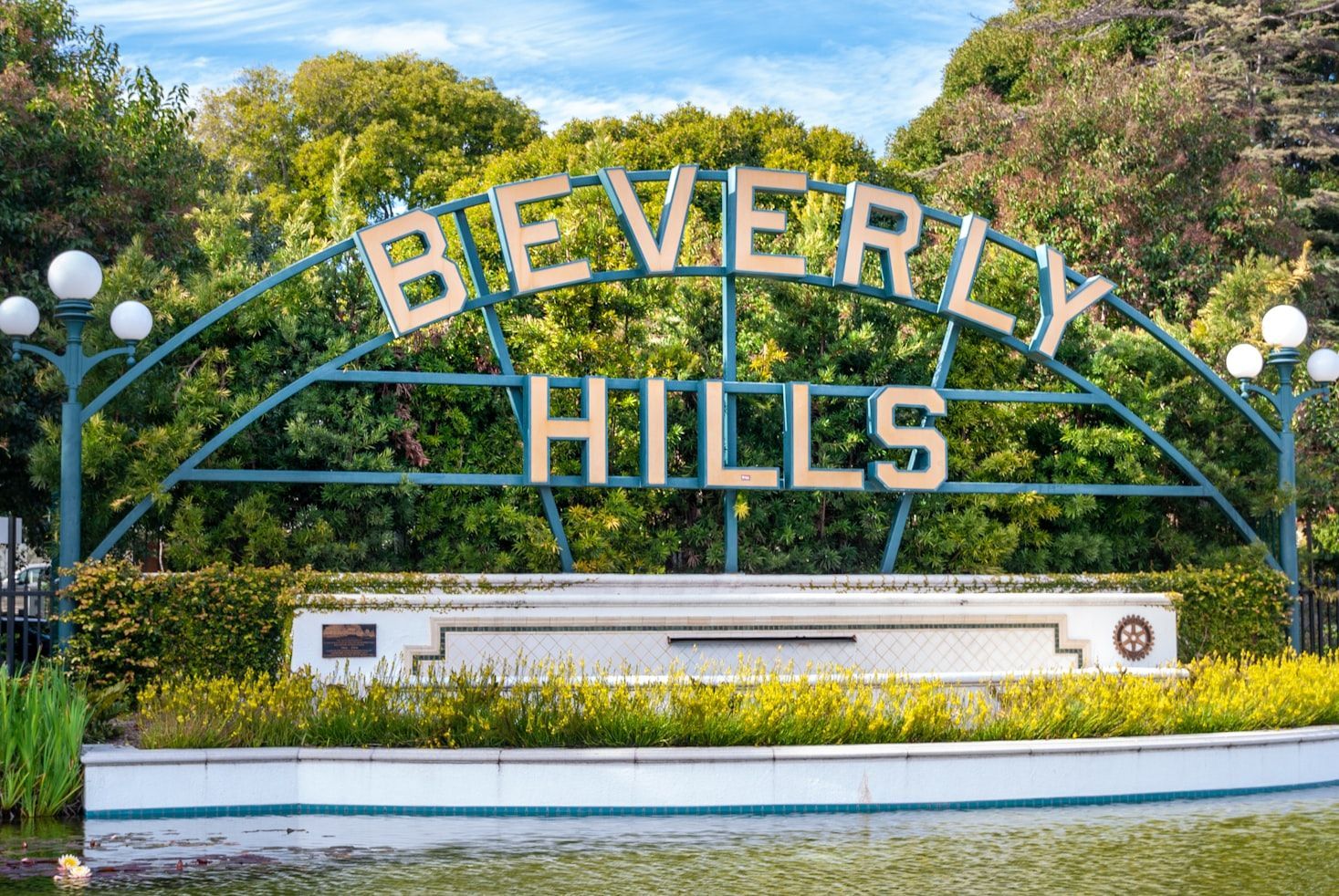
Let’s start with a bona fide classic of the '90s. Here, instead of Regency-era rich and spoiled Emma Woodhouse and her matchmaking meddlings, we have ‘90s fashionista Cher, also rich and spoiled, also meddling, but this time in high-school drama.

_Emma_’s country soirees might be changed for pastel colors and Beverly Hills, but Austen’s core idea remains: Well-intentioned good deeds might not always be what others need from us.

2

Easy A (2010): The Scarlet Letter by Nathaniel Hawthorne
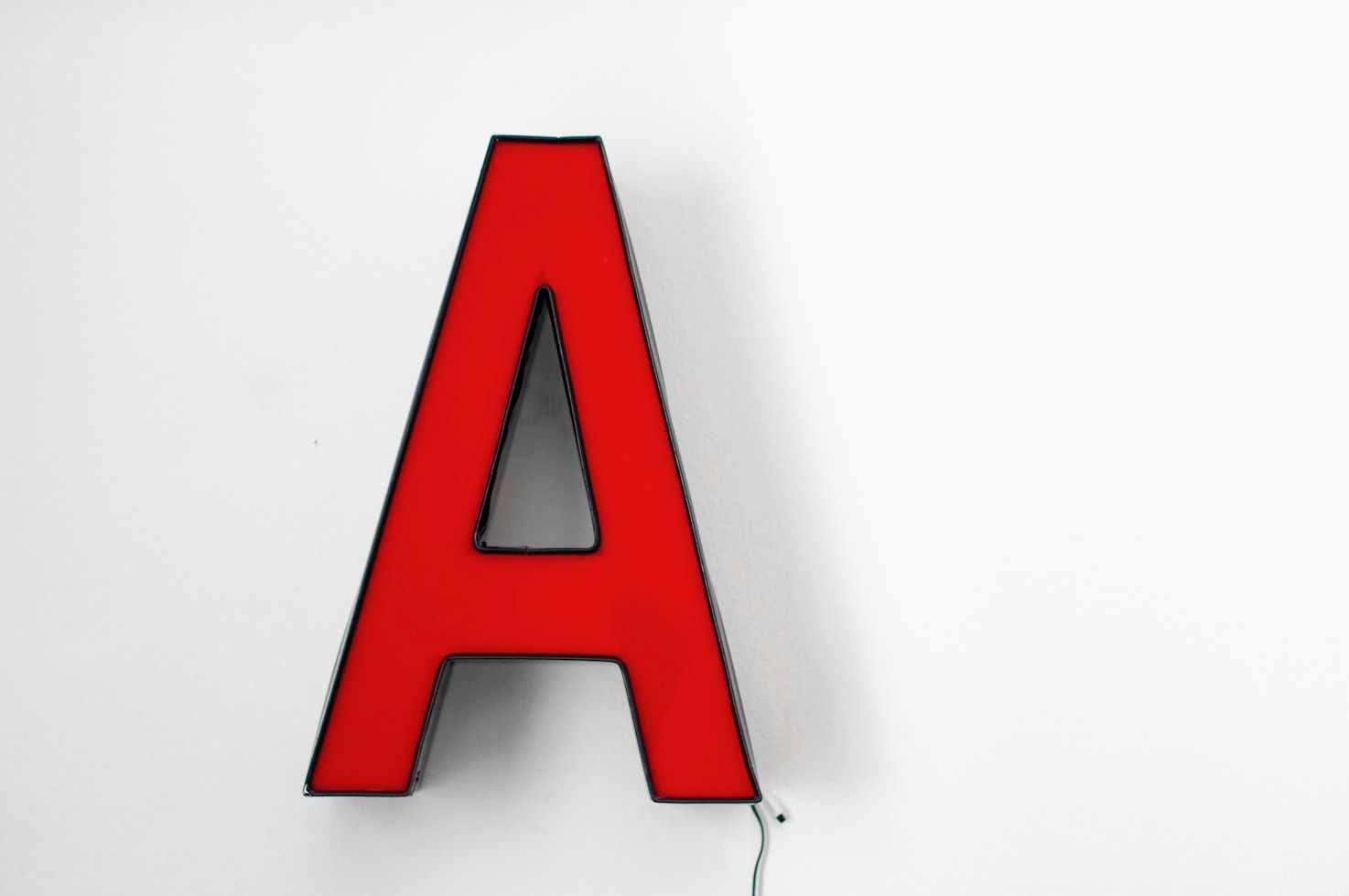
Image: Aneta Pawlik

In Easy A, the literary text works both as inspiration and as a plot device. With her "good reputation" in shambles due to a white lie and a series of out-of-control rumors, teenager Olive Penderghast decides to own up to her bad reputation and wear a red letter A on her chest, inspired by Hawthorne’s depiction of a single mother in a 17th-century Puritan community.

While _Easy A_’s story is more lighthearted than the one in The Scarlet Letter, both showcase the results of hypocrisy, rumors, and public shaming.

3

Ten Things I Hate About You (1999): The Taming of the Shrew by William Shakespeare
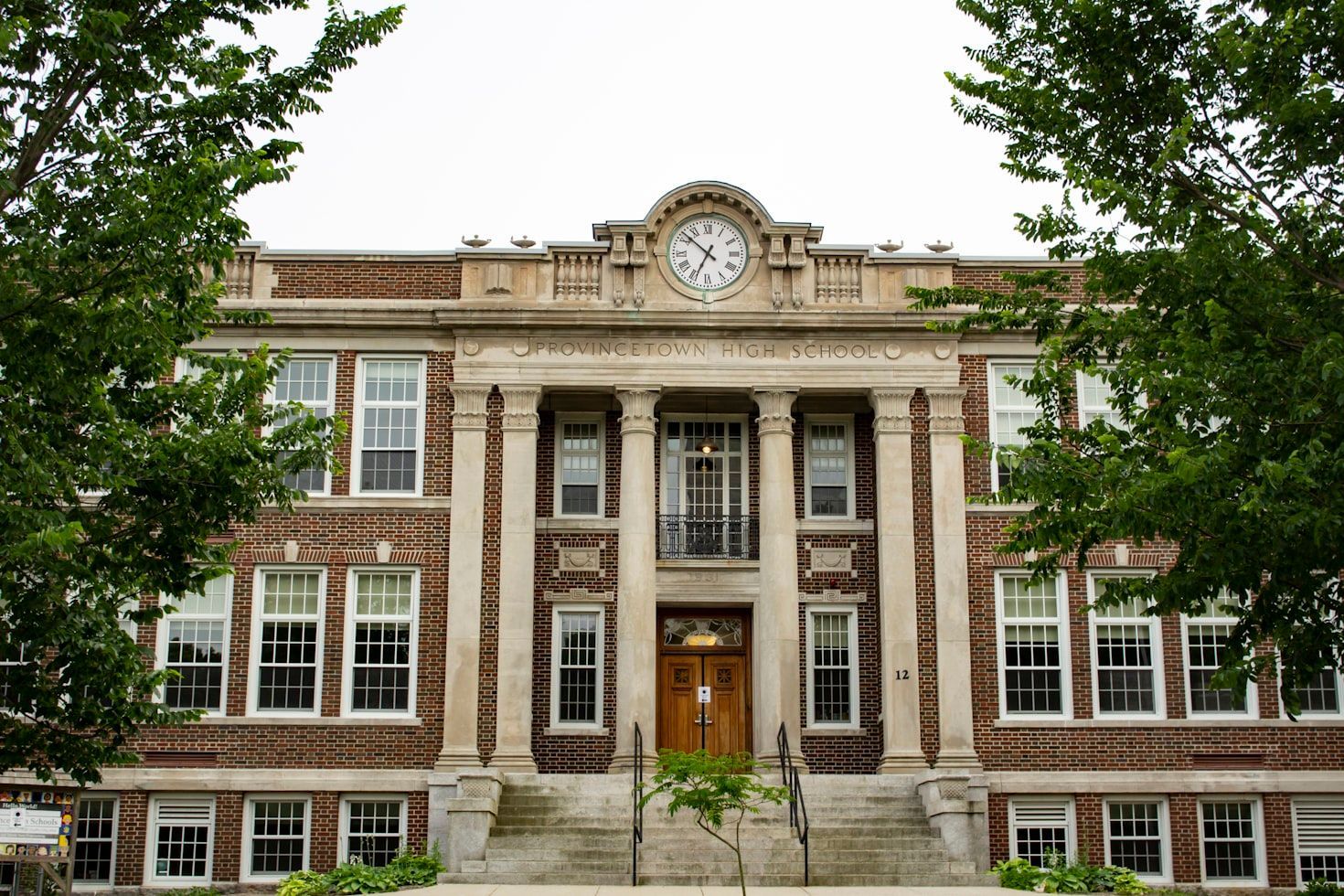
Image: Gautam Krishnan

Another cult classic from the ‘90s, this time reversioning a comedy by William Shakespeare. In The Taming of the Shrew, the suitors of Bianca, unable to marry until her ill-tempered sister Kate does, pay Petruccio to wed her.

The 90s version is set in high school, so there are no marriages in sight. Instead, the prize is being able to date Bianca and take her to prom, something Kate has no interest in doing herself.

4

She’s All That (1999): Pygmalion by Bernard Shaw

Image: Roman Kraft

While not everyone has read Shaw’s Pygmalion and its tale of turning a low-class florist into a high-class lady, everyone knows its most famous film adaptation, My Fair Lady (originally a musical). But did you know that the 90s also have their own version?

In this RomCom classic, popular boy Zach bets he can turn anyone into the school’s prom queen. His chosen target? Not-so-popular, artsy, low-profile Laney.

5

Cold Mountain (2003): The Odyssey by Homer

Image: Vikram Aditya

This Civil War romantic drama is the film adaptation of a novel by Charles Frazier, but the plot is not necessarily original: a young man left the woman he loves behind when he went to war, and the journey back is treacherous, hard, and filled with danger. Rings any bells?

That’s right, Inman’s journey back to Ada is a retelling of Homer’s Odyssey, but using a real-life character. The protagonist, W. P. Inman, was Frazier’s great-granduncle.

6

Moulin Rouge! (2001): The Lady of the Camellias by Alexandre Dumas fils
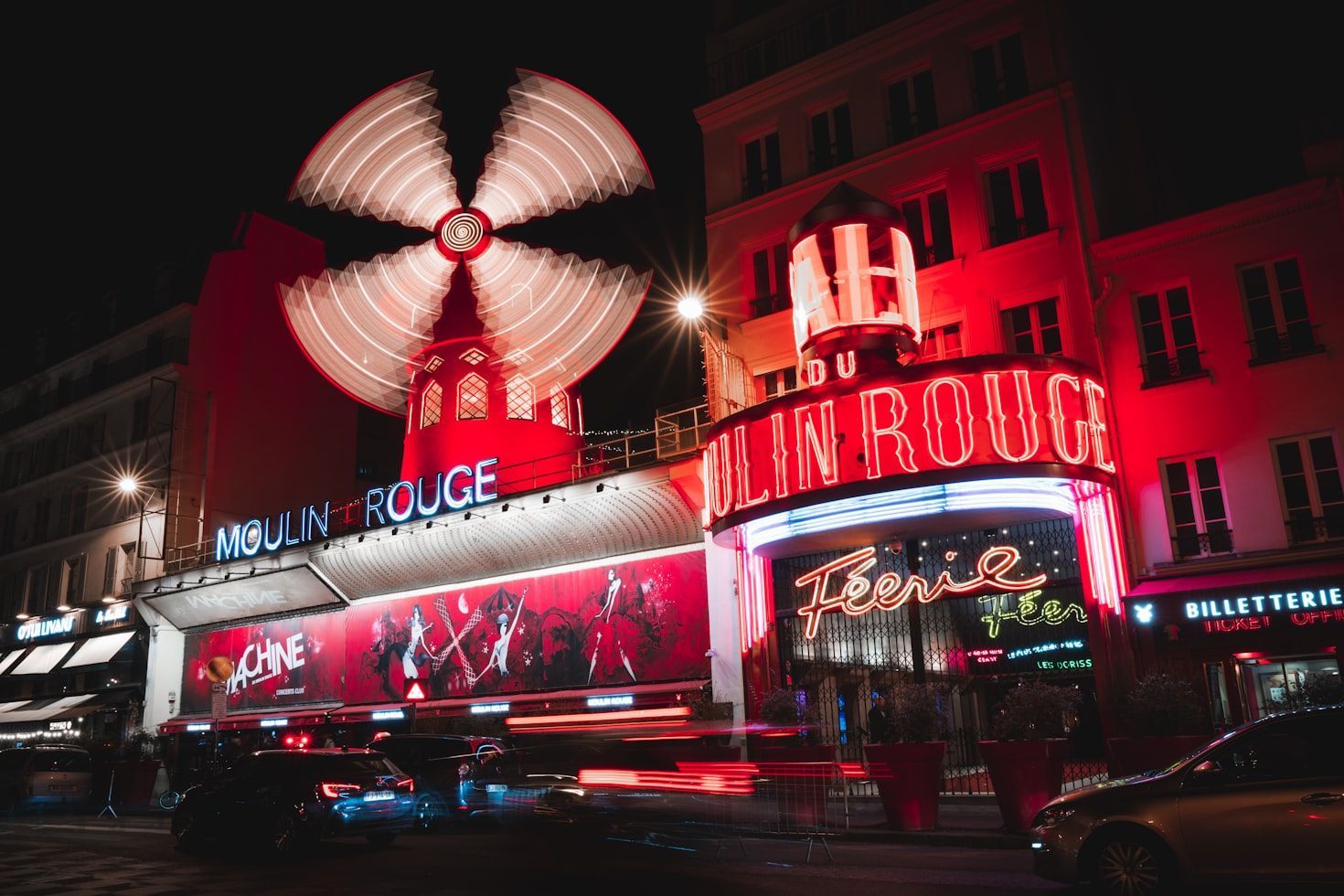
Image: Liam McGarry

This musical romantic drama is known for its eclectic soundtrack, its cast, and its tragic history. Many people recognize the opera La Boheme as one of the inspirations behind Christian and Satine’s tragic history, and they are not wrong. However, director and writer Baz Luhrmann has also pointed to a French literary classic as a source.

The Lady of the Camellias (also known as Camille) is a novel by Alexandre Dumas fils (not the one who wrote about musketeers, but his son). It tells the story of the affair between Marguerite, a courtesan who suffers from tuberculosis, and young Armand. Like its film adaptation, Dumas' story is both romantic and tragic.

7

A Knight’s Tale (2001): The Knight’s Tale by Geoffrey Chaucer
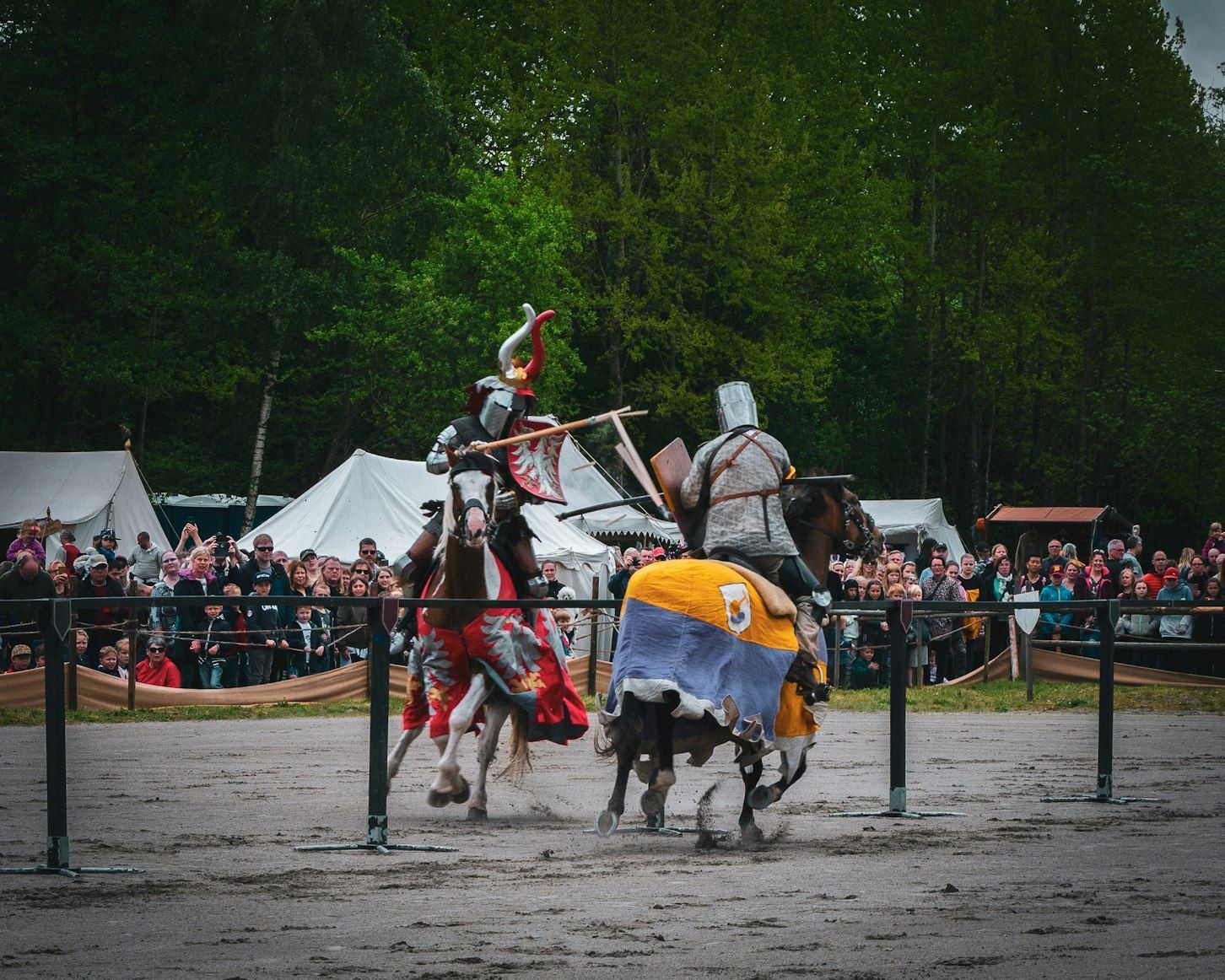
Image: Casper Johansson

Some could say that A Knight’s Tale doesn’t really count as a romantic comedy, but the romantic element is important enough to make it part of this list. If you saw the film, you might remember William’s friend Geoffrey Chaucer, played by Paul Bettany. He was a real person and one of the most important writers of English literature.

A Knight’s Tale is a reinterpretation of Chaucer’s The Knight’s Tale, from the Canterbury Tales: it tells the story of two knights who duel for the hand of a woman. In the film’s end, everything comes full circle when Chaucer decides to write the story down.

8

John Tucker Must Die (2006): The Merry Wives of Windsor by William Shakespeare

Image: Fulvio Ambrosanio

In the comedy by Shakespeare, we see John Falstaff (a drunkard, gambler, and a recurring character in various plays by the Bard) wooing several married women for financial gain, but the tables are turned on him when the women realize his plan and join forces to get revenge.

How does this translate to a 2000s teen comedy? Another John (now John Tucker), a popular high school athlete, is dating several girls at once. When the girls find out, they plan to make him fall in love with one of their friends, and then break his heart and publicly humiliate him.

9

Roxanne (1987): Cyrano de Bergerac by Edmond Rostand
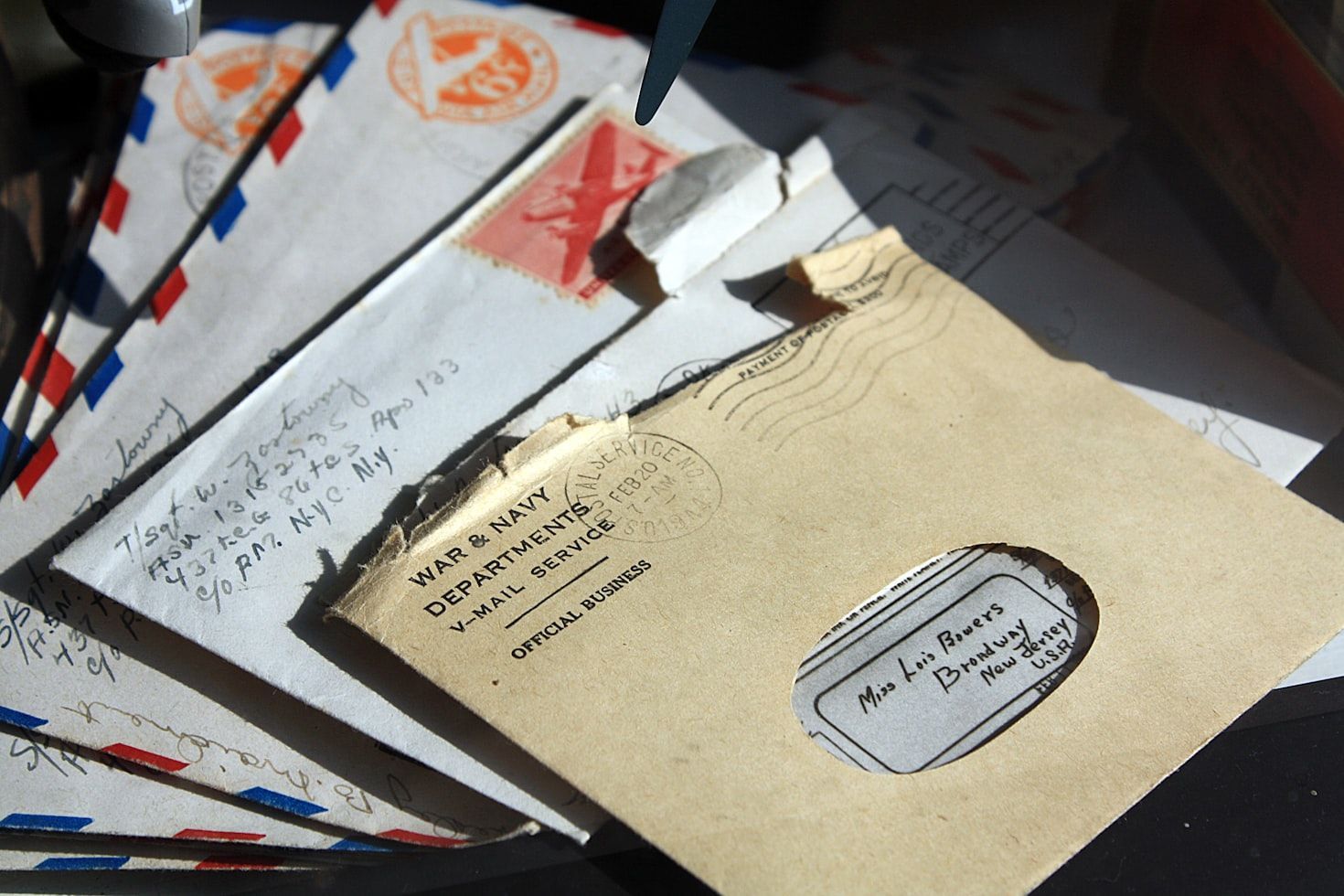
Image: sue hughes

Cyrano de Bergerac has been the source of several romantic films, both tragic and comedic, with different takes on big-nosed Cyrano and his letters. In this ‘80s version, Cyrano is Charlie (also big-nosed and ashamed of it), in love with beautiful Roxanne.

Believing Roxanne is interested in Charlie’s coworker Chris, he starts coaching him on how to woo her and writes Roxanne letters under Chris’s name. Luckily for everyone involved, this version has a less tragic ending than the original play.

Words and their different meanings

Same word or different world? English that gets lost in translation


Published on August 22, 2025


Image: Patrick Tomasso

The English language can travel as far as humans do. In fact, it has been doing so for thousands of years. Words can contain more than one definition, and even more than two or three are sometimes accepted. The important matter is to understand each other, and that is not just a problem of words, but of context, place, and relationships. How many times has it happened to you to be using all the right words in a conversation and still end up completely confused? Let's look at some words that may have confused us on more than one occasion!

1

Biscuit

Image: Habib Dadkhah

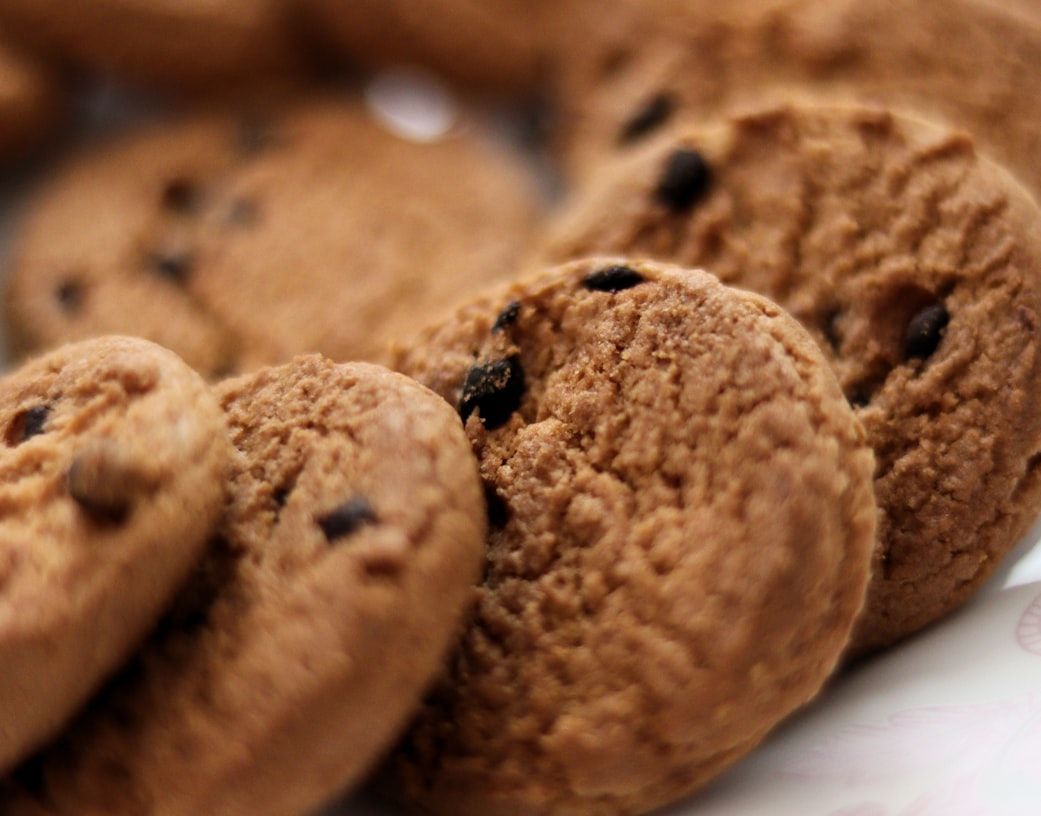
If you've ever dunked your biscuits in milk, you know exactly what comfort looks like. But ask for the same thing in London and watch the confusion unfold. In the UK, a biscuit is what we'd call a cookie. Ours? They'd call it a scone.

The word itself has a messy history. Before 1800, nobody could even agree on the spelling: bisket, bisquet, biscuit. It described a sweet baked treat made with flour, eggs, and sugar. "Bis" also means twice in Latin, because the original biscuit was bread baked twice to survive long journeys.

2

Chips

Image: Esperanza Doronila

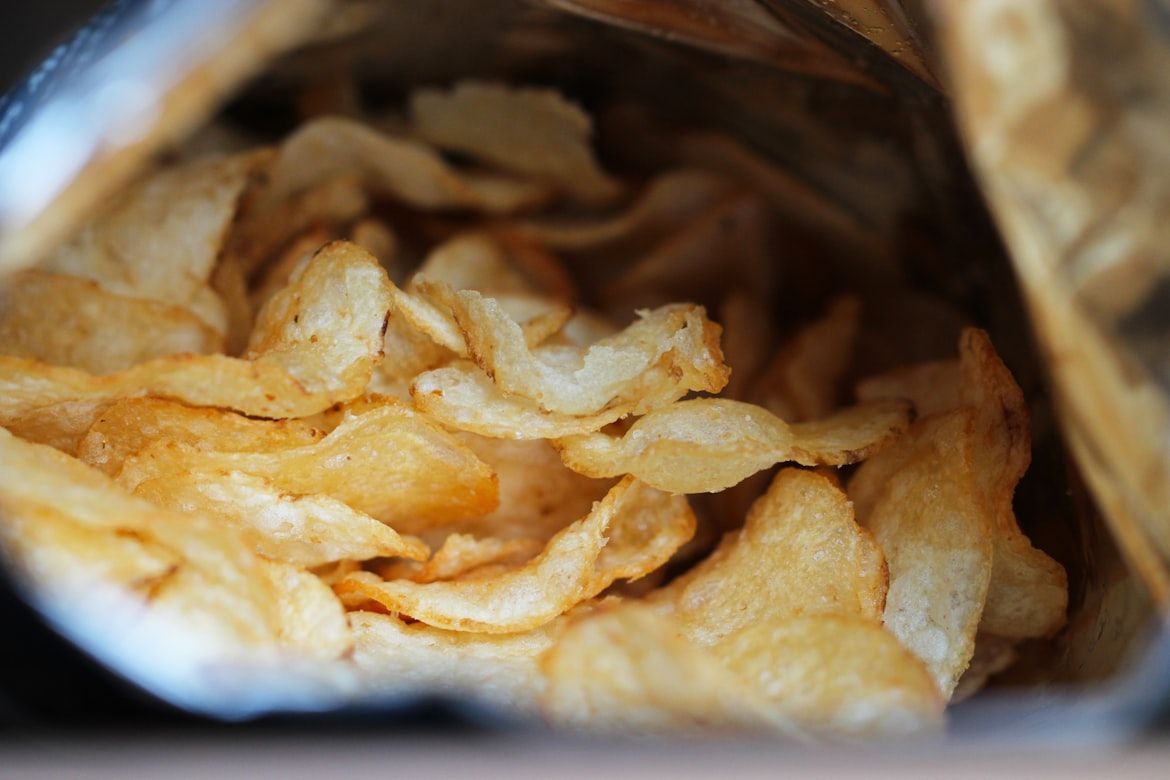
Nothing feels more American than grabbing a bag of chips on a vacation road trip, somewhere between a gas station and nowhere. But in London, the scenery is totally different. Order chips in a London pub and you'll get something closer to what we call French fries: hot, thick, and usually next to a piece of battered fish.

Here's the real twist: what the British call "crisps" is exactly what we call chips. The words essentially swapped sides of the Atlantic. The word itself traces back to simply "chipping" a potato into pieces. By the 1860s, fish and chips had become a British institution.

3

Pants

Image: Mnz

Tell a British person nice pants! And they will probably cover his mouth and start laughing, either from embarrassment or from amusement. In the UK, "pants" mean underwear. What we call pants, they call trousers. Consider yourself warned.

Back in the old days, both countries used the same word "pantaloons", borrowed from Pantalone, an old merchant character from Italian theater who wore long, baggy trousers. Americans shortened it to pants and kept the meaning. Over in Britain, they kept a more intimate definition. There is more: in modern British slang, calling something "pants" means it's terrible.

4

Jumper

Image: Dan Gold

The meaning of jumper literally jumped from one piece of clothing to another. In the US, we call a jumper a sleeveless dress, often worn over a shirt. Many school uniform regulations include jumpers for girls. Instead, the UK version is different. There, "jumper" means a pullover, jacket, or sweater.

5

To table something

Image: insung yoon

How many tasks did you table this week? Well, let’s table that issue for now; we'd better talk about this tomorrow. In this phrase, to table something means to postpone under consideration, but what if it meant the exact opposite? In fact, it does.

The American Heritage Dictionary lists two meanings for the phrase "on the table". The first one is the one already mentioned, and the second one is to put something up for discussion right now. Confusing to say the least, isn’t it?

No surprise that the UK and the Commonwealth use the definition we don’t use. Because why would it be simple?

6

Bonnet

Image: Evan Brorby

One goes on a baby’s head, the other on a Lamborghini: both are called a bonnet. The important thing to know is that in both cases, something important is being covered. In America, a bonnet is a hat. The kind of hat that has a brim and a ribbon that ties under the chin.

We have all seen them on babies, on ladies, and on pioneers. Instead, in the UK, a bonnet is the hood of a car. That part that covers the engine. So, phrases like "pop the bonnet" have nothing to do with the cute accessory; it simply means opening the hood of a car.

7

Trolley

Image: Simon Hermans

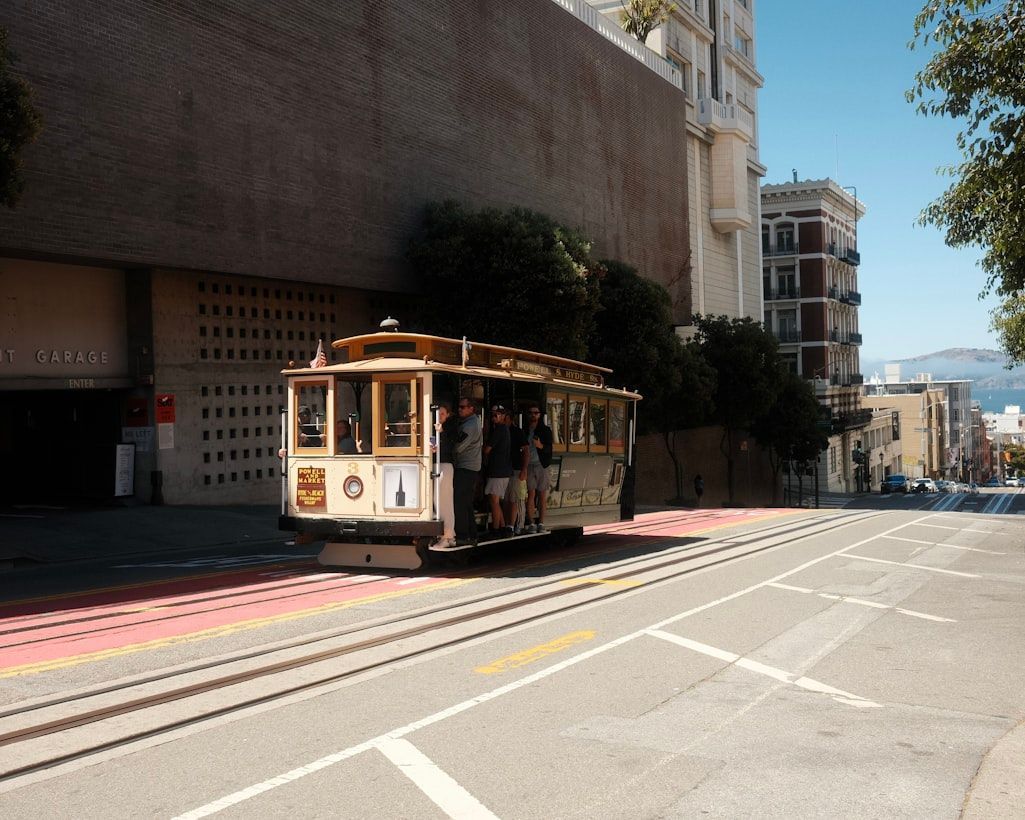
The word trolley can mean very different things depending on where you are. It can be a little train or a streetcar in the USA, often used in street rides and city tours.

On the other hand, on the British side, a trolley is nothing more than a cart. Its most common use is for a shopping cart. So, "catch the trolley" and "grab the trolley" have completely different meanings. Does anyone have any idea about this one?

8

Banger

Image: Haley Lawrence

You probably heard "this song is a total banger" before. "Take on Me " by A-ha and "Funkytown" by Lipps inc are, with no doubt, total bangers. But what if I told you a banger can come with potatoes? In fact, bangers and mash is one of the most famous dishes in England. So the meaning must be different. Or rather, the word simply has more than one meaning. Banger can be a music hit for the Americans and a sausage for the British at the same time. You just have to be careful how and when you use this word.

9

Fancy

Image: Lolita Ruckert

If someone lives in a huge apartment in New York and has a fancy car, wears fancy clothes, and goes to fancy restaurants, you might think he’s a refined or classy person, and you will probably not be wrong. But, if I go on a trip to London, I will hear this word is rather used as a verb, not as an adjective. Why is that? Because the British use of this word is different. Fancy means to want or to desire something. "Fancy a cup of tea?" or " fancy going to the cinema?" So, in London, the real question is not to be fancy, but what you fancy doing.

10

Mad

Image: Andre Hunter

So which came first: angry or crazy? We’ve reached the last word, and here is the story behind mad. In Britain, mad has always meant crazy, referring to someone suffering from madness, a serious mental illness. That meaning never left. Ask any British person today, and a mad person is still someone out of their mind. They also use mad to mean enthusiastic. Passionate. That is where "Jack is mad about Mary" comes from. He is not angry at her. He is completely gone for her.

Using mad to mean angry? That is actually on us. It is an Americanism. Somewhere along the way, Americans took the word and redirected it straight toward anger. And we never looked back.

Looking for an extra scoop of literary fun?

Learn more with our Word of the day

contemplate

/ˈkɑn(t)əmˌpleɪt/