Why was Lucy in the sky?
Who was Johnny B. Goode? Meet the characters behind 12 famous songs
Published on November 15, 2025
 Image: Mick Haupt
From Johnny B. Goode to Billie Jean, there are countless songs with names in the title. Many hits are built around real (or fictional) people, right there in the title. From classic rock ballads to catchy pop tunes, names have a way of sticking in our heads. Here are 12 famous songs that feature people’s names—and the stories behind them.
Johnny B. Goode – Chuck Berry
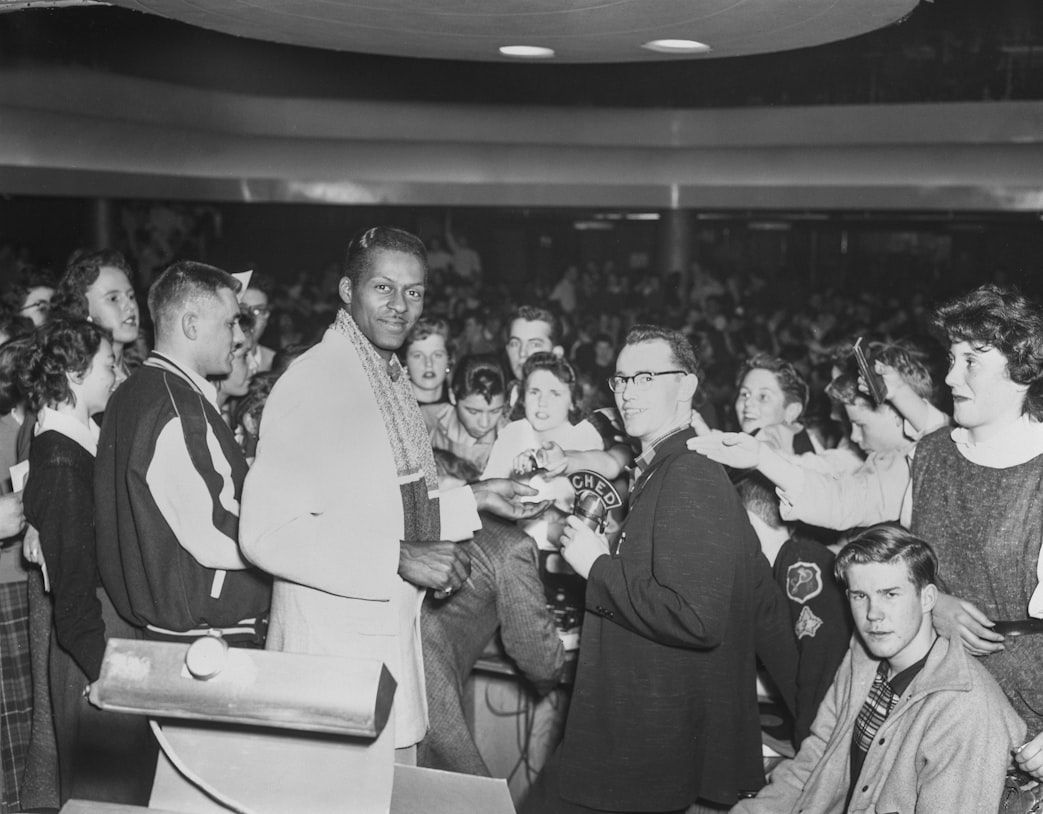 Image: Provincial Archives of Alberta
We’ll start the list with one of the most classic and famous examples of a song that made a name famous.
This 1958 rock ‘n’ roll classic tells the story of a country boy with dreams of guitar stardom. While partially autobiographical, Chuck Berry drew inspiration from his pianist, Johnnie Johnson.
Billie Jean – Michael Jackson
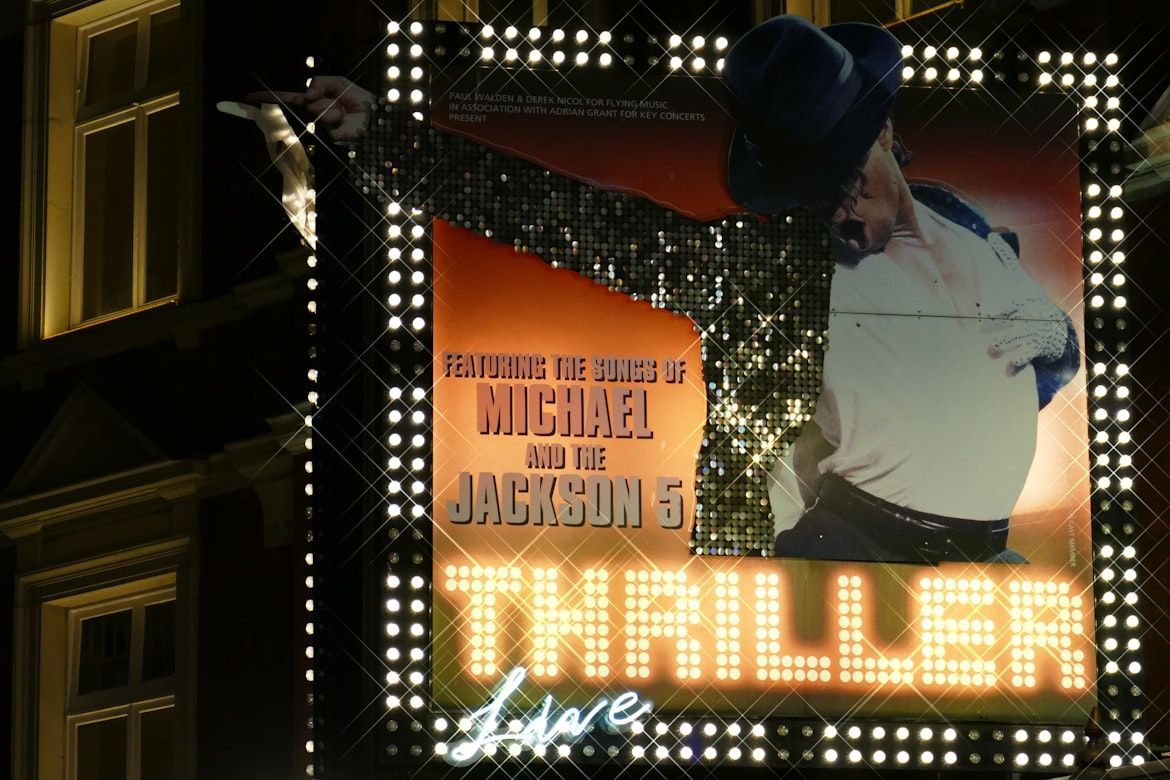 Image: Call Me Fred
Who was the Billie Jean Jackson sang about? Released in 1983, "Billie Jean" tells a haunting tale of a woman who falsely claims the singer fathered her child.
Though the name Billie Jean is fictional, the track was inspired by Jackson’s real experiences with obsessed fans. It helped cement his status as the King of Pop.
Poor Edward – Tom Waits
 Image: Andrew Faires
This eerie ballad from Tom Waits’ 2002 album Alice recounts the tragic legend of Edward Mordake, a man said to have a second, sinister face on the back of his head.
With bleak instrumentation and haunting vocals, Waits creates a mood of gothic melancholy. "Poor Edward" is part of a larger suite of songs inspired by surreal tales and stage productions, both on Alice and on Blood Money, which was released at the same time..
Stagger Lee – Nick Cave and the Bad Seeds
 Image: Steven Erixon
Nick Cave’s 1996 version of "Stagger Lee" is a violent, profane, and theatrical reimagining of a classic American folk tale. The song is based on the real-life 1895 murder committed by "Stag" Lee Shelton.
The story has been told in many forms, but Cave’s rendition stands out for its raw, menacing tone.
Hey There Delilah – Plain White T’s
 Image: Kelly Sikkema
Released in 2006, this acoustic ballad became a massive hit for the Plain White T’s. The song was written for Delilah DiCrescenzo, a college athlete whom the lead singer met just once.
Though they never dated, the song’s heartfelt lyrics and stripped-down style resonated widely. It’s a tender expression of long-distance longing and romantic idealism.
Jolene – Dolly Parton
 Image: Wes McFee
In "Jolene", Dolly Parton pleads with a beautiful woman not to steal her man. The 1973 country hit is simple yet emotionally rich, showcasing Dolly’s storytelling ability and vocal strength.
The name Jolene was inspired by a young fan, while the song’s scenario was drawn from real-life jealousy. It remains one of the most covered songs in country music.
Roxanne – The Police
 Image: Maximilien T'Scharner
"Roxanne", released in 1978, is about a man who falls for a sex worker and pleads with her to change her ways. Sting was inspired by the red-light district in Paris and the idea of romantic obsession.
With its reggae-influenced rhythm and unforgettable vocal delivery, the song became a defining moment for The Police and a staple of late-’70s rock.
Layla – Derek and the Dominos
 Image: Marcus Neto
Eric Clapton wrote "Layla" in 1970 as a passionate, anguished declaration of love for Pattie Boyd, who was married to his friend George Harrison.
The song blends hard rock with a tender piano outro, capturing both emotional turmoil and yearning. "Layla" became one of Clapton’s signature tracks.
Rosanna – Toto
 Image: Mick Haupt
Released in 1982, "Rosanna" was a huge hit for Toto and won the Grammy for Record of the Year. The song blends rock, jazz, and pop influences, with standout performances—especially the iconic shuffle rhythm on drums.
Though often linked to actress Rosanna Arquette, who was dating a band member at the time, the band says the name was mostly coincidental.
Sweet Caroline – Neil Diamond
 Image: Phillip Blocker
This sing-along anthem was inspired by Caroline Kennedy, though Neil Diamond later admitted that the name fit the song more than it directly inspired the lyrics.
Released in 1969, the song has become a staple at sports events and celebrations. Its catchy chorus and feel-good vibe turned it into a massive hit.
Eleanor Rigby – The Beatles
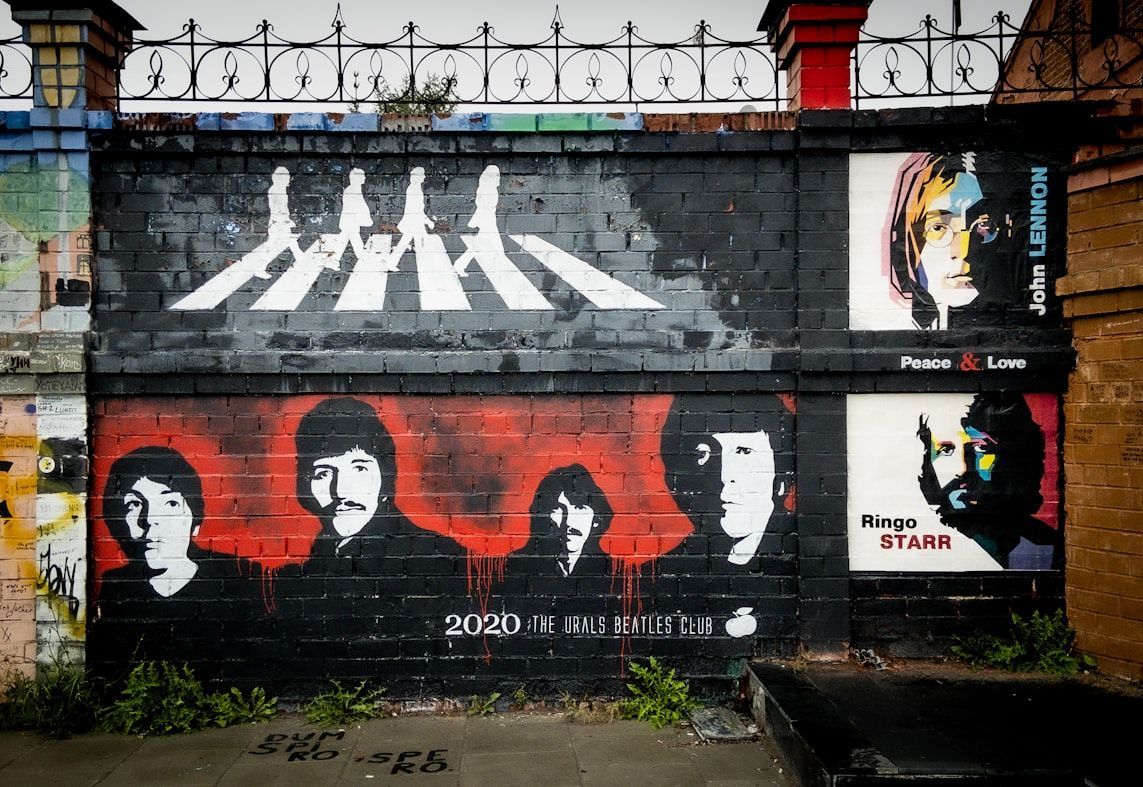 Image: Fedor
This haunting Beatles song from 1966 tells the story of a lonely woman whose name was found on a gravestone. With its string arrangement and somber tone, it marked a shift from the band’s earlier pop sound to more mature, introspective themes.
"Eleanor Rigby" is a poignant look at isolation and anonymity in modern life, all wrapped into just over two minutes.
Daniel – Elton John
 Image: Dominik Scythe
"Daniel" is a touching ballad about a war veteran seeking peace away from the spotlight. Released in 1973, the lyrics—written by Bernie Taupin—capture the sorrow of a younger brother watching his hero leave.
Elton John’s gentle vocals and the song’s soft melody made it a fan favorite, even though its full story is often misunderstood due to a missing final verse.