Stories of names
Who was Harvard named after? Origin of university names
Published on March 13, 2025
 Image: Czapp Árpád
Who were the men named Harvard, Rice, or Duke? Only true visionaries would donate half of their estate to sculpting the minds of the future. From the heartfelt tribute behind Stanford’s name to the post-revolutionary rebranding of Columbia, these stories are monuments to history and culture. Let’s take a stroll through academia’s memory lane and uncover the origins of these storied university names!
Harvard University
 Image: Clay Banks
Ah, Harvard! The Ivy League giant was once a small college in the Massachusetts Bay Colony settlement called New Towne. But where did "Harvard" come from?
Enter John Harvard, a clergyman who, in 1638, decided to bequeath half his estate and his library (a whopping 400 books!) to the fledgling college. Grateful for this generous gift, they promptly named the institution after him.
Yale University
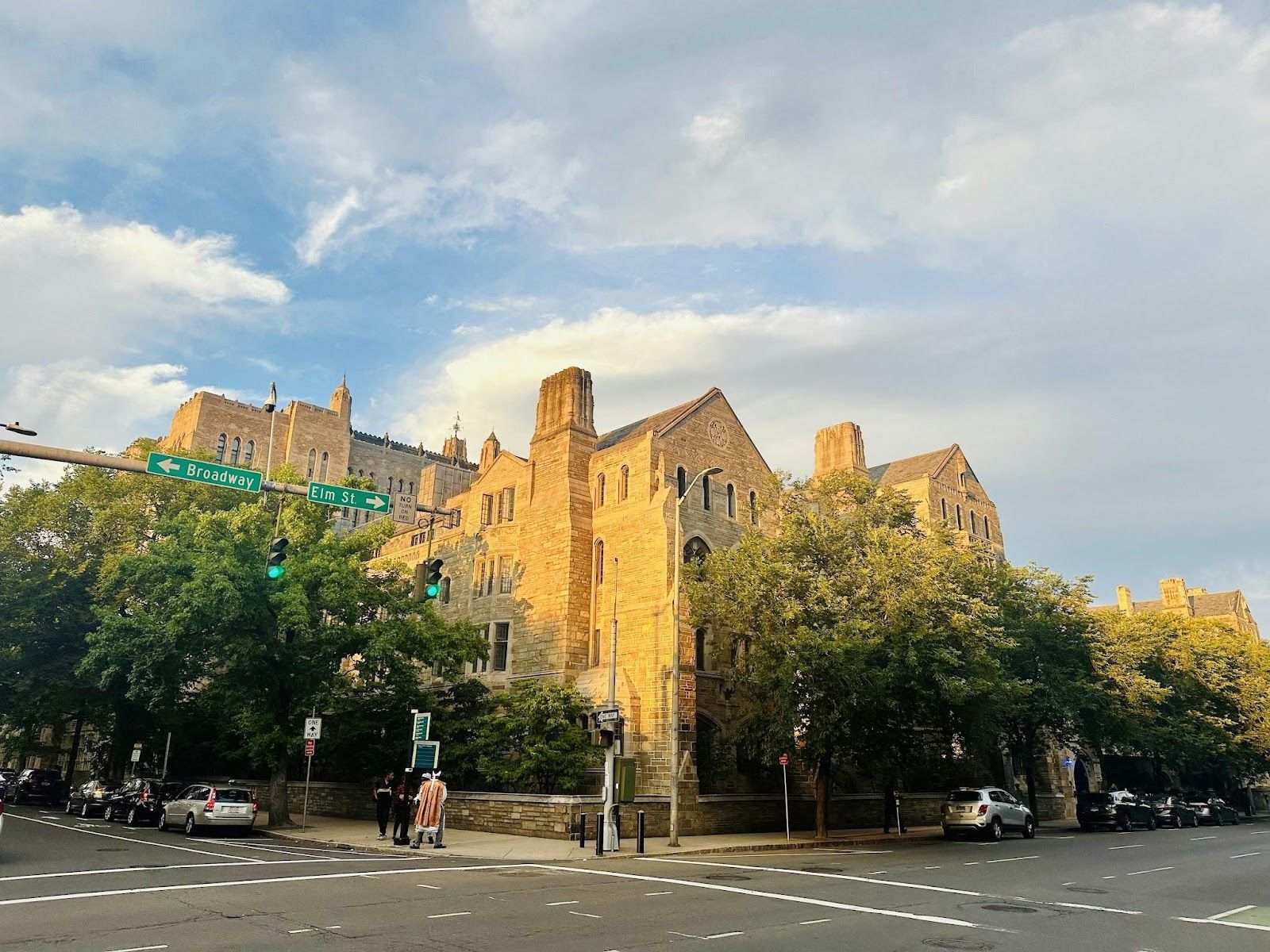 Image: Richard Liu
A gem of New Haven, Connecticut, Yale is another Ivy League powerhouse known for its prestigious law and drama schools.
It owes its name to Elihu Yale, a wealthy merchant who, in 1718, donated a modest shipment of goods (including portraits, books, and textiles) to a struggling collegiate school. Those goods were auctioned off, raising a much-needed £562 –a small fortune at the time.
Princeton University
 Image: SooWan Jang
This New Jersey Ivy Leaguer, famous for its stunning Gothic architecture and strong emphasis on undergraduate education, has a bit of a nomadic past. Originally called the College of New Jersey, the educational institution moved around and changed names over the decades.
Eventually, it settled in Princeton, and became popularly referred to as "Prince-town’s College." However, the name wasn’t formally adopted until 1896.
Columbia University
 Image: Ariel Tang
In the urban jungle of New York City, Columbia University boasts a vibrant campus life and a reputation for academic excellence. But did you know it was once known by a less-than-patriotic name?
It was founded in 1754 as King's College, which became a bit awkward after the revolution. It was then renamed Columbia College, "Columbia" being a poetic name for the new, independent country that was America at the time.
Dartmouth College
 Image: Wei Zeng
Dartmouth is renowned for its beautiful rural setting, nestled in the picturesque town of Hanover, New Hampshire. It was named after the Earl of Dartmouth, William Legge, a British nobleman who supported the college's founding –despite never actually setting foot in America!
Brown University
 Image: Keming Tan
This Rhode Island Ivy, known for its open curriculum and emphasis on student choice, was founded with a mouthful of a name – the College in the English Colony of Rhode Island and Providence Plantations.
It was renamed in 1704 for Nicholas Brown, Jr., a prominent merchant whose family donated generously to the school.
Cornell University
 Image: Emily Xie
Perched atop a hill overlooking Ithaca, New York, Cornell is celebrated for its diverse academic programs and its stunning natural surroundings.
Founded by Ezra Cornell and Andrew Dickson White, this university was unique for its commitment to practical education, allowing students the freedom to choose their own course of study. It was a revolutionary notion at the time, which would guide a curricular reform across the country.
Stanford University
 Image: Robert Gareth
Located in the heart of Silicon Valley, Stanford is renowned for its entrepreneurial spirit and its close ties to the tech industry. But this California powerhouse has a touching origin story.
Leland Stanford, Jr., the founder's son, tragically died young from typhoid fever. His father Leland Sr., railroad magnate and former state governor, and his mother Jane, founded the university in his memory, ensuring his legacy lived on through the pursuit of knowledge.
Duke University
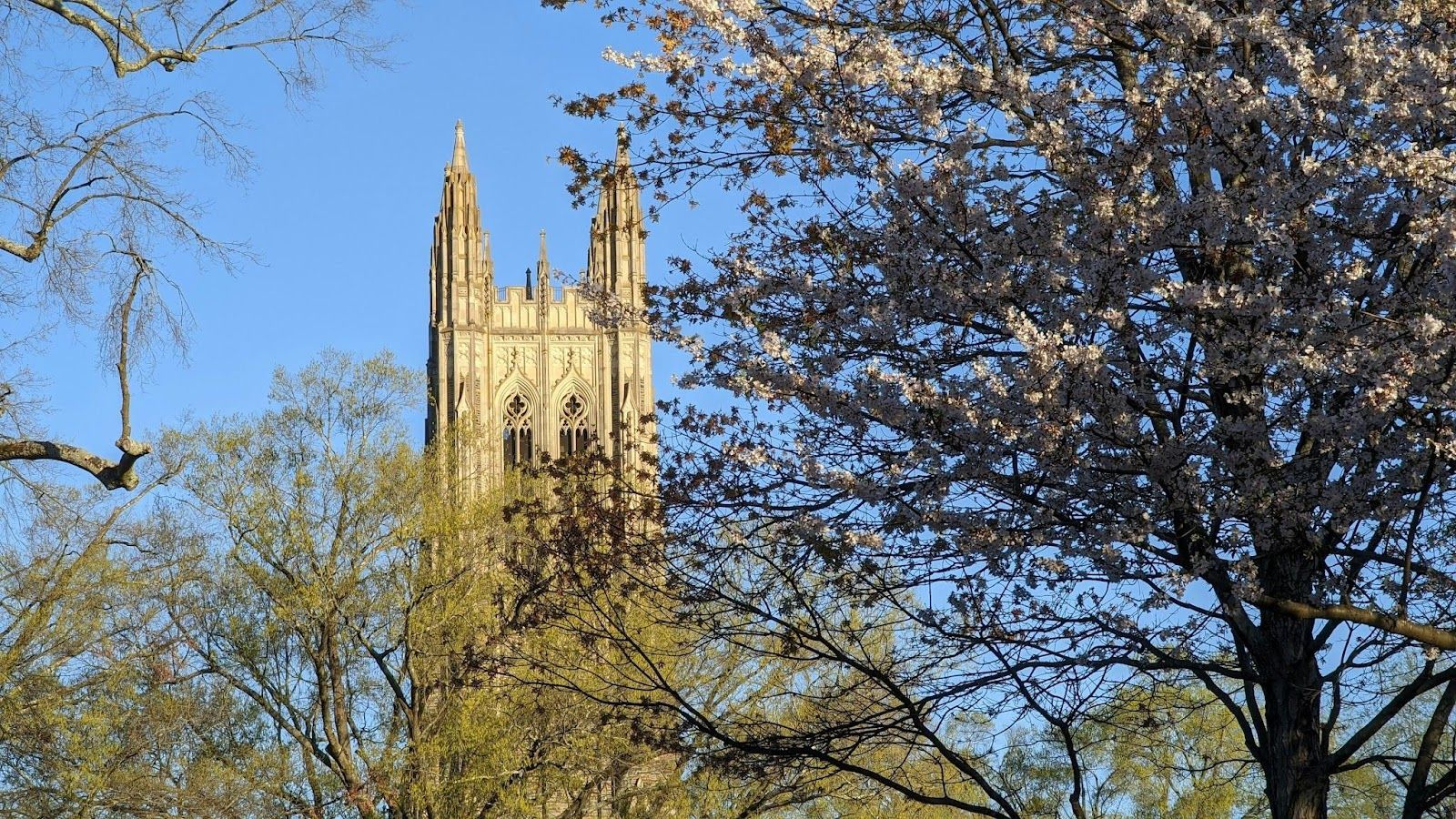 Image: Charles Givens
This North Carolina research giant, known for its strong medical and law schools, underwent a bit of a name change in its history.
Originally called Trinity College, it was renamed Duke University in 1924 after James Buchanan Duke, a tobacco and electric power industrialist who founded the American Tobacco Company. He established The Duke Endowment, to which he donated throughout his life and left half his estate after his death.
Vanderbilt University
 Image: Sid Suratia
Nestled in Nashville, Tennessee, Vanderbilt is a renowned research university with a vibrant campus life. It owes its name to "The Commodore," Cornelius Vanderbilt, a shipping and railroad magnate, who provided the initial gift to establish the university.
Rice University
 Image: Siyi Zhou
Texas businessman William Marsh Rice provided the initial funding for this Houston university, but did not live to see its opening. He was murdered by his valet as he slept, in a plot to forge the man’s will.
Despite the unfortunate circumstances, Rice University flourished through the years, becoming an institution known for its strong engineering and science programs.
University of Southern California
 Image: Greg Campbell
"USC" is a sprawling campus known for its film school and its Trojan spirit. It was founded by Robert Maclay Widney, a judge who envisioned a university that would serve the growing area. Back then it was only an expanding frontier town, which would evolve to become the city of Los Angeles.


