Mind the fruit

Who was Granny Smith, the apple? Fruits and veggies with real names


Published on September 12, 2026

Image: alfpoint

You probably know a Granny Smith from a McIntosh, and you may have ordered Hass avocado without giving its name a second thought. But many familiar fruits and vegetables are actually carrying around the names of real people. Behind those supermarket labels are farmers, judges, missionaries, immigrants, and a few very lucky gardeners. Let’s take a look at 11 people whose names unexpectedly became part of our grocery vocabulary!

1

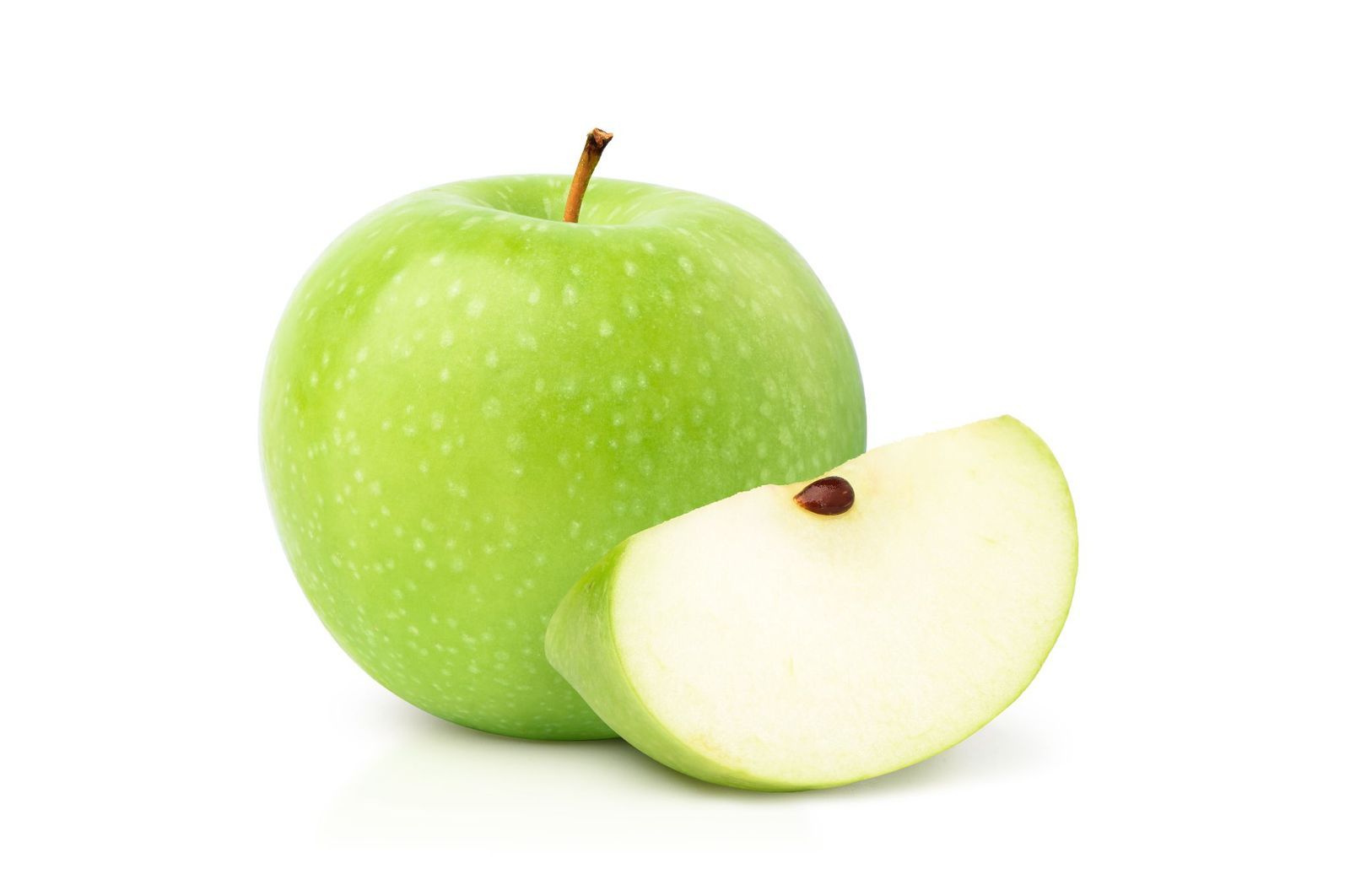
Granny Smith Apple -Maria Ann Smith

Image: Photoongraphy

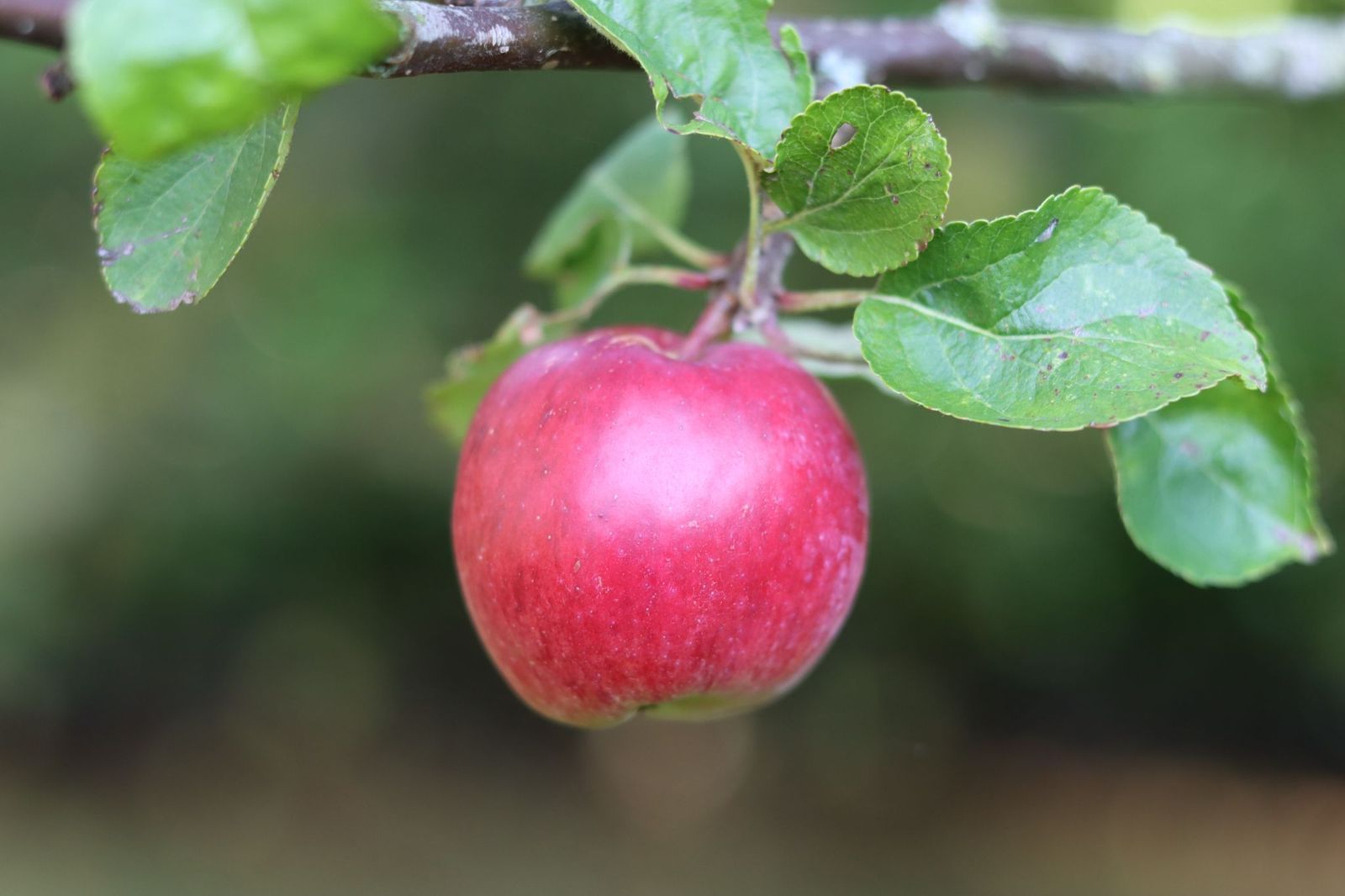
Yes, Granny Smith was a real granny. Maria Ann Smith was born in England in 1799 and emigrated to Australia with her husband, Thomas, in 1838. The couple eventually established an orchard in Eastwood, near Sydney.

Around 1868, Smith showed another orchardist an unusual apple seedling growing near a creek on her property, apparently from discarded crab apples. She propagated it, but died in 1870, before seeing its success. By the 1890s, "Granny Smith's seedlings" were winning prizes, and her crisp green apple was on its way to international fame.

2

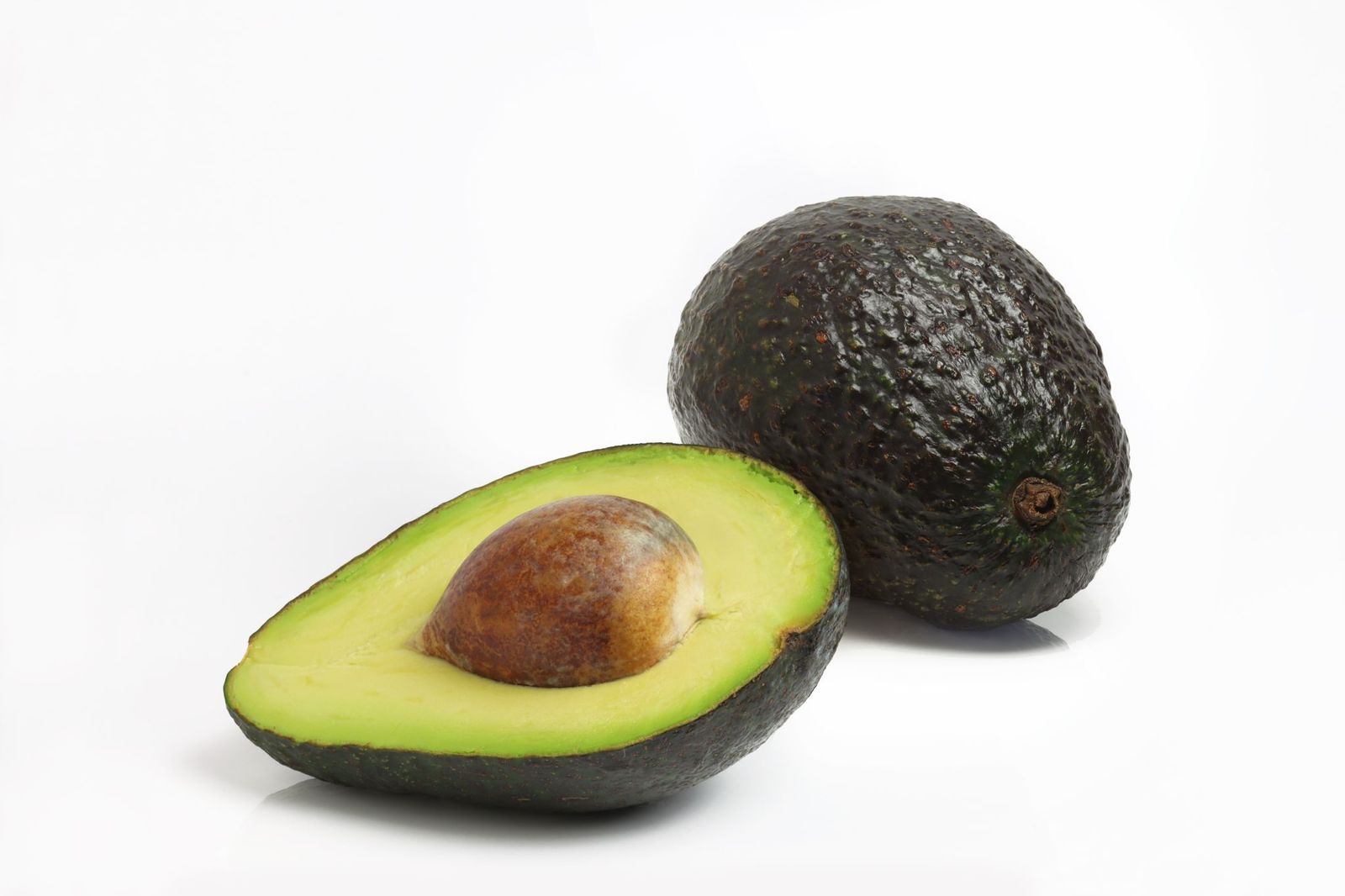
Hass avocado - Rudolph Hass

Image: Thomas Montini

Rudolph Hass wasn't a famous botanist. He was a California mail carrier who bought avocado seedlings for a small orchard in La Habra Heights in the 1920s. One stubborn little tree resisted his attempts to graft another avocado variety onto it.

Luckily, Hass didn't chop it down. The tree produced delicious fruit with an unusual rough, dark skin, and his children reportedly loved it. Hass patented the variety in 1935, giving it his surname. Today, the Hass dominates the avocado business, but its namesake made relatively little money from the tree that transformed the industry.

3

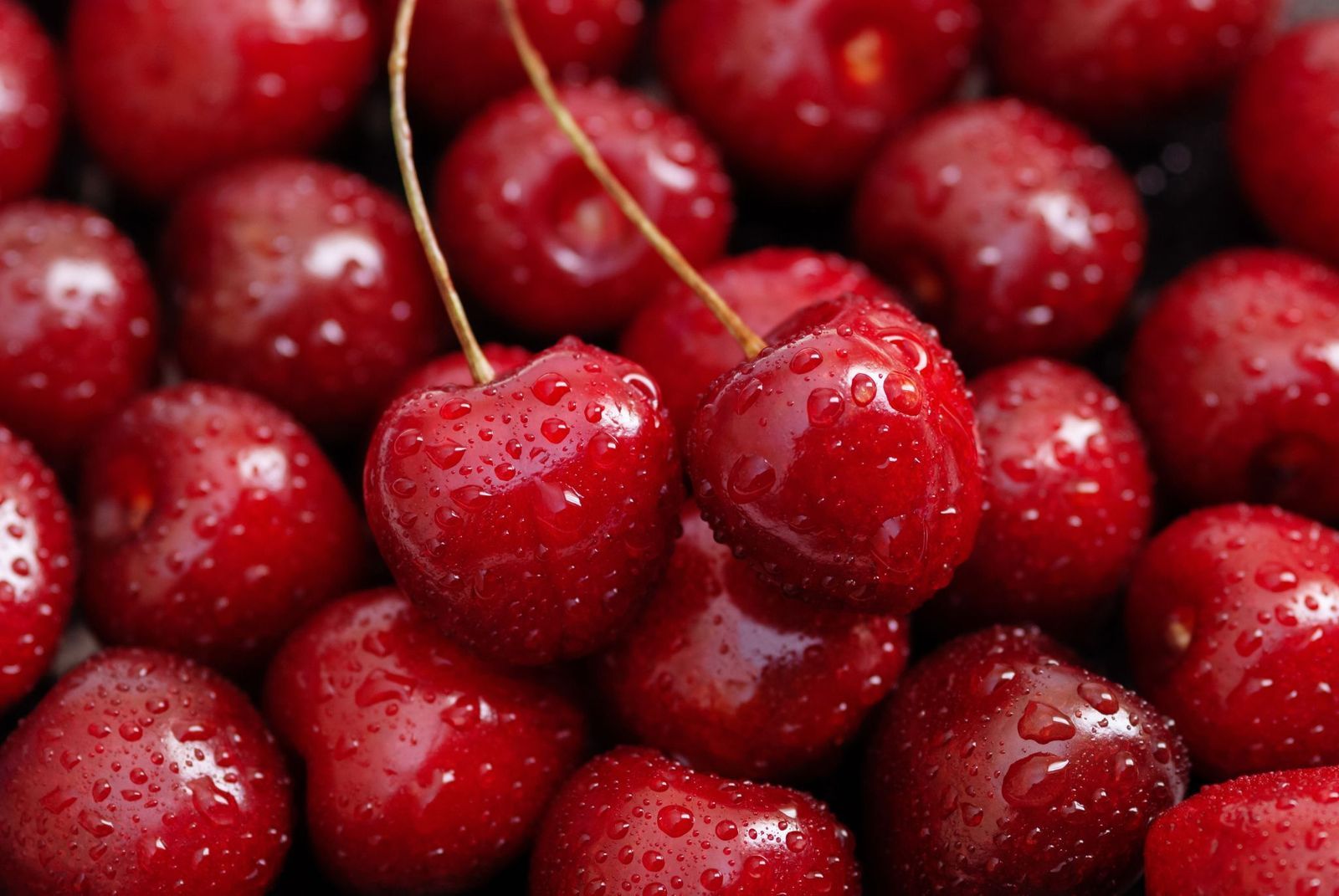
Bing cherry - Ah Bing

Image: Nadya So

The name behind America's famous dark-red cherry belonged to a 19th-century Chinese immigrant. Ah Bing worked for decades as foreman at horticulturist Seth Lewelling's nursery in Milwaukie, Oregon, where he supervised a large crew of Chinese workers.

Historical accounts differ over exactly how much credit Bing deserves for developing the variety, but they agree that Lewelling named it in his honor. Bing returned to China in 1889 and never came back to America. More than a century later, however, his name remains attached to one of the country's most important sweet cherries.

4

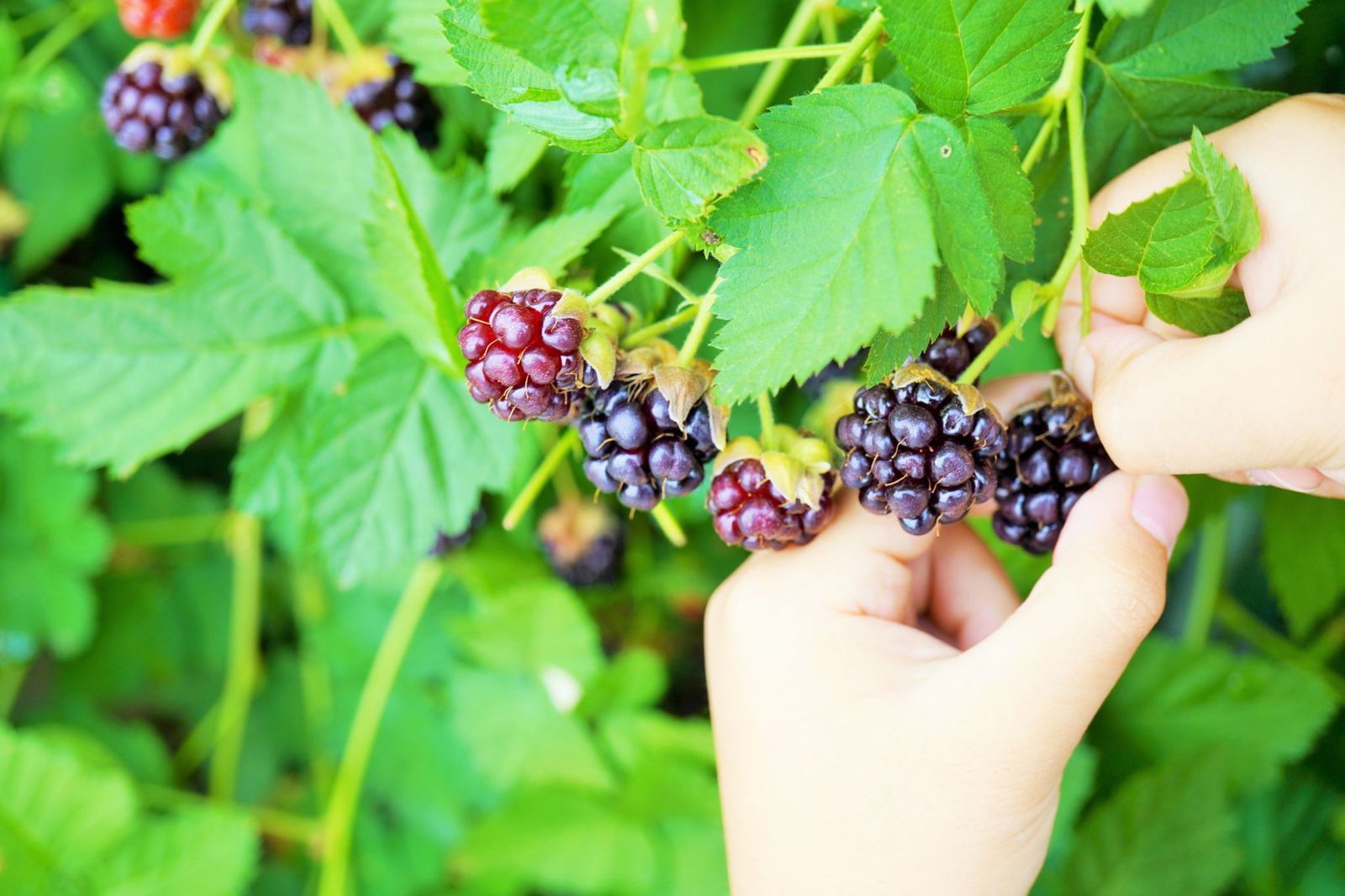
Boysenberry - Rudolph Boysen

Image: cattosus

The boysenberry almost vanished before most people ever got a chance to taste one. California horticulturist Rudolph Boysen experimented with berry hybrids during the 1920s but eventually abandoned the project and the surviving plants.

USDA horticulturist George Darrow later became intrigued by reports of Boysen's enormous berries and enlisted grower Walter Knott to help find them. They discovered neglected vines on Boysen's former property, transplanted them, and brought them back to health. Knott sold the rediscovered fruit under Boysen's name, helping launch the business that became Knott's Berry Farm.

5

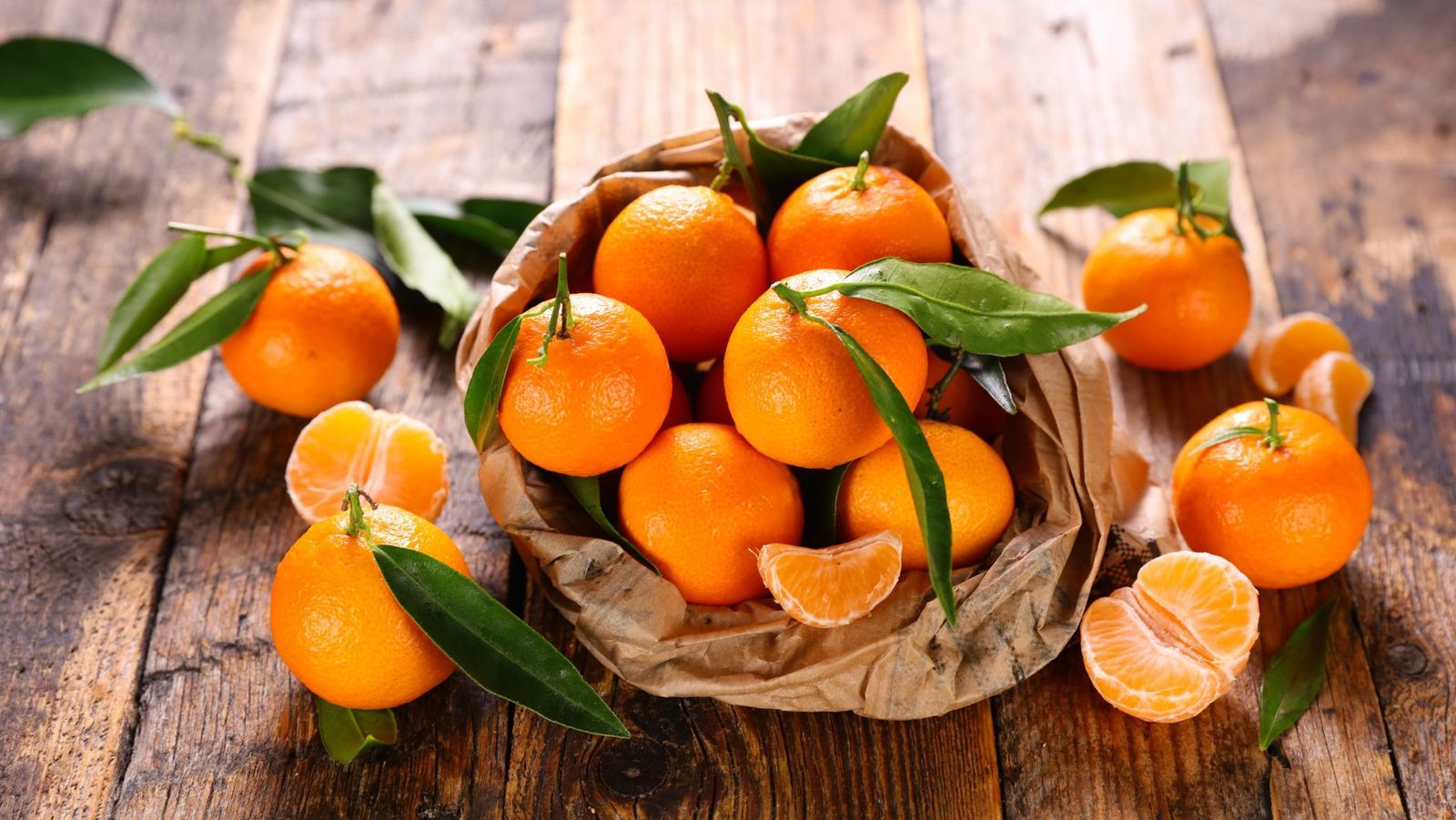
Clémentine - Clément Rodier

Image: Chatham172

The clementine didn't take its name from a farmer named Clementine. Its namesake was Clément Rodier, a French Catholic missionary brother who worked at an orphanage in Misserghin, near Oran in what was then French Algeria.

Around the turn of the 20th century, a new type of mandarin appeared in the orphanage's citrus garden and came to be associated with Brother Clément. Its precise botanical origins have been debated, but his connection to the name is well established. The little seedless citrus traveled quickly: clementines were already being cultivated in Riverside, California, by 1909.

6

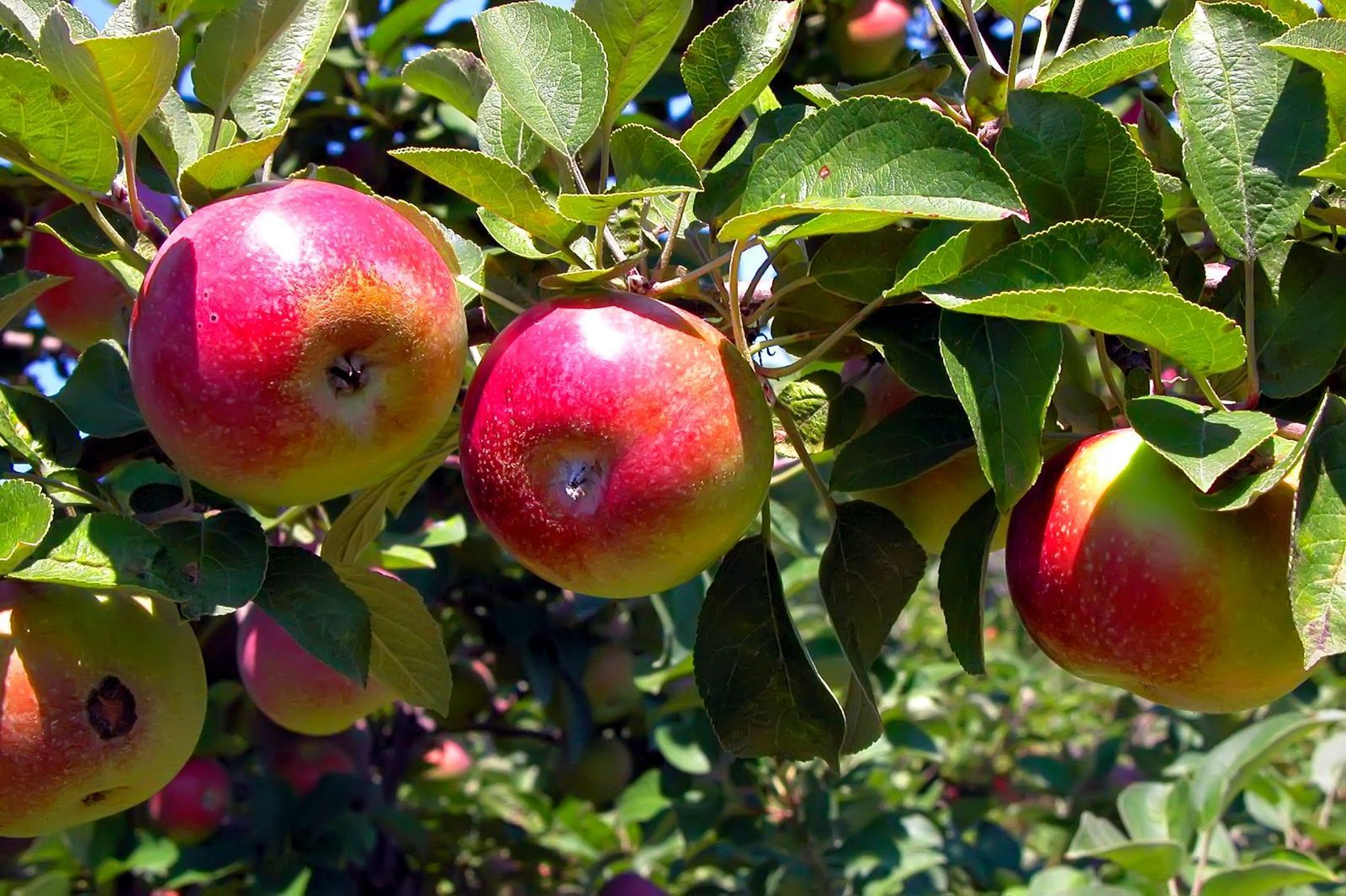
McIntosh apple - John McIntosh

Image: Dennis MacDonald

After settling in Dundela, Ontario, John McIntosh discovered wild apple seedlings growing on land he was clearing and transplanted several of them. One survived and produced particularly good fruit.

His family propagated the tree, and the McIntosh eventually became one of Canada's best-known apples. But the surname made another unexpected leap in the 20th century. Apple employee Jef Raskin named the Macintosh computer project after his favorite apple variety, changing the spelling. One chance seedling ultimately helped name a technological revolution.

7

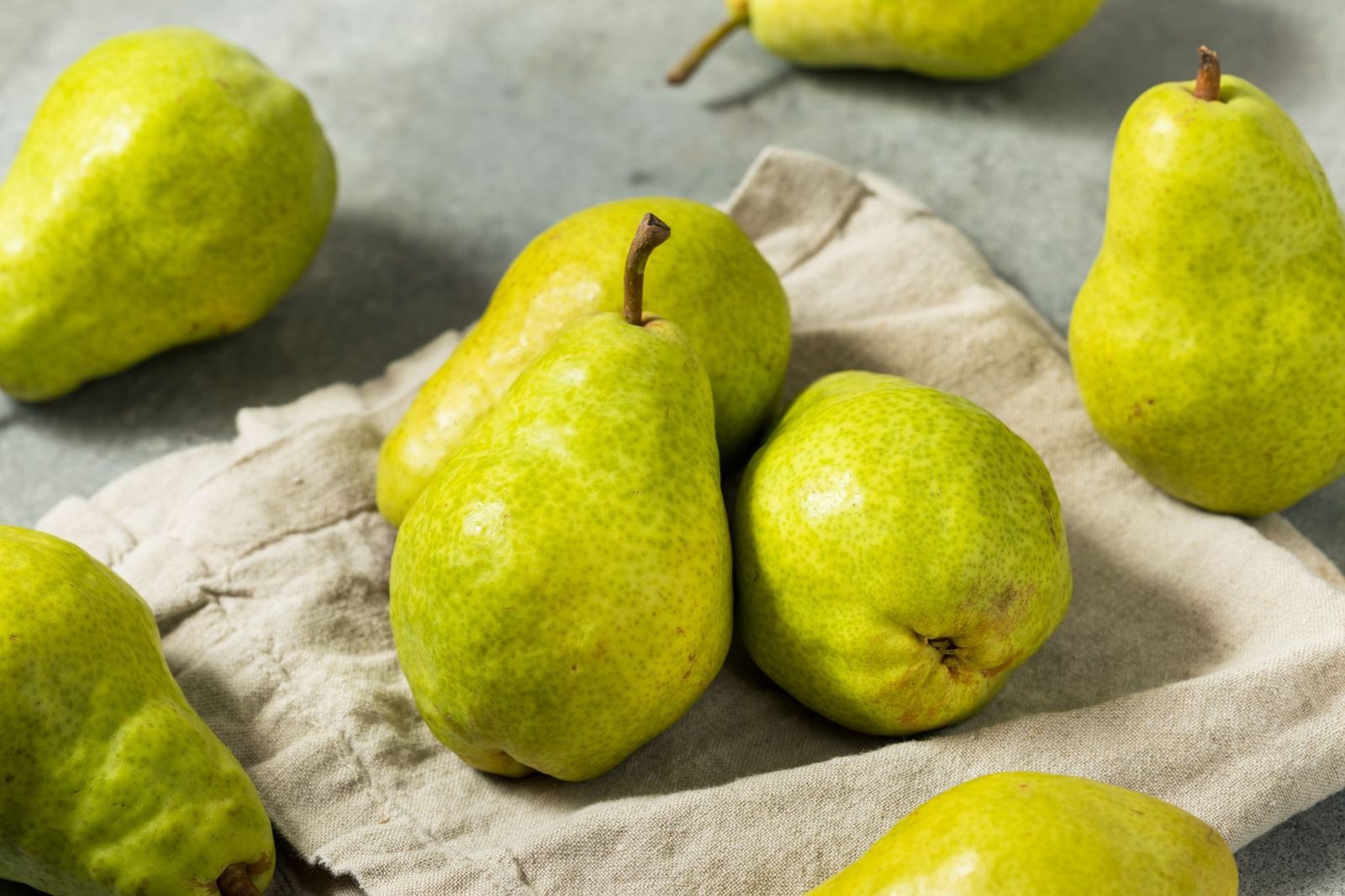
Bartlett pear - Enoch Bartlett

Image: Brent Hofacker

Enoch Bartlett received one of the most successful cases of mistaken credit in horticultural history. The pear Americans call Bartlett was already an English variety known as Williams' Bon Chrétien when trees were brought to Massachusetts around 1799.

Bartlett later acquired the property where they were growing and, apparently unaware of their European identity, propagated and distributed the pear under his own name. Americans eventually discovered that Bartlett and Williams were the same variety, but the new name had already stuck. That's why Americans still buy Bartlett pears while British shoppers generally know them as Williams pears.

8

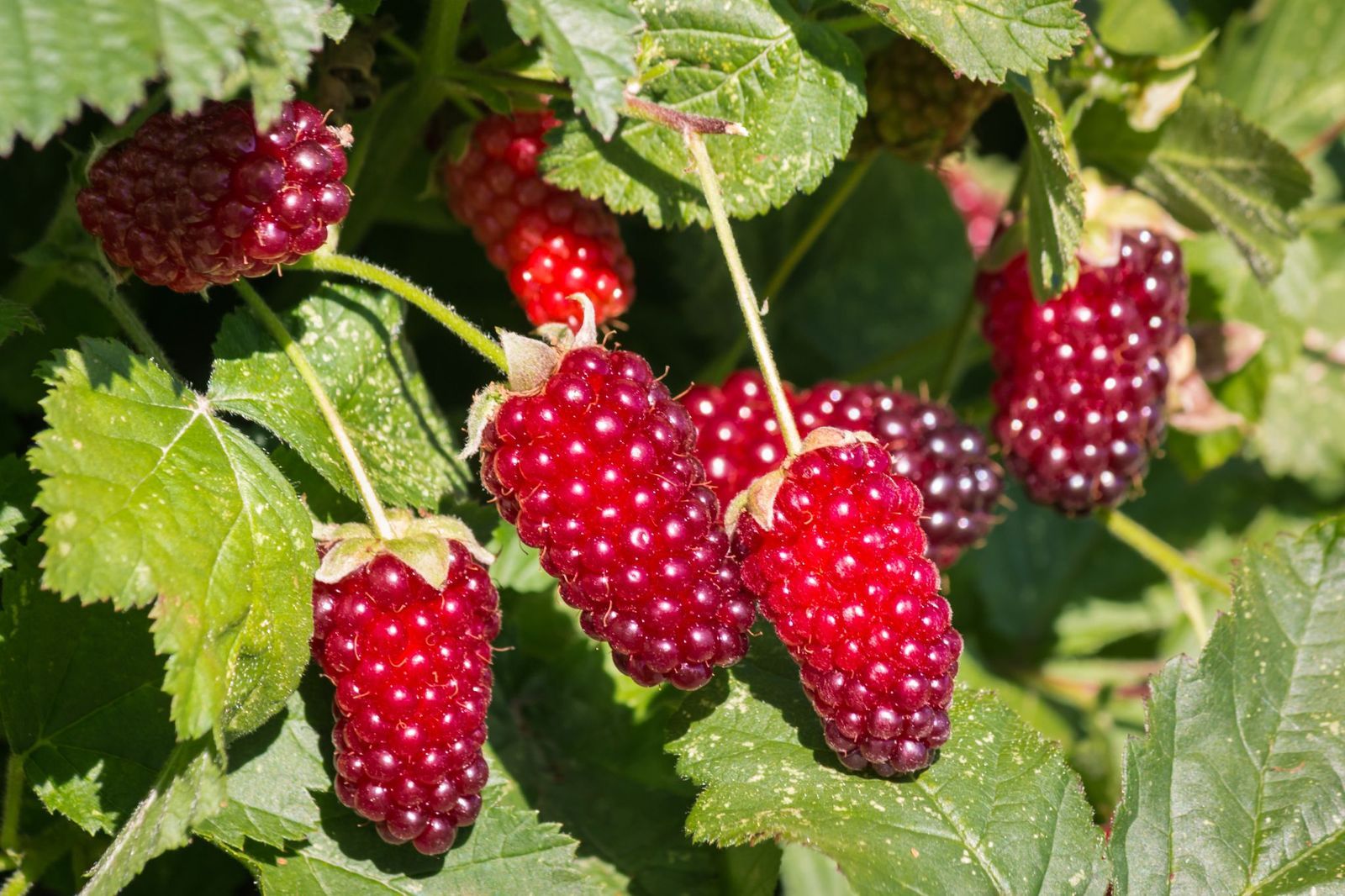
Loganberry - James Harvey Logan

Image: patjo

Imagine having a respectable career as a judge and being remembered mainly for a berry. That was the unusual fate of James Harvey Logan, a lawyer, judge, and enthusiastic amateur horticulturist in Santa Cruz, California.

In the 1880s, Logan experimented with berries in his garden and produced the reddish-purple fruit that became known as the loganberry. Its exact parentage has generated some historical debate, but Logan's role and the origin of its name are clear. His horticultural experiments proved remarkably durable: more than a century later, his surname still appears on jams, desserts, and berry plants.

9

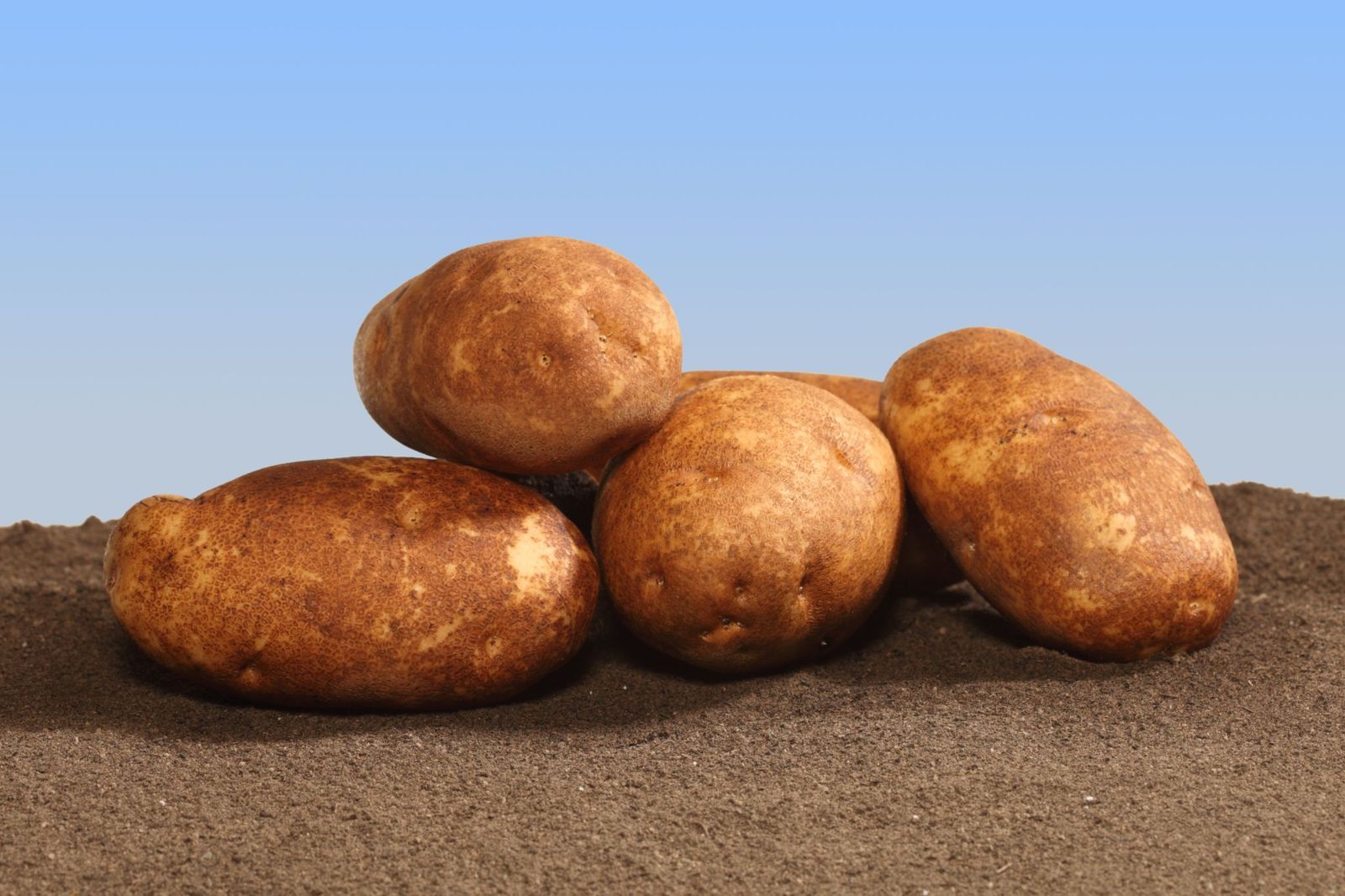
Burbank potato - Luther Burbank

Image: B Brown

Before Luther Burbank became one of America's most celebrated plant breeders, a potato helped finance his future. While farming in Lunenburg, Massachusetts, he noticed a rare seed ball growing on an Early Rose potato plant and experimented with its seeds.

One of the resulting plants produced unusually promising potatoes. Burbank sold the rights to his new variety for about $150: a modest-looking sum today, but enough to help fund his move to California in 1875. There he developed hundreds of plant varieties. The later Russet Burbank descended from his potato and became especially important in American agriculture.

10

Cox’s orange pippin - Richard Cox

Image: Francesca Leslie

Richard Cox was a retired English brewer who pursued horticulture at his property in Buckinghamshire, where he raised the apple that would eventually bear his surname around 1825.

The Cox's Orange Pippin became one of Britain's classic dessert apples, but Cox himself never witnessed the height of its fame. He died in 1845, while nurseryman Charles Turner introduced the variety commercially around 1850.

The Norman influence

The linguistic conquest: 12 areas of English that were shaped by French


Published on September 12, 2026


Image: Waldemar

It is a well-known fact that the English language is closely related to languages like German, Dutch, Scots, and Afrikaans. After all, they all belong to the West Germanic family of languages. But at the same time, to express this idea, we have to use the word "language"—which isn’t Germanic at all.

Like thousands of other English words, language is of French origin. The French-Norman conquest of 1066 not only irrevocably changed the course of English history but also completely transformed the English language. It is estimated that nearly 40% of the English lexicon derives from French, and that number doesn’t even account for compound words or French terms introduced through other languages. Let’s take a look at twelve areas of English that were influenced by French.

1

The nobility

Image: Liza Pooor

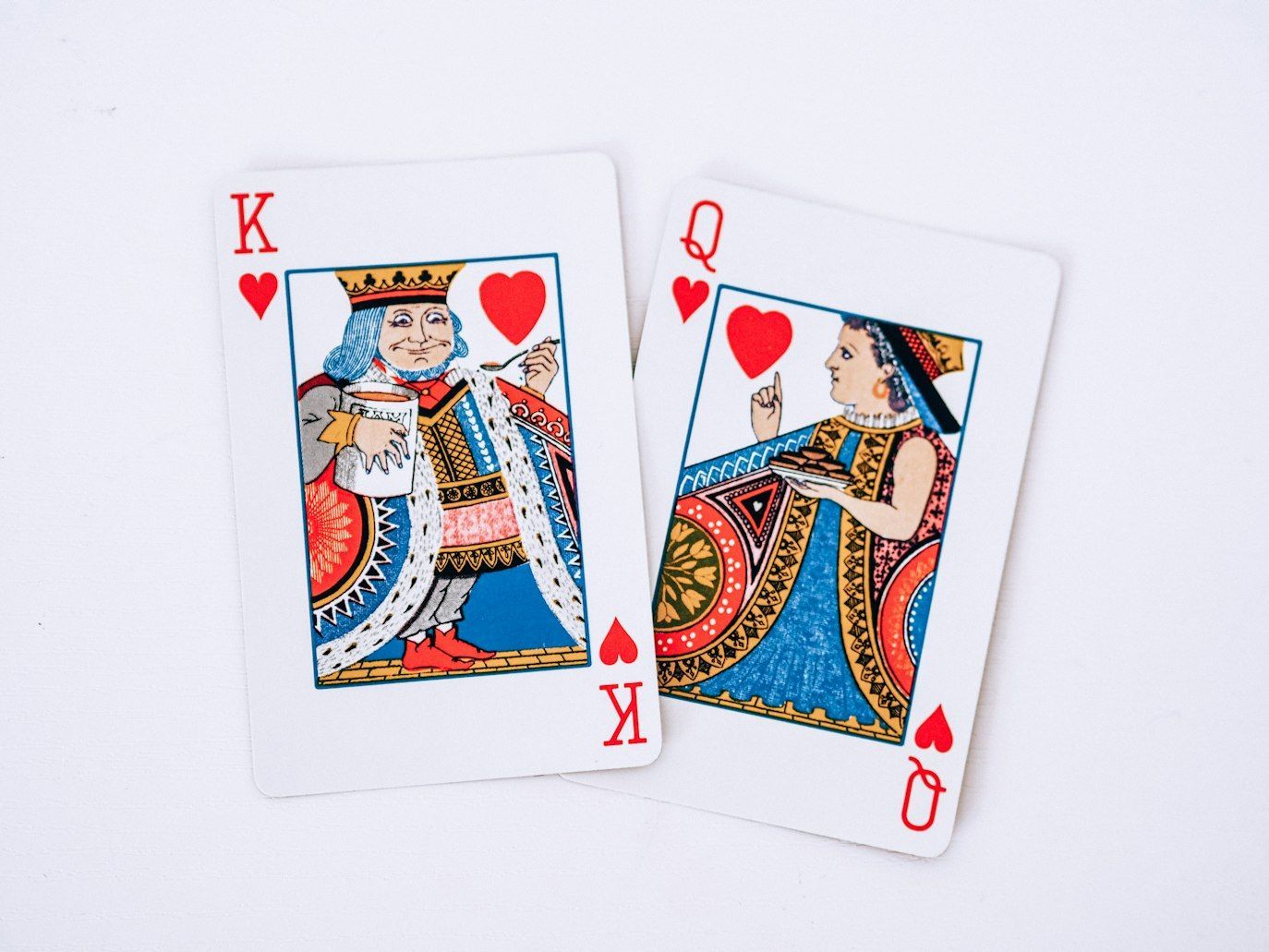
King and queen, the highest-ranking members of the nobility, are words of Germanic origin—but that’s about as far as it goes. For two centuries after the conquest, French was the official language of the English court, and its influence is evident in words like prince, dame, baron, duke, marquess, count, monarch, royal, sovereign, and even in the motto of the British monarchy: Dieu et mon droit ("God and my right").

2

The meat

Image: Monika Kubala

A significant portion of cuisine-related terms in English are of French origin, but the way we speak about meat was particularly shaped by the differences between the Anglo-Saxon peasants and the French ruling class. Many meats came to have two different names: an Old English term for the live animal (pig, cow, calf, or sheep), and a French-derived term for the meat served at the table (pork, beef, veal, or mutton). The word chicken remained unchanged (though poultry was adopted), and the continued use of fish may be due to the unfortunate similarity between its French equivalent, poisson, and the English word poison.

3

The law

Image: Tingey Injury Law Firm

Norman French, being the language of the court, meant that official documents and legal proceedings were heavily influenced by it. The English legal system developed a blend of Old English, French, and Anglo-Norman terminology, known as Law French, which was used for centuries. While Law French is now obsolete as a spoken language, its legacy lives on in terms such as attorney, judge, jury, court, defendant, culprit, bailiff, and parole, among many others.

4

The religion

Image: Cross-Keys Media

While both the French conquerors and the conquered Anglo-Saxons professed the same religion, the influence of the Norman French ruling class is evident in the vocabulary used to describe religious organization. Examples include words such as saint, abbot, priest, clergy, cloister, vicar, parish, friar, and diocese.

5

The heraldry

Image: Paul-Alain Hunt

Since the Norman conquerors became the ruling class, it’s not surprising that heraldry, closely associated with rank and nobility, adopted their Norman French terms. And while the everyday English speaker may not regularly discuss coats of arms, we can see the French influence of heraldry in the names of mythical beasts such as dragon, griffin, and phoenix; exotic animals like lion, leopard, dolphin, elephant, and giraffe; and even native European animals such as eagle, ferret, falcon, squirrel, and viper.

6

The army

Image: Nick Page

The superiority of the Norman army was evident not only in the conquest of the island and the suppression of multiple rebellions, but also in the military vocabulary it left behind. Words such as soldier, army, battalion, artillery, corps, infantry, siege, and latrine, along with military ranks like captain, admiral, lieutenant, sergeant, and colonel, are clear examples of French influence in the warfare lexicon.

7

The diplomacy

Image: chris robert

The French have long been considered masters of diplomacy, and their influence is evident in the English diplomatic vocabulary. Words such as embassy, attaché, envoy, diplomacy, passport, treaty, alliance, and protocol are just a few examples.

8

Politics and the economy

Image: Martin Foskett

The English political and economic lexicon was deeply influenced during the period when Norman French was regularly spoken at court, incorporating words such as state, treasury, plebiscite, coup d’état, regime, sovereignty, bureaucracy, and finance. However, this influence was not limited to court matters—common people also adopted French words like money, commerce, and tax.

9

The arts

Image: Taha

The ruling classes have always had a great influence on matters related to culture and its various expressions. French influence is evident in artistic vocabulary such as author, literature, music, dance, paint, canvas, theatre, stage, melody, harmony, portrait, and sculpture.

10

The colors

Image: Mika Baumeister

For basic colors like black, white, yellow, and red, the English language retained the Germanic forms of the words. Surprisingly, this was not the case with blue, which is of French origin. French influence is even more evident in specific color shades such as vermilion, beige, maroon, mauve, turquoise, scarlet, lilac, and russet.

11

The orthography

Image: Aaron Burden

While the main French influence on the English language can be seen in vocabulary, other areas of the language were affected as well. If you’ve ever thought that English orthography is all over the place, you might be thinking about Old English words of Anglo-Saxon, Norse, or Germanic origin whose spellings were influenced by Norman French. Examples include queen (originally cween), ship (schip), bridge (brigge), and love (luve). Letters derived from Germanic or Irish runes were also affected by the French alphabet and eventually fell out of use.

12

The pronouns

Image: Slejven Djurakovic

There is a reason why people joking about the Middle Ages use words like thee and **thou**—these were standard pronouns at the time. The influence of French, particularly its pronoun "vous," led to the replacement of these pronouns with words like ye, which later evolved into you. Old English pronouns still survive in words like this, that, and those, as well as in religious prayers and texts.

Looking for an extra scoop of literary fun?

Learn more with our Word of the day

dissimulate

/dəˈsɪmjəˌleɪt/