Looking for inspiration?

Who said “I have a dream”? 11 phrases born out of famous speeches


Published on May 15, 2026
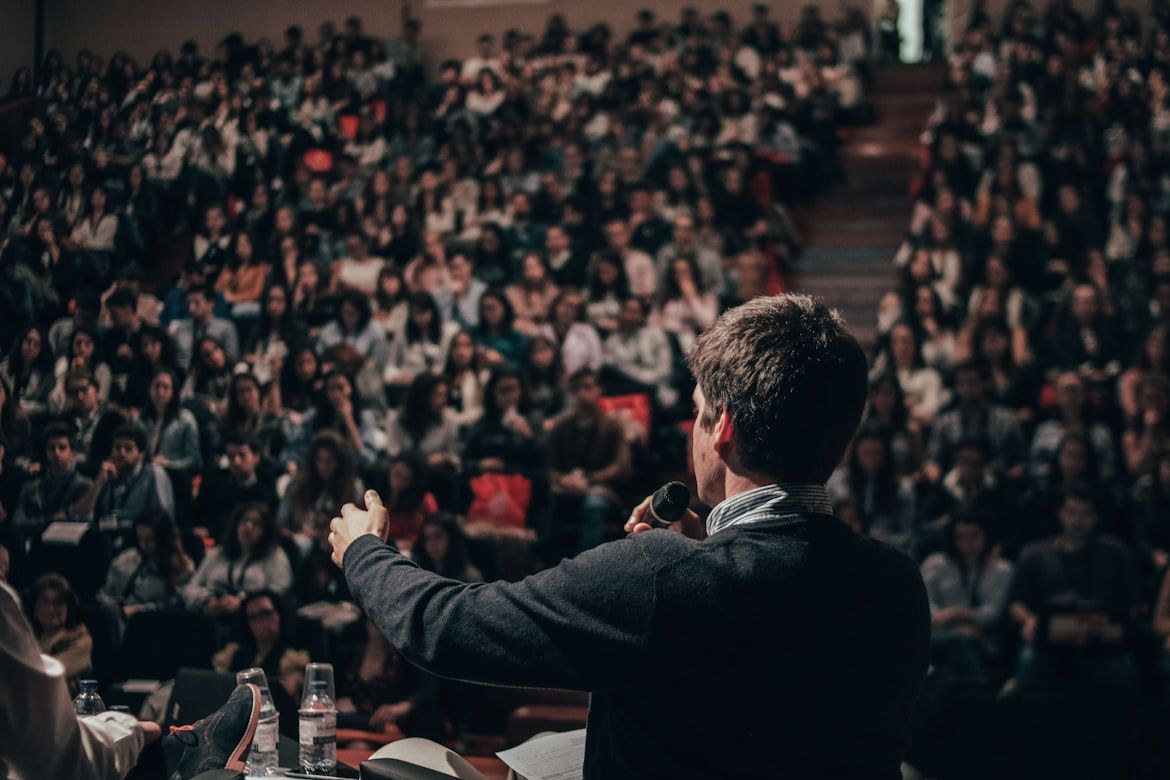

Image: Miguel Henriques

Speeches are a great occasion to include a powerful quote that might resonate with someone in the audience and be passed down through the ages. These 12 notable quotes by politicians, activists, businessmen, and other notable individuals are still referenced today because they remain highly relevant and true. Which one is your favorite?

1

"Ask not what your country can do for you; ask what you can do for your country."
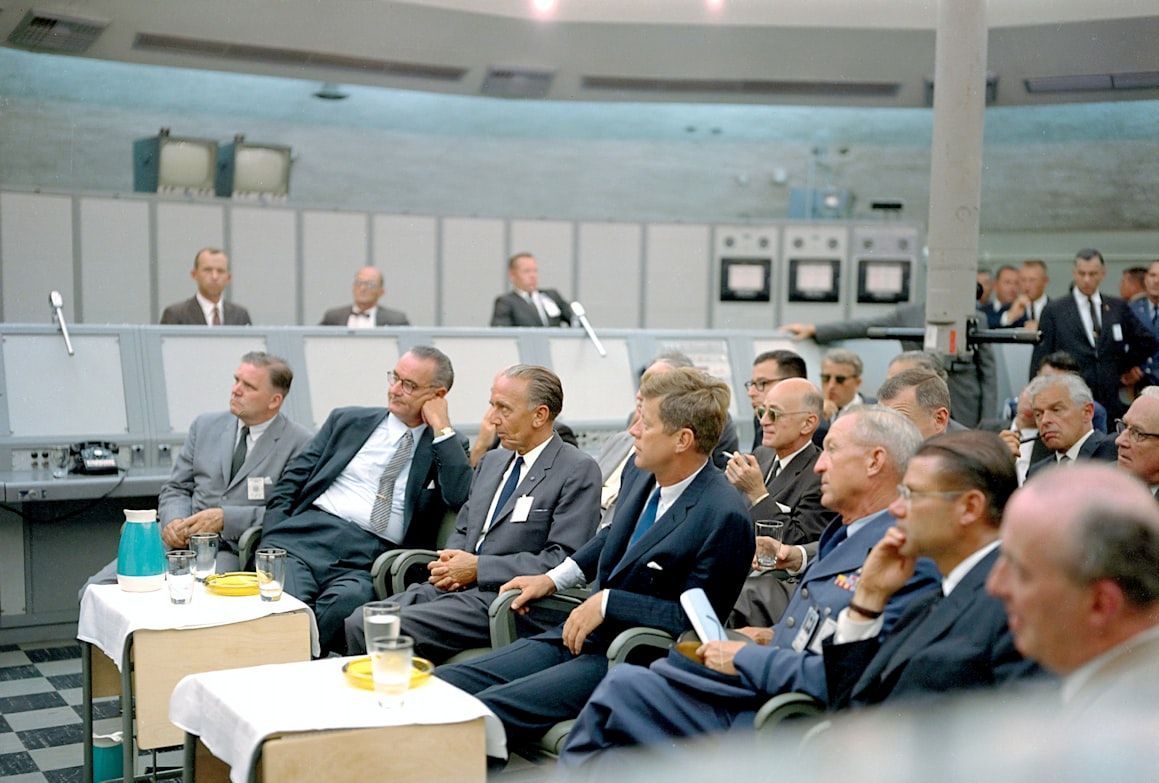
Image: History in HD

President John F. Kennedy’s 1961 inaugural address is remembered for its call to public service. Using vivid imagery, he delivered a powerful message.

Its most iconic line, "Ask not what your country can do for you; ask what you can do for your country," remains one of the most quoted phrases in American history.

2

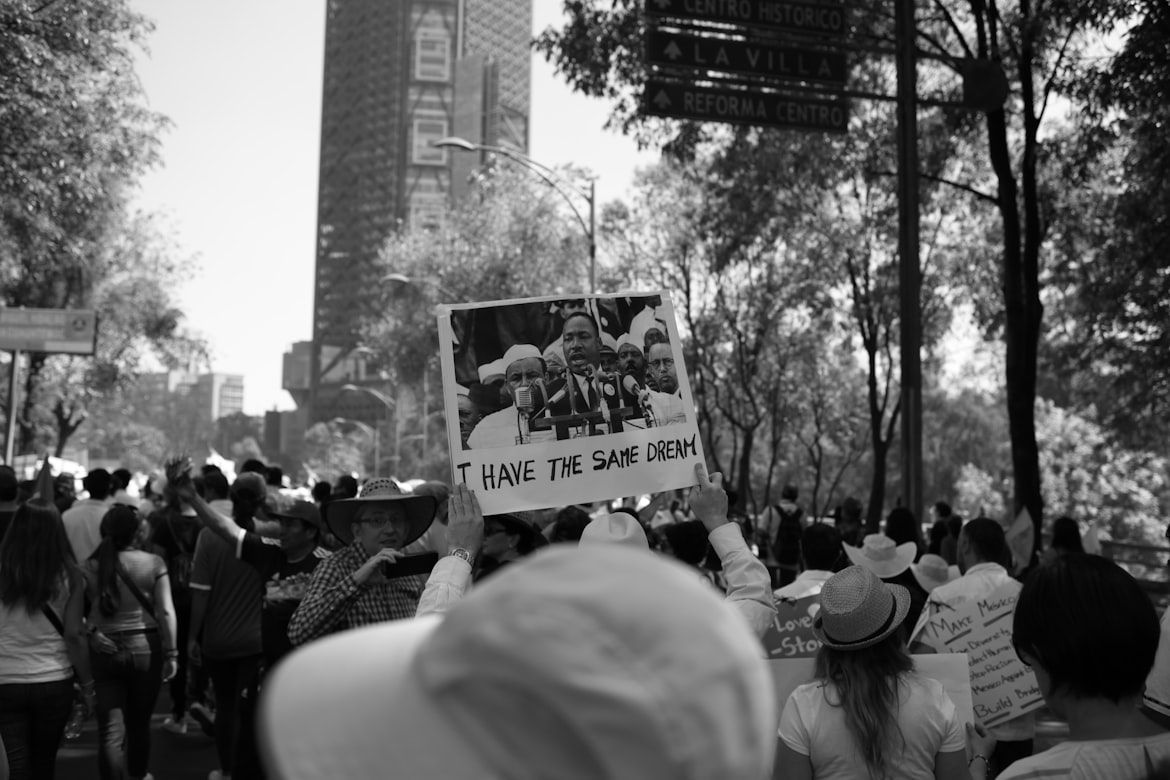
"I have a dream."

Image: Jerónimo Bernot

The famous and ubiquitous line "I have a dream" comes from Martin Luther King Jr.’s iconic 1963 speech during the March on Washington. Though partly improvised, it became the heart of his vision for racial equality and justice.

Inspired by past speeches and by gospel singer Mahalia Jackson’s encouragement, King’s words instilled hope for a future free from discrimination.

3

"The only thing we have to fear is fear itself."
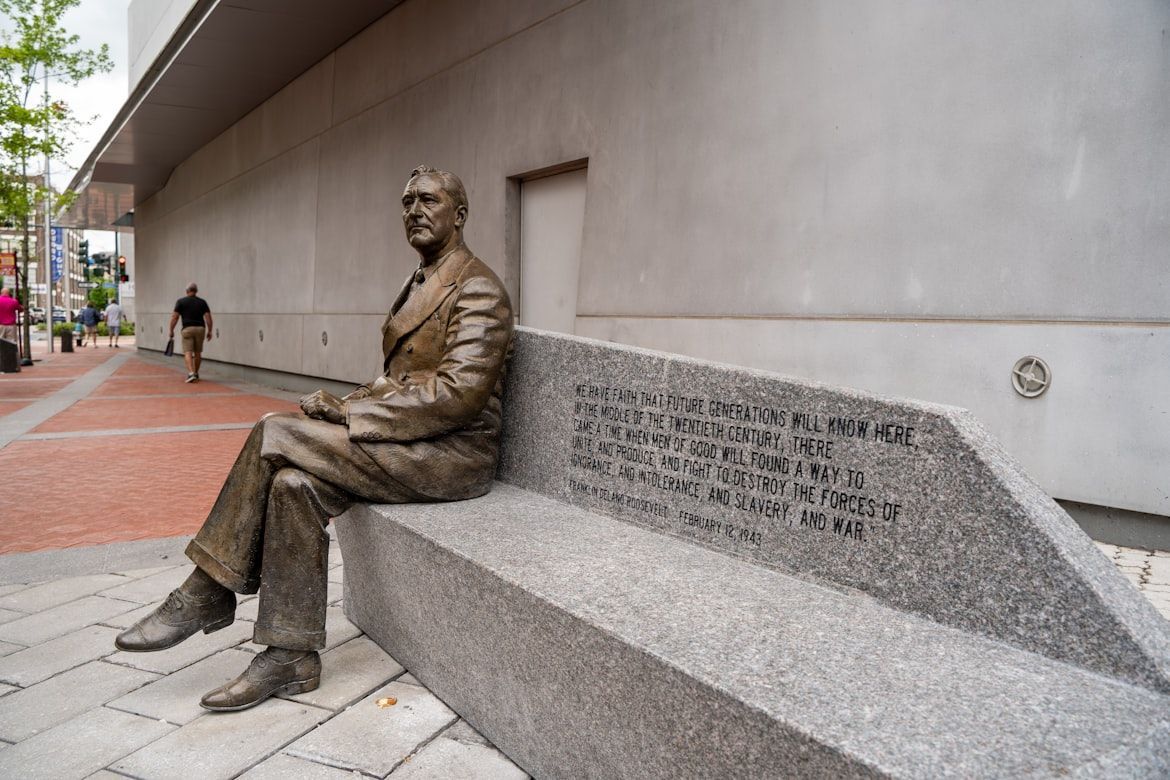
Image: Jessica Tan

The phrase "The only thing we have to fear is fear itself" comes from Franklin D. Roosevelt’s 1933 inaugural address. He spoke these words to calm a nation gripped by fear during the Great Depression.

Roosevelt’s message was clear: fear can be more damaging than the crisis itself. By facing challenges with courage, people could begin to rebuild and move forward.

4

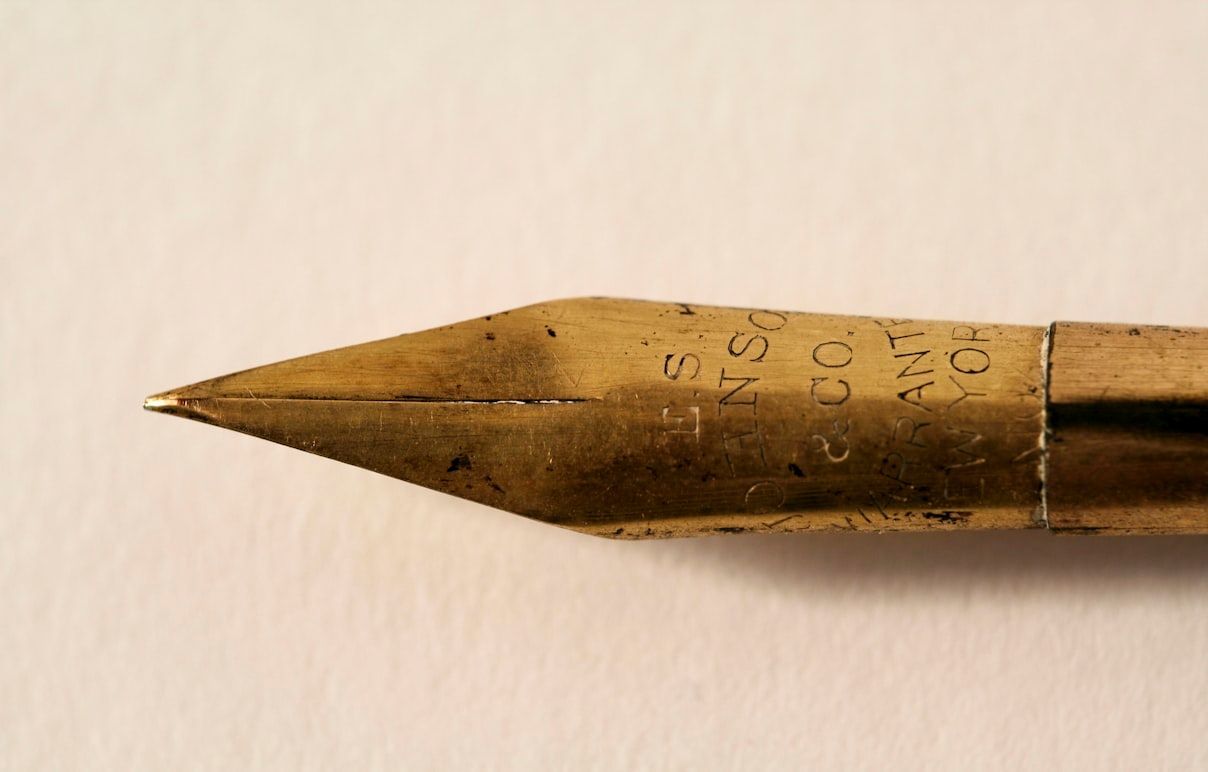
"The pen is mightier than the sword."

Image: MJ S

"The pen is mightier than the sword" expresses the idea that words can have a greater impact than violence. It highlights the power of writing and communication to inspire change and influence people.

Popularized by Edward Bulwer-Lytton in 1839, the idea had been expressed before, but not in the same words.

5

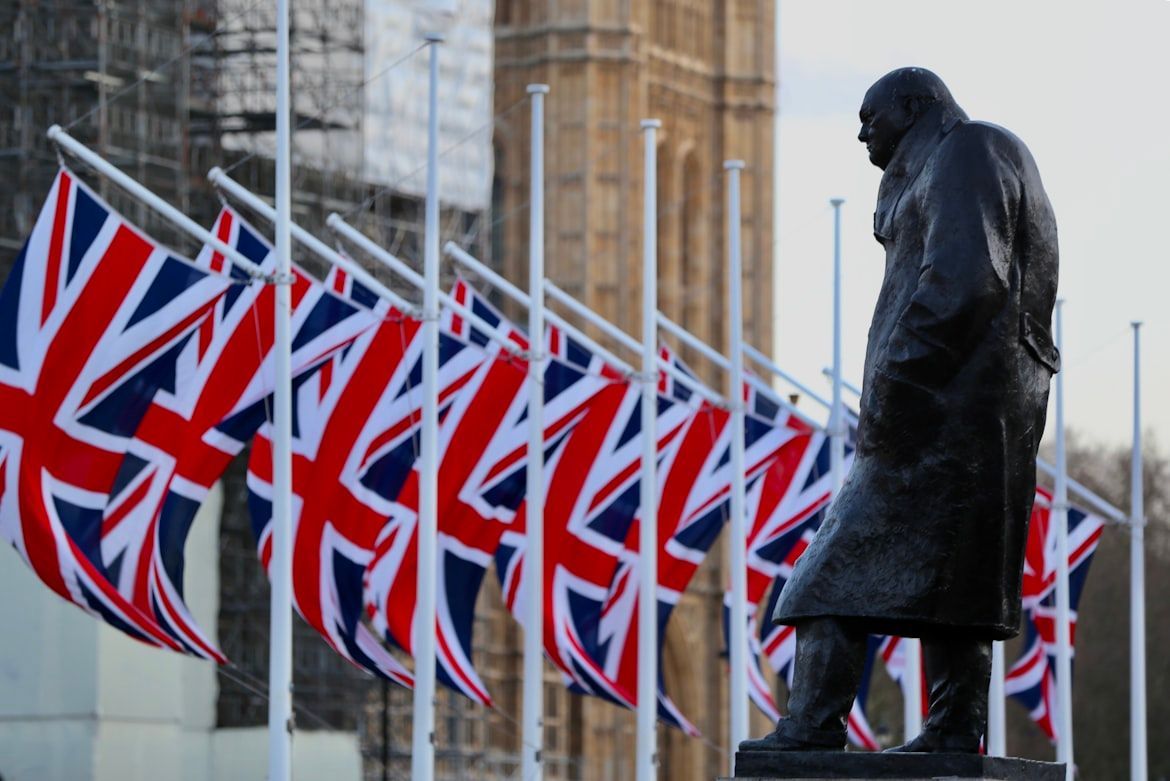
"Blood, toil, tears, and sweat"

Image: Kristina Gadeikyte

"Blood, toil, tears, and sweat" comes from Winston Churchill’s first speech as Prime Minister in 1940. He used it to prepare the British people for the hard sacrifices ahead in World War II.

Though similar phrases had existed before, Churchill’s words became iconic. They captured the grit and determination needed to face a long and brutal conflict.

6

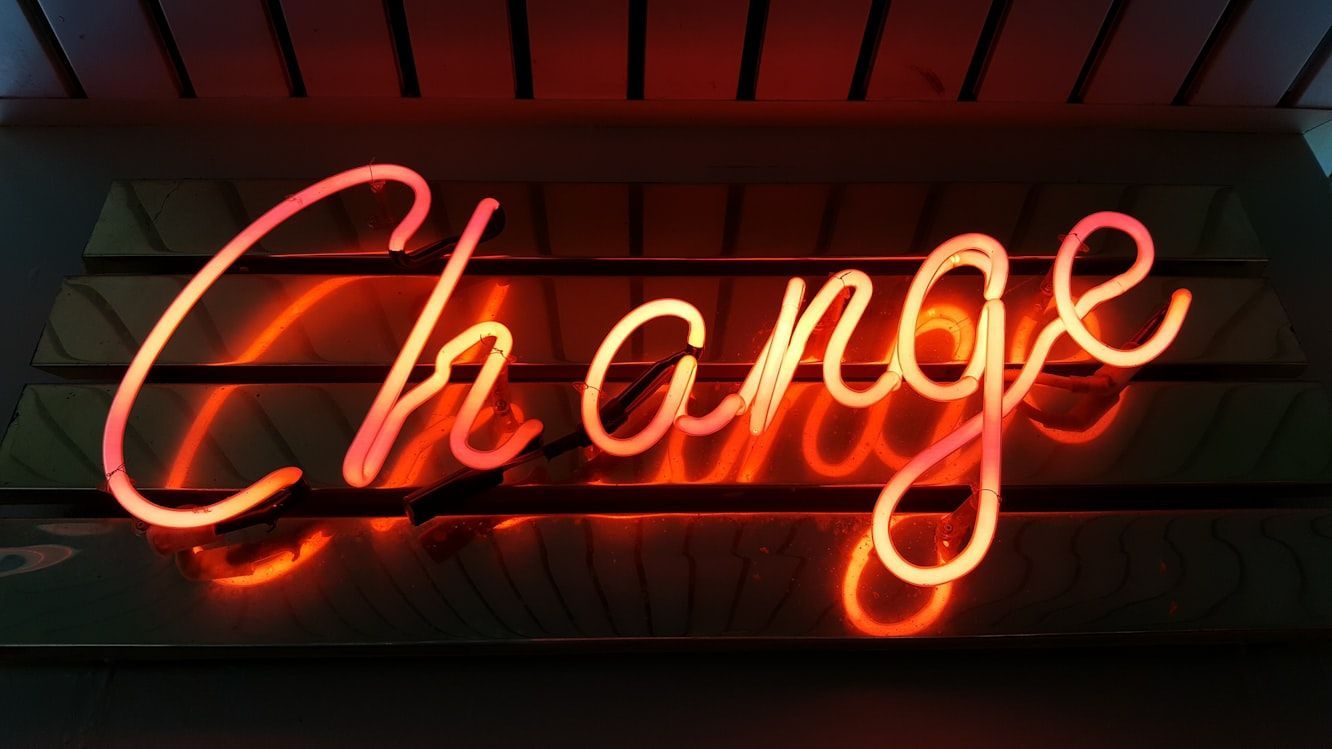
"We are the change we seek."

Image: Ross Findon

"We are the change we seek," a phrase popularized by Barack Obama, highlights the idea that real change starts with individual action. It encourages people to take responsibility rather than wait for others to lead.

The saying became a central theme of Obama’s 2008 campaign and remains closely associated with him, even though similar iterations of it can be found elsewhere.

7

"Speak softly and carry a big stick."

Image: Janne Simoes

While it can sound like a joke, the phrase "speak softly and carry a big stick" was really used in a speech. It refers to using calm diplomacy backed by the ability to act forcefully if necessary.

Theodore Roosevelt popularized the saying as part of his foreign policy. The "big stick" symbolizes power used only when required, while "speaking softly" reflects the value of measured, non-aggressive communication.

8

"If you can dream it, you can do it."

Image: Travis Gergen

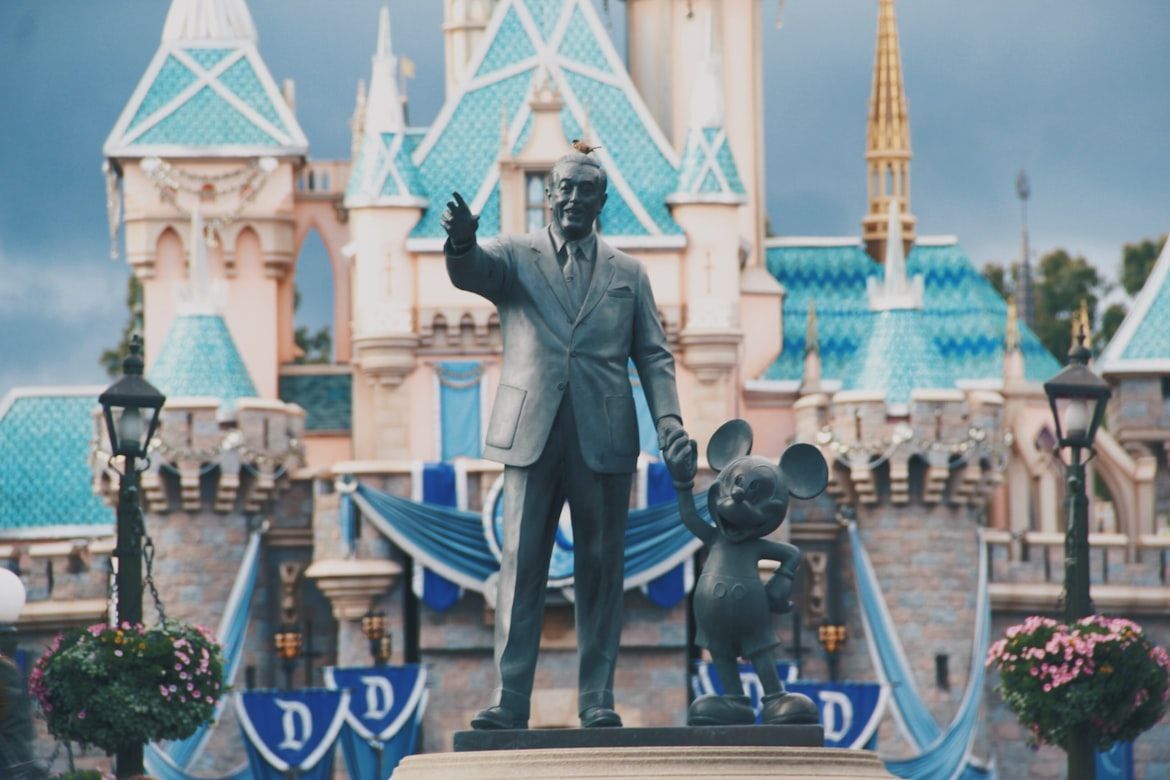
"If you can dream it, you can do it" is often linked to Walt Disney, but it was actually written by Disney Imagineer Tom Fitzgerald for the Horizons ride at Epcot.

It encourages people to believe in their dreams and work hard to achieve them. The message is that imagination, paired with determination, can turn vision into reality.

9

"Your time is limited, so don’t waste it living someone else’s life."
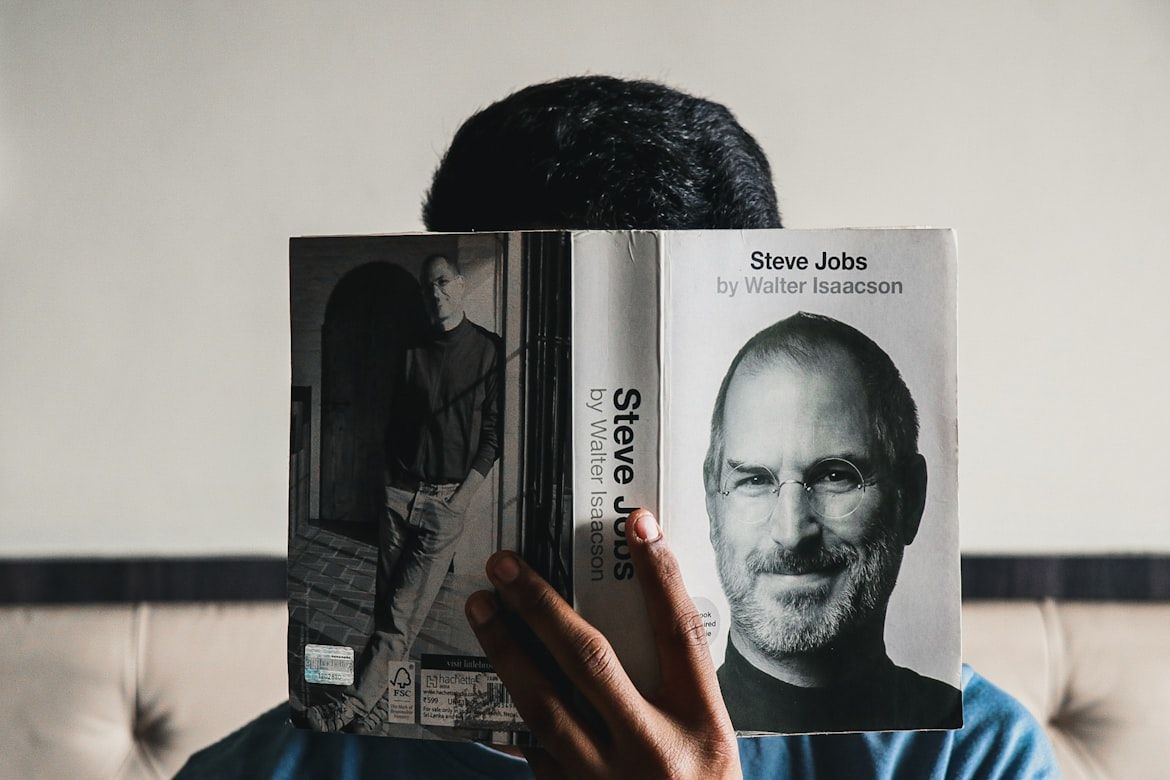
Image: Md Mahdi

During his famous 2005 Stanford commencement speech, Steve Jobs delivered the phrase "Your time is limited, so don’t waste it living someone else’s life." It is a reminder that life is short and should be lived on your own terms.

Jobs urged people to follow their passions and avoid being trapped by others’ expectations. The message is about staying true to yourself and making the most of the time you have.

10

"I find that the harder I work, the more luck I seem to have"
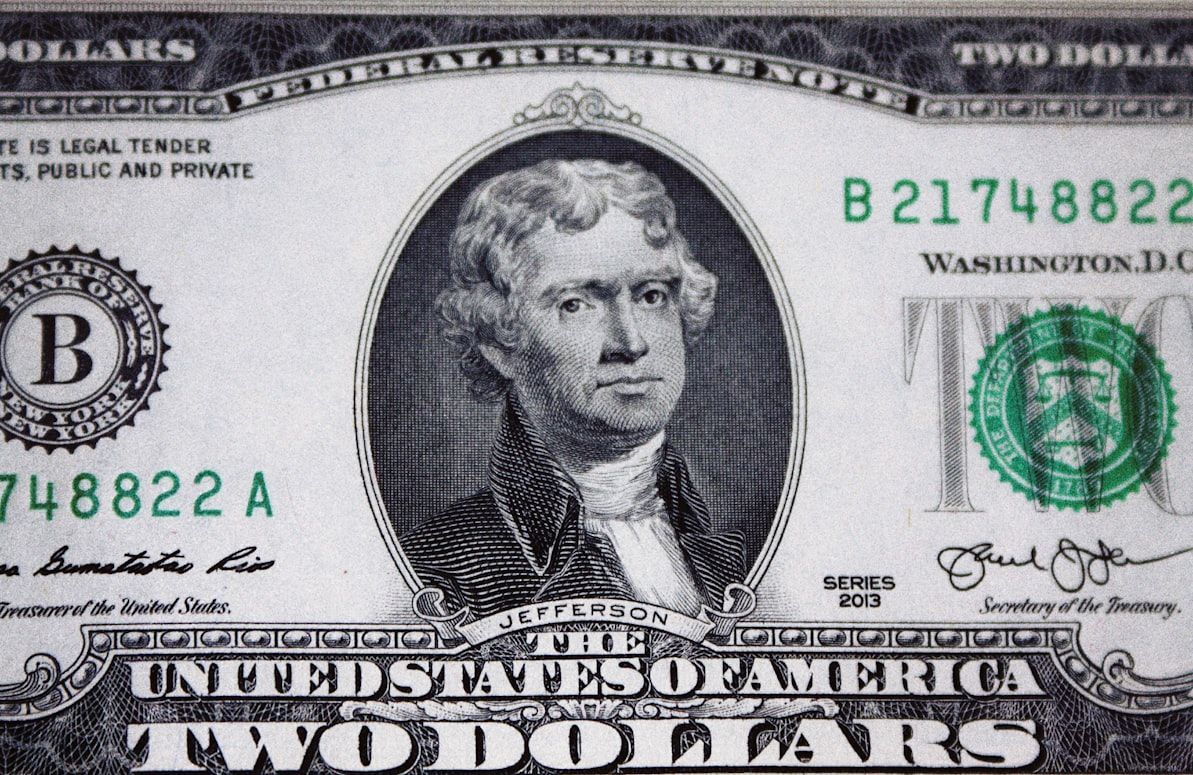
Image: Alicia Razuri

An inspiring phrase, "The harder I work, the more luck I seem to have," highlights how effort often leads to success. It suggests that luck favors those who are prepared and persistent.

Though commonly attributed to Thomas Jefferson, its true origin is debated. Regardless of who said it, the message remains clear: hard work increases your chances of good fortune.

11

"Whether you think you can or you think you can’t, you’re right."
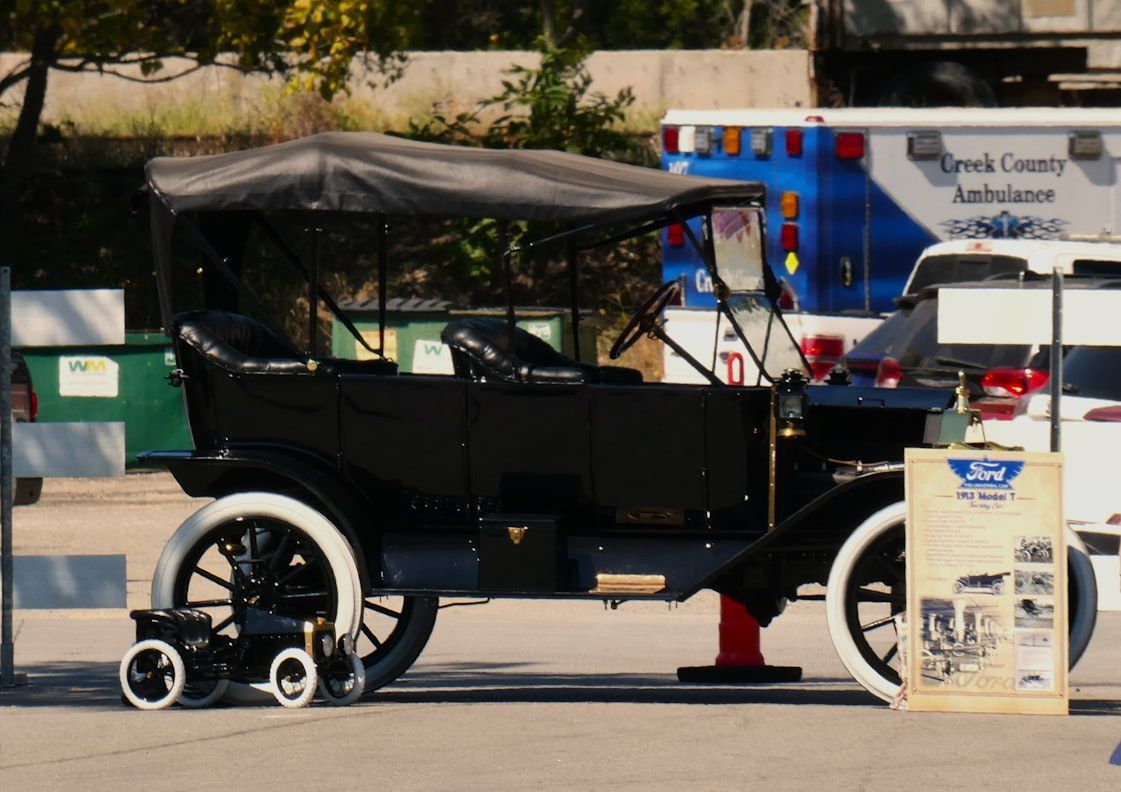
Image: Thomas M

This highly inspirational quote closes our list and is attributed to Henry Ford. It reflects his belief in the power of mindset and confidence.

Ford’s message is that your attitude shapes your success. Believing in yourself increases the chances of achieving your goals, while doubt can lead to failure.

Foods and fabrics ahead

Did you ever wonder why some things are named after places?


Published on May 15, 2026


Image: Gower Brown

It should come as no surprise that some of the most common things we eat, drink, or wear are actually named after the places where they originated. After all, their success is something to be proud of. From foods like cheddar and hamburgers to fabrics like denim and cashmere, geography has left a lasting mark on our language. Did you know about these 12 famous cases?

1

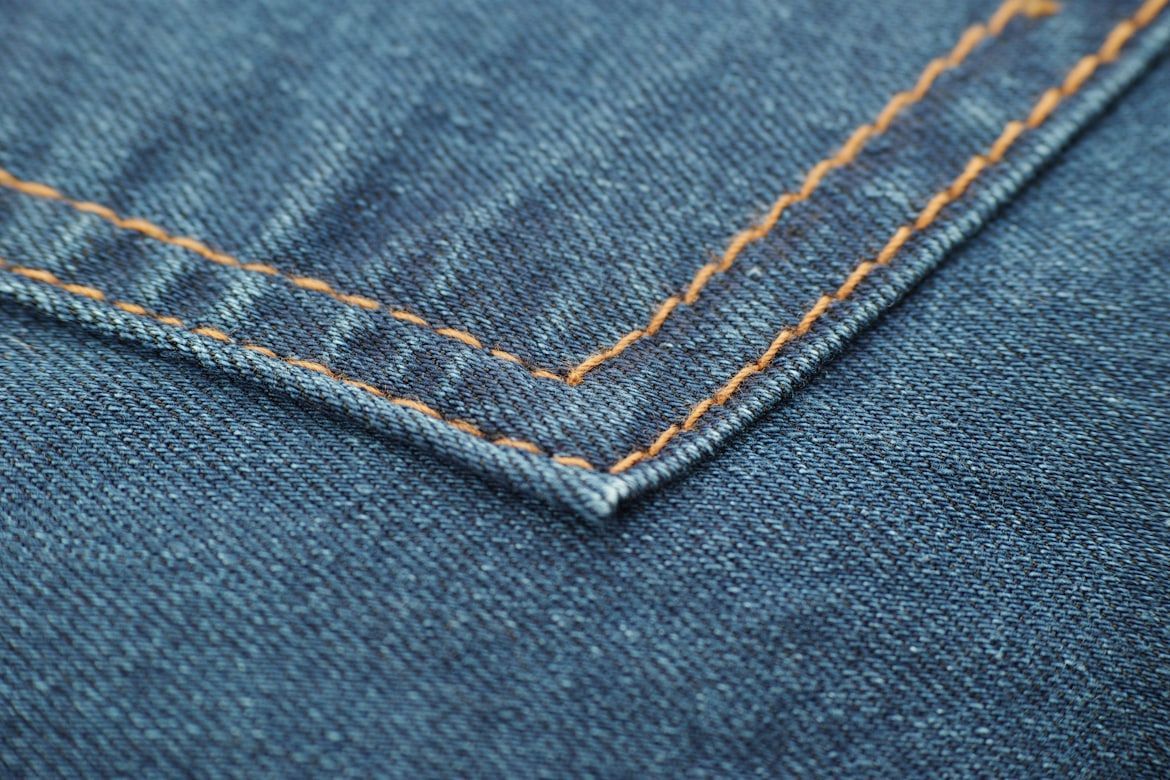
Denim

Image: engin akyurt

The word "denim" comes from the French phrase de Nîmes, meaning "from Nîmes." In the 17th century, the city of Nîmes produced a durable cotton fabric that became popular across Europe.

Later, when Levi Strauss and Jacob Davis used it to make sturdy work pants during the California Gold Rush, it became the basis of modern blue jeans, now worn worldwide.

2

Champagne

Image: Alexander Naglestad

The people of Champagne are not just proud but also protective. This alcoholic drink takes its name from the French region where it is exclusively produced. By law, only sparkling wines made there, under strict methods, can be called Champagne.

The drink became a symbol of luxury, used in celebrations and toasts. Its association with royalty and glamour has helped cement Champagne’s reputation across the globe to this day.

3

Bologna

Image: Phab79

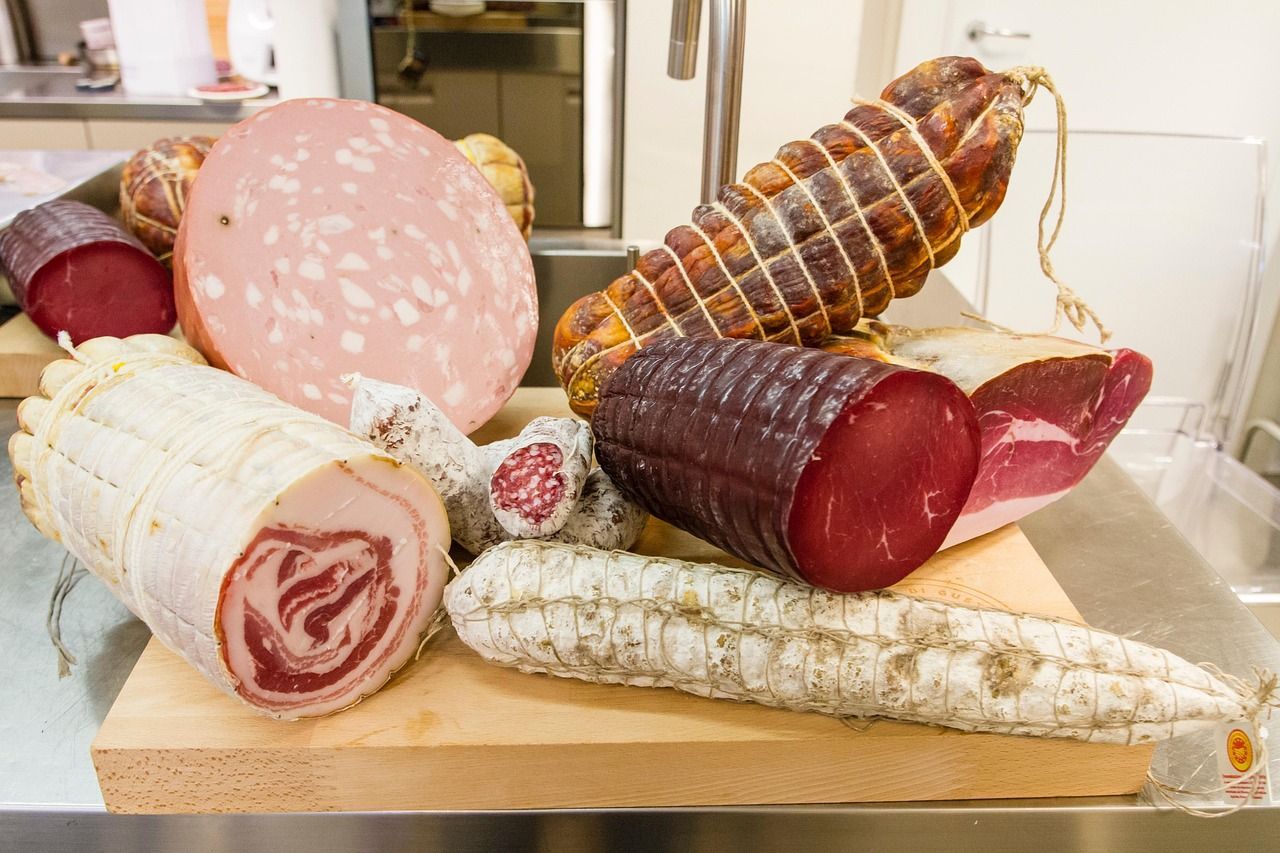
The sausage known as "bologna" takes its name from the Italian city of Bologna, where a rich tradition of cured meats exists. Italians call it mortadella, a seasoned pork sausage.

When German and Italian immigrants brought it to America, it evolved into a simpler version called "baloney," which became a staple of inexpensive sandwiches.

4

Cologne

Image: Edoardo Cuoghi

Cologne gets its name from the German city of Köln, where an Italian perfumer created a light fragrance in 1709. It was originally called Eau de Cologne.

Unlike heavier perfumes, this refreshing scent became fashionable across Europe. The name "cologne" eventually came to mean any light men’s fragrance in English.

5

Hamburger

Image: amirali mirhashemian

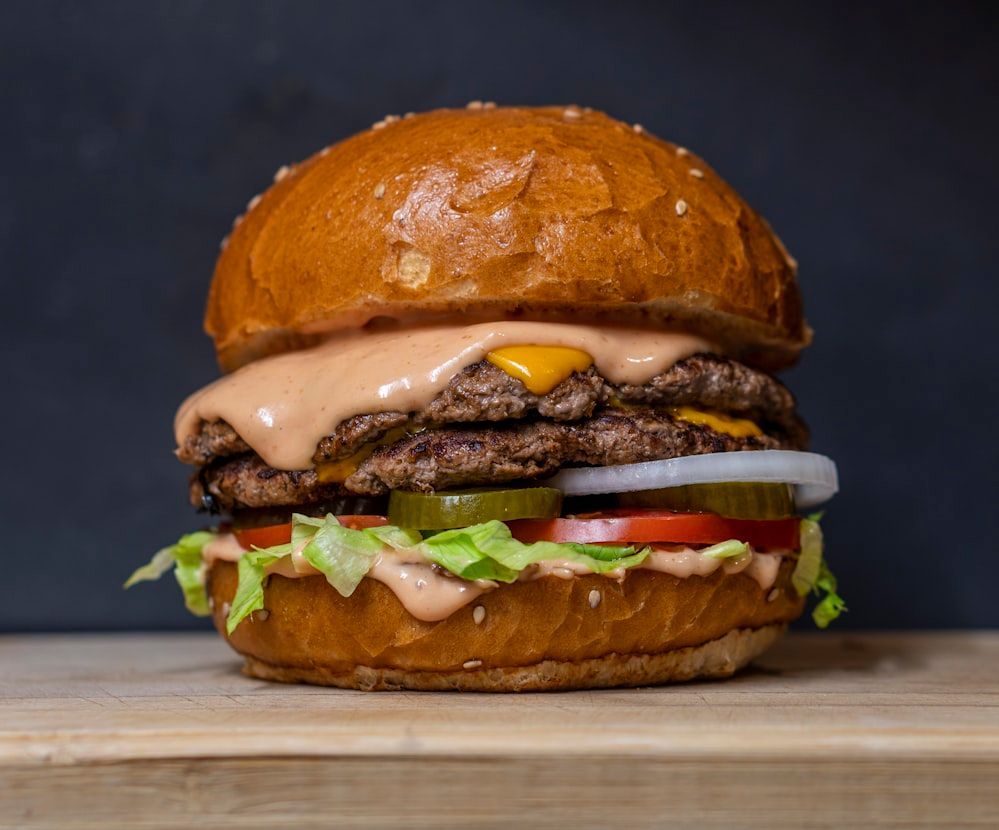
The popular hamburger traces its name to Hamburg, Germany, where minced beef patties were popular in the 19th century. Immigrants brought the style to the U.S.

When placed between bread, the "Hamburg steak" evolved into today’s hamburger. It quickly became a symbol of American fast food, loved worldwide in countless variations.

6

Frankfurter

Image: Rk kuva

The frankfurter takes its name from Frankfurt, Germany, where long, thin sausages were popular street food. They were traditionally made from pork and beef.

In the U.S., German immigrants introduced them at fairs and ballparks. There, they became known as hot dogs, a snack closely linked with American culture.

7

Cheddar

Image: Zoshua Colah

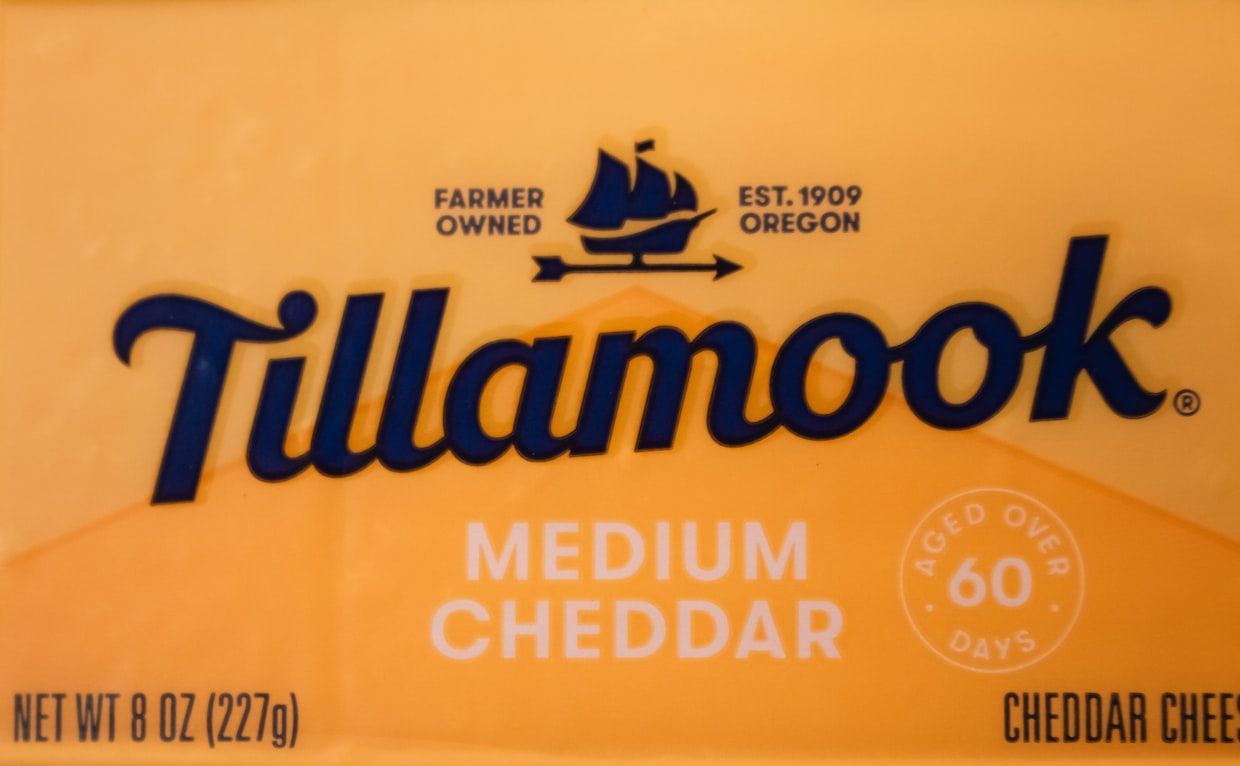
A faithful companion to the previously mentioned hamburger, Cheddar cheese is named after the English village of Cheddar, where it has been produced for centuries. The region’s caves provided ideal conditions for aging.

Today, Cheddar is one of the world’s most popular cheeses, produced in many countries, though the name remains tied to its English origins.

8

Port

Image: L E

Port wine comes from Porto, Portugal, where fortified wines were historically shipped along the Douro River. Adding brandy during fermentation helped preserve the wine.

This process gave it a sweet, strong flavor that became especially popular in Britain. Today, Port remains a hallmark of Portuguese winemaking tradition.

9

Roquefort

Image: Louis Hansel

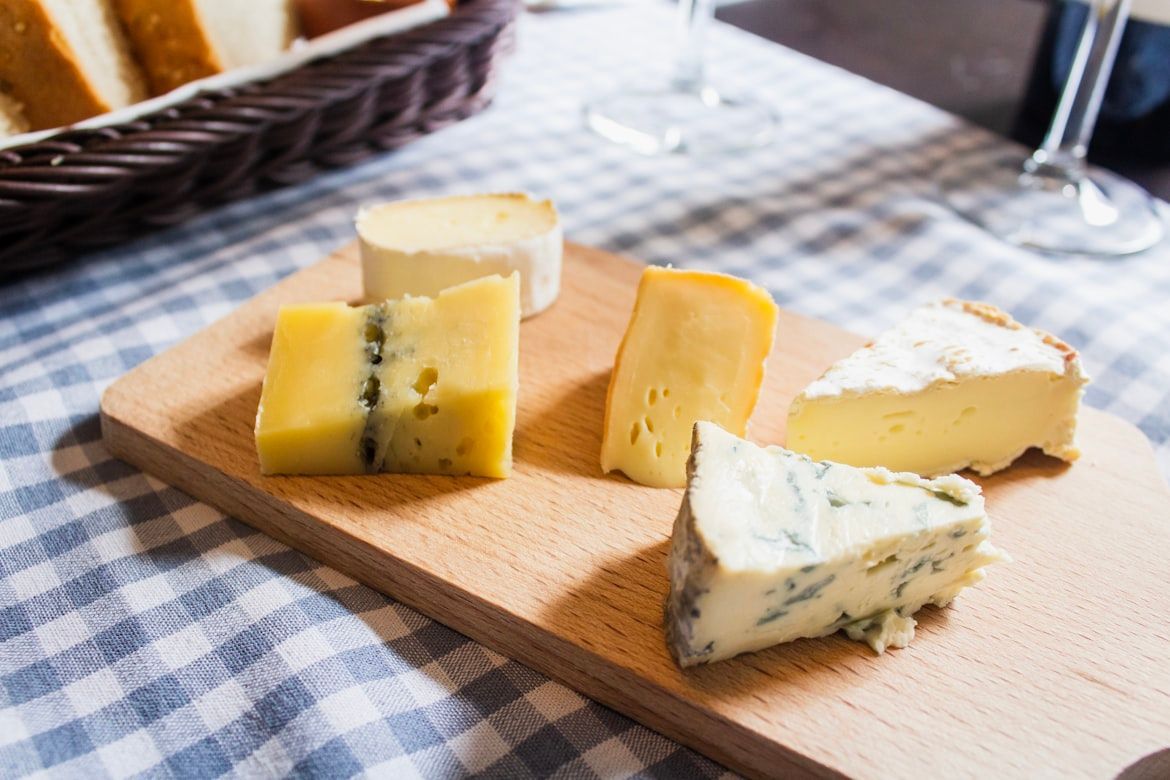
The stinky Roquefort cheese is named after Roquefort-sur-Soulzon in southern France. Legend says Charlemagne once praised its sharp, tangy taste, made from sheep’s milk.

The caves of the region, rich in natural mold, provide the unique conditions needed for its famous blue veins. Roquefort is still made under strict regulations.

10

Cashmere

Image: Divazus Fabric Store

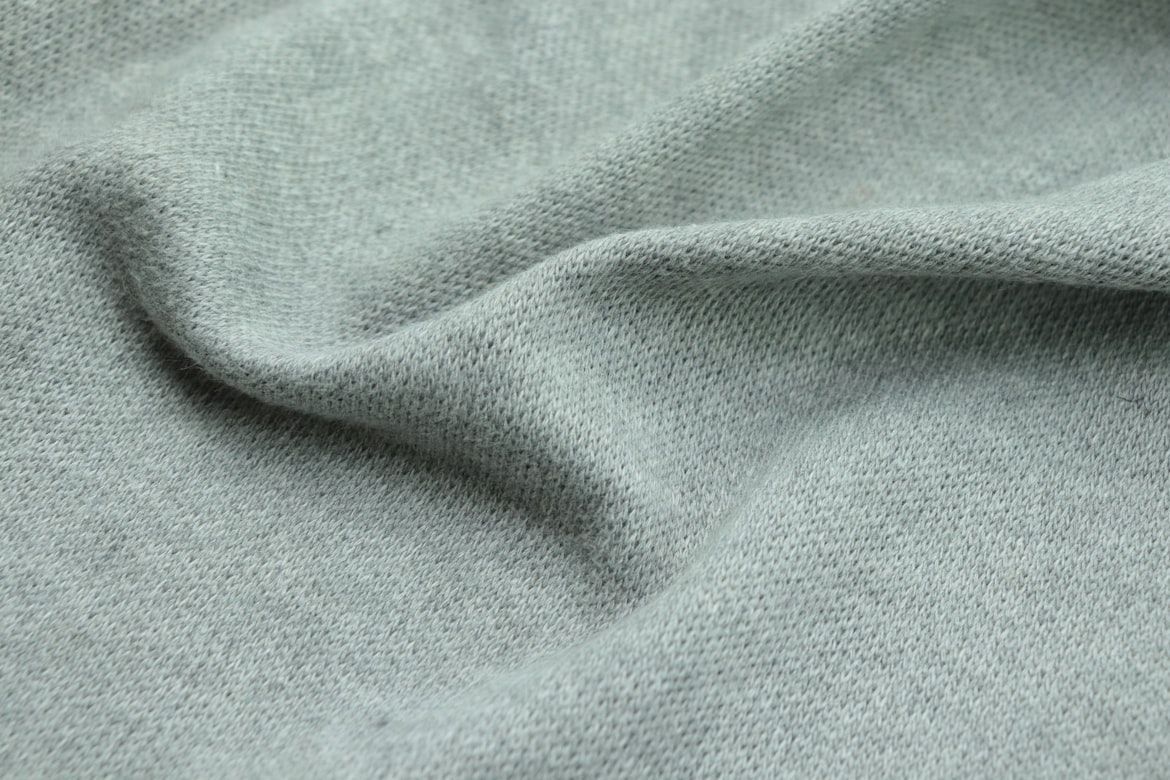
The expensive fabric known as cashmere takes its name from the Kashmir region of India, where fine wool was first gathered from Himalayan goats. Soft, warm, and luxurious, it was highly prized.

Introduced to Europe in the 18th century, it became a symbol of elegance and wealth. Today, cashmere garments remain sought after worldwide.

11

Java

Image: Mike Kenneally

The term "Java" for coffee comes from the Indonesian island where coffee cultivation thrived under Dutch colonial rule. Beans from Java were shipped around the world.

As coffee spread, "Java" became slang for the beverage itself in the U.S. The word still lingers as a casual nickname for a morning cup.

12

Turkey

Image: Tyler Donaghy

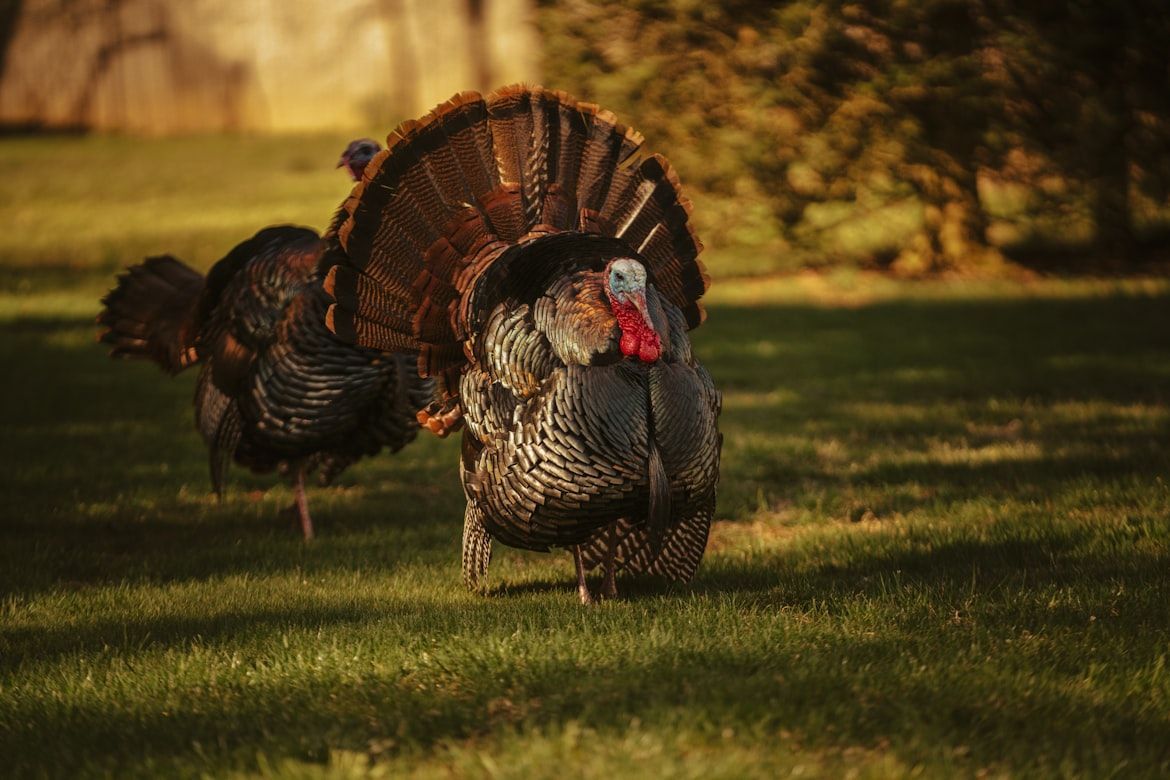
The bird called "turkey" in English owes its name to a case of trade-related confusion. European merchants importing New World birds through Turkey linked them with the country.

In reality, the bird is native to the Americas, where Indigenous peoples domesticated it. Despite the mistake, the name "turkey" stuck in English.

Looking for an extra scoop of literary fun?

Learn more with our Word of the day

cumulative

/ˈkjumjələdɪv/