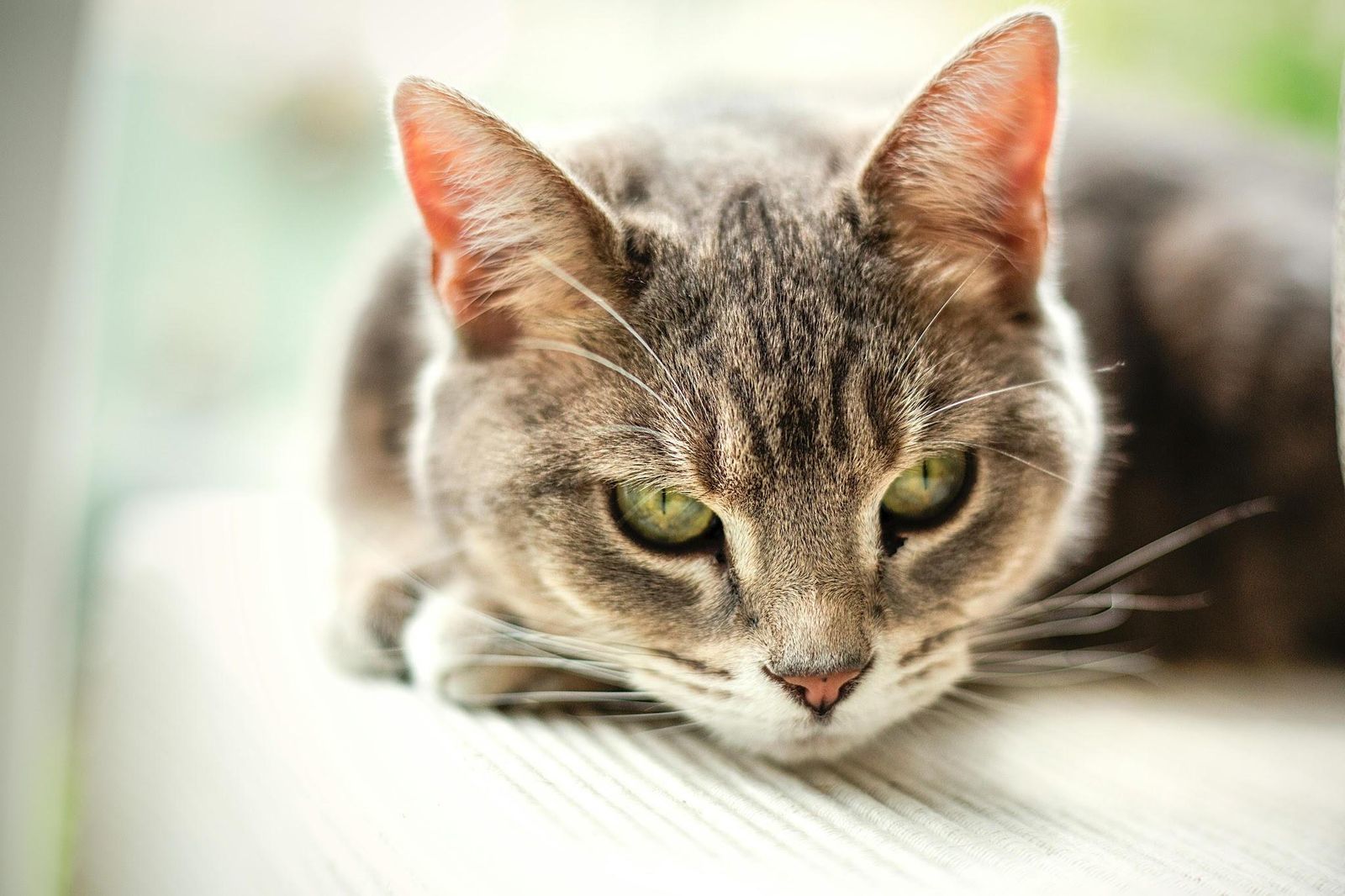
Who is the wealthiest pet on earth? 10 animals living in absolute luxury


Published on May 31, 2026


Image: Pet foto

While most domesticated animals are perfectly content with a squeaky toy, a clean litter box, or an extra scoop of food, an elite class of pets operates on an entirely different financial level. Whether through inheritance or purely digital star power, these 10 animals have accumulated fortunes that rival those of Hollywood A-listers.

1

Doug the Pug (Net Worth: $1.5 Million)

Image: Caitlinfoley93, CC BY-SA 4.0, via Wikimedia Commons

Doug the Pug is a pop-culture chameleon. Known as the "King of Pop Culture", Doug’s brand relies on relatable, stylized photos and videos of him dressed in human clothes, enjoying pizza, or lounging in bed. With a New York bestseller, a merchandise line sold in major retail stores, and an array of celebrity friendships from Billie Eilish to Ed Sheeran, Doug operates as a legitimate, highly profitable Hollywood brand.

2

Tucker Budzyn (Net Worth: $1.5 Million)

Image: Angel Luciano

Tucker Budzyn is a Golden Retriever who, alongside his son Todd, has mastered the art of modern video content. Famous for its hilarious "dog thoughts" voiceovers and expressive facial reactions to strange foods, Tucker moves massive audiences across YouTube, TikTok, and Instagram. Through lucrative brand partnerships with major pet tech companies, Tucker pulls in hundreds of thousands of dollars annually.

3

Pontiac (Net Worth: $5 Million)

Image: Taylor Sondgeroth

The late, legendary Betty White was a fierce, lifelong advocate for animal welfare, so it’s no surprise that her beloved Golden Retriever, Pontiac, was deeply looked after. Before White’s passing, a $5 million trust fund was established specifically for the pup’s care, ensuring the loyal retriever is well taken care of during his twilight years.

4

Choupette (Net Worth: $13 Million)

Image: Henning Schlottmann (User: H-stt), CC BY-SA 4.0, via Wikimedia Commons

The late fashion designer Karl Lagerfeld famously stated that he would marry his Birman cat, Choupette, if it were legally possible. Choupette was the ultimate muse of the high-fashion world, traveling via private jet with her own personal maids. Upon Lagerfeld’s passing in 2019, a significant portion of his vast fortune was allocated to ensure her continued care. Choupette also accumulated millions on her own through modeling contracts, including a capsule collection and cosmetics collaborations.

5

Jiffpom (Net Worth: $25 Million)

Image: Cup of Couple

Jiffpom, an incredibly photogenic Pomeranian, is one of the top influencers of the canine world. Known for his amazingly fast running skills on two legs, he secured three Guinness World Records and starred in Katy Perry’s "Dark Horse" music video. Charging more than five figures per sponsored post, Jiffpom transformed cute internet content into a $25 million media enterprise.

6

Sadie, Sunny, Lauren, Layla, and Luke (Net Worth: $30 Million)

Image: Rafaëlla Waasdorp

Oprah Winfrey’s beloved pack of dogs—comprising various breeds including Springer Spaniels and Golden Retrievers—are living a life of luxury. Oprah has reportedly structured her estate to ensure that her five canine companions will receive a collective $30 million trust fund to maintain their lavish lifestyle in the event of her passing. The fund guarantees round-the-clock premium care, dedicated handlers, and gourmet meals.

7

Olivia Benson (Net Worth: $97 Million)

Image: Sergey Semin

Named after Mariska Hargitay’s iconic character on Law & Order: Special Victims Unit, Olivia Benson is the Scottish Fold cat belonging to pop titan Taylor Swift. Unlike typical celebrity pets who simply lounge in private jets, Olivia has active commercial endeavors. She has starred alongside her owner in massive ad campaigns for Diet Coke, AT&T, and Keds, and made high-profile cameos in record-breaking music videos like "Blank Space".

8

Tardar Sauce / "Grumpy Cat" (Net Worth: $99 Million)
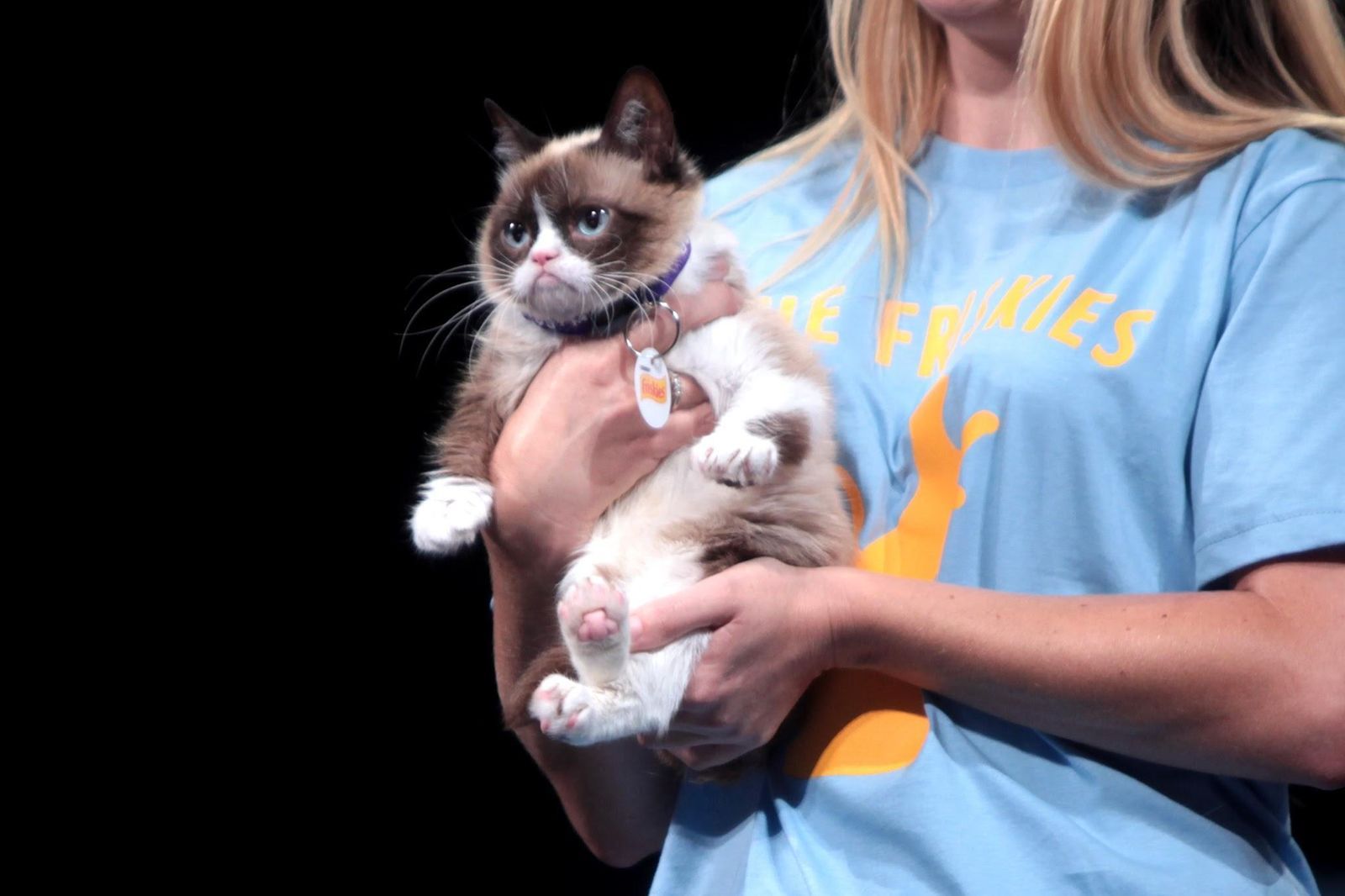
Though she sadly passed away in 2019, Tardar Sauce—better known to the world as Grumpy Cat—fundamentally changed the economy of internet memes. Due to a form of feline dwarfism, her permanently unimpressed facial expression became an overnight global sensation in 2012. Her management team capitalized on the viral fame, spawning a movie (Grumpy Cat's Worst Christmas Ever), a best-selling book line, plush toys, and endless corporate sponsorships that generated nearly $100 million in revenue.

9

Nala Cat (Net Worth: $100 Million)

Image: Luke Greenwood

Nala Cat is the undisputed queen of the digital pet world. Adopted from a shelter by her owners, this Siamese-Persian crossbreed received a Guinness World Record for the most followers on Instagram for a cat (currently around 4.2 million). Nala transformed her internet fame into a genuine retail empire, launching her own premium pet food brand, which pushed her net worth considerably.

10

Gunther V (Net Worth: $500 Million)

Image: Steve Smith

Sitting comfortably at the top of the financial food chain is Gunther V, a German Shepherd with an empire valued at half a billion dollars. According to lore, a German countess left her fortune to her dog in the early 1990s, which was subsequently managed and multiplied via savvy real estate investments by Italian businessman Maurizio Mian.



Upgrade your vocabulary: 10 strange terms for body functions


Published on May 31, 2026


Image: Natalya Bardushka

Some raw, blunt words dominate how we talk about yawning, burping, or throwing up. But if you dive into the historical archives of the English language, you’ll find that scholars and medical professionals have used other alternative, fancy terms derived from Latin and Greek. If you are looking to elevate your everyday vocabulary, these ten words for body functions will completely change the way you talk about your reflexes.

1

Ingurgitate

Image: Renata Photography

We are all familiar with regurgitate, the clinical term for bringing up swallowed food. But fewer people are aware of its linguistic sibling: ingurgitate. To ingurgitate means to swallow greedily or in massive quantities; in short, to drink or eat fast.

Both words, along with gorge, can be traced back to the Latin word gurges, meaning "whirlpool". Ingurgitate is occasionally used literally (like "ingurgitating a glass of wine") and figuratively (like "ingurgitating artwork at a museum").

2

Sternutation

Image: Mix and Match Studio

Bless you! Or rather, congratulations on your magnificent sternuation. Yes, you guessed it, this is the formal, scientific noun for the act or noise of sneezing. Emerging from the Latin verb sternuere (to sneeze), sternuation has been recorded in English medical texts since at least the 16th century, originally appearing in early guides on midwifery to describe infants suffering from frequent sneezes.

3

Micturate

Image: Yevhen Roshchyn

Let’s be honest, when nature calls, most of the words at our disposal are short and crass. If you’re looking for a linguistic upgrade that lets you handle your business with more dignity, try micturate, which simply means "to urinate".

The word had a memorable pop culture renaissance in Joel and Ethan Coen’s 1998 classic film The Big Lebowski, where a wealthy character demands to know, "Every time a rug is micturated upon in this fair city, I have to compensate the person?"

4

Singultus

Image: Nicoleta Ionescu

The next time you get a stubborn case of the hiccups after drinking a carbonated drink too quickly, know you’re suffering from singultus. In the medical community, this is the official term for the involuntary spasm of the diaphragm that snaps your vocal cords shut, creating that classic "hic" sound. The term comes directly from Latin, where it originally meant "a sob or speech interrupted by heavy weeping". The more common word hiccup is, obviously, a helpful onomatopoeic term.

5

Emesis

Image: Kmpzzz

Nobody enjoys the physical act of throwing up, but referring to it as emesis somehow makes the whole ordeal feel slightly more manageable. Derived directly from the Greek word for vomiting, the term emesis is easily found in the healthcare world. If you’ve ever taken an "antiemetic" medication to help you with motion sickness or stomach flu nausea, you’ve used a drug specifically designed to stop vomiting in its tracks.

6

Eructation

Image: leungchopan

Don’t be embarrassed if you suddenly let go of a loud burp; medically, you’ve only experienced an eructation. Meaning "the act or instance of belching", this word derives from the Latin verb eructate, which in turn means "to belch forth or violently emit".

Did you know? Historically, this word hasn’t just applied to human digestion; geologists and historians have frequently used variations of it to describe active volcanoes spewing ash and lava into the sky.

7

Megrim

Image: Studio Romantic

Have you ever experienced that splitting, one-sided head pain? Before we called it a migraine, English speakers suffered from megrim. This word actually shares an exact etymological lineage with migraine. Latin and Greek scholars called this localized head agony hemicrania (literally translating to "half-cranium," from hemi- meaning half and kranion meaning skull). Today, while megrim and migraine can be used interchangeably for a headache, megrim has evolved to also describe vertigo, dizziness, a sudden whim, or a state of low spirits.

8

Deglutition

Image: HenadziPechan

Every single day, the average human swallows hundreds of times without giving it a single thought. The formal name for this essential digestive process is deglutition. This term comes to us from the Latin verb deglutire, meaning "to swallow down."

The process involves a synchronized, complex sequence of muscular movements that shuts off your airway and safely moves food, liquid, or saliva from your mouth down into your esophagus. In that sense, deglutition is an elegant word for a physical function we completely take for granted.

9

Mastication

Image: Happy monkey

Before deglutition can safely occur, your mouth has to execute some serious mastication. In short, this is the clinical term for chewing. Coming from the late Latin masticatio, it defines the mechanical process by which food is crushed and ground by your teeth.

Mastication is technically the very first phase of human digestion, because chewing food into smaller pieces allows enzymes and bile to efficiently break down the nutrients. The next time someone tells you to chew before you swallow, they are just advocating for proper mastication.

10

Osculate

Image: Dragana Gordic

We end our biological vocabulary journey on a more affectionate note. While most of the entries on this list deal with basic survival mechanisms, osculate describes a much sweeter physical connection: to kiss.

Traced back to the Latin noun osculum, which literally translates to "little mouth" or "kiss", the word found its way into English dictionaries as early as 1656. While mathematicians and scientists sometimes use it to describe two curves or surfaces coming into close contact, using osculate in a romantic context today will add a bit of old-school humor to your conversations.

Looking for an extra scoop of literary fun?

Learn more with our Word of the day

ossified

/ˈɑsəˌfaɪd/