Who is the "Big Kahuna" in your life? The history of 10 iconic nicknames
Published on July 26, 2026

When we look at how English speakers describe the people in charge, we find a colorful catalog of metaphors. Instead of using formal titles like "master" or "director", we have spent centuries inventing funny nicknames to describe the folks at the top. Many of these terms have fascinating histories. Some started on the stage, others in bowling alleys, and some in the courts of the 18th century. Here are 10 of the most famous nicknames used to refer to important people, along with the surprising stories of how they entered our vocabulary.
Top banana

If you are the "top banana", you are the undisputed leader of an organization. The expression comes straight from the world of American burlesque and vaudeville of the early 20th century.
Comedy acts of the era often featured three performers. The lead comedian, the one who got the spotlight and the biggest laughs, was called the "top banana". The supporting comics were relegated to "second banana" and "third banana". Why a banana? The lead comic’s routine often involved a prop, and in many popular acts, a literal banana was handed over as a reward after a successful punch line.
Kingpin

Today, we associate "kingpin" with the leader of a cartel or a criminal enterprise. However, its origins are associated with sports. The term comes from the game of ninepins (an ancestor of modern bowling), dating back to the early 1800s.
The "kingpin" was the tallest, most central pin in the setup. If you managed to hit the kingpin right, it would knock down all the other pins, securing a perfect game. Because this single pin controlled the fate of all the others, the word naturally entered the English language to describe any highly influential person whose actions control an entire group.
Boss

We use "boss" so casually today that it hardly feels like slang, but its rise in American English was actually an act of political rebellion. "Boss" comes from the Dutch word baas, meaning "master".
In the 17th and 18th centuries, Dutch colonists settled in what is now New York. English-speaking workers adopted the word baas as a deliberate alternative to the traditional "master". In a young, democratic America, "master" felt far too servile and feudal. "Boss" allowed workers to acknowledge who was in charge without compromising their personal sense of pride.
Big enchilada

When you want to describe the absolute highest authority in a hierarchy, you might call them the "big enchilada". While the culinary term "enchilada" is centuries old, using it to describe a powerful person is a mid-20th-century American political phenomenon.
The term entered the national consciousness during the 1973 Watergate scandal. In secretly recorded White House tapes, John Ehrlichman, an advisor to President Richard Nixon, was heard referring to former Attorney General John Mitchell as "the big enchilada". He meant that Mitchell was the key player, the main target, and the man who held all the cards. The phrase caught on instantly in the media and remained a popular way to describe a dominant leader.
Kahuna
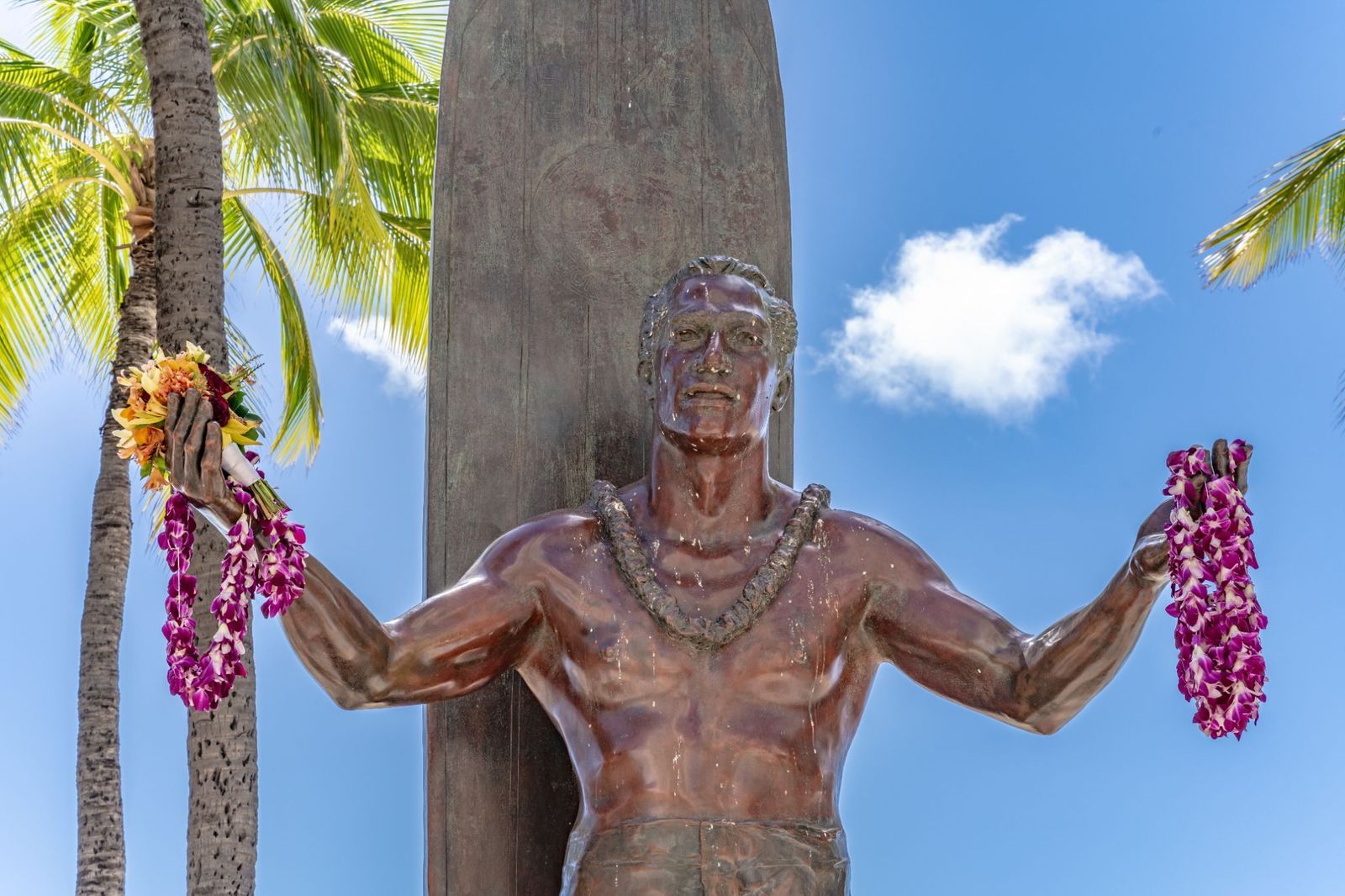
If someone is referred to as the "Big Kahuna", they are the ultimate boss or the expert whose opinion carries the most weight. This term is borrowed directly from the Hawaiian language.
In traditional Hawaiian culture, a kahuna is a respected expert, priest, healer, or master craftsman. When Hawaii became a global surfing destination in the mid-20th century, the term drifted into surf slang. Legendary surfer Duke Kahanamoku was often called the "Big Kahuna". By the late 1950s and 60s, Hollywood surf movies exported "Big Kahuna" to the mainland, where it lost its spiritual meaning and became a nickname for any big boss.
Bigfoot

In the world of politics and media, calling someone "Bigfoot" has absolutely nothing to do with searching for a mythical creature in the Pacific Northwest. This modern slang originated in American journalism of the late 1970s.
When a high-profile news story breaks in a small town, national news networks will often fly in their most famous journalists. These prominent reporters trump over the local journalists who had been covering the story first, taking over the prime airtime and top billing. Because they leave a huge footprint wherever they go, frustrated local reporters began calling these elite correspondents "Bigfoots".
Bigwig
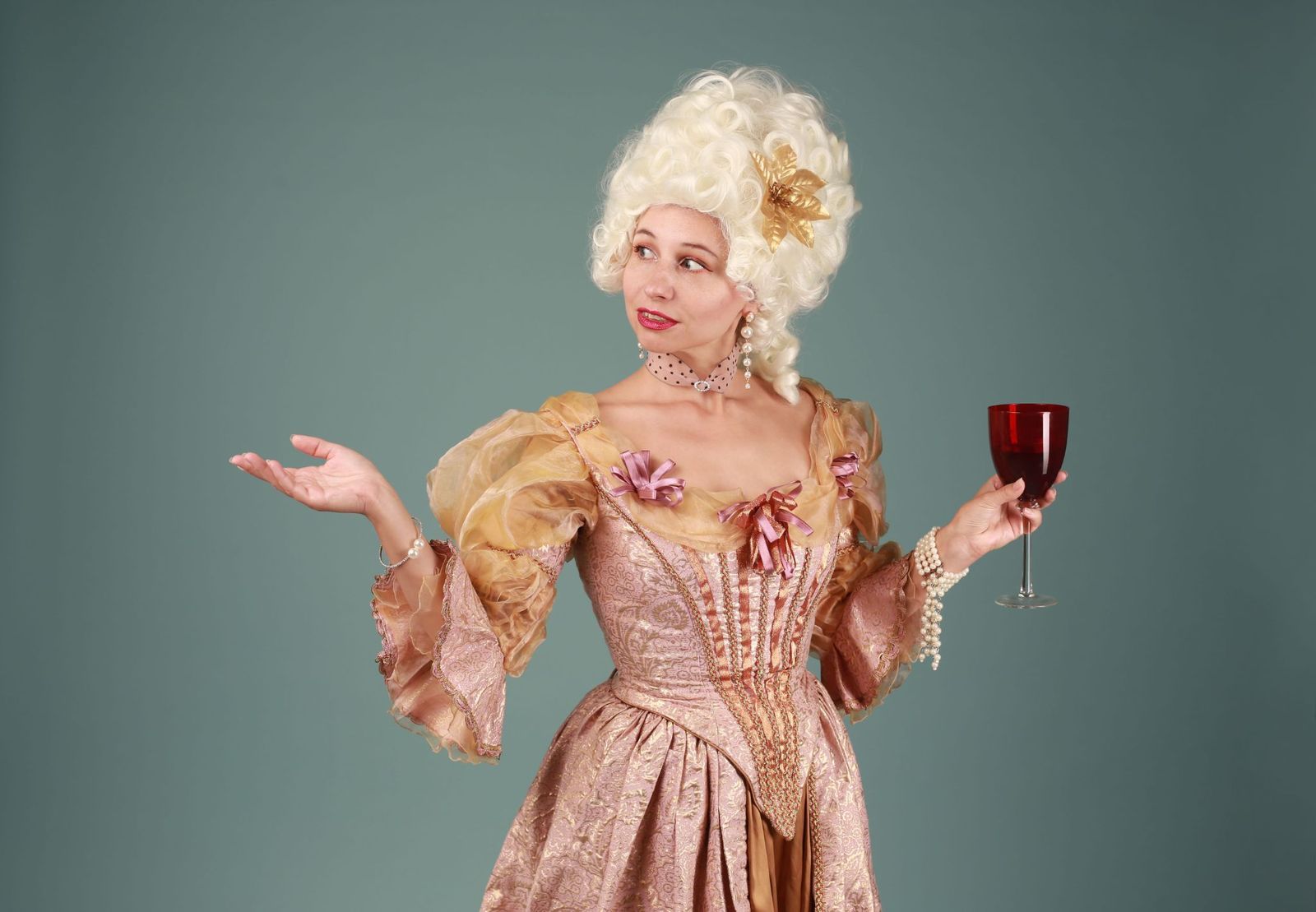
Calling someone a "bigwig" is one of our oldest insults for a person who thinks they are incredibly important, and it has roots in historical fashion. The expression dates back to the 17th and 18th centuries, when powdered wigs (periwigs) were the prime style for wealthy people.
Wigs were incredibly expensive to buy and maintain. Naturally, the wealthier and more powerful a person was, the larger and more elaborate their wig would be. Bishops, judges, and aristocrats wore towering mounds of powdered hair on their heads. So, the working-class began referring to these elites as "bigwigs". Although the fashion died out, the insult survived.
Kingfish

To be a "kingfish" is to be an influential, often charismatic leader who dominates a local area or organization. Though the name originally refers to a predatory marine fish, it became a political nickname in the 1930s.
The term is tied to Huey P. Long, the powerful and controversial Governor and Senator of Louisiana. Long adopted the nickname "The Kingfish" himself, taking it from a character on the popular radio show Amos 'n' Andy. Long used the moniker to project a heroic persona to his supporters, becoming a clever tool of political branding.
Big shot

A "big shot" is someone wealthy and influential. This expression became popular in the United States during the Prohibition era of the 1920s.
The term "big shot" was associated with gang violence. Mobsters who controlled the illegal alcohol trade were the "big shots", meaning they were the ones calling the shots and firing the weapons. Over time, the violent side of the term softened, leaving us with a playful way to describe anyone who holds a ton of influence.
Top dog
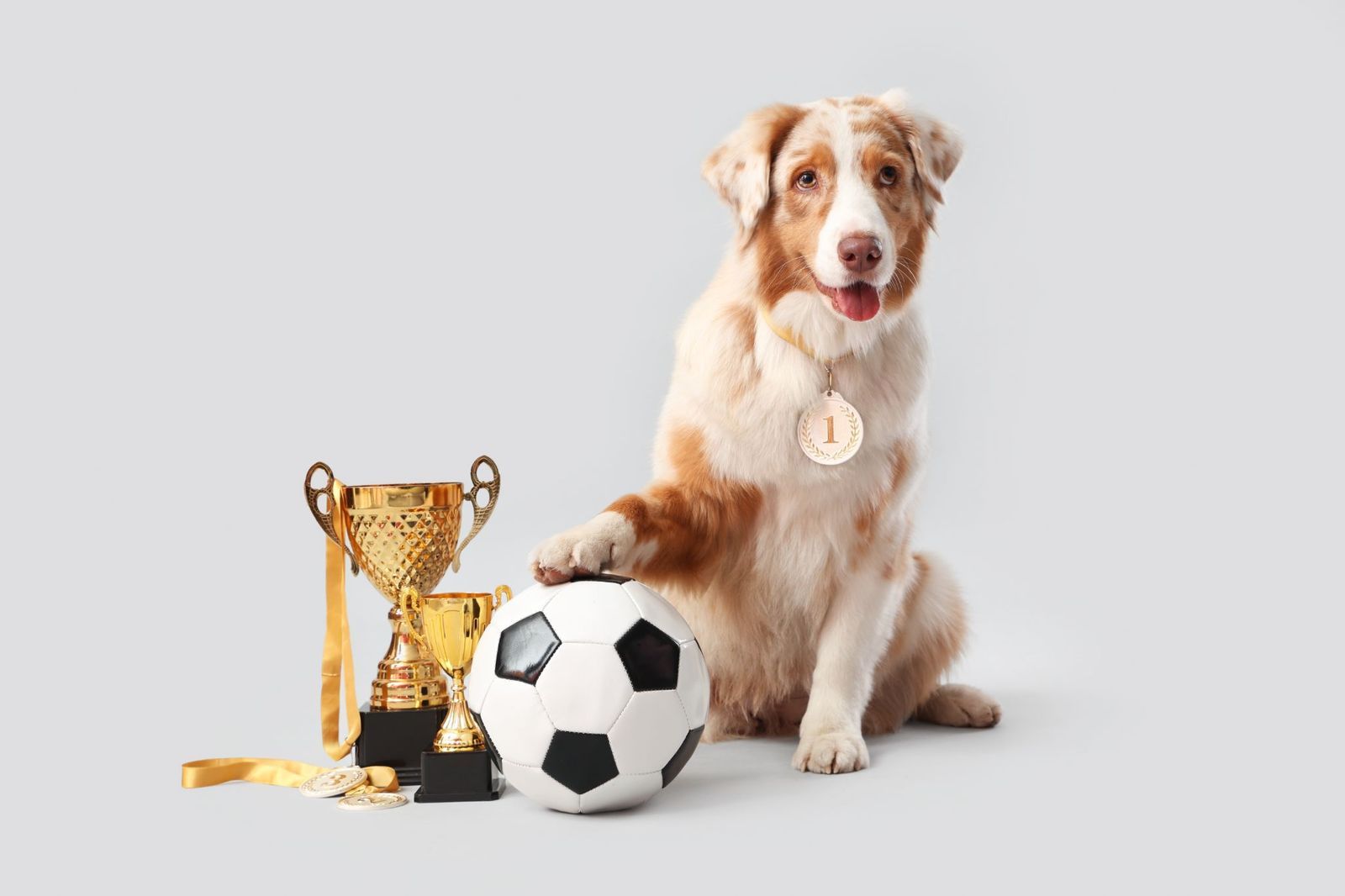
If you are the "top dog", you are the winner, the leader. This idiom can be traced back to 19th-century sports.
In competitive arenas, the competitor that ended up on top of their opponent at the end of a match was crowned the "top dog". The loser, then, was the "underdog". The contrast between these two roles resonated so deeply with the public that both terms migrated into the English language to describe the winners and losers of life, business, and politics.


