Keeping score of idioms

Which sport brought us the most sayings? The answer will surprise you!


Published on June 23, 2026
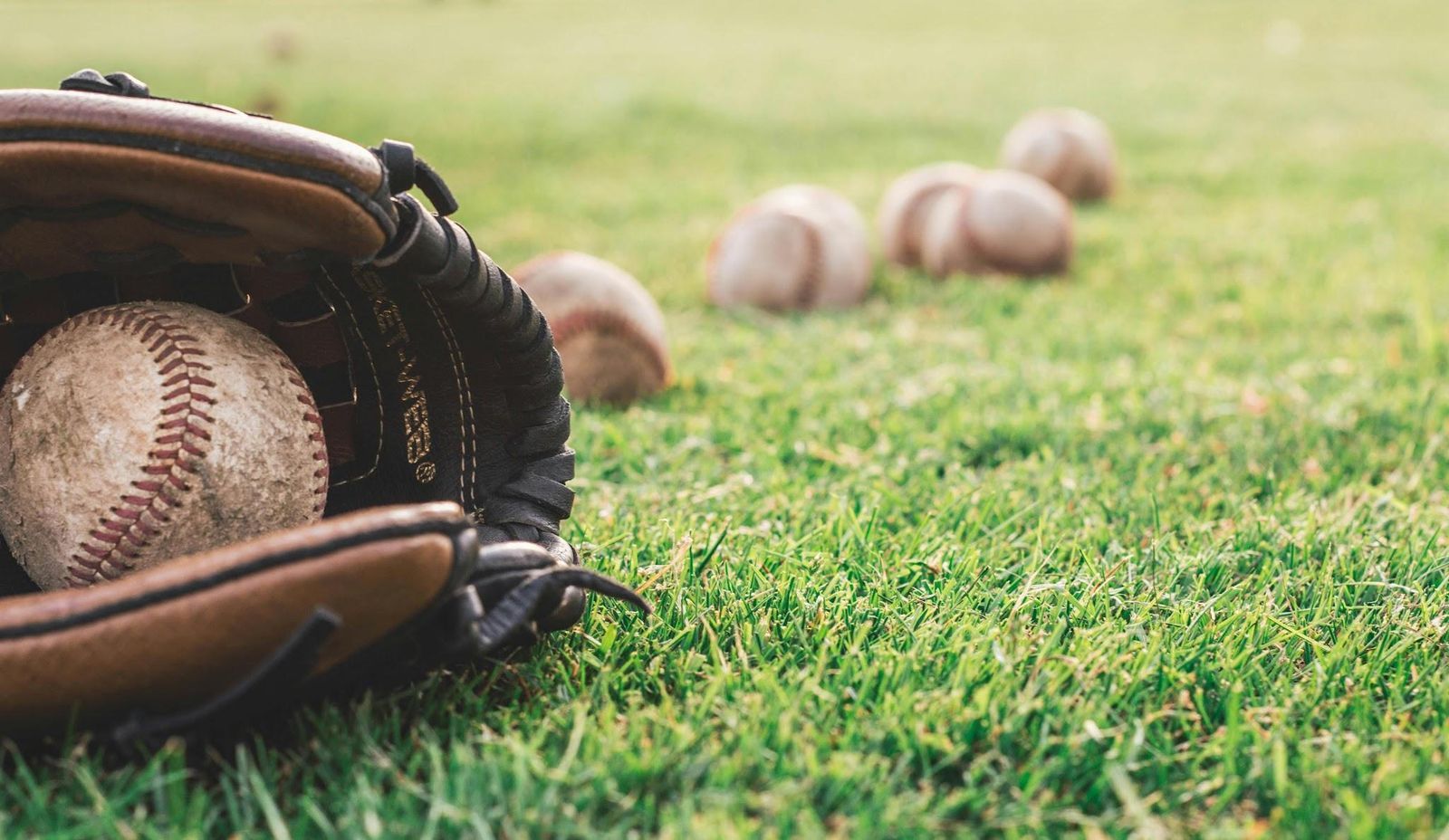

Image: Steshka Willems

Can you identify idioms that originated in sports? Maybe it’s trickier than you think. Sure, some expressions are obvious: Why else would we talk about "throwing a curveball"? But in this article, you might find a few sayings that you thought had other origins. Can you guess which sport has introduced the most expressions on this list? Let’s step up to the plate and dissect 13 sports idioms!

1

Go for gold

Image: Jingming Pan

Gold is such a valuable material that "going for gold" appears valid in many different arenas. That very expression could have originated during the Gold Rush era, for example.

But the phrase became popular via repetition in sporting competitions. When athletes applied their full efforts to win first place, they were revered for "going for gold." Today, we use it for anyone striving for excellence in any discipline.

2

Hands down

Image: Philippe Oursel

We have gotten very used to using "hands down" as an expression of certainty and hyperbole. "Chocolate ice cream is my favorite, hands down." But what did the hands ever have to do with it?

It traces back to horse racing. When a jockey was far ahead in a race, they would relax their grip on the reins and lower their hands: In short, a certain win. Over time, "hands down" became a term to emphasize something as undeniably the best or easiest.

3

Full-court press

Image: Barna Bartis

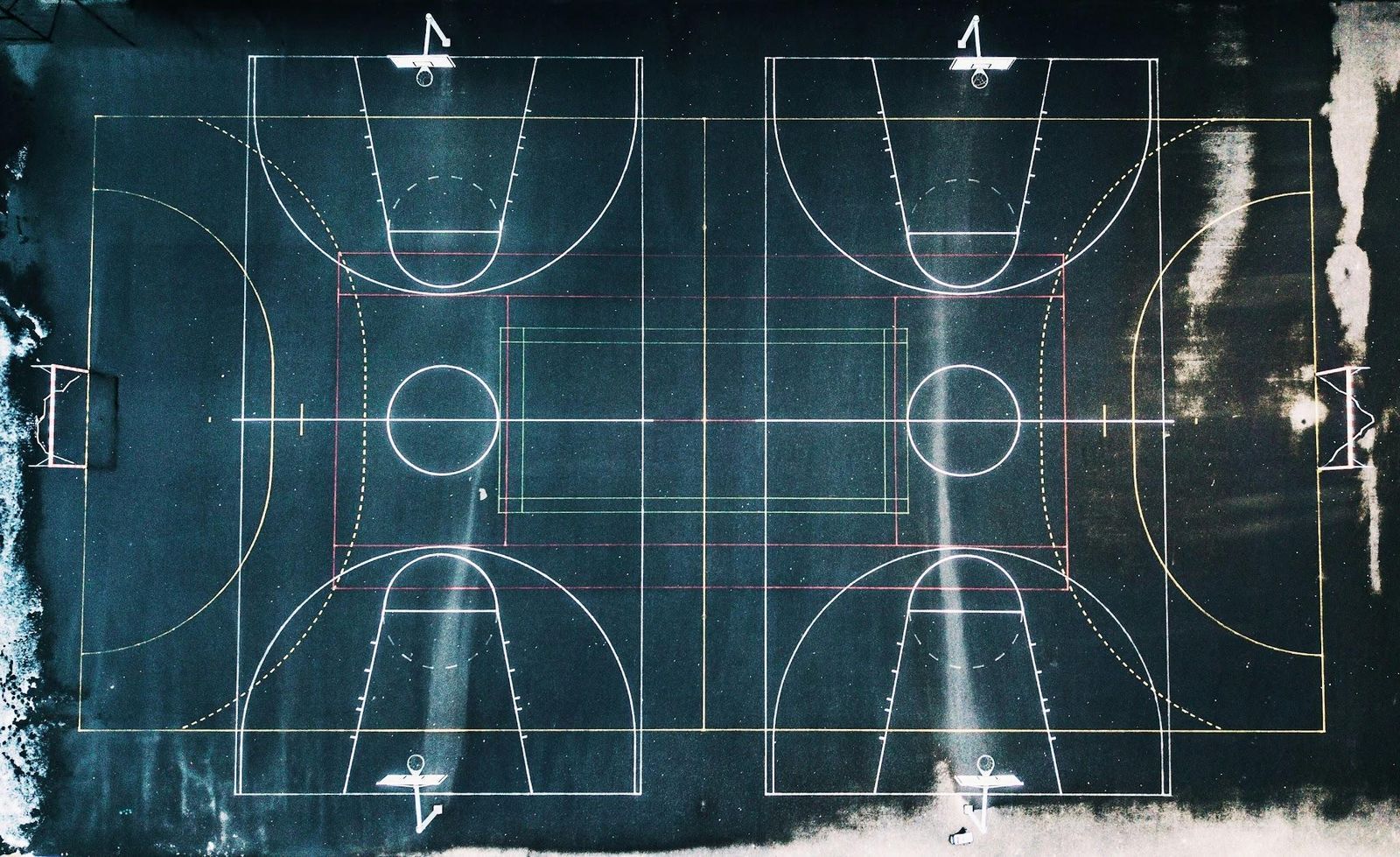
You can’t be blamed for thinking that a "full-court press" was some sort of judicial strategy. But it isn’t; The court here refers to a basketball game.

It’s a tactic that involves the defending team advancing and disrupting the opponent’s play, applying pressure across the entire court. That’s why we use this expression for all-out team efforts to achieve something, be it in business, politics, or personal matters.

4

Throw a curveball

Image: Colynary Media

In baseball, a "curveball" is a pitch that spins and curves unpredictably. Basically, a batter’s nightmare, because it is designed to catch them off guard and make them miss.

The dramatic image of facing an obstacle set up by the competition clicked with people. So they started using the expression "being thrown a curveball" when something tricky or unexpected was coming their way.

5

To win by a nose

Image: Keith Luke


When you hear that someone "won by a nose," do you picture two human faces lunging for a finish line? You may have, but that’s not the precise origin of the idiom.

It comes from horse racing, where a horse’s snout is really the first part of him (and his rider) to cross the line. Today, we use it for scenarios where we win what we want by a small margin. Like getting to our flight right before the gates close!

6

Throw in the towel

Image: Elena Kloppenburg

A frustrated chef in a cooking competition might also "throw in the towel," but that’s not the origin of this metaphor for surrender. This saying, like so many others, comes from boxing.

When a boxer is taking a beating and can't continue, a dramatic way for the trainer to interrupt or surrender the game would be to throw a towel into the ring. The image has evolved to stand for any form of surrender.

7

Drop the ball

Image: Ben Hershey

In American football and rugby, you have to catch and hold on to the ball if you want to keep the game alive. Let the ball slip from your hands and you’ll also be letting the rest of your team down.

That’s the origin of the expression. Dropping the ball means someone fumbled an endeavor, usually compromising the luck of other people.

8

To have someone in your corner

Image: Temple Noble Art

We all understand that this alludes to a person rooting for you and helping. Maybe when you heard this phrase you pictured someone figuratively in the corner of your mind, or of your heart –or of any room you were in.

But the origin is much more literal. As any boxing fan knows, the player’s support staff stay at a designated ringside corner. They are the ones tending to the player with help and encouragement between rounds.

9

Step up to the plate

Image: Kenny Eliason

You probably didn’t think that stepping up to the plate was advancing towards a dining table where a delicious feast awaited. But someone else probably did.

The actual meaning of the expression (which means to "rise up to the occasion") comes from baseball, where "the plate" refers to home plate –the spot where the batter stands to face the pitcher. If you are approaching it, it means it’s your turn to take action, face the challenge and deliver results.

10

Take it on the chin

Image: Michael Starkie

This one is easy to guess: Of course, it comes from boxing, where expecting blows is the norm. What isn’t the norm is to courageously accept punches in the face.

To take something on the chin means to face a figurative blow with resilience. A hit directly to the chin is one of the most jarring blows a fighter can endure, so when you are congratulated for having done something equivalent, it means you have withstood a challenge with grace.

11

Slam dunk

Image: Samuel Pagel

When someone says something is a "slam dunk," you probably imagine a sure success or an effortless win.

The term, as you may know, comes straight from basketball. A "slam dunk" is when a player jumps high and forcefully scores by slamming the ball directly into the hoop. Not effortless at all, but by the time the player has the opportunity to perform a slam dunk, their win is usually a sure thing.

12

The gloves are off

Image: Prateek Katyal

No, it does not derive from people putting aside their fancy gloves before having tea. It comes from harsh, bare-knuckle boxing.

In the early days of the sport, fighters wore padded gloves to soften their punches and reduce injury. When the gloves came off, the fight became more brutal and raw: No more pretense. Over time, the phrase evolved to describe any situation where politeness or restraint is abandoned.

13

Beat to the punch

Image: Johann Walter Bantz

It isn’t a race to a punch bowl at a party. This is yet another expression derived from the world of boxing, which, as you have seen, is a sport that launched more expressions into our language than any other!

This one refers to moments when one fighter manages to hit the other before receiving a blow.

We now use it for people who seize an opportunity and act faster than an opposing party.

Names matter

These body parts have a proper name that most people don’t know about


Published on June 23, 2026


Image: engin akyurt

Would you be able to confidently point at your pinna if asked? Or could you say how many canthi a person has? Each part of our body has a specific name—sometimes more than one—but we don’t always use them or even know them, especially if a popular version exists. The big toe, the bit of flesh between the index and the thumb, the space between the brows, all these have a proper name that is rarely used. Let’s discover the proper way to refer to some parts of our body.

1

Axilla

Image: ali4364

We typically refer to the space beneath the shoulder as the armpit or underarm, but the technical name for it is axilla. The name comes from a diminutive form of the Latin ala, meaning ‘wing’ or ‘upper arm’, which would make the armpit the ‘little wing’.

This ‘little wing’ serves as a passageway for important nerves, blood vessels, and lymph nodes that supply our upper arm, making it a vulnerable spot but also very sensitive and ticklish, as our body instinctively tries to protect the area.

2

Philtrum

Image: Melissa Di Rocco

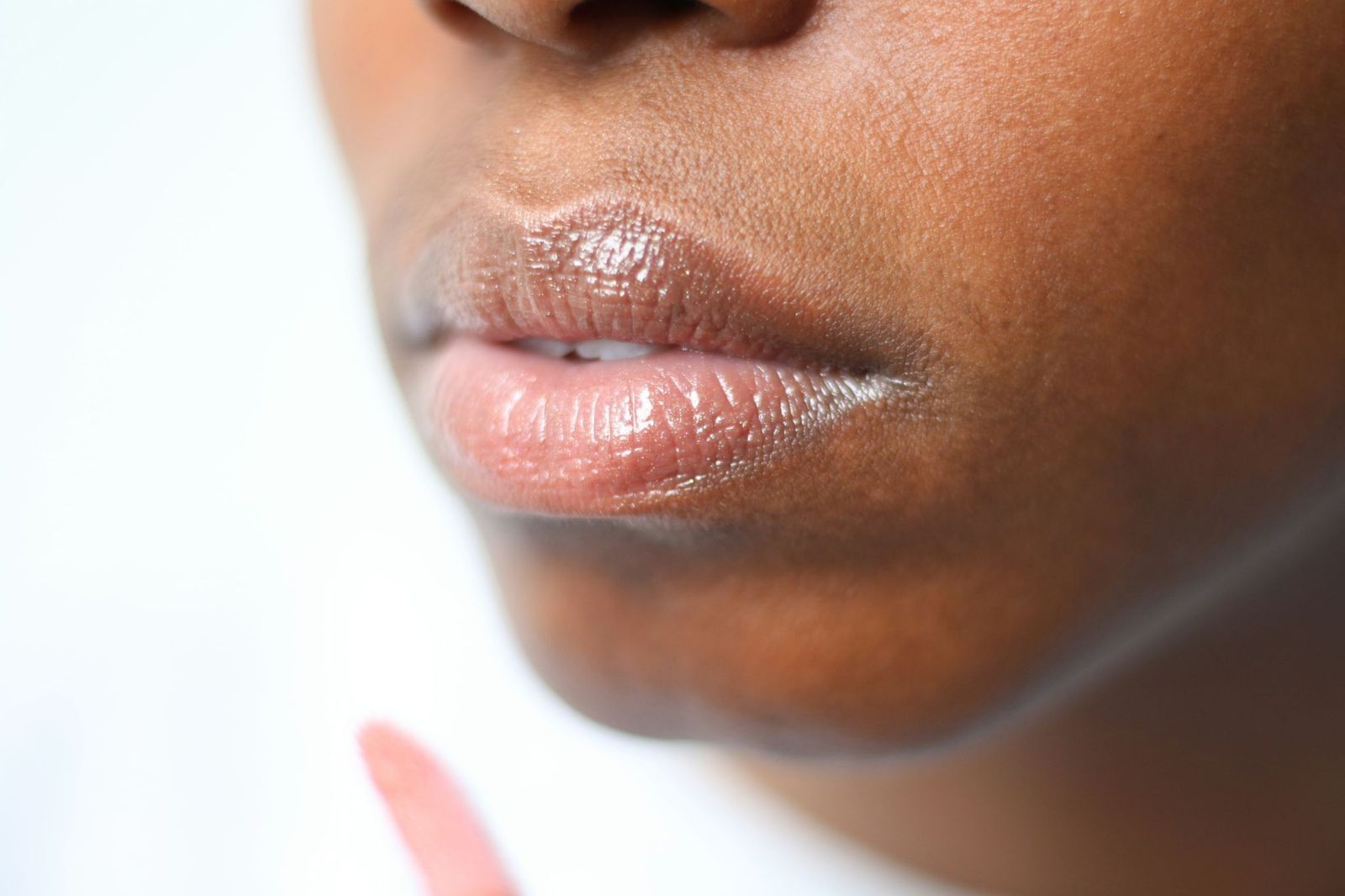
There is a reason why we call the top of the upper lip the "Cupid’s bow". The philtrum, or the vertical groove that goes from the button of the nose to the lip, is named after the Greek word phíltron, meaning ‘love spell or charm’.

This area was once considered to possess a special beauty, and the philtrum was the path where Cupid’s love arrows would land. Anatomically, the philtrum in humans is vestigial, but for other mammals it’s related to the sense of smell.

3

Glabella

Image: Laura Cukaj

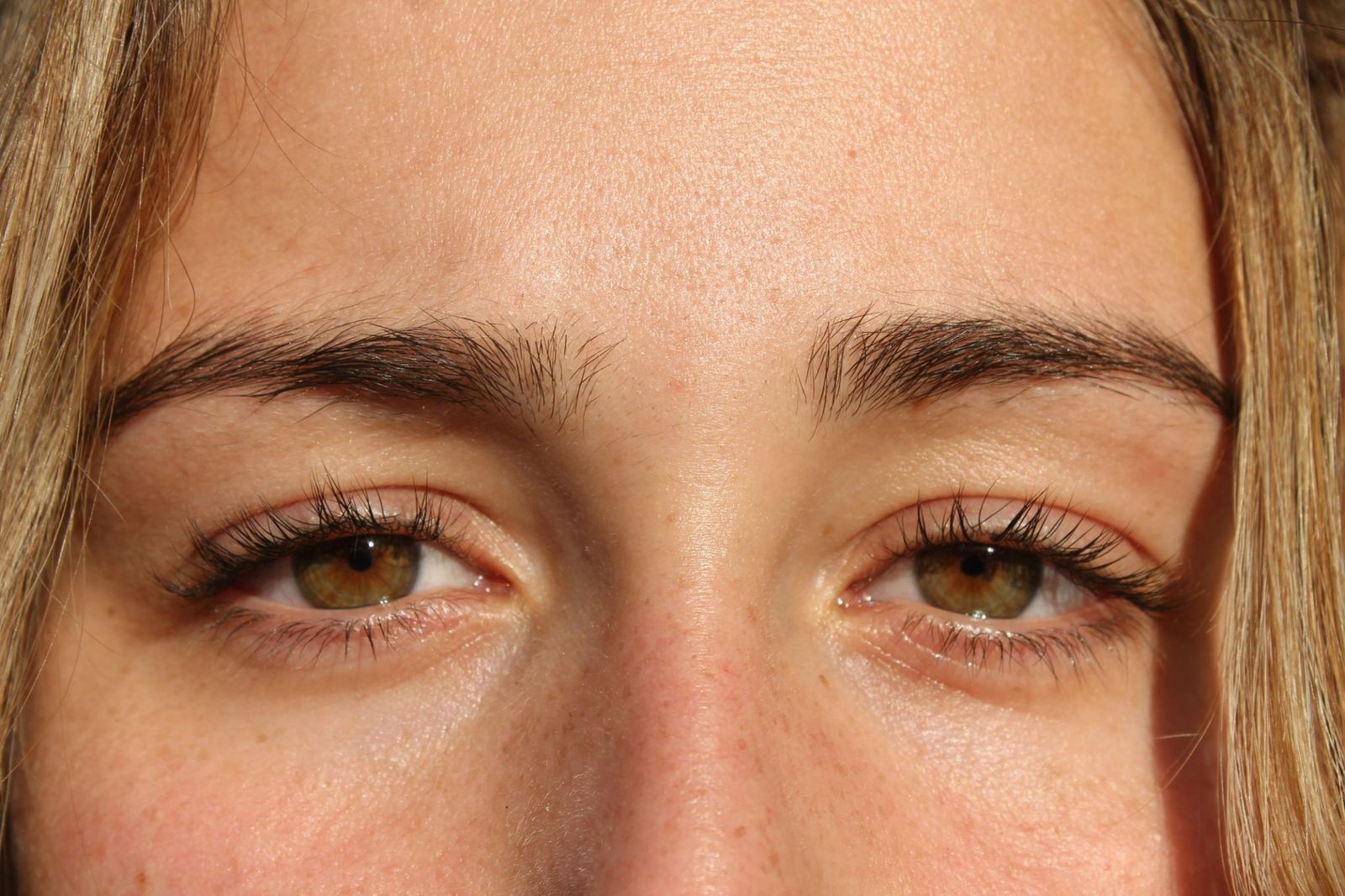
How do you refer to the space between your eyebrows? While most of us say "the space between the eyebrows", the correct name is glabella, a Latin word meaning ‘smooth’ or ‘hairless’.

The origin of the name is quite straightforward: while many mammals have "eyebrows", their brow bones are protruding and are often completely covered in fur. In humans, the brow bone is flat and smooth, and the area between the brows is typically hairless.

4

Purlicue

Image: Luis Quintero

No one really knows how the bit of skin between the thumb and the index finger came to be called purlicue. Some say that it is a combination of the Scots pirlie (‘curl’) and the French cue (‘tail’)

This term was first used for squiggly writing or for the decorative flourish at the end of a word, but etymologists still can’t explain how it came to be used for the curve of the hand.

5

Pinna

Image: Franco Antonio Giovanella

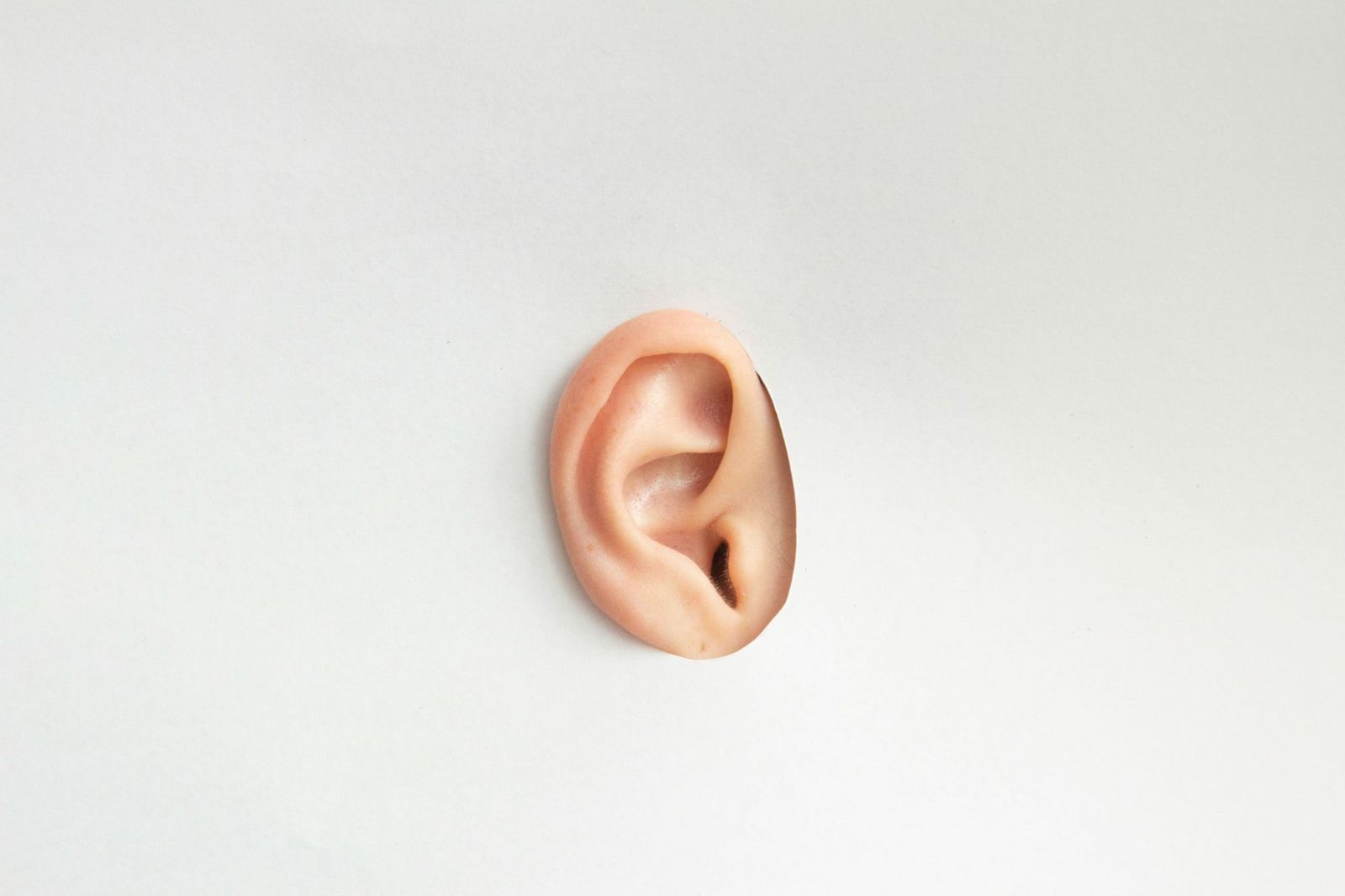
The term ‘ear’ encompasses both the outer and inner parts of the ear, but each component has its own name. Pinna, meaning ‘wing’, is the proper name of the visible ear, sometimes also called auricle, including both the cartilaginous and the fleshy part.

Although the inner ear is mainly responsible for converting sound into electrical signals and sending them to our brain, the pinna acts like a funnel that amplifies the sound vibrations and directs them into the ear canal.

6

Halux

Image: Amy Baugess

We have specific names for every finger, but what about the toes? The names for the toes mirror those of the fingers (index, middle, ring, pinky), except the big toe, which is called the hallux, after the Medieval Latin hallex, meaning ‘great toe’.

However, this scientific name still has a connection with the thumb, as linguists believe that the spelling of hallux was influenced by the Latin word pollex, meaning ‘thumb’.

7

Frenum

Image: Kittyfly

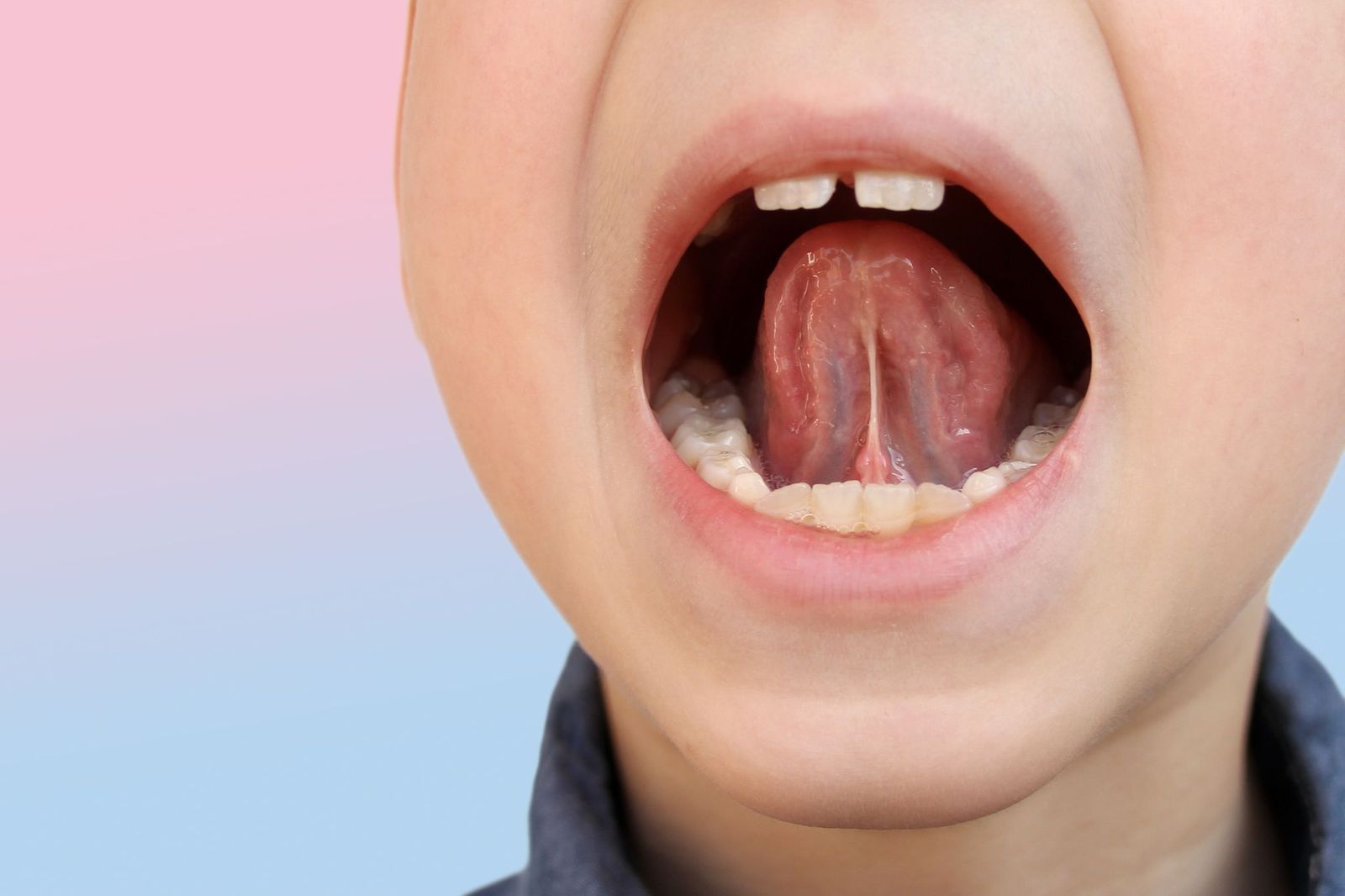
Several parts of the human body have a frenum (or frenulum), or a small band of tissue that restricts a mobile organ, such as the one connecting the underside of the tongue with the mouth.

This name comes from the Latin frenum, meaning ‘rein’ or ‘bridle’, equating the way tissue anchors and restricts the movement of the organ to how a rein directs and controls an animal.

8

Canthus

Image: Amanda Dalbjörn

If you thought that the corners of our eyes didn’t have a proper name, you are in for a surprise. The spot where the upper and lower lids meet —both inner and outer— is called canthus (canthi in plural), after the Greek kanthós, meaning ‘angle’ or ‘corner’.

Over the inner canthus, some people have a skin fold, called epicanthus (‘above the canthus’) or epicanthic fold. The shape of this fold —influenced by genetics, age, or medical conditions— often results in the upper lid being partially or completely hidden when the eye is open.

9

Zygoma

Image: furustic

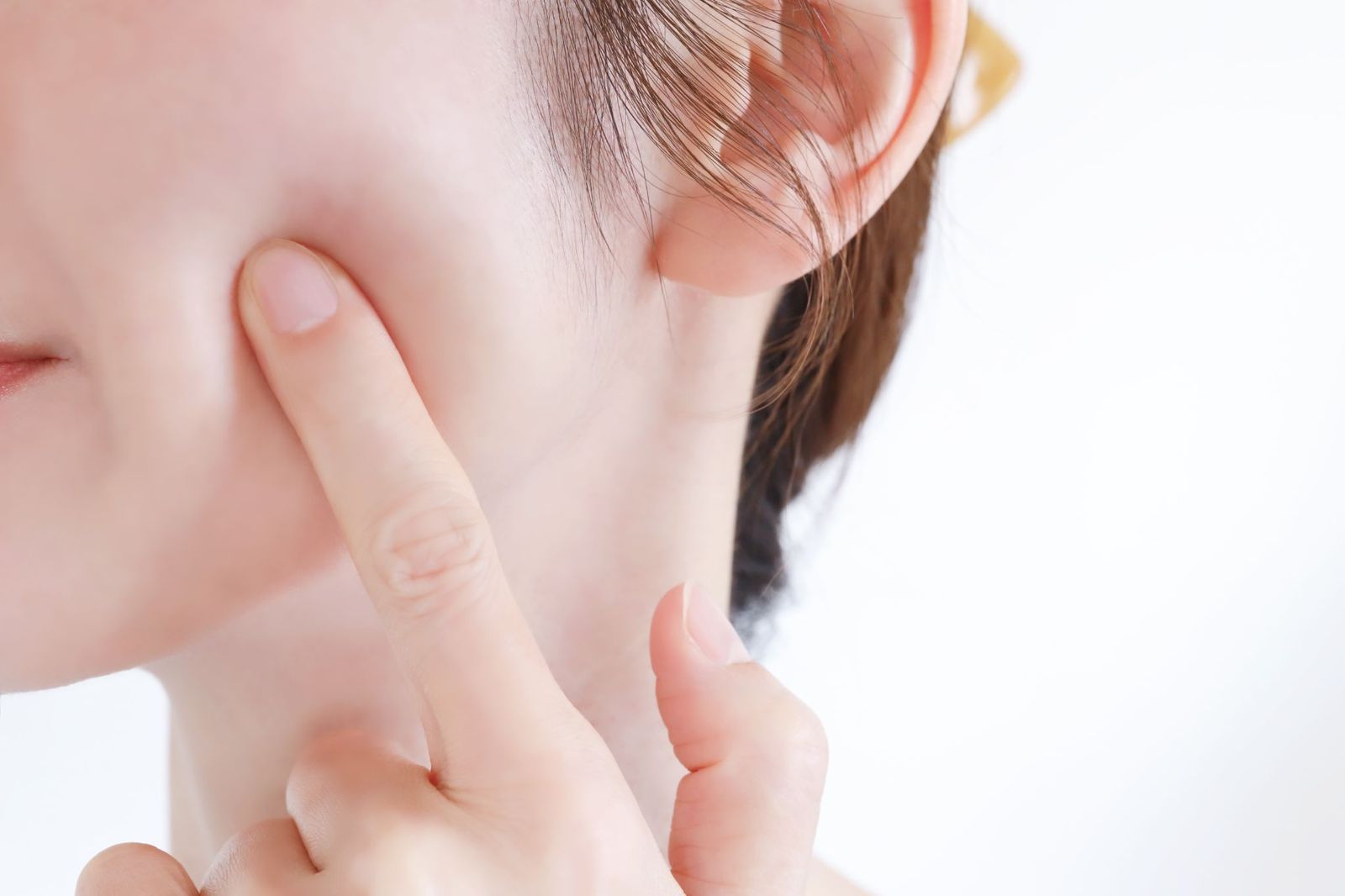
We often call it the cheekbone, but the proper name for it is zygoma, meaning ‘yoke’ or ‘bolt’ in Greek. Why was this name chosen? This bone acts like a bridge or yoke that connects the facial bones with the skull.

The scientific name for this bone is quite old, dating back to the 2nd century and to famous physicians such as Galen, who were the first to compare the cheekbone with a yoke. However, the term entered the English language only in the late 17th century.

10

Columella

Image: Adrenaline studio

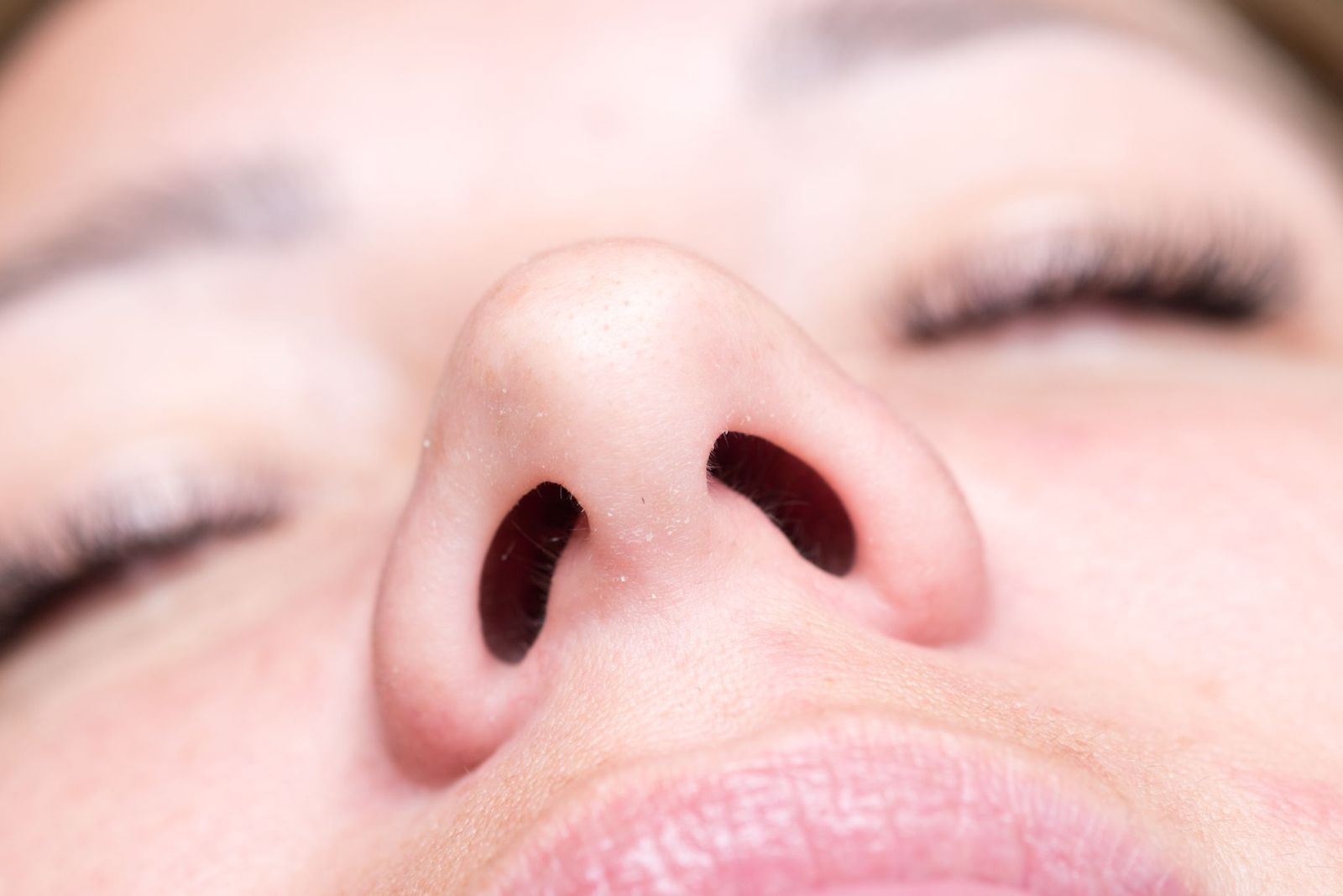
Our nose has two nares or nostrils, separated by a strip of skin. Have you ever wondered if that small piece had a name? Well, it does, and it’s called columella, a diminutive form of the Latin columna (‘column’ or ‘pillar '), reflecting how the strip of nasal tissue stands like a column between the nostrils.

This word entered English in the 16th century, but it wasn’t only used to describe the human nose. Instead, it was adopted by many scientific fields to describe different structures that resembled a column.

11

Gnathion

Image: Erica Li

Is there a clear distinction between the chin and the point of the chin? We often call the point of the chin just ‘chin’, but it's actually called the gnathion, derived from the Greek gnathos (‘jaw’ or ‘mouth’).

Gnathion is the diminutive form of gnathos, and could be translated as ‘little chin’. While anatomically, ‘chin’ describes the entire forward part of the lower jaw, the term gnathion refers to the pointiest part of it.

Looking for an extra scoop of literary fun?

Learn more with our Word of the day

respite

/ˈrɛspət/