Keeping score of idioms

Which sport brought us the most sayings? The answer will surprise you!


Published on June 23, 2026
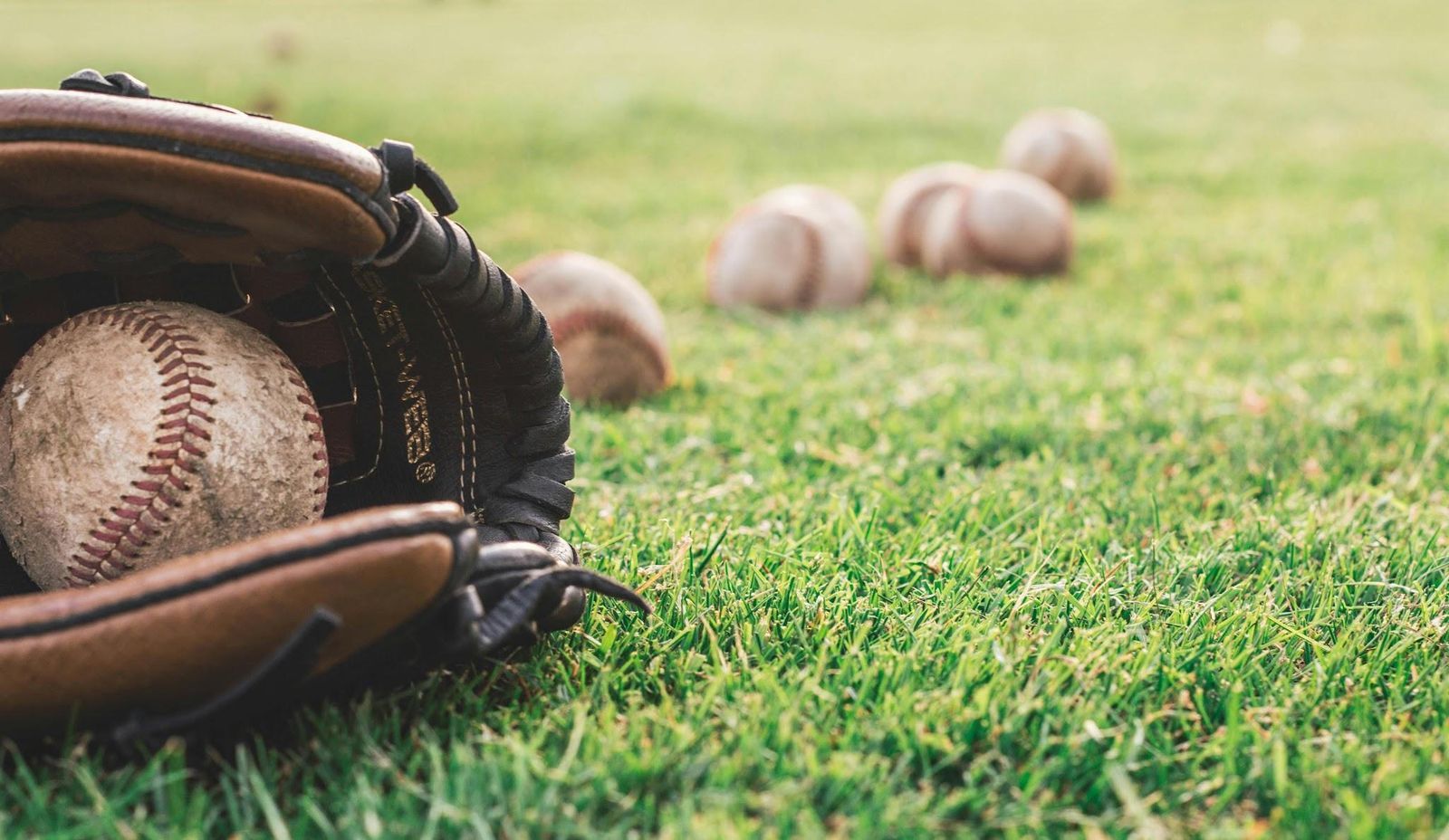

Image: Steshka Willems

Can you identify idioms that originated in sports? Maybe it’s trickier than you think. Sure, some expressions are obvious: Why else would we talk about "throwing a curveball"? But in this article, you might find a few sayings that you thought had other origins. Can you guess which sport has introduced the most expressions on this list? Let’s step up to the plate and dissect 13 sports idioms!

1

Go for gold

Image: Jingming Pan

Gold is such a valuable material that "going for gold" appears valid in many different arenas. That very expression could have originated during the Gold Rush era, for example.

But the phrase became popular via repetition in sporting competitions. When athletes applied their full efforts to win first place, they were revered for "going for gold." Today, we use it for anyone striving for excellence in any discipline.

2

Hands down

Image: Philippe Oursel

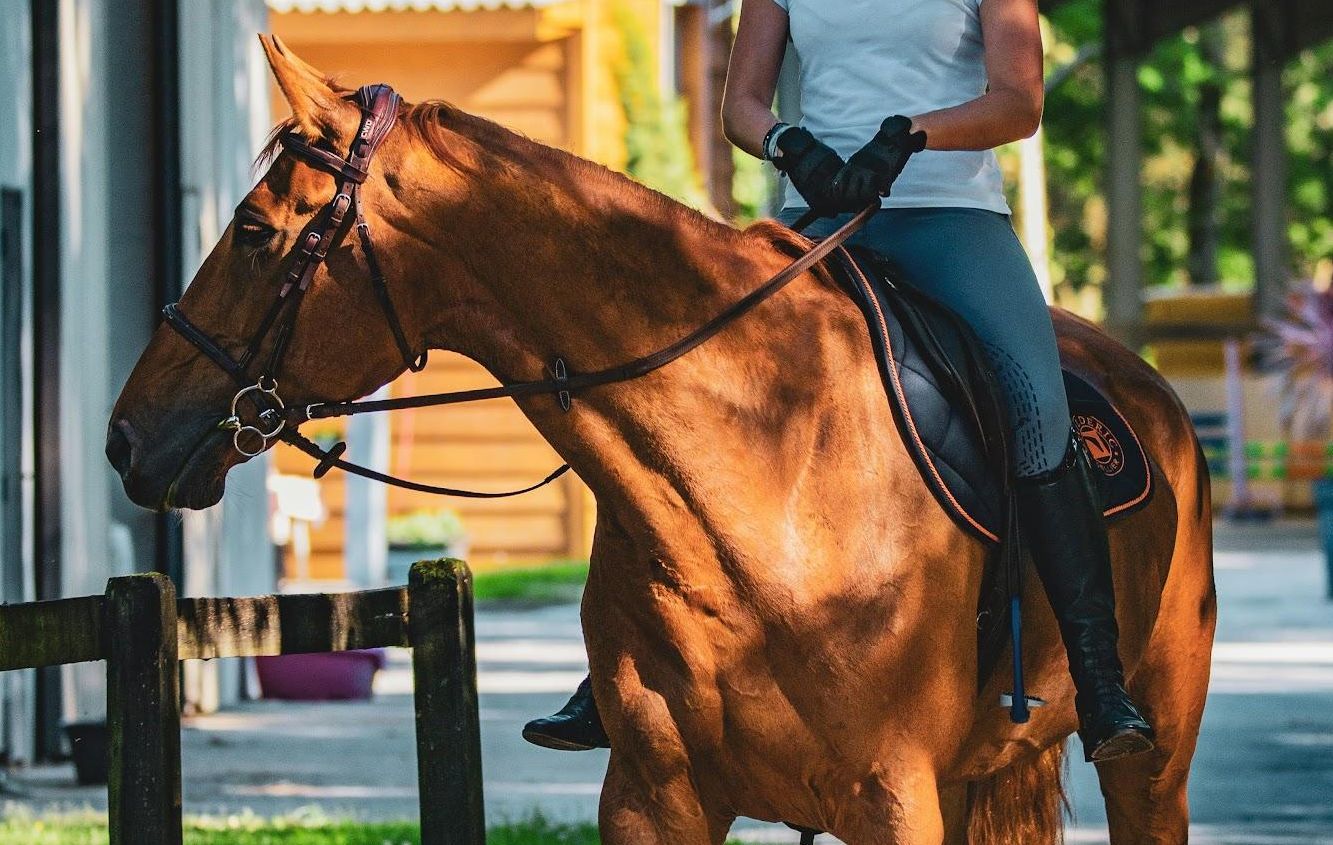
We have gotten very used to using "hands down" as an expression of certainty and hyperbole. "Chocolate ice cream is my favorite, hands down." But what did the hands ever have to do with it?

It traces back to horse racing. When a jockey was far ahead in a race, they would relax their grip on the reins and lower their hands: In short, a certain win. Over time, "hands down" became a term to emphasize something as undeniably the best or easiest.

3

Full-court press

Image: Barna Bartis

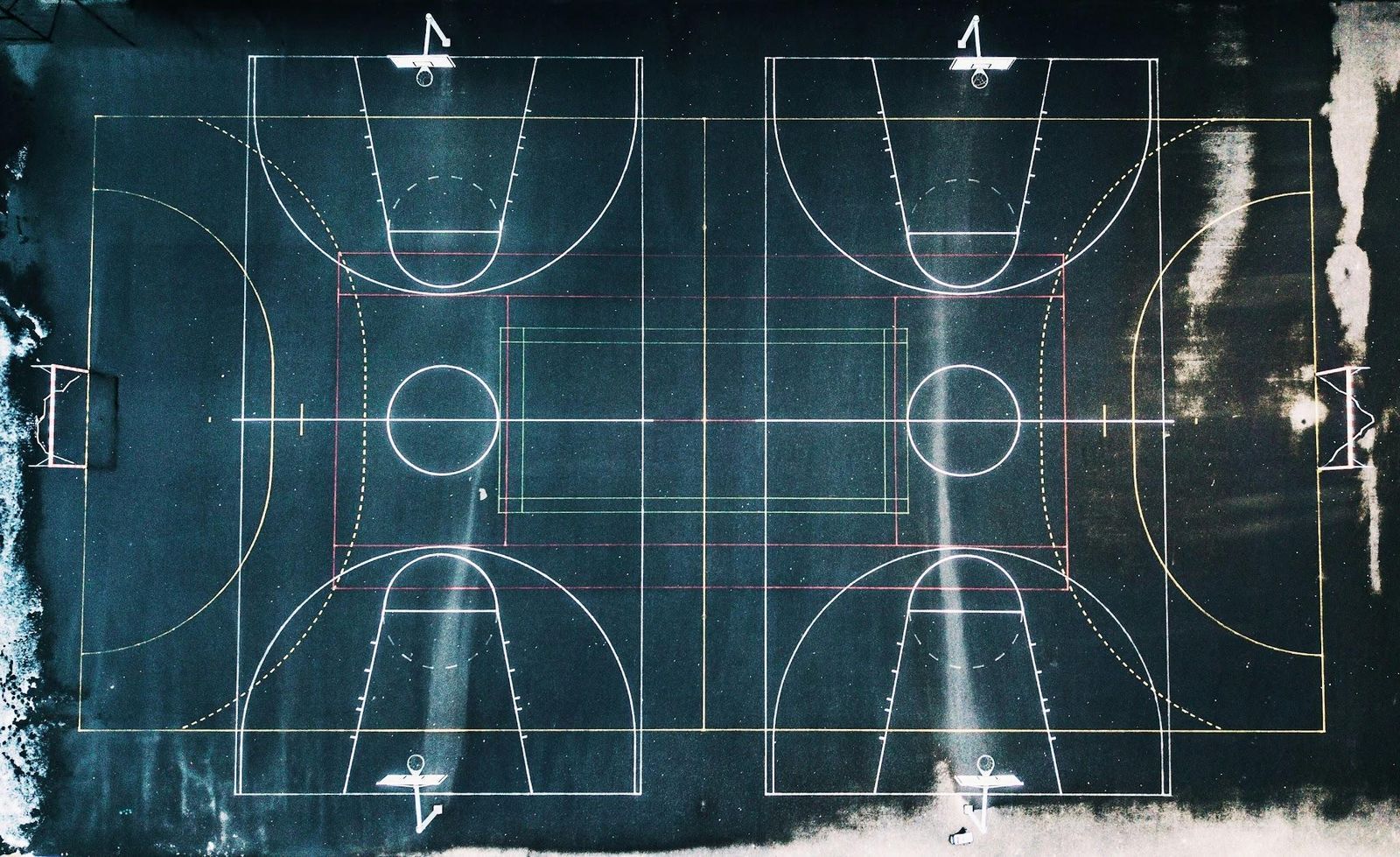
You can’t be blamed for thinking that a "full-court press" was some sort of judicial strategy. But it isn’t; The court here refers to a basketball game.

It’s a tactic that involves the defending team advancing and disrupting the opponent’s play, applying pressure across the entire court. That’s why we use this expression for all-out team efforts to achieve something, be it in business, politics, or personal matters.

4

Throw a curveball

Image: Colynary Media

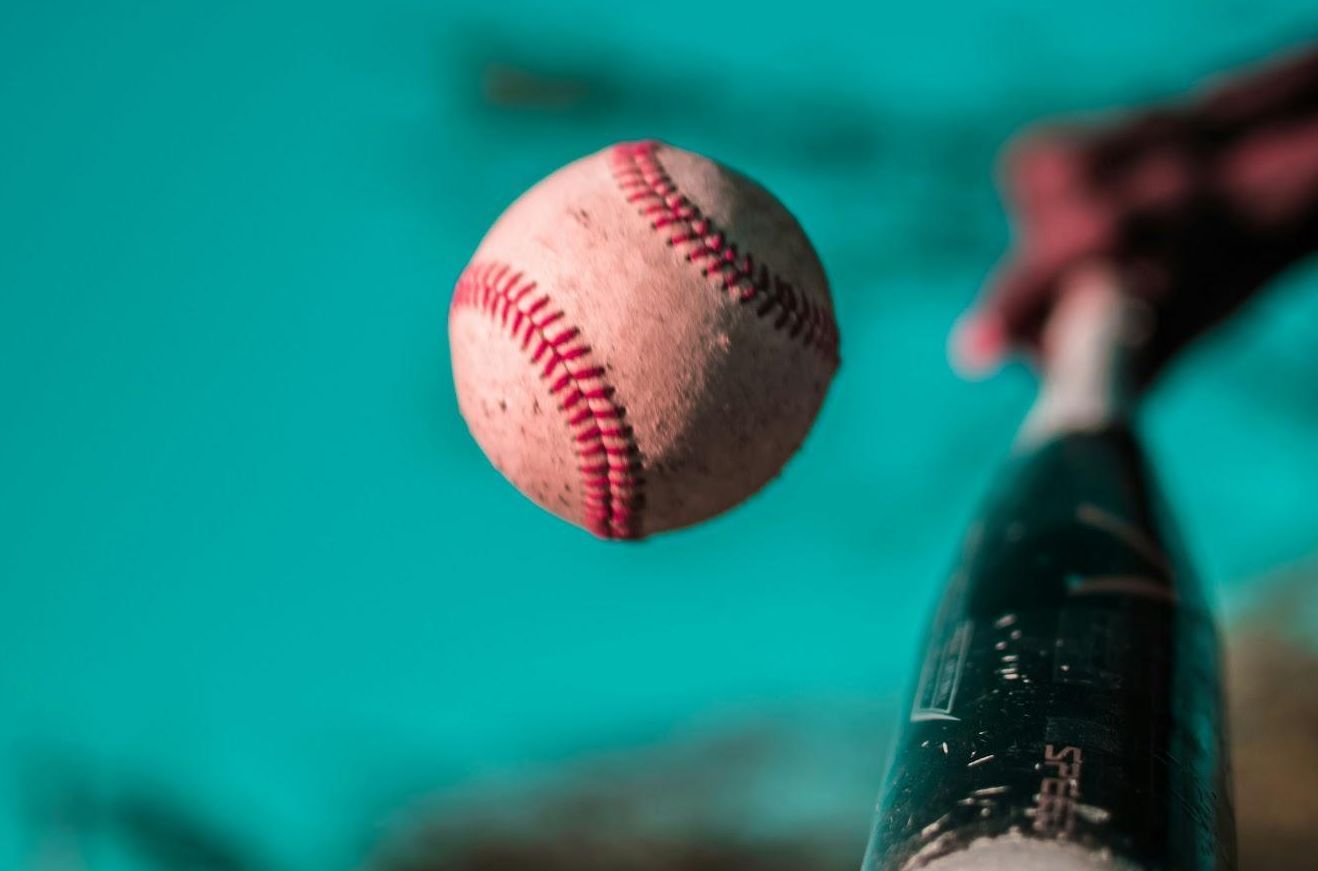
In baseball, a "curveball" is a pitch that spins and curves unpredictably. Basically, a batter’s nightmare, because it is designed to catch them off guard and make them miss.

The dramatic image of facing an obstacle set up by the competition clicked with people. So they started using the expression "being thrown a curveball" when something tricky or unexpected was coming their way.

5

To win by a nose

Image: Keith Luke


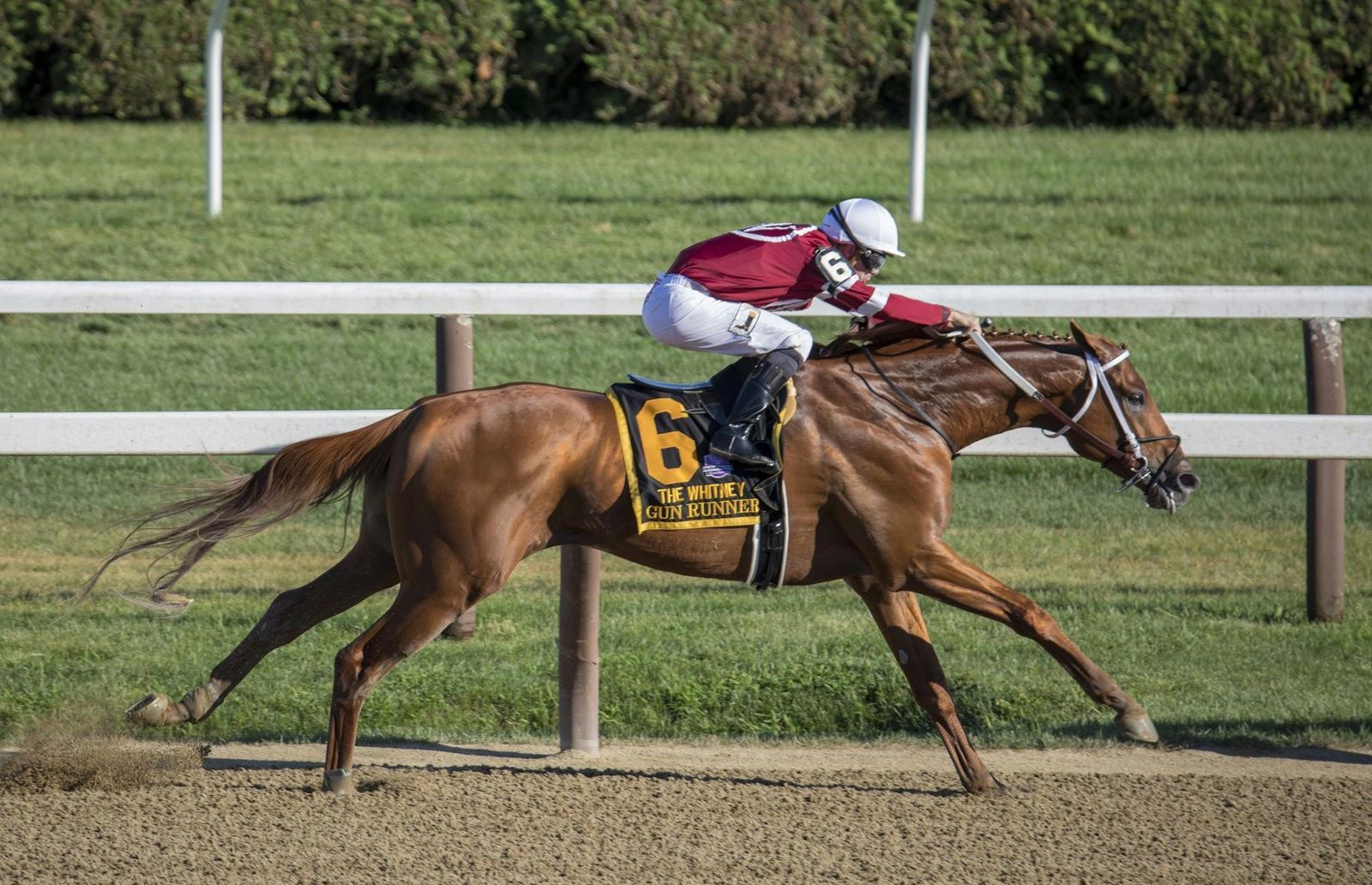
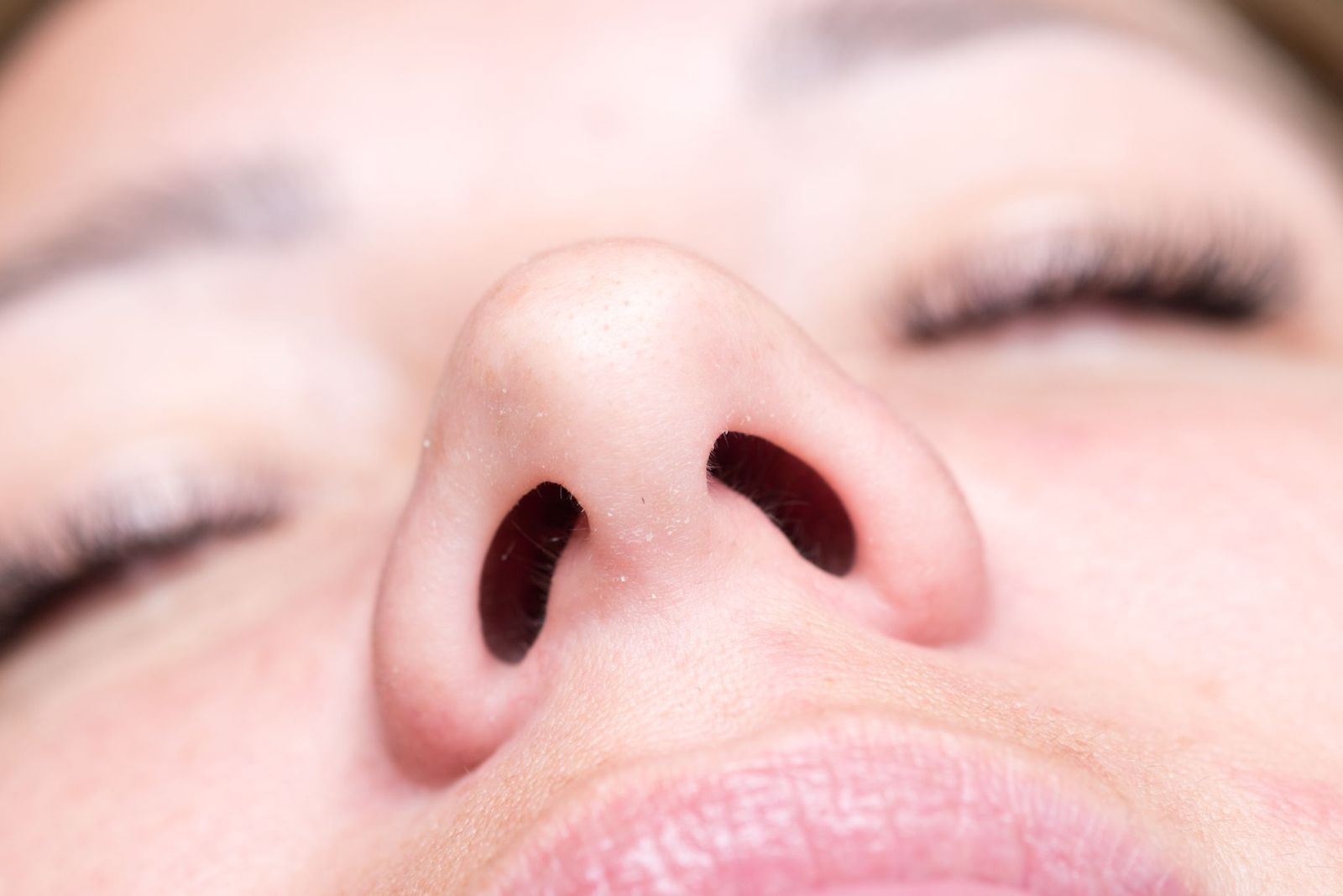
When you hear that someone "won by a nose," do you picture two human faces lunging for a finish line? You may have, but that’s not the precise origin of the idiom.

It comes from horse racing, where a horse’s snout is really the first part of him (and his rider) to cross the line. Today, we use it for scenarios where we win what we want by a small margin. Like getting to our flight right before the gates close!

6

Throw in the towel

Image: Elena Kloppenburg

A frustrated chef in a cooking competition might also "throw in the towel," but that’s not the origin of this metaphor for surrender. This saying, like so many others, comes from boxing.

When a boxer is taking a beating and can't continue, a dramatic way for the trainer to interrupt or surrender the game would be to throw a towel into the ring. The image has evolved to stand for any form of surrender.

7

Drop the ball

Image: Ben Hershey

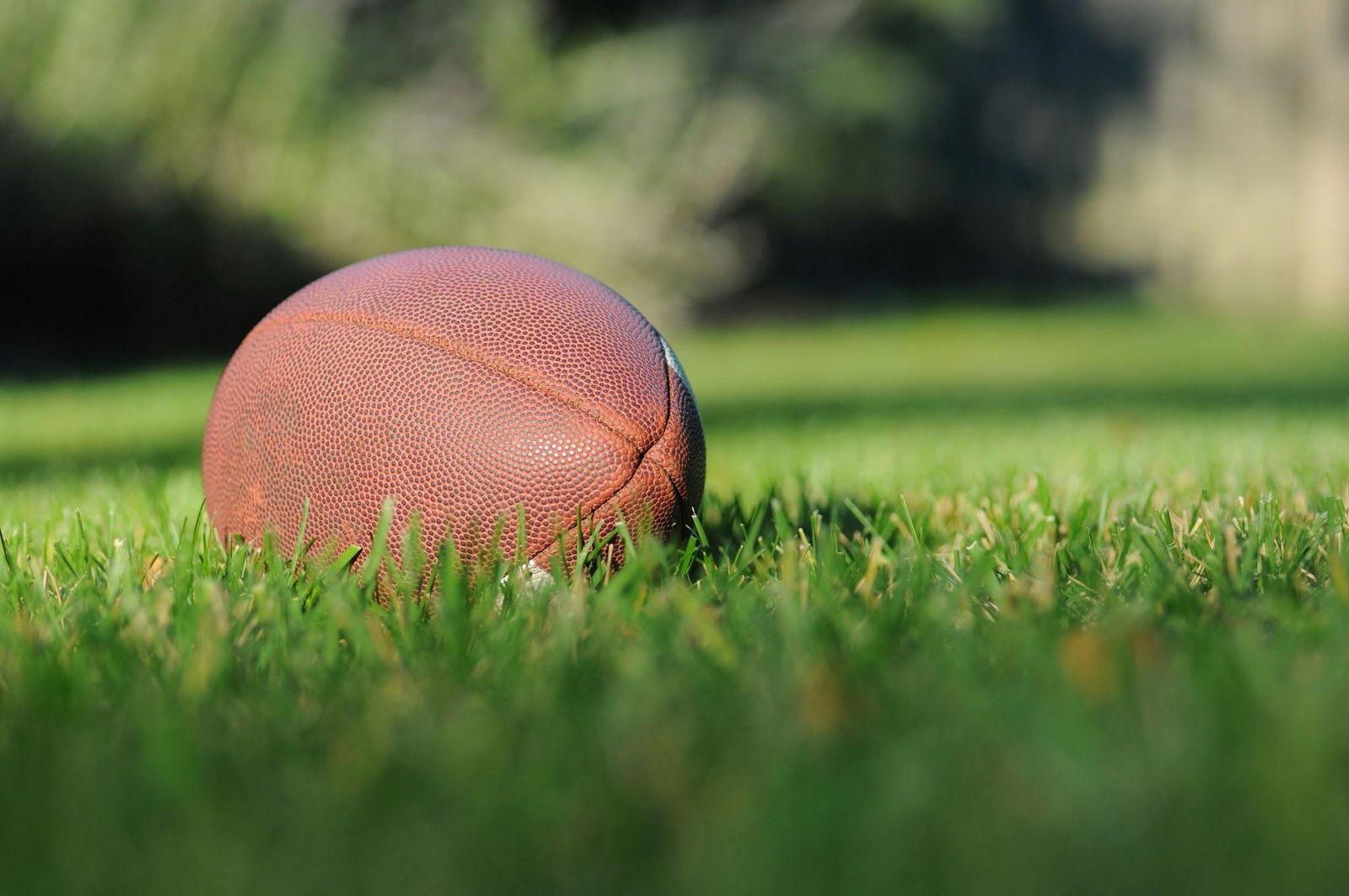
In American football and rugby, you have to catch and hold on to the ball if you want to keep the game alive. Let the ball slip from your hands and you’ll also be letting the rest of your team down.

That’s the origin of the expression. Dropping the ball means someone fumbled an endeavor, usually compromising the luck of other people.

8

To have someone in your corner

Image: Temple Noble Art

We all understand that this alludes to a person rooting for you and helping. Maybe when you heard this phrase you pictured someone figuratively in the corner of your mind, or of your heart –or of any room you were in.

But the origin is much more literal. As any boxing fan knows, the player’s support staff stay at a designated ringside corner. They are the ones tending to the player with help and encouragement between rounds.

9

Step up to the plate

Image: Kenny Eliason

You probably didn’t think that stepping up to the plate was advancing towards a dining table where a delicious feast awaited. But someone else probably did.

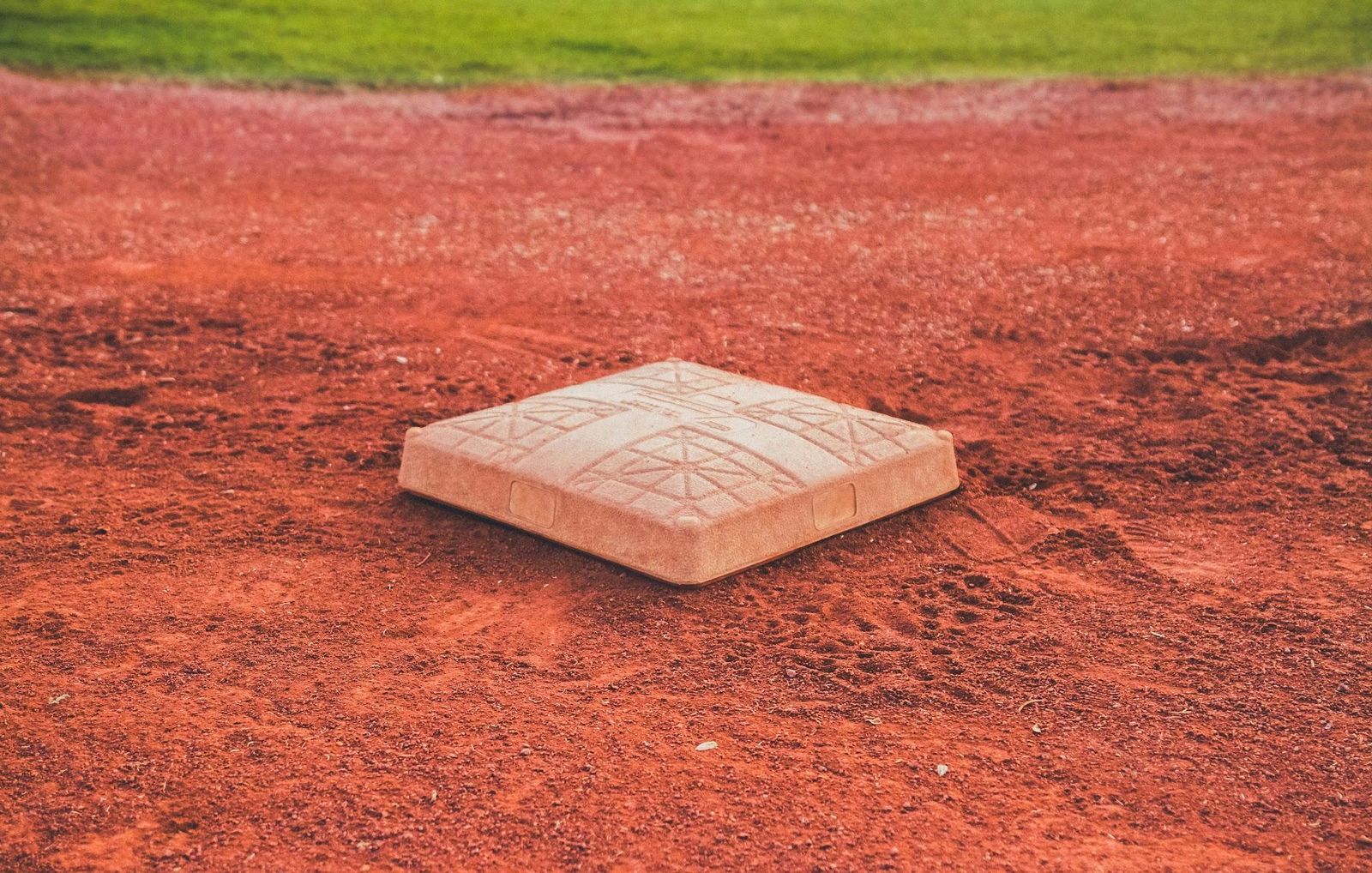
The actual meaning of the expression (which means to "rise up to the occasion") comes from baseball, where "the plate" refers to home plate –the spot where the batter stands to face the pitcher. If you are approaching it, it means it’s your turn to take action, face the challenge and deliver results.

10

Take it on the chin

Image: Michael Starkie

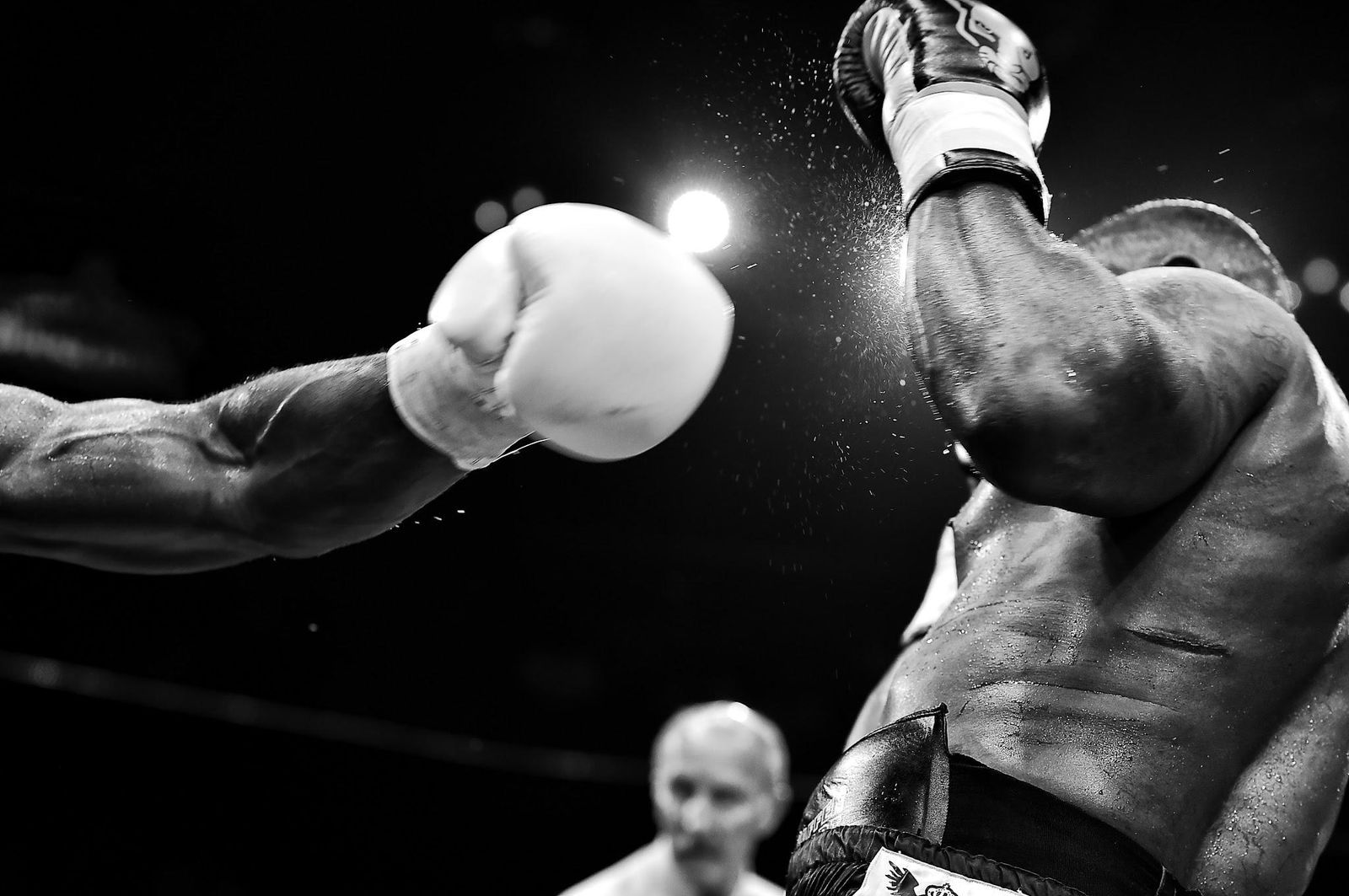
This one is easy to guess: Of course, it comes from boxing, where expecting blows is the norm. What isn’t the norm is to courageously accept punches in the face.

To take something on the chin means to face a figurative blow with resilience. A hit directly to the chin is one of the most jarring blows a fighter can endure, so when you are congratulated for having done something equivalent, it means you have withstood a challenge with grace.

11

Slam dunk

Image: Samuel Pagel

When someone says something is a "slam dunk," you probably imagine a sure success or an effortless win.

The term, as you may know, comes straight from basketball. A "slam dunk" is when a player jumps high and forcefully scores by slamming the ball directly into the hoop. Not effortless at all, but by the time the player has the opportunity to perform a slam dunk, their win is usually a sure thing.

12

The gloves are off

Image: Prateek Katyal

No, it does not derive from people putting aside their fancy gloves before having tea. It comes from harsh, bare-knuckle boxing.

In the early days of the sport, fighters wore padded gloves to soften their punches and reduce injury. When the gloves came off, the fight became more brutal and raw: No more pretense. Over time, the phrase evolved to describe any situation where politeness or restraint is abandoned.

13

Beat to the punch

Image: Johann Walter Bantz

It isn’t a race to a punch bowl at a party. This is yet another expression derived from the world of boxing, which, as you have seen, is a sport that launched more expressions into our language than any other!

This one refers to moments when one fighter manages to hit the other before receiving a blow.

We now use it for people who seize an opportunity and act faster than an opposing party.

Trimming our vocabulary

10 words in English that used to be longer


Published on June 23, 2026


Image: Megan Watson

Have you ever wondered why we say ‘fab’ for fabulous, or ‘uni’ for university? A natural characteristic of most languages is that speakers, even if they don't realize it, try to say the most amount of things with the least amount of words possible. This can be done in many ways, including by shortening the word to its smallest form. While in some cases the short and the long versions are used at the same time, many terms that we don’t think twice about actually have a longer version. Keep on reading to discover the original form of these everyday words.

1

Pub

Image: Amie Johnson

Public establishments dedicated to selling alcohol are as old as time and have gone by several names over the centuries. In English, taverns, alehouses, and inns existed way before the word ‘pub’ was in use. Where did it come from, then? In the 17th century, the term ‘public house’ began to be used to distinguish these establishments from private houses and residences, and the shortened version of ‘pub’ was registered for the first time in 1859.

2

Bus

Image: CHUTTERSNAP

Buses weren't always machines. The first recorded bus dates back to 1823 in Nantes, France, where a horse-drawn carriage service transported passengers to the public baths. The service was called Omnes Omnibus, Latin for ‘everything for everyone’. The omnibus part remained and was adopted into English to refer to public transport, later shortened to ‘bus’.

3

Fridge

Image: nrd

While we still use the full word ‘refrigerator’ in English, ‘fridge’ is now a word in its own right. But how did it get to that form? As modern refrigerators became increasingly more common in the 20th century, people started shortening their name to ‘frig’, but this form sounded harsher than the original. To capture the sound of the g in ‘refrigerator’, writers started writing the word as ‘fridge’, mirroring the spelling of words like ‘bridge’ or ‘lodge’.

4

Soccer

Image: Emilio Garcia

Many think that Americans use the term soccer because a sport named football was already popular in the U.S., and they are only half right. Originally, there were several sports named football: Rugby football (now, just rugby), Association football (soccer), and Gridiron football (football). In the late 19th century, English students started shortening Association football to ‘assoc’ and then to ‘soccer’, a name that became popular and coexisted with the term ‘football’ for a long time. While ultimately ‘football’ became the more widespread term for the sport, in America, due to the popularity of Gridiron football, the name ‘soccer’ remained.

5

Perk

Image: Markus Winkler

The word ‘perk’ has many meanings, but not all are a shortened version of another word. The word ‘perquisite’ comes from the Latin perquisitum, meaning ‘something carefully sought or acquired’. In the 19th century, it was shortened to ‘perk’, which has now evolved to mean a benefit or an extra, usually related to a job or salary.

6

Miss

Image: Christopher Campbell

While ‘mistress’ often has a negative connotation in modern English, this was not always the case. Originally, ‘mistress’ was the feminine version of ‘master’, as in ‘the head of a household’. Around the 1600s, it was shortened to ‘miss’, and both ‘mistress’ and ‘miss’ were used for the lady of the house. Eventually, ‘miss’ came to be used for young, unmarried ladies, while ‘mistress’ evolved into ‘Mrs’ (pronounced missus).

7

Cute

Image: Jonatan Pie

Have you ever heard the word ‘acute’ used to describe a sharp pain or a sharp-witted person? Believe it or not, it is related to the word we use to talk about charming and pretty things and people. While acute —and its shortened version, ‘cute’— originally meant ‘perceptive’ or ‘sharp’, it became a slang word for clever, fetching, or pretty things in the 19th century. Eventually, the meaning broadened to include physical appearances.

8

Girl

Image: Leo Rivas

Middle English had many gender neutral terms to refer to people —think ‘child’ or ‘sibling’, for example— and ‘girl’ was one of these terms. Originally gyrle or girle, it was used to describe any small child, regardless of their sex, and adjectives were added to specify if it was male or female. Around the 15th and 16th centuries, the meaning shifted to refer to young females, while also becoming an affectionate term for women of all ages.

9

Taxi and Cab

Image: Waldemar Brandt

‘Taxi’ and ‘cab’ are used interchangeably for a vehicle with a hired driver, and many people have at least once heard the term ‘taxicab’, now practically obsolete. But what if we tell you that taxicab is not the original term either? A taximeter (a mix of taxa, ‘charge’, and metron, ‘measure’) was an instrument used to measure and determine a fare, while a cabriolet was a light, horse-drawn carriage. The first automatic taximeter was invented in Germany in 1891, and attached to horse carriages and later to automobiles. These vehicles were initially called taximeter cabs, then taxicabs, and ultimately just taxis or cabs.

10

Prom

Image: Shayna Douglas

Ask any high school student, and most of them will agree that prom is a major rite of passage of adolescence. This tradition is derived from high society formal dances that gave young people the opportunity to practice their social skills and make acquaintances. But what does ‘prom’ mean? The original term is ‘promenade’, a word you may recognize in relation to walkways and avenues, a French term used for a leisurely walk or stroll. In high society events, ‘promenade’ was used for the initial formal parade of the guests, which gave them the chance to show off their attire. Eventually, it came to refer to the event itself.

Looking for an extra scoop of literary fun?

Learn more with our Word of the day

ballsy

/ˈbɔlzi/